
This post may contain affiliate links. Please see my disclosure policy for details.
Purple Heart Plant: A Vibrant Splash of Color for Your Garden
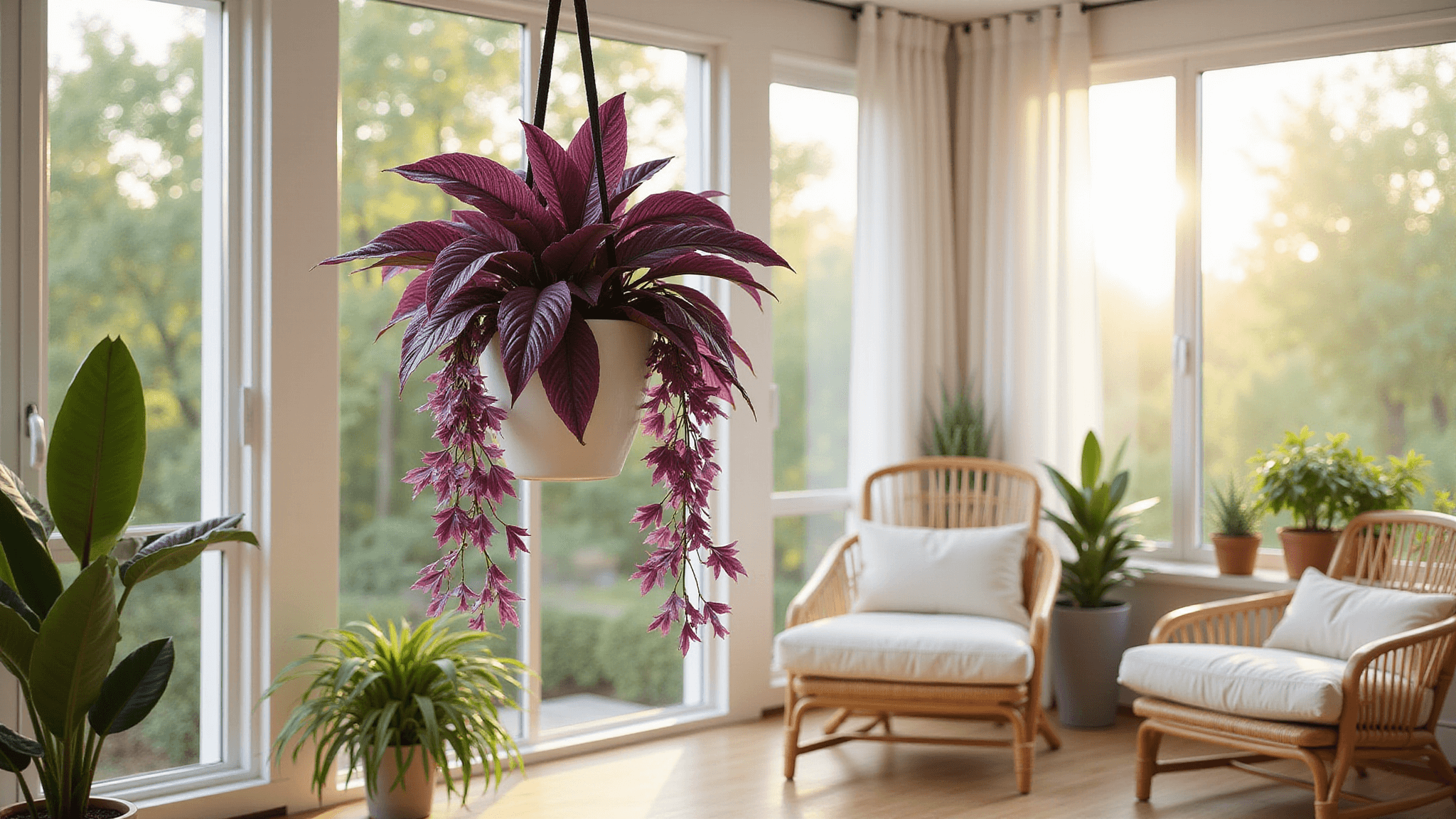
The Purple Heart plant on my aunt’s porch survived a forgotten-watering summer and still spread three feet along the railing, which is exactly why I keep recommending it. It’s a trailing plant with deep purple leaves that asks for very little and gives a lot of color. If you want something that looks lush without the fuss, this is it.
I remember the first time I laid eyes on a Purple Heart. It was like someone had spilled a bottle of royal purple paint across my neighbor’s rock garden. I was hooked.
So, what’s the deal with this purple stunner?
The Basics:
- Scientific name: Tradescantia pallida ‘Purpurea’
- Also known as: Purple queen, purple spiderwort, wandering Jew
- Native to: Gulf Coast region of eastern Mexico
- Plant type: Perennial, groundcover, and sometimes a bit of a drama queen
Now, let’s dive into why this plant deserves a spot in your garden (or hanging basket, or windowsill – it’s not picky).
Appearance: Purple Reign
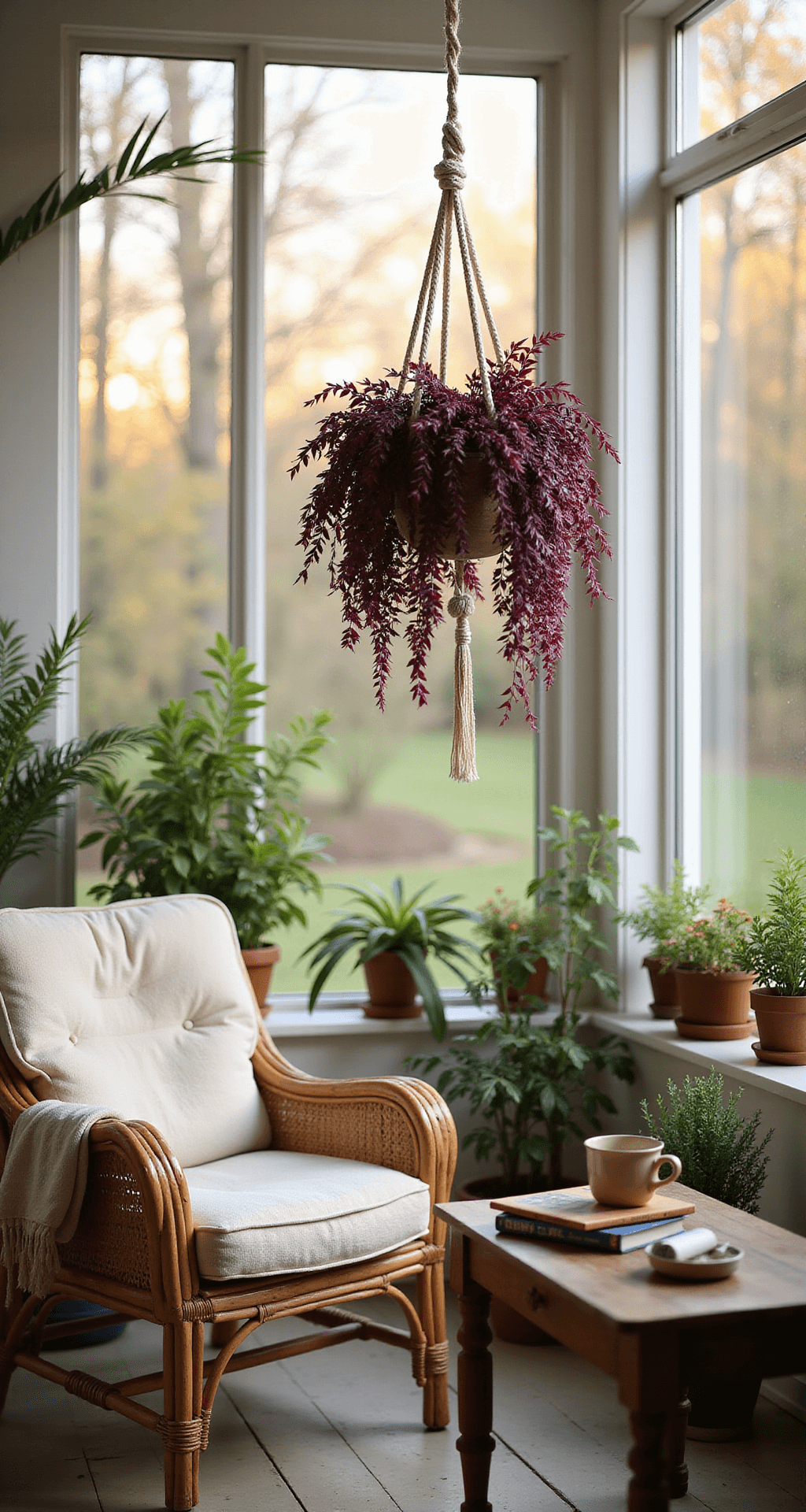
Picture this: Stems and leaves so deeply purple, they’re almost black. It’s like the plant version of a goth teenager, but way more charming. The foliage has a slight silvery sheen, thanks to tiny hairs that catch the light. And just when you think it can’t get any better, it throws out these dainty pink flowers. Talk about a plot twist!
Growth Habit: The Spreader
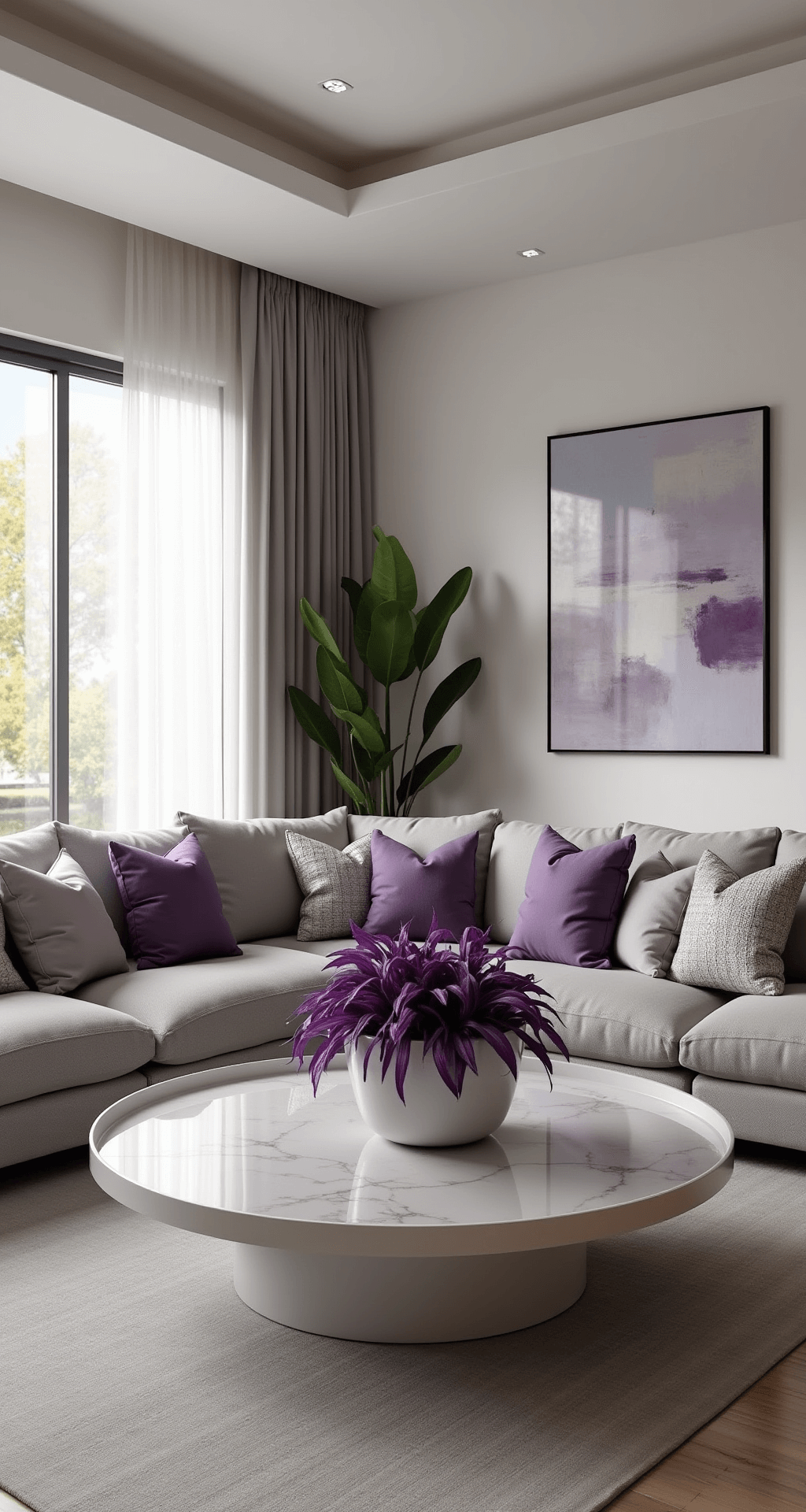
This plant doesn’t just sit there looking pretty. Oh no, it’s got places to be. The Purple Heart spreads faster than gossip in a small town. It’ll cascade over pots, trail down walls, and carpet your garden beds if you let it. It’s the Usain Bolt of the plant world, but with better color coordination.
Save this article
Enter your email and we'll send it straight to your inbox.
Uses: Versatility is its Middle Name
- Ground cover: Want to smother weeds in style? Purple Heart’s got you covered.
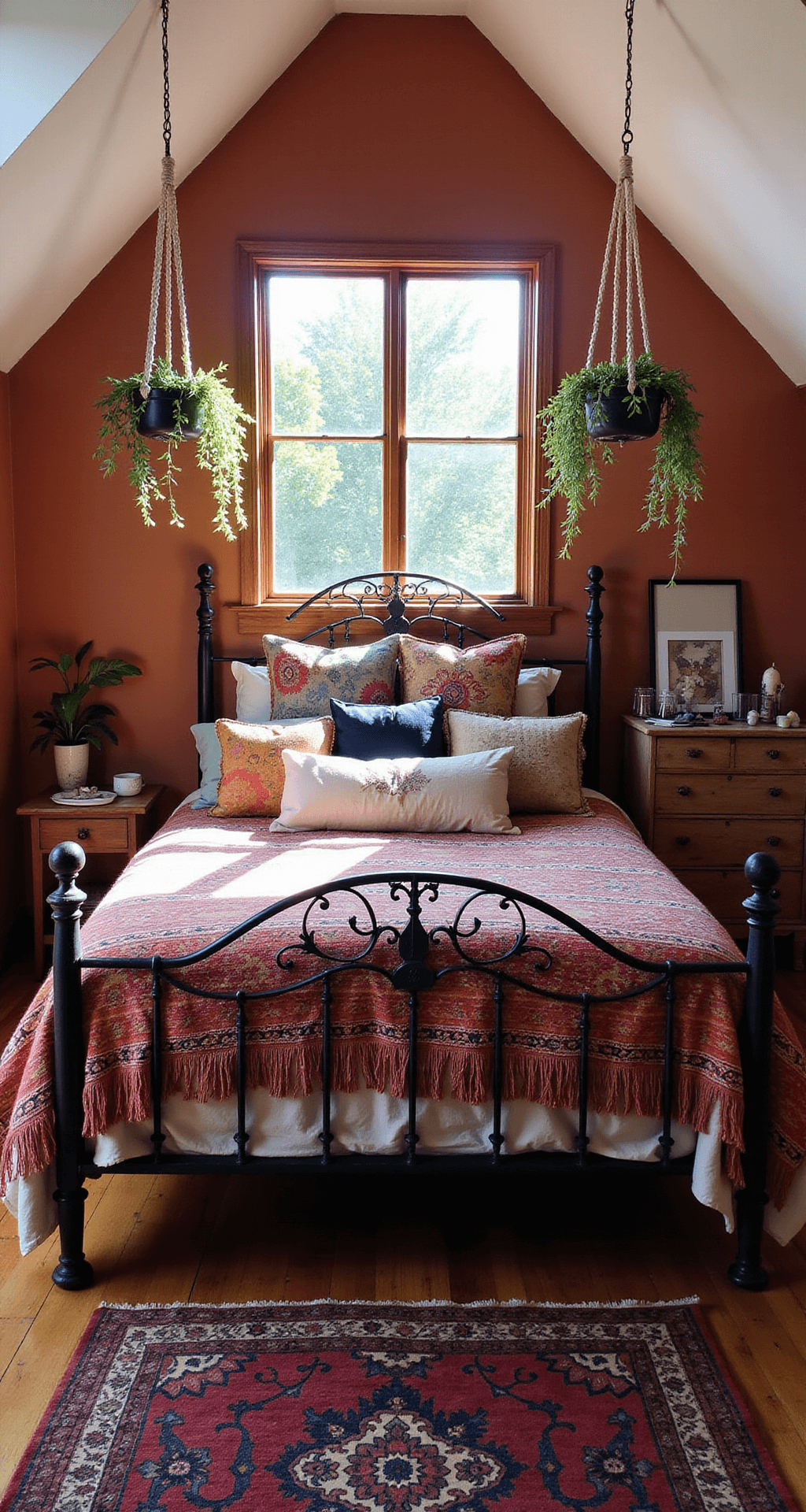
- Hanging baskets: It’ll drape dramatically like purple curtains.
- Mixed containers: Pair it with lime green or silver plants for a combo that’ll make your neighbors green with envy.
- Indoor plant: Brighten up a sunny spot in your home.
Care: Low Maintenance Diva
Here’s the best part – this plant is easier to care for than a pet rock.
- Light: Full sun for the deepest purple. Partial shade if you’re feeling rebellious.
- Soil: Well-draining. It’s not fussy, but it doesn’t like wet feet.
- Water: Drought-tolerant, but enjoys a good drink now and then. Like me at a party.
- Temperature: Hardy in USDA zones 7-11. Below that, treat it as an annual or bring it indoors.
- Fertilizer: Monthly during growing season. It’s a light eater.
- Pruning: Pinch or trim to keep it bushy. Otherwise, it might get leggier than a supermodel.
Propagation: The Gift That Keeps on Giving
Got scissors? You can make more Purple Hearts. Just snip, stick in soil or water, and voila! New plants. It’s like magic, but easier.
Potential Problems: Nobody’s Perfect
- Pests: Generally resistant, but watch for aphids and mealybugs.
- Diseases: Root rot if overwatered. Remember, it’s drought-tolerant, not aquatic.
- Toxicity: Mild irritation if ingested. Keep away from curious pets and kids.
- Invasiveness: Can spread aggressively in mild climates. Keep an eye on it, or it might stage a garden coup.
Fun Fact:
Purple Heart plants are air-purifying ninjas. They’re great at filtering out volatile organic compounds. So not only do they look good, but they’re also secretly cleaning your air. Talk about a multi-tasker!
A Purple Heart plant earns its spot because it grows fast, roots from a cutting, and shrugs off most mistakes. Give it sun, let it dry between waterings, and it’ll trail across a pot or a hanging basket in a single season. It’s one of the easier ways to add real purple to a space.
Keep this one for later
We'll email you the link so you can come back to it.



[…] Try ombre designs for a splash of color […]