
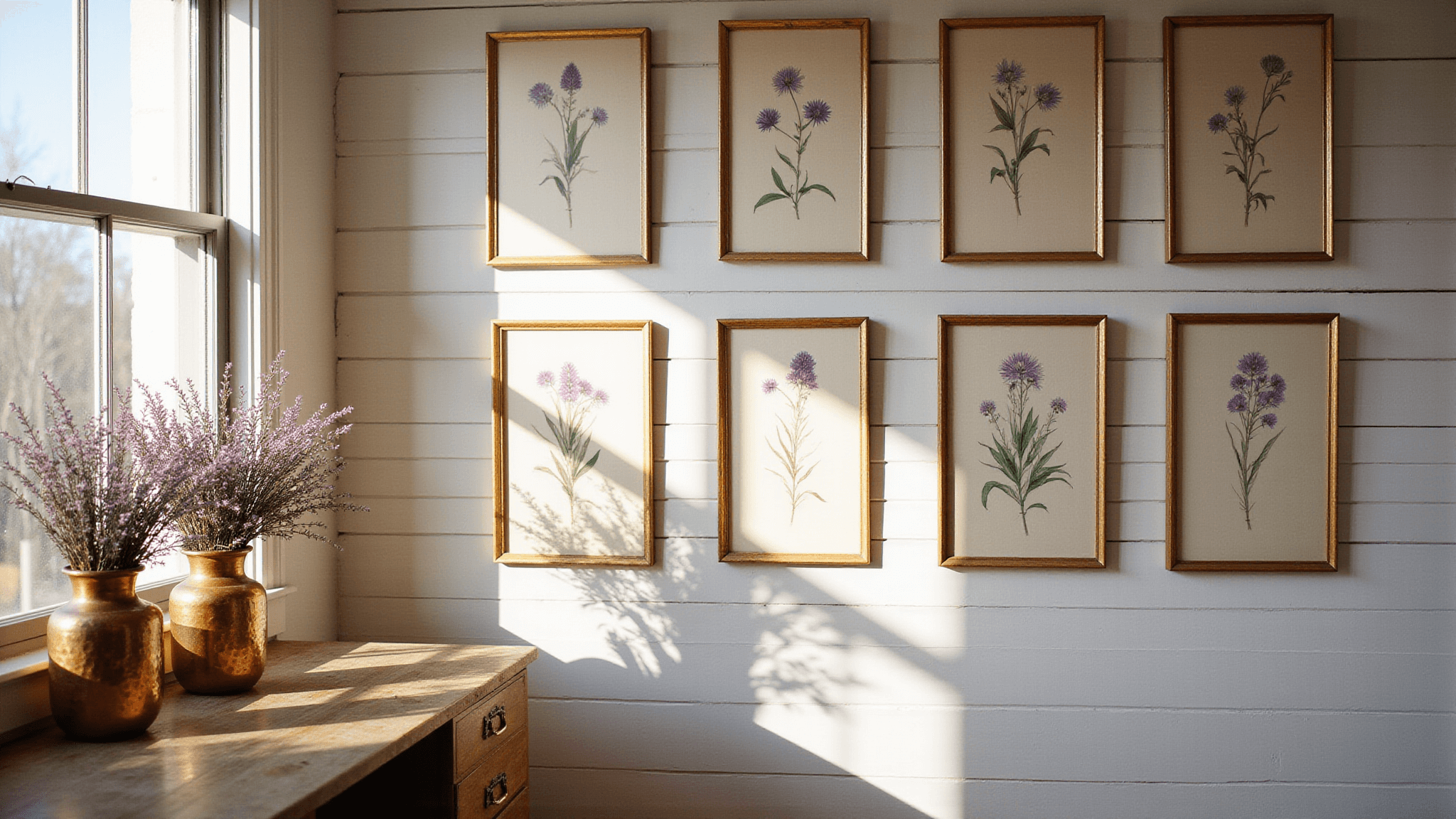
This post may contain affiliate links. Please see my disclosure policy for details.
Purple Flowers in Your Lawn: Friend or Foe?
Ever looked down at your lawn and spotted those sneaky purple blooms that seem to pop up everywhere? Let’s dive into the world of purple-flowered weeds that might be secretly taking over your perfect green carpet.
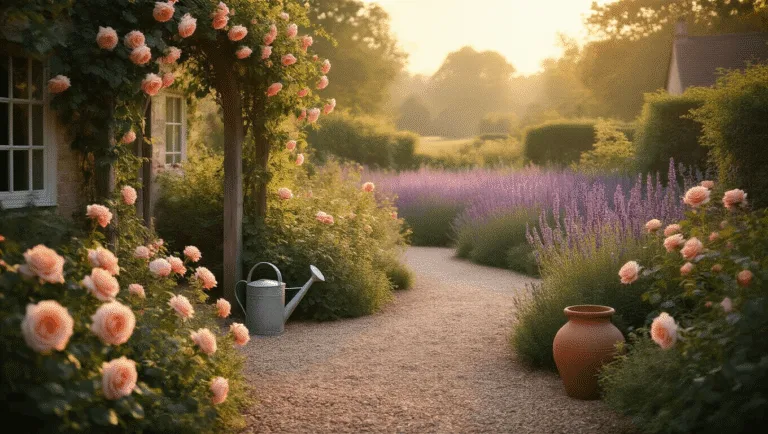
🌟 Steal This Look
- Paint Color: Sherwin-Williams Ripe Olive SW 6209
- Furniture: weathered teak Adirondack chairs with olive green Sunbrella cushions
- Lighting: hammered copper pathway lights with warm 2700K LED
- Materials: natural cedar mulch, bluestone pavers, untreated pine raised beds, wrought iron garden edging
There’s something quietly rebellious about letting a few purple surprises stay—my own backyard has a corner where spiderwort runs wild against a weathered fence, and guests always ask where I bought the ‘meadow seed mix.’
Meet the Purple Invaders: Identifying Common Purple-Flowered Weeds
Purple Deadnettle: The Stealthy Seasonal Squatter
Quick Identification:
- Height: 12-15 inches tall
- Stems: Square and unique
- Leaves: Heart-shaped with purple tinge
- Bloom time: Late spring to early summer
This winter annual is like the ninja of lawn weeds. It slides in during fall, creates a cozy little rosette, and then BAM – takes over your lawn by spring. Adaptable and aggressive, purple deadnettle doesn’t play nice with your carefully maintained grass.
Henbit: Deadnettle’s Botanical Cousin
Think of henbit as the twin brother of purple deadnettle. Same mint family, same sneaky tactics. They’re basically the dynamic duo of lawn disruption.
Ground Ivy (aka Creeping Charlie): The Lawn Carpet Killer
This perennial is the master of lawn takeover. It spreads like wildfire, creating a low-growing purple-flowered network that suffocates your grass faster than you can say “herbicide.”
Wild Violets: The Controversial Wildflower
Native Plant Perspective:
- Height: 4-6 inches
- Flower color: Lavender-purple
- Ecological role: Pollinator paradise
These aren’t just weeds – they’re ecological heroes. Supporting native bees and butterflies, wild violets challenge the traditional “perfect lawn” mindset.
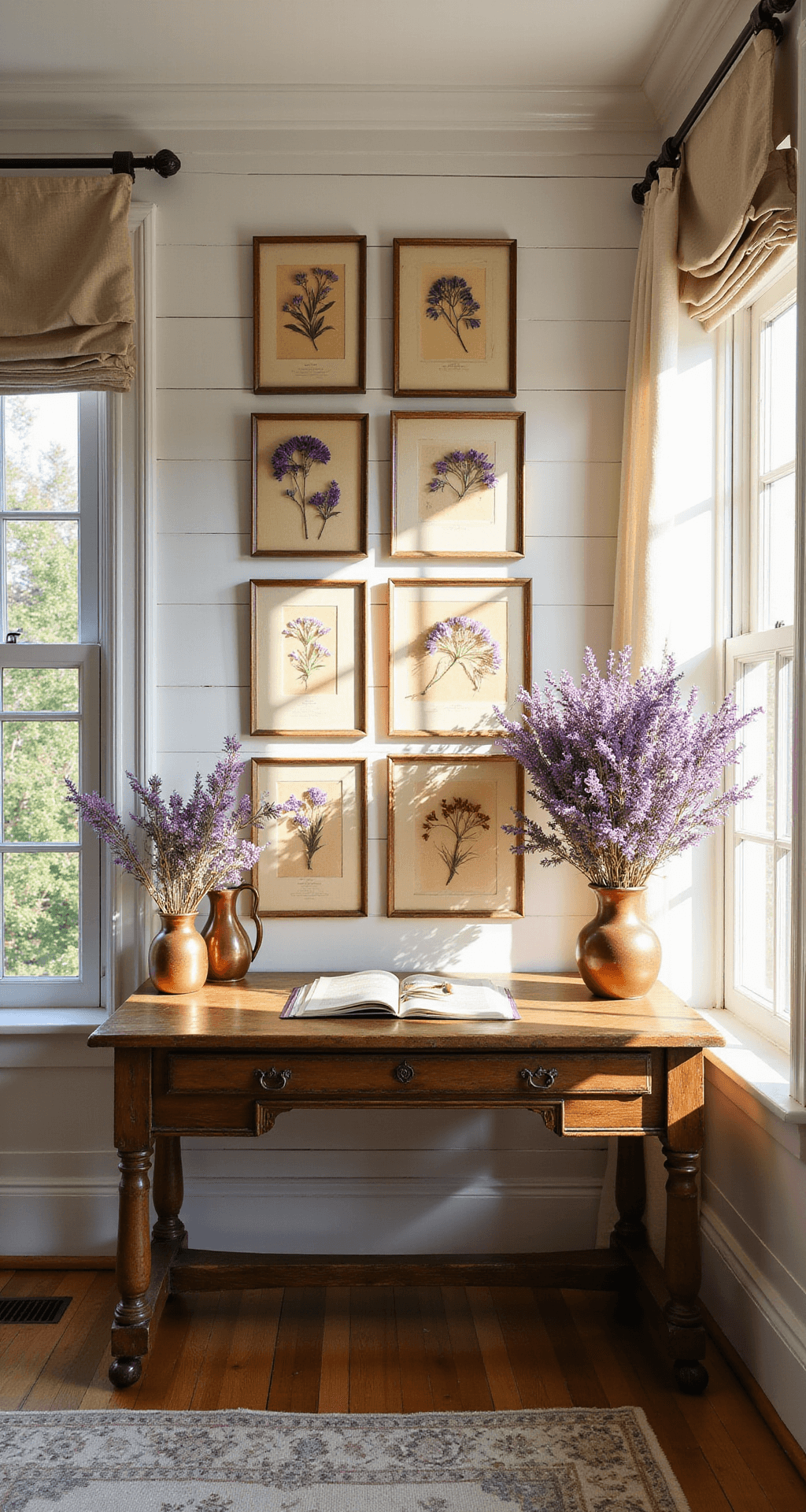
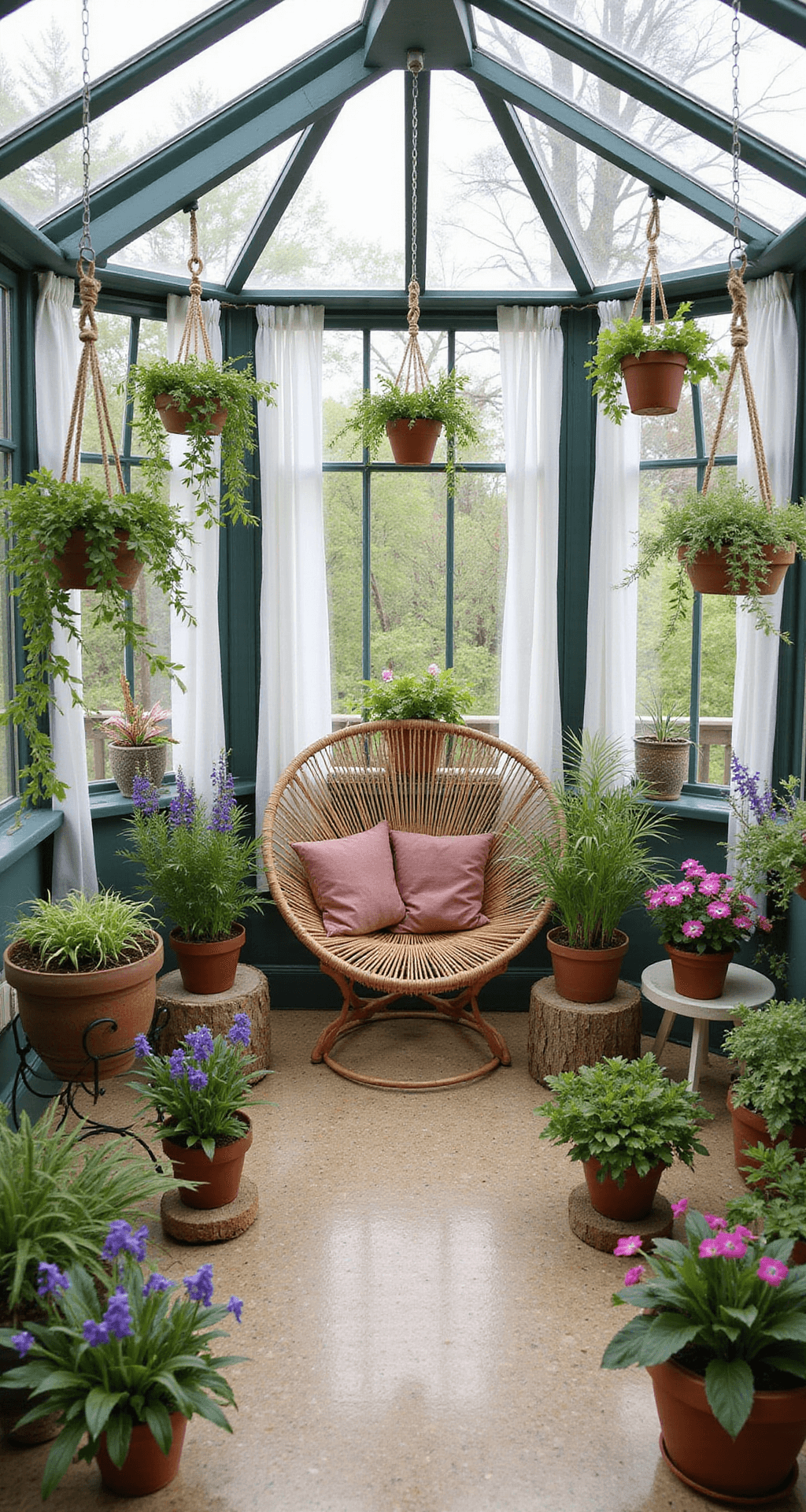
🖼 Steal This Look
- Paint Color: Benjamin Moore Purple Haze 1413
- Furniture: vintage botanical print display cabinet with glass doors, weathered oak potting bench converted to console table, cast iron garden stool side tables
- Lighting: antique brass pharmacy floor lamp with adjustable arm and seeded glass shade
- Materials: raw linen upholstery, terracotta clay pots, pressed botanical specimens under glass, unbleached cotton canvas, aged zinc planters
This sunroom-cum-study is where your morning coffee becomes a lesson in observation, where the boundary between cultivated garden and wild lawn dissolves into something beautifully educational.
Weed Control Strategies: Your Battle Plan
Tactical Removal Methods:
- Pre-emergent Herbicides: Your fall prevention weapon
- Selective Herbicides: Precision targeting
- Manual Removal: Good old-fashioned pulling
- Lawn Health: Thick, healthy grass is your best defense
Save this article
Enter your email and we'll send it straight to your inbox.
Pro Tip: Context is King
Remember the gardener’s wisdom: A weed is just “a plant out of place.” Sometimes these purple invaders are more friend than foe.
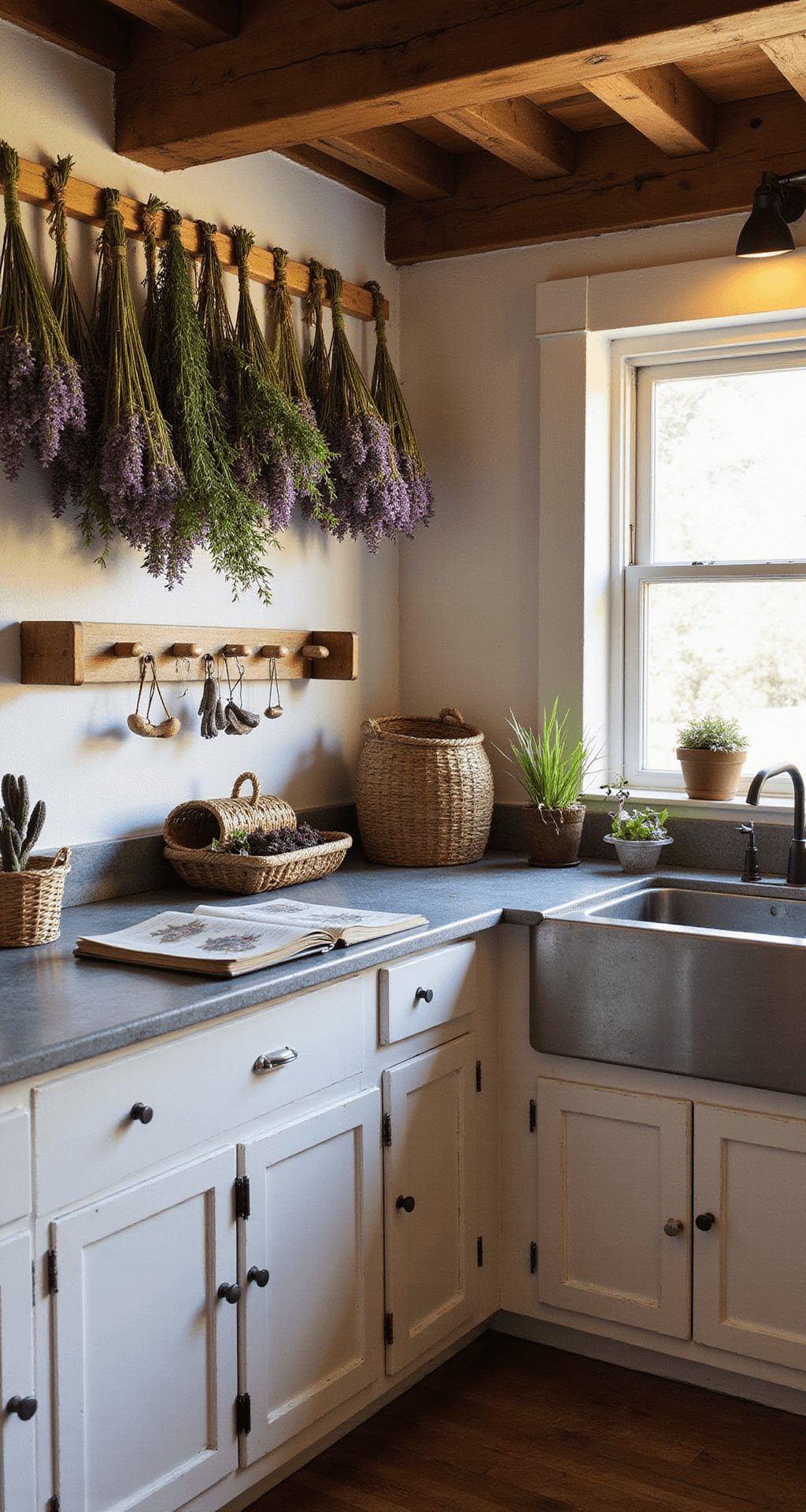
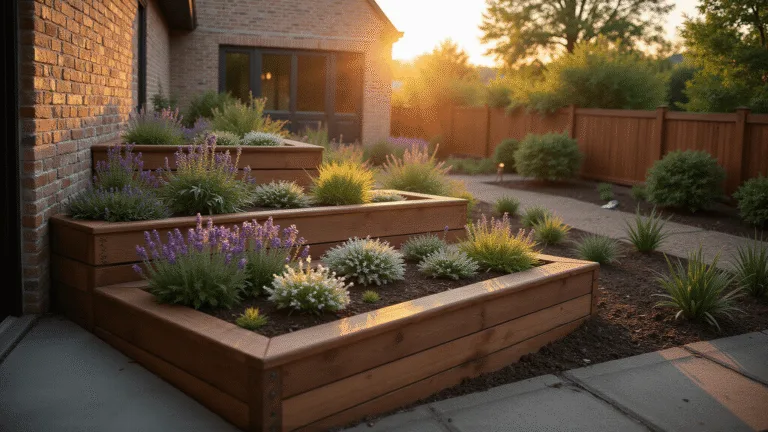
🌟 Steal This Look
- Paint Color: Farrow & Ball Green Smoke 47
- Furniture: weathered teak potting bench with galvanized steel top
- Lighting: vintage brass gooseneck barn light
- Materials: raw linen, terracotta, zinc, untreated cedar
This is the room where you earn your calluses and your stories—the purple clover you once cursed might become the pressed specimen framed above your workbench.
Beyond the Usual Suspects: More Purple Flower Troublemakers
- Creeping Bellflower
- Various Thistles
- Purple Cudweed
- Purple Vetch
- Purple Nutsedge
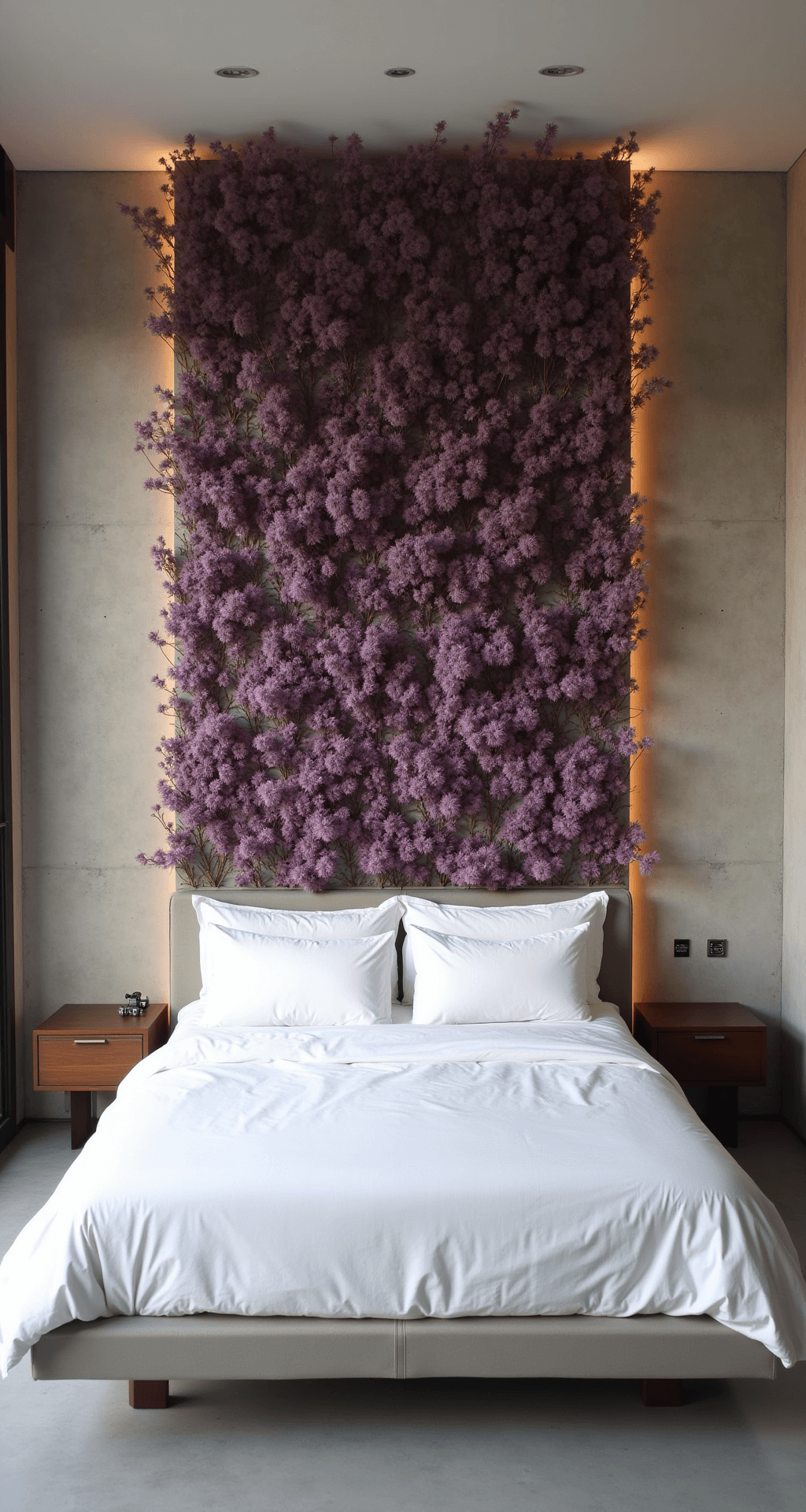
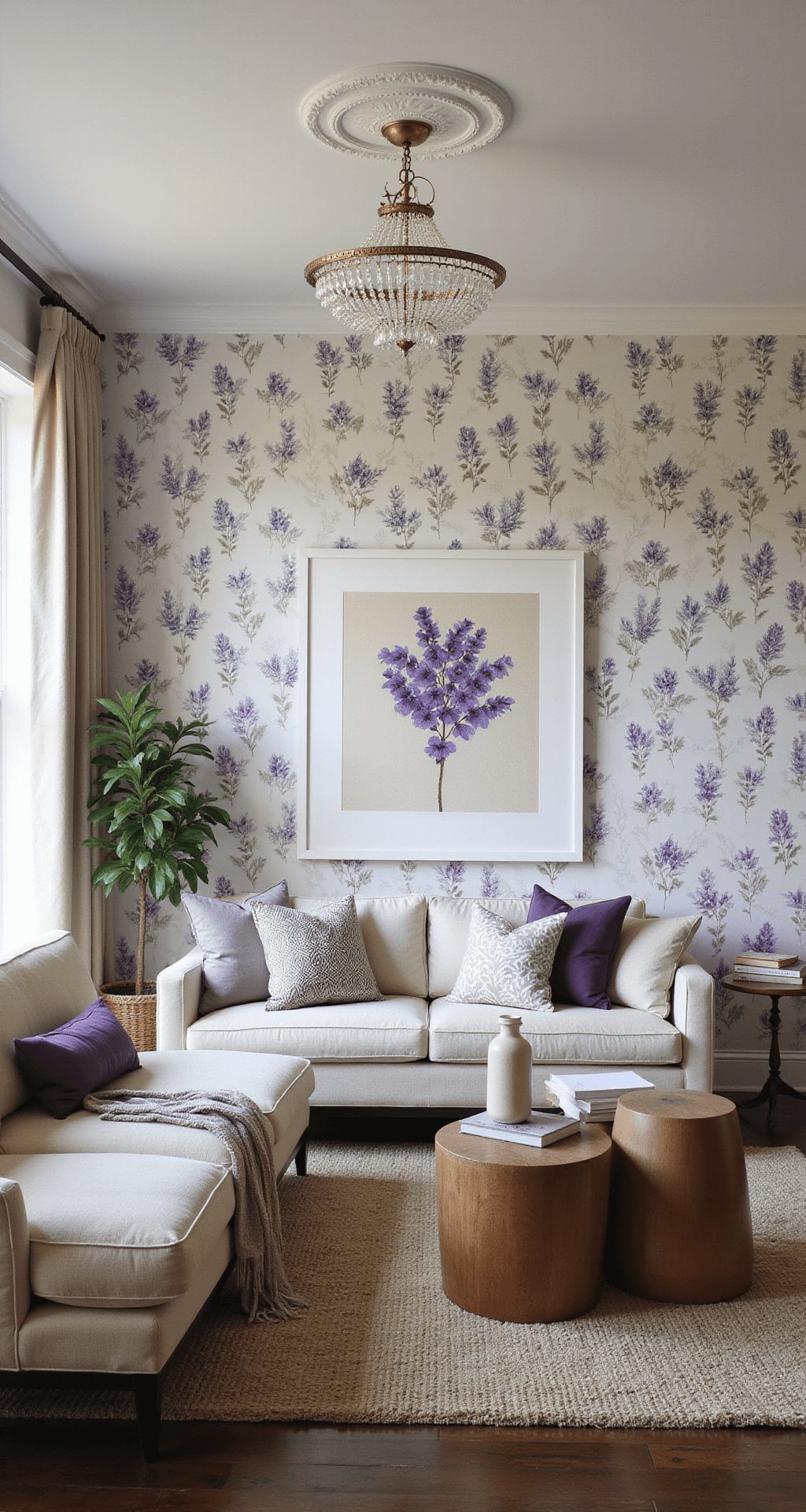
✎ Steal This Look
- Paint Color: Behr Blackberry Harvest M140-7
- Furniture: vintage botanical print gallery wall with black iron frames, weathered oak farmhouse dining table with turned legs
- Lighting: antique brass schoolhouse pendant with seeded glass shade
- Materials: raw linen, aged terracotta, hammered copper, reclaimed barn wood
This is the room for the gardener who secretly admires the tenacity of what others call weeds—someone who sees beauty in the unruly and isn’t afraid of a little wildness indoors.
The Ecological Perspective
Not all purple-flowered plants are villains. Some are native species playing crucial roles in local ecosystems. Before declaring total war, consider their environmental benefits.
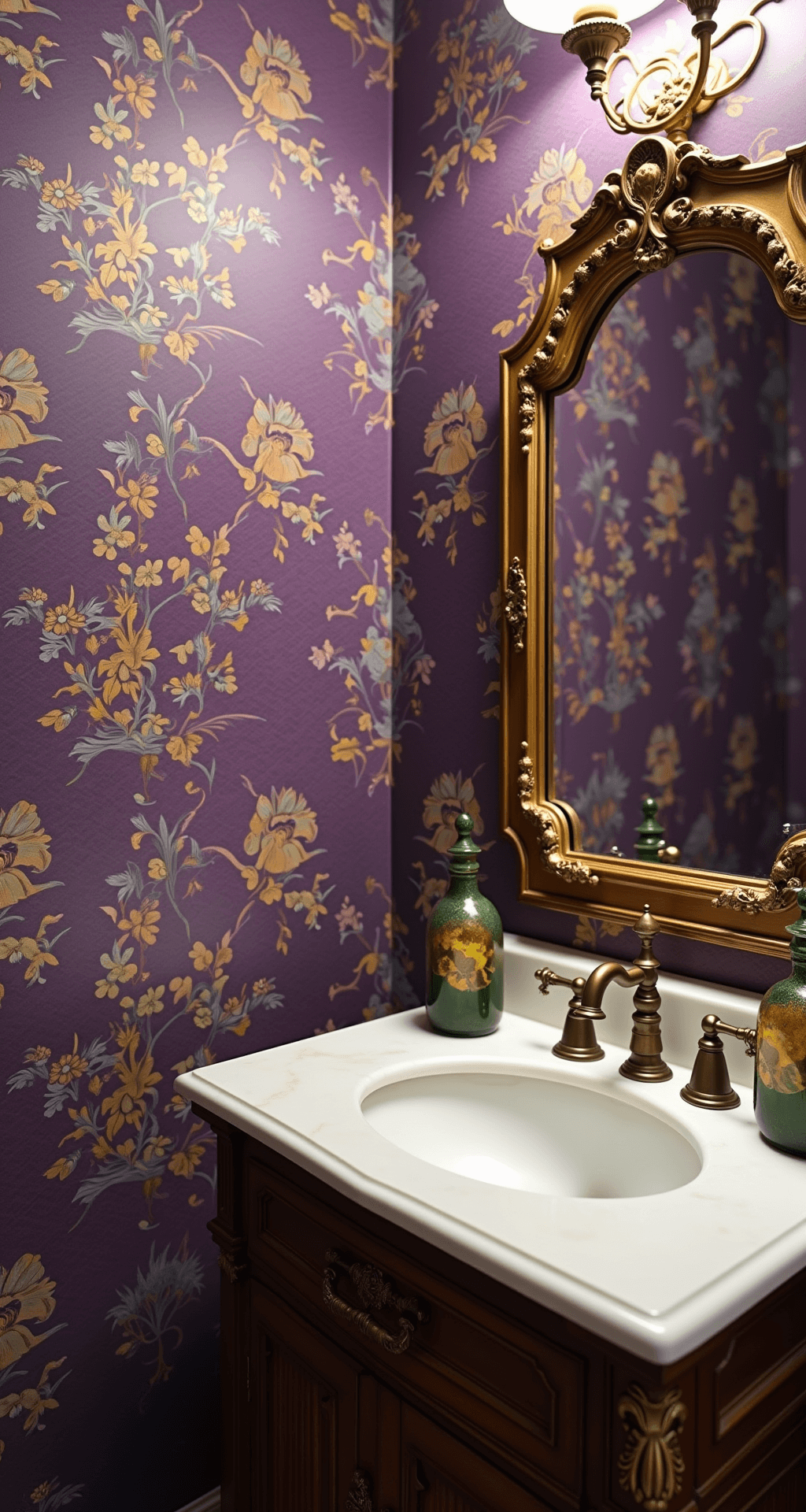
✎ Steal This Look
- Paint Color: Valspar Botanical Garden 5006-8B
- Furniture: reclaimed wood live-edge console table with built-in grow lights for native plant propagation
- Lighting: full-spectrum LED grow light pendant with brass finish and adjustable height
- Materials: raw linen, untreated cedar, terracotta, pressed botanical specimens under glass
This room speaks to the quiet satisfaction of knowing your space supports something larger than aesthetics—it’s where curiosity about your own backyard becomes a daily ritual.
Your Lawn, Your Choice
Ultimately, managing these purple interlopers comes down to personal preference. Want a pristine golf-course lawn? Deploy your herbicide arsenal. Prefer a more natural, pollinator-friendly space? Embrace the purple.
Pro Gardener’s Secret: Healthy soil and dense grass are your best long-term weed prevention strategy.
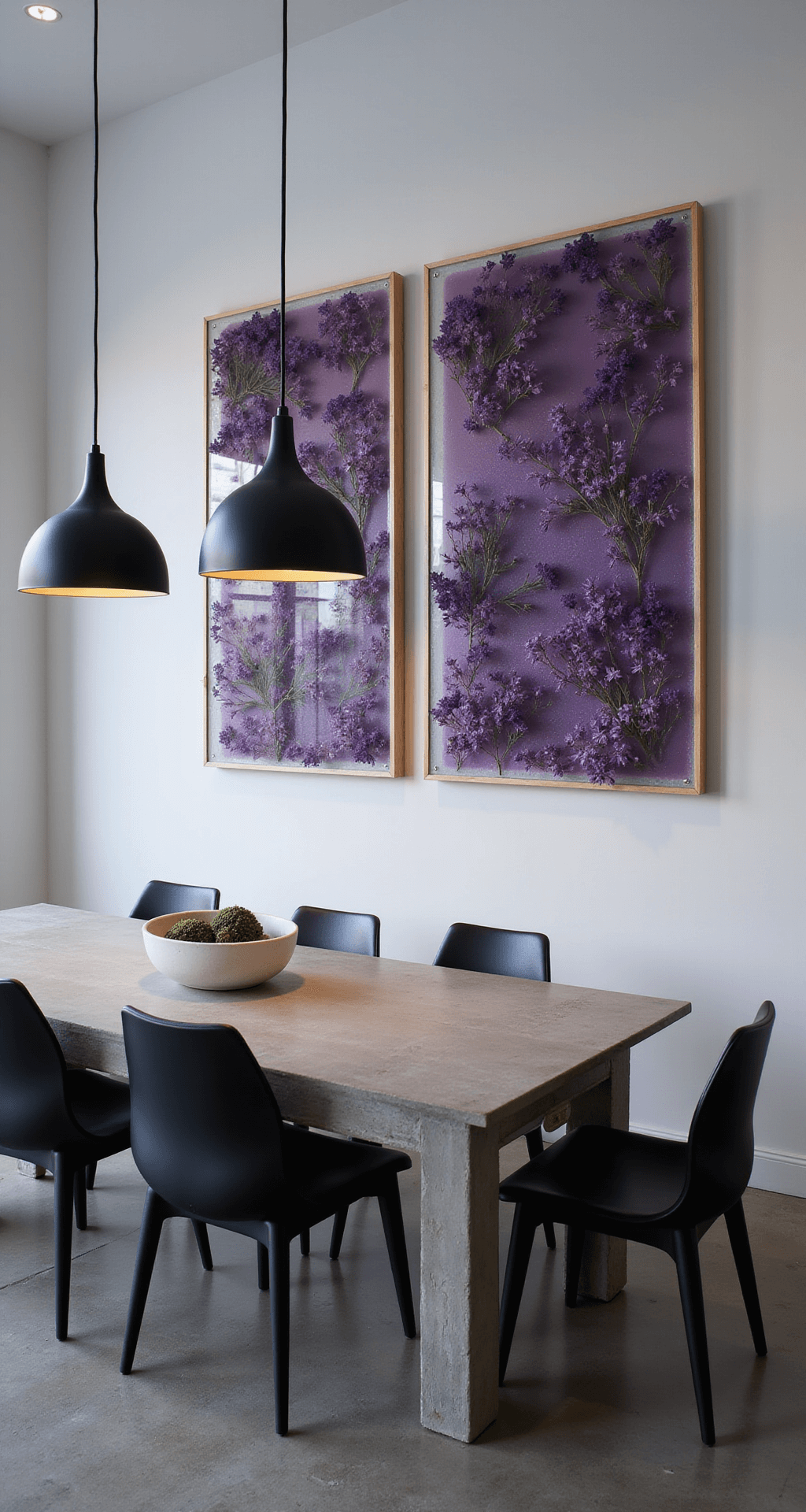
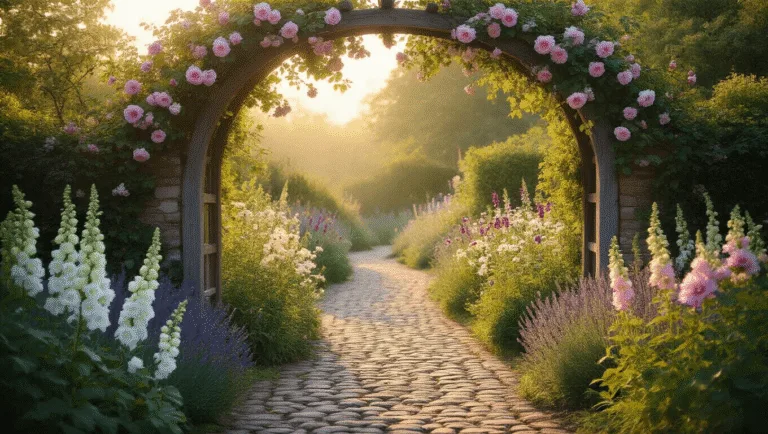
★ Steal This Look
- Paint Color: PPG Cloverdale 50GY 30/302
- Furniture: weathered teak Adirondack chair with olive green Sunbrella cushion
- Lighting: solar-powered brass pathway lights with amber LED
- Materials: untreated cedar mulch, native limestone pavers, hand-forged iron plant markers
There’s something quietly rebellious about letting violets colonize a corner of your yard—it’s a small declaration that your outdoor space serves life, not just appearances.
Keep this one for later
We'll email you the link so you can come back to it.


[…] known as: Purple queen, purple spiderwort, wandering […]