This post may contain affiliate links. Please see my disclosure policy for details.
Get ready to fall completely in love with your kitchen! There’s something truly magical about wabi-sabi design—it celebrates imperfection, embraces natural beauty, and creates spaces that feel like a warm hug every time you walk in. If you’re dreaming of a kitchen that’s equal parts cozy and stunning, you’re in the right place! We’ve gathered 27 gorgeous wabi-sabi kitchen ideas that will inspire you to bring organic textures, soothing neutral tones, and handcrafted charm into your home. From beautiful stone sinks to dreamy Noguchi-inspired lighting, these ideas prove that simple, natural, and imperfect can be absolutely breathtaking. Let’s dive in!
1. Wabi Sabi Kitchen with IKEA Wood Cabinets and Natural Stone Counters
Contents
- 1. Wabi Sabi Kitchen with IKEA Wood Cabinets and Natural Stone Counters
- 2. Cozy Wabi Sabi Kitchen Styling with Muji Ceramics
- 3. Minimalist Wabi Sabi Kitchen Lighting Inspired by Noguchi Lamps
- 4. Warm Wabi Sabi Kitchens with Limewash Walls
- 5. Rustic Stone Sinks for a Wabi Sabi Kitchen Look
- 6. Open Wood Shelving Styled with Handmade Pottery
- 7. Soft Neutral Wabi Sabi Kitchen Color Palettes
- 8. Natural Wood Kitchen Islands for a Wabi Sabi Aesthetic
- 9. Japandi Wabi Sabi Kitchens Inspired by Muuto
- 10. Organic Textures with Linen Kitchen Curtains
- 11. Earthy Wabi Sabi Kitchens with Clay Tile Backsplashes
- 12. Minimalist Kitchen Decor with Aesop Inspired Bottles
- 13. Concrete Countertops for a Raw Wabi Sabi Kitchen
- 14. Vintage Wooden Kitchen Stools with Character
- 15. Stoneware Dinnerware Displays Inspired by Heath Ceramics
- 16. Warm Japandi Kitchens with Oak Cabinets
- 17. Handmade Ceramic Pendant Lighting
- 18. A Calm Wabi Sabi Kitchen with Soft Beige and Sand Tones
- 19. Open Pantry Shelves with Woven Baskets
- 20. Natural Travertine Kitchens with Timeless Texture
- 21. Minimalist Faucets from VOLA for a Wabi Sabi Look
- 22. Rustic Wooden Cutting Boards as Kitchen Decor
- 23. Aged Brass Hardware for Soft Wabi Sabi Kitchens
- 24. Mediterranean Meets Wabi Sabi Kitchen Design
- 25. Unfinished Wood Cabinets for a Raw Organic Feel
- 26. Simple Tea Corners Styled with Japanese Ceramics
- 27. Soft Lighting with Paper Lanterns for a Calm Wabi-Sabi Kitchen
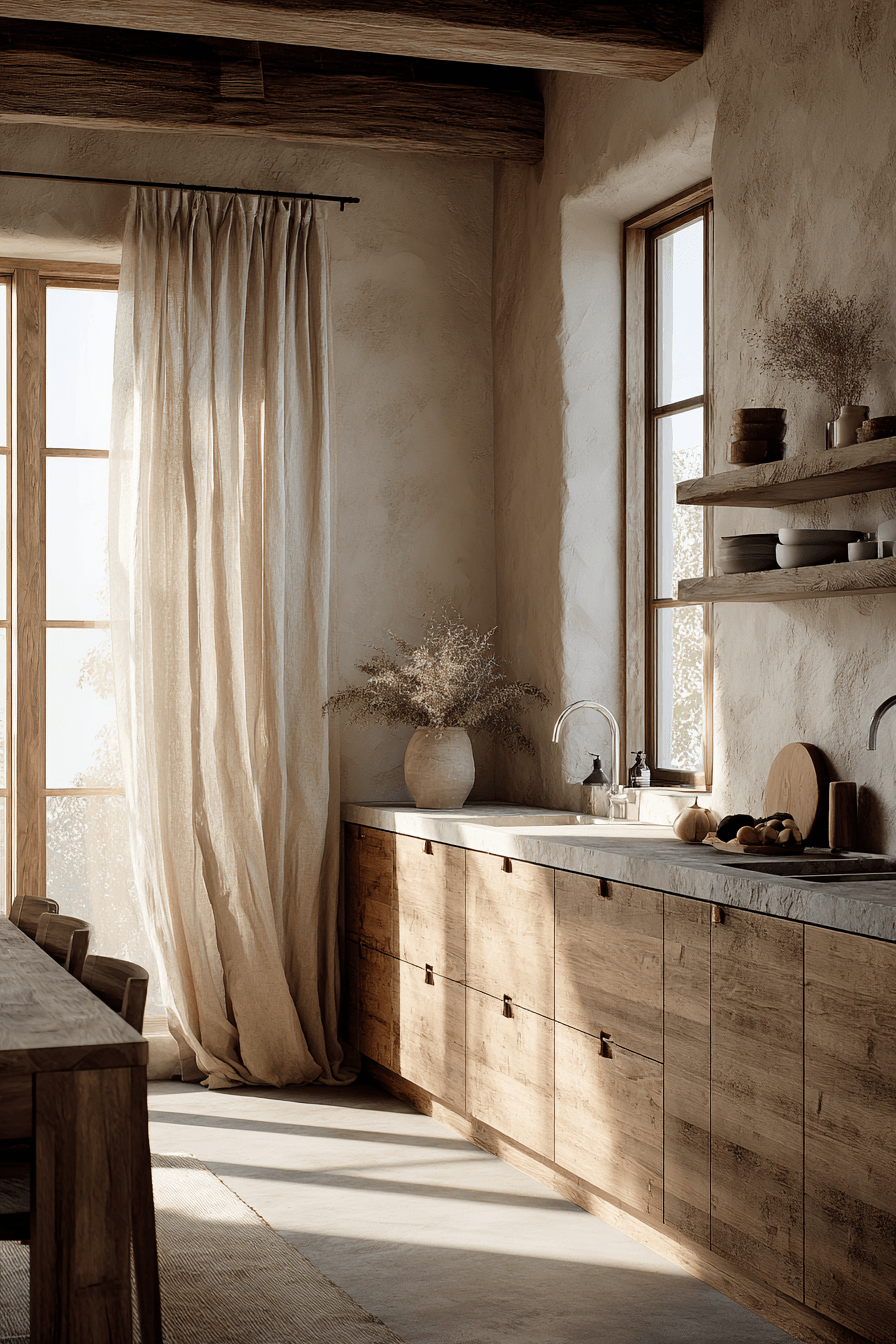
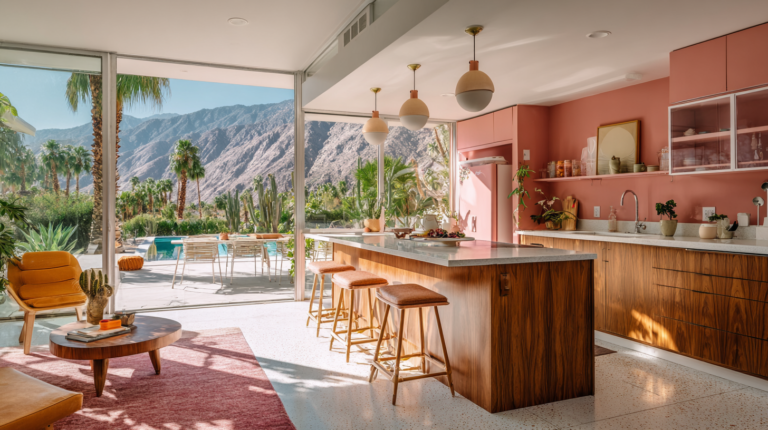
Create a calm and grounded kitchen by pairing natural wood cabinets with simple stone countertops. Systems like IKEA SEKTION cabinets can be customized with warm oak or wood-look fronts for an affordable wabi-sabi feel. Keep the styling minimal so the natural materials stand out. The result is a cozy kitchen that feels organic, peaceful, and effortlessly timeless.
2. Cozy Wabi Sabi Kitchen Styling with Muji Ceramics
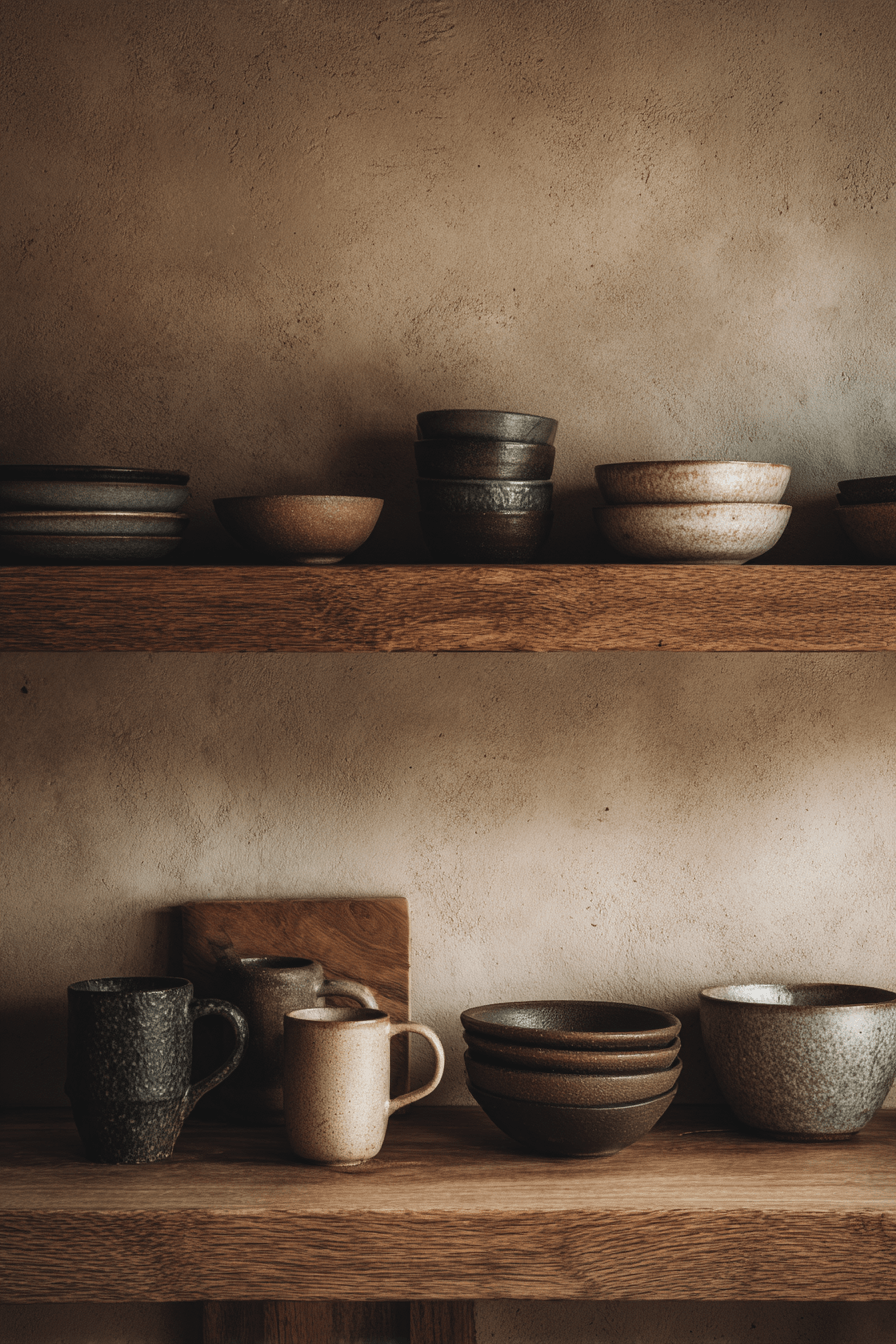
A wabi-sabi kitchen often highlights simple objects that feel handmade and meaningful. Muji ceramics are perfect for this style because of their soft shapes and earthy tones. Display a few bowls and mugs on open shelves to create a quiet, curated look. The overall atmosphere becomes warm, cozy, and beautifully understated.
3. Minimalist Wabi Sabi Kitchen Lighting Inspired by Noguchi Lamps
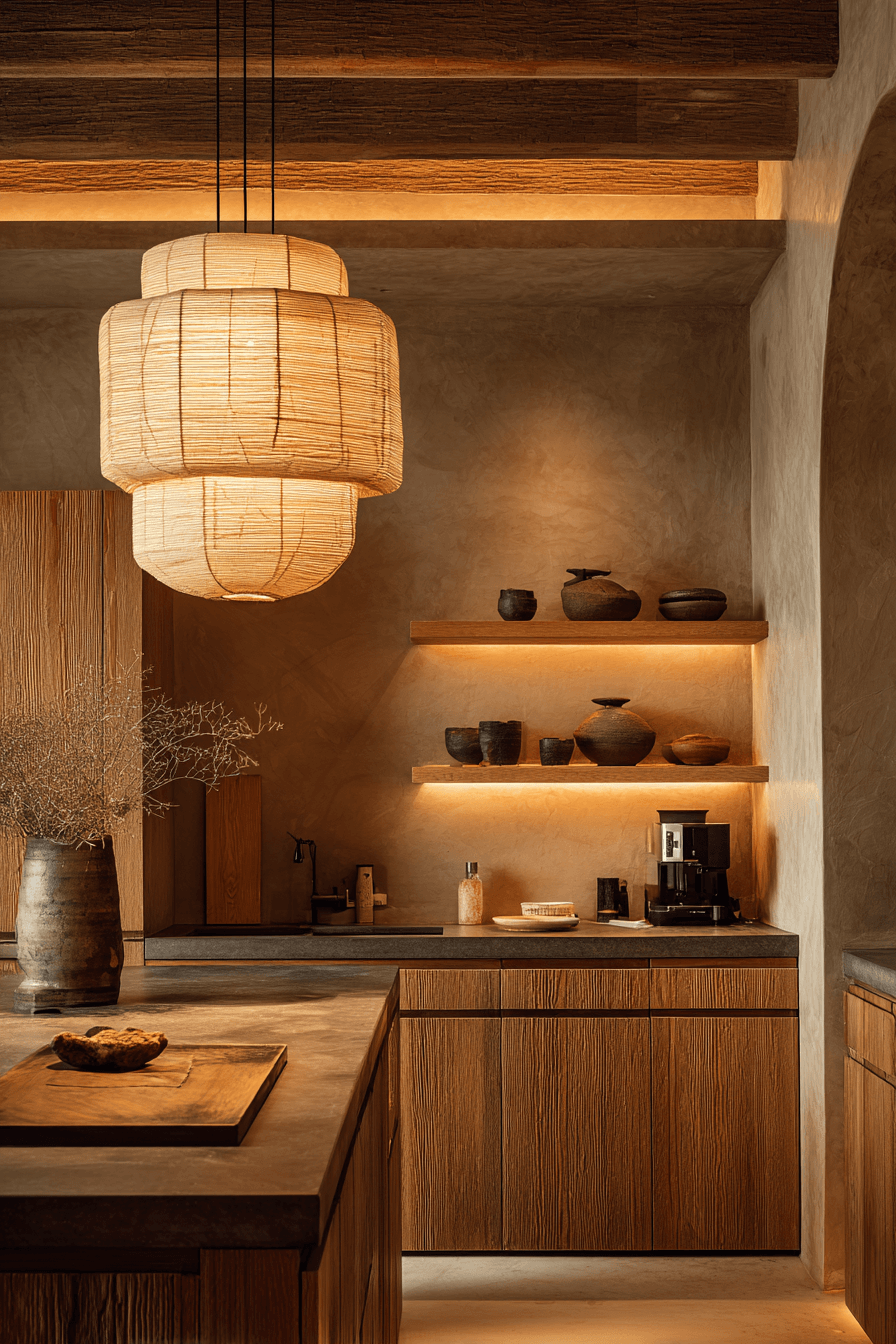
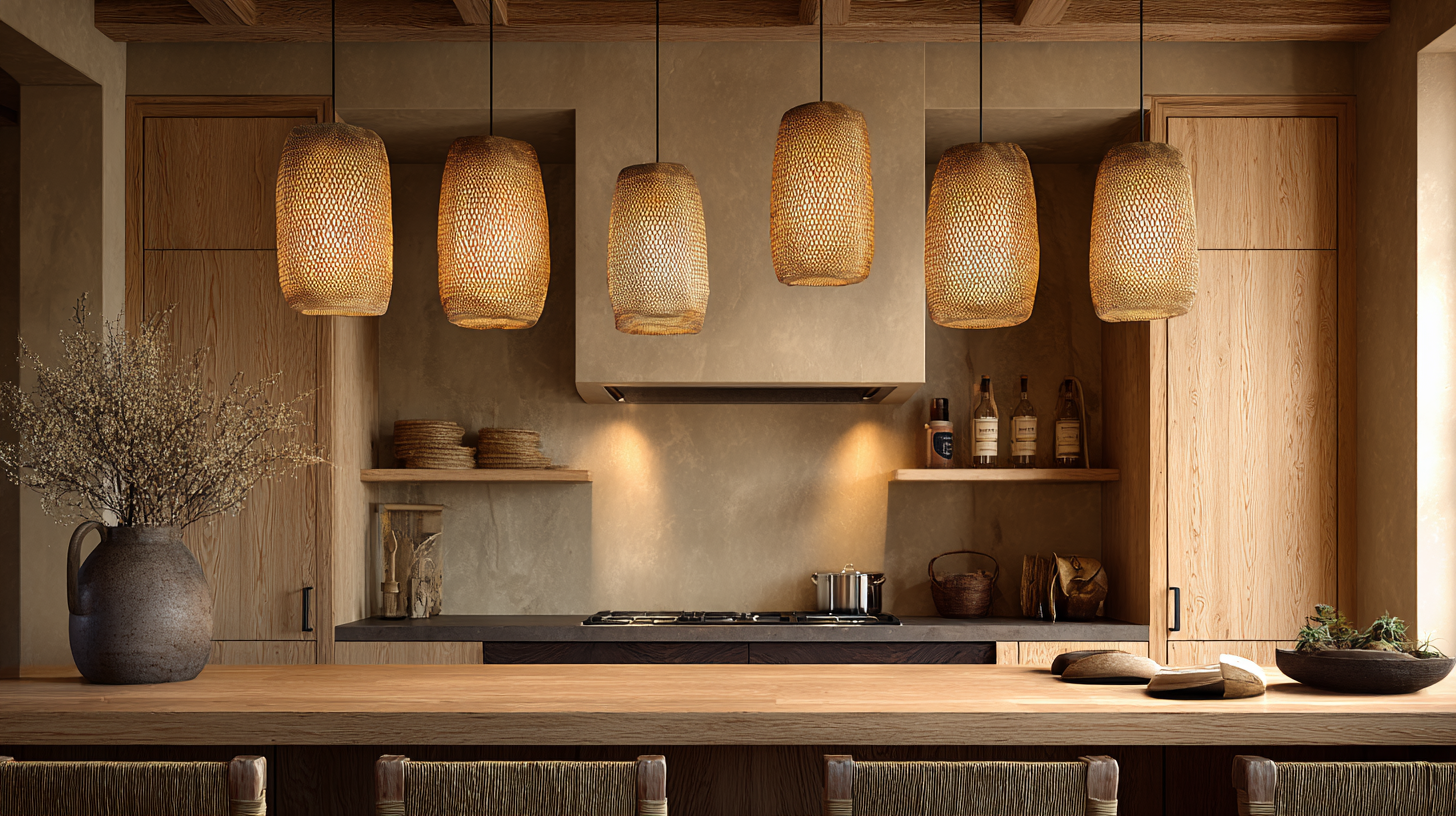
Lighting plays a big role in creating a calm wabi-sabi kitchen atmosphere. Sculptural paper lamps inspired by Noguchi add a soft glow that feels gentle and serene. Their organic shapes work beautifully with wood cabinets and neutral walls. The lighting creates a cozy space that feels calm and deeply inviting.
4. Warm Wabi Sabi Kitchens with Limewash Walls
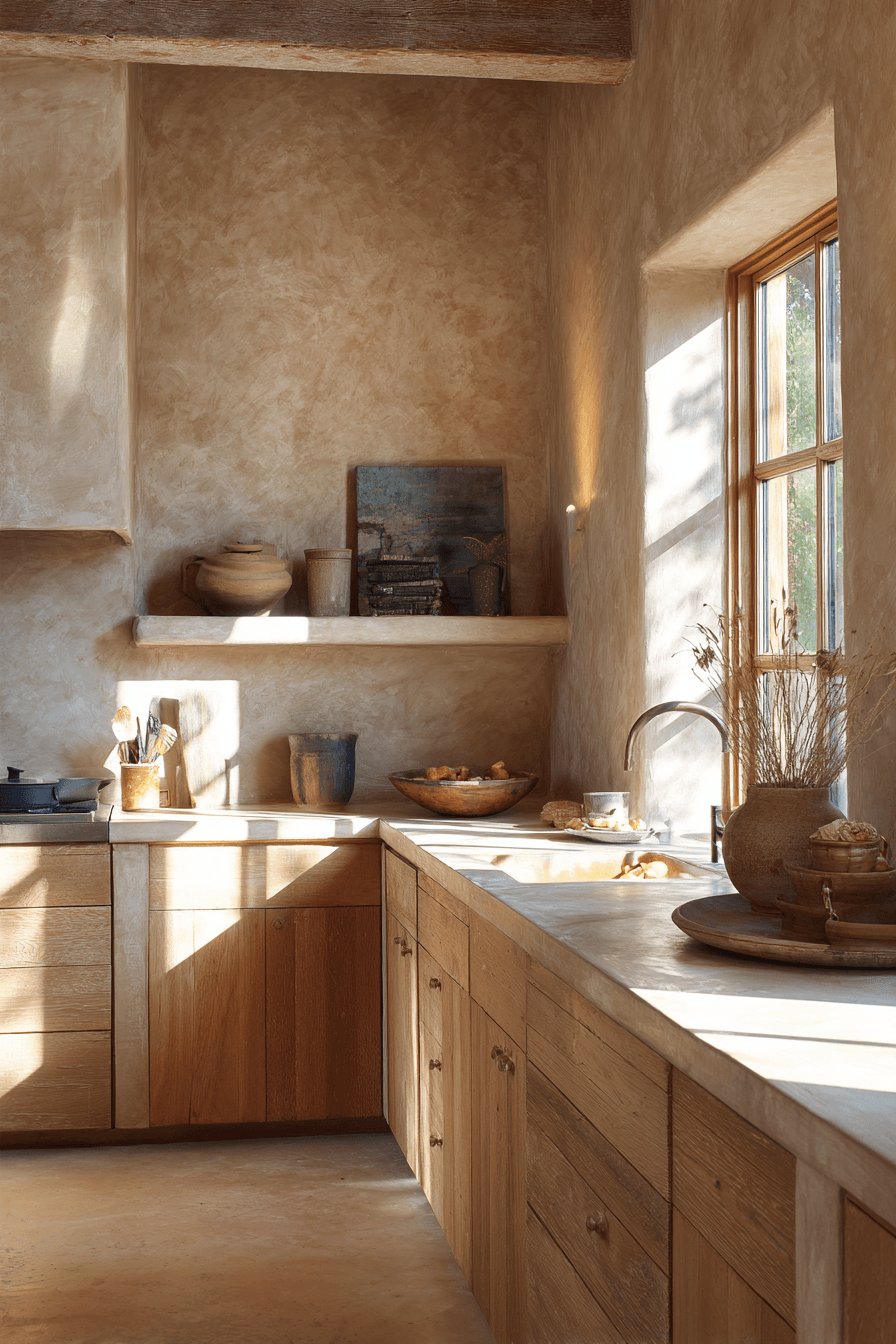
Limewash walls are a beautiful way to add subtle texture to a wabi-sabi kitchen. The soft, cloudy finish gives walls depth while still feeling natural and quiet. Brands like Portola Paints offer limewash colors that create a warm and earthy backdrop. This finish instantly makes the kitchen feel cozy and organic.
5. Rustic Stone Sinks for a Wabi Sabi Kitchen Look
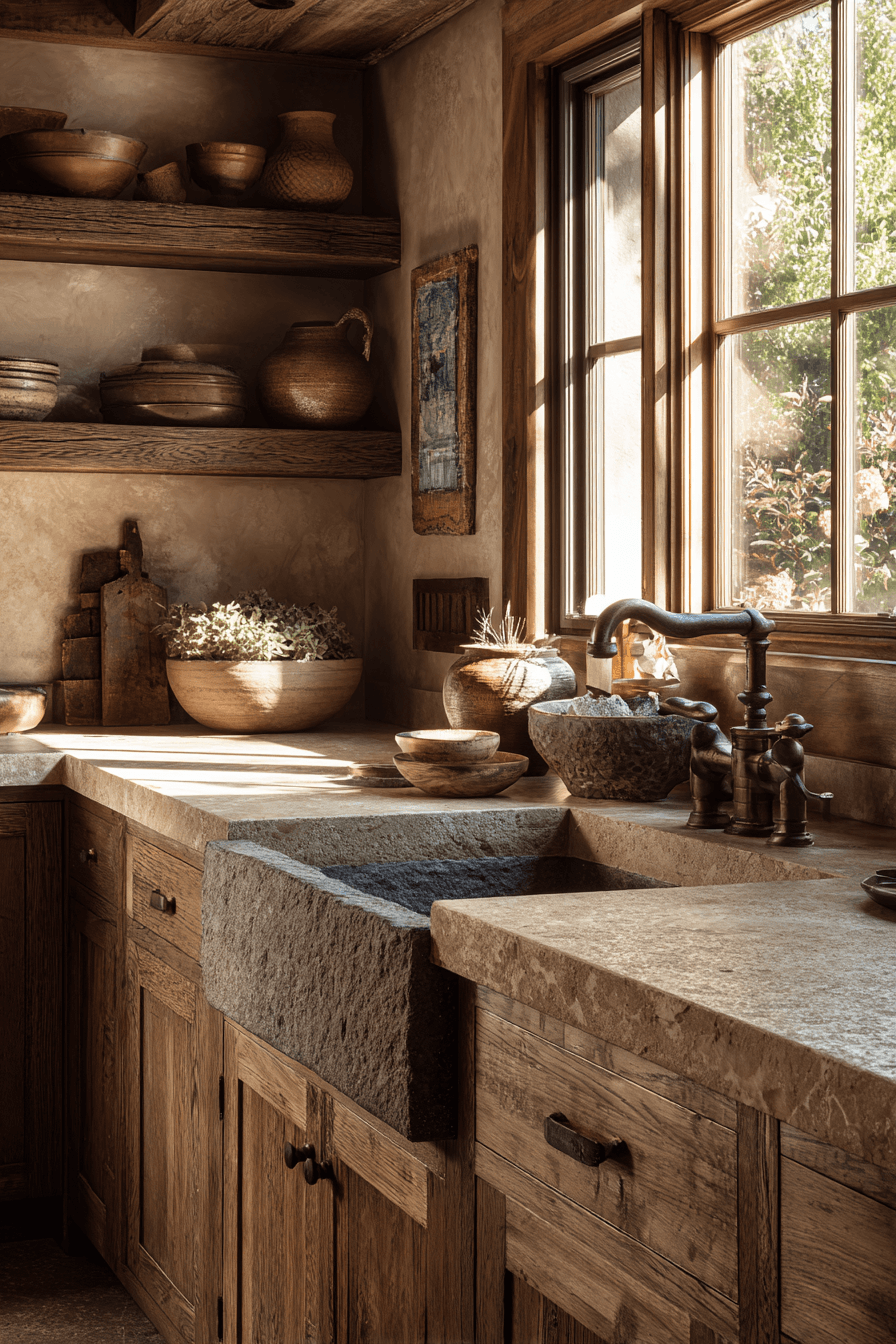
Stone sinks bring raw beauty and authenticity to a wabi-sabi kitchen. Materials like limestone or travertine add natural texture that feels timeless and imperfect. Many designers look to brands like Native Trails for handcrafted stone sinks. The kitchen ends up feeling grounded, rustic, and inviting.
6. Open Wood Shelving Styled with Handmade Pottery
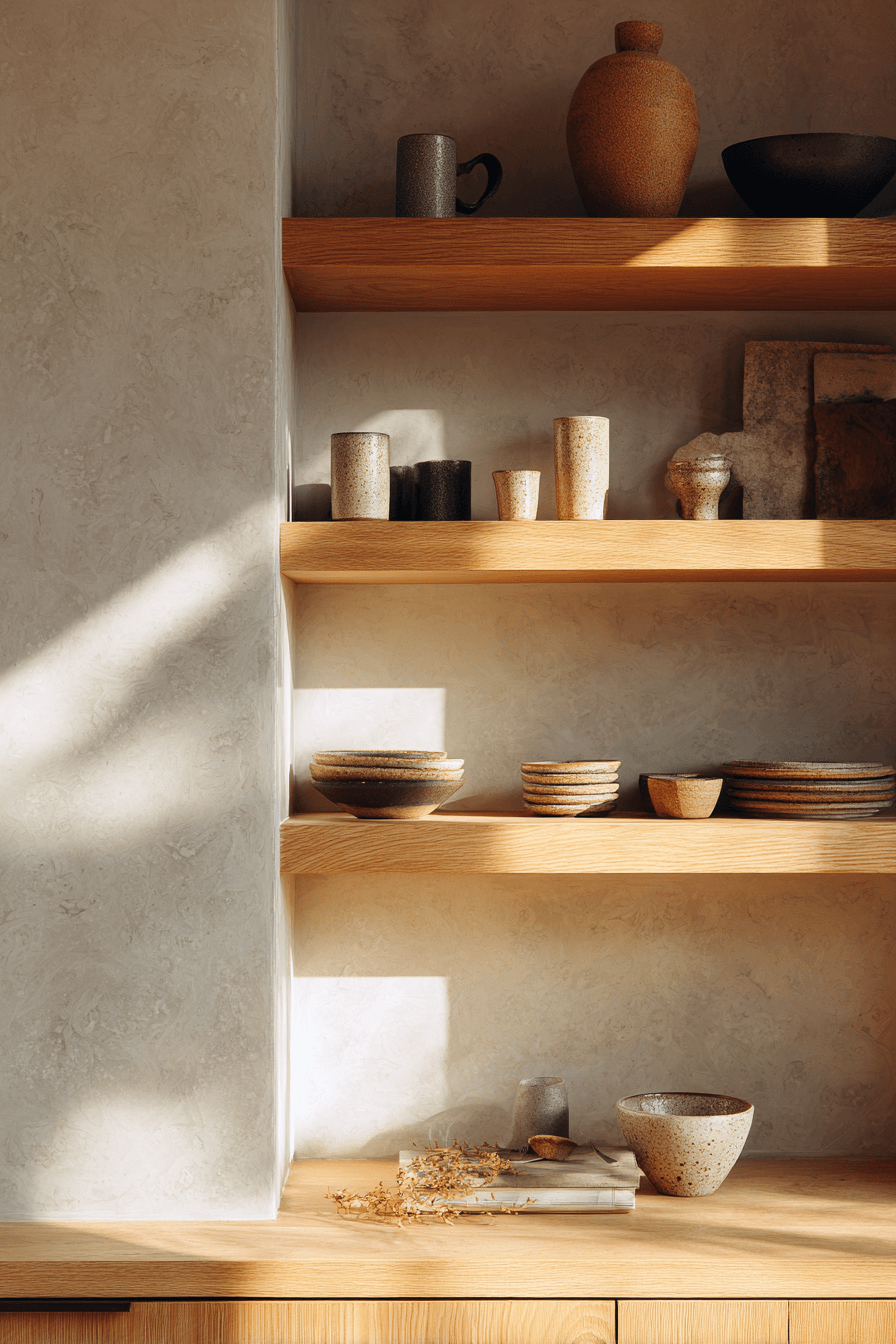
Open wooden shelves are perfect for displaying handmade pottery and everyday objects. Natural woods like oak or teak add warmth and character to the space. Pair them with ceramics from brands like Heath Ceramics for a thoughtful, artisan feel. The result is a kitchen that feels curated yet relaxed.
7. Soft Neutral Wabi Sabi Kitchen Color Palettes
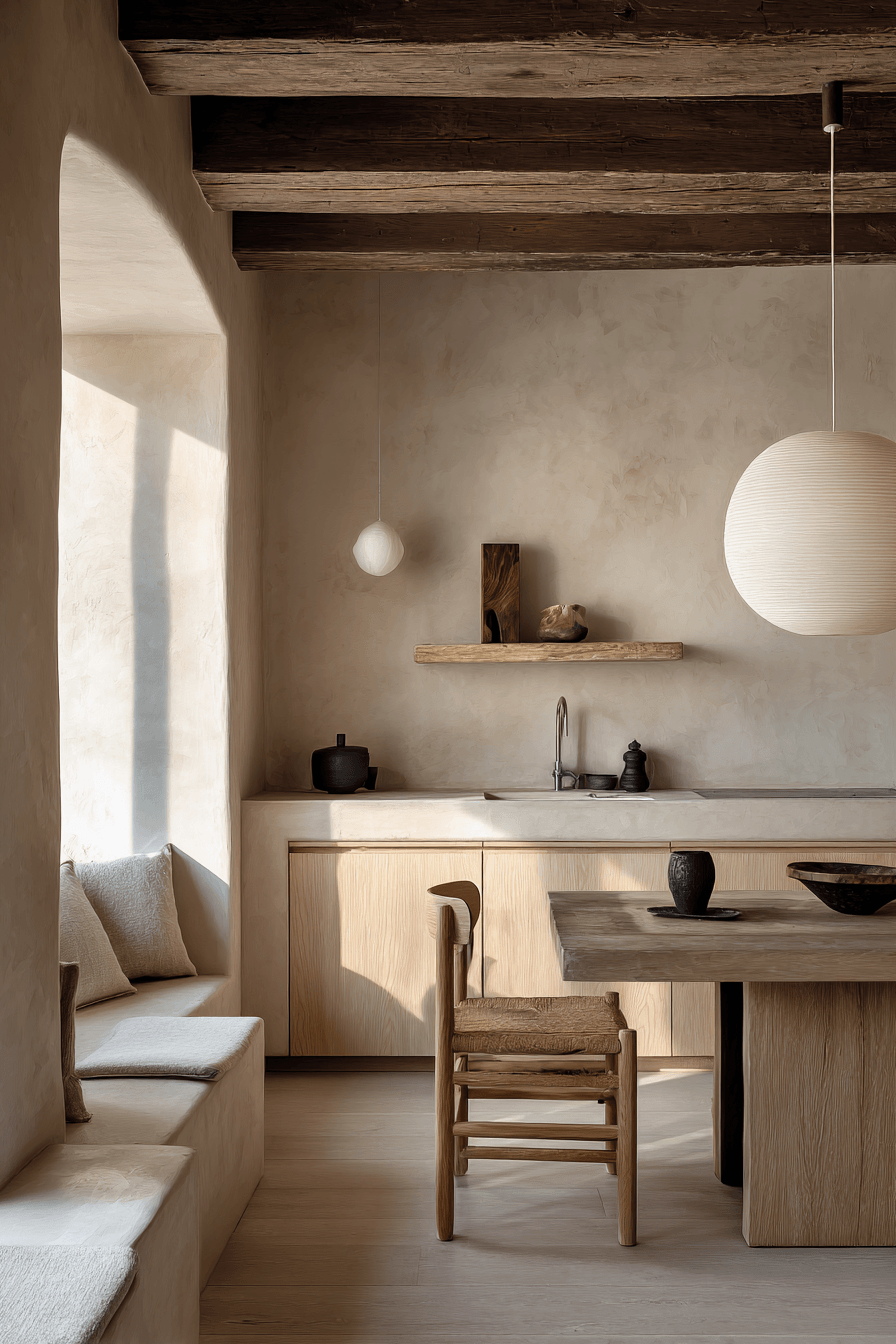
A soft neutral palette is essential for creating a peaceful wabi-sabi kitchen. Colors like sand, clay, warm white, and muted beige help the space feel calm and cozy. These tones allow natural materials like wood and stone to shine. The overall effect is soothing, warm, and beautifully simple.
8. Natural Wood Kitchen Islands for a Wabi Sabi Aesthetic
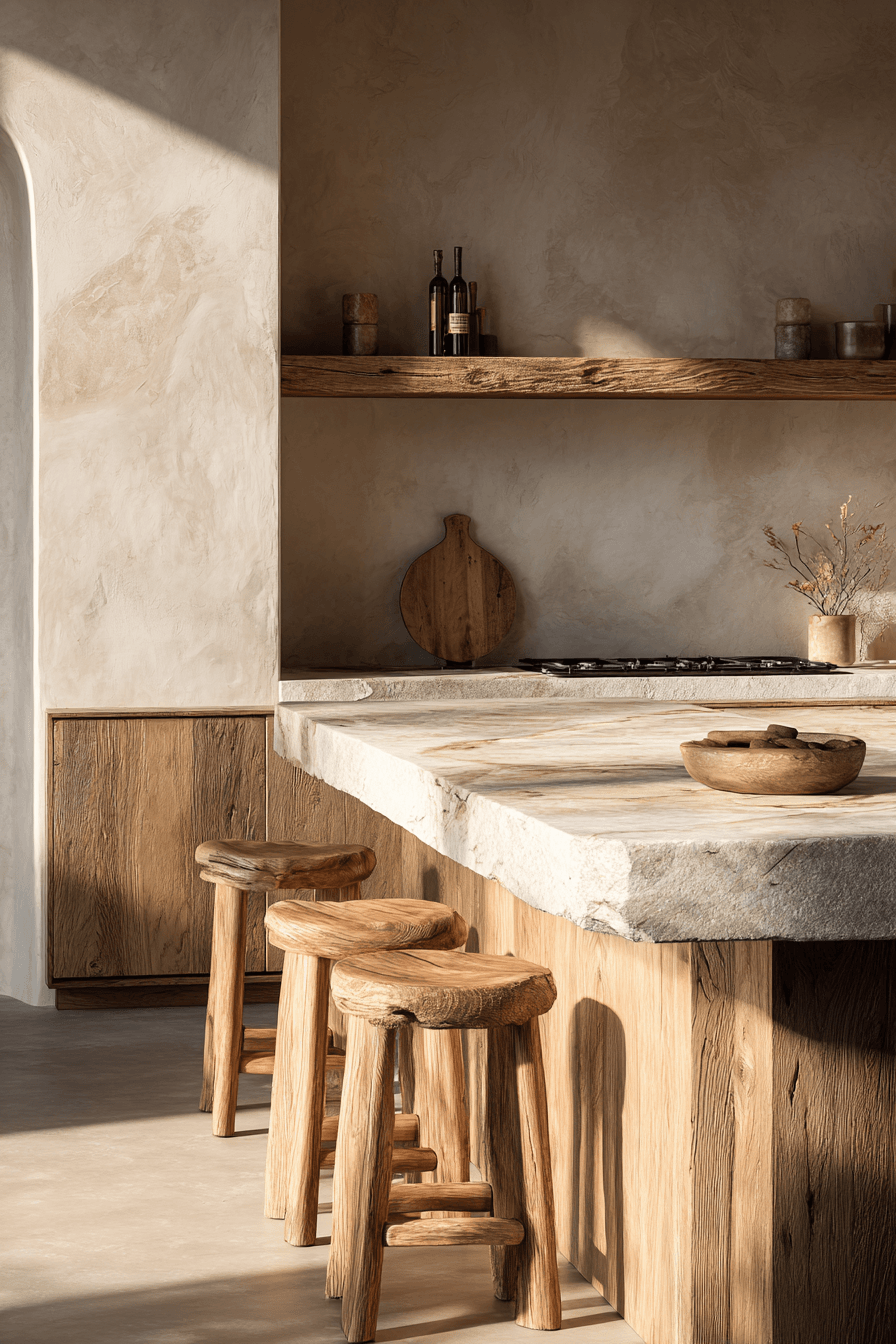
A natural wood island can become the heart of a wabi-sabi kitchen. Choose solid oak or reclaimed wood to bring warmth and texture into the room. The slightly imperfect grain and organic tones add character and authenticity. This creates a cozy focal point that feels welcoming and grounded.
9. Japandi Wabi Sabi Kitchens Inspired by Muuto
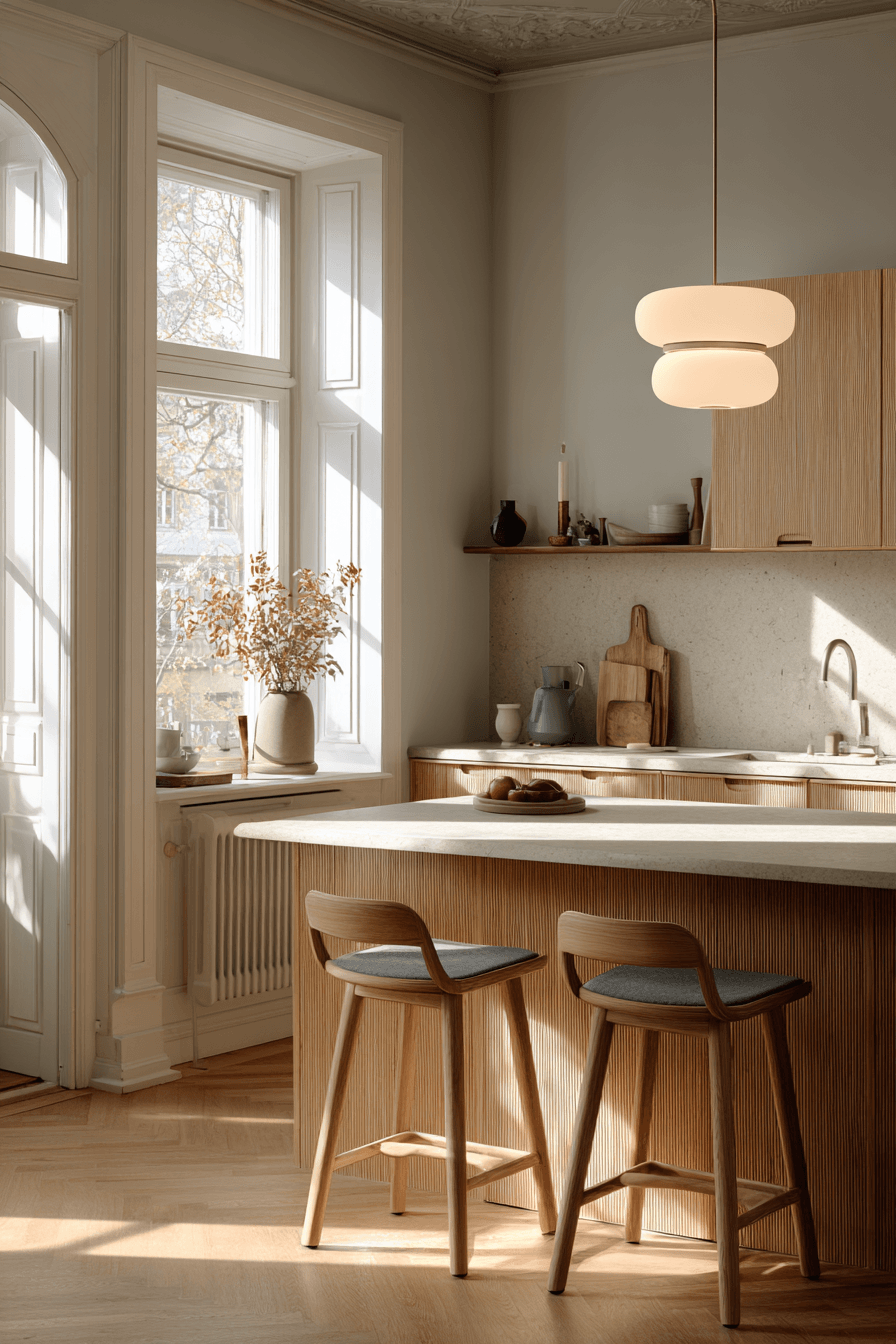
Japandi kitchens combine Scandinavian simplicity with Japanese calm. Brands like Muuto offer minimalist lighting and furniture that work perfectly in this style. Pair these elements with warm wood cabinetry and soft neutral tones. The result is a kitchen that feels balanced, modern, and cozy.
10. Organic Textures with Linen Kitchen Curtains
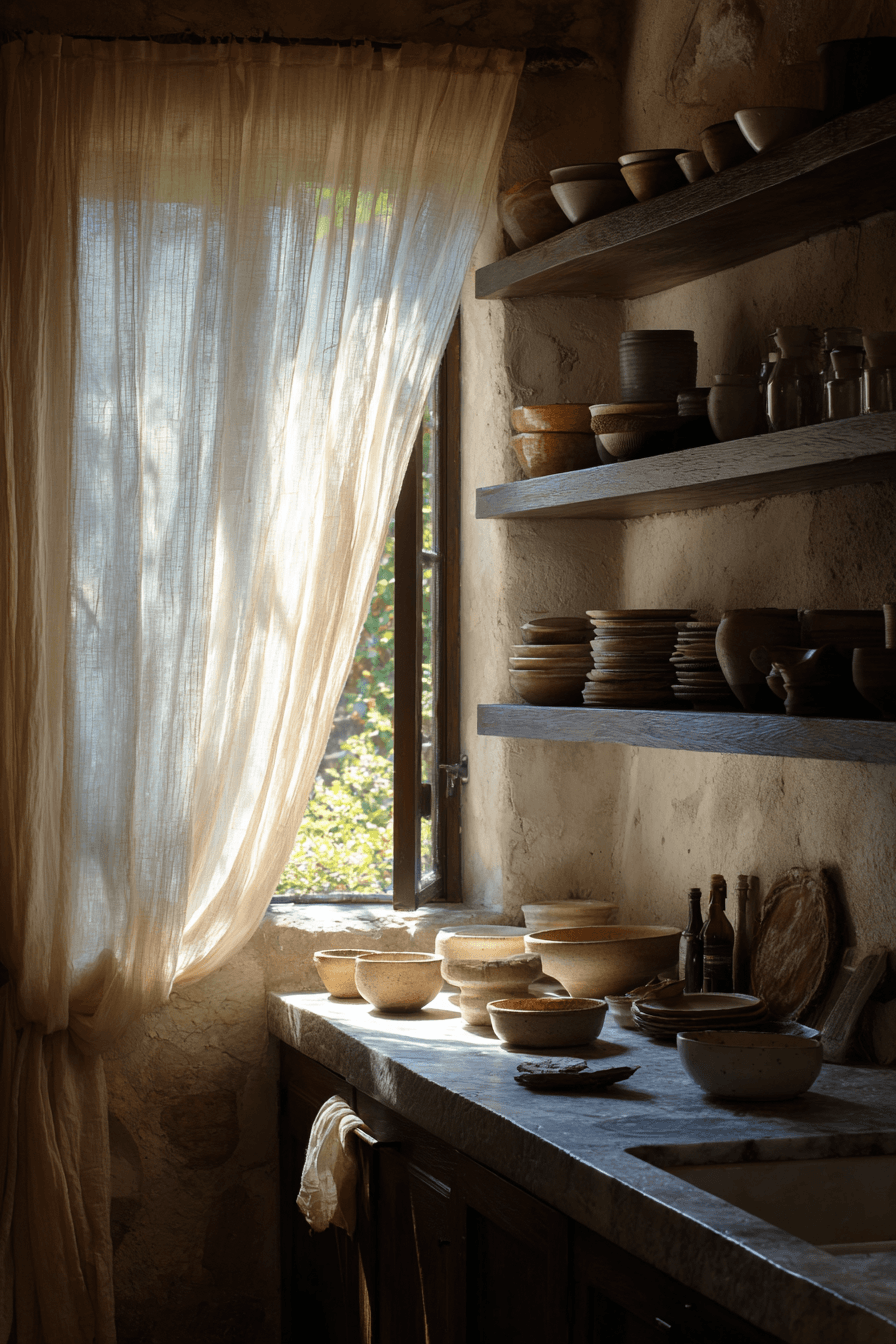
Linen curtains add a soft and relaxed texture to a wabi-sabi kitchen. Their slightly wrinkled appearance fits perfectly with the philosophy of embracing imperfection. Natural linen in warm beige or ivory helps soften hard kitchen surfaces. The space feels airy, cozy, and beautifully natural.
11. Earthy Wabi Sabi Kitchens with Clay Tile Backsplashes
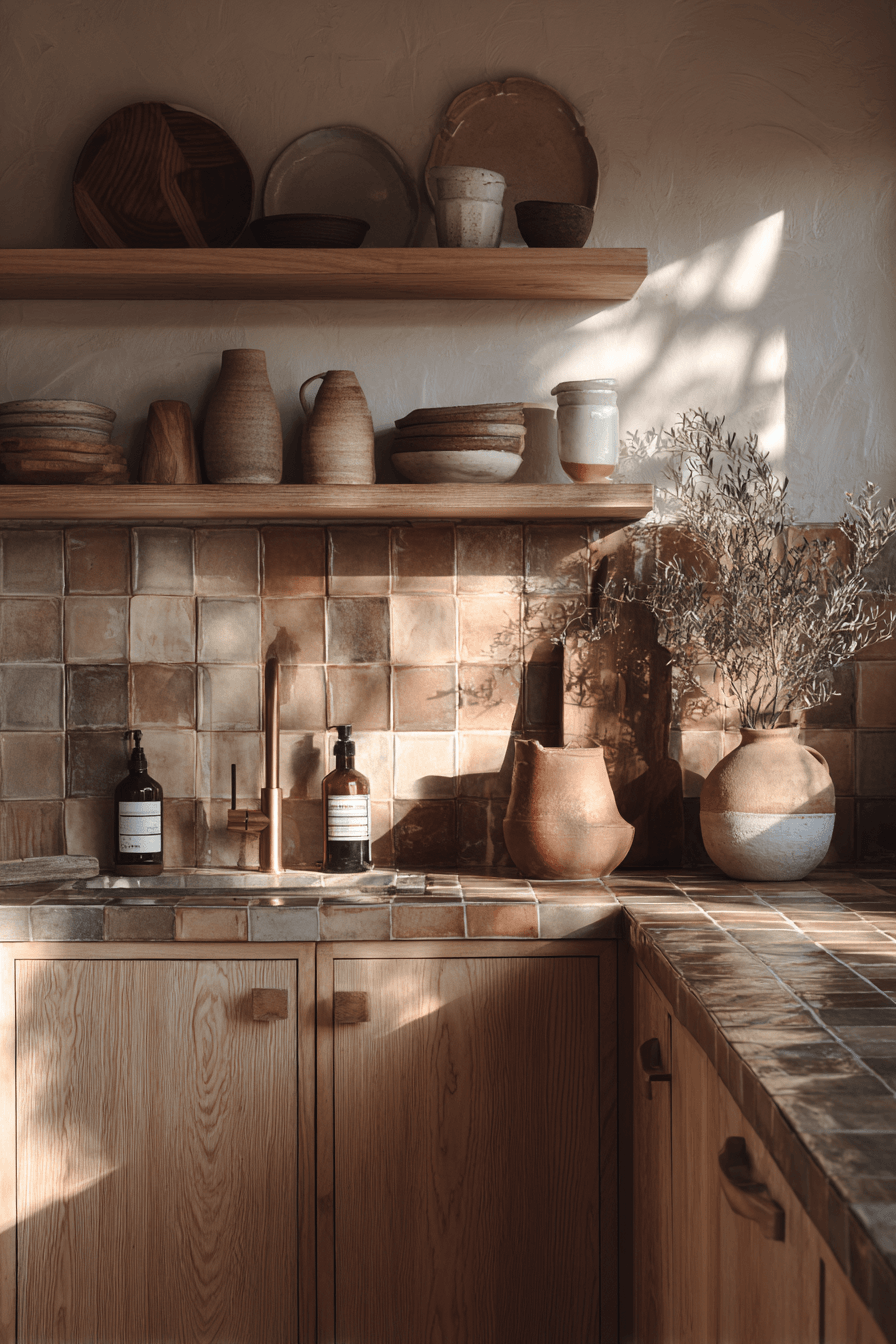
Clay tile backsplashes add subtle texture and earthy warmth to a wabi-sabi kitchen. Handmade tiles often have slight color variations that make the space feel organic. Companies like Zia Tile offer beautiful clay tiles that work perfectly in minimalist kitchens. The result feels warm, rustic, and inviting.
12. Minimalist Kitchen Decor with Aesop Inspired Bottles
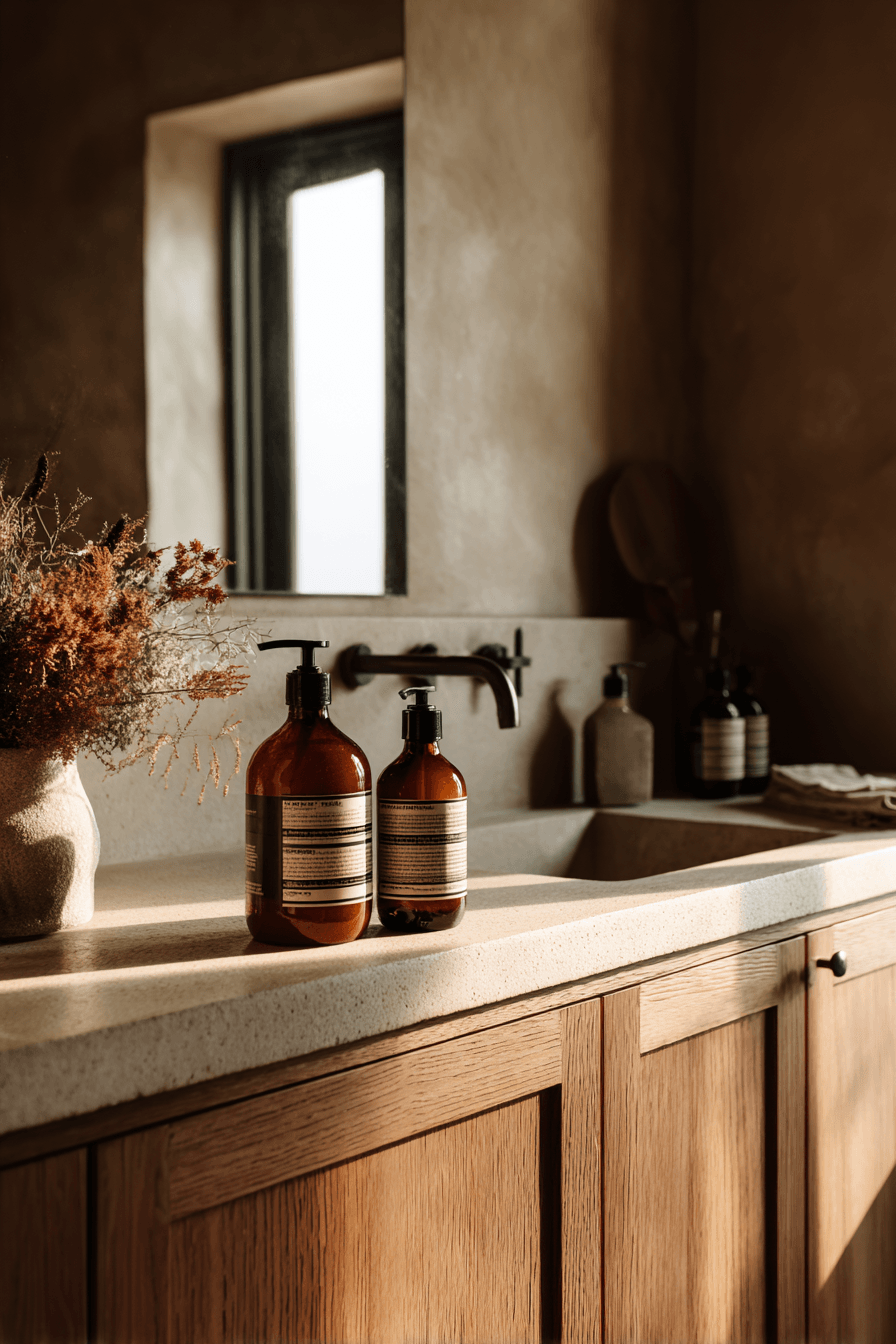
Minimalist decor helps keep a wabi-sabi kitchen calm and uncluttered. Amber soap bottles and simple containers inspired by Aesop bring a subtle luxury to everyday objects. These small details create a thoughtful and cohesive look. The kitchen ends up feeling cozy and quietly sophisticated.
13. Concrete Countertops for a Raw Wabi Sabi Kitchen
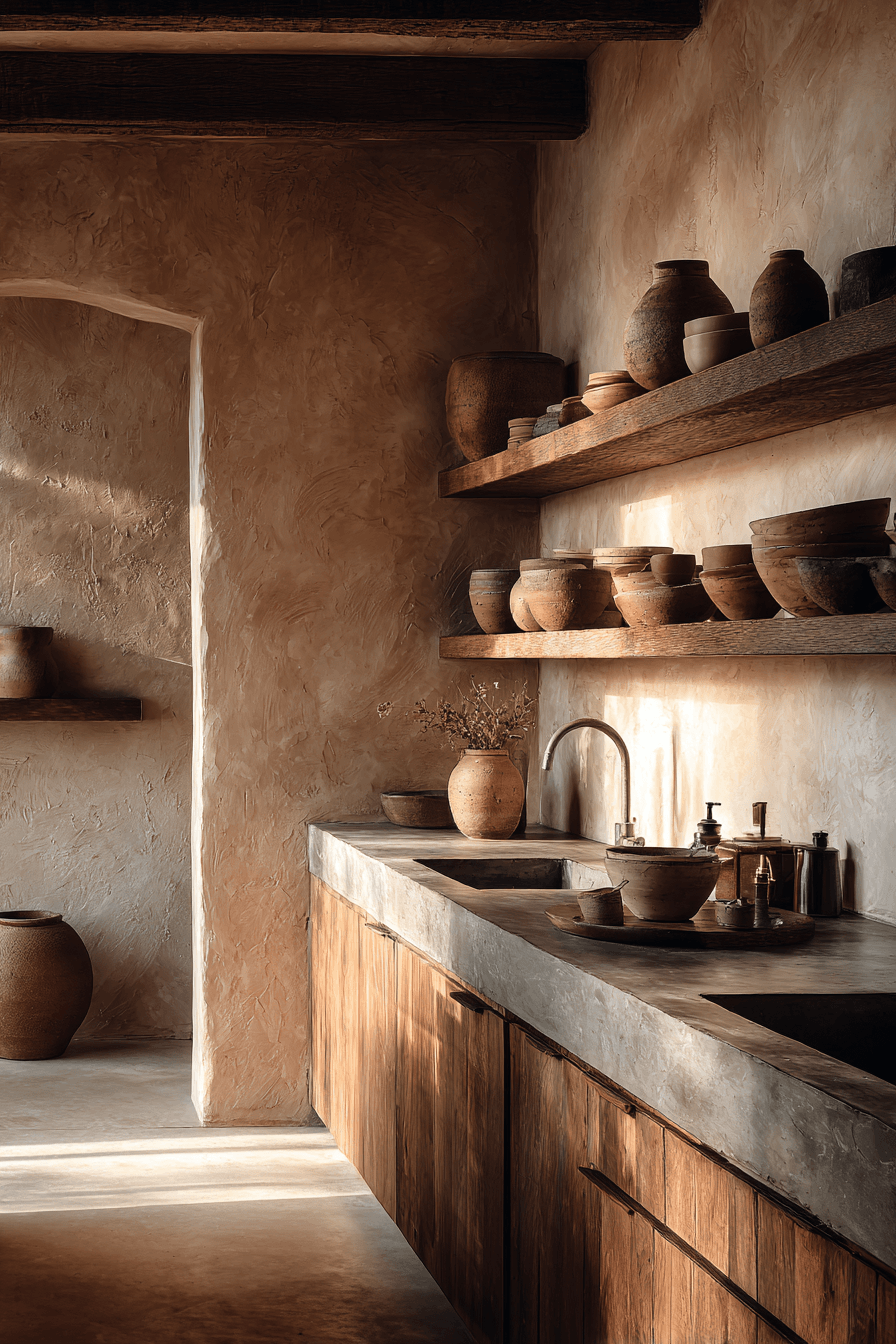
Concrete countertops give a kitchen a raw and beautifully imperfect surface. The subtle variations and soft texture fit perfectly within the wabi-sabi philosophy. Many designers work with brands like Concrete Collaborative for custom finishes. The result is a kitchen that feels modern yet earthy.
14. Vintage Wooden Kitchen Stools with Character
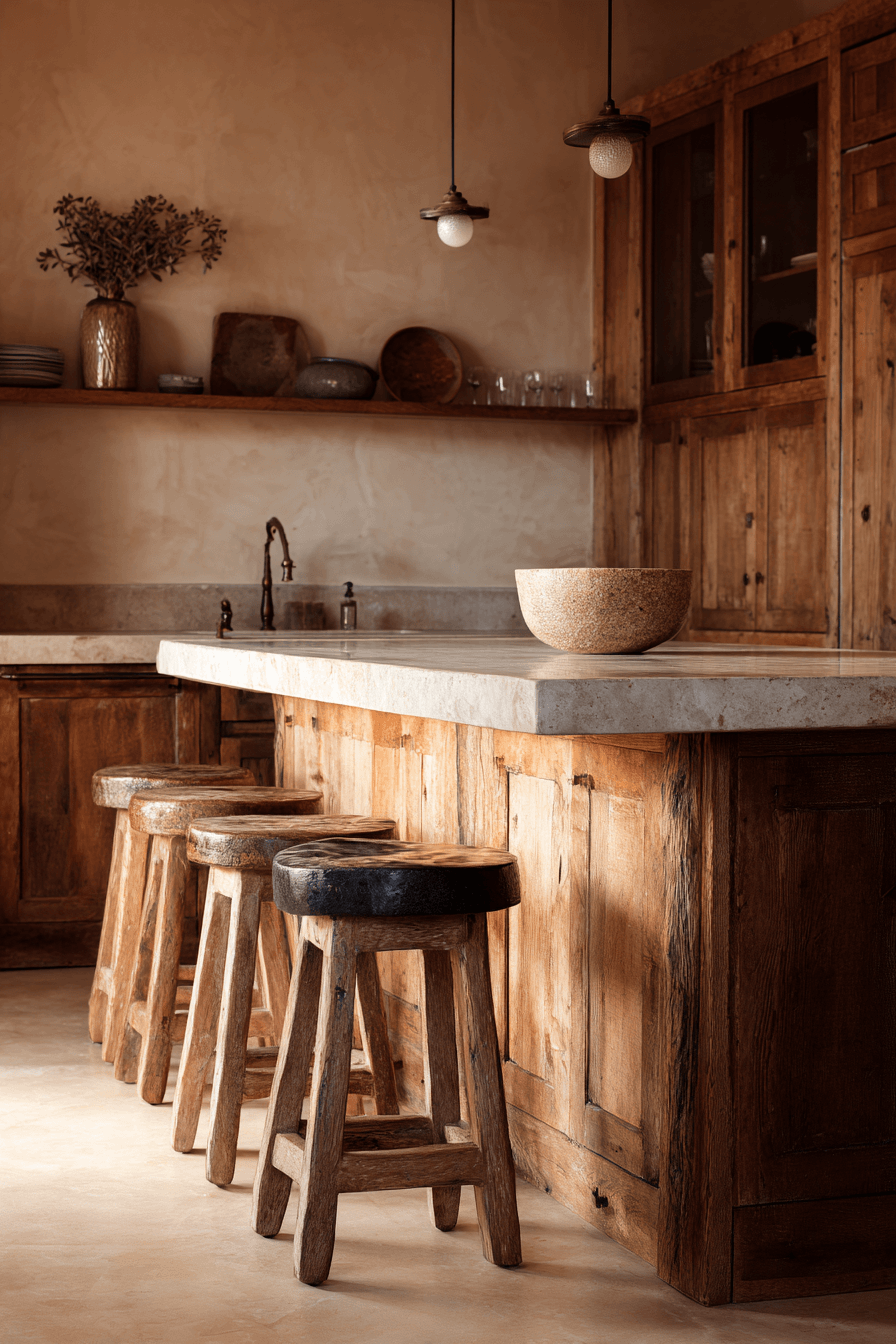
Vintage wooden stools add warmth and personality to a wabi-sabi kitchen. The worn textures and natural patina tell a story and create character. Pair them with a simple wooden island or stone counter. These pieces make the kitchen feel cozy and lived-in.
15. Stoneware Dinnerware Displays Inspired by Heath Ceramics
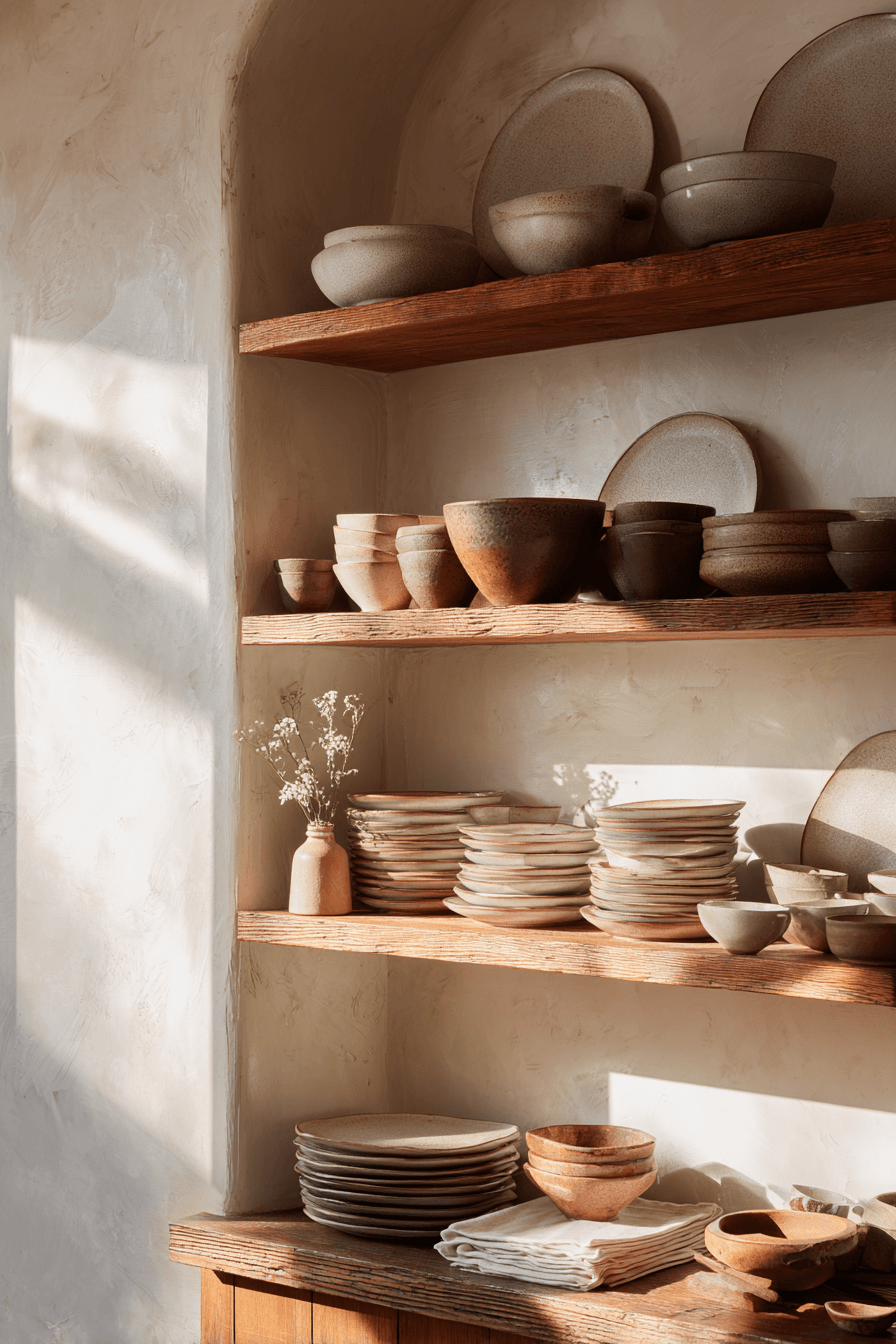
Displaying stoneware dinnerware can become a beautiful design feature. Collections from Heath Ceramics bring artisan craftsmanship and earthy colors to the kitchen. Arrange them on open shelves to create a calm visual rhythm. The space feels curated, warm, and inviting.
16. Warm Japandi Kitchens with Oak Cabinets
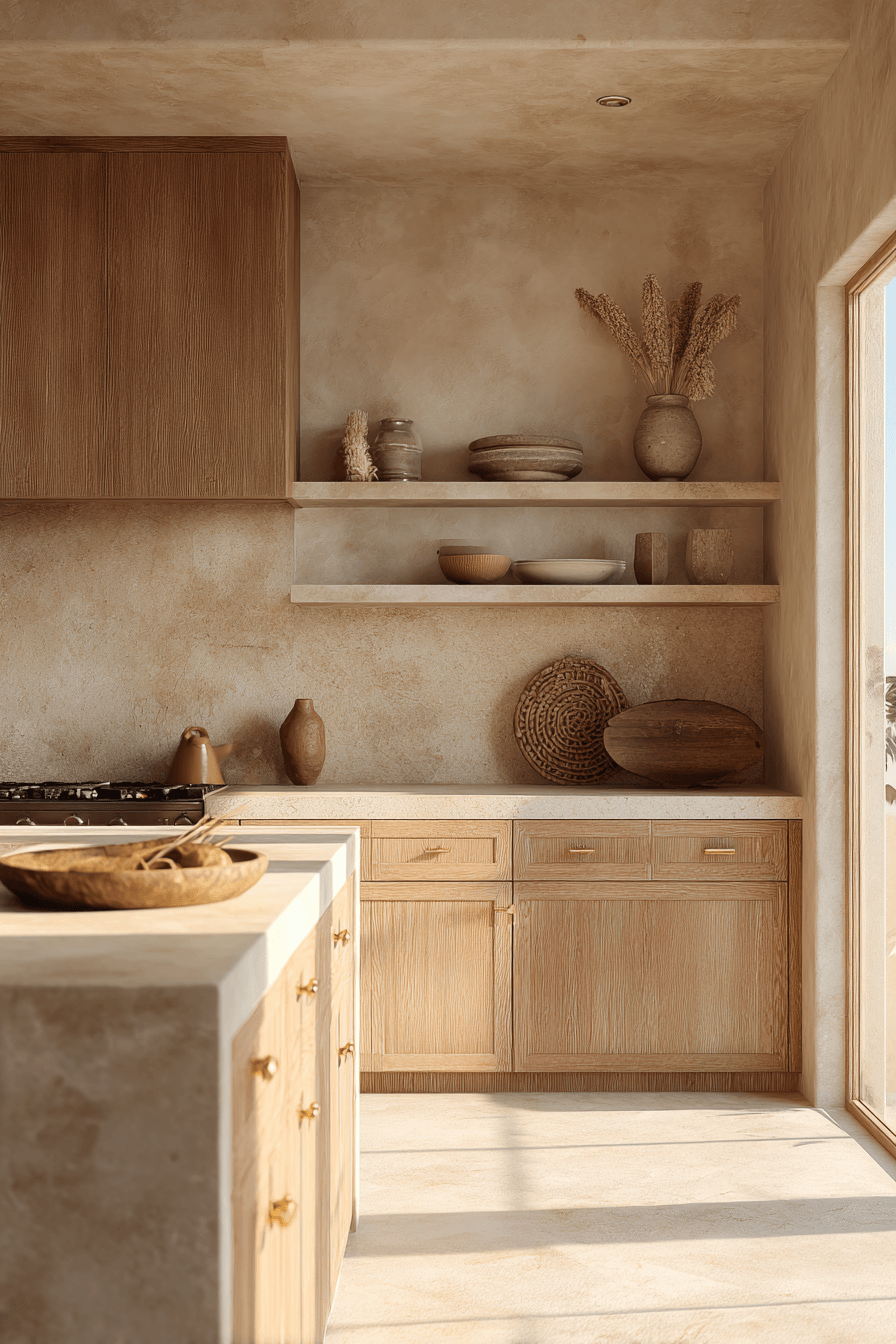
Oak cabinets are perfect for creating a warm Japandi-inspired kitchen. The soft grain and honey tones add natural beauty without feeling heavy. Pair them with minimalist hardware and stone surfaces. The result is a cozy space that feels balanced and serene.
17. Handmade Ceramic Pendant Lighting
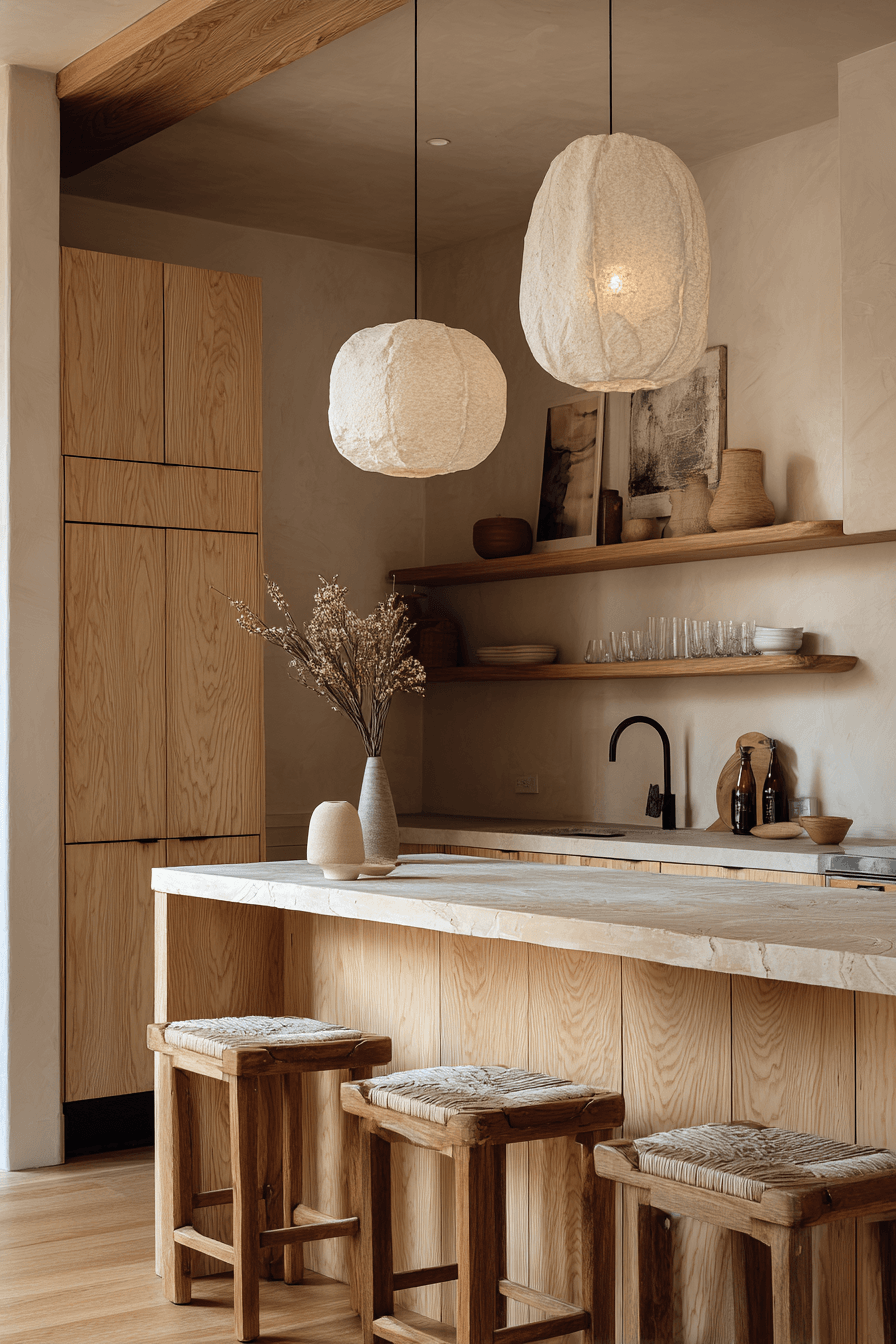
Handmade ceramic pendant lights add soft sculptural beauty to a kitchen. Their imperfect shapes and matte finishes feel authentic and organic. Brands like In Common With create lighting that feels both artistic and warm. These fixtures bring gentle character to the space.
18. A Calm Wabi Sabi Kitchen with Soft Beige and Sand Tones
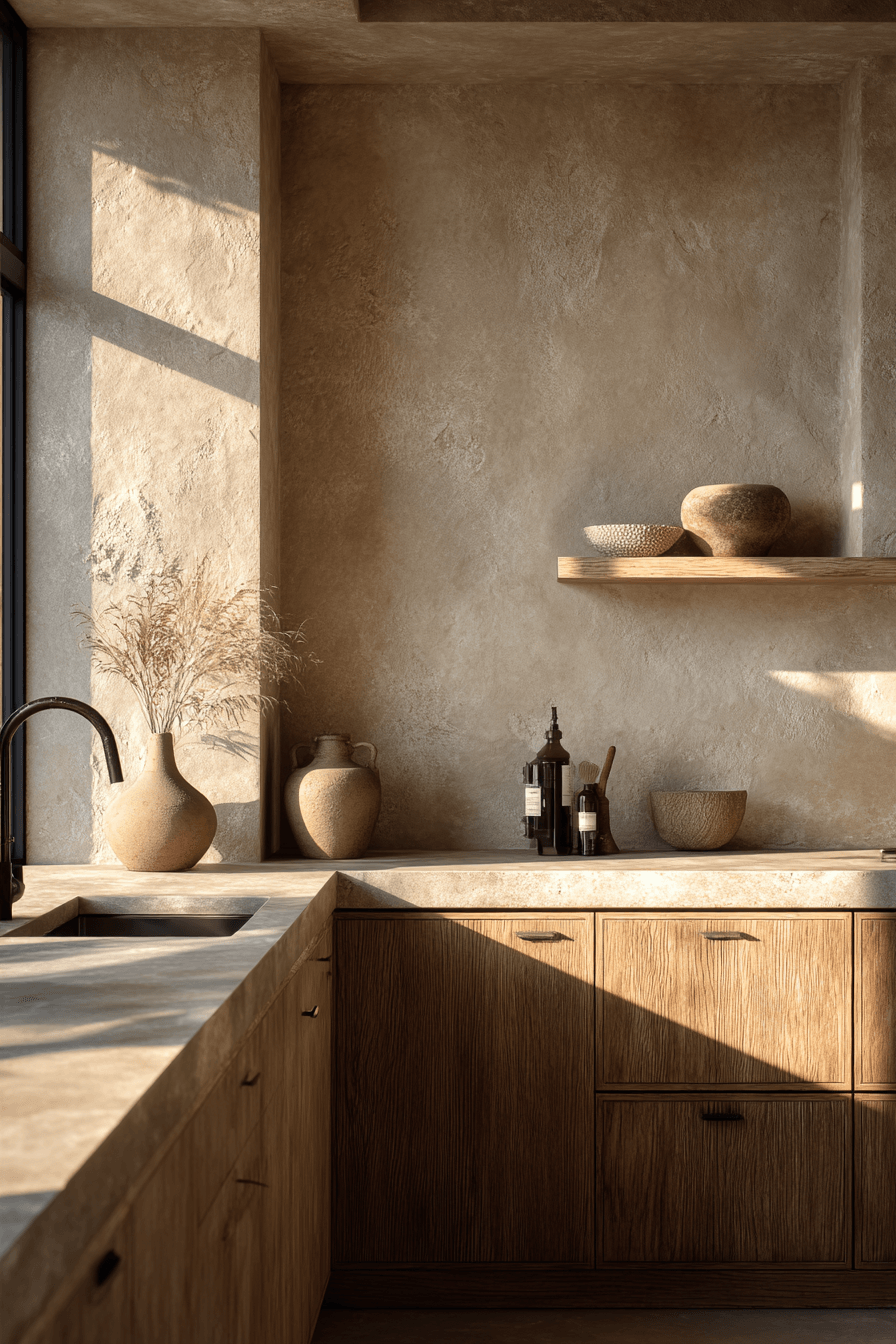
Soft beige and sand tones create an instantly calming kitchen atmosphere. These warm neutrals reflect light beautifully and feel peaceful to live with every day. When paired with wood and stone, the palette feels organic and cozy. The kitchen becomes a serene place to gather and cook.
19. Open Pantry Shelves with Woven Baskets
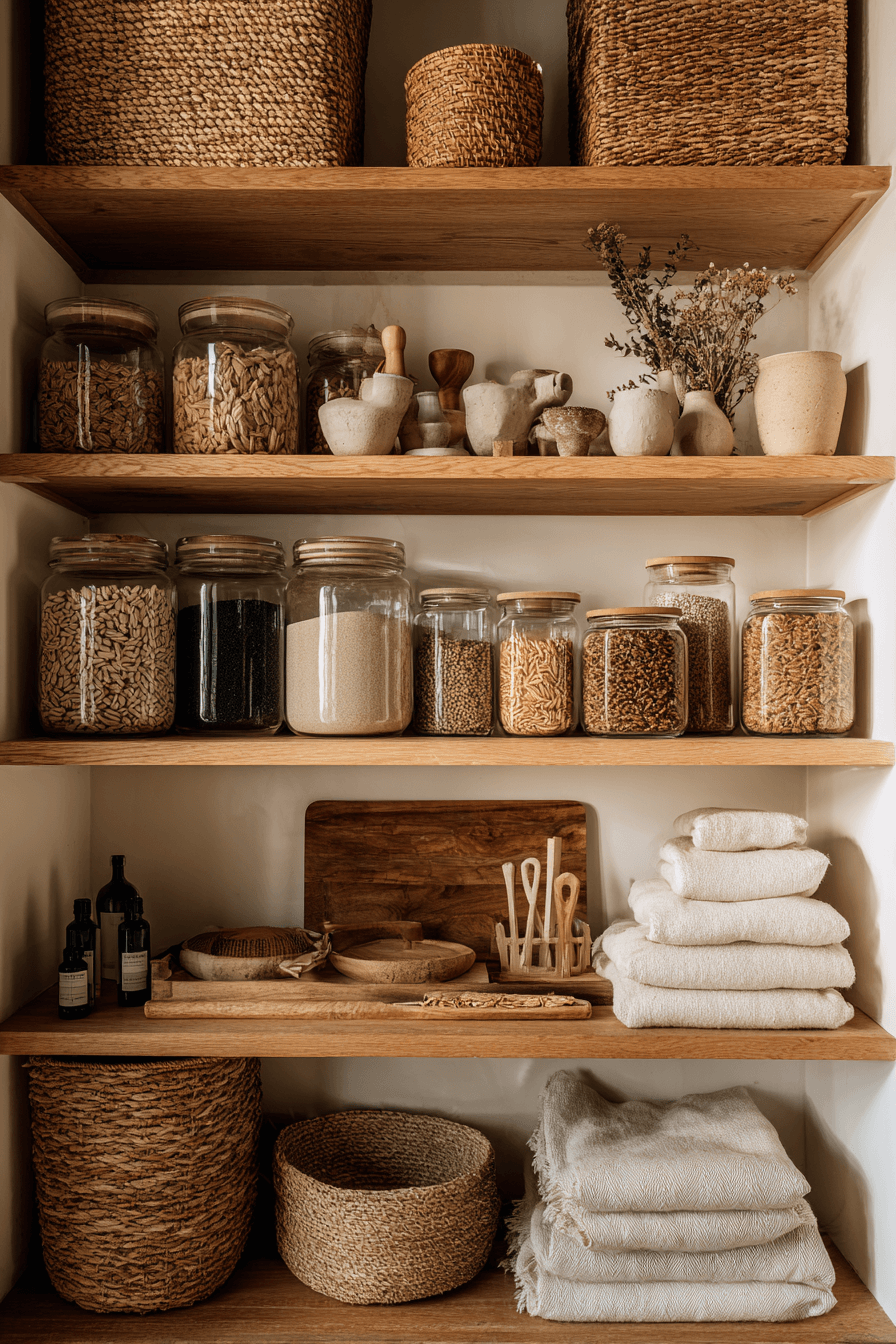
Open pantry shelving helps keep a wabi-sabi kitchen both practical and beautiful. Woven baskets made from natural fibers add texture and warmth. Brands like The Citizenry offer beautiful handcrafted baskets perfect for storage. The pantry ends up feeling organized yet relaxed.
20. Natural Travertine Kitchens with Timeless Texture
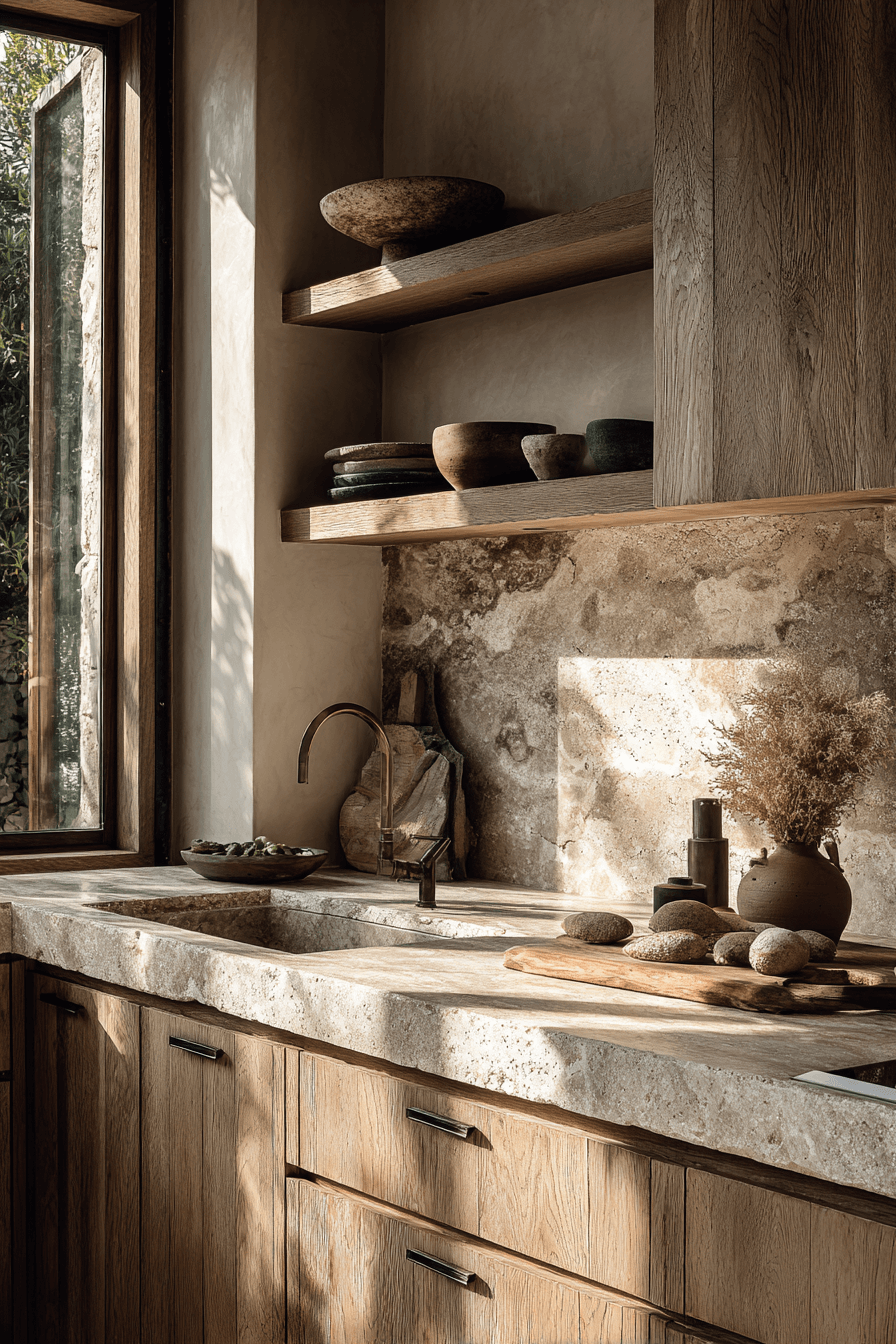
Travertine kitchens have a soft, timeless texture that works beautifully with wabi-sabi design. The natural stone has subtle color variation that feels organic and calming. Travertine countertops or backsplashes create a warm and earthy aesthetic. The space feels grounded and quietly elegant.
21. Minimalist Faucets from VOLA for a Wabi Sabi Look
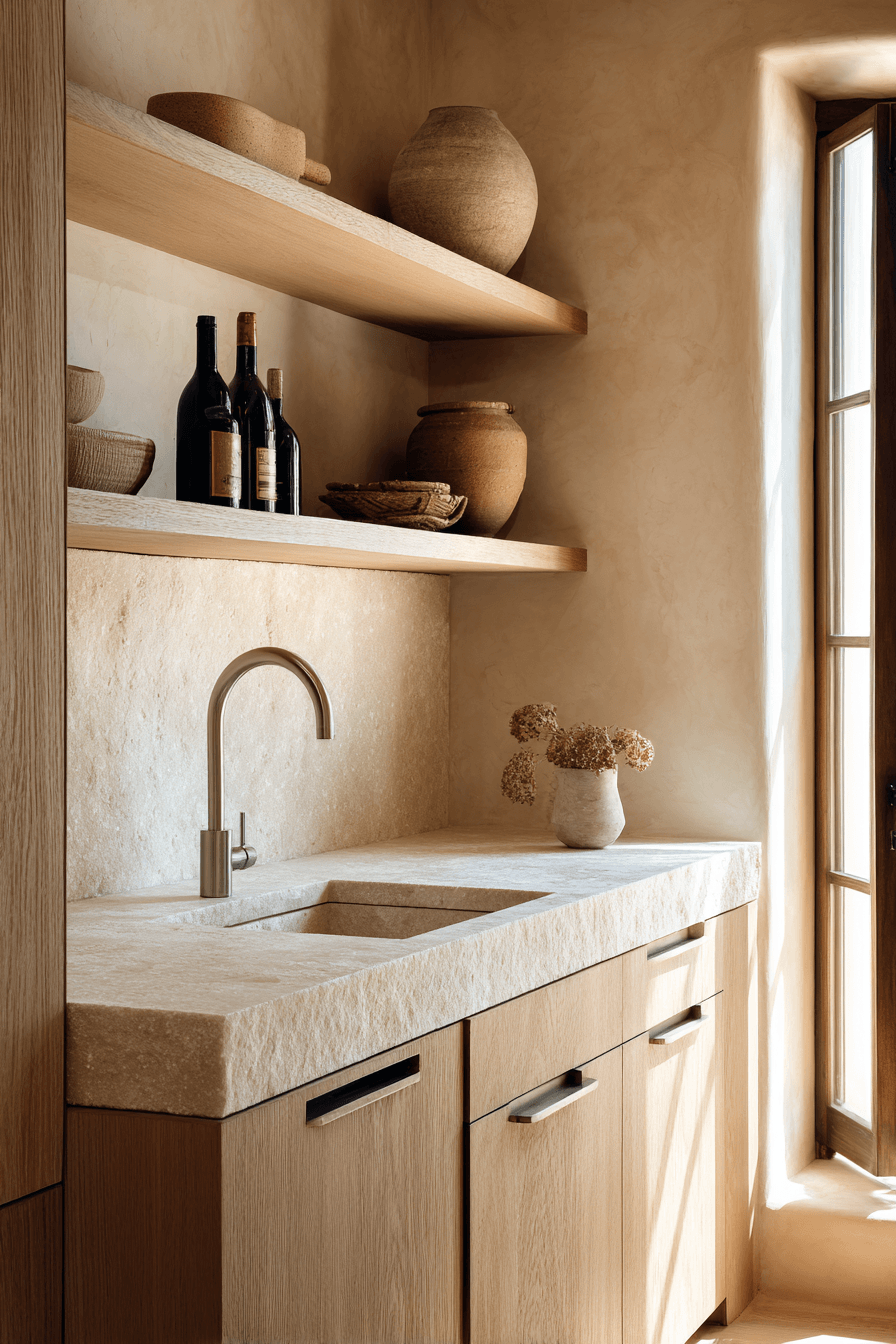
Minimalist faucets help keep a wabi-sabi kitchen uncluttered and refined. Brands like VOLA design sleek fixtures that feel modern yet timeless. Their simple shapes blend beautifully with stone and wood materials. The result is a kitchen that feels calm and sophisticated.
22. Rustic Wooden Cutting Boards as Kitchen Decor
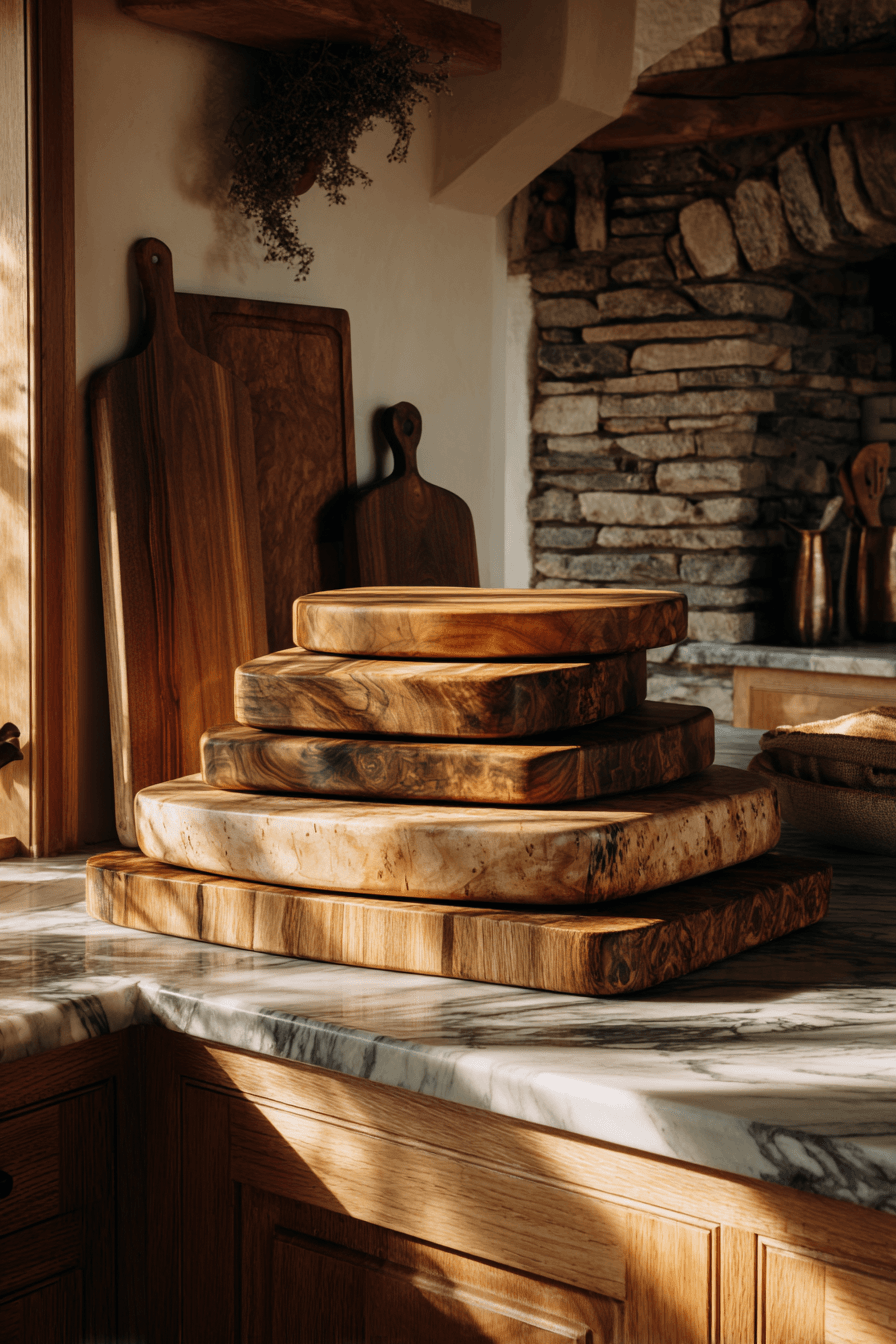
Wooden cutting boards can double as beautiful kitchen decor. Display several boards made from walnut, olive wood, or oak against the backsplash. Their natural grain adds warmth and organic texture. The kitchen feels cozy and thoughtfully styled.
23. Aged Brass Hardware for Soft Wabi Sabi Kitchens
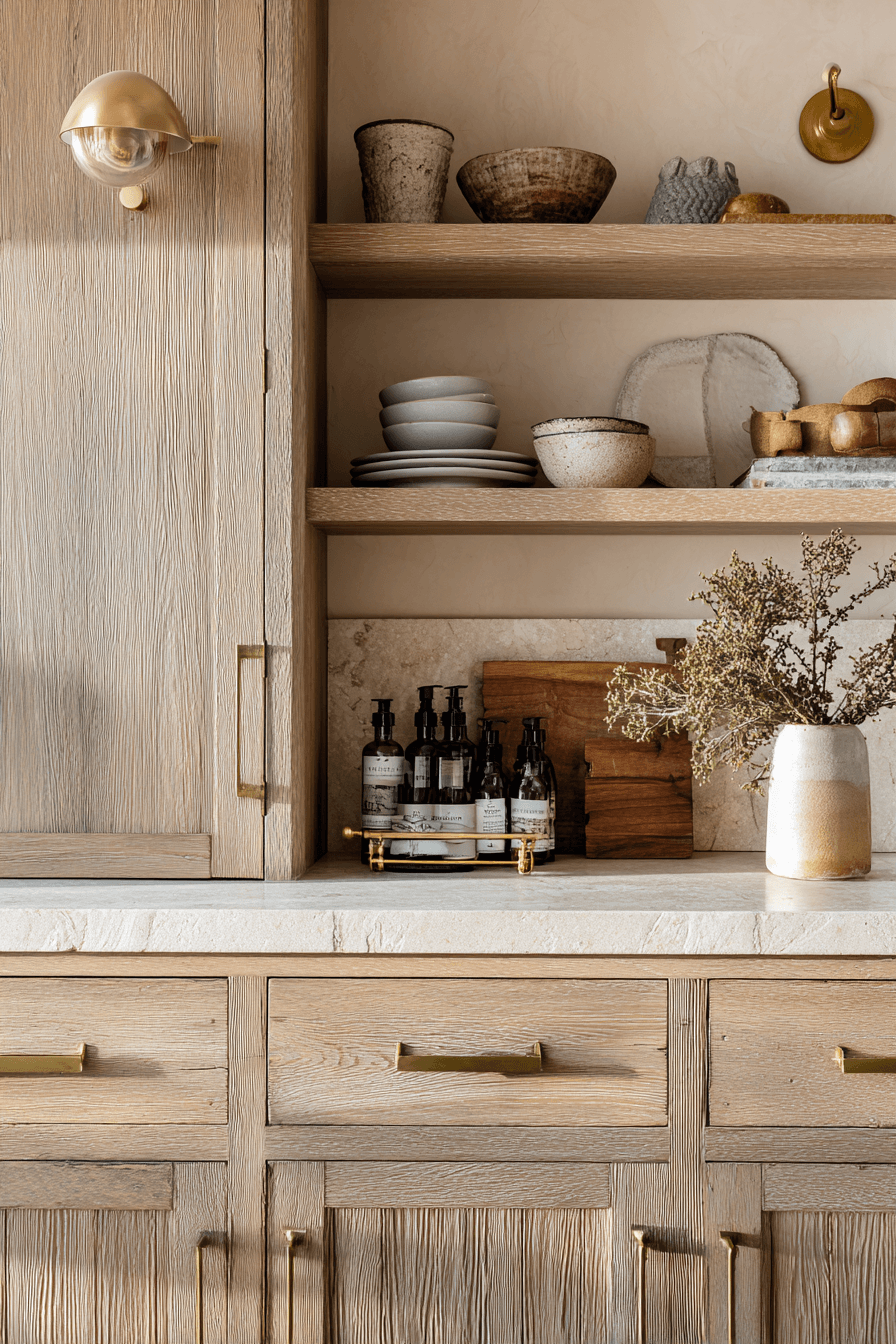
Aged brass hardware brings subtle warmth to cabinets and drawers. Over time the metal develops a soft patina that fits perfectly with wabi-sabi design. Brands like Rejuvenation offer beautiful aged brass pieces. These small details make the kitchen feel warm and authentic.
24. Mediterranean Meets Wabi Sabi Kitchen Design
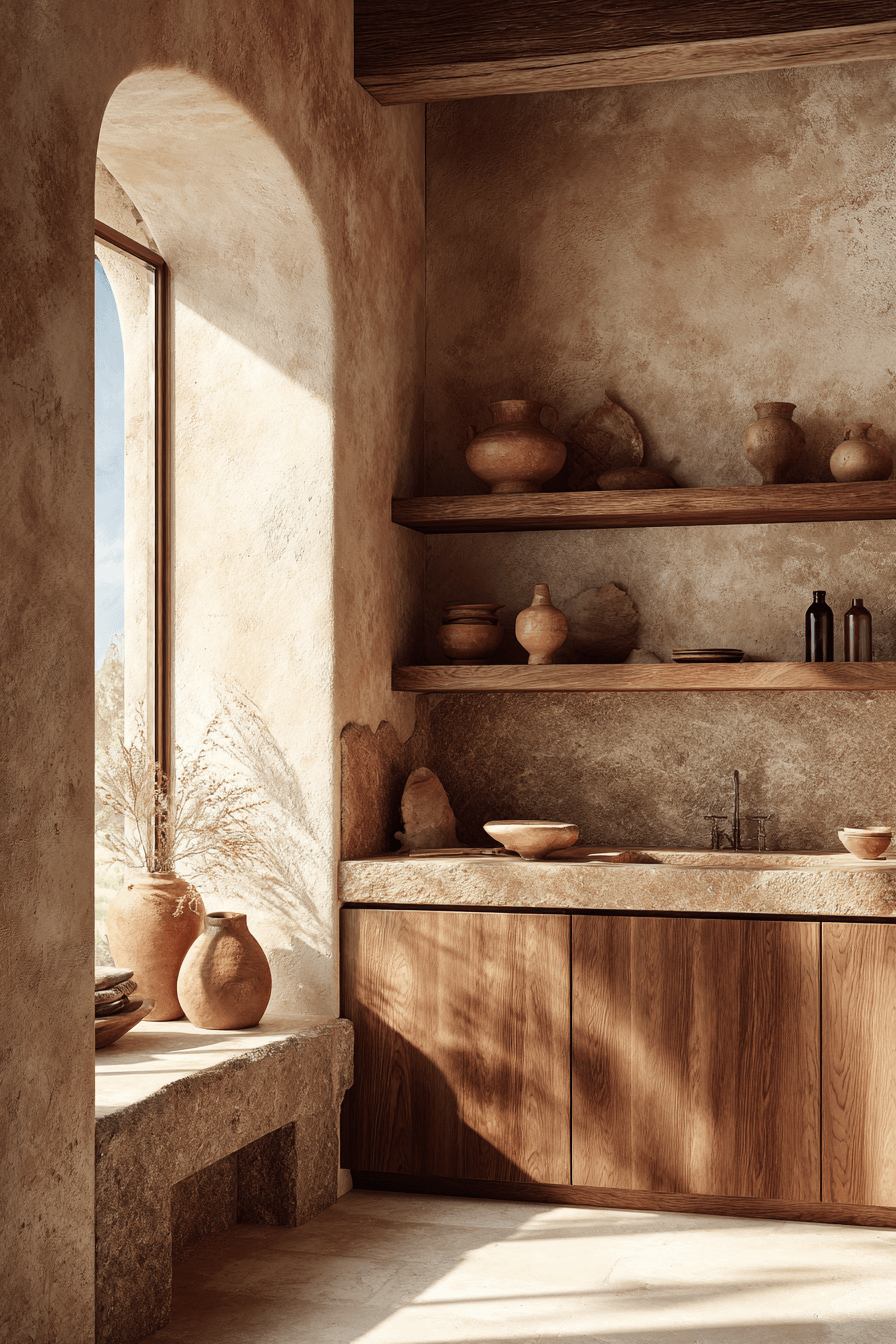
A Mediterranean influence can add warmth to a wabi-sabi kitchen. Think plaster walls, warm stone surfaces, and natural wood cabinets. These materials create a relaxed and sun-washed atmosphere. The space feels cozy, earthy, and timeless.
25. Unfinished Wood Cabinets for a Raw Organic Feel
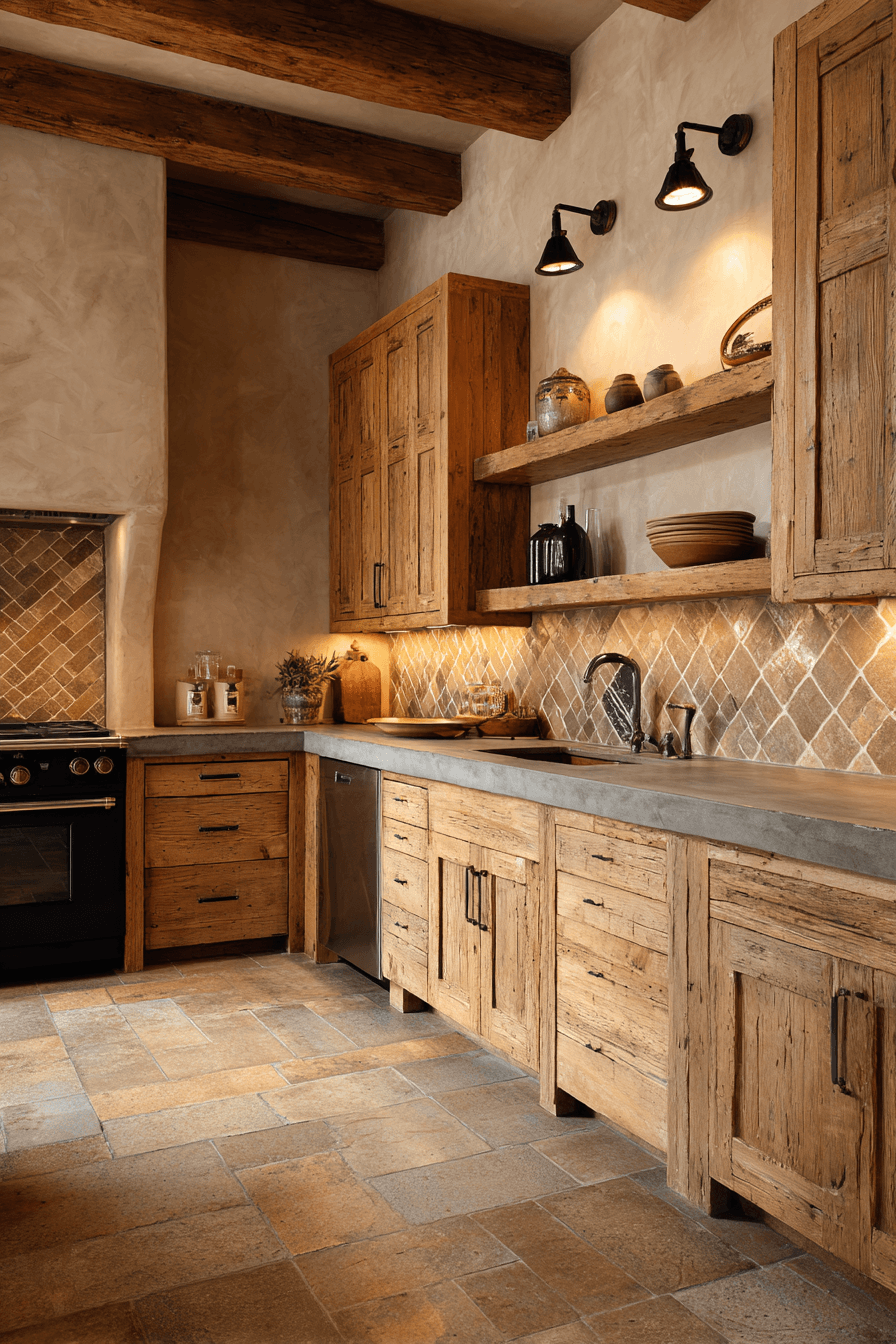
Unfinished wood cabinets highlight the natural beauty of raw materials. The visible grain and slightly imperfect texture create an authentic look. This approach celebrates simplicity and craftsmanship. The kitchen feels organic, cozy, and deeply calming.
26. Simple Tea Corners Styled with Japanese Ceramics
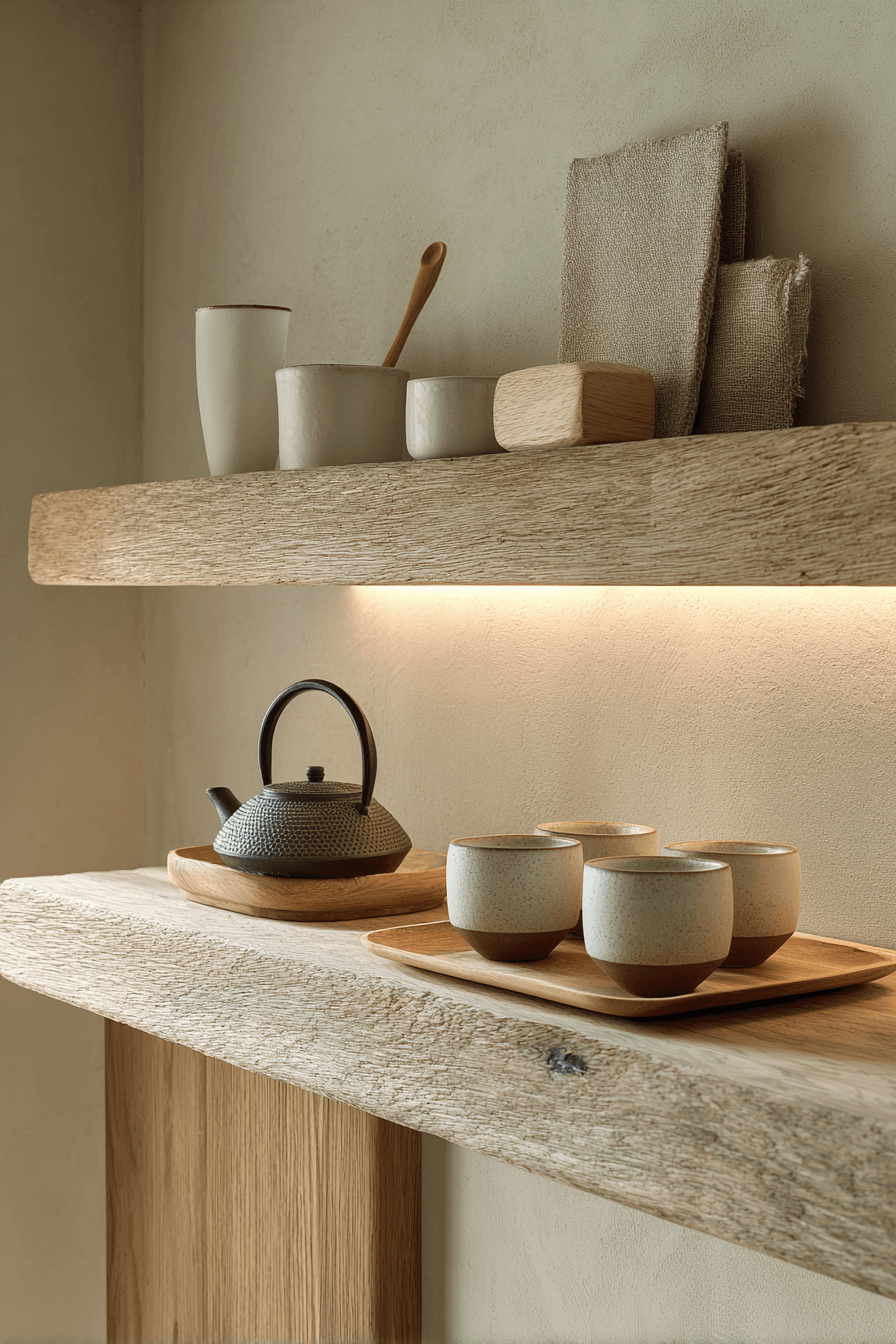
A small tea corner can bring a peaceful ritual into the kitchen. Display teapots and cups made by Japanese ceramic brands like Hasami Porcelain. Keep the area simple and uncluttered to maintain a calm atmosphere. This quiet corner adds warmth and serenity to the space.
27. Soft Lighting with Paper Lanterns for a Calm Wabi-Sabi Kitchen
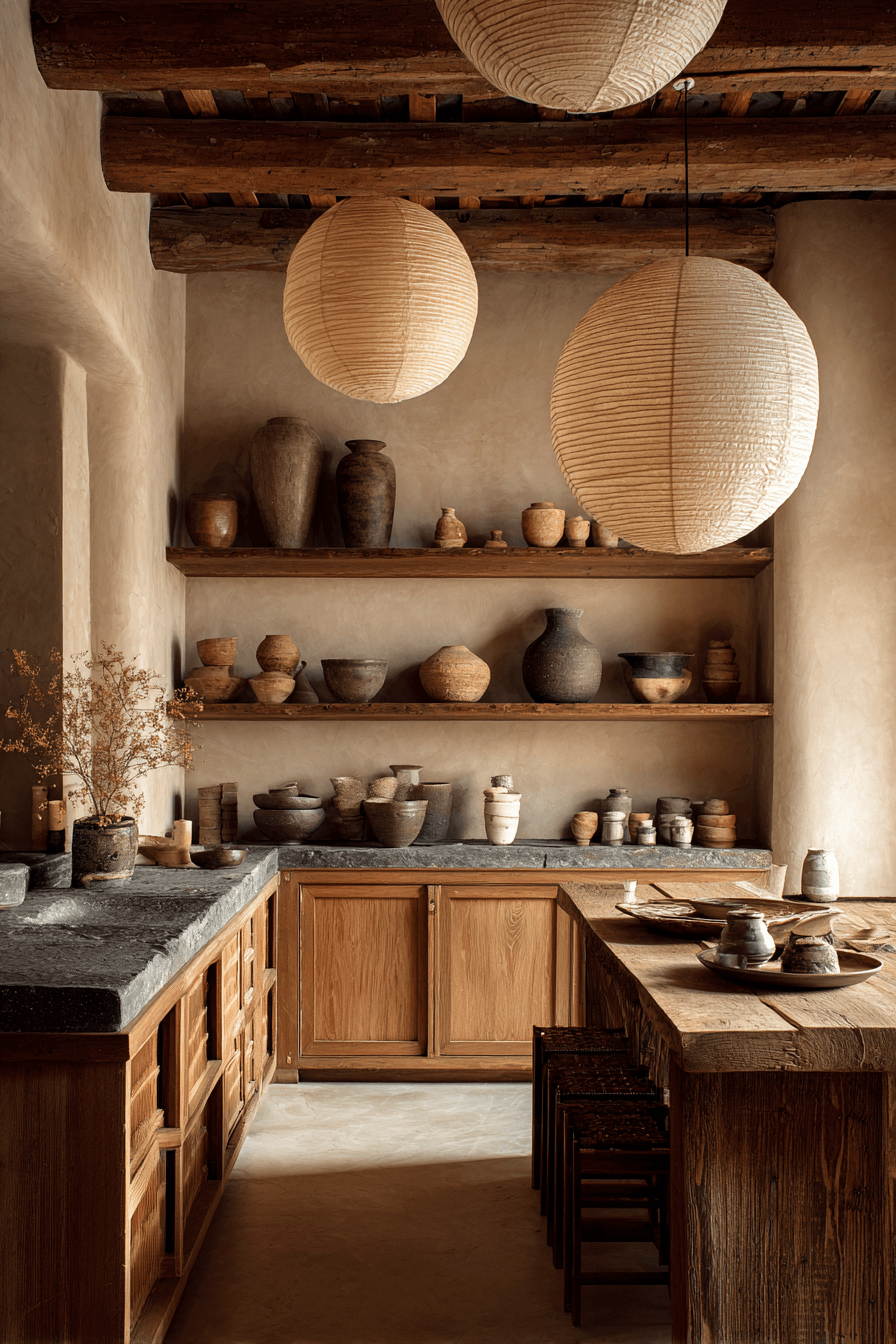
Soft lighting helps create the gentle mood that defines wabi-sabi interiors. Paper lanterns inspired by traditional Japanese design diffuse light beautifully. Brands like HAY offer modern versions that feel airy and sculptural. The kitchen becomes a cozy and tranquil retreat.
A wabi sabi kitchen embraces simplicity, natural materials, and the quiet beauty found in imperfection. By incorporating warm woods, organic textures, and handmade elements, you can create a space that feels calm, grounded, and timeless. The result is a kitchen that invites slow living, thoughtful design, and a deeper appreciation for everyday moments.