This post may contain affiliate links. Please see my disclosure policy for details.
What Exactly Is Winter Aconite?
Contents
Winter aconite is that gutsy little perennial that pops up while snow is still on the ground, flashing its bright yellow blooms like tiny suns when everything else is still sleeping.
This pint-sized powerhouse (Eranthis hyemalis) belongs to the buttercup family and stands a whopping 3-6 inches tall. Don’t let the small stature fool you. When these golden cups open up surrounded by their frilly green collars, they create a carpet of sunshine that’ll make you stop dead in your tracks. The blooms appear before crocuses even think about showing up, making them the true overachievers of the spring bulb world. By late spring, the whole plant disappears completely until next year’s show.

Why Your Garden Needs These Tiny Rebels
Early pollinators are absolutely desperate for these flowers. Honeybees emerging from their winter stupor treat winter aconite like an all-you-can-eat buffet. I’ve watched bees practically dive-bomb these blooms on warm February afternoons.
Here’s what makes them garden gold:
- They bloom when literally nothing else does (late winter to early spring)
- Deer won’t touch them (the entire plant is toxic)
- They spread like gossip through self-seeding
- Zero maintenance required once established
- They disappear by summer so you can plant annuals right over them
Where to Plant These Yellow Troublemakers
Winter aconite thrives in zones 4-9, which covers most of the United States. The sweet spot? Under deciduous trees. They grab all that precious spring sunlight before the tree canopy fills in, then politely vanish once shade takes over.
Best locations:
- Sparse grass under oak or maple trees
- Rock gardens where they can wedge between stones
- Woodland garden edges
- Along walkways for a cheerful welcome
- Mixed with other early bloomers like snowdrops
They need about 5-6 hours of direct sun, but afternoon shade helps in hotter climates. The soil situation is non-negotiable: well-drained is everything. These tubers will rot faster than forgotten leftovers if they sit in soggy ground. Alkaline to neutral soil makes them happiest.

Planting Winter Aconite Without Screwing It Up
Late summer or early fall is planting time—specifically August through September. I learned this the hard way after trying to plant them in spring (spoiler: total failure).
The planting process:
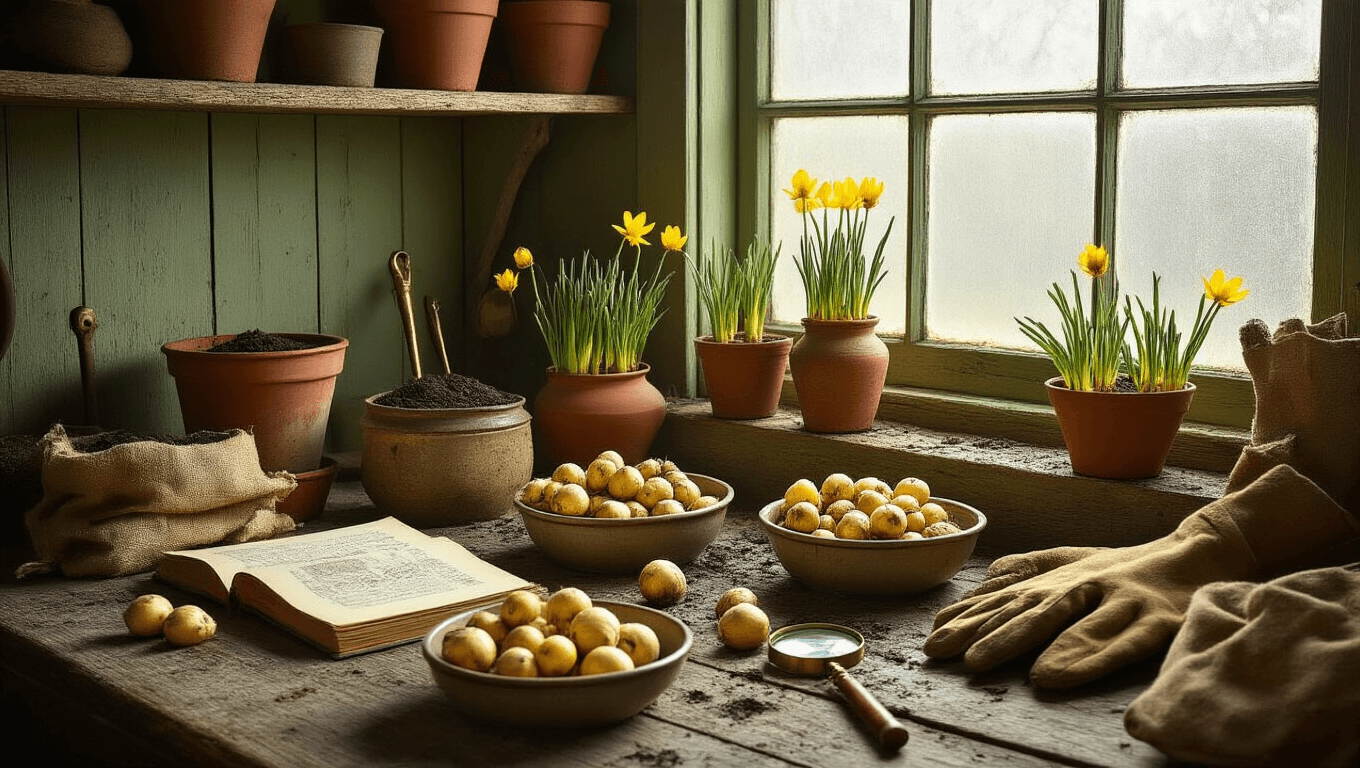
- Soak the dried tubers overnight in lukewarm water (they look like tiny wrinkled raisins)
- Dig holes 2-3 inches deep
- Space them 3-4 inches apart
- Plant them with the pointed end down (or sideways if you can’t tell)
- Cover with soil and water thoroughly
Here’s a trick that saved my sanity: buy winter aconite bulbs already “in the green” (actively growing) if you can find them. They establish way better than dried tubers. Use bulb planting tools to make perfectly sized holes without breaking your back or your fingernails.

Keeping Them Alive (It’s Embarrassingly Easy)
Once established, winter aconite practically takes care of itself.
During active growth (late winter through spring):
- Keep soil consistently moist but never soggy
- Don’t fertilize (seriously, they don’t need it)
- Let the foliage die back naturally even though it looks messy
After they go dormant:
- Ignore them completely
- Plant annuals right over the top if you want
- Let them bake in summer dryness (they prefer it)
The only time you’ll need to intervene is if clumps get too crowded. Divide them right after flowering when you can still see where they are. Otherwise, you’ll be digging blind and cursing.

The Spreading Situation
Winter aconite self-seeds like it’s getting paid for it. One clump can turn into a golden carpet within five years. Some people panic about this. I think it’s the best feature. If you’re genuinely worried about them taking over (they won’t invade like some thugs I could mention), just deadhead the flowers before they set seed. But honestly? Why would you? More flowers showing up uninvited is a problem I’ll take any day.

The Toxic Truth Nobody Wants to Discuss
Every part of this plant is poisonous, especially the tubers. Eating it causes nausea, vomiting, stomach cramps, and vision problems. I’m not being dramatic—this is real. If you have toddlers who eat everything or dogs that dig constantly, plant these somewhere inaccessible. The good news? The plant tastes awful, so accidental poisoning is rare. Wear gardening gloves when handling tubers if you have sensitive skin.