This post may contain affiliate links. Please see my disclosure policy for details.
Winter Bird Feeders: A Comprehensive Guide to Nourishing Feathered Friends During Cold Months
Winter can be brutal for our winged backyard companions. Keeping birds fed and healthy during the coldest months isn’t just a hobby—it’s a critical act of wildlife support.

🖼 Steal This Look
- Paint Color: Sherwin-Williams Rookwood Dark Red SW 2802
- Furniture: weathered cedar potting bench with galvanized steel top
- Lighting: solar-powered Edison bulb string lights with warm 2700K output
- Materials: rough-sawn barn wood, hammered copper, cast iron, burlap, and hand-blown glass
There is something quietly grounding about the ritual of morning refills when the world is still frozen—this small corner of your home becomes a sanctuary for both you and the birds who depend on it.
Why Winter Bird Feeding Matters
Birds burn incredible amounts of energy staying warm when temperatures plummet. A well-designed winter bird feeder can literally mean the difference between survival and starvation for local bird populations.
Essential Winter Feeding Strategies
Key Nutritional Needs:
- High-fat seeds (black oil sunflower seeds)
- Suet cakes
- Protein-rich mixed seeds
- Consistent food supply
Choosing the Right Winter Bird Feeder
Types of Winter-Specific Feeders
- Tube Feeders
- Protect seeds from moisture
- Easy for small birds to access
- Recommended tube feeder with weather protection
- Hopper Feeders
- Large capacity
- Shelter seeds from snow
- Multiple bird perching options
- Suet Feeders
- Perfect for woodpeckers
- High-energy food source
- Durable suet cage recommended
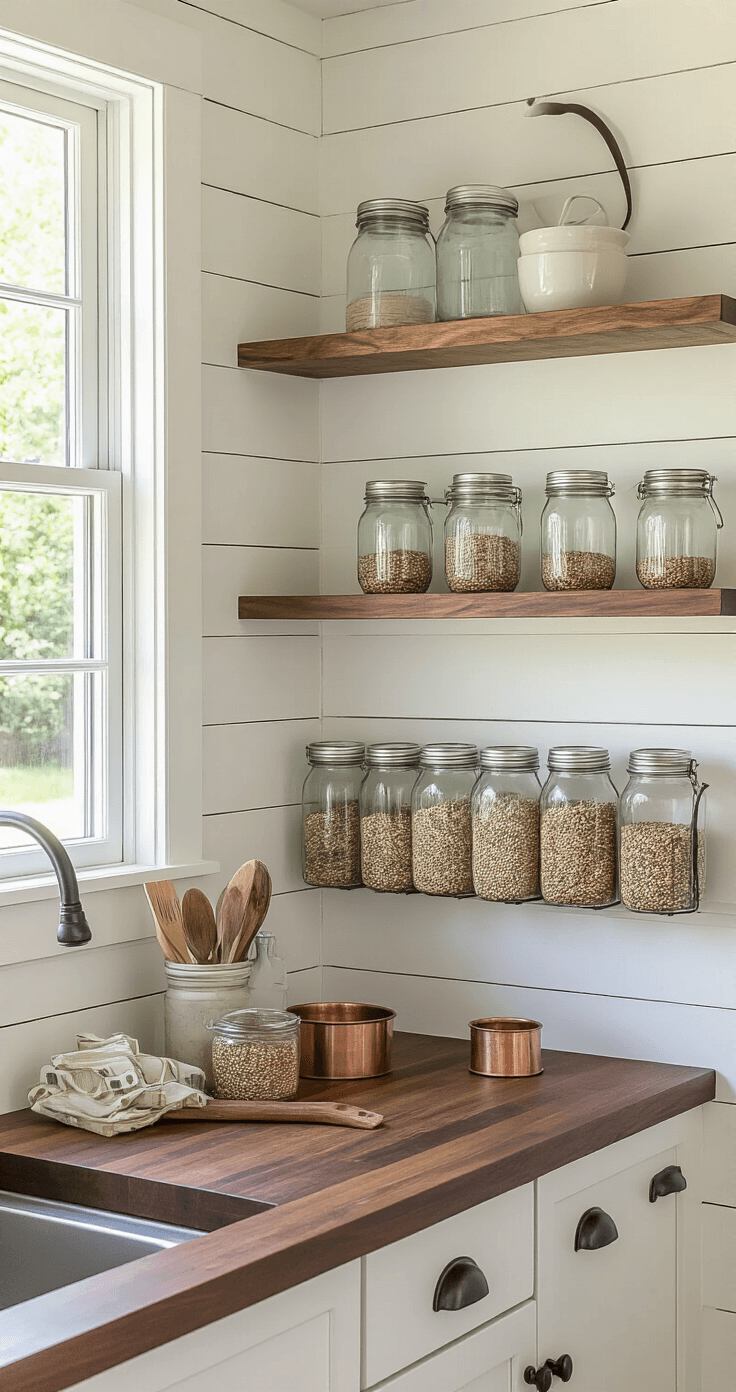
💡 Steal This Look
- Paint Color: Farrow & Ball Card Room Green F&B 79
- Furniture: weathered cedar potting bench with galvanized steel top
- Lighting: antique brass gooseneck barn light with seeded glass shade
- Materials: rough-sawn cedar, powder-coated steel, cast iron hooks, hemp rope, reclaimed barn wood
There’s something deeply grounding about tending to feeders before dawn with coffee in hand—watching breath fog in cold air while chickadees dart in, knowing you’ve created a small sanctuary when food is scarce.
Placement and Positioning Tips
Critical Placement Guidelines:
- 5-6 feet above ground
- Near natural shelter (trees/shrubs)
- Protected from wind
- Away from predator hiding spots
Winter Feeding Best Practices
Maintenance Essentials
- Clear snow around feeders
- Check for wet/moldy seeds
- Use weather-resistant bird seed
- Clean feeders regularly
Common Winter Bird Species to Expect
- Cardinals
- Chickadees
- Nuthatches
- Blue Jays
- Woodpeckers

Photography and Documentation
Capture Amazing Bird Moments:
- Use natural morning light
- Position camera at bird eye-level
- Focus on feeder details
- Capture bird interactions
🌟 Steal This Look
- Paint Color: use PPG brand. Match the ACTUAL wall color in the image. Format: PPG PPG PPG Glade Run Gray PPG1034-4
- Furniture: window seat with built-in storage beneath for binoculars and field guides, positioned directly adjacent to the viewing window
- Lighting: adjustable arm wall sconce with warm 2700K LED for early morning observation without disturbing birds
- Materials: unfinished cedar for exterior feeder mounting brackets, brushed brass for interior hardware, linen-upholstered cushion for window seat
This is the room where patience becomes a practice—where you learn to recognize individual chickadees by their calls and anticipate the cardinal’s 7:15 AM arrival like an old friend.
Save this article
Enter your email and we'll send it straight to your inbox.
Budget-Friendly Feeding Options
- DIY suet cakes
- Recycled container feeders
- Bulk seed purchasing
- Cooperative neighborhood feeding programs
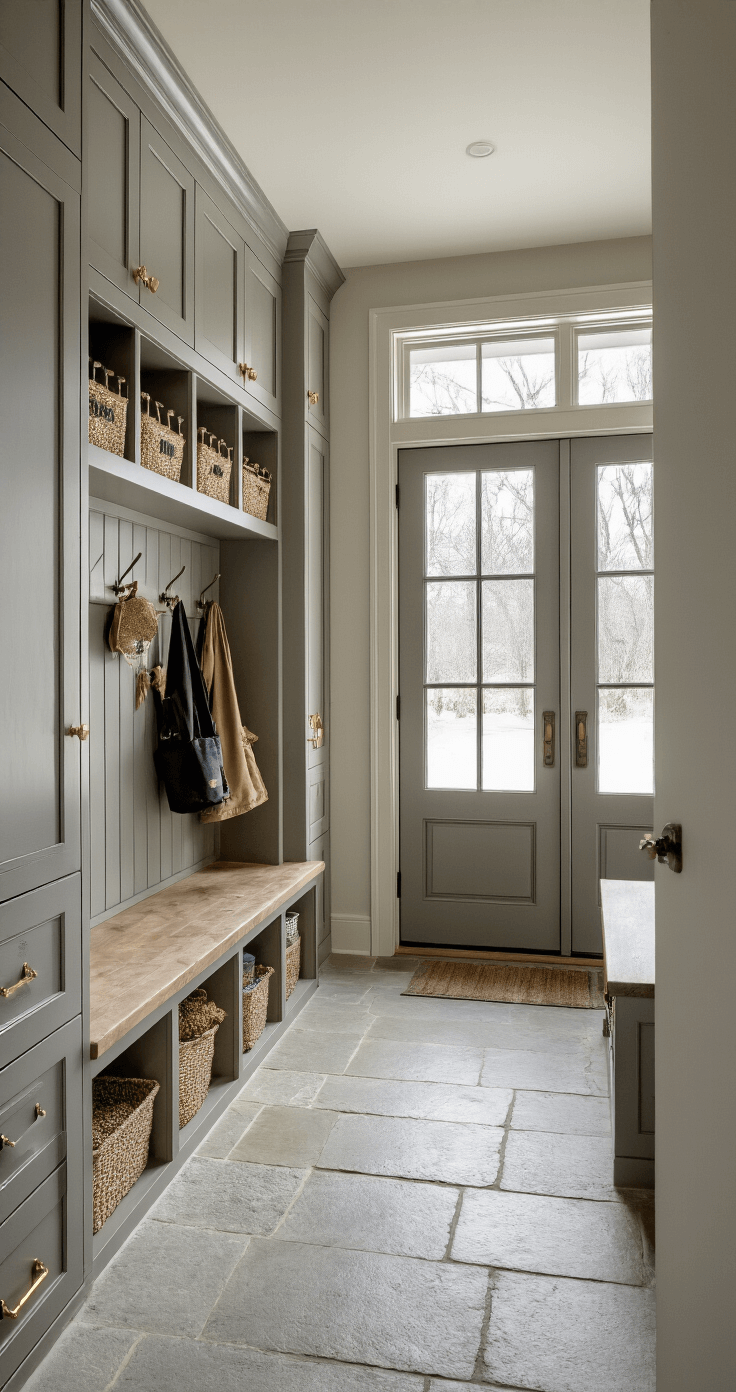
★ Steal This Look
- Paint Color: Dunn-Edwards Rustic Taupe DE6226
- Furniture: weathered cedar potting bench with galvanized steel work surface
- Lighting: vintage barn-style pendant with seeded glass and oil-rubbed bronze finish
- Materials: reclaimed barn wood, chicken wire mesh, burlap, galvanized metal, sisal rope
There’s something deeply satisfying about watching chickadees cluster at a feeder you built from last summer’s cracked terracotta pot—this room celebrates that hands-on resourcefulness.
🎁 Get The Look
Safety Considerations
- Prevent seed mold
- Avoid chocolate or processed foods
- Maintain clean feeding areas
- Provide fresh, unfrozen water
Seasonal Decorative Elements
Winter Feeder Styling:
- Natural wood tones
- Rustic metal accents
- Incorporate pine branches
- Add red berry decorative elements
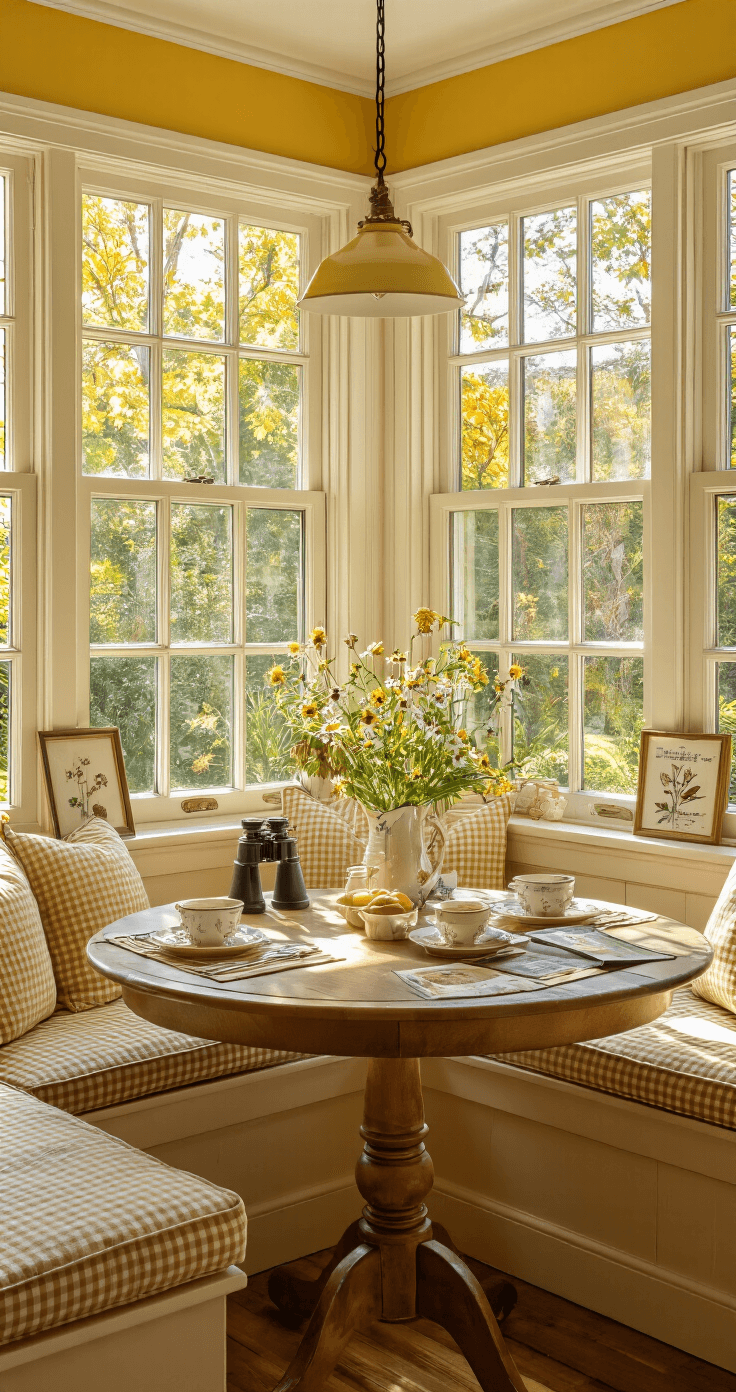
🌟 Steal This Look
- Paint Color: Fine Paints of Europe Hollandlac Brilliant Black FL-01
- Furniture: reclaimed wood console table with live edge detail positioned beneath a large window as feeder viewing station
- Lighting: Schoolhouse Electric Isaac Plug-In Sconce with aged brass finish
- Materials: weathered cedar, hand-forged iron, dried botanicals, matte ceramic, raw linen
This is the room where you’ll spend gray January mornings with coffee in hand, watching chickadees dart between branches—your feeder setup becomes living artwork that shifts with the season.
Ecological Impact
By maintaining winter bird feeders, you’re:
- Supporting local wildlife
- Providing critical nutrition
- Creating backyard ecosystem balance
- Enjoying nature’s beauty
Pro Tip: Consistency is key. Birds learn to rely on dependable food sources during harsh winter months.
🎨 Steal This Look
- Paint Color: Backdrop Bird’s Nest 29-04
- Furniture: weathered cedar potting bench repurposed as a feeder station with galvanized metal storage bins underneath
- Lighting: solar-powered Edison bulb string lights with warm 2700K output and automatic dusk sensors
- Materials: rough-sawn cedar, untreated pine shavings, recycled glass hummingbird feeders, hemp rope, cast iron shepherd’s hooks
There’s something deeply grounding about stepping outside with your morning coffee to find chickadees already waiting—this small ritual connects you to the quiet persistence of life in the coldest months, and the feeder station becomes your window into a world most neighbors never notice.
Final Thoughts
Winter bird feeding is more than a hobby—it’s a compassionate connection with nature. Each seed, each carefully placed feeder, makes a significant difference in our local wildlife’s survival.
Keep watching, keep feeding, and enjoy the incredible world of winter birds!

Keep this one for later
We'll email you the link so you can come back to it.