

This post may contain affiliate links. Please see my disclosure policy for details.
The Dark Side of Gardening: Why Black Flowers Are My New Obsession
Black flowers are taking over gardens everywhere, and I’m absolutely here for it.
Listen, I know what you’re thinking—black flowers sound dramatic, maybe even a bit much. But hear me out.
I spent years creating “safe” gardens with cheerful yellows and pretty pinks. Then I discovered black flowers, and everything changed.
My neighbors thought I’d lost it when I started planting what looked like Gothic funeral arrangements in my front yard. Now they’re asking where I got my Black Parrot tulips.
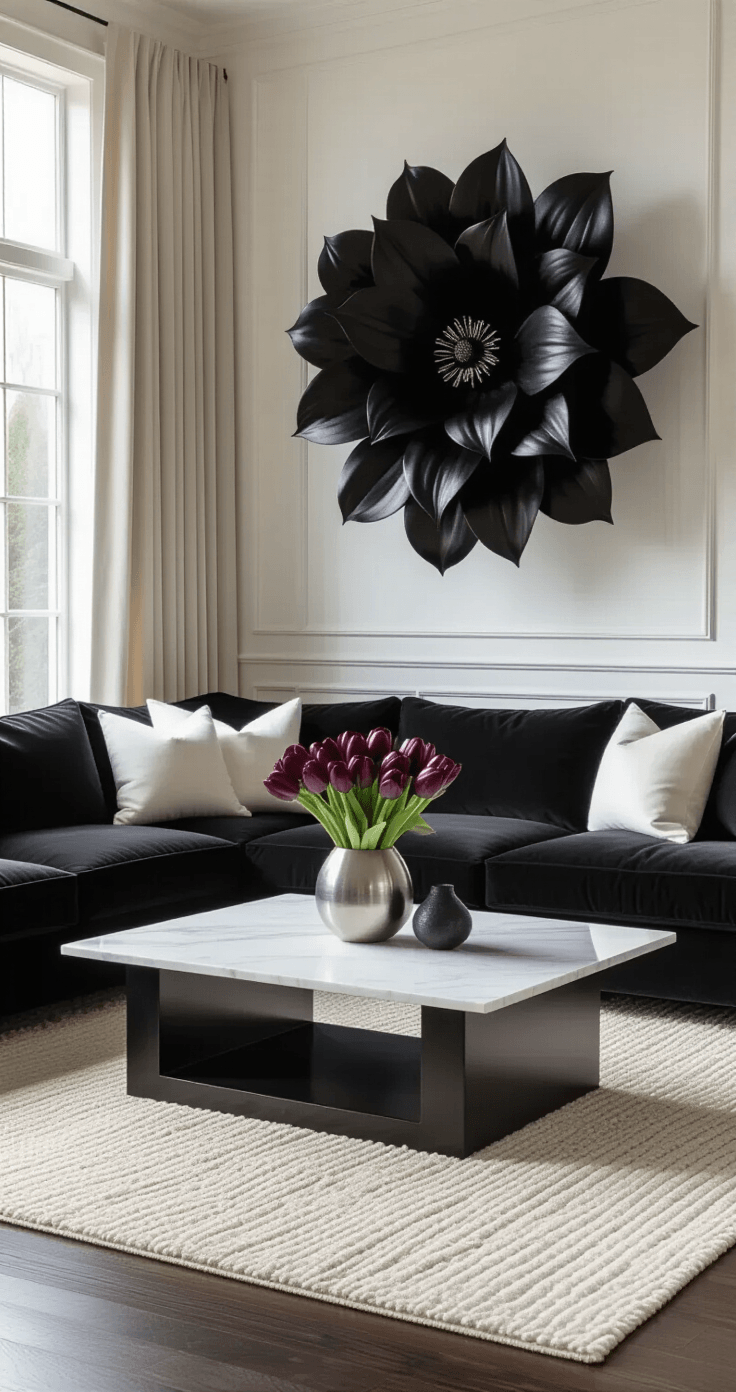
What Even Are Black Flowers, Really?
Here’s the thing that blew my mind: truly black flowers don’t exist in nature.
I know, I know—total buzzkill.
But these so-called “black” blooms are actually deep, rich shades of:
- Deep purple (so dark it tricks your eyes)
- Burgundy (wine-colored magnificence)
- Maroon (that brooding, mysterious vibe)
- Dark chocolate brown (yes, really)
Under bright sunlight, you’ll catch hints of their true colors. But in normal lighting? Pure, dramatic darkness.
It’s like nature’s optical illusion, and I’m obsessed.
The Black Flowers That Actually Deliver
I’ve tried dozens of varieties over the past three years. Some were disappointments (looking at you, “black” petunias that turned out purple). Others absolutely delivered on their dark promises.
Spring’s Dark Darlings
Black Tulips are where my obsession started.
Queen of Night tulips appeared almost solid black in my garden last April. I planted 50 bulbs, and when they bloomed, my Instagram went crazy.
Black tulip bulbs need fall planting, which I learned the hard way after trying to stick them in the ground in March like an amateur.
Hellebores (the Dark and Handsome variety) bloom when everything else is still sleeping. February through April, these tough cookies push through cold soil. Nearly black petals with a subtle shimmer. They’re the overachievers of early spring.
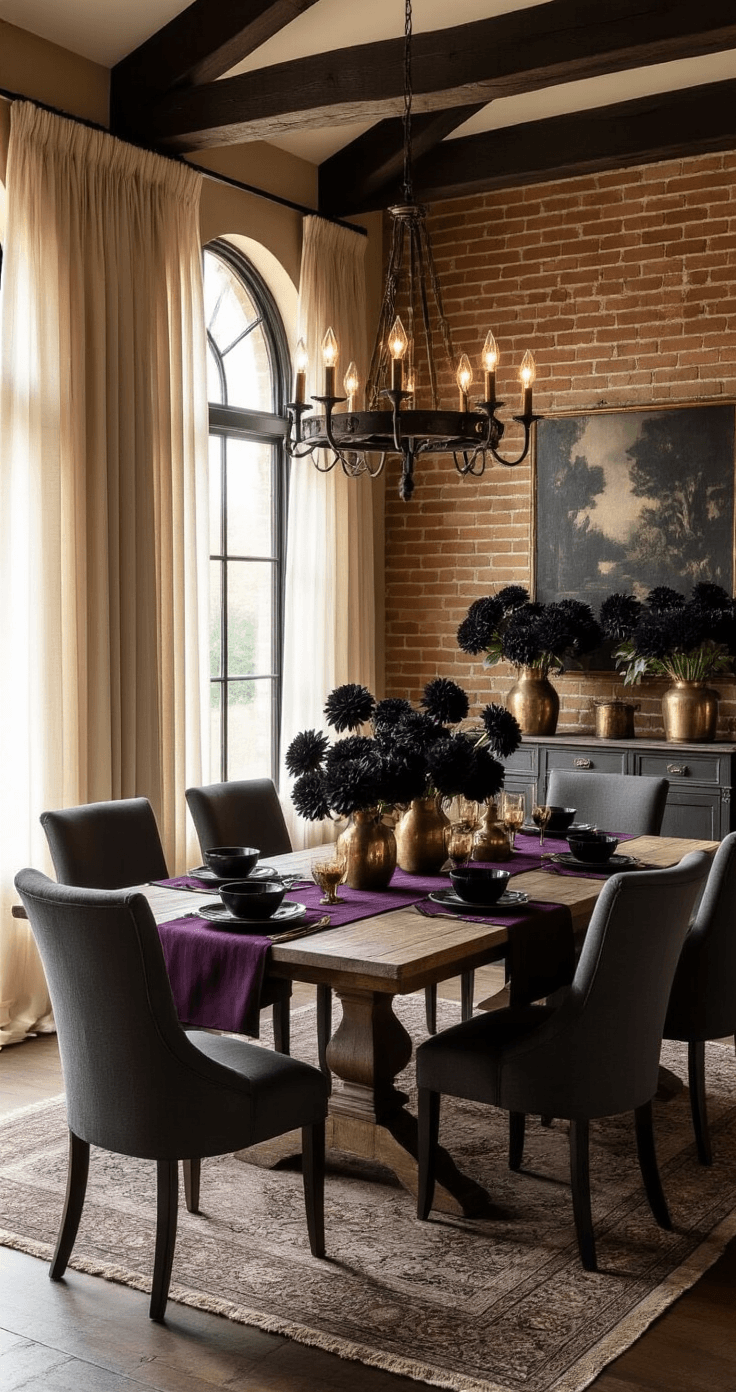
Summer’s Moody Showstoppers
Dahlias reign supreme in my summer garden.
Karma Choc dahlias are so dark they look like they’ve been dipped in chocolate. Actually chocolate. The ombre effect from near-black centers to slightly lighter edges? Chef’s kiss.
I dug up the tubers last November and stored them like precious gems. Worth every bit of effort.
Black Hollyhocks tower over everything at 6-10 feet. They’re like the guardians of my garden gate. Plant them once, and they’ll self-seed forever. Free plants for life, basically.
Calla Lilies in Black Star variety are my go-to for cutting. That elegant funnel shape in deep burgundy-black? Every dinner party needs these.
The Roses That Fooled Everyone
Black Baccara roses aren’t actually black. They’re the deepest crimson-maroon you’ve ever seen.
But put them in a bouquet, photograph them in certain light, and people swear they’re black. I’ve got three bushes, and they bloom from June through October here.
The glossy green foliage makes those dark blooms pop even harder.
Save this article
Enter your email and we'll send it straight to your inbox.
My Secret Weapon: Black Mondo Grass
This isn’t a flower, but black mondo grass changed my entire design game.
Evergreen black foliage that stays dark year-round. I use it as edging around all my flower beds. It makes everything else look more intentional and designed.
Plus, it’s practically indestructible.
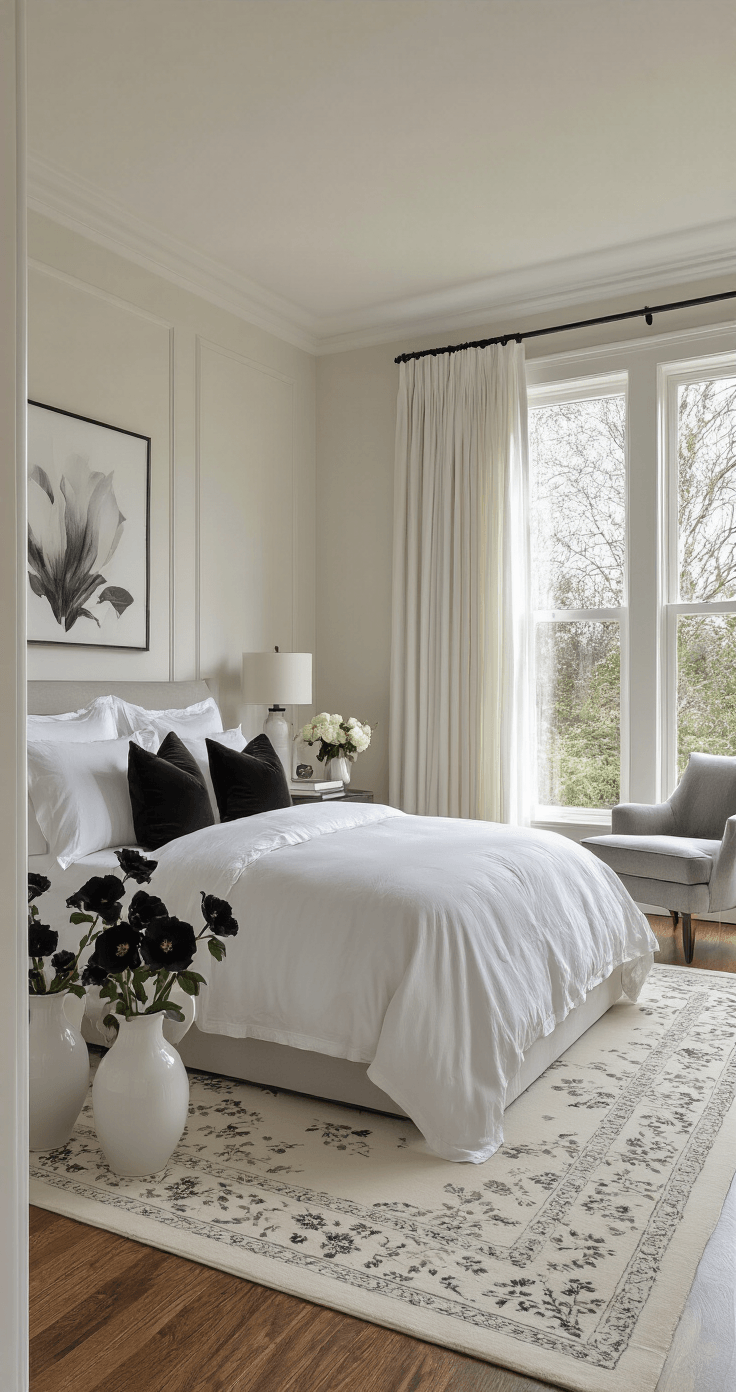
Why Everyone’s Suddenly Into Dark Flowers
The symbolism hit me during my divorce last year.
Black flowers traditionally meant endings and farewells. But modern interpretations flip that script entirely:
- Rebirth after difficult times
- Strength through darkness
- Sophisticated rebellion
- Mystery and depth
- Elegant power
My garden became my therapy. Each black bloom represented reclaiming my story.
Sounds cheesy, but it worked.
Now I see black flowers everywhere—weddings, Instagram, fancy restaurants. The Gothic garden trend exploded, and suddenly my “weird” plant choices are trendy.
Funny how that works.
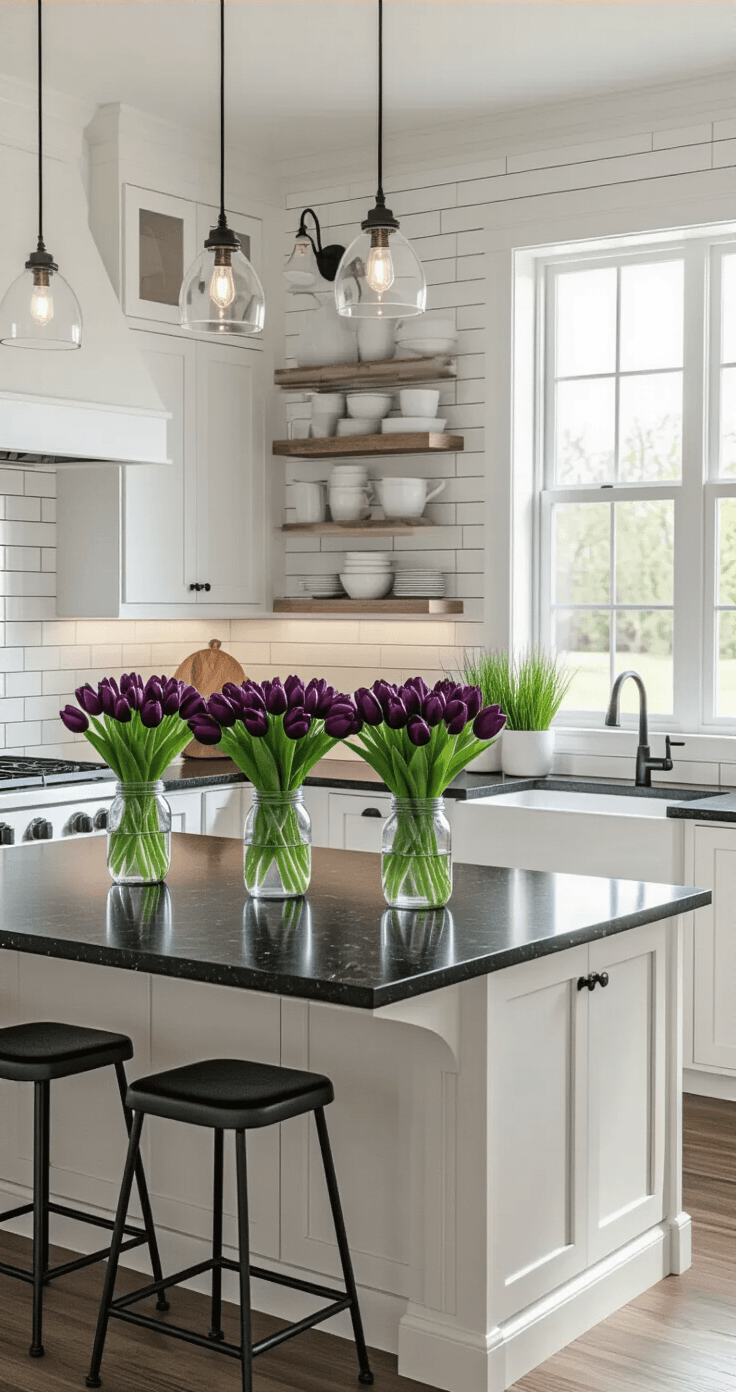
How to Actually Grow These Drama Queens
I killed my first batch of black tulips. Let me save you the heartbreak.
The Non-Negotiables
Sunlight matters more than you think.
Most black flowers need 6+ hours of direct sun to develop those deep, dark pigments. I planted Black Parrot tulips in partial shade my first year. They came up purple. Moved them to full sun the next year. Nearly black.
Drainage will make or break you.
These varieties hate wet feet. I amended my clay soil with:
- Compost (lots of it)
- Perlite for drainage
- A bit of sand
My dahlias went from struggling to thriving after I fixed the drainage situation.
Temperature affects color intensity.
Cooler temperatures = darker blooms. My Black Baccara roses get lighter in the peak summer heat. They deepen again in September.
My Planting Strategy
I learned this through expensive trial and error:
Plant in odd-numbered clusters (3, 5, 7). One black tulip looks lost. Seven together? Statement.
Create contrast on purpose.
Black flowers next to black flowers disappear into a void. I pair mine with:
- White petunias
- Silver-leafed plants
- Bright yellow coreopsis
- Pale blue forget-me-nots
The dark blooms pop against lighter companions. It’s basic color theory, but it works every single time.
Keep this one for later
We'll email you the link so you can come back to it.



[…] Choose a soft curve to make the pathway feel relaxed and inviting. Add solar lights or small flowers along the sides for extra charm. This idea creates a happy garden walkway that is easy to enjoy every […]