

This post may contain affiliate links. Please see my disclosure policy for details.
Why Your Garden Looks Dead When Everyone Else’s Is Thriving
Contents
You’re probably planting the wrong flowers for the season. Most gardeners make the mistake of thinking all flowers operate on the same schedule, but fall bloomers are a completely different breed. They actually prefer cooler temperatures. They laugh at frost warnings. They get better looking when other flowers are literally dying.
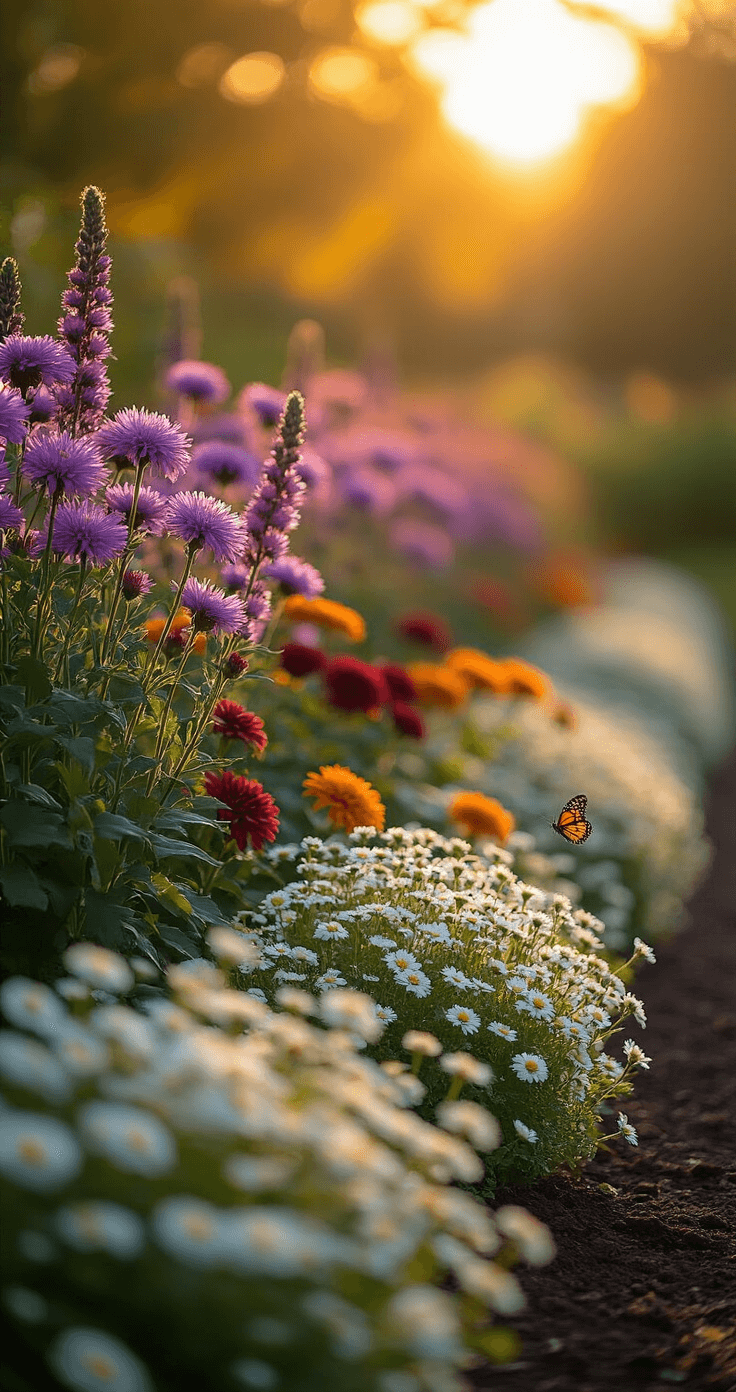
Let me break down exactly what you need to plant to transform your fall garden from cemetery vibes to magazine-worthy.
The Fall Annuals That Work Harder Than Your Morning Coffee
These are your one-season wonders that’ll bloom their hearts out until Jack Frost shows up uninvited.
The Reliable Performers:
- Calibrachoa – These tiny petunia cousins keep pumping out flowers like they’re on a mission
- Petunias – The comeback kids that actually thrive in cooler weather
- Nemesia – Fragrant little workhorses that don’t quit
- Salvias – Hummingbird magnets that laugh at temperature drops
- Verbena – Spreads like gossip and blooms just as reliably
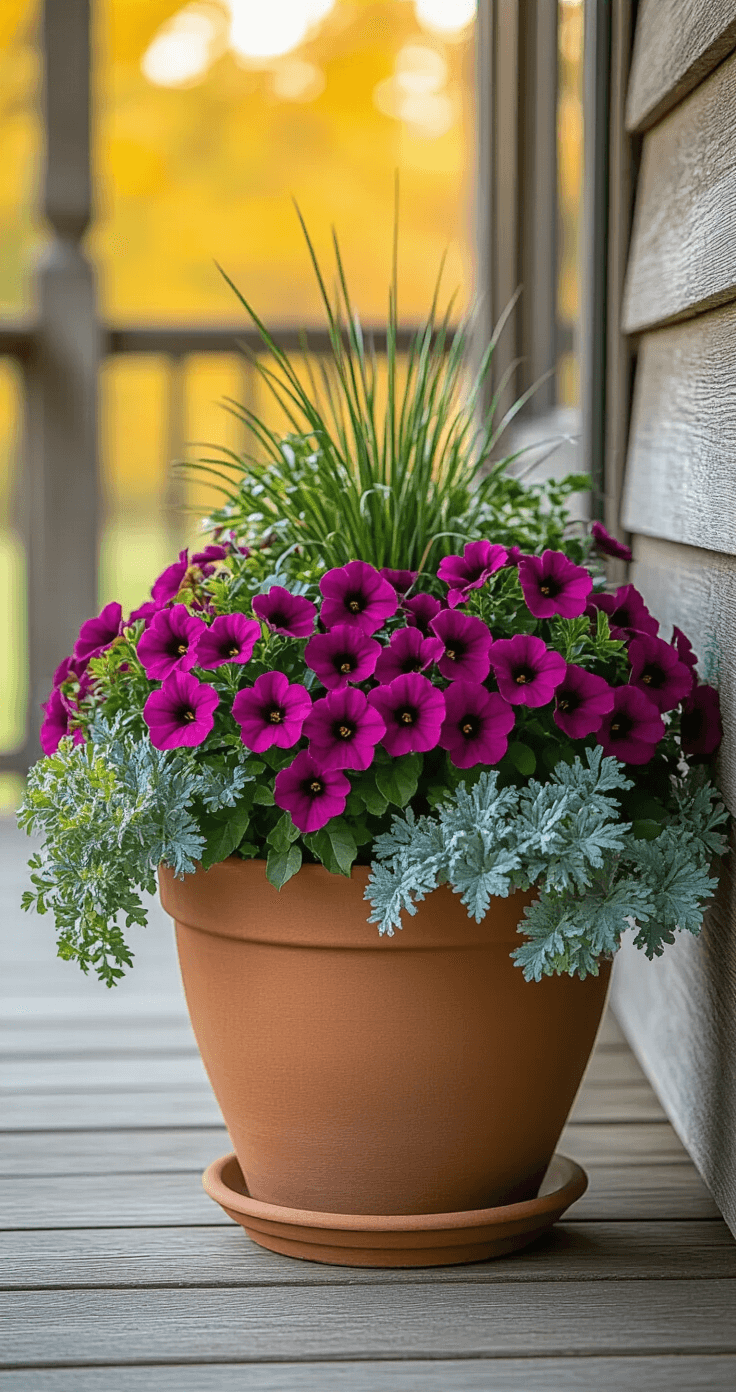
I stuffed colorful autumn planters with these last fall, and they looked incredible until Thanksgiving.
Here’s what shocked me: African daisies are technically tropical plants, but they perform better in fall than summer. The cooler temperatures make them bloom more prolifically. That’s counterintuitive, but it’s also why they’re absolutely brilliant for autumn gardens.
Sweet alyssum is another secret weapon – it smells like honey and creates this gorgeous carpet effect that makes expensive landscaping look amateur.
The Fall Perennials That’ll Return Year After Year (Unlike Your Ex)
This is where you make the smart investment. Buy once, enjoy annually. I’m obsessed with perennials because they’re basically the retirement plan of gardening.
Asters: The Purple Powerhouses
Asters are literally called “the best fall flowering plant in terms of sheer flower power” by actual plant experts. I planted three aster plants two years ago in my back border. They’ve multiplied into a purple and blue explosion that looks like I hired a professional landscape designer.

Why asters are non-negotiable:
- They bloom when literally everything else has checked out
- Butterflies lose their minds over them
- Deer won’t touch them (finally, something deer hate)
- They’re hardy in zones 4-8, which covers most of North America
Pair them with ornamental garden stakes because they get tall and sometimes flop over like they’ve had too much to drink.
Chrysanthemums: The Obvious Choice That Actually Delivers
Yes, everyone plants mums. But there’s a reason for that. They work. I used to think mums were boring until I discovered you can get them in basically every color except true blue, and in forms ranging from daisy-like to pompom to spider-shaped weirdness.
My mum strategy: Plant them in the ground in late summer, not fall. This gives them time to establish roots before winter. Most people buy mums in September, enjoy them for six weeks, then they die because they never got established. Don’t be most people.
Japanese Anemones: The Elegant Overachievers
These were my accidental discovery. I planted some on a whim because the nursery worker said they were “nice.” That was the understatement of the century. Japanese anemones produce these delicate pink or white flowers on stems that can reach three feet tall. They look expensive and sophisticated, like the floral equivalent of wearing a tailored suit to a backyard barbecue.
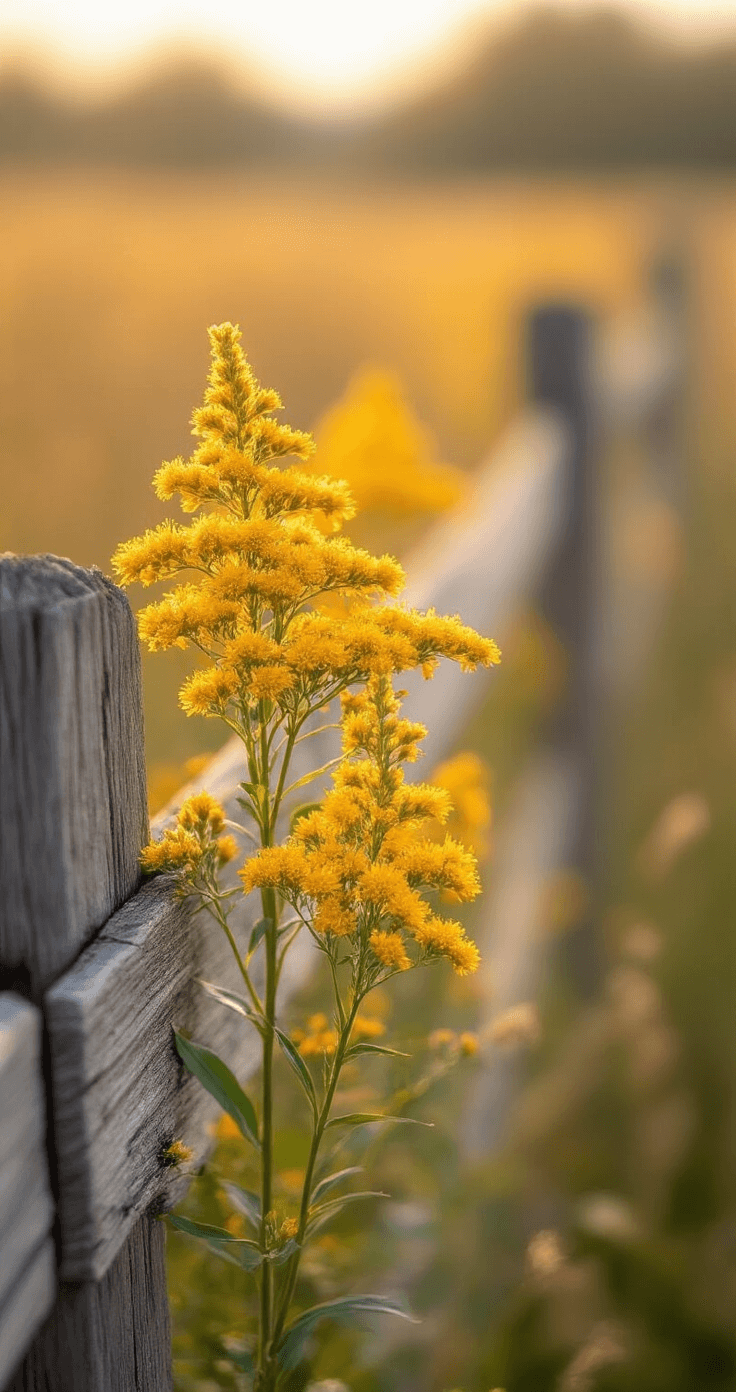
They’re hardy in zones 4-8 and pair beautifully with asters and ornamental grasses. I wish I’d planted twice as many.
Sedum: The Indestructible Show-Offs
Sedums are what you plant when you want gorgeous results but have the gardening attention span of a goldfish. These succulent-like perennials require almost zero maintenance. I literally forget about mine for months, and they still look incredible.
What makes sedum brilliant:
- Star-shaped flowers that butterflies mob
- Foliage changes color as temperatures drop (free fall color)
- Drought tolerant (forgot to water? They’re fine)
- Hardy in zones 3-9 (basically grows anywhere humans can survive)
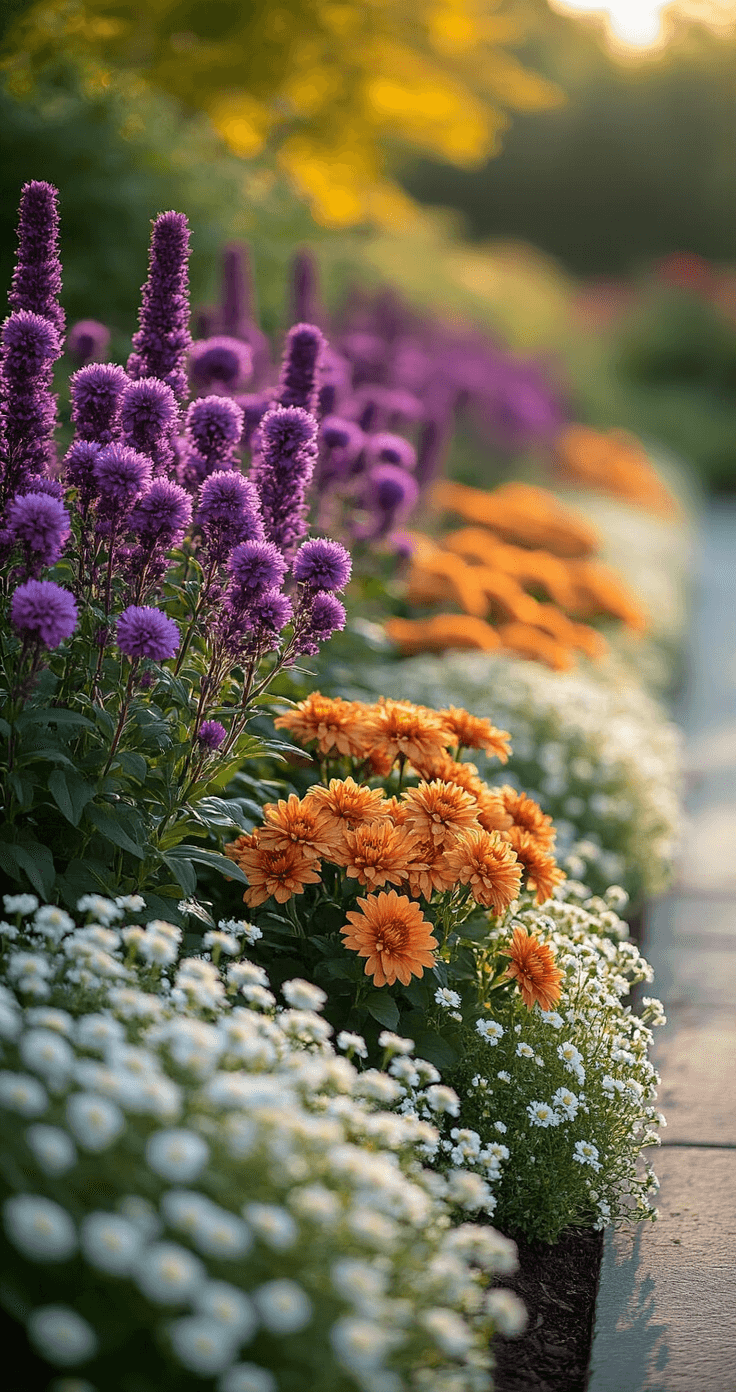
The variety ‘Autumn Joy’ lives up to its name so accurately it’s almost embarrassing.
Goldenrod: The Misunderstood Native
People think goldenrod causes allergies. It doesn’t. Ragweed blooms at the same time and actually causes allergies, but goldenrod gets blamed because it’s more visible. This native wildflower is drought-tolerant, wildlife-friendly, and produces these gorgeous golden plumes that look like nature’s fireworks.
I planted goldenrod along my back fence where I’m too lazy to water regularly. It’s thriving while asking absolutely nothing from me. That’s my kind of relationship.
Helenium: The Native You’ve Been Ignoring
Helenium produces daisy-like flowers in yellows, oranges, reds, and bi-colors that look hand-painted. They’re native perennials, which means they’re already adapted to your climate and the local pollinators know exactly what to do with them.

Mine bloom from late summer straight through October, creating this warm, glowing effect that makes golden hour photos look even better. They’re hardy in zones 3-8 and basically indestructible once established.
The Fall Flowering Shrubs That Add Serious Structure
Shrubs give your garden bones – that’s what landscape designers always say, and annoyingly, they’re right.
[…] Lantana: Heat-tolerant and incredibly colorful, these cluster flowers are like a butterfly nightclub – everyone wants to […]