This post may contain affiliate links. Please see my disclosure policy for details.
Garden Bulbs That Multiply: Your Secret Weapon for a Low-Maintenance, Stunning Landscape
Let’s talk about the gardener’s ultimate cheat code: bulbs that multiply themselves. Imagine planting something once and watching it turn your garden into a breathtaking, ever-expanding floral paradise. That’s exactly what self-propagating bulbs do!

The Magic of Self-Spreading Bulbs
Ever dreamed of a garden that grows itself? These bulbs are your golden ticket. They naturally spread through:
- Underground division
- Producing baby bulbs (offsets)
- Seed dispersal
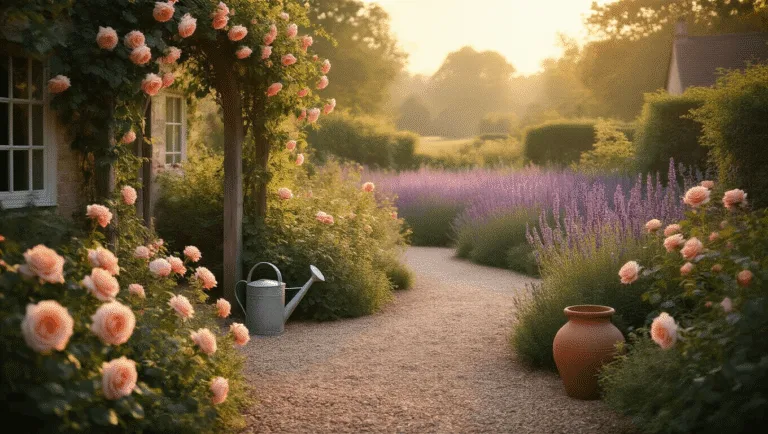
✎ Steal This Look
- Paint Color: Sherwin-Williams Garden Grove SW 7749
- Furniture: weathered teak potting bench with galvanized steel top
- Lighting: solar-powered copper path lights with seeded glass
- Materials: aged terracotta, raw cedar mulch, hammered copper, limestone gravel
There’s something deeply satisfying about a garden that rewards your initial effort by becoming more beautiful each spring without additional spending—it’s the closest thing to gardening magic I’ve found.
Top Multiplying Champions
Daffodils: The Reliable Performers
Daffodils are the rockstars of naturalizing bulbs. These golden beauties:
- Return year after year
- Form larger clumps over time
- Can be divided and replanted easily
Pro tip: Want to get started? Grab a daffodil bulb collection and watch your garden transform!

Crocus: The Early Spring Showstoppers
These little powerhouses:
- Spread through underground and surface seeds
- Come in stunning colors (purple, orange, yellow, white)
- Form adorable compact clumps
Tulips: Nature’s Multiplication Masters
Focus on species tulips for the best naturalizing results. They:
- Create impressive clumps
- Thrive with minimal intervention
- Provide long-lasting garden beauty

🎨 Steal This Look
- Paint Color: Benjamin Moore Hampshire Taupe HC-85
- Furniture: weathered teak potting bench with zinc top, vintage galvanized metal garden stool
- Lighting: antique brass gooseneck barn sconce with seeded glass shade
- Materials: terracotta clay, aged copper, raw linen, reclaimed wood, moss-covered stone
There’s something deeply satisfying about a garden room where the tools of multiplication—your bulbs, your soil, your patience—are honored as objects of beauty in their own right, not hidden away in a shed.
Hidden Gems of Garden Multiplication
Snowdrops: Woodland Garden Favorites
These delicate bloomers:
Save this article
Enter your email and we'll send it straight to your inbox.
- Multiply through offset production
- Perfect for creating woodland-style landscapes
- Emerge early in spring

Glory of the Snow: The Resilient Bloomer
This incredible bulb:
- Propagates through seeds and division
- Blooms in stunning blues, whites, and lavenders
- Survives even under snow!

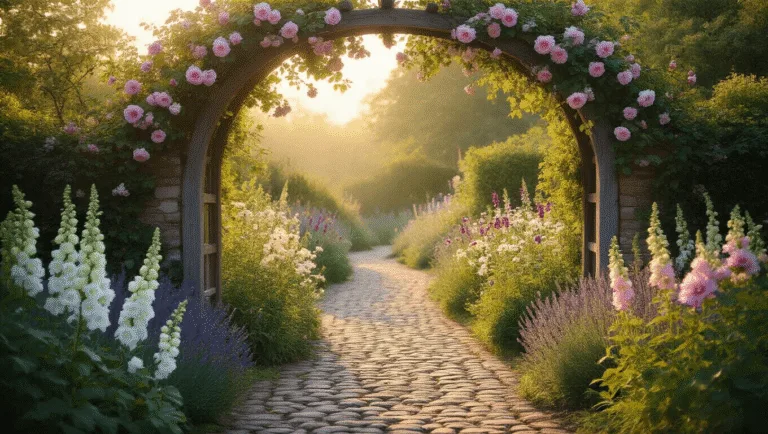
🎨 Steal This Look
- Paint Color: use Farrow & Ball brand. Match the ACTUAL wall color in the image. Format: Farrow & Ball ColorName CODE
- Furniture: weathered teak garden bench with curved backrest, positioned beneath a mature deciduous tree for dappled shade
- Lighting: solar-powered copper stake lights with warm 2700K output, staggered along winding garden path
- Materials: moss-covered limestone pavers, aged bark mulch, hand-forged iron plant markers, untreated cedar raised beds
There’s something quietly thrilling about returning each February to find your snowdrop patch has doubled—it’s the garden equivalent of finding money in a coat pocket, a small gift from past you to present you.
Pro Multiplication Techniques
Some advanced gardeners use specialized techniques for bulbs like Amaryllis:
- Dividing offspring bulbs
- Growing from seeds
- Chipping
- Twin-scaling
Insider Tip: One three-year-old Amaryllis can produce up to 35 small bulbs!

🏠 Steal This Look
- Paint Color: Behr Garden Sage S380-3
- Furniture: vintage potting bench with zinc-top surface and lower slatted shelf for bulb storage
- Lighting: adjustable-arm pharmacy-style wall sconce with aged brass finish
- Materials: unglazed terracotta, raw linen, weathered cedar, galvanized metal
This is where the quiet obsession takes over, where you find yourself checking offsets at 6 AM with coffee in hand, already planning which friends will receive your surplus come fall.
✅ Get The Look
Multiplication Success Secrets
Planting Wisdom
- Plant most bulbs in fall
- Use well-draining, porous soil
- Prevent bulb rot with proper drainage
Maintenance Hacks
- Leave foliage after blooming
- Divide overcrowded clumps every 4-5 years
- Invest in quality gardening tools for easy maintenance

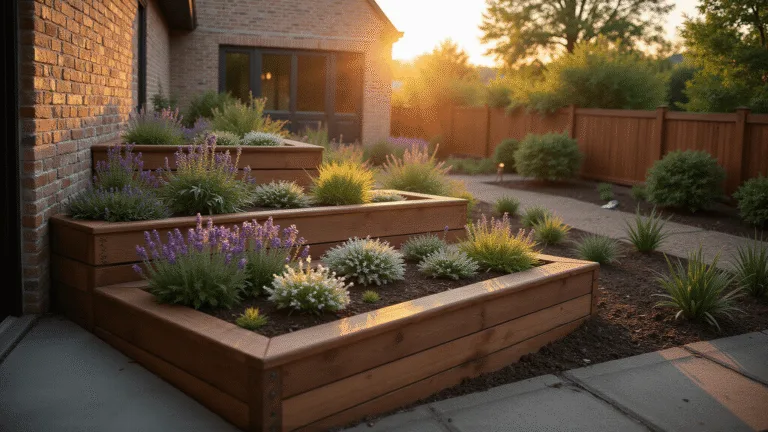
✎ Steal This Look
- Paint Color: Valspar Garden Flower 5006-7B
- Furniture: weathered teak potting bench with galvanized steel top and lower shelf storage
- Lighting: antique brass gooseneck wall sconce with seeded glass shade for task lighting over work surface
- Materials: raw terracotta, aged zinc, untreated cedar, hemp twine, and hand-thrown ceramic bulb trays
There’s something deeply satisfying about returning to the same potting bench each autumn, the wood darkened from years of soil and handling, knowing the daffodils you divided here five years ago now carpet your garden in drifts you never had to buy again.
Your Lazy Gardener’s Dream
These self-multiplying bulbs are perfect for anyone who wants a stunning garden without constant work. Plant once, sit back, and watch nature do its magic!
Bonus Bulb Planting Kit recommendation for the enthusiastic gardener looking to get started!
Happy gardening, and may your landscape multiply with minimal effort!
Keep this one for later
We'll email you the link so you can come back to it.