

This post may contain affiliate links. Please see my disclosure policy for details.
Shade-Loving Garden Bulbs: Transforming Dark Corners into Floral Paradises
Ever looked at those shady spots in your garden and thought they were hopeless for beautiful flowers? Think again! Shade-tolerant bulbs are the secret weapon for gardeners wanting to bring life to those darker corners.

🖼 Steal This Look
- Paint Color: Sherwin-Williams Ripe Olive SW 6209
- Furniture: weathered teak potting bench with zinc top for bulb storage and workspace
- Lighting: solar-powered vintage-style Edison bulb string lights draped between trees
- Materials: aged terracotta, moss-covered stone, raw cedar mulch, hammered copper plant markers
There’s something quietly magical about discovering a cluster of bleeding hearts or delicate fritillaries thriving where the sun barely reaches—it’s proof that gardens don’t need full sun to feel full of life.
Why Shade-Tolerant Bulbs Are a Gardener’s Best Friend
Imagine turning those dim, forgotten areas of your garden into a stunning display of colors and textures. Shade-loving bulbs aren’t just survivors – they’re thriving performers that can transform your landscape.
Top Shade-Loving Bulbs to Brighten Dark Garden Spaces
Here’s my curated list of bulbs that absolutely shine in less sunny spots:
- Snowdrops: The ultimate shade warriors
- Bluebells: Woodland magic in blue
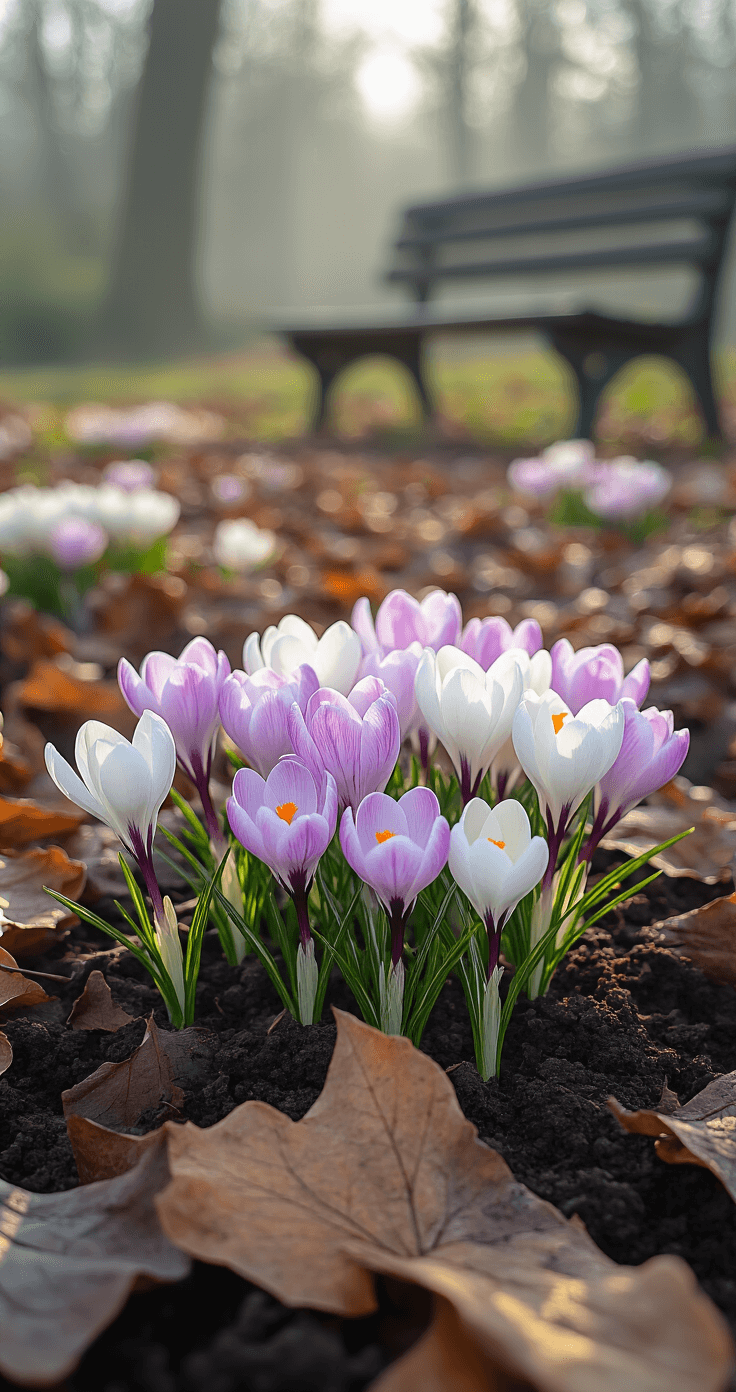
- Crocus: Tiny but mighty spring surprises
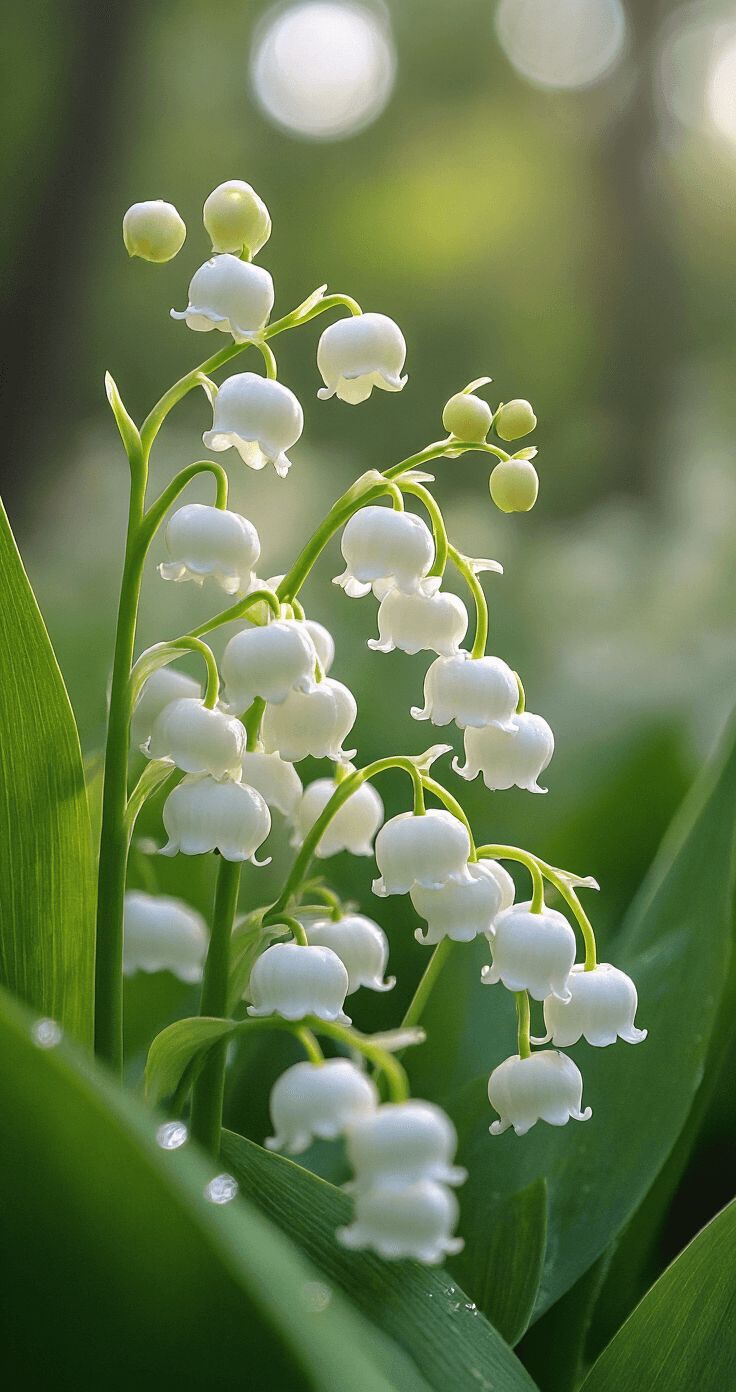
- Lily of the Valley: Fragrant shade champions
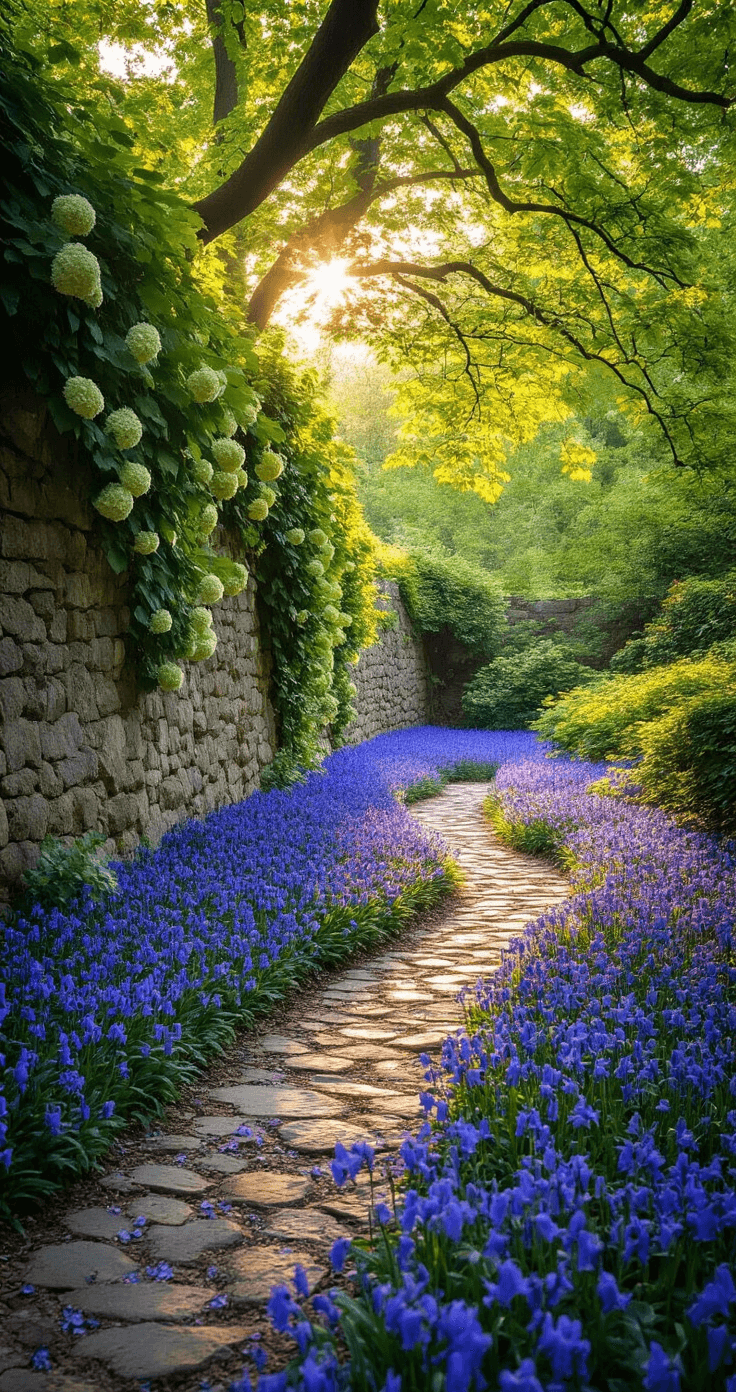
★ Steal This Look
- Paint Color: Benjamin Moore Caldwell Green HC-124
- Furniture: weathered teak garden bench with curved slat back
- Lighting: solar-powered copper path lights with warm 2700K LED
- Materials: aged limestone pavers, moss-covered river rock, untreated cedar mulch, wrought iron accents
I’ve watched too many gardeners surrender their north-facing beds to hostas alone—there’s something quietly triumphant about spotting those first snowdrop blooms pushing through frozen ground when the rest of your landscape still sleeps.
Planting Strategies for Shade-Loving Bulbs
The Perfect Conditions
I’ve learned through years of gardening that these bulbs aren’t just surviving – they’re thriving with the right approach:
- Soil Matters: Well-drained, fertile soil is key
- Moisture is King: Keep soil consistently moist in spring
- Light Requirements: Aim for at least 2-3 hours of filtered sunlight
Pro Tip: Layering for Maximum Impact
Want a show-stopping shade garden? Try these tricks:
- Plant mixed spring bulb collection for continuous blooms
- Create depth by planting in clusters
- Mix different heights and bloom times
Save this article
Enter your email and we'll send it straight to your inbox.
🎨 Steal This Look
- Paint Color: Farrow & Ball Green Smoke 47
- Furniture: weathered teak potting bench with galvanized zinc top
- Lighting: vintage brass gooseneck wall sconce with seeded glass shade
- Materials: aged terracotta, moss-covered stone, woven willow baskets, unglazed ceramic pots
There’s something deeply satisfying about working with shade—it forces you to slow down and notice the subtle shifts in light throughout the day, and the reward is that quiet, secret-garden feeling that sunny borders simply can’t replicate.
Recommended Shade-Loving Bulb Combinations
| Bulb Type | Bloom Time | Shade Tolerance | Visual Impact |
|---|---|---|---|
| Snowdrops | Early Spring | Full/Partial | Delicate white |
| Bluebells | Mid-Spring | Partial | Woodland carpet |
| Mini Daffodils | Spring | Partial | Bright spots |
| Lily of the Valley | Late Spring | Full/Partial | Fragrant clusters |
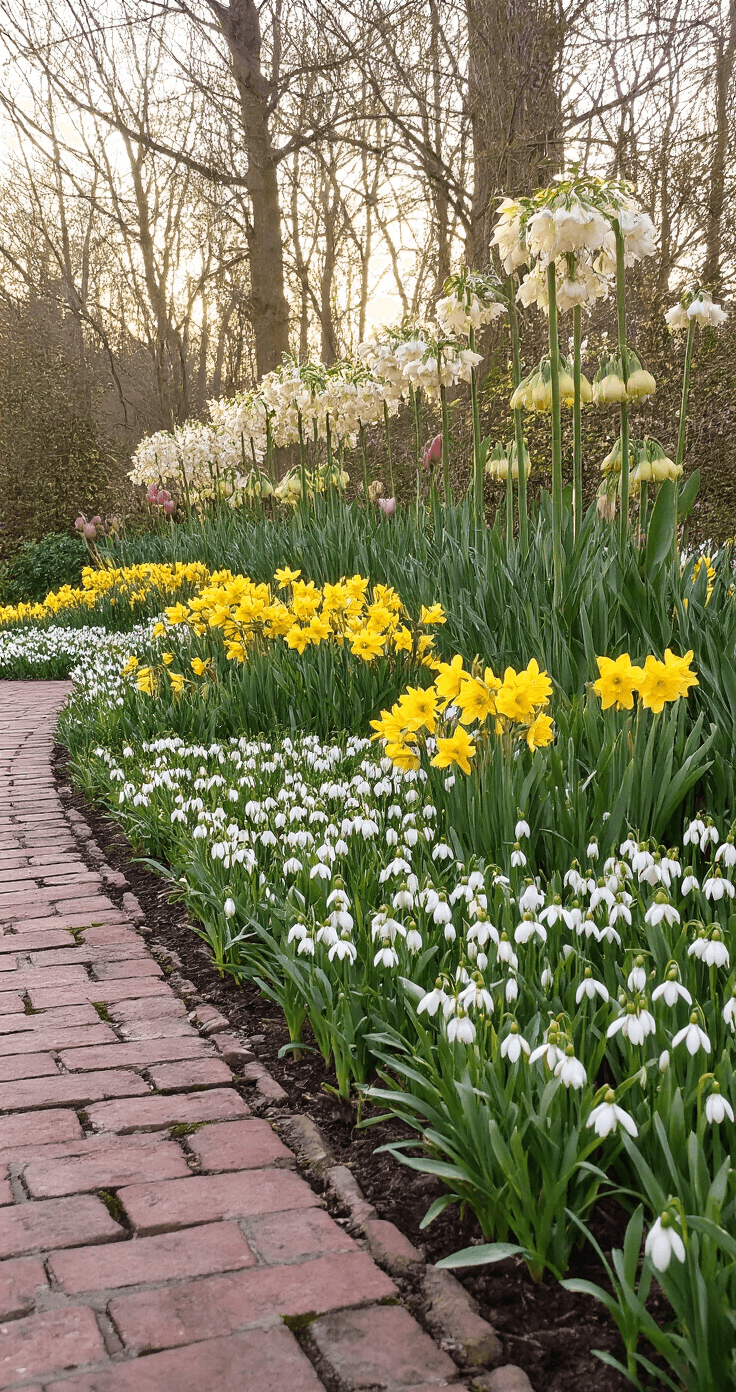
★ Steal This Look
- Paint Color: use Behr brand. Match the woodland understory greens and soft shadows. Format: Behr Rainforest Dew S380-2
- Furniture: low-profile teak garden bench with curved back, positioned beneath mature tree canopy
- Lighting: solar-powered mushroom-shaped path lights with warm 2700K output, staggered along meandering garden path
- Materials: weathered cedar mulch, moss-covered river stones, aged copper plant markers, hand-thrown terracotta bulb bowls
There’s something quietly magical about the first snowdrop pushing through frozen soil in a dim corner you’ve forgotten about—this is the room where patience pays off in hushed, early-morning discoveries.
Tools You’ll Need for Success
To make your shade garden dream a reality, grab these essentials:
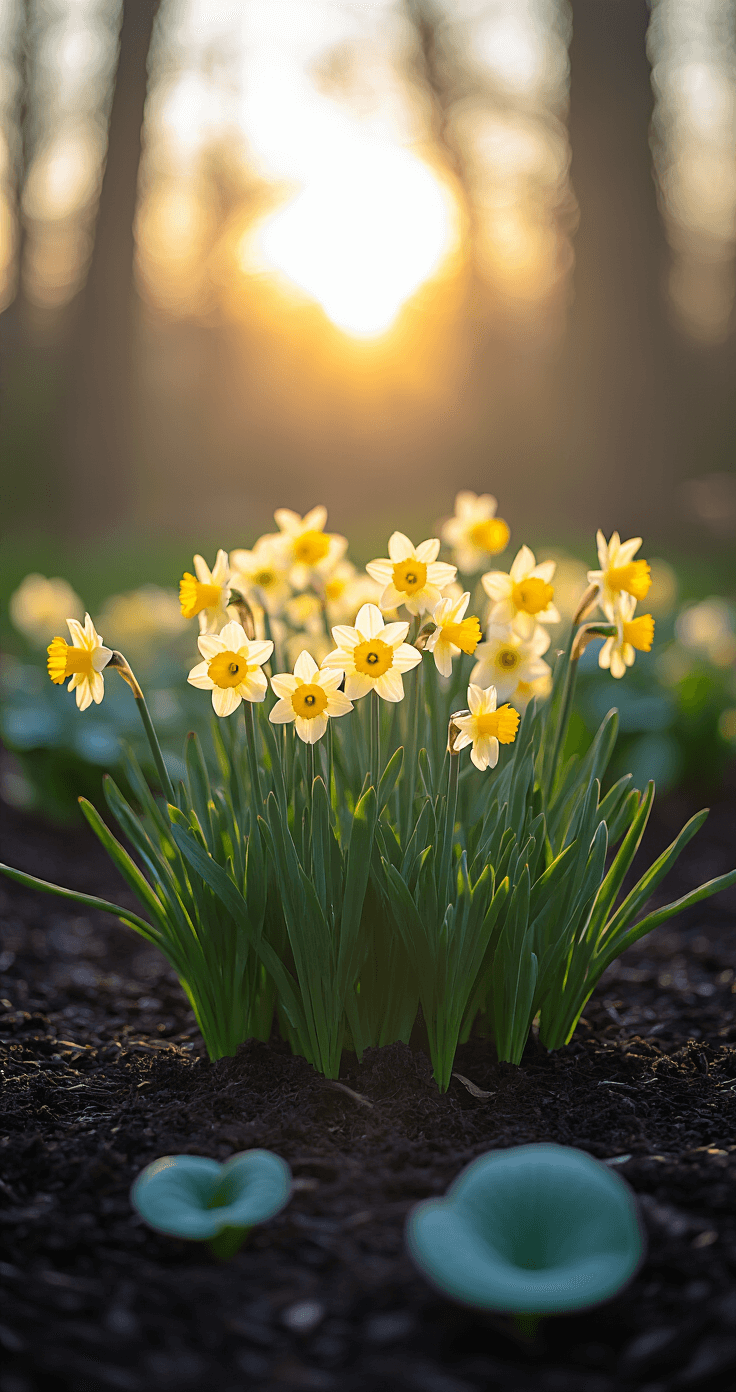
🏠 Steal This Look
- Paint Color: use Valspar brand. Match the ACTUAL wall color in the image. Format: Valspar ColorName CODE
- Furniture: specific furniture for this room
- Lighting: specific lighting fixture
- Materials: key textures and materials
There’s something deeply satisfying about having the right tool in your hand when you’re kneeling in cool, damp soil; it transforms garden work from chore to ritual.
Common Mistakes to Avoid
🚫 Don’t: Plant in deep, dense shade
✅ Do: Ensure at least filtered morning light
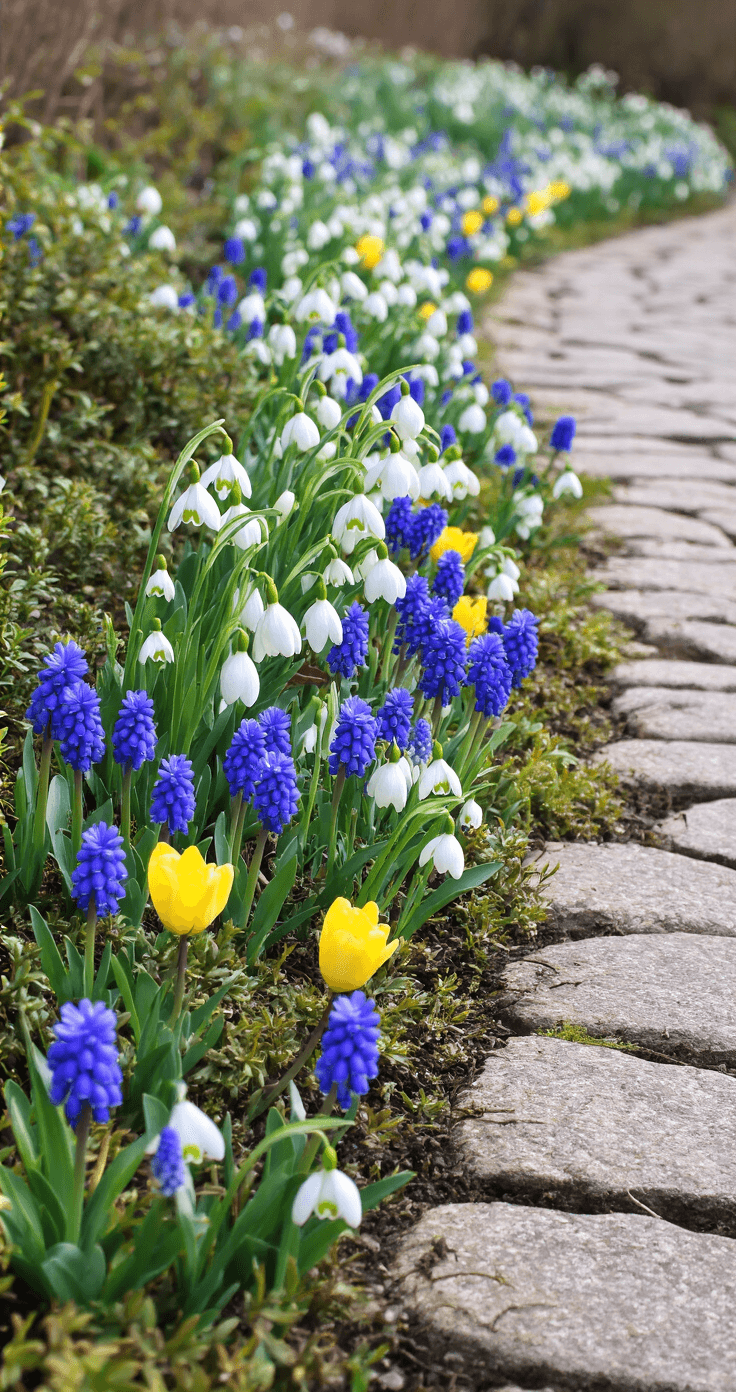
💡 Steal This Look
- Paint Color: PPG Sage Splendor PPG1132-4
- Furniture: weathered teak potting bench with lower storage shelf
- Lighting: solar-powered LED pendant with frosted glass shade for covered porch mounting
- Materials: unglazed terracotta, moss-covered stone, woven willow baskets, aged zinc planters
This is the reality check every eager gardener needs—I’ve watched too many expensive bulb orders fail because someone assumed ‘shade tolerant’ meant ‘cave dweller,’ when these plants are really just asking for a gentle, dappled retreat from harsh afternoon sun.
Final Thoughts
Shade doesn’t mean boring. With the right bulbs and approach, you can create a magical garden that comes alive in those darker spots.
Quick Care Tips
- Water consistently in spring
- Add organic matter annually
- Avoid overwatering in summer
- Let foliage die back naturally
Ready to turn those shady spaces into a botanical wonderland? Your garden is about to get a serious upgrade!
Keep this one for later
We'll email you the link so you can come back to it.


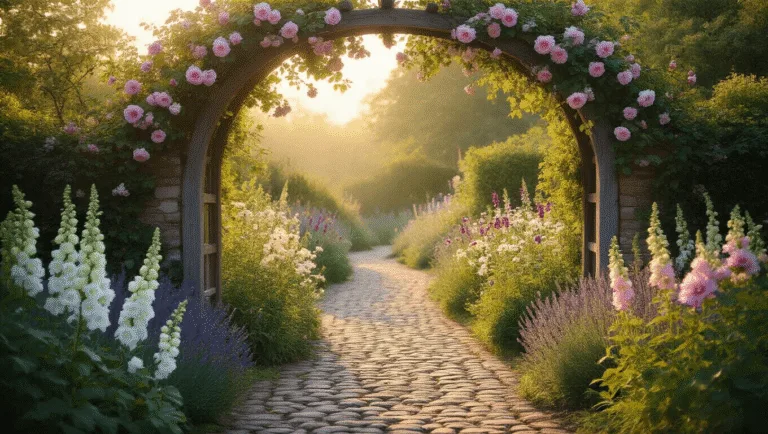
[…] possible – they’re spectacular. With the right plants and a bit of know-how, you can transform those dark garden spaces into breathtaking […]