
This post may contain affiliate links. Please see my disclosure policy for details.
Hey there, garden enthusiasts!
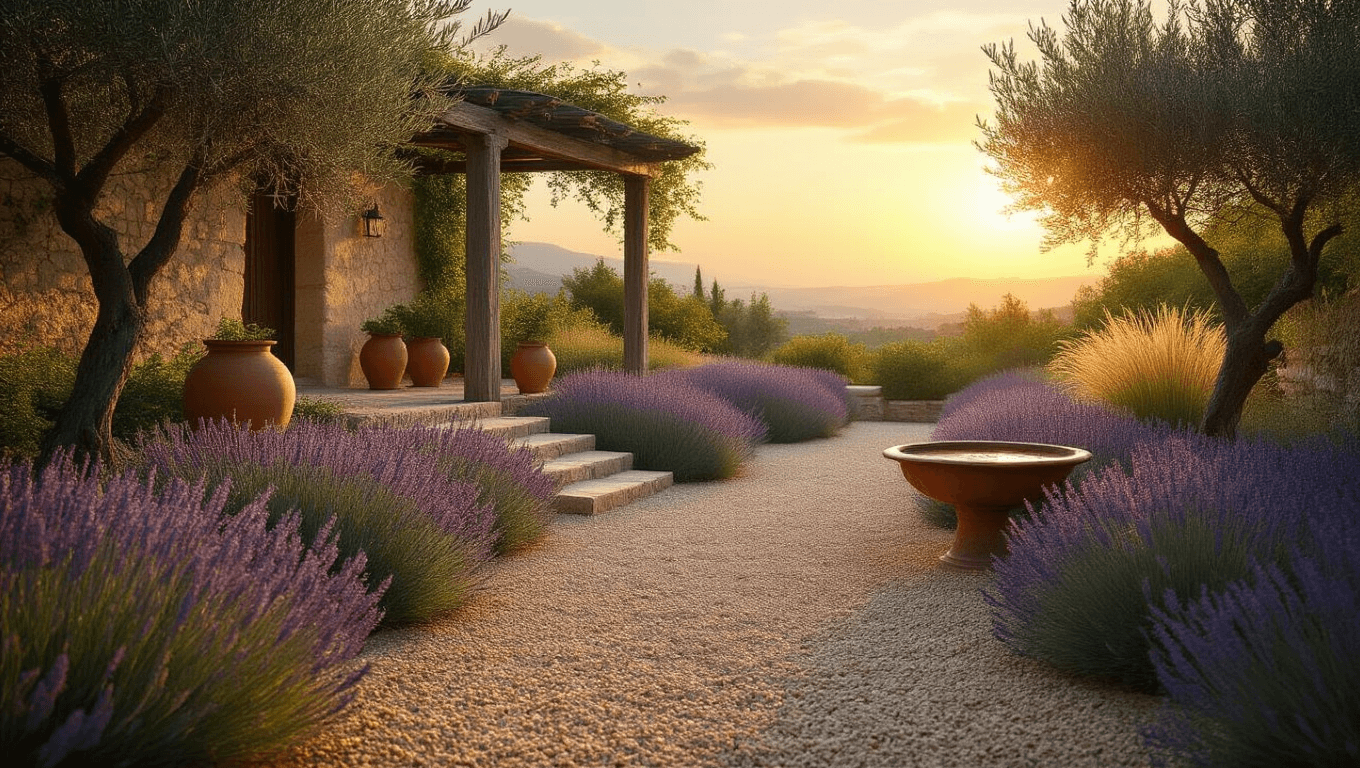
Let’s dive into the world of gravel gardens – the secret weapon for creating stunning, low-effort outdoor spaces that’ll make your neighbors stop and stare.
Why Gravel Gardens are a Game-Changer
Ever struggled with high-maintenance yards that drain your time and energy? Gravel gardens are about to become your new best friend. These magical landscapes offer:
- Zero lawn mowing
- Minimal watering
- Incredible design flexibility
- Drought-resistant beauty
Designing Your Dream Gravel Garden: Pro Tips
1. Choose Your Style
Most people don’t realize gravel gardens can fit ANY aesthetic:
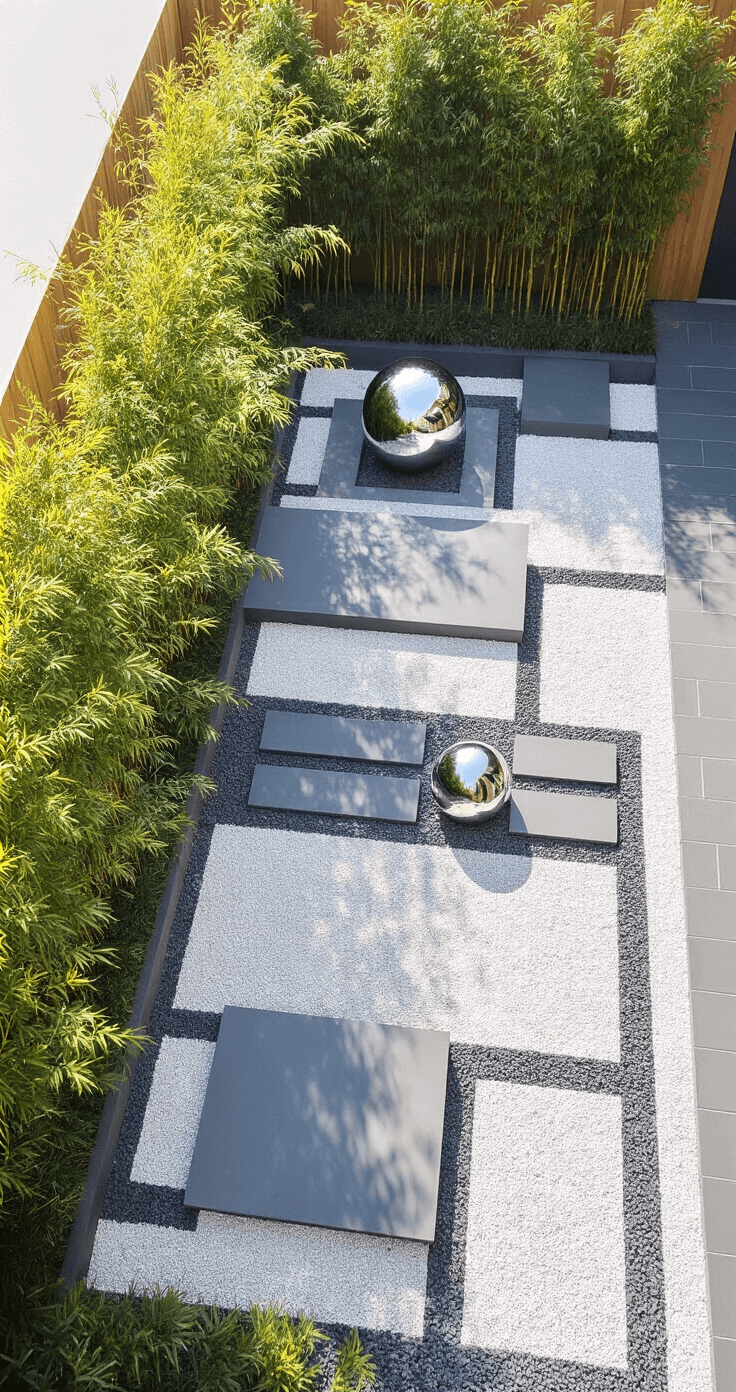
- Modern minimalist
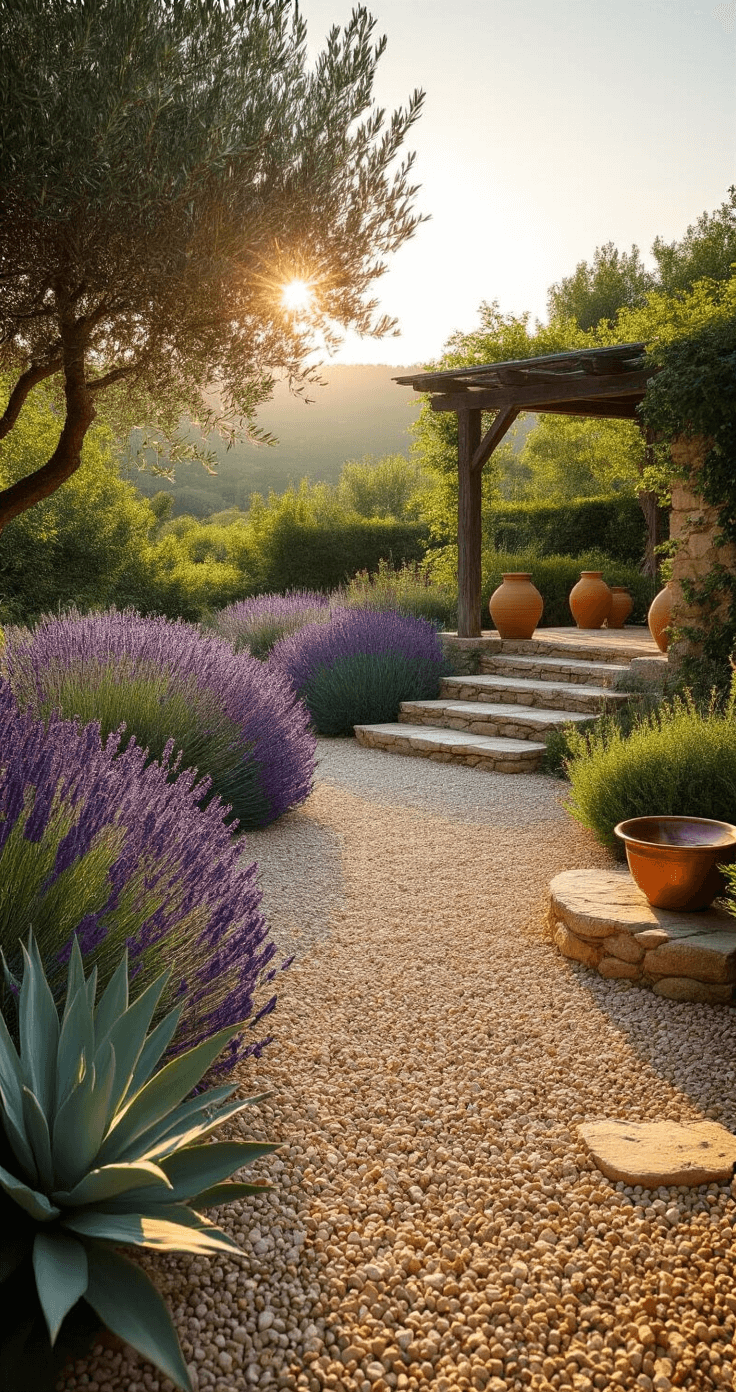
- Mediterranean retreat
- Zen-inspired sanctuary
- Rustic countryside charm
2. Plant Selection Magic
Go for plants that thrive in rocky environments:
- Lavender (hello, gorgeous purple!)
- Succulents
- Ornamental grasses
- Sage
- Rosemary

🌟 Steal This Look
- Paint Color: Benjamin Moore Sage Tint 458
- Furniture: weathered teak Adirondack chairs with olive green Sunbrella cushions
- Lighting: solar-powered copper bollard lights with warm 2700K output
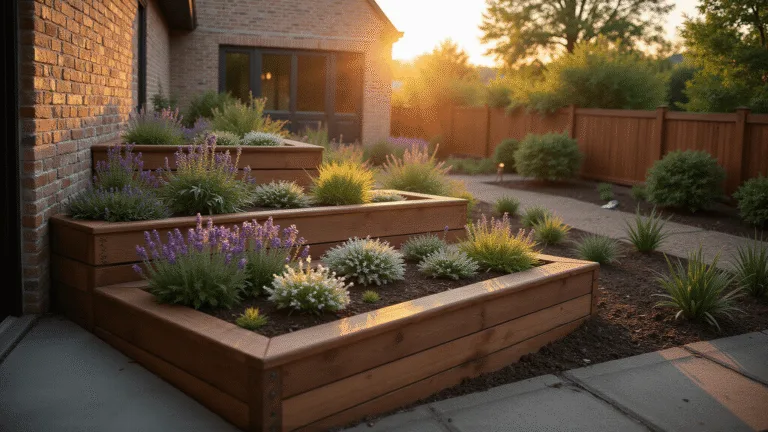
- Materials: crushed limestone gravel base, river rock edging, corten steel planters, and reclaimed wood raised beds
There’s something deeply satisfying about kicking off your shoes and hearing that distinctive crunch underfoot—gravel gardens reward you with sensory moments that manicured lawns simply can’t replicate, and you’ll actually find yourself wanting to spend time outside maintaining it.
Gravel Garden Essentials: What You’ll Need
🌞 Location: Full sun, well-drained area
🪨 Gravel Types:
- River rocks
- Crushed stone
- Decomposed granite
- Pea gravel
Pro Insider Tip: The gravel’s color and size dramatically impact your garden’s vibe. Think of it like choosing the perfect paint for your living room!
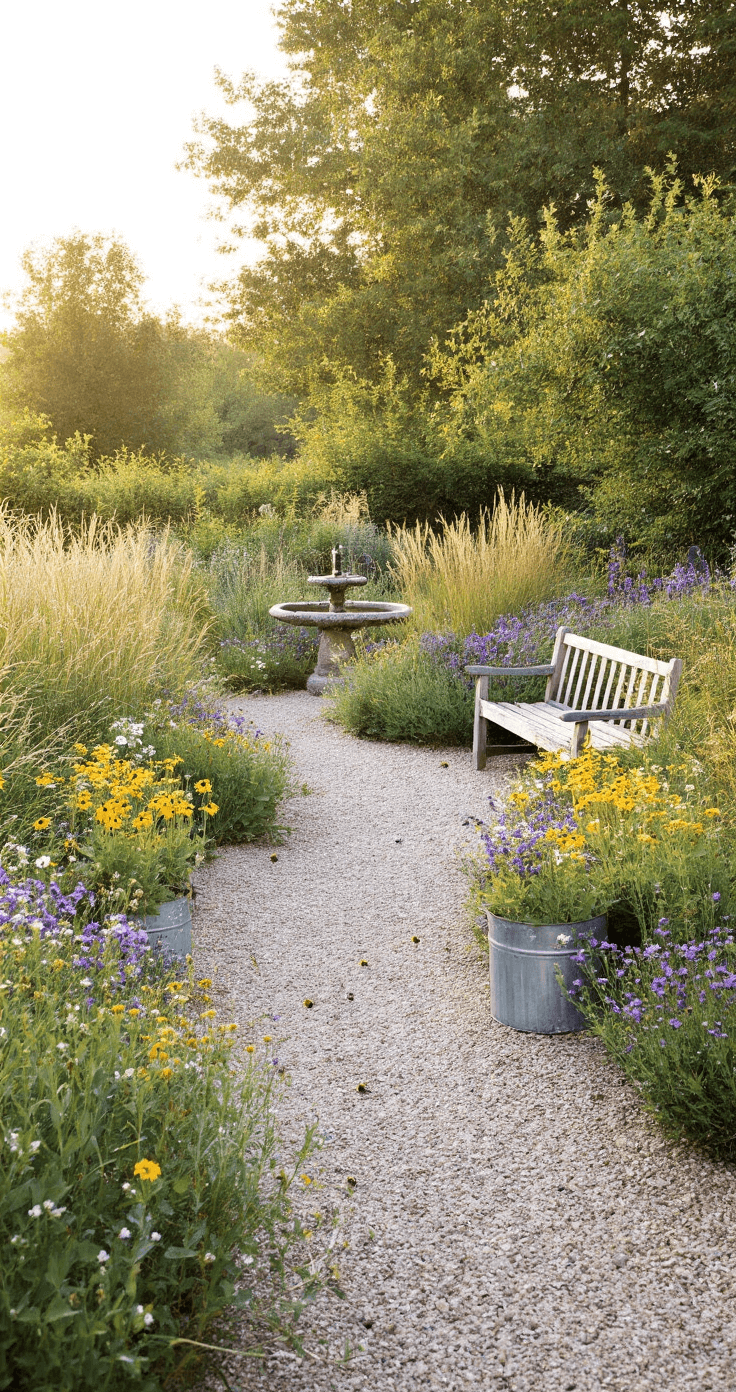
💡 Steal This Look
- Paint Color: Farrow & Ball French Gray 18
- Furniture: weathered teak bench with slatted seat
- Lighting: solar-powered bollard lights with warm 2700K output
- Materials: limestone gravel, corten steel edging, drought-tolerant ornamental grasses
There’s something deeply satisfying about the sound of gravel underfoot—it’s the garden equivalent of a reset button, slowing your pace and demanding you notice the texture of your surroundings.
Save this article
Enter your email and we'll send it straight to your inbox.
Maintenance: Not as Scary as You Think
Contrary to popular belief, gravel gardens aren’t completely maintenance-free. Expect to:
- Pull occasional weeds
- Trim plants
- Refresh gravel every few years
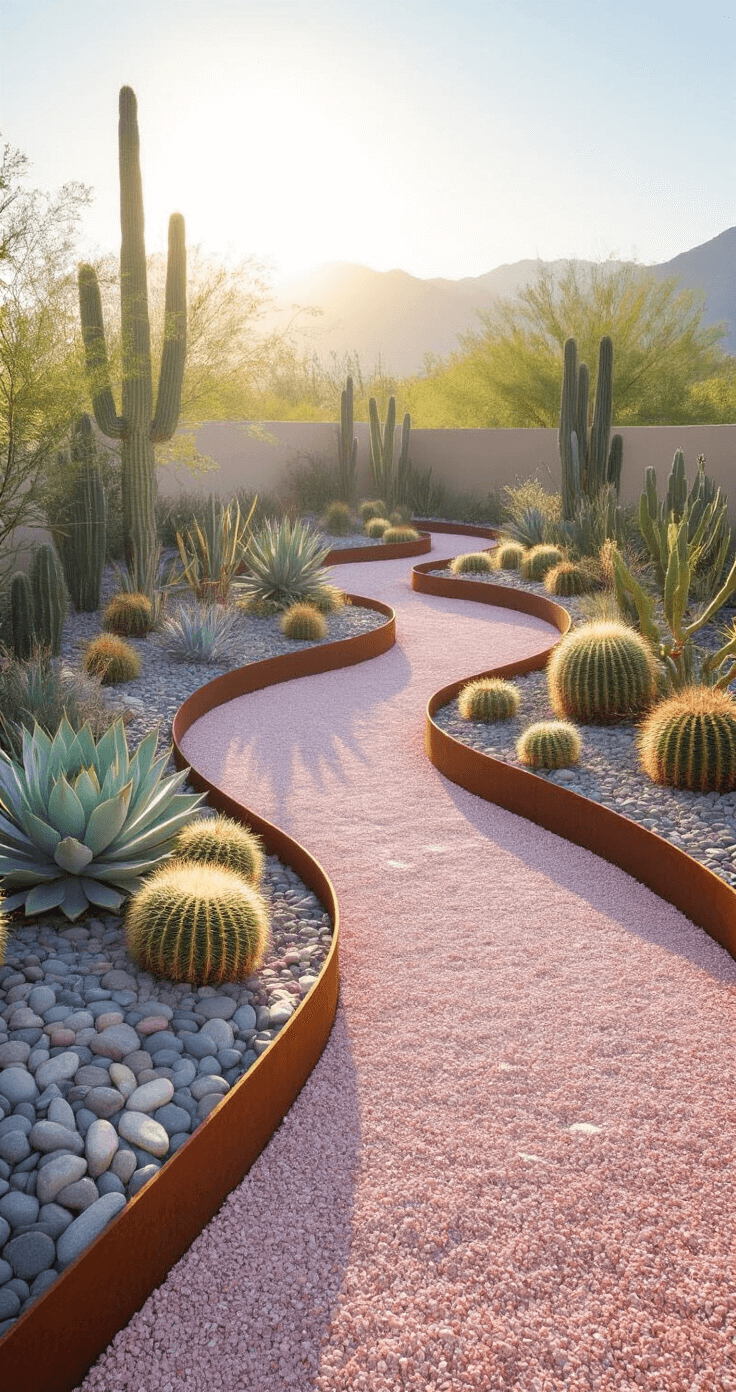
🎨 Steal This Look
- Paint Color: Behr Garden Wall S340-4
- Furniture: weathered teak potting bench with galvanized steel top
- Lighting: solar-powered LED bollard lights with warm 2700K output
- Materials: crushed limestone gravel, corten steel edging, recycled rubber weed barrier
The rhythm of seasonal gravel maintenance becomes almost meditative once you accept it as garden stewardship rather than drudgery—there’s genuine satisfaction in raking stone clean after winter’s debris.
Wildlife-Friendly Bonus
Want to attract pollinators? Your gravel garden can become a mini ecosystem by:
- Adding bird baths
- Planting native species
- Creating multiple texture zones
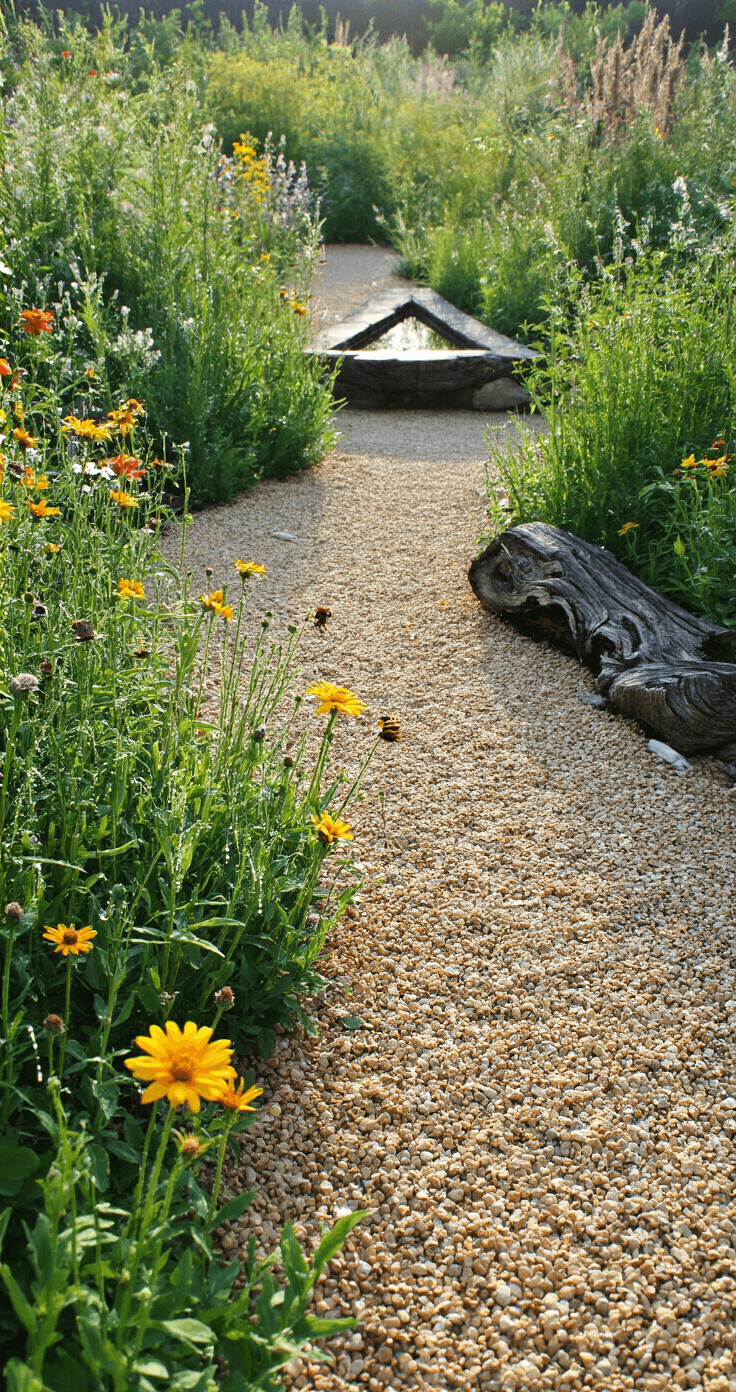
🌟 Steal This Look
- Paint Color: Valspar Garden Sprout 6001-6C
- Furniture: weathered cedar bird watching bench with hidden storage for seed
- Lighting: solar-powered amber LED path lights with motion sensors
- Materials: rough-hewn limestone, untreated cedar, crushed oyster shell gravel, native meadow grasses
There’s something quietly thrilling about realizing your morning coffee spot has become a stage for goldfinches and solitary bees—this is the gravel garden layer that pays dividends in wonder, not just aesthetics.
Common Mistakes to Avoid
- ❌ Shallow gravel depth
- ❌ Skipping proper edging
- ❌ Forgetting drainage considerations
- ❌ Overcrowding plants
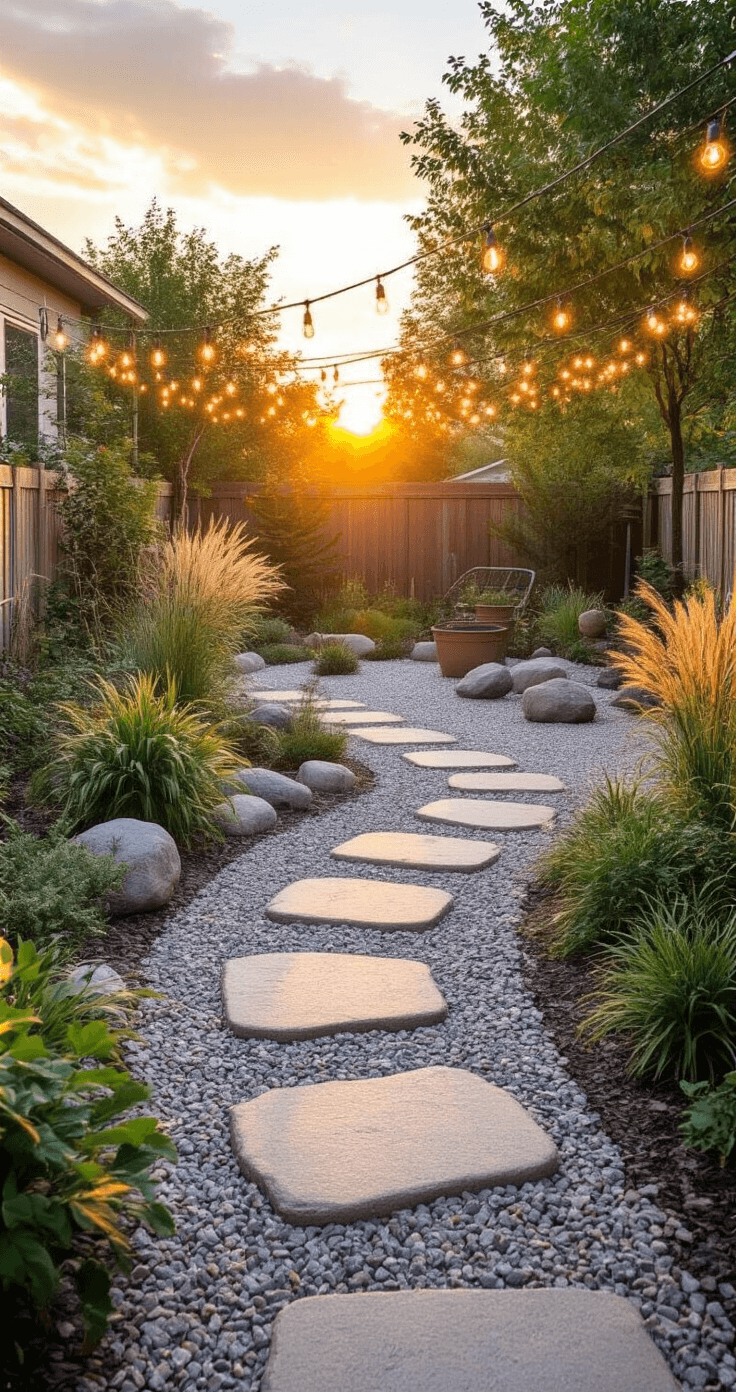
★ Steal This Look
- Paint Color: PPG Olive Branch PPG1122-5
- Furniture: weathered teak outdoor bench with slatted back
- Lighting: low-voltage LED bollard lights in aged bronze finish
- Materials: crushed limestone gravel, corten steel edging, compacted road base, permeable landscape fabric
Every gravel garden I’ve rescued started with the same story: someone thought an inch of stone would do the job, then spent three years fighting weeds and raking displaced rocks back into place.
Budget-Friendly Installation
Most DIY gardeners can create a stunning gravel garden for $500-$2000, depending on space and design complexity.
Quick Cost Breakdown
- Gravel: $30-$50 per cubic yard
- Plants: $10-$50 each
- Edging materials: $100-$300
- Optional extras: $100-$500
Final Thoughts
Gravel gardens aren’t just a landscaping trend – they’re a sustainable, beautiful solution for modern outdoor spaces. With minimal effort, you’ll create a jaw-dropping landscape that saves water, time, and looks incredible.
Ready to transform your yard? Let’s do this!
Pro Tip: Take before and after photos. Trust me, you’ll want to show off your amazing transformation.
Keep this one for later
We'll email you the link so you can come back to it.


[…] garden sheds aren’t just storage spaces – they’re an extension of your garden’s personality. Whether you’re a […]