
This post may contain affiliate links. Please see my disclosure policy for details.
Creating Magical Gardens with Lots of Trees: A Complete Design Guide
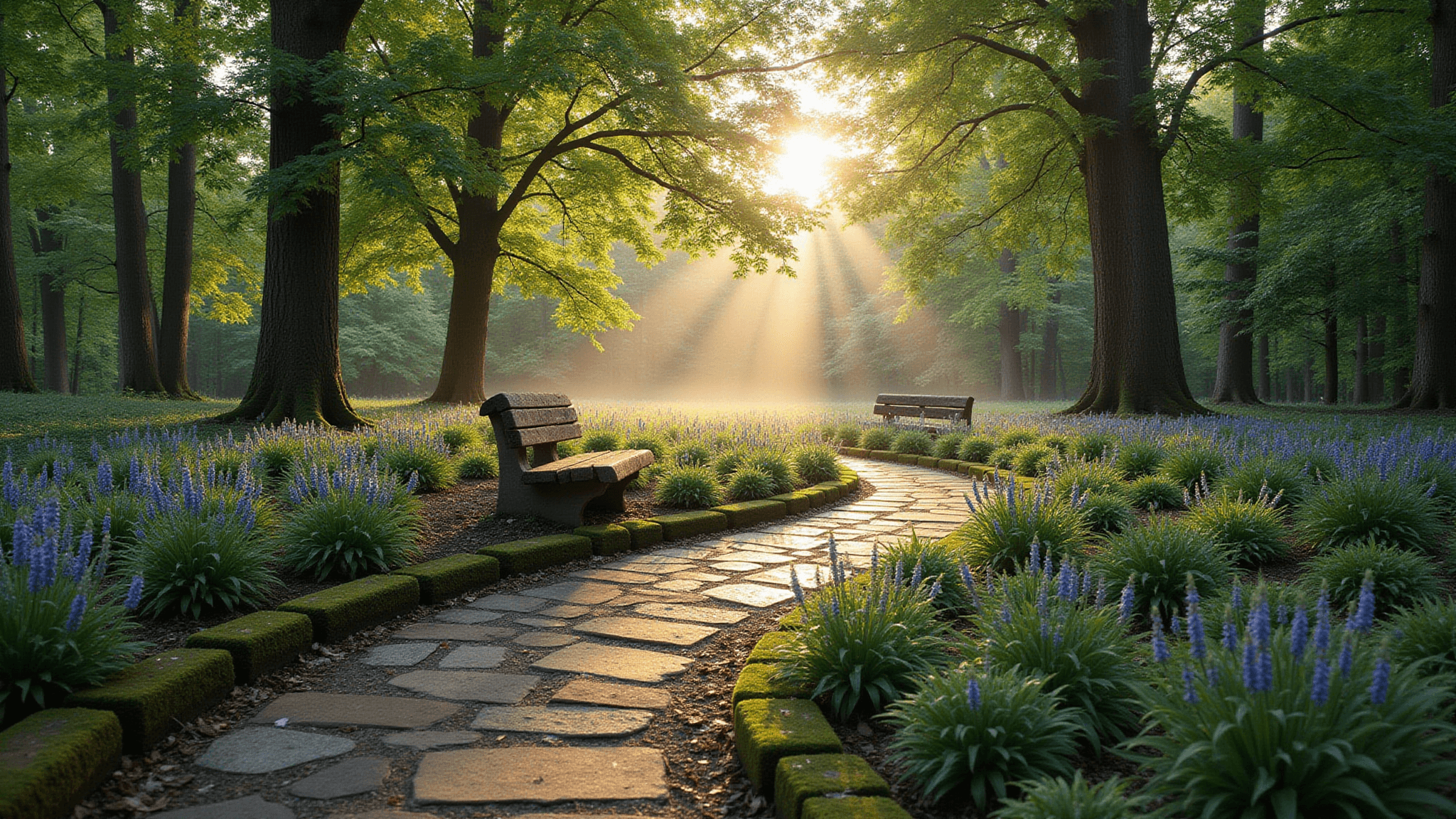
Imagine stepping into a lush, green sanctuary where towering trees create a natural canopy, transforming your outdoor space into a woodland wonderland. Tree-filled gardens aren’t just landscapes – they’re living, breathing ecosystems that offer privacy, beauty, and endless design possibilities.
🏠 Steal This Look
- Paint Color: Sherwin-Williams Rookwood Dark Green SW 2816
- Furniture: weathered teak Adirondack chairs with slatted backs, a reclaimed barnwood potting bench, and a wrought iron bistro set with scrollwork details
- Lighting: low-voltage LED uplights with warm 2700K temperature for tree trunk illumination, plus solar-powered mason jar string lights for canopy dappling
- Materials: moss-covered limestone pavers, untreated cedar mulch, hand-forged iron hardware, and aged copper planters with verdigris patina
There’s something almost primal about designing beneath mature trees—you’re not imposing a vision but negotiating with living architecture that’s been decades in the making, which makes every successful tree garden feel like a collaboration rather than a creation.
Why Tree Gardens Are Pure Magic
Let’s be real – gardens with lots of trees are like nature’s ultimate design playground. They come with unique challenges, but the rewards? Absolutely incredible.
Key Benefits of Tree-Filled Gardens
- Natural Privacy Screen: Instant backyard seclusion
- Cooling Shade: Natural temperature control
- Wildlife Haven: Attract birds, butterflies, and woodland creatures
- Year-Round Visual Interest: Changing textures, colors, and moods
Designing Your Tree Garden: Essential Strategies
Understanding Your Tree Landscape
Trees aren’t just background decor – they’re the stars of your garden. Before diving into design, you need to:
- Map Your Tree Zones: Understand root systems and shade patterns
- Assess Tree Health: Identify which trees are thriving, which need care
- Evaluate Sunlight Conditions: Recognize full shade, dappled light, and sunny spots
Underplanting Like a Pro
The secret to a stunning tree garden? What happens underneath those branches.
Shade-Loving Plant Superstars:
- Hostas (texture champions)
- Ferns (woodland elegance)
- Astilbes (pop of color)
- Lamium (ground cover magic)
- Wild Ginger (lush carpet)
💡 Steal This Look
- Paint Color: use Farrow & Ball brand. Match the ACTUAL wall color in the image. Format: Farrow & Ball ColorName CODE
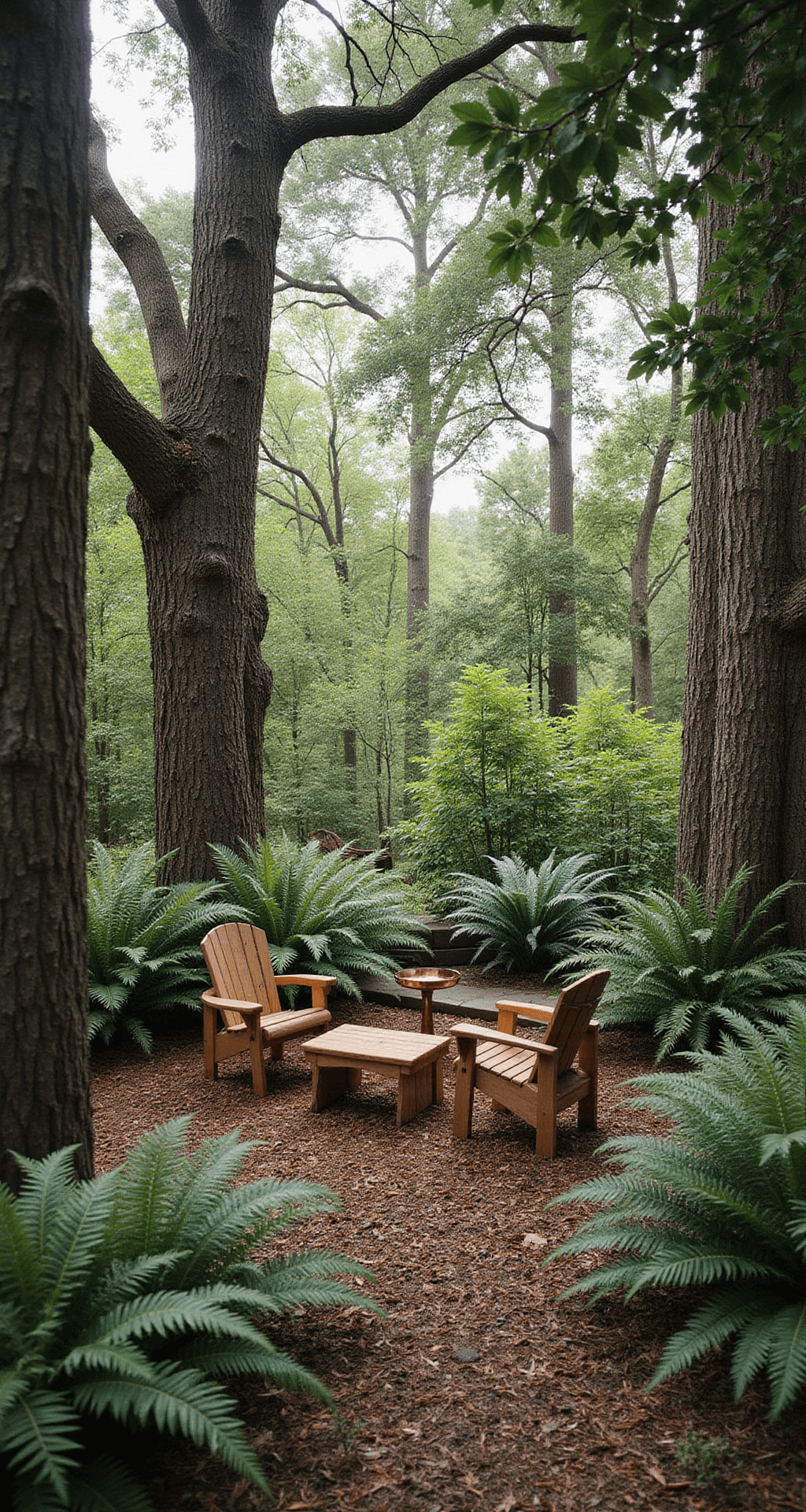
- Furniture: weathered teak Adirondack chair with wide slats for garden seating beneath mature canopy
- Lighting: solar-powered copper pathway lights with warm 2700K output for illuminating tree root zones
- Materials: natural cedar mulch, river rock edging, and hand-forged iron plant markers
There’s something deeply grounding about working with established trees rather than fighting them—your garden becomes a collaboration with time itself, honoring what decades of growth have already built.
Creating Magical Spaces Within Your Tree Garden
Path Design Tips
Paths aren’t just functional – they’re storytelling elements in your woodland landscape.
Path Design Principles:
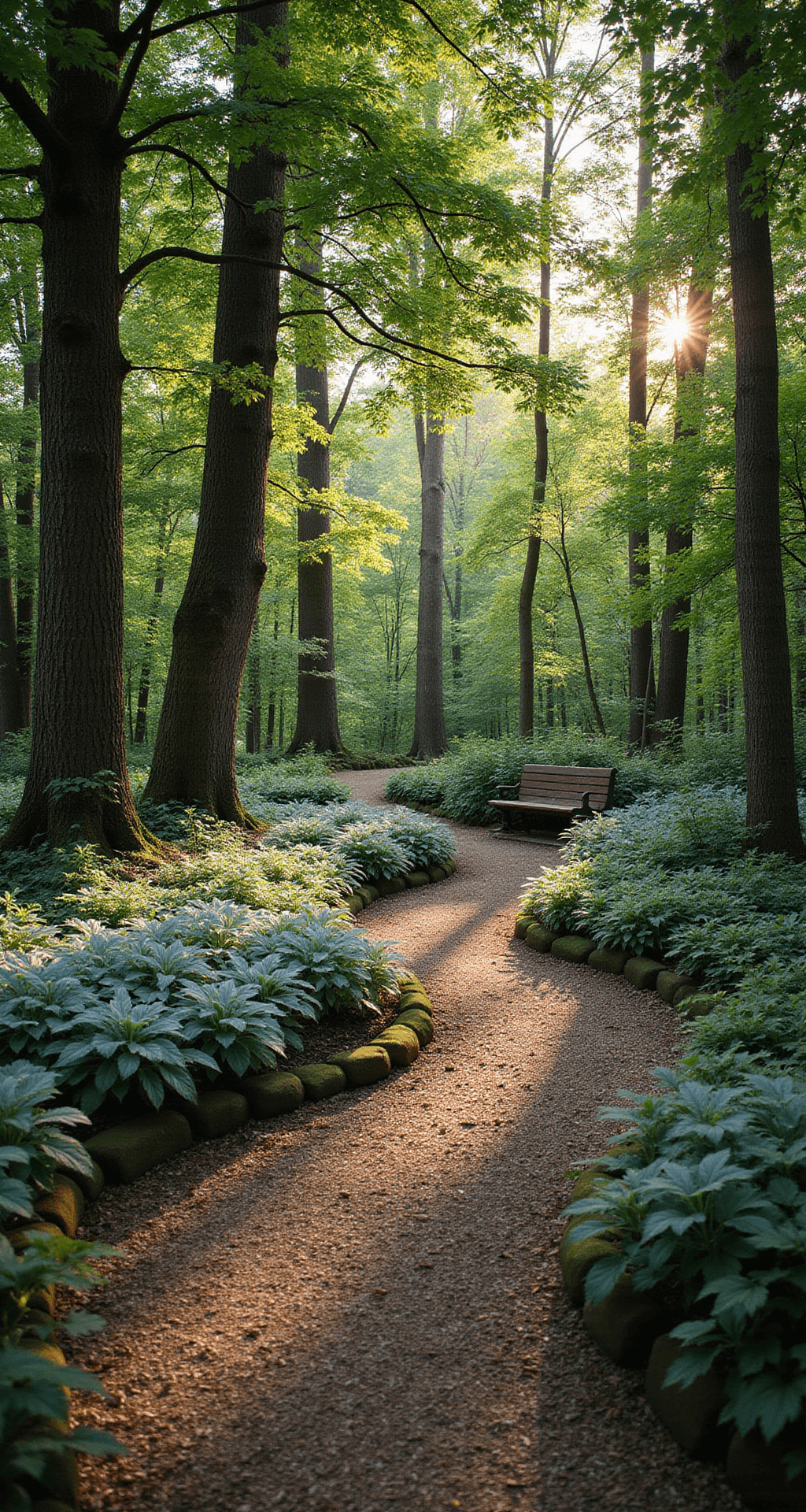
- Curve Naturally: Follow tree root patterns
- Use Soft Materials: Mulch, wood chips, stepping stones
- Create Mystery: Let paths partially disappear and reappear
Seating and Focal Points
Transform your tree garden into an enchanting retreat.
Cozy Woodland Seating Ideas:
- Rustic wooden benches
- Hammocks between trees
- Stone seating areas
- Log stumps as natural chairs
Save this article
Enter your email and we'll send it straight to your inbox.
✎ Steal This Look
- Paint Color: Behr Nature’s Gift N390-3
- Furniture: weathered teak Adirondack chair with wide arms
- Lighting: solar-powered mason jar string lights draped between branches
- Materials: cedar mulch pathways, reclaimed barn wood, moss-covered limestone, untreated hemp rope
There’s something deeply grounding about sitting on rough-hewn wood while dappled light filters through leaves above—this is the room where you remember to breathe slowly.
Seasonal Considerations
Spring Awakening
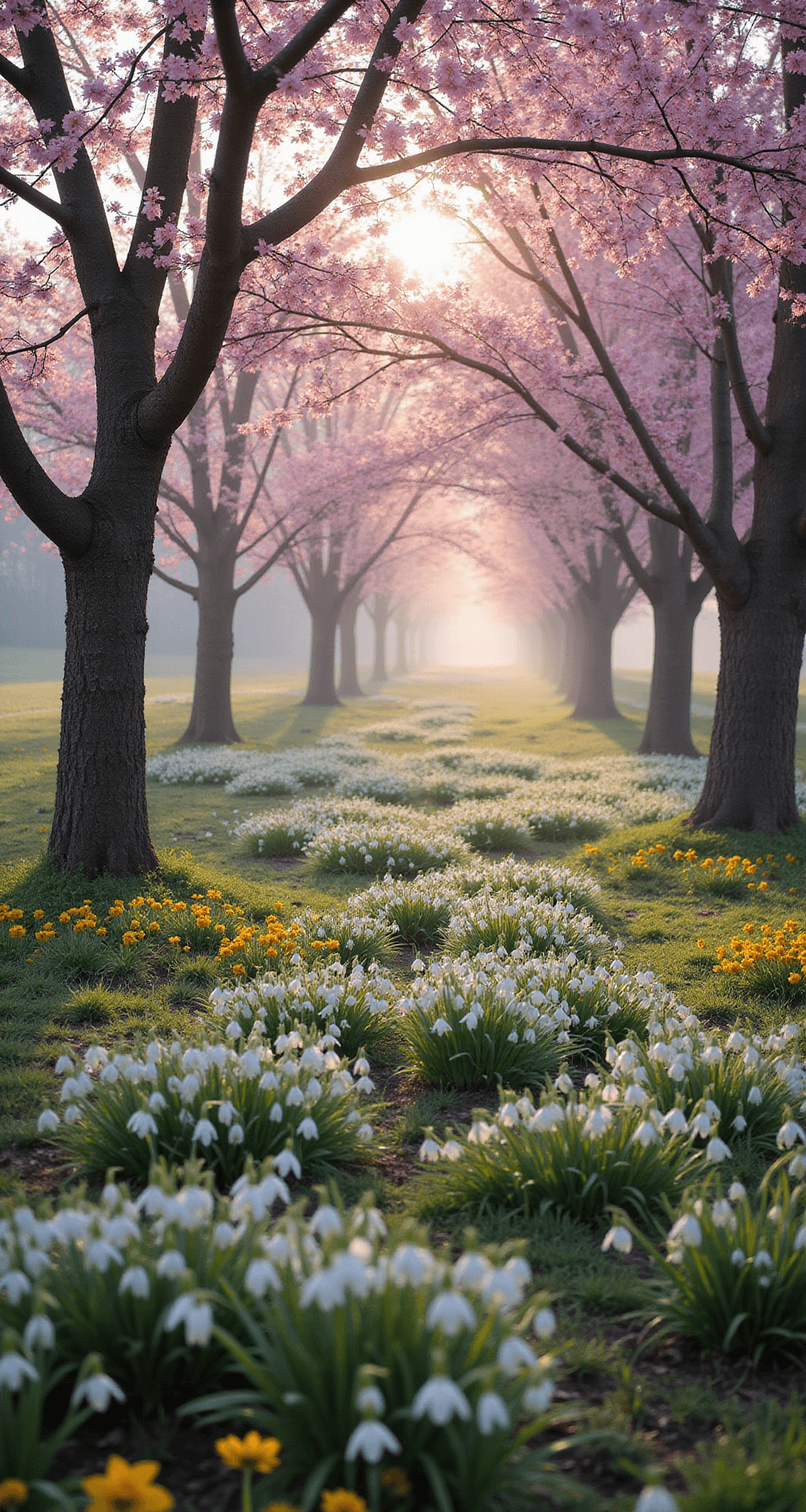
- Plant spring bulbs (snowdrops, daffodils)
- Celebrate emerging green life
- Prepare underplantings
Summer Lushness
- Maximize shade-loving plants
- Create cool relaxation zones
- Add water features for tranquility
Autumn Transformation
- Celebrate falling leaves
- Plant autumn-color shrubs
- Prepare garden for winter
Winter Structure
- Appreciate tree bark and branch patterns
- Use evergreen underplantings
- Add winter-interest decorative elements
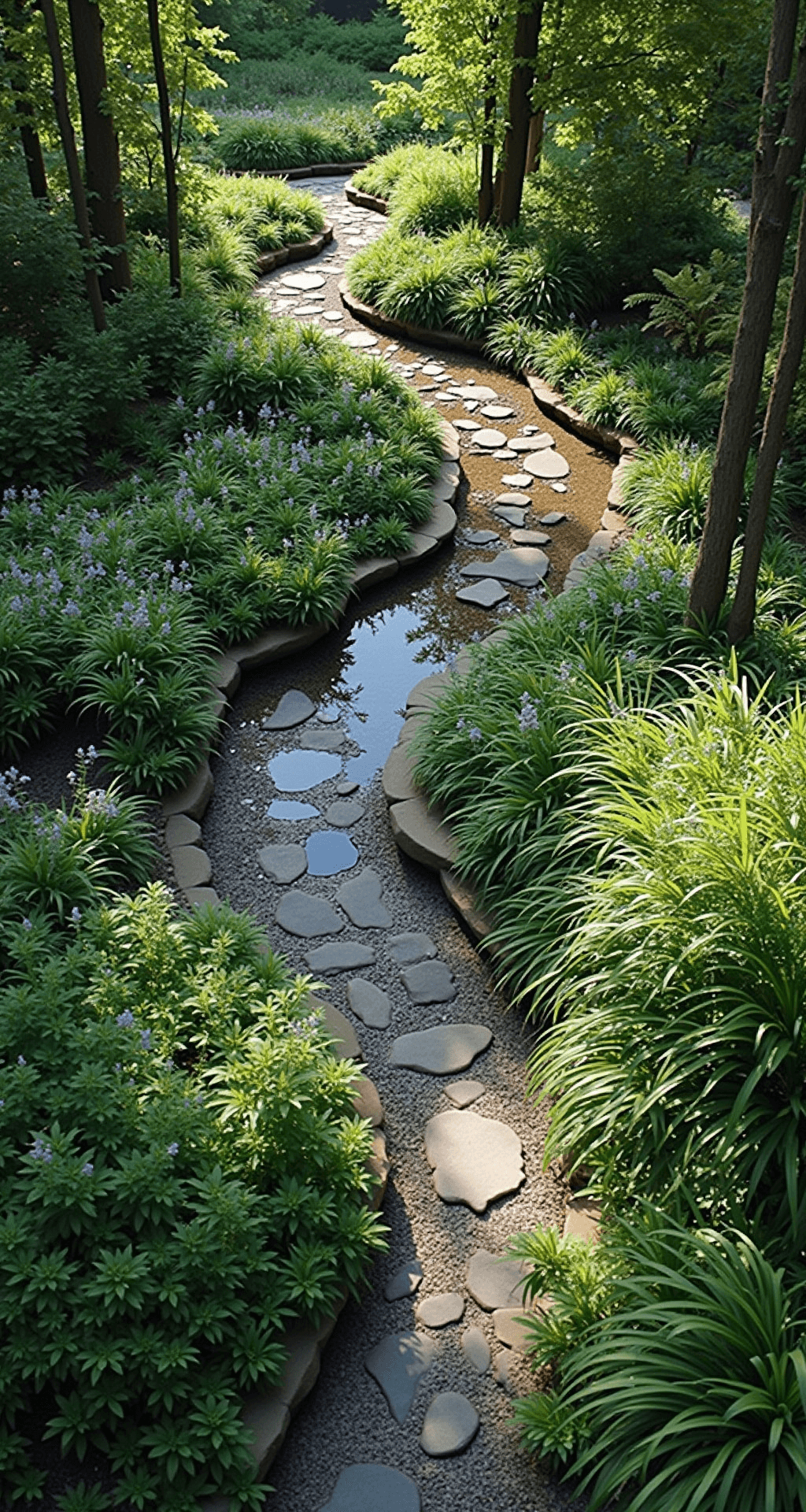
💡 Steal This Look
- Paint Color: use Valspar brand. Match the ACTUAL wall color in the image. Format: Valspar ColorName CODE
- Furniture: weathered teak Adirondack chairs with wide arms for holding drinks and garden books, positioned to face the tree canopy
- Lighting: low-voltage LED path lights with warm 2700K temperature, staggered along mulched walkways between mature trees
- Materials: aged cedar mulch, river rock edging, untreated teak, galvanized steel planters, hand-forged iron plant markers
There’s something deeply restorative about a garden that shifts with you through the year—I find myself noticing the first snowdrop push through frozen ground with the same anticipation I once reserved for spring fashion, and that rhythm of patient observation has made me a more present homeowner.
Practical Maintenance Tips
Tree and Garden Health
- Mulch Regularly: Protect roots, retain moisture
- Prune Strategically: Maintain tree health
- Monitor Root Systems: Avoid damaging underground networks
Sustainable Practices
- Use native plants
- Create wildlife-friendly environments
- Minimize chemical interventions
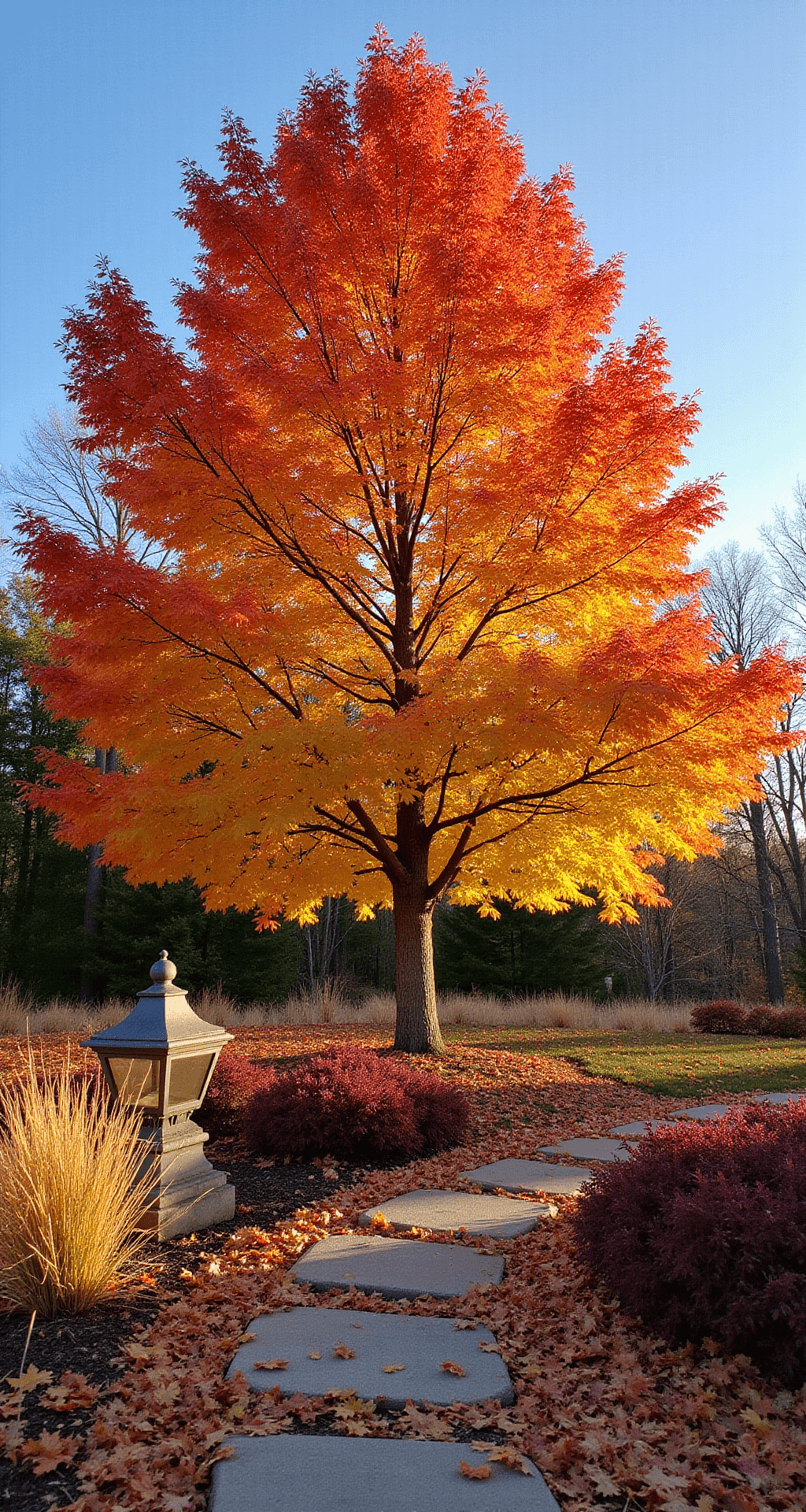
🎨 Steal This Look
- Paint Color: PPG Pinehurst Green PPG1130-5
- Furniture: weathered teak potting bench with galvanized steel top and lower shelf storage
- Lighting: solar-powered LED path lights with motion sensors and warm 2700K output
- Materials: cedar mulch, untreated pine straw, recycled rubber edging, corten steel planters, permeable pea gravel
There’s something deeply satisfying about maintaining the living architecture you’ve planted; these routines become meditative rituals that connect you to the slow, rewarding timeline of tree growth.
Common Mistakes to Avoid
- Overplanting
- Ignoring root systems
- Choosing incompatible plants
- Neglecting soil health
Budget-Friendly Design Hacks
- Use local, native plants
- Divide and transplant existing perennials
- Create DIY paths and seating
- Collect and propagate plants

✎ Steal This Look
- Paint Color: Clare Paint Current Mood CW-01
- Furniture: weathered teak Adirondack chairs with slatted backs
- Lighting: solar-powered Edison bulb string lights with black wire
- Materials: gravel, reclaimed brick, untreated cedar, river stone, burlap, galvanized metal
There’s something deeply satisfying about a garden built slowly, with plants that came from your neighbor’s division or a cutting rooted on your windowsill—each one carries a story no nursery tag can match.
Final Woodland Garden Wisdom
Tree gardens are living, breathing masterpieces. They’re not about perfection – they’re about creating a harmonious, natural space that evolves and tells a story.
Pro Tip: Embrace imperfection. Let your garden grow, change, and surprise you.
Your tree garden is more than a landscape. It’s a sanctuary, an ecosystem, and a personal retreat waiting to be discovered.
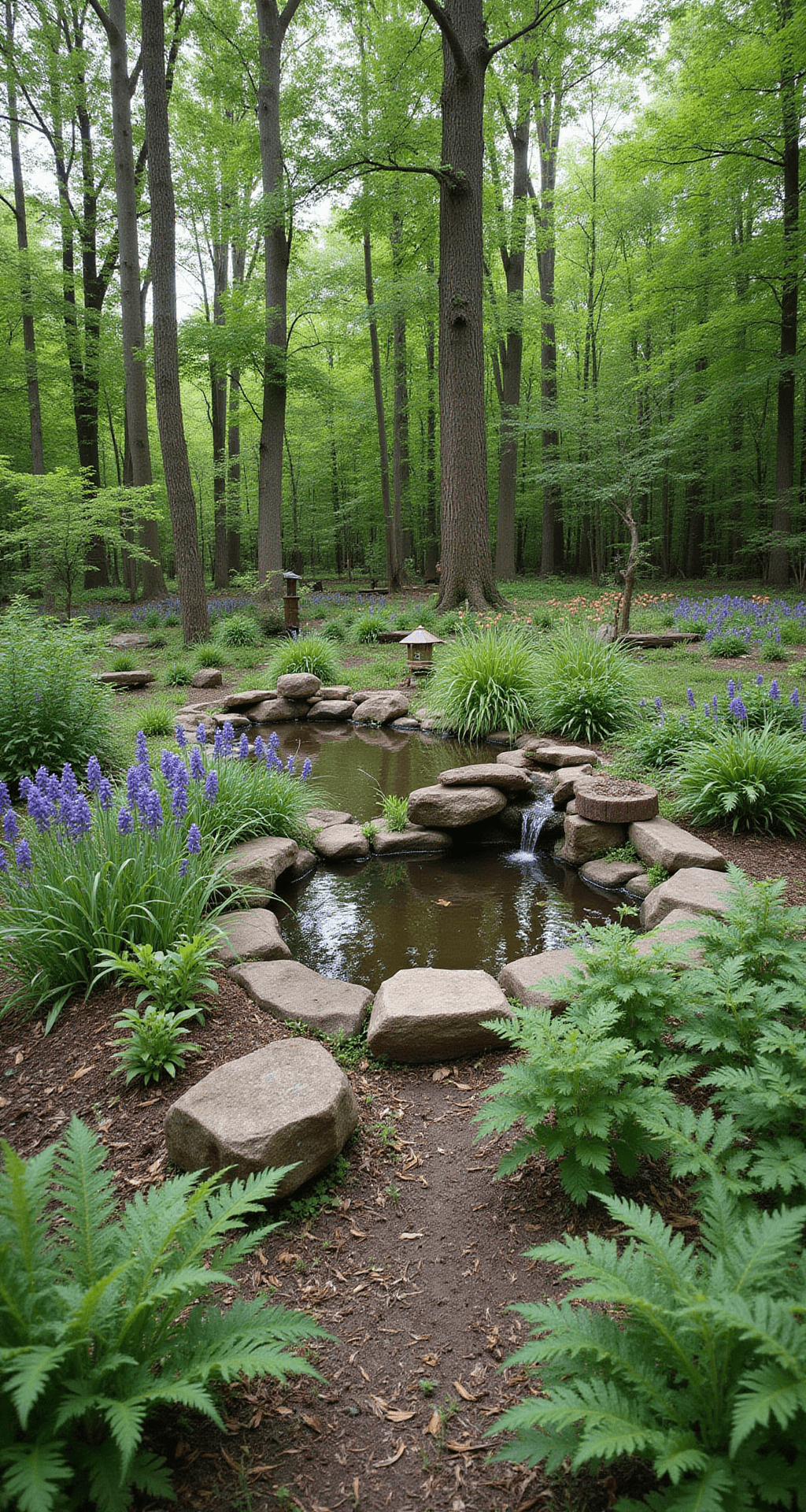
🌟 Steal This Look
- Paint Color: use Fine Paints of Europe brand. Match the ACTUAL wall color in the image. Format: Fine Paints of Europe ColorName CODE
- Furniture: weathered teak Adirondack chair with moss-green Sunbrella cushion
- Lighting: solar-powered copper fairy string lights wrapped around lower tree trunks
- Materials: reclaimed barn wood, untreated cedar mulch, hand-forged iron plant stakes, river stone pathways
There’s something deeply personal about a garden you’ve let grow wild in places—those surprise foxgloves where you never planted them, the way afternoon light filters through leaves differently each season.
Keep this one for later
We'll email you the link so you can come back to it.



[…] there you have it, folks – your ultimate guide to creating a farmhouse bathroom that’s both stylish and functional. With a little creativity and elbow […]