

This post may contain affiliate links. Please see my disclosure policy for details.
10 Low Maintenance Flowers That Will Make Your Garden Stunning (With Minimal Effort!)
Tired of spending endless weekends battling your garden? I’ve got the ultimate solution for lazy gardeners and busy homeowners who want a beautiful landscape without the constant work.
What Makes a Flower Low Maintenance?
Low maintenance flowers are the superheroes of the garden world. They:
- Require minimal watering
- Survive in tough conditions
- Bloom beautifully with little intervention
- Thrive without constant pampering
Top Low Maintenance Flowers for Effortless Beauty
💡 Steal This Look
- Paint Color: Sherwin-Williams Garden Sage SW 7736
- Furniture: weathered teak potting bench with galvanized steel top
- Lighting: solar-powered copper path lights with seeded glass
- Materials: unglazed terracotta, reclaimed barn wood, crushed limestone gravel, wrought iron
This is the garden that finally let me reclaim my weekends—I stopped apologizing for not being the neighbor who weeds at dawn and started enjoying my coffee actually sitting outside instead of working in it.
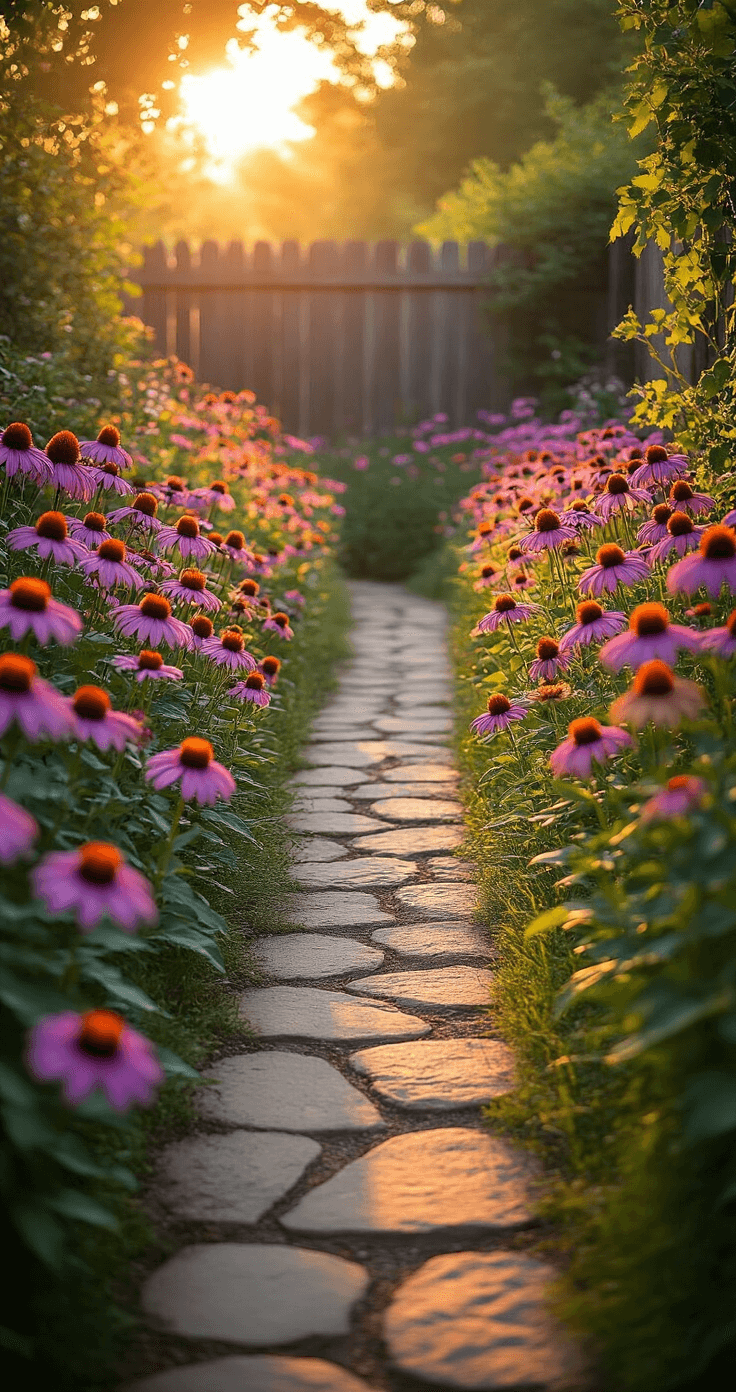
1. Coneflower (Echinacea): The Pollinator’s Paradise
Coneflower seeds are a garden game-changer:
- Vibrant daisy-like blooms
- Drought-tolerant champion
- Attracts bees and butterflies
- Thrives in full sun
- Minimal care needed
🎨 Steal This Look
- Paint Color: Benjamin Moore Pale Avocado 2146-40
- Furniture: weathered teak potting bench with galvanized steel top
- Lighting: antique brass gooseneck barn sconce with seeded glass shade
- Materials: raw terracotta, aged zinc planters, handwoven seagrass baskets, reclaimed wood shelving
This is the room where dirt under your fingernails feels like a badge of honor, and the hum of pollinators becomes your afternoon soundtrack.
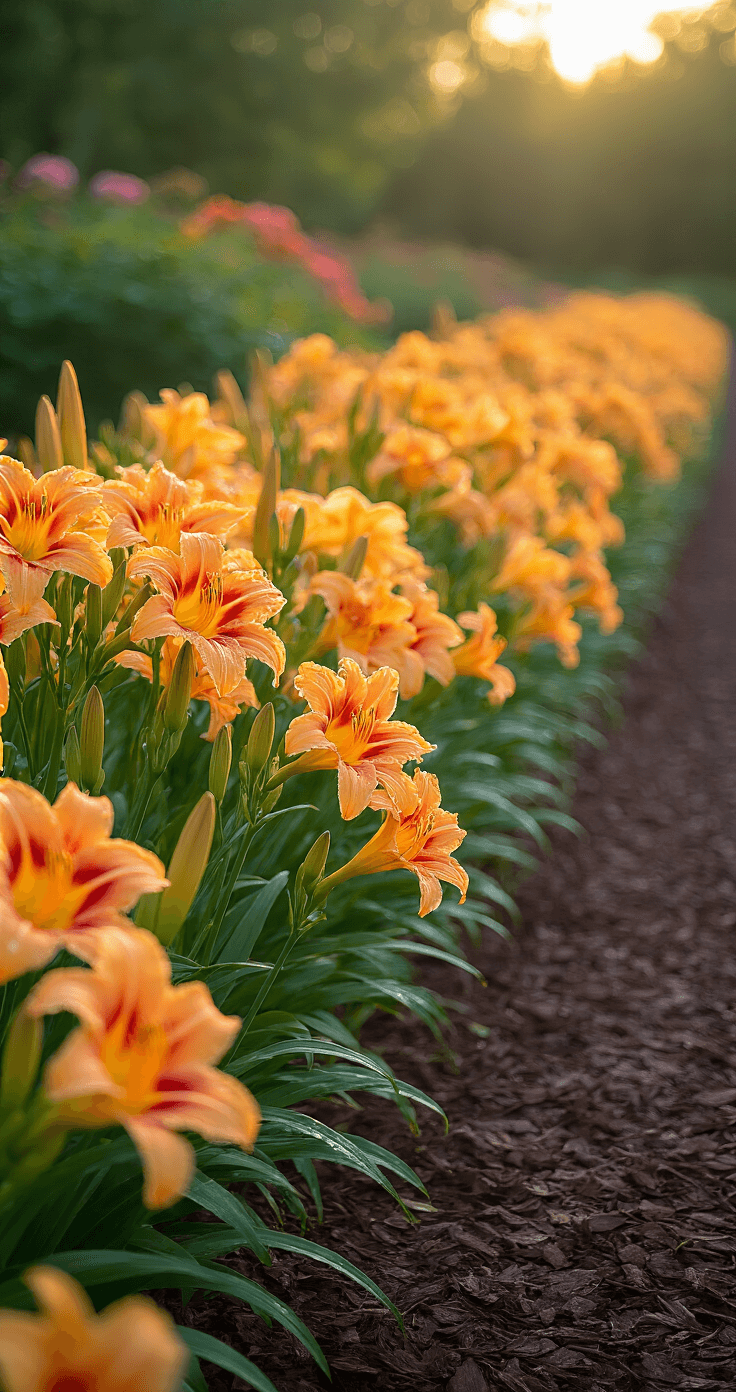
2. Daylily: The Indestructible Beauty
These flowers are basically the cockroaches of the plant world:
- Massive, show-stopping blooms
- Survives in almost any condition
- Tolerates poor soil
- Laughs in the face of drought
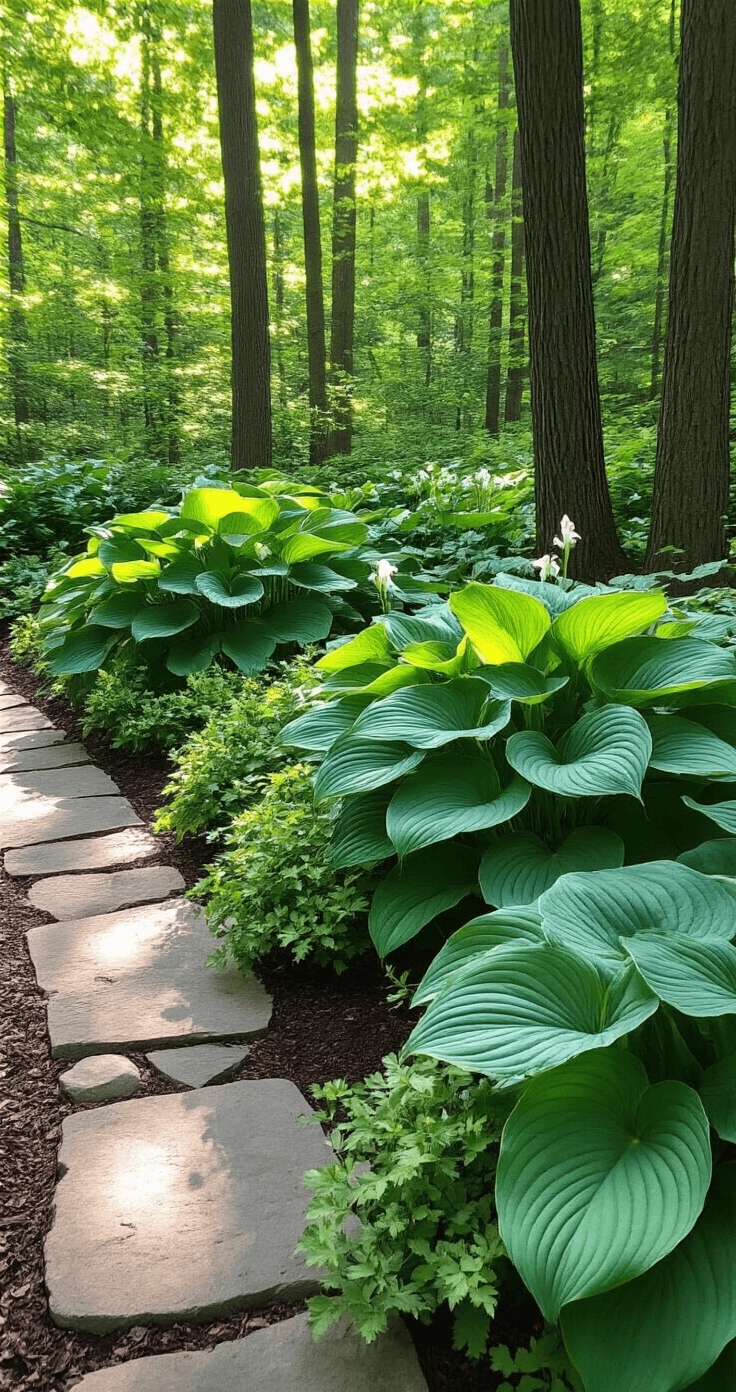
3. Hosta: Shade Garden Royalty
Perfect for those dark, forgotten garden corners:
- Lush, gorgeous foliage
- Shade-loving superstar
- Hosta plant collection works in multiple soil types
- Needs minimal watering
🖼 Steal This Look
- Paint Color: Behr Garden Shade S-H-690
- Furniture: weathered teak Adirondack chair with olive green cushion
- Lighting: solar-powered copper path lights with warm 2700K output
- Materials: moss-covered river stones, aged cedar mulch, hammered copper planters
There’s something quietly luxurious about a thriving shade garden that asks so little of you; hostas reward those neglected corners with sculptural leaves that feel intentional, not like a compromise.
🌊 Get The Look
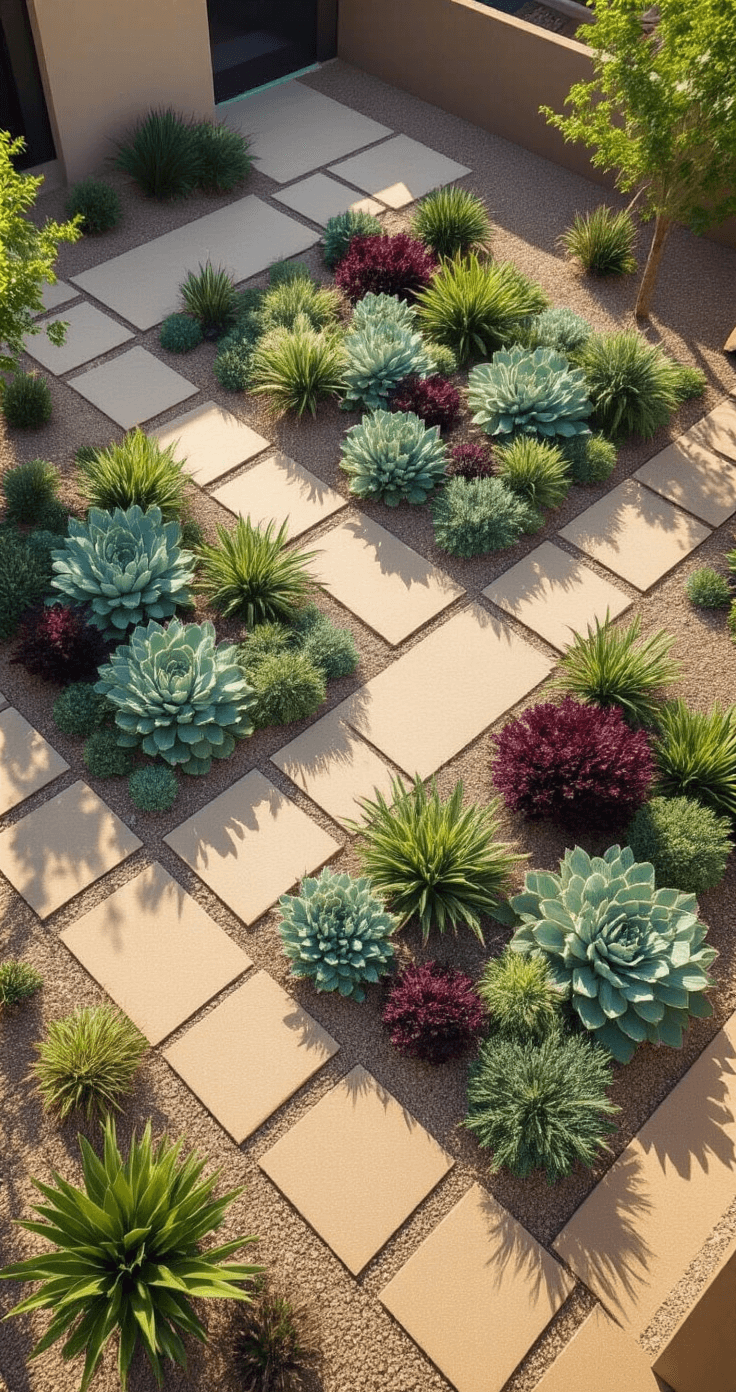
4. Sedum (Stonecrop): The Succulent Sensation
Drought? What drought?
- Fleshy, interesting leaves
- Ground-covering magic
- Blooms late summer
- Absolutely zero maintenance needed
Save this article
Enter your email and we'll send it straight to your inbox.
🌟 Steal This Look
- Paint Color: Valspar Garden Shadow 5005-2B
- Furniture: weathered teak outdoor coffee table with live edge detail
- Lighting: solar-powered Edison bulb string lights with black iron posts
- Materials: crushed limestone gravel, raw cedar planters, matte black powder-coated metal, weathered terracotta
This is the plant that finally let me stop apologizing to guests about my ‘sad patio’—now they ask how I keep everything looking so intentional when the truth is I basically ignore it all summer.
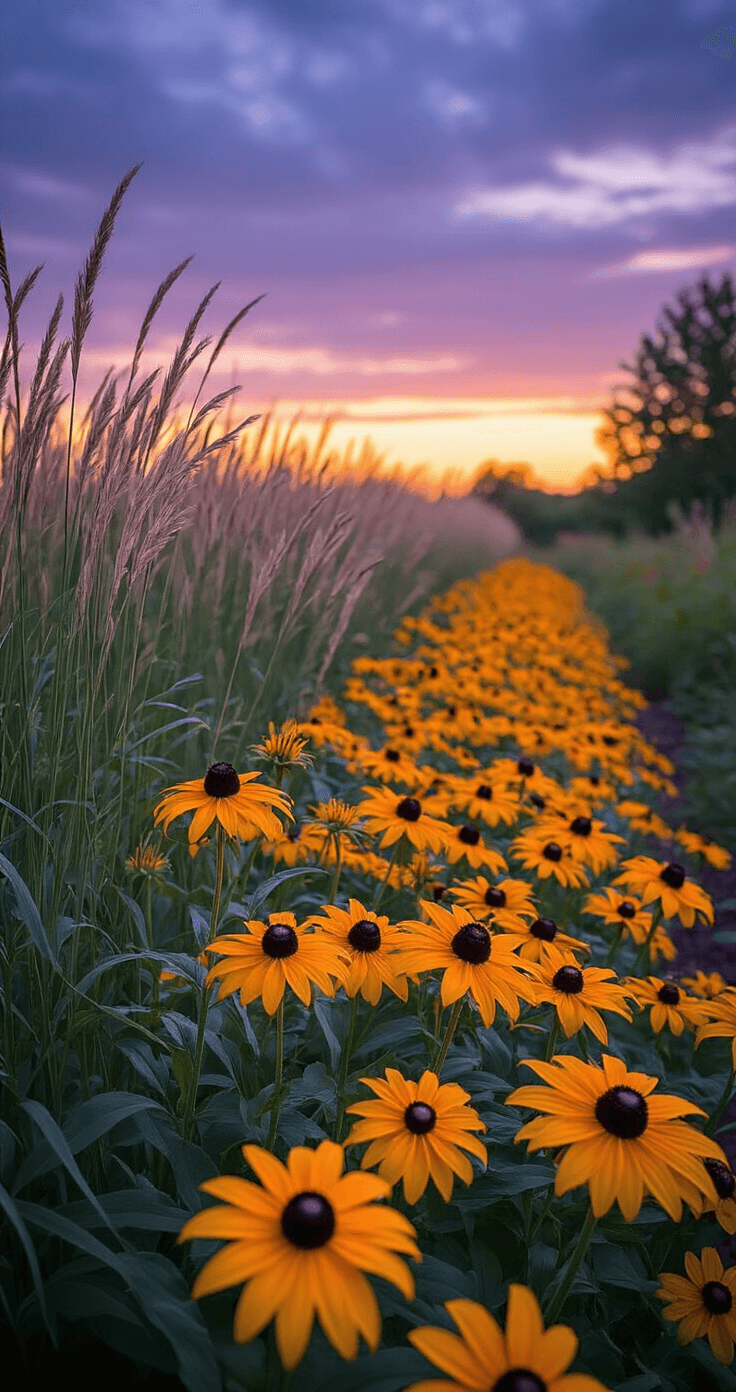
5. Black-Eyed Susan: Sunshine in a Flower
These cheerful flowers are basically garden gold:
- Bright yellow blooms
- Attracts pollinators
- Deer-resistant
- Loves heat and sunshine
🏠 Steal This Look
- Paint Color: PPG Sun Shower PPG1210-3
- Furniture: vintage-inspired yellow accent chair with curved arms and tapered wood legs
- Lighting: brass dome pendant with perforated pattern casting dappled light
- Materials: woven rattan, matte terracotta, warm oak, crisp white linen
There’s something undeniably optimistic about walking into a kitchen or breakfast nook where these sunny faces greet you—they’re the floral equivalent of a perfect cup of coffee on a slow Saturday morning.
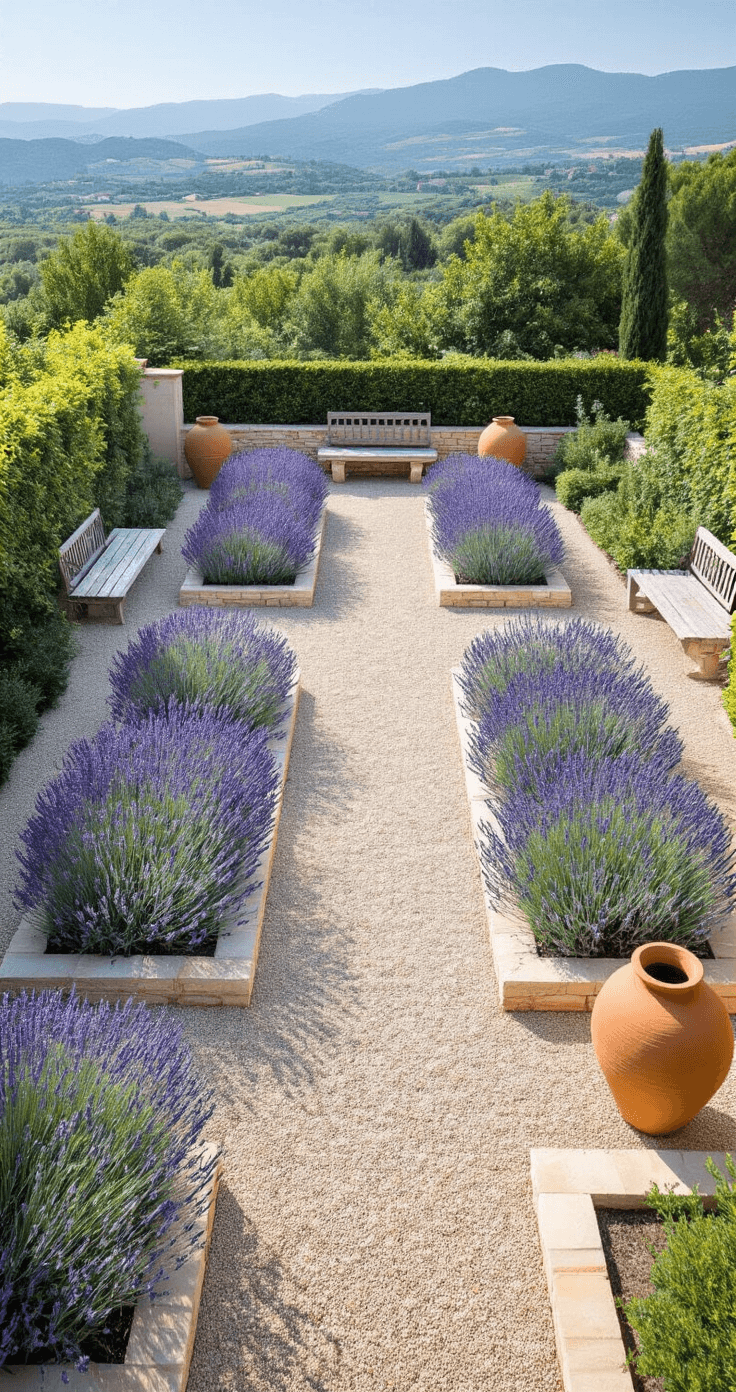
6. Lavender: Fragrant and Fabulous
Lavender plant brings beauty and calm:
- Gorgeous purple spikes
- Incredible fragrance
- Tolerates hot, dry climates
- Attracts beneficial pollinators
Bonus Low Maintenance Flowers
- Catmint
- Yarrow
- Russian Sage
- Gaura
- Dianthus
Pro Gardener Tips
🌱 Establishment is Key:
- Water new plants regularly for first 2 weeks
- After that, let nature do its thing
- Choose plants suited to your specific climate
Common Mistakes to Avoid
- Don’t overwater
- Select native plants
- Understand your specific garden conditions
Final Thoughts
Low maintenance doesn’t mean no maintenance. These flowers will give you stunning results with minimal effort. Gardening gloves optional, but recommended!
Quick Recap
- Choose drought-tolerant perennials
- Consider your specific climate
- Plant and (mostly) forget
Your dream low-maintenance garden is just a few plants away. Happy gardening! 🌼🌿
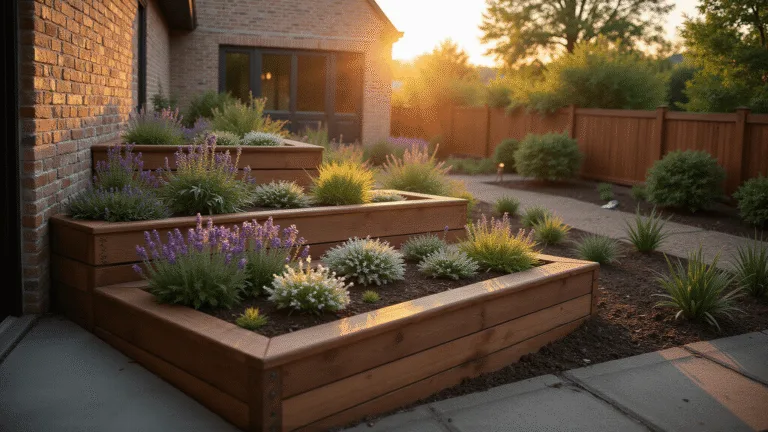
✎ Steal This Look
- Paint Color: Dunn-Edwards Dusty Lavender DET420
- Furniture: weathered teak Adirondack chair with slatted back for patio or garden nook
- Lighting: solar-powered copper string lights wrapped around lavender bed perimeter
- Materials: crushed limestone gravel paths, aged terracotta pots, raw cedar raised beds, brushed brass plant markers
There’s something almost rebellious about a plant that asks so little and gives so much back—the first time you brush past a mature lavender hedge and that scent releases into warm evening air, you’ll understand why Mediterranean gardeners have cultivated this for millennia.
Keep this one for later
We'll email you the link so you can come back to it.




[…] Quiet and energy-efficient – Minimal noise disruption and low power […]