
This post may contain affiliate links. Please see my disclosure policy for details.
What Makes a Small Cottage Garden Special?
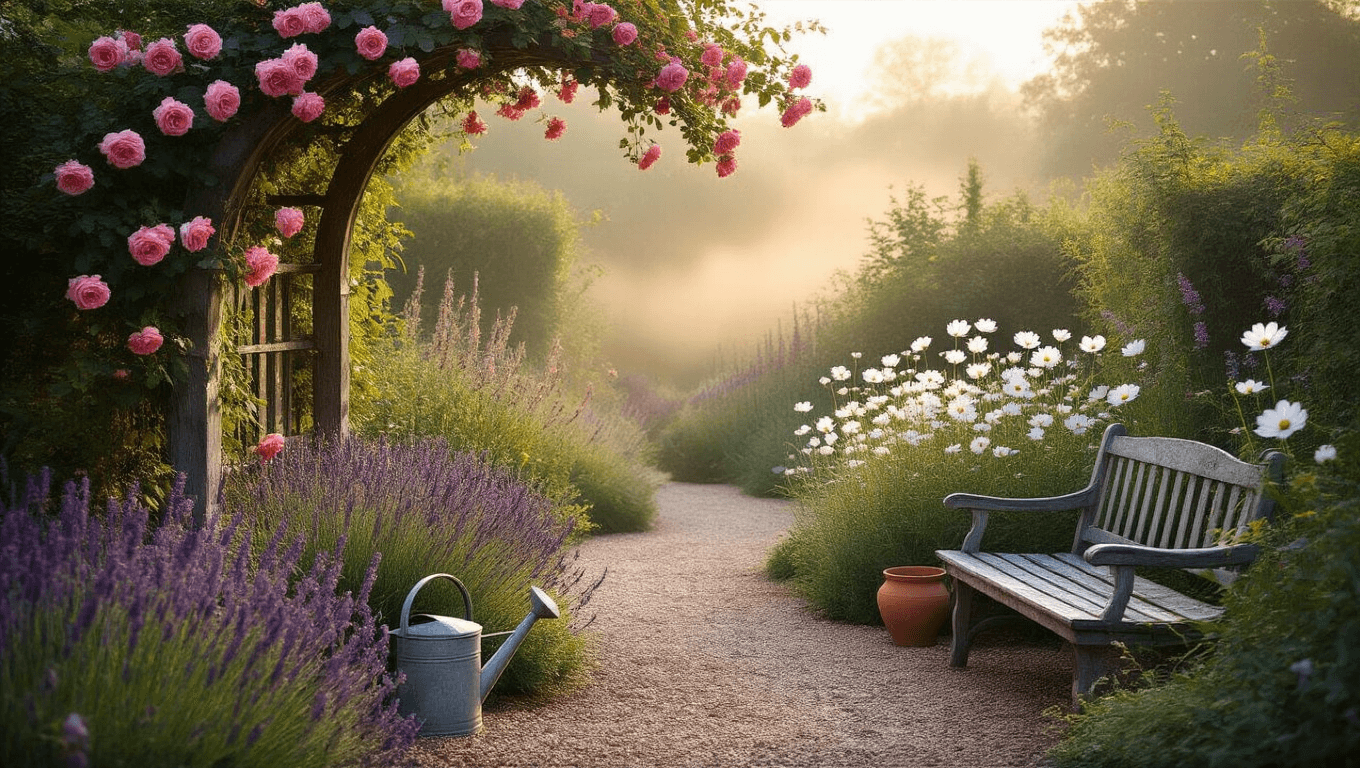
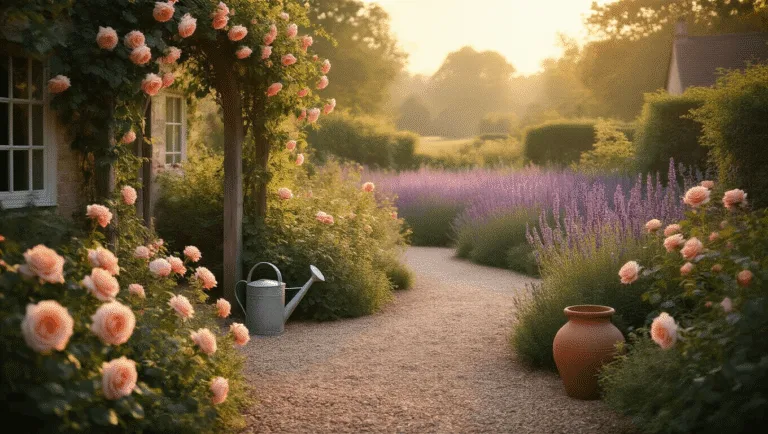
Imagine a garden that’s bursting with life, color, and personality – that’s the essence of a cottage garden. It’s not about perfection, but about creating a vibrant, welcoming space that feels alive and breathing.
Key Characteristics
- Informal and Natural: No strict geometric lines here
- Packed with Variety: Flowers, herbs, and maybe some edibles
- Charming and Whimsical: Feels like a living fairy tale
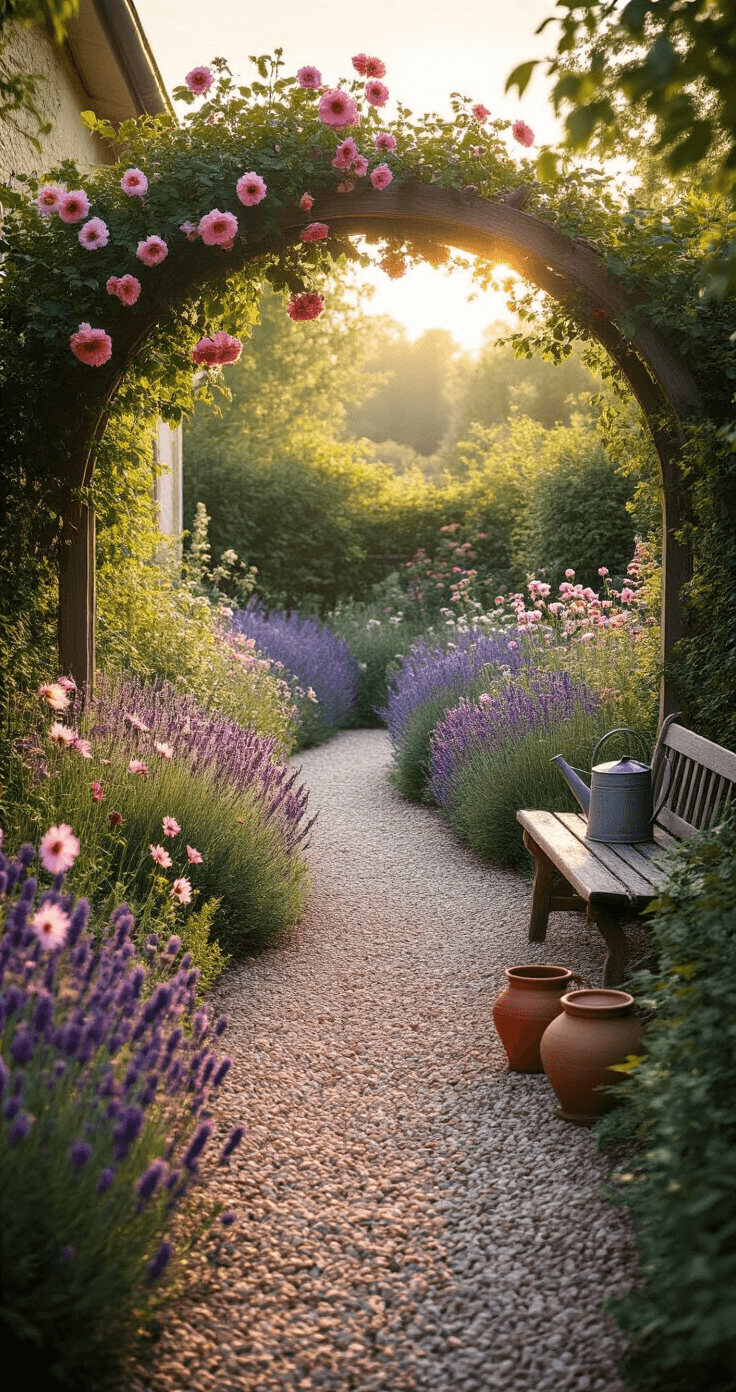
🎨 Steal This Look
- Paint Color: Sherwin-Williams Garden Sage SW 6165
- Furniture: weathered teak potting bench with galvanized zinc top, vintage cast iron garden bistro set with peeling white paint
- Lighting: solar-powered Edison bulb string lights with black iron shepherd’s hooks, antique brass carriage lantern wall sconces
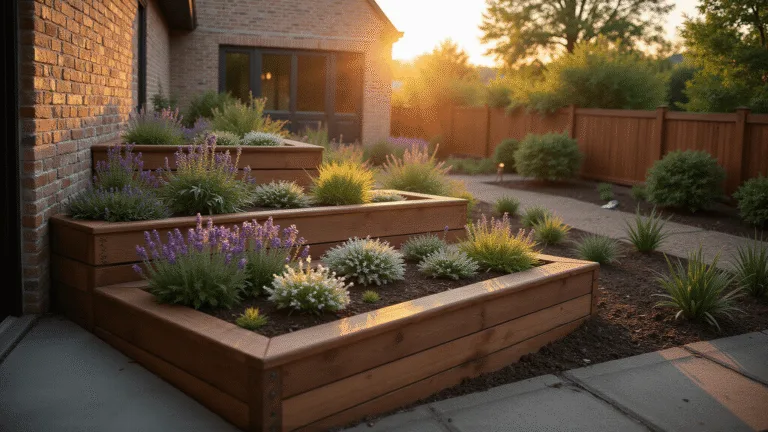
- Materials: crushed gravel pathways, reclaimed brick edging, untreated cedar raised beds, terracotta pots in varying sizes, galvanized metal watering cans, weathered barn wood trellises
There’s something deeply comforting about a small cottage garden—it reminds us that beauty doesn’t require control, just patience and a willingness to let nature take the lead.
Getting Started: Your Cottage Garden Toolkit
Must-Have Tools:
- Trowel
- Garden fork
- Pruners
- Watering can
- Organic compost
- Love and imagination
Budget-Friendly Tips:
- Swap plants with neighbors
- Hunt for vintage garden accessories
- Start from seeds
- Upcycle containers
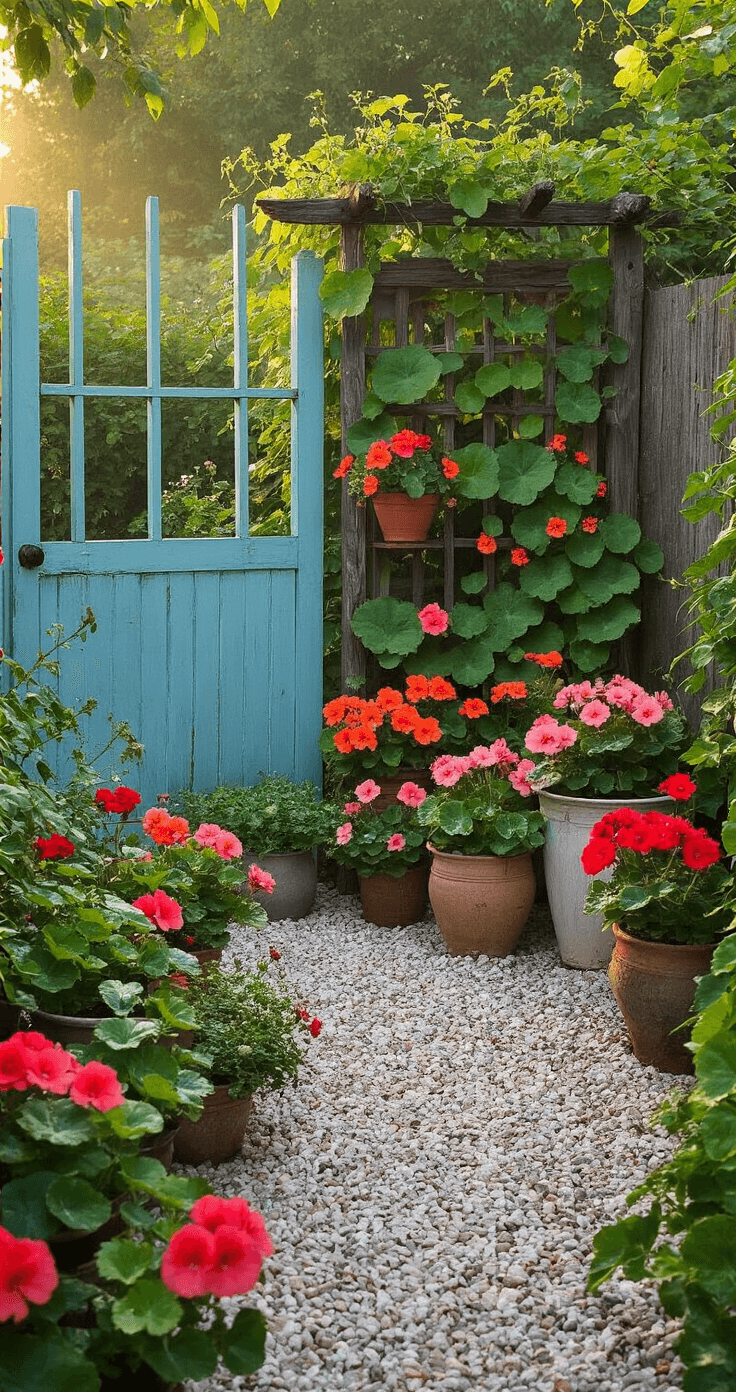
🎨 Steal This Look
- Paint Color: Benjamin Moore Garden Cucumber 644
- Furniture: weathered teak potting bench with lower shelf storage
- Lighting: antique brass gooseneck barn light with seeded glass
- Materials: unglazed terracotta, galvanized zinc, raw linen tool rolls, reclaimed wood
There’s something deeply satisfying about a well-worn trowel that fits your hand perfectly—this is the room where practical becomes personal, where every scratch and soil stain tells a story of seasons past.
Choosing Your Plants: The Heart of the Cottage Garden
Top Plants for Small Spaces:
- Lavender (fragrant and beautiful)
- Geraniums (easy and colorful)
- Foxgloves (adds vertical drama)
- Cosmos (light and airy)
- Nasturtiums (edible and cheerful)
Pro Planting Tip
Think layers! Plant in clusters of three or five. Mix heights, textures, and colors for that perfect “organized chaos” look.
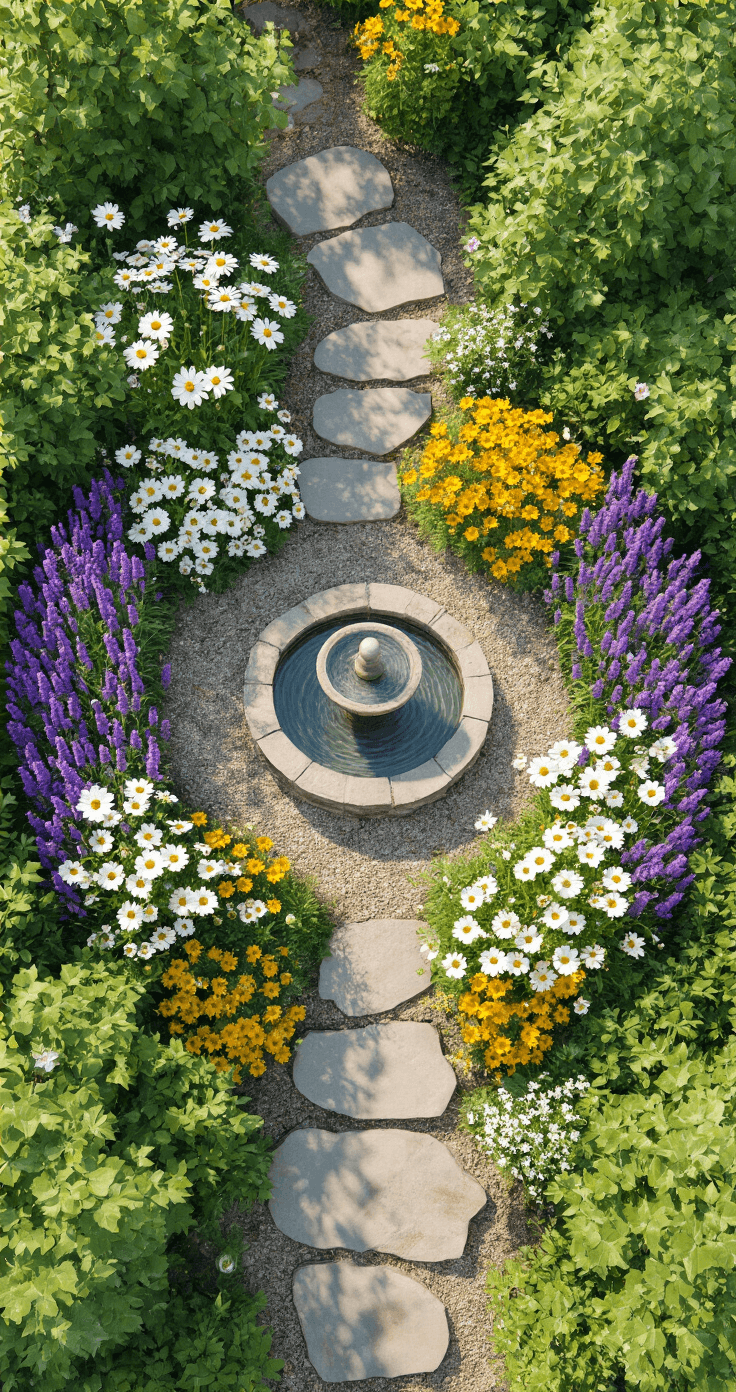
💡 Steal This Look
- Paint Color: Farrow & Ball Green Smoke 47
- Furniture: weathered teak potting bench with zinc top
- Lighting: antique brass shepherd’s hook lantern with seeded glass
- Materials: terracotta clay pots, aged copper plant markers, crushed gravel paths, reclaimed brick edging
There’s something deeply satisfying about brushing past lavender on a warm evening—these sensory moments are what make small cottage gardens feel like private sanctuaries rather than just pretty pictures.
Design Secrets for Maximum Impact
Color Palette Magic:
- Embrace vibrant mixed colors
- Think pinks, purples, whites, yellows
- Let green foliage tie everything together
Space-Saving Tricks:
Save this article
Enter your email and we'll send it straight to your inbox.
- Use vertical elements like trellises
- Group plants in containers
- Create winding paths
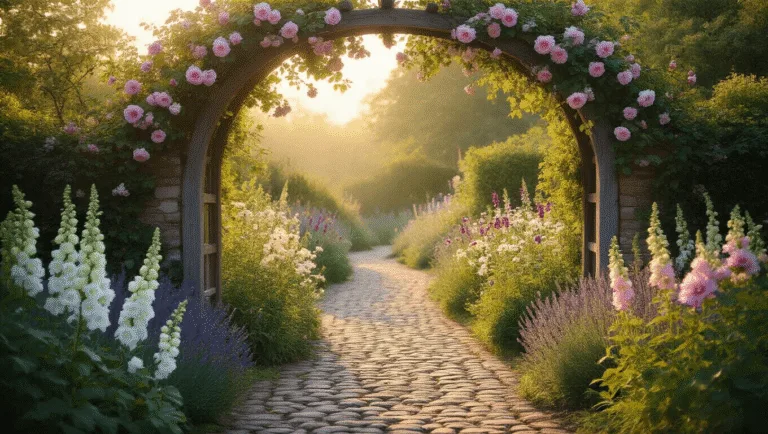
- Add a small focal point (cute gate, arch, or bench)
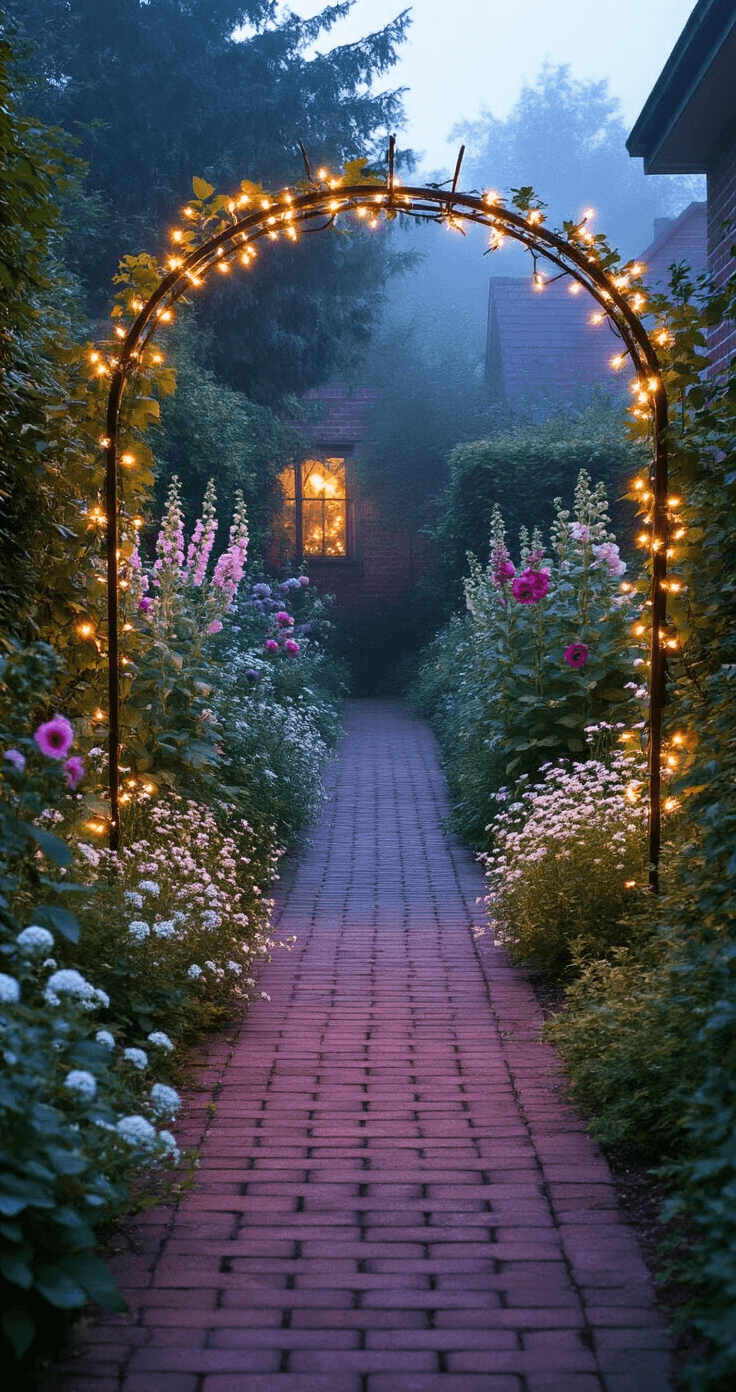
🏠 Steal This Look
- Paint Color: Behr Garden Party PPU10-08
- Furniture: weathered wooden garden bench with curved backrest
- Lighting: solar-powered vintage-style string lights with warm amber bulbs
- Materials: aged terracotta pots, reclaimed brick pavers, galvanized metal planters, natural jute rope trellising
There’s something deeply satisfying about squeezing maximum beauty into a modest plot—this is the garden style that rewards the plant-obsessed collector who can’t resist just one more variety, turning constraint into the coziest kind of abundance.
Maintenance: Keeping Your Garden Gorgeous
Quick Care Guide:
- Water consistently
- Deadhead flowers regularly
- Mulch to retain moisture
- Embrace a bit of wildness
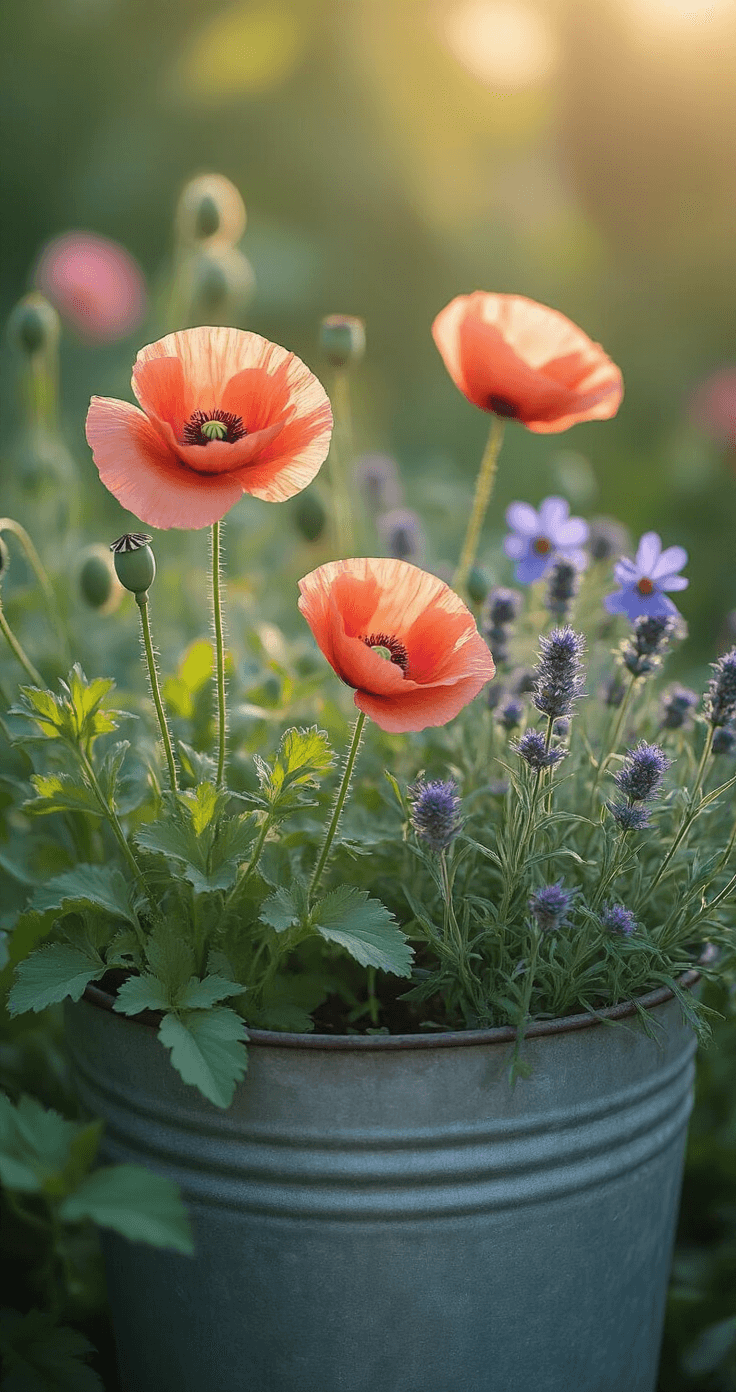
✎ Steal This Look
- Paint Color: Valspar Garden Party 6001-7C
- Furniture: weathered teak potting bench with galvanized steel top
- Lighting: solar-powered copper path lights with seeded glass
- Materials: aged terracotta, untreated cedar, crushed gravel paths, wrought iron hooks
There’s something deeply satisfying about the quiet rhythm of deadheading at dusk, letting your mind wander while your hands keep the garden in gentle order.
🎁 Get The Look
Common Mistakes to Avoid
- Don’t Overcrowd: Give plants breathing room
- Watch Sunlight: Most cottage garden plants love sun
- Avoid Rigid Layouts: Embrace a natural, flowing design
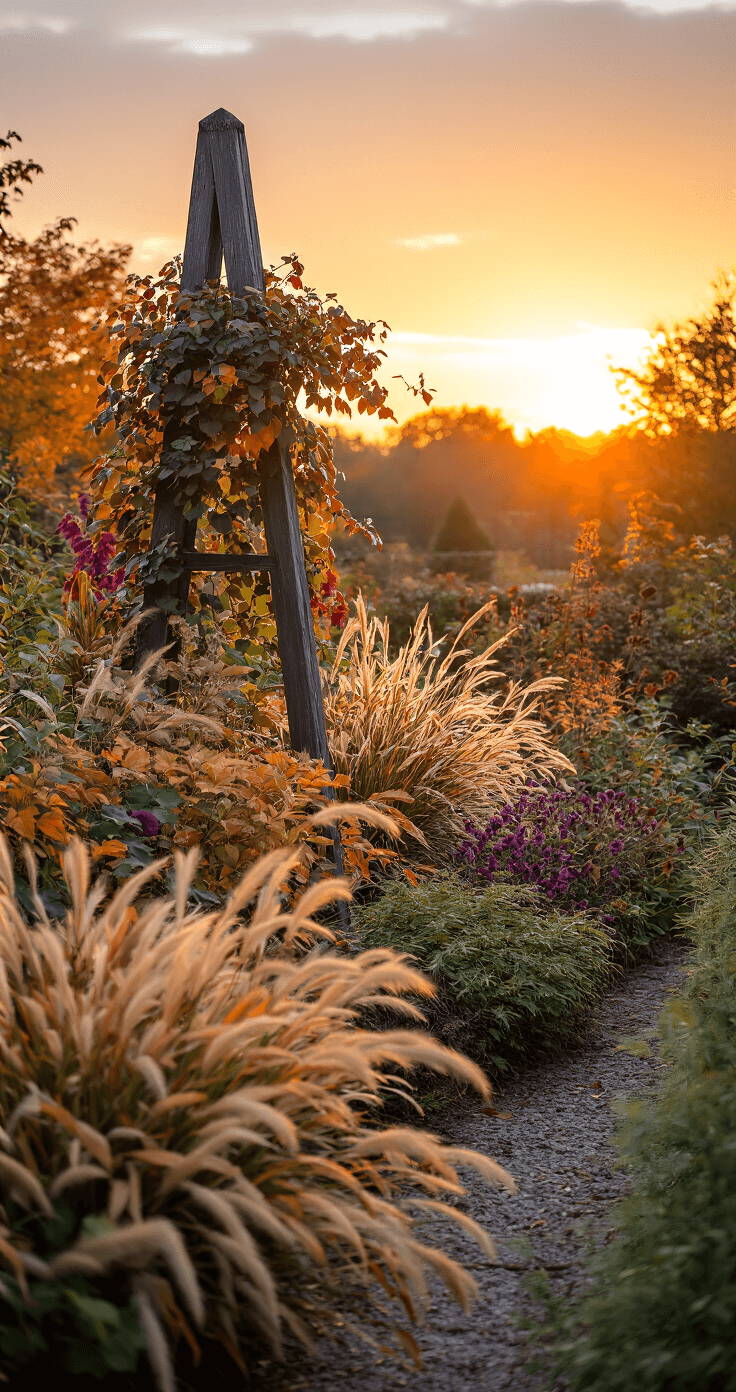
✎ Steal This Look
- Paint Color: PPG Cloverdale 10-30-5
- Furniture: weathered teak potting bench with galvanized steel top
- Lighting: antique brass gooseneck barn light with seeded glass
- Materials: aged terracotta, reclaimed barn wood, crushed limestone paths, wrought iron trellis
There’s something deeply satisfying about a garden that feels discovered rather than designed—like stumbling upon a secret clearing where nature simply got lucky.
Budget-Friendly Creation
Spending Breakdown:
- Basic setup: $25-$150
- Most expensive elements: Plants and soil
- Cheapest option: Start from seeds
- Pro tip: Look for plant swaps and local gardening groups
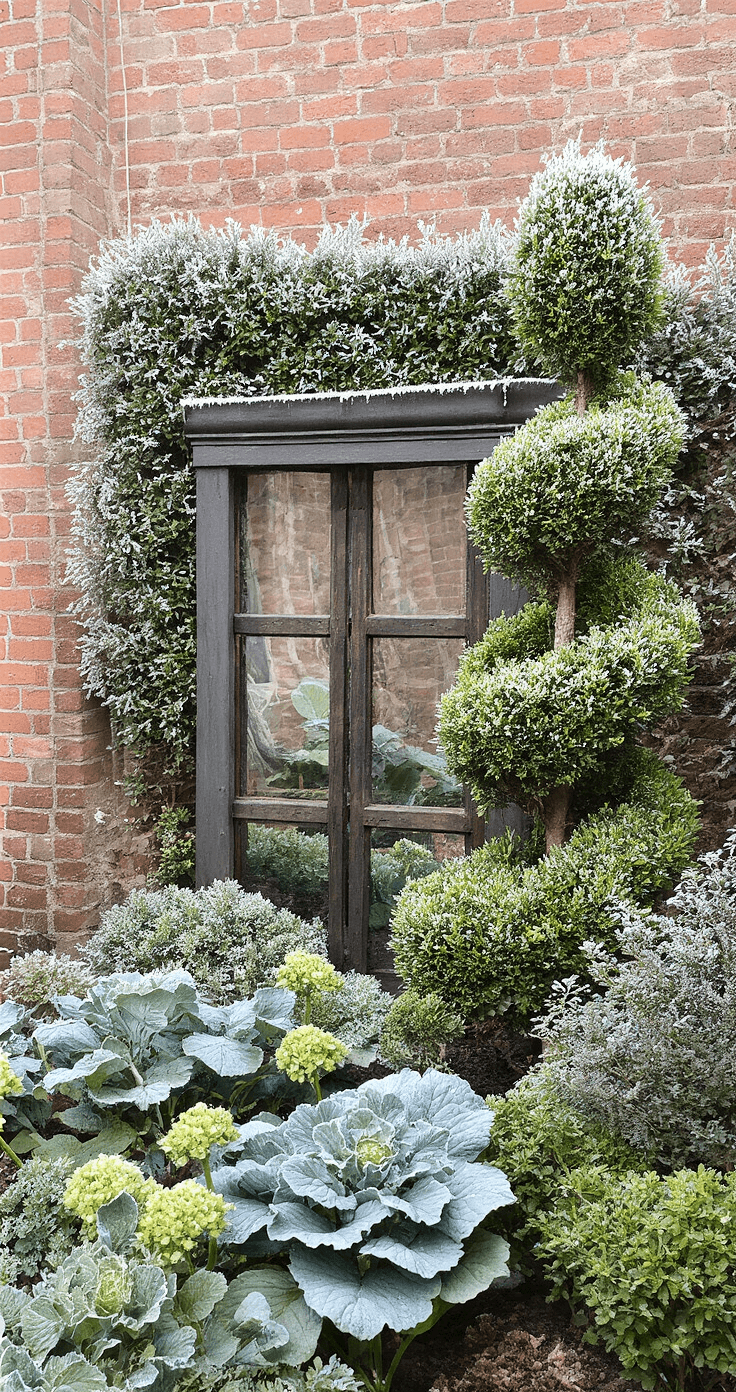
🎨 Steal This Look
- Paint Color: Dunn-Edwards Garden Gate DE5638
- Furniture: foldable potting bench made from reclaimed cedar or pressure-treated pine, ideally with a galvanized steel top surface for durability
- Lighting: solar-powered mason jar string lights with warm white LEDs, hung along fence lines or pergola beams
- Materials: weathered cedar shingles, galvanized metal planters, crushed gravel pathways, burlap frost protection wraps, terracotta pots with aged patina
There’s something deeply satisfying about a garden built on patience and scavenging rather than splurging—this is where your cottage garden becomes truly yours, grown from cuttings swapped over garden gates and seeds saved from last season’s best bloomers.
Seasonal Considerations
- Spring: Bulbs and early bloomers
- Summer: Peak flowering season
- Autumn: Beautiful seed heads and changing colors
- Winter: Focus on evergreen structure and interesting bark
Final Thoughts
Your small cottage garden doesn’t need to be massive to be magical. With creativity, love, and these tips, you can transform even the tiniest space into a blooming paradise.
Remember: The most beautiful gardens are the ones filled with joy and personal touch. Happy gardening!
Keep this one for later
We'll email you the link so you can come back to it.


[…] Creating your dream French cottage garden doesn’t have to break the bank: […]
[…] You don’t need a fortune to create garden gate magic: […]