

This post may contain affiliate links. Please see my disclosure policy for details.
Winter Potted Plants: The Ultimate Guide to Hardy Container Gardens That Actually Survive the Cold
Contents
Winter potted plants saved my sanity during my first brutal Minnesota winter, and I’m about to show you exactly how to keep yours alive when the temperature drops.
Look, I get it. You’ve probably watched your beautiful summer containers turn into sad, frozen graveyards by January. Maybe you’re tired of dragging every single pot inside, cluttering up your garage, or saying goodbye to plants you actually liked.
I’ve been there, standing in my driveway in November, wondering if I should just give up on container gardening until spring.
Then I figured out the secret: some plants genuinely don’t care about winter. They’re tough, stubborn, and built for the cold.
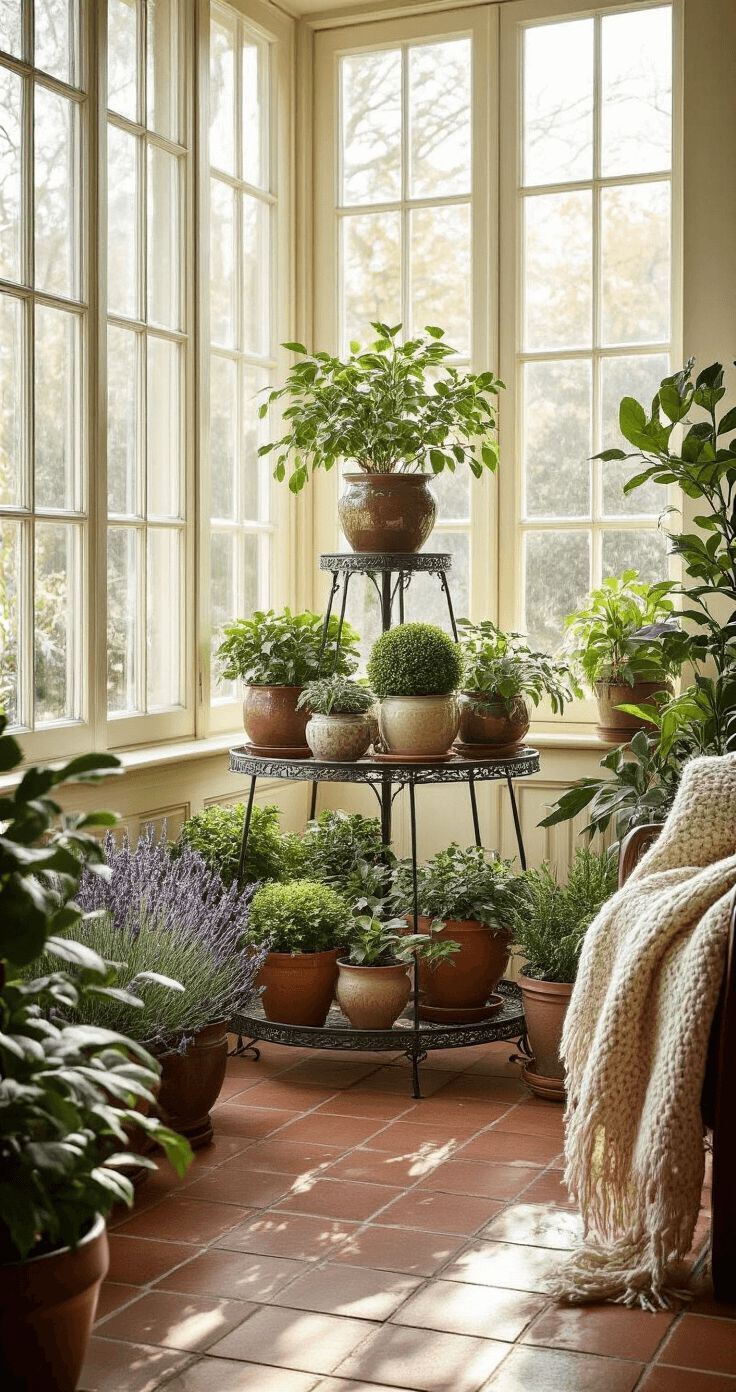
The Cold-Hard Truth About Hardy Plants for Winter Containers
Not all plants are wimps. Some actually prefer the chill.
I learned this the expensive way after killing dozens of pots my first year. Now I stick with proven survivors that laugh at frost.
Here’s my tried-and-true lineup:
- Lavender — This Mediterranean beauty handles temps down to -15°C like a champ, giving you purple flowers and that gorgeous scent even in cold weather. I’ve got lavender plants sitting on my front steps right now, completely unbothered by the freeze.
- Japanese maple — Dark red leaves that look absolutely stunning against snow. Low-maintenance? Check. Drama? Double check.
- Geraniums — Not your grandmother’s summer geraniums. The hardy varieties come in tons of species and will outlast pretty much everything else in your winter garden.
- Boxwood — Green all year, every year. These evergreen shrubs are the backbone of my winter containers because they never look dead or ratty.
- Winter heath (Erica carnea) — Blooms from December through April in whites and pinks when literally nothing else is flowering. It’s like having a little miracle in a pot.
- Hydrangea — Those spectacular blooms dry beautifully on the plant, giving you winter interest even after they’ve finished flowering.
- Holly — Bright red berries plus evergreen leaves equals instant winter charm. Frost doesn’t even slow it down.
- Dwarf mountain pine — Compact alpine tough guy that requires basically zero attention once planted.
- Coral bells — These come in wild colors: purple, yellow, caramel, green. The foliage alone makes the pot interesting all winter long.
- Violas — Actual flowers blooming in winter. Cold-resistant and cheerful when you need it most.
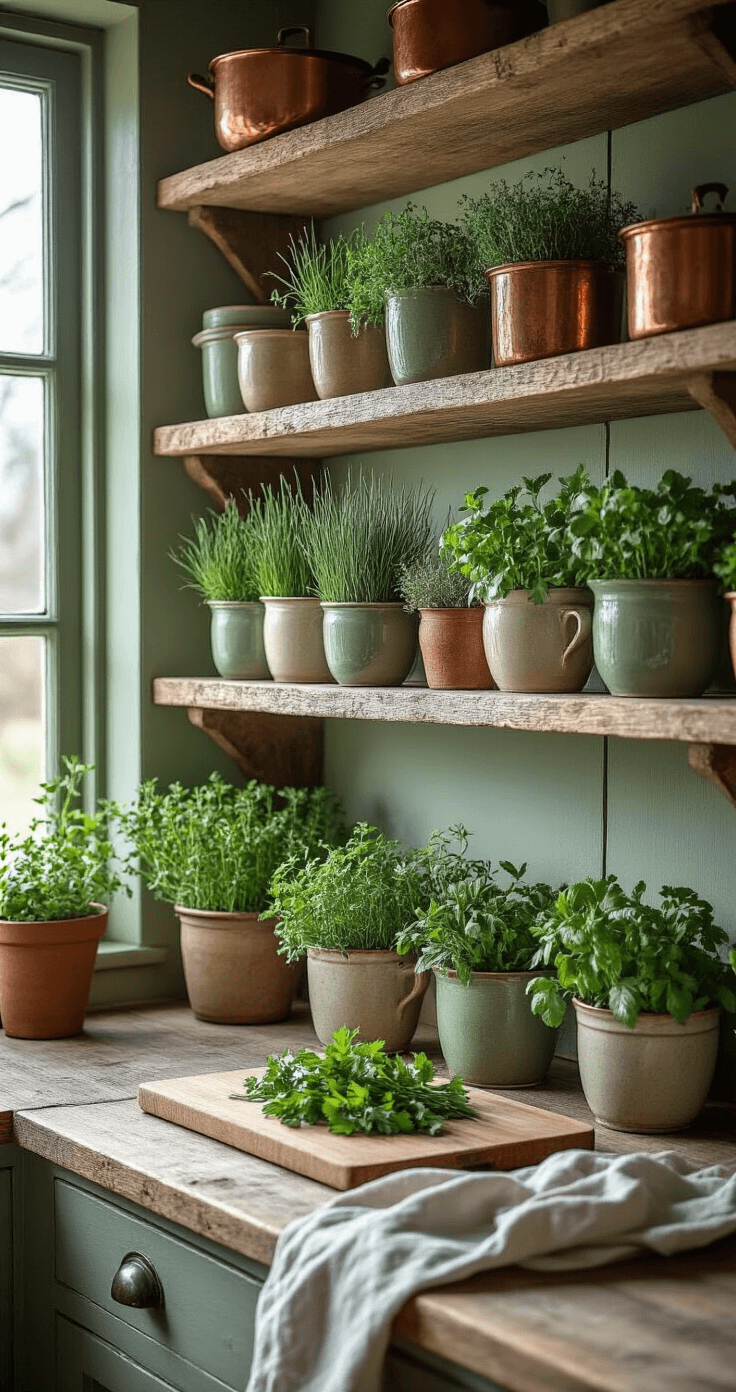
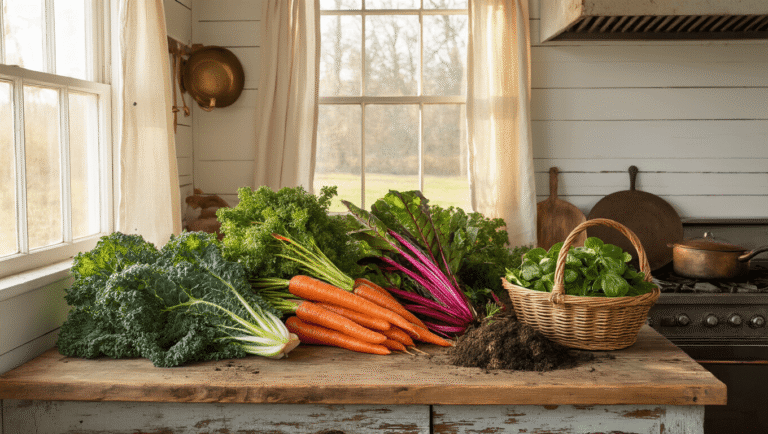
- Cold-hardy herbs — Chives, mint, oregano, parsley, sage, and thyme all survive winter in containers. Fresh herbs in February? Yes, please.
How to Actually Keep Winter Potted Plants Alive (Four Methods That Work)
You can’t just leave pots sitting on your deck and hope for the best. Roots are the vulnerable part, not the stems or leaves. When roots freeze solid in a pot, your plant is toast.
Here’s what actually works:
Burial in Soil (My Personal Favorite)
Sink your entire container into the ground. The surrounding earth acts like a massive insulator, keeping temperatures stable. Add mulch on top for extra protection.
I do this with my expensive decorative ceramic pots every fall. It’s work, but it beats losing a $50 pot to freeze-cracking.
Grouping with Protection (The Lazy Person’s Method)
Cluster all your pots together on the north or east side of your house, away from wind. Then pile straw, leaves, or wood chips heavily around and between them.
The pots protect each other, and the mulch does the rest. This is what I do with my herb collection because I’m not digging twenty holes.
Indoor Storage (For the Truly Delicate)
Unheated garage or basement, kept between 40-60°F. Not warm, not frozen. Just dormant and waiting for spring.
I park my fig tree in the garage every November because it’s hardy to my zone but not quite tough enough in a pot.
Insulating Wraps (When You Can’t Move Anything)
Cover grouped pots with straw, bark mulch, evergreen boughs, or thermal blankets. Or go full-on protective mode: put pots inside boxes or wire enclosures, then stuff the gaps with bubble wrap.
I’ve used old moving blankets wrapped around particularly precious containers. It looks ridiculous but works beautifully.
Winter Care Guidelines That Actually Matter
Forget complicated schedules. These four rules will keep your winter potted plants thriving:
Water Moderately
Keep soil moist, not wet. Moist soil freezes slower than dry soil. Plus, roots keep drinking even during dormancy, just less.
I check my pots every two weeks and water if the soil feels dry two inches down.
Stop Feeding Them
No fertilizer during winter. None. Zero. Plants are sleeping, not growing.
Resume in spring when you see new growth starting.
Size Matters (Go Big)
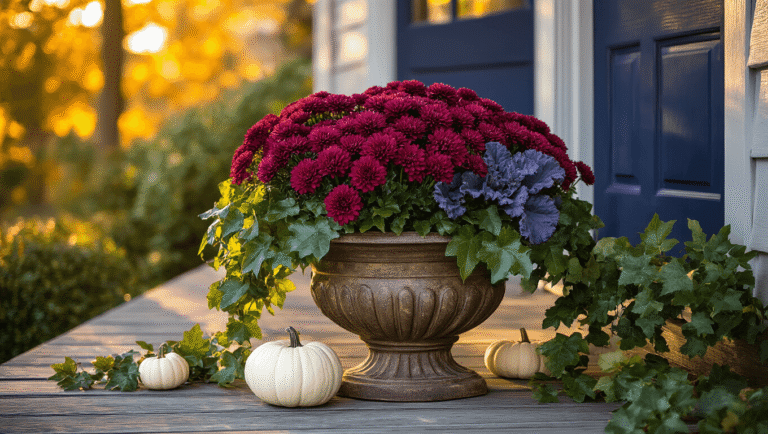
Larger pots protect roots better than small ones. More soil mass = more insulation.
I won’t put anything I want to overwinter into a container smaller than 12 inches across. Learned that lesson after losing three small pots in one cold snap.
Remove Protection Gradually in Spring
Don’t rip off all the winter mulch on the first warm day. Plants need time to re-acclimate to changing temperatures.
I uncover mine slowly over two or three weeks in early spring.
The Bottom Line on Winter Potted Plants
You don’t need to surrender your container garden to winter.
Choose hardy plants that can handle the cold. Protect their roots with one of these four methods. Water occasionally, skip the fertilizer, and use appropriately sized containers.
My deck looks alive all winter now instead of like a plant cemetery. Yours can too.
The secret isn’t complicated—it’s just about picking the right plants and giving their roots a fighting chance against the freeze.
<img src


[…] planters to 18-inch urns. The difference in plant survival rates shocked me. Nearly 90% of my winter plants now make it through even the harshest cold […]