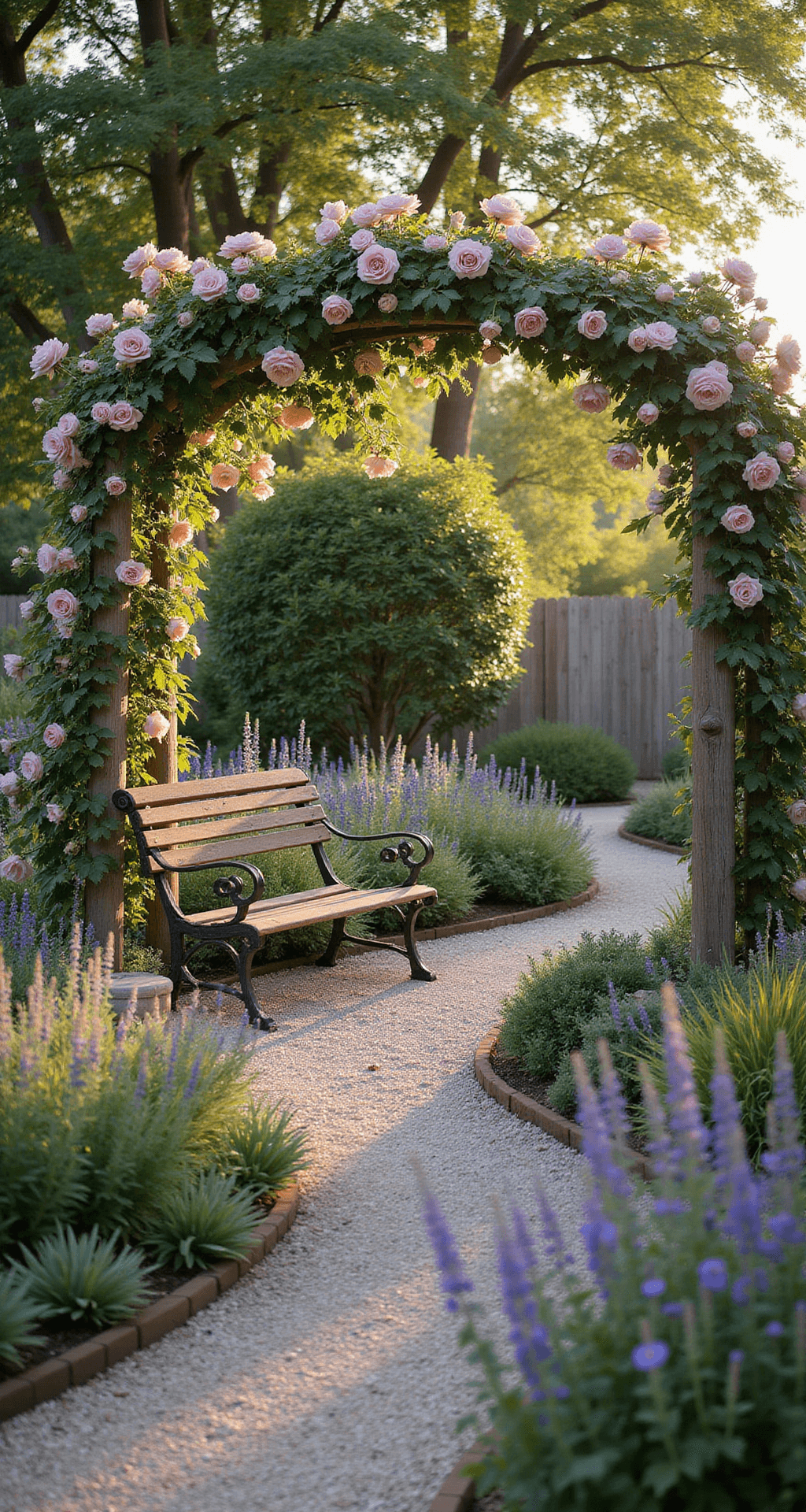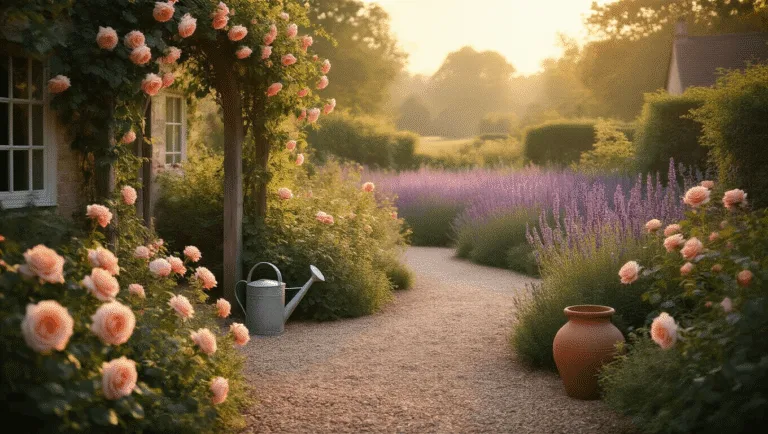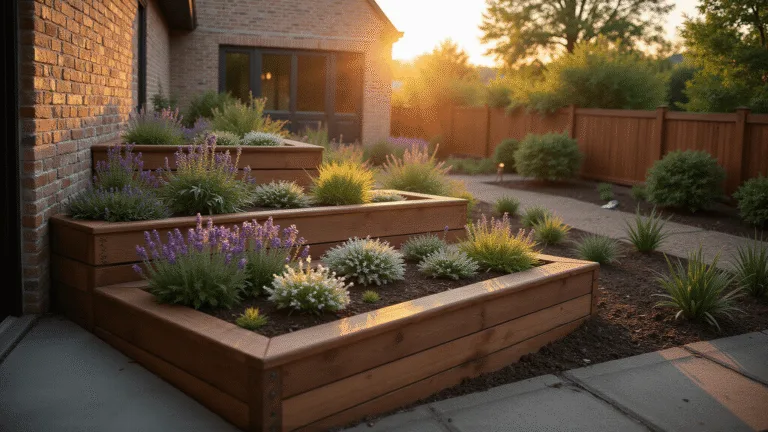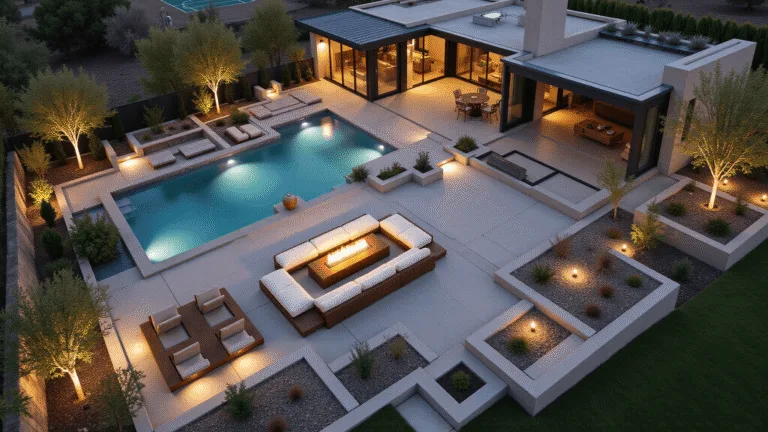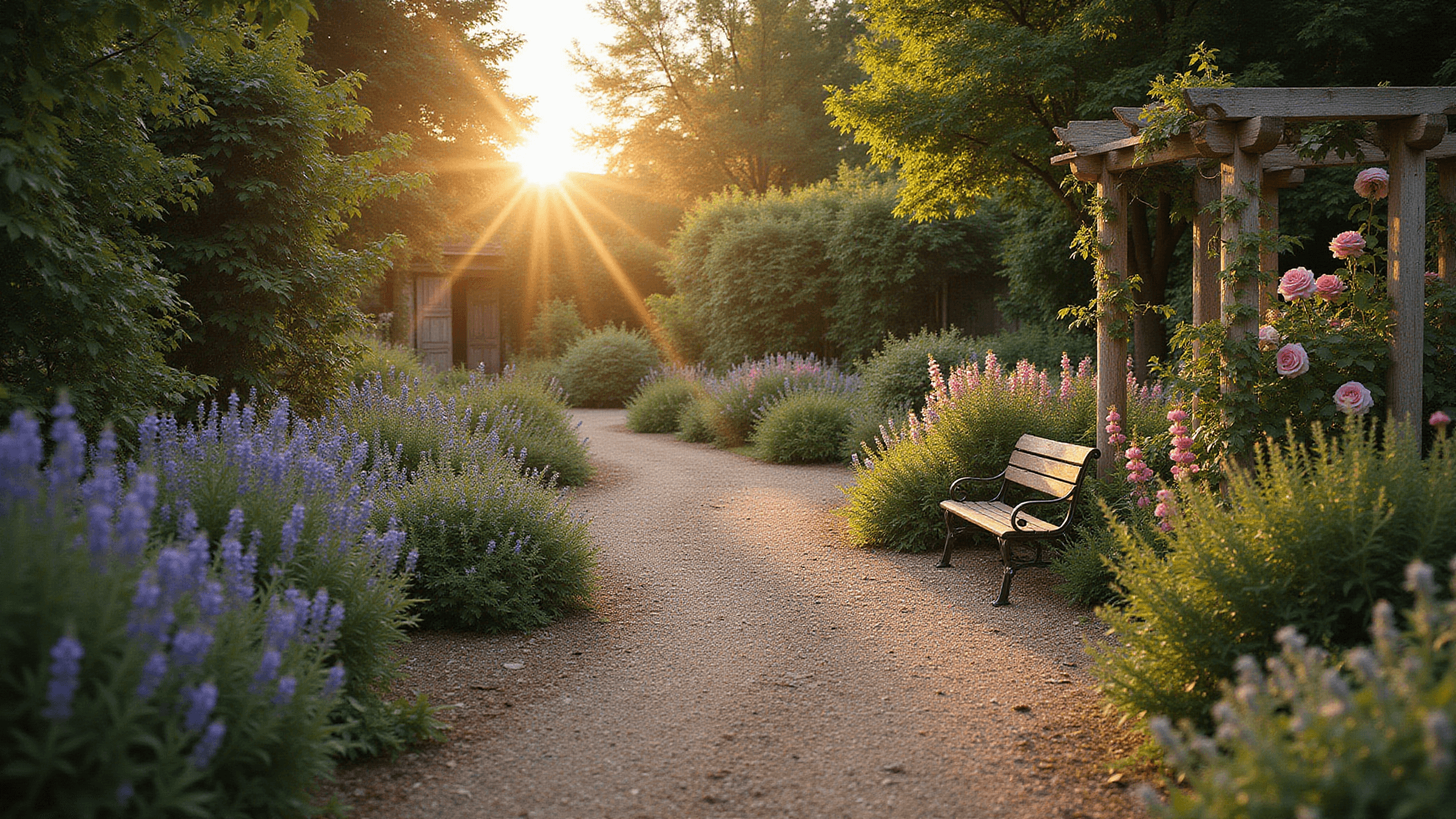
A photorealistic wide-angle shot of a dreamy cottage garden at sunset, featuring winding gravel paths, blooming David Austin roses, and layered flower beds with delphiniums, foxgloves, and lavender, alongside a vintage wrought iron bench, all bathed in warm golden light with soft bokeh effects.

Design Your Dream Backyard Garden: A Complete Layout Guide for Beginners and Pros

This post may contain affiliate links. Please see my disclosure policy for details.

Hey there, garden enthusiasts!

Ever stared at your backyard and felt overwhelmed about creating the perfect garden layout? You’re not alone. I’m about to break down everything you need to know about designing a garden that’s both stunning and super functional.

A dreamy cottage garden at golden hour, featuring winding gravel pathways, climbing roses on arbors, a variety of colorful flowers, and a vintage metal bench amidst flowering perennials, all bathed in soft evening sunlight.

💡 Pro Tip: Anchor your garden layout with a central focal point—like a specimen tree or water feature—and arrange beds in radiating or grid patterns from that anchor to create visual flow that guides the eye through the space.
✋ Avoid This: Avoid placing your tallest plants along the northern edge of beds, which casts shadows that stunt smaller plants; instead, position height strategically to create layered depth without blocking light.

There’s something deeply satisfying about a garden that actually works with your daily routine—where the herbs are steps from the kitchen and the seating catches evening light just right.

Why Garden Layout Matters More Than You Think

Let’s get real. A thoughtful garden layout isn’t just about looking pretty. It’s about:

  • Maximizing your growing space
  • Ensuring healthy plant growth
  • Creating a space you’ll actually enjoy working in
  • Boosting your property’s aesthetic appeal

First Things First: Location, Location, Location

🌞 Sunlight is Your Garden’s Best Friend
  • Most veggies need 5+ hours of direct sunlight daily
  • Watch how shadows move across your yard
  • Avoid low-lying areas that collect water
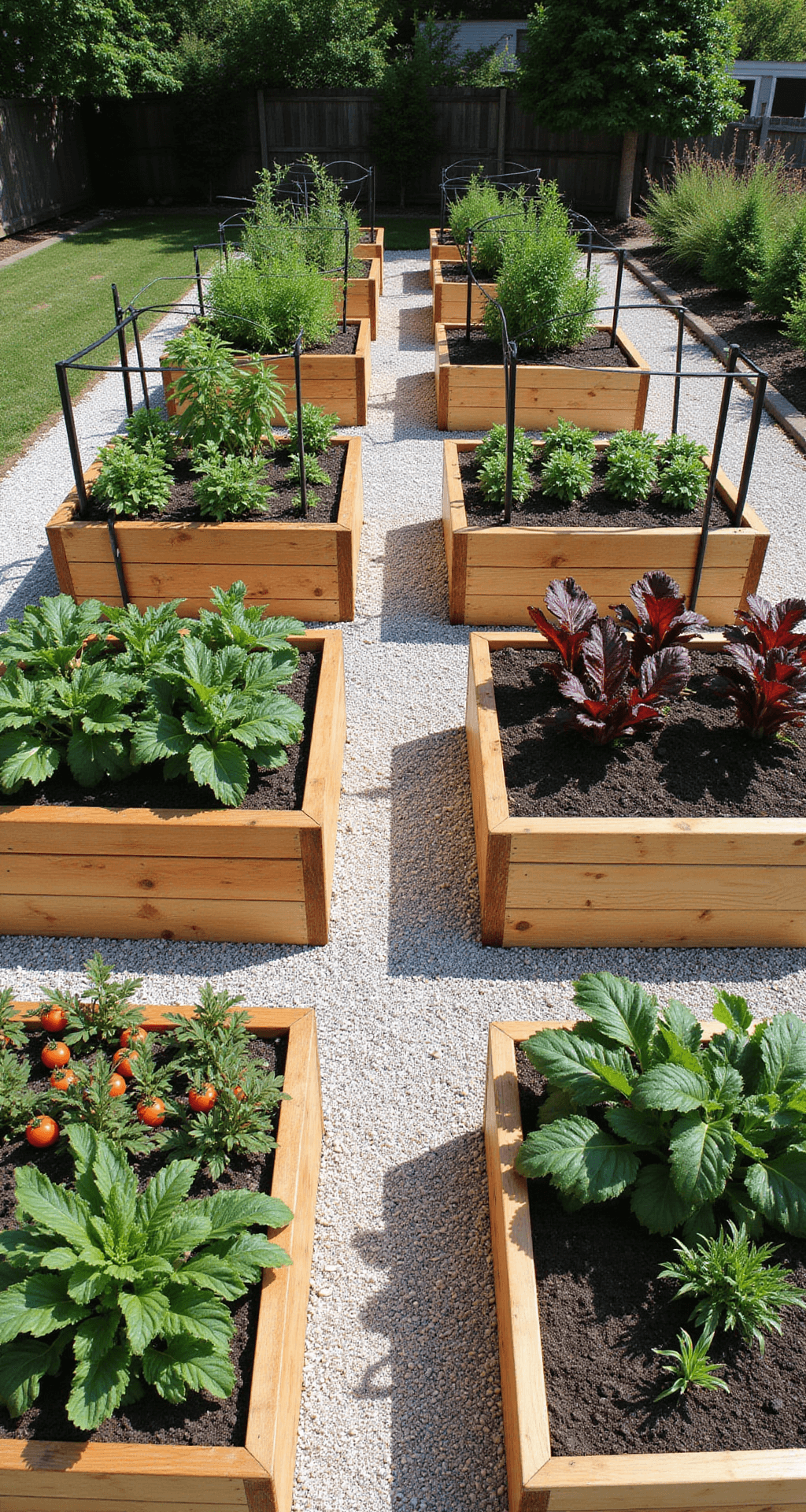
Aerial view of a modern raised bed garden featuring six 4x8ft cedar beds with organized rows of diverse vegetables, including tomatoes on trellises, leafy greens, and rainbow Swiss chard, separated by 3ft wide stone dust paths, all captured in bright morning light.

💡 Pro Tip: Position your main raised beds running north-south to maximize sun exposure on both sides, and place taller crops like tomatoes on the northern edge so they don’t shade shorter plants.
✋ Avoid This: Avoid planting directly against dark-colored walls or fences that absorb heat and can scorch delicate foliage during peak summer months.

There’s something deeply satisfying about standing in your backyard at golden hour, mapping the sun’s path with a cup of coffee in hand—this quiet observation becomes the foundation of every successful harvest to come.

Garden Layout Styles: Pick Your Flavor

1. Traditional Row Gardens
  • Classic approach
  • Works great for larger spaces
  • Easy maintenance access
2. Raised Bed Magic

Pro Tip: Raised beds are gardening game-changers

Raised Bed Specs:

  • Minimum height: 6 inches
  • Recommended height: 12-24 inches
  • Ideal bed width: 3 feet
  • Pathway width: 2-3 feet between beds

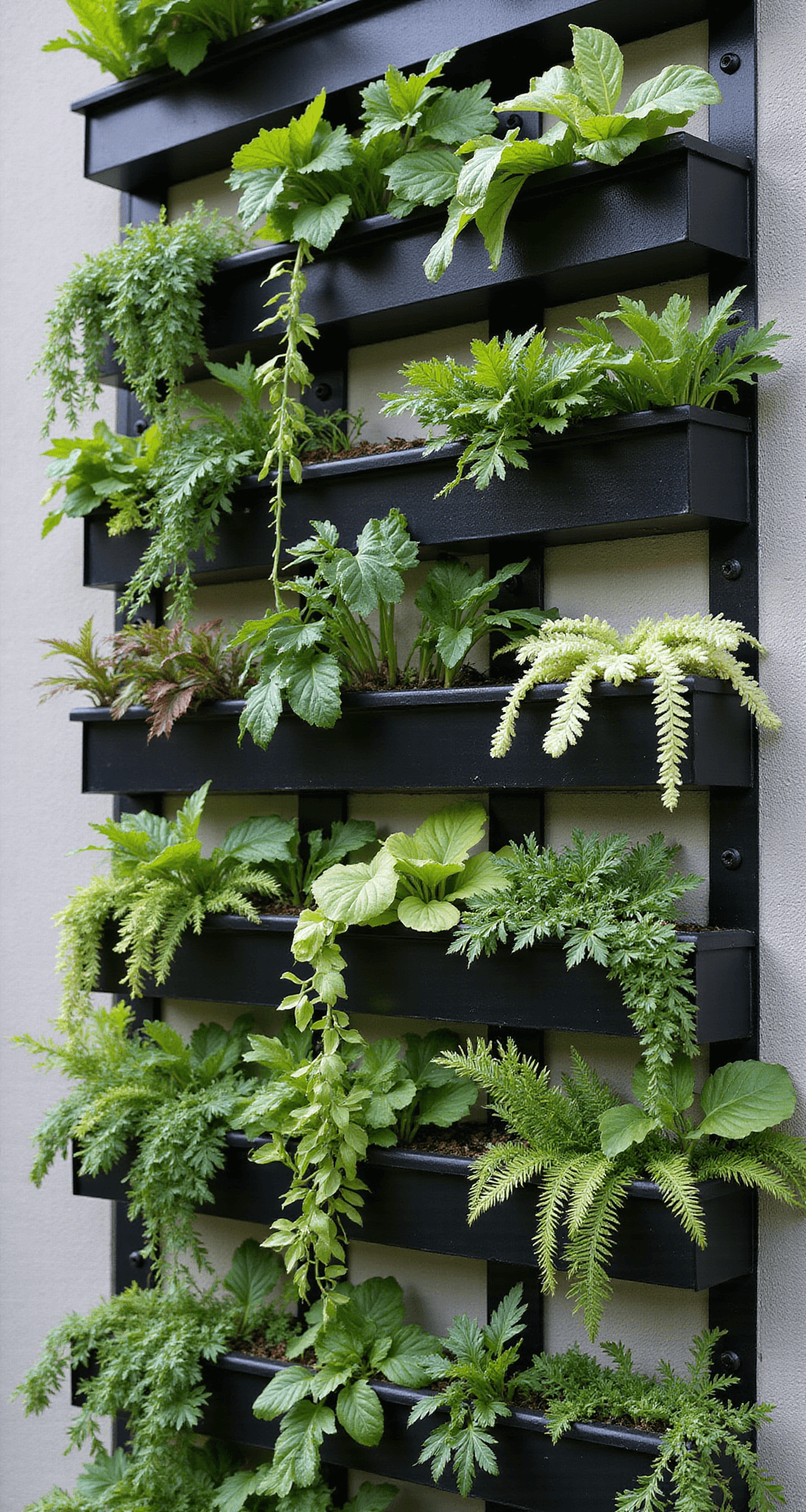
Close-up of a 12ft tall vertical garden wall featuring modular black metal planters overflowing with trailing vines, ferns, and compact vegetables, captured in diffused afternoon light. Water droplets glisten on the foliage, showcasing an organized pattern of alternating plants against a modern concrete facade.

3. Vertical Gardening: Small Space, Big Impact

Why go horizontal when you can go vertical?

Vertical Gardening Perks:

  • Maximizes limited space
  • Creates stunning visual interest
  • Perfect for urban gardeners
  • Supports climbing plants like beans and cucumbers
★ Pro Tip: Layer your vertical elements by height—tall trellises at the back, medium obelisks in middle ground, and hanging baskets at eye level—to create depth even in narrow spaces.
⚠ Avoid This: Avoid placing all your beds flush against fences or walls; you need 18-24 inches of working space behind each structure for proper maintenance access and airflow.

There’s something deeply satisfying about walking your own garden paths at dawn with coffee in hand—this is the room where patience literally bears fruit, and every season teaches you something new about your own rhythms.

Design Themes to Spark Your Creativity

  • Cottage Garden: Wildly romantic, mix of flowers and edibles
  • Sensory Garden: Focus on fragrant and textural plants
  • Perennial Paradise: Low-maintenance, returns year after year
  • Urban Oasis: Compact, multi-functional design
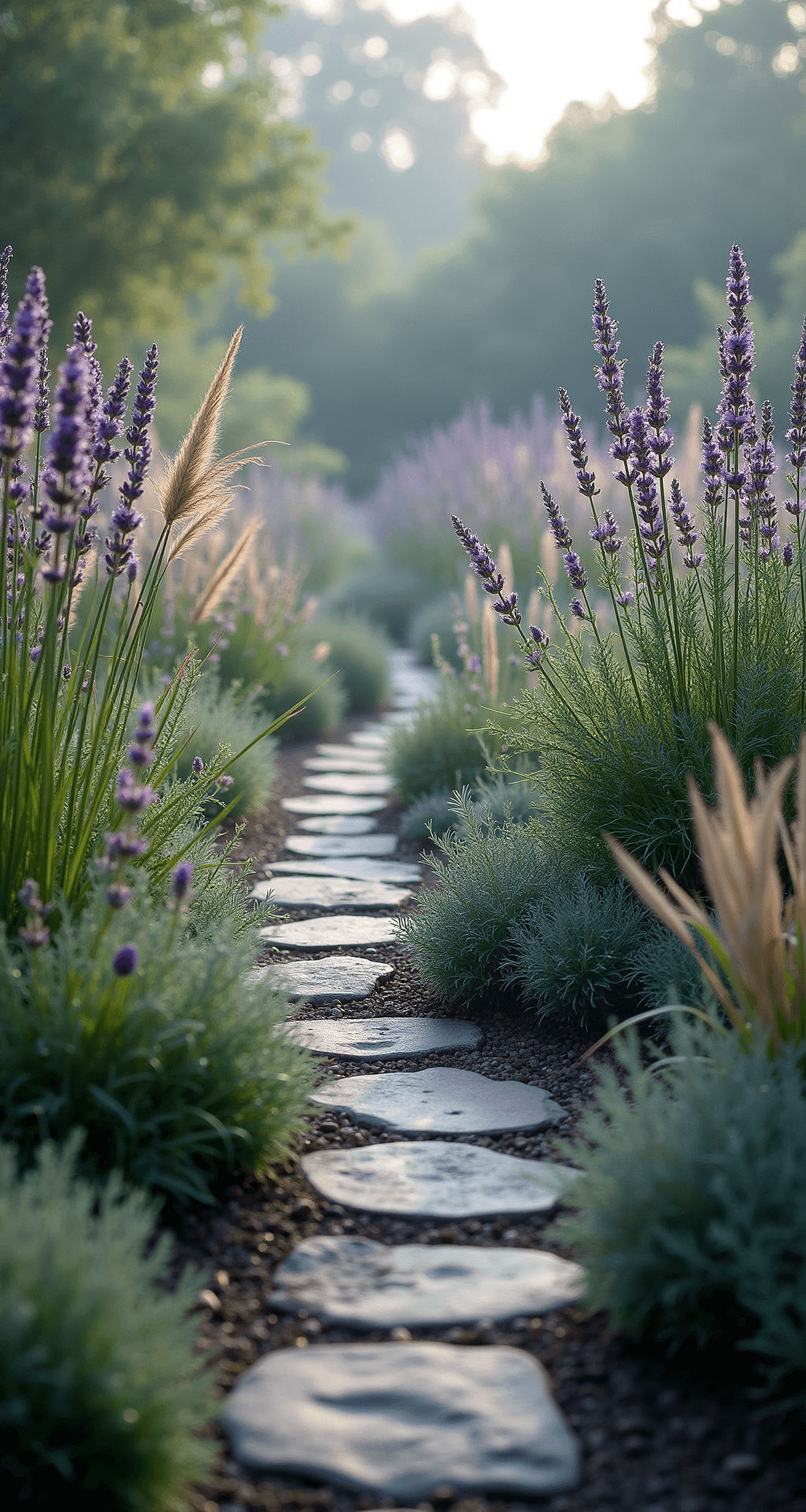
A serene ground-level view of a sensory garden in early morning mist, showcasing a curved pathway bordered by aromatic herbs like lavender, thyme, and sage with dewdrops on their silvery foliage. Tactile elements such as lamb's ear and ornamental alliums add depth, while natural stone pavers lead to a small meditation area, all illuminated by soft morning light in a muted palette of silvery greens, purple-blues, and warm stone tones.

★ Pro Tip: Anchor your cottage garden theme by clustering plants in odd-numbered drifts of 3, 5, or 7 rather than lining them in rows—this mimics natural growth patterns and creates that coveted ‘effortlessly wild’ look that takes intentional planning to achieve.
🛑 Avoid This: Avoid mixing more than three distinct design themes in one backyard, as competing aesthetics dilute the emotional impact and make the space feel cluttered rather than curated. Resist the urge to over-mulch; a 2-inch layer preserves soil health while letting self-seeders naturalize your cottage garden over time.

There’s something deeply satisfying about a garden that feels discovered rather than installed—where foxgloves pop up between path stones and the scent of lavender hits you before you see it. These themes aren’t just visual choices; they’re invitations to slow down and notice.

Pro Planning Strategies

Sun Mapping
  • Place sun-loving plants in brightest spots
  • Tuck shade-tolerant plants in cooler areas
Smart Plant Placement
  • Edge plants like squash? Put them on garden boundaries
  • Tall plants at the back
  • Short plants in front

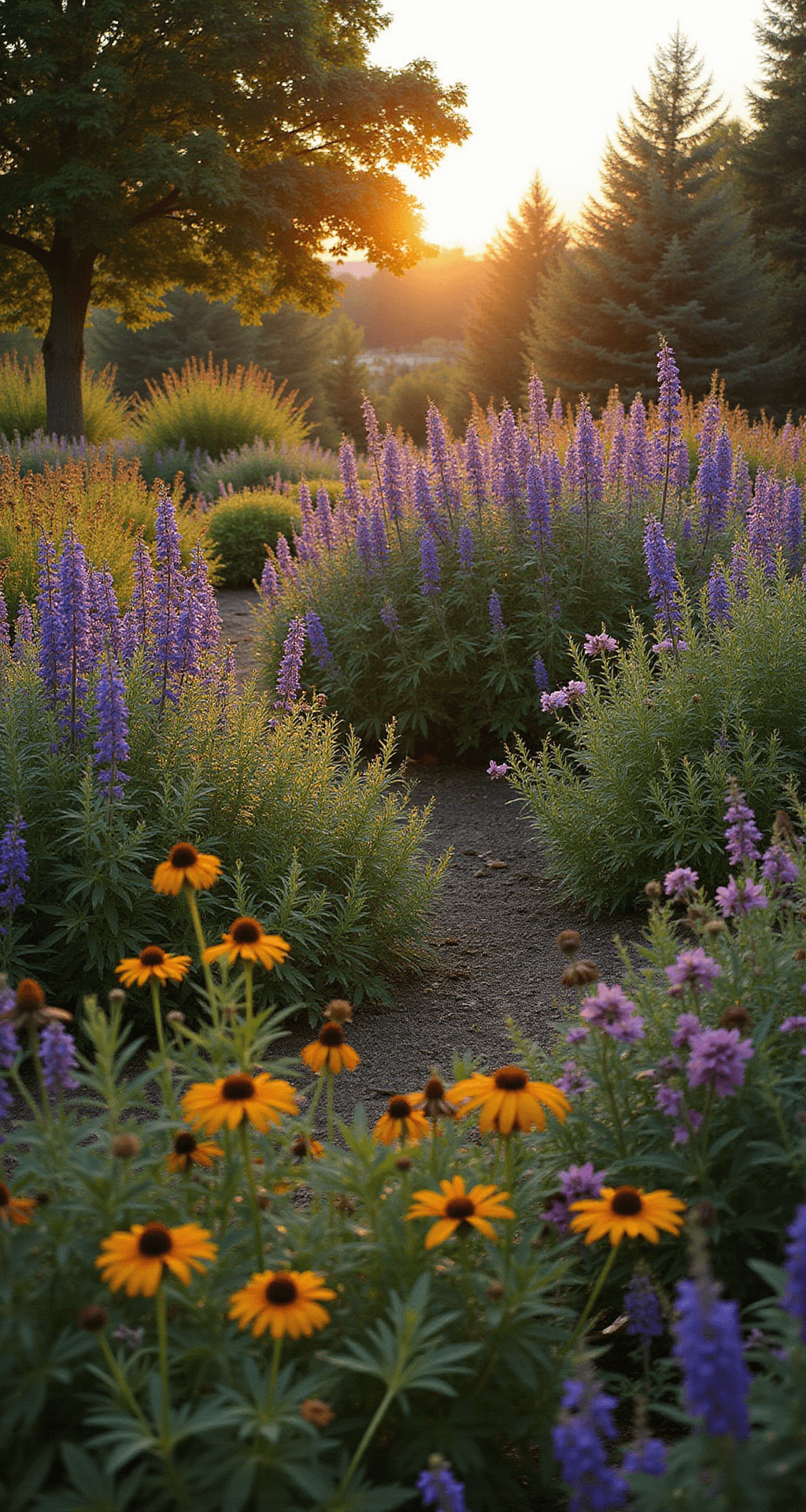
Wide shot of a vibrant mature garden at sunset, featuring layered plantings with tall joe-pye weed and Russian sage at the back, mid-height coneflowers, and shorter hardy geraniums, all illuminated in golden light, showcasing rich colors of deep purples, golden yellows, and copper seed heads, with natural drifts of plants creating a serene flow.

💡 Pro Tip: Before planting anything, spend one full day observing sun patterns in your yard—mark bright, partial, and full shade zones with landscape flags so you plant with precision, not guesswork.
🔥 Avoid This: Avoid placing thirsty vegetables like tomatoes in the hottest afternoon sun pockets without wind protection; they’ll stress, drop blossoms, and produce bitter fruit.

Your backyard garden is where patience meets payoff—every hour spent planning layout now saves you seasons of struggling plants and disappointing harvests later.

Garden Planning Tools You’ll Love

Top Digital Helpers:

  • The Almanac Garden Planner
  • Gardener’s Supply Company Planner
  • Square Foot Gardening Apps

Bonus Tip: Most offer free 7-day trials. Test drive before committing!

Common Beginner Mistakes to Avoid

❌ Don’t:

  • Overcrowd your garden
  • Ignore soil quality
  • Forget crop rotation
  • Plant without a plan

✅ Do:

  • Start small
  • Research your local climate
  • Invest in good soil
  • Plan, then plant

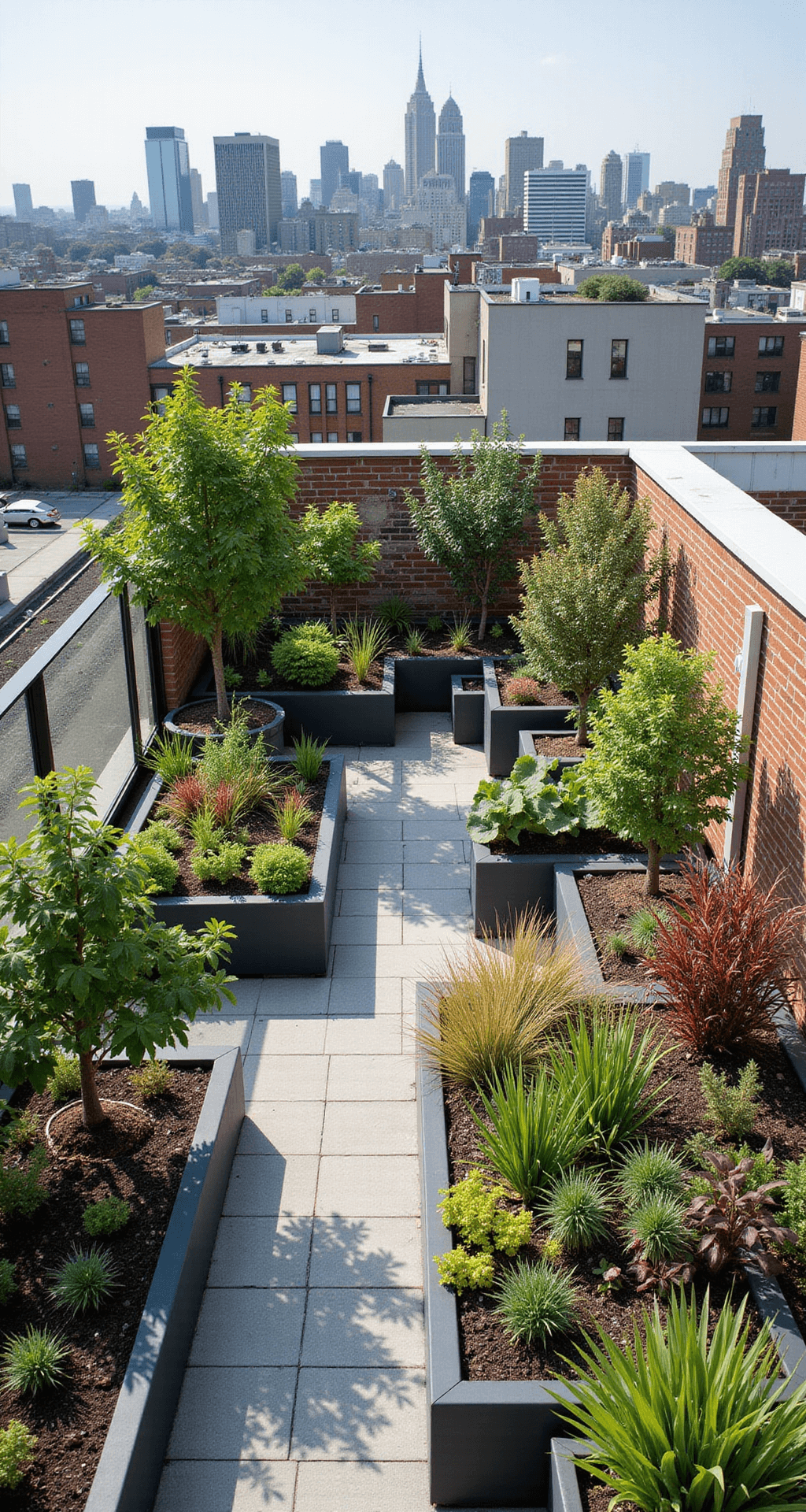
Bird's-eye view of a 20x30ft urban rooftop garden with modern charcoal planters containing dwarf fruit trees, compact vegetables, and ornamental grasses. A steel cable trellis supports climbing plants, while a city skyline is visible in the background. The sharp focus highlights the geometric layout against a contemporary grey hardscape, accented by vibrant plants in bright midday light.

⚡ Pro Tip: Before breaking ground, sketch your layout on graph paper with sun exposure arrows—most beginners underestimate how quickly afternoon shade creeps across a yard and overplant the sunny spots that disappear by July.
⚠ Avoid This: Avoid the temptation to fill every inch of soil immediately; leaving 30% of your beds empty for succession planting prevents the glut-and-grief cycle of overwhelming harvests followed by bare patches.

Every seasoned gardener has killed their share of tomatoes—mistakes are just compost for better decisions next season, so give yourself permission to learn in real dirt rather than waiting for perfect knowledge.

Final Thoughts

Your perfect garden layout is a journey. Don’t aim for perfection—aim for progress. Every season brings new learning and joy.

Remember: Gardening isn’t just about growing plants. It’s about growing yourself.

Happy gardening, friends! 🌱🥬🍅

Sun-mapped garden design featuring graduated plant heights in afternoon light, with tall sunflowers and climbing beans in full sun, transitioning to hostas and ferns in partial shade. A sundial serves as the focal point, surrounded by dynamic layers of greenery and bold flower accents, captured at eye level with a 50mm lens.

🌟 Pro Tip: Create a dedicated ‘garden journal station’ on your potting bench with a waterproof notebook and pencil—documenting what worked each season transforms mistakes into wisdom and gives you a tangible record of your evolution as a gardener.
⛔ Avoid This: Avoid treating your garden layout as permanently finished; rigid adherence to an initial plan prevents the responsive, adaptive gardening that leads to genuine mastery and unexpected delights.

This is the space where patience finally pays off—after all the planning and planting, your garden becomes a mirror showing how you’ve grown alongside your tomatoes and zinnias, season after season.

🔔 Get The Look

2 Comments

Leave a Reply

Your email address will not be published. Required fields are marked *