This post may contain affiliate links. Please see my disclosure policy for details.
Creating a Dreamy Cottage Front Garden: Your Ultimate Guide
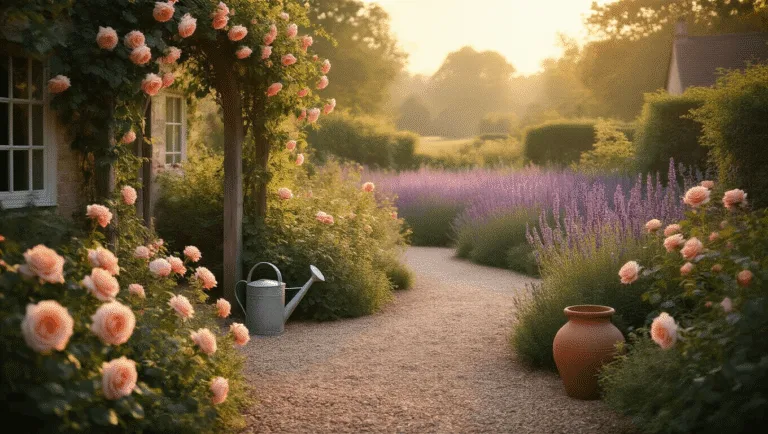
Imagine walking up to a home where soft, billowing flowers dance along a winding path, where every step feels like a journey through a romantic English countryside. That’s the magic of a cottage front garden – and I’m here to show you exactly how to create your own slice of botanical paradise.
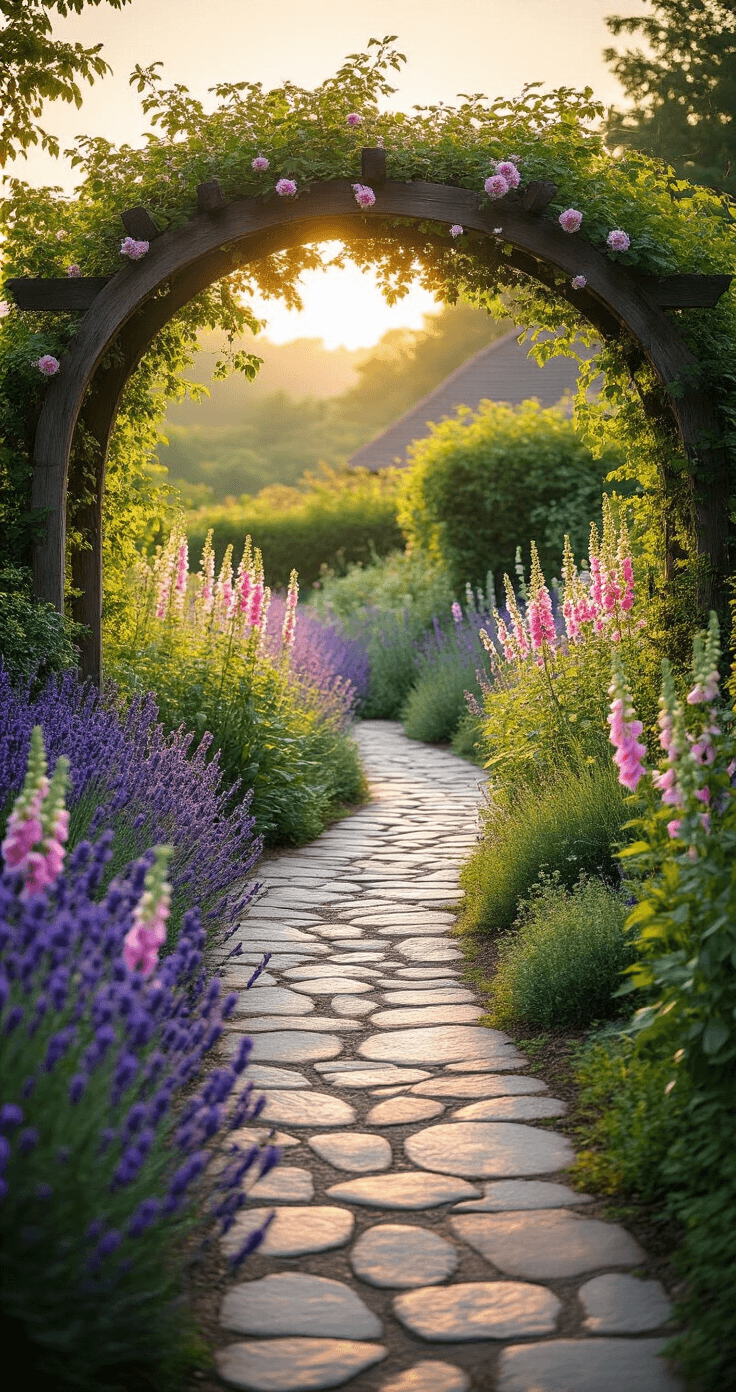
🌟 Steal This Look
- Paint Color: Sherwin-Williams Garden Sage SW 6165
- Furniture: weathered teak garden bench with curved arms and slatted back, positioned beneath a climbing rose arch
- Lighting: vintage-inspired black cast iron lamppost with seeded glass globe, 48-inch height
- Materials: aged limestone pavers with moss joints, crushed gravel pathways, untreated cedar trellises, wrought iron plant supports, terracotta pots with patina
There’s something deeply personal about a cottage front garden—it evolves with you season after season, and no two are ever alike because they reflect the gardener’s own hand and heart.
Why Choose a Cottage Front Garden?
Let’s be real – your front yard is the first thing people see. A cottage garden transforms a plain entrance into a living, breathing work of art that:
- Welcomes visitors with natural beauty
- Creates a soft, inviting atmosphere
- Supports local wildlife
- Requires less maintenance than traditional landscaping
Essential Elements of a Cottage Garden
1. Embrace the Soft, Unstructured Look
Forget rigid, military-precise garden layouts. Cottage gardens are all about:
- Curves over straight lines
- Dense, layered plantings
- Mix-and-match color palettes
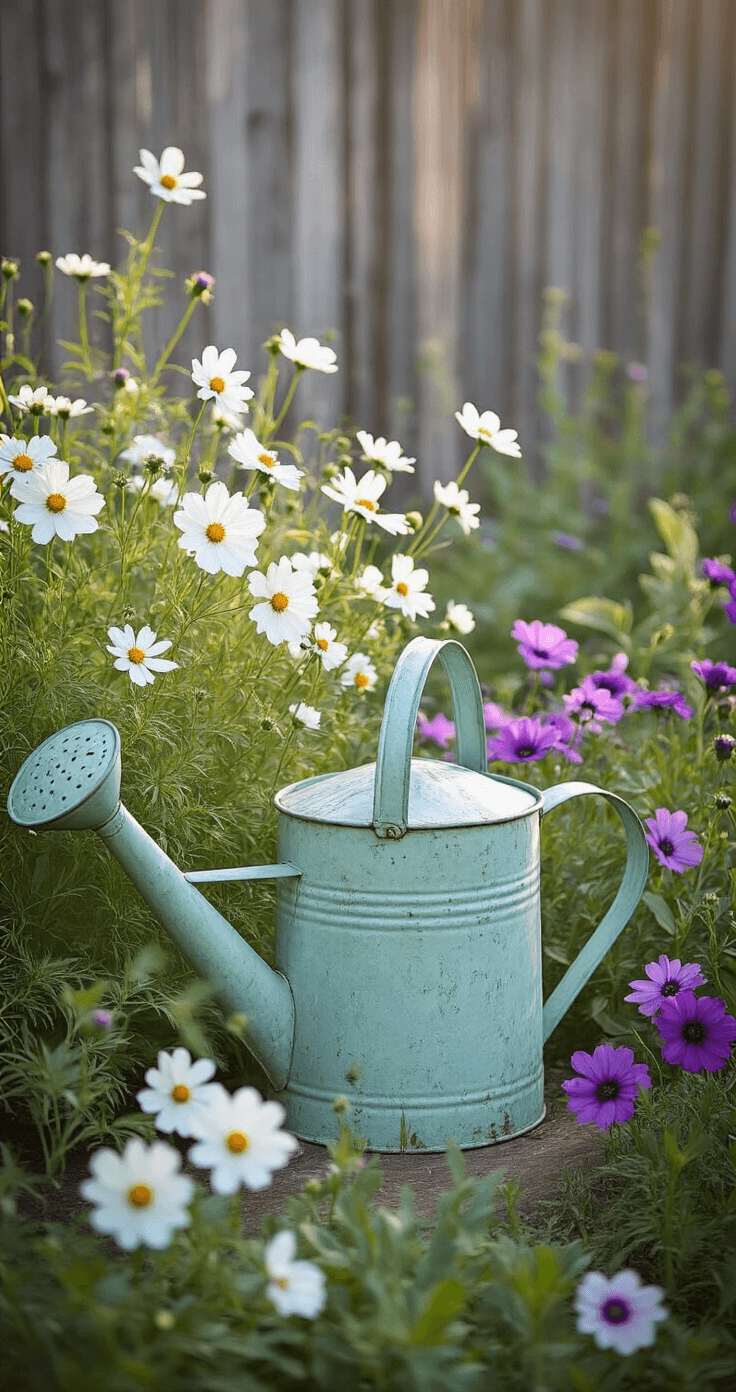
2. Key Plants That Define the Cottage Style
Your garden’s stars should include:
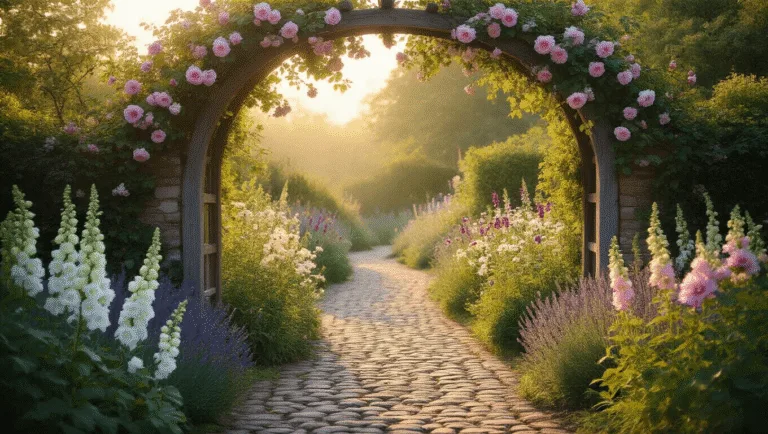
- Foxgloves (tall and dramatic)
- Delphinium (those stunning blue spikes)
- Salvias (for pops of color)
- Climbing roses (classic cottage charm)
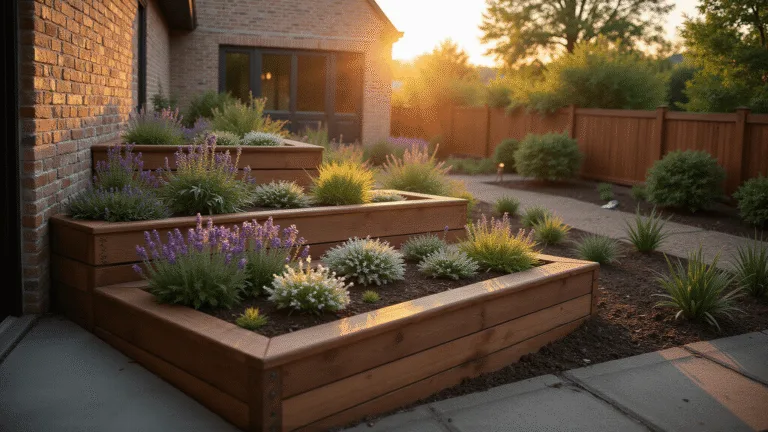
- Lavender (for that quintessential romantic touch)
✎ Steal This Look
- Paint Color: Farrow & Ball Green Smoke 47
- Furniture: weathered teak garden bench with curved backrest and scrolled armrests
- Lighting: antique brass outdoor wall lantern with seeded glass panels
- Materials: limestone gravel paths, reclaimed brick edging, wrought iron trellises, aged terracotta pots
There’s something deeply satisfying about a garden that feels discovered rather than designed—like it evolved over decades of loving, slightly forgetful care.
Getting Started: Your Cottage Garden Roadmap
Preparation Checklist
Tools You’ll Need:
- Gardening gloves
- Spade
- Hand trowel
- Watering can
- Trellis or garden arch
Budget-Friendly Tips:
- Start with seed-grown annuals
- Use perennials that spread naturally
- Repurpose vintage containers as planters
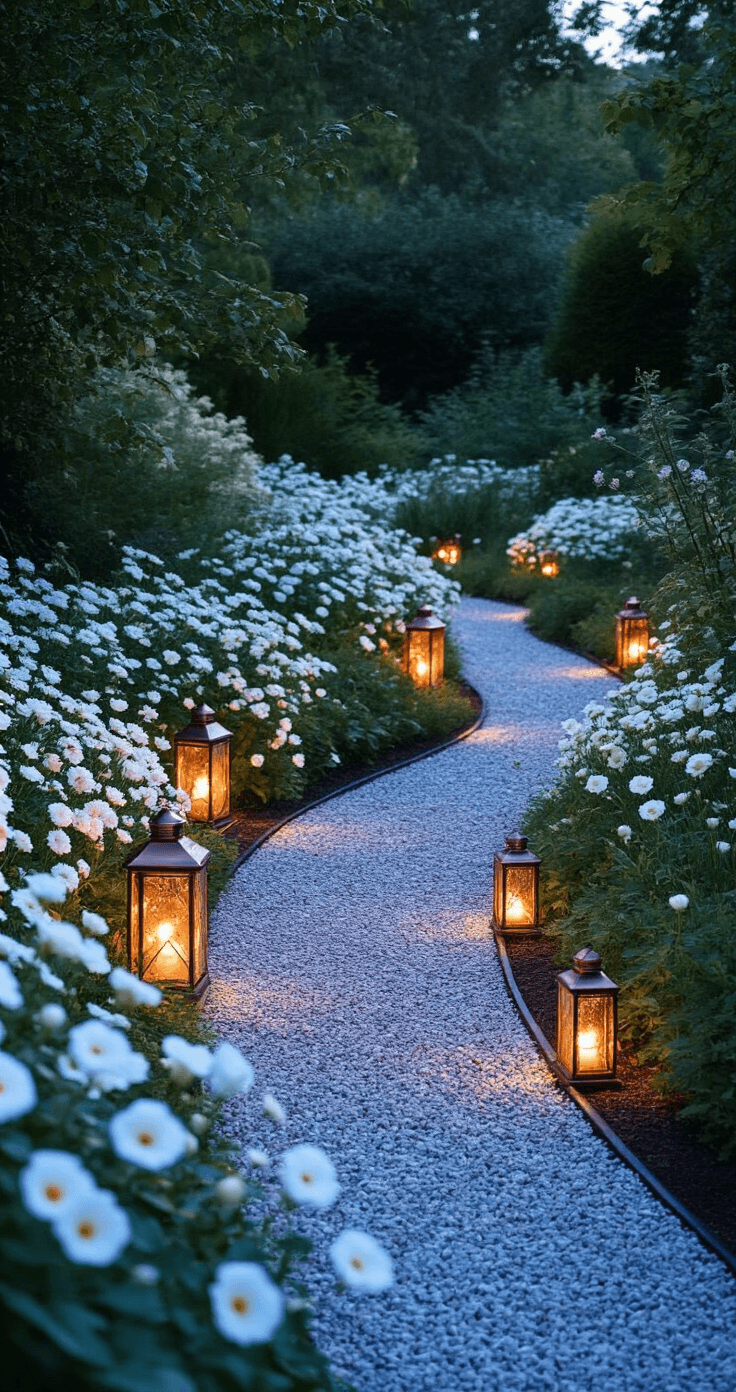
💡 Steal This Look
- Paint Color: Behr Cottage White W-D-600
- Furniture: weathered teak potting bench with zinc top, vintage cast iron garden bench with scroll arms, reclaimed wood ladder for vertical herb display
- Lighting: solar-powered vintage-style lantern string lights with warm 2700K bulbs draped along garden arch
- Materials: aged terracotta, galvanized zinc, reclaimed barn wood, crushed gravel pathways, hand-thrown ceramic pots with crackle glaze
There’s something deeply satisfying about stepping out your front door into a garden you’ve built from seed and salvage—start small this season with just one border bed and let it grow alongside your confidence.
Step-by-Step Garden Creation
- Clear the Canvas
- Remove existing formal borders
- Create gentle, flowing curves
- Design Your Layout
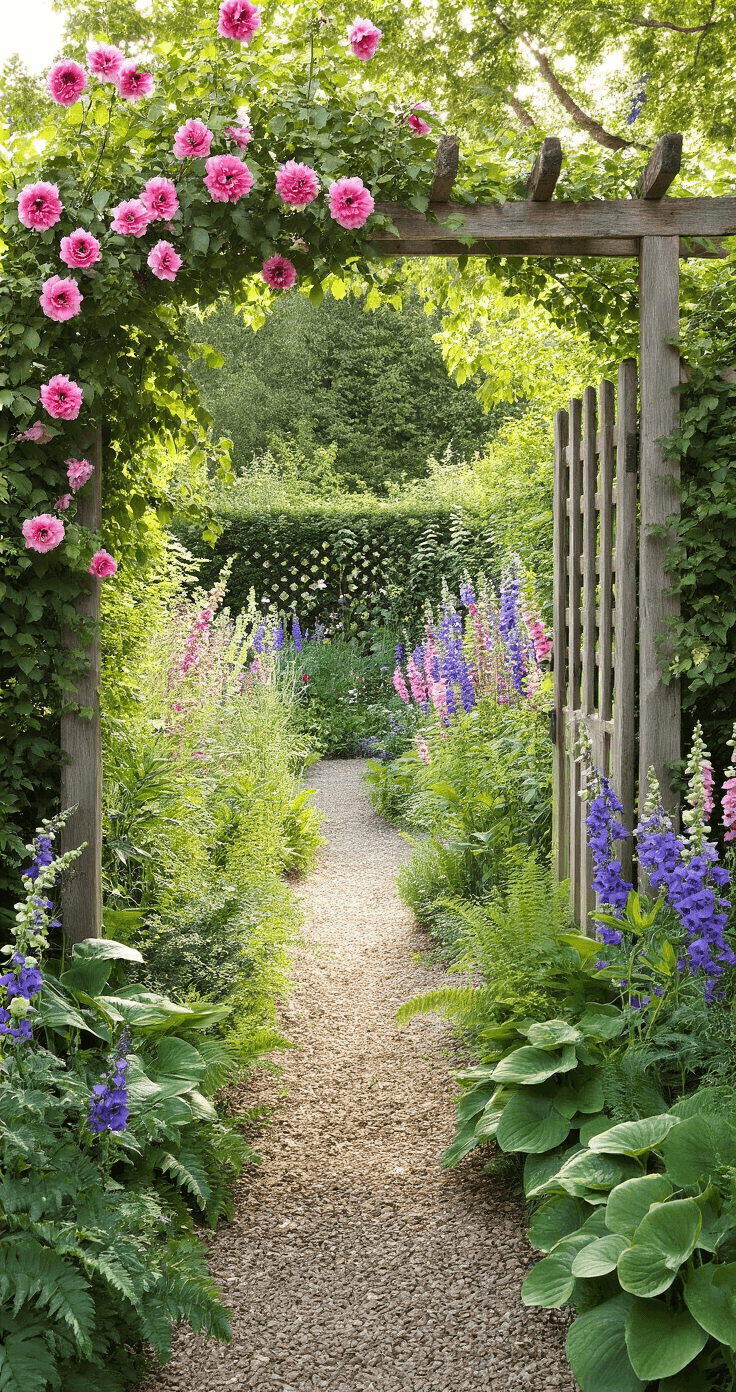
- Plan a welcoming pathway
- Position focal points like trellises
- Think about plant heights and colors
- Plant with Purpose
- Group plants in clusters
- Mix heights and textures
- Leave some space for natural growth
Save this article
Enter your email and we'll send it straight to your inbox.
🎨 Steal This Look
- Paint Color: Valspar Garden Gate 5002-2B
- Furniture: weathered teak garden bench with curved arms, positioned at pathway curve for contemplative seating
- Lighting: solar-powered vintage-style lantern posts with warm 2700K amber glow, staggered along winding path
- Materials: crushed limestone gravel paths, reclaimed brick edging, cedar trellis with natural gray patina, cottage stone walling
There’s something deeply satisfying about watching a garden find its own rhythm—start with structure, then surrender control as plants self-seed and soften your edges over seasons.
🔔 Get The Look
Pro Styling Secrets
Color and Texture Magic
- Blend pastel and vibrant colors
- Use evergreens for structure
- Create layers from ground cover to tall plants
Seasonal Considerations
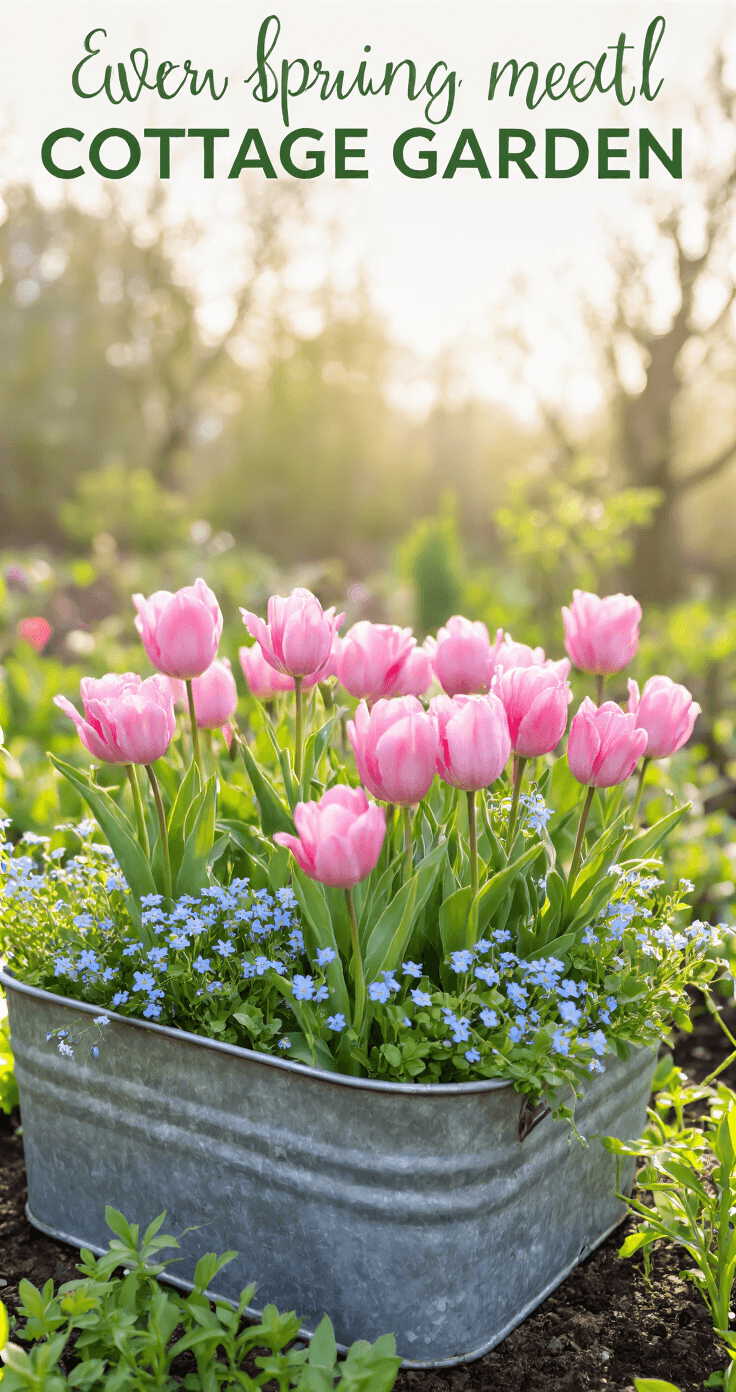
- Spring: Bulbs and early bloomers
- Summer: Peak flowering period
- Fall: Late-season perennials
- Winter: Structural plants and evergreens
★ Steal This Look
- Paint Color: PPG Sage Splendor PPG1125-4
- Furniture: weathered teak garden bench with curved backrest, vintage cast iron bistro set with peeling paint patina, reclaimed wood potting table
- Lighting: solar-powered vintage-style lantern posts with warm 2700K LED, hung from weathered wooden pergola beams
- Materials: cobblestone pathway edging, crushed gravel base layer, aged terracotta planters, woven willow garden obelisks, moss-covered stone
There’s something deeply satisfying about a front garden that feels discovered rather than designed—like it grew there over decades, even if you planted it last spring.
Common Mistakes to Avoid
- Don’t: Create overly manicured spaces
- Do: Let plants intermingle naturally
- Don’t: Ignore your local climate
- Do: Choose plants suited to your region
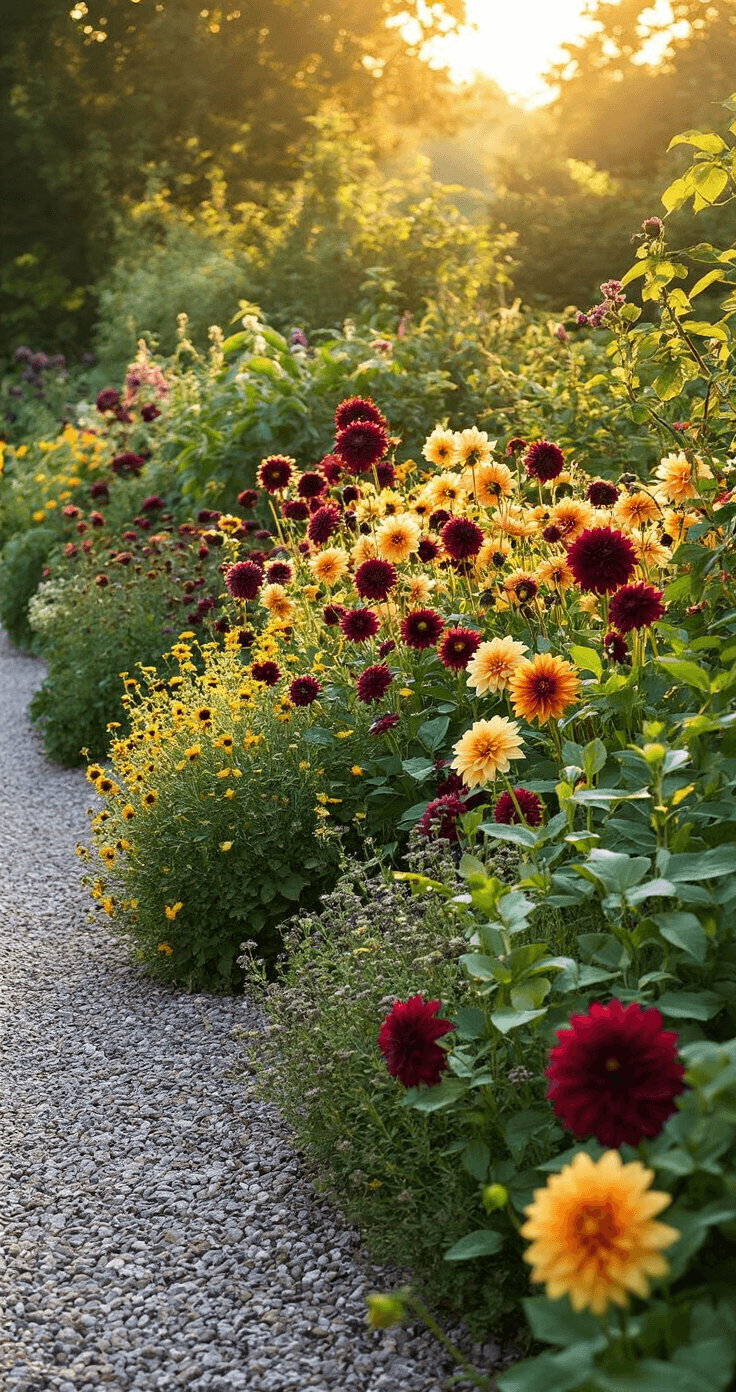
🌟 Steal This Look
- Paint Color: Dunn-Edwards Whisper White DEW 340
- Furniture: weathered teak garden bench with curved arms
- Lighting: galvanized steel shepherd’s hook with seeded glass lantern
- Materials: aged limestone gravel, reclaimed brick edging, untreated cedar trellis, hand-forged iron plant supports
There’s something deeply satisfying about a front garden that looks like it evolved over decades rather than was installed last weekend—your neighbors will swear it’s been there forever.
Maintenance Made Easy
Cottage gardens are wonderfully forgiving. Focus on:
- Regular but light pruning
- Allowing some natural self-seeding
- Embracing a bit of controlled wildness
Budget and Time Investment
Initial Setup:
- Weekend project
- $200-$500 depending on plant selection
- Ongoing maintenance: Minimal
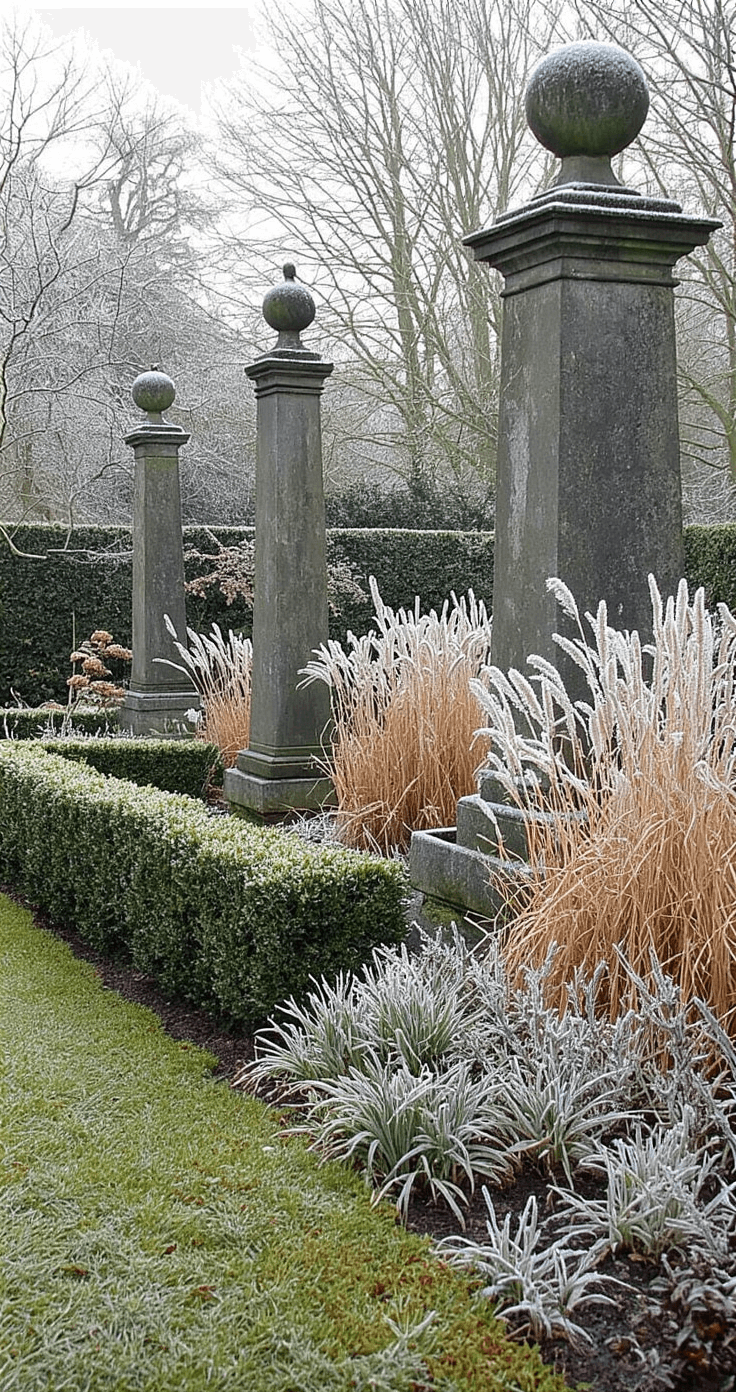
💡 Steal This Look
- Paint Color: Fine Paints of Europe Hollandlac Brilliant Tulip Green HL-404
- Furniture: weathered teak potting bench with galvanized zinc top
- Lighting: antique brass shepherd’s hook lantern with seeded glass
- Materials: crushed oyster shell pathways, reclaimed brick edging, galvanized metal watering cans, linen cushion covers for wooden bench seating
This is the garden that greets you after a long day, the one neighbors slow down to admire—it’s worth the Sunday afternoon sweat to create something that feels like it’s always been there.
Final Thoughts
A cottage front garden isn’t just landscaping – it’s creating a living, breathing welcome mat that tells a story. It whispers of romance, invites butterflies, and turns your home’s entrance into a magical space.
Start small, be patient, and let your garden evolve. Your cottage garden journey is about joy, not perfection.
Pro Tip: Take lots of photos! Your garden will change beautifully over seasons, and you’ll want to document every magical transformation.
Keep this one for later
We'll email you the link so you can come back to it.