
This post may contain affiliate links. Please see my disclosure policy for details.
Designing the Perfect Cottage Garden Fence: Where Charm Meets Function
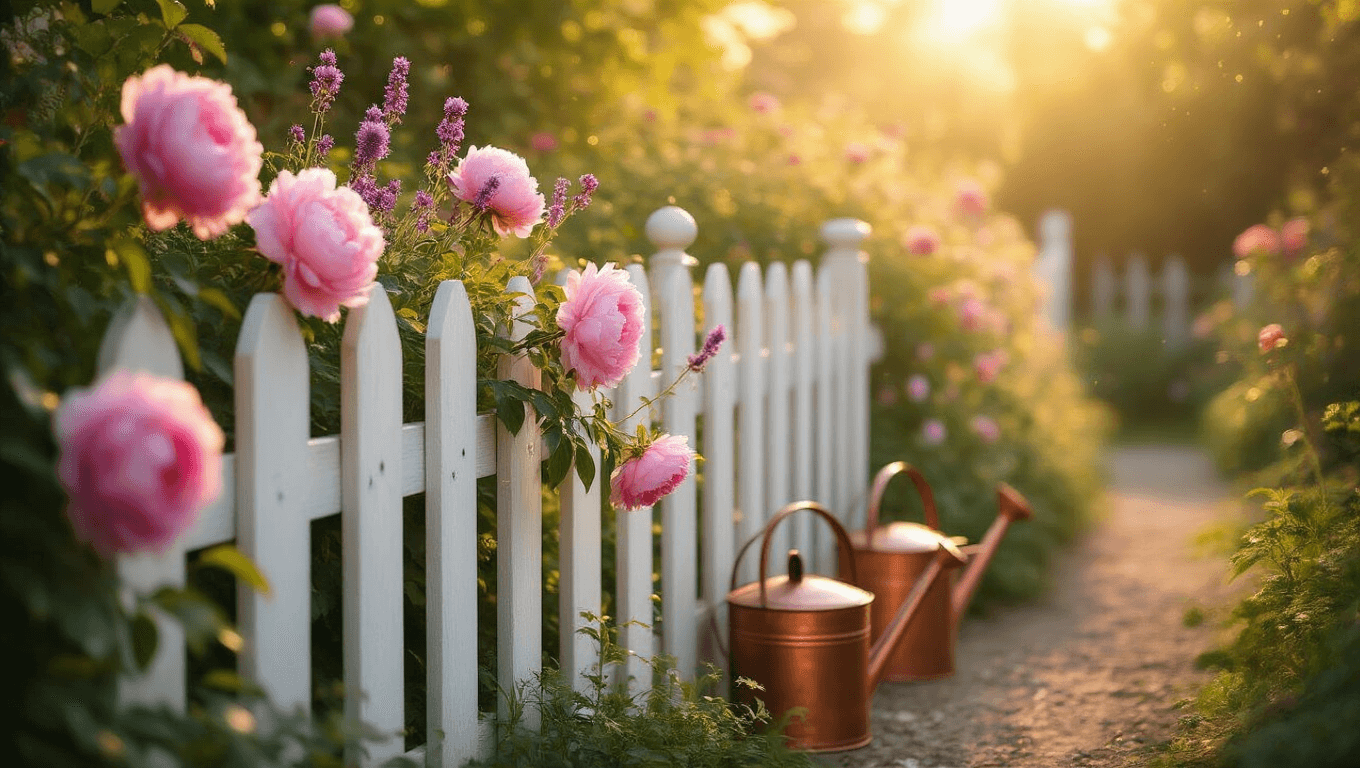
I’ve spent years transforming gardens, and let me tell you, a cottage garden fence is more than just a boundary—it’s a storytelling element that breathes life into your outdoor space.
🎨 Steal This Look
- Paint Color: Sherwin-Williams Garden Sage SW 6165
- Furniture: weathered teak potting bench with zinc top
- Lighting: vintage-inspired gooseneck barn sconce in aged copper
- Materials: rough-sawn cedar pickets, hand-forged iron hinges, climbing English ivy, crushed limestone path
There’s something deeply satisfying about a fence that looks like it grew there rather than was installed—I’ve watched neighbors slow their walks just to touch the weathered grain and breathe in the jasmine I’ve trained along the rails.
Why Cottage Garden Fences Matter
Imagine walking into a garden where boundaries blur between structure and wild beauty. That’s the magic of a cottage garden fence.
Types of Cottage Garden Fences That Will Make Your Neighbors Swoon
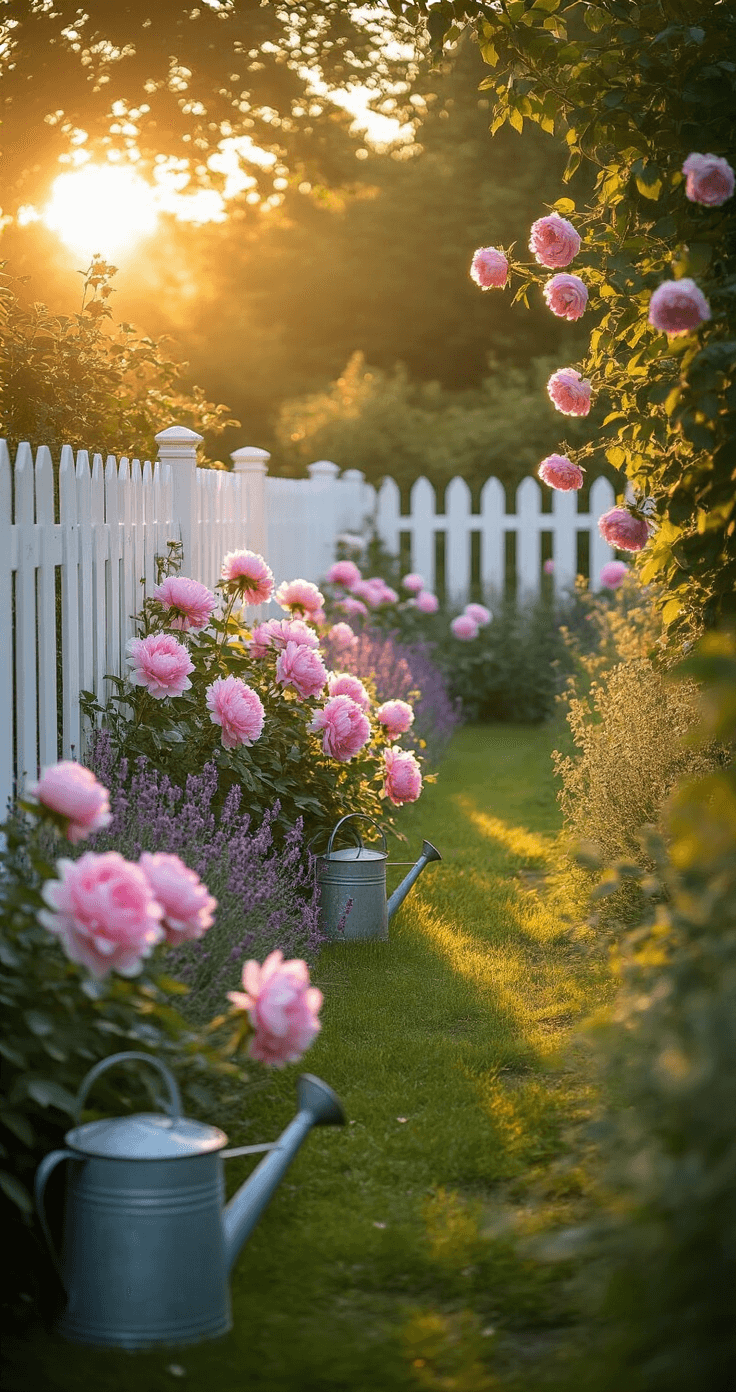
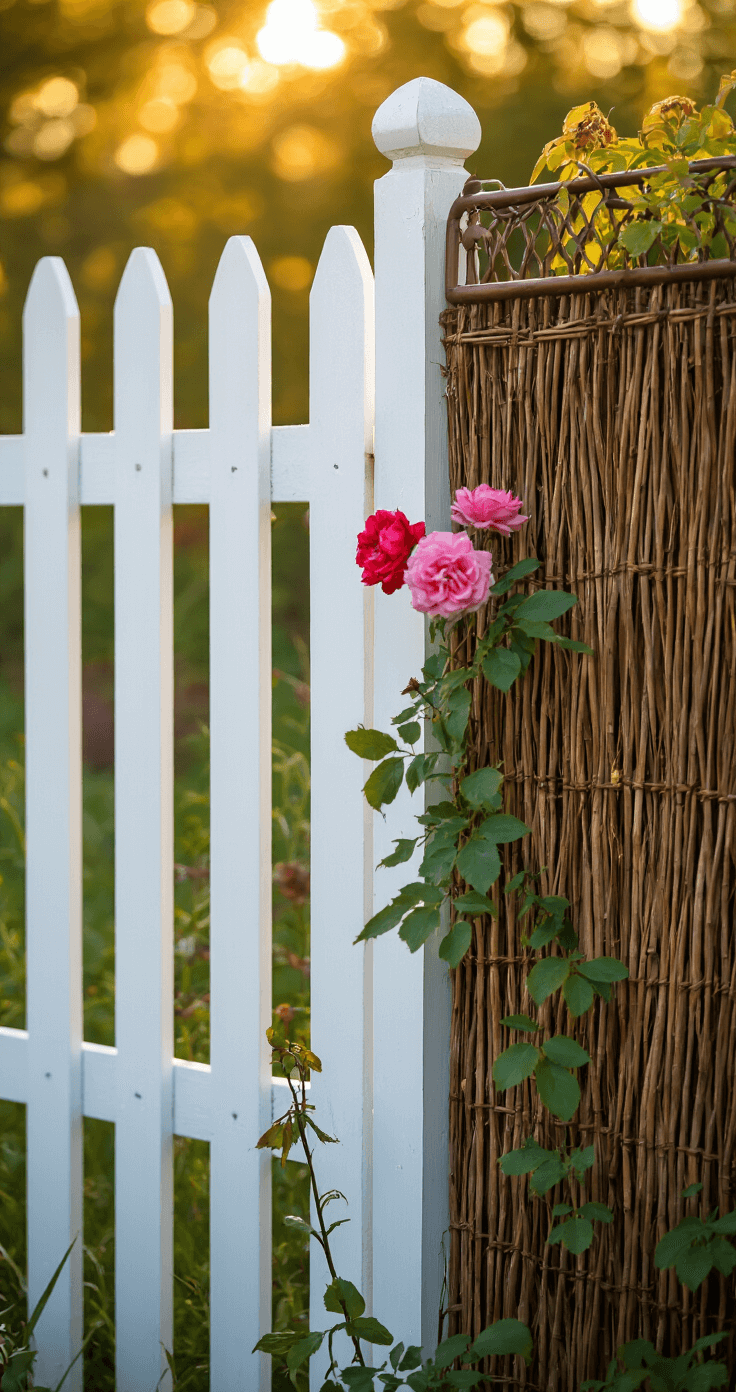
1. White Picket Fence: The Classic Charmer
- Crisp, clean lines that scream “welcome home”
- Perfect for framing flower beds
- Creates instant nostalgia
- Allows flowers to spill over, softening rigid lines
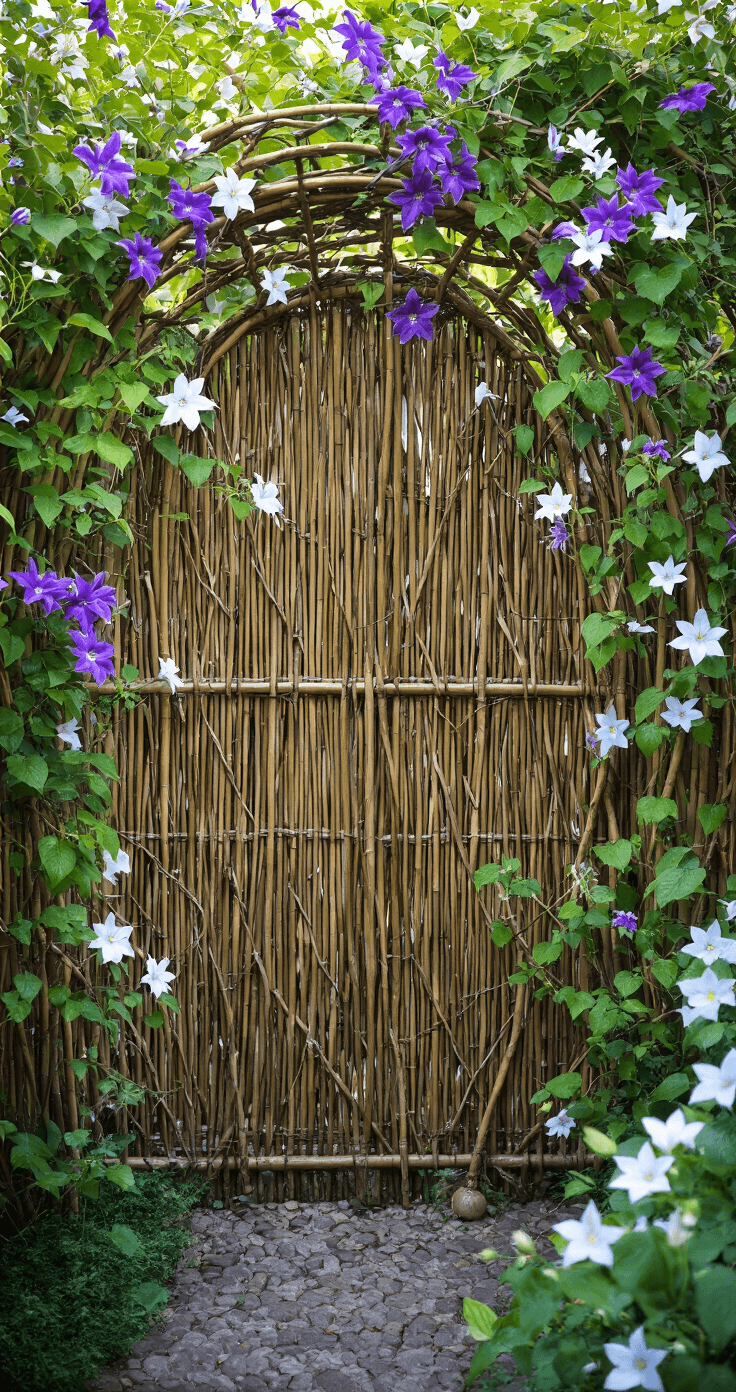
2. Woven Willow Fences: Nature’s Artistry
- Handcrafted, organic feel
- Lightweight and easy to install
- Blends seamlessly with lush garden settings
- Creates an instant “finished” garden look
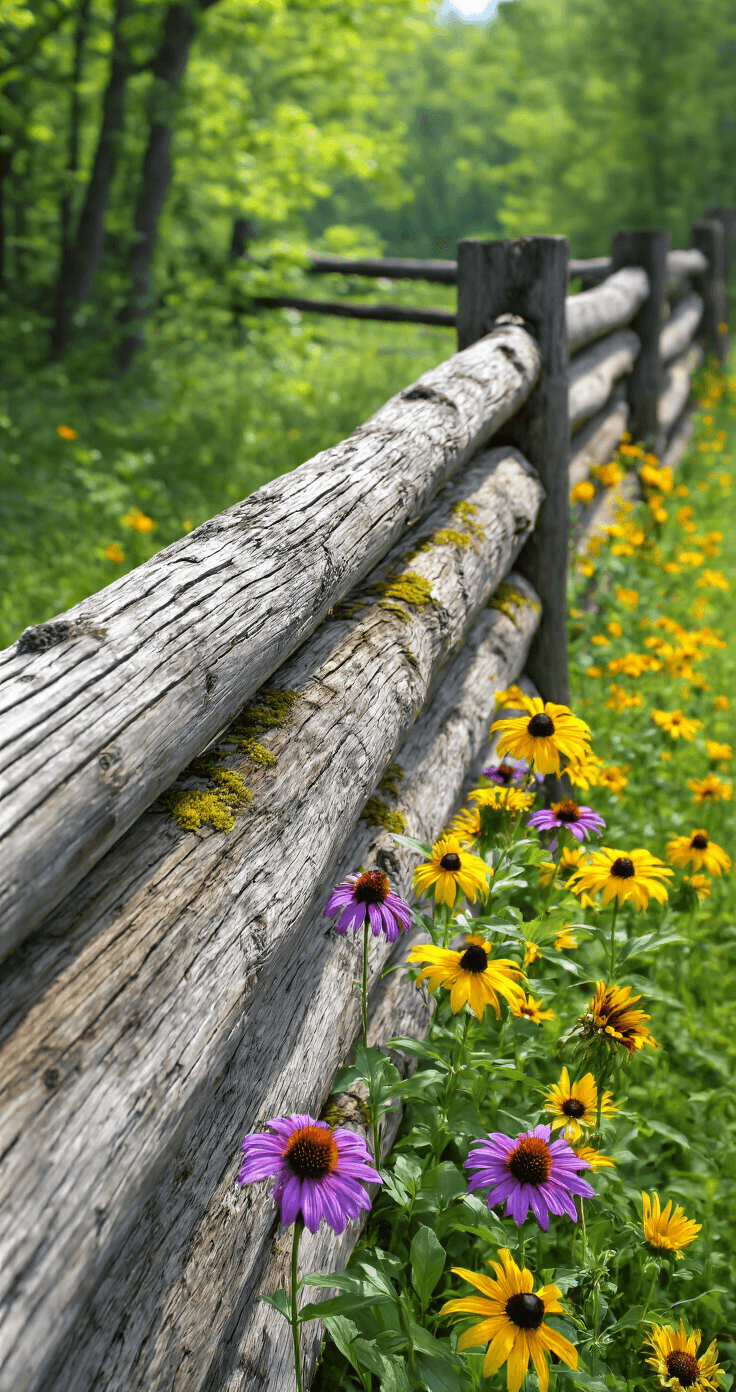
3. Rustic Wooden Fences: Embracing Natural Imperfections
- Made from reclaimed or weathered logs
- Connects your garden to raw, natural beauty
- Provides a stunning backdrop for colorful blooms
💡 Steal This Look
- Paint Color: Benjamin Moore White Dove OC-17
- Furniture: weathered teak garden bench with curved arms
- Lighting: antique brass outdoor lantern with seeded glass
- Materials: rough-hewn cedar posts, hand-split willow branches, aged galvanized metal hardware
There’s something deeply personal about a cottage garden fence—it holds decades of growth memory in its grain, and I’ve never met a gardener who didn’t have strong opinions about picket spacing.
Pro Styling Secrets for Cottage Garden Fences
Plant Placement Magic
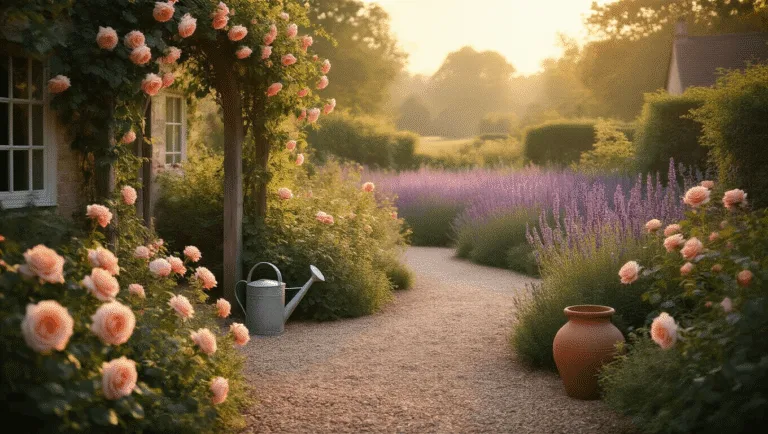
- Let Plants Rebel: Encourage roses, peonies, and lavender to cascade over fence lines
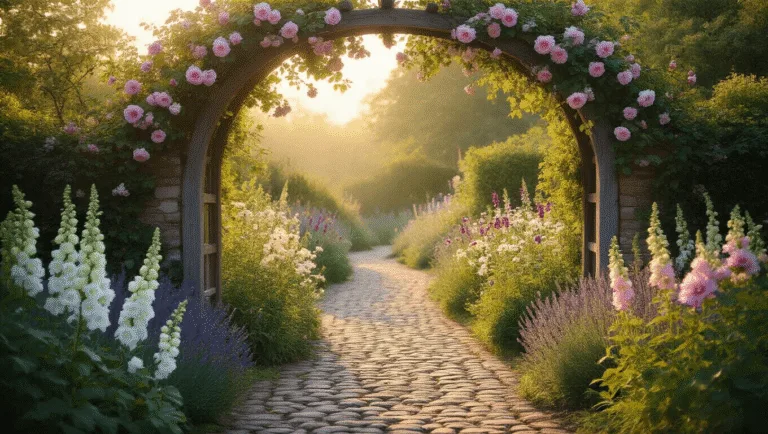
- Vertical Drama: Train climbing plants like clematis and sweet peas along fence panels
- Texture Play: Mix structural evergreens with colorful perennials
Installation Tips That Work Every Time
- Choose lightweight woven panels for easy setup
- Consider pre-made wooden or vinyl fence sections
- Plan for year-round visual interest
💡 Steal This Look
- Paint Color: use Farrow & Ball brand. Match the ACTUAL wall color in the image. Format: Farrow & Ball Green Smoke 47
- Furniture: weathered teak potting bench with galvanized zinc top
- Lighting: antique brass gooseneck barn sconce with seeded glass shade
- Materials: hand-split cedar pickets, untreated English oak posts, galvanized wire trellis, crushed limestone gravel base
There’s something deeply satisfying about a fence that doesn’t look like it was installed yesterday—the best cottage gardens feel discovered, not decorated, and your fence should look like it’s been holding up roses for decades.
Save this article
Enter your email and we'll send it straight to your inbox.
Materials Breakdown: Pros and Cons
| Fence Type | Pros | Cons | Best For |
|---|---|---|---|
| White Picket | Classic look | Requires maintenance | Traditional gardens |
| Woven Willow | Natural, easy install | Less durable | Small borders |
| Rustic Wood | Authentic feel | Can rot | Woodland-style gardens |
| Vinyl | Low maintenance | Less character | Modern cottage styles |
💡 Steal This Look
- Paint Color: Behr Cottage White PPU7-12
- Furniture: weathered teak garden bench with curved backrest
- Lighting: galvanized steel gooseneck barn light with seeded glass
- Materials: rough-sawn cedar pickets, hand-forged iron hinges, moss-covered fieldstone footings, untreated willow withes
There’s something deeply satisfying about running your hand along a fence you built yourself, feeling the slight unevenness of hand-cut joints—that’s the soul of cottage gardening, where perfection takes a backseat to presence and patience.
Budget-Friendly Cottage Fence Hacks
- Mix materials for unique looks
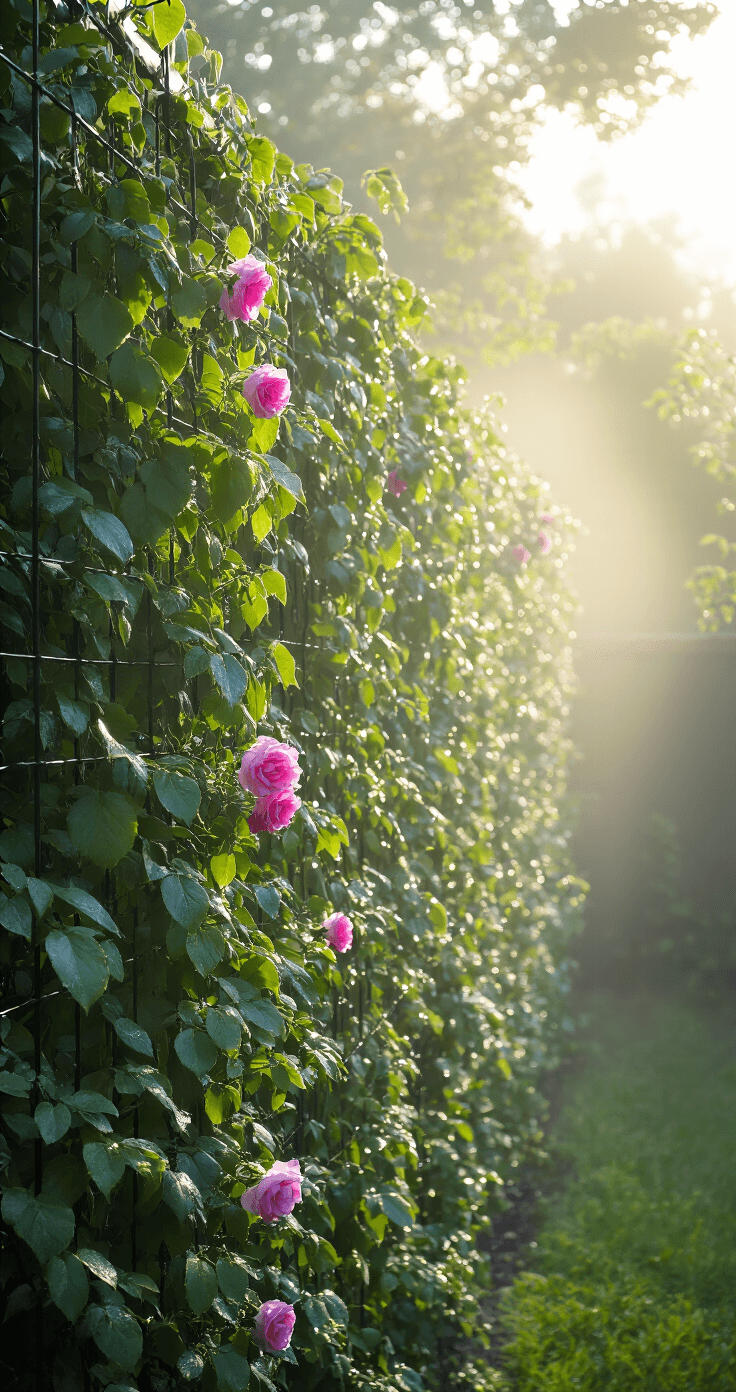
- Use wire fencing with climbing plants
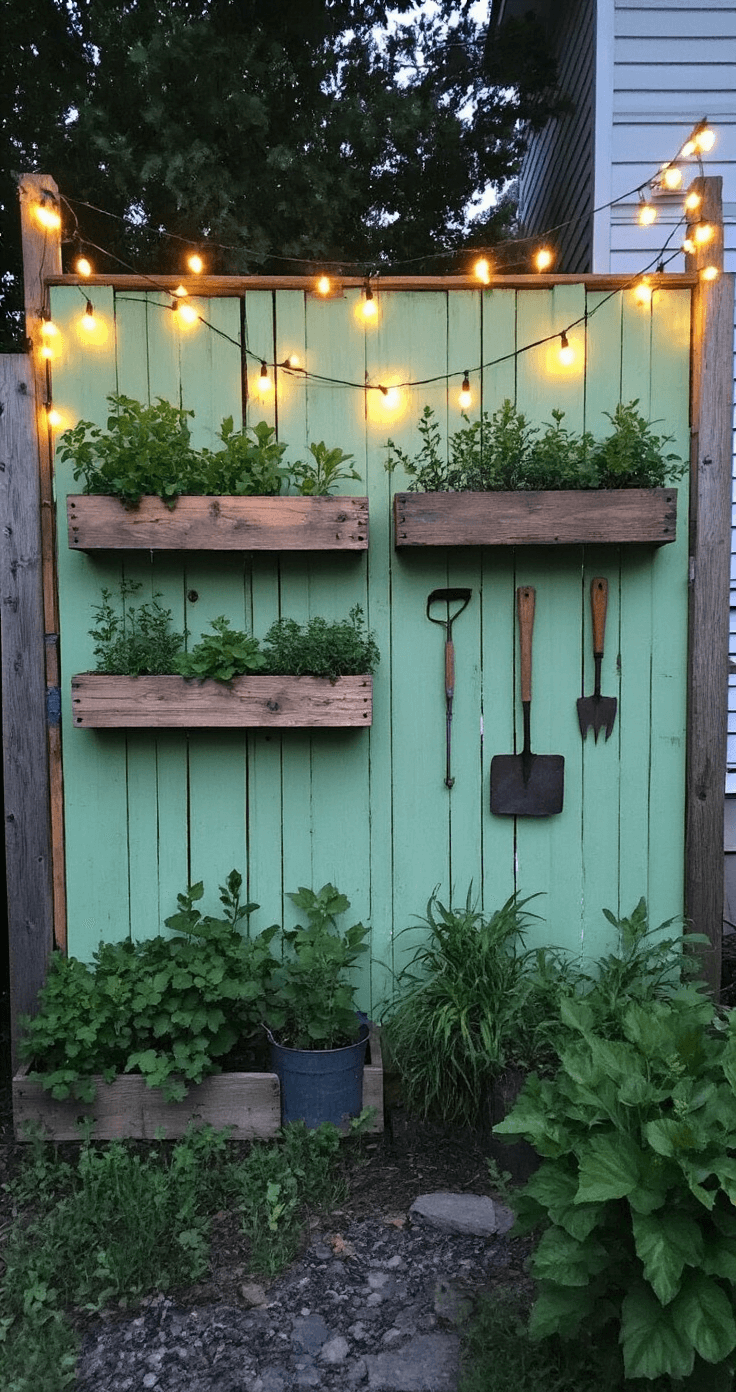
- Repurpose old wooden pallets
- Paint existing fences for instant transformation
Common Mistakes to Avoid
- Overcrowding fence lines
- Ignoring maintenance
- Choosing incompatible materials
- Forgetting about seasonal changes
Pro Tip: Your Fence Tells a Story
A cottage garden fence isn’t just a barrier—it’s an invitation. It whispers tales of wild beauty, carefully curated chaos, and the delicate dance between structure and spontaneity.
🎨 Steal This Look
- Paint Color: use PPG brand. Match the ACTUAL wall color in the image. Format: PPG PPG1044-2 Delicate White PPG1044-2
- Furniture: weathered teak potting bench with galvanized zinc top for transitional zones along fence perimeter
- Lighting: solar-powered cast iron shepherd’s hook lanterns with amber glass, staggered at 8-foot intervals
- Materials: rough-sawn cedar pickets with hand-forged iron hardware, untreated to develop natural silvering
I’ve watched too many gardeners rush the fence line with every climbing rose they can find, only to face heartbreaking pruning decisions three years later—patience here rewards you with layers that feel discovered, not declared.
Final Thoughts
Your cottage garden fence can transform an ordinary yard into a romantic, dreamy landscape. It’s about creating boundaries that feel more like gentle suggestions than hard lines.
Ready to turn your garden into a storybook scene? Start with the right fence.
Quick Action Checklist
- [ ] Decide on fence style
- [ ] Choose complementary plants
- [ ] Plan installation
- [ ] Add personal touches
Remember: In the world of cottage gardens, perfection is overrated. Embrace the wild, the unexpected, and let your fence be the canvas for nature’s most beautiful artwork.
🏠 Steal This Look
- Paint Color: Dunn-Edwards Garden Gate DE5674
- Furniture: weathered teak potting bench with galvanized steel top
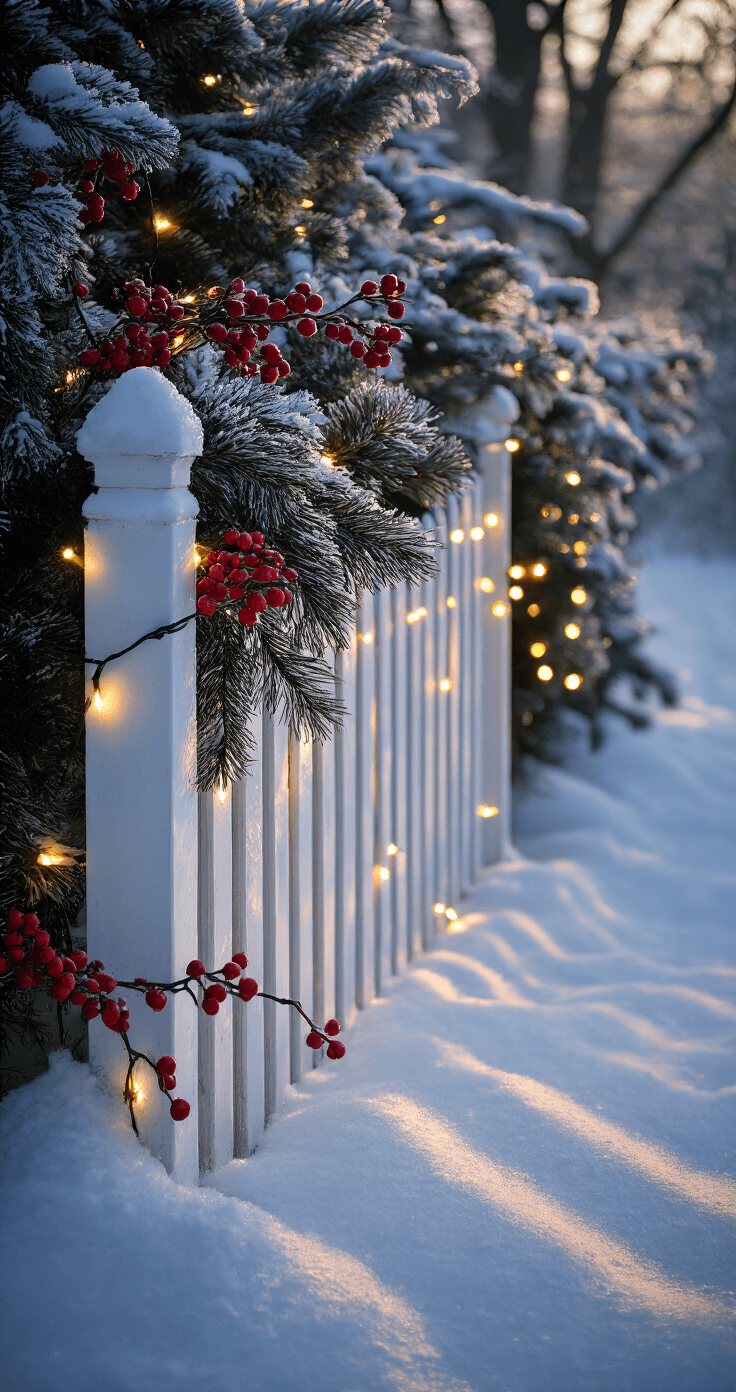
- Lighting: solar-powered copper string lights draped along fence rails
- Materials: rough-sawn cedar pickets, aged galvanized hardware, climbing rose canes, crushed limestone pathway
This is where your garden stops being a project and starts becoming a place you actually want to linger with morning coffee.
Keep this one for later
We'll email you the link so you can come back to it.


[…] front garden fence is more than a boundary. It’s a statement about your home, your style, and your personality. Choose wisely, have fun, […]