

This post may contain affiliate links. Please see my disclosure policy for details.
Fall Bulbs: Your Guide to Creating a Spectacular Spring Garden
Ever dreamed of a garden that bursts into color the moment spring whispers its first hello? Fall bulbs are your secret weapon. These underground magic makers transform your landscape from dull to dazzling with minimal effort.
What Exactly Are Fall Bulbs?
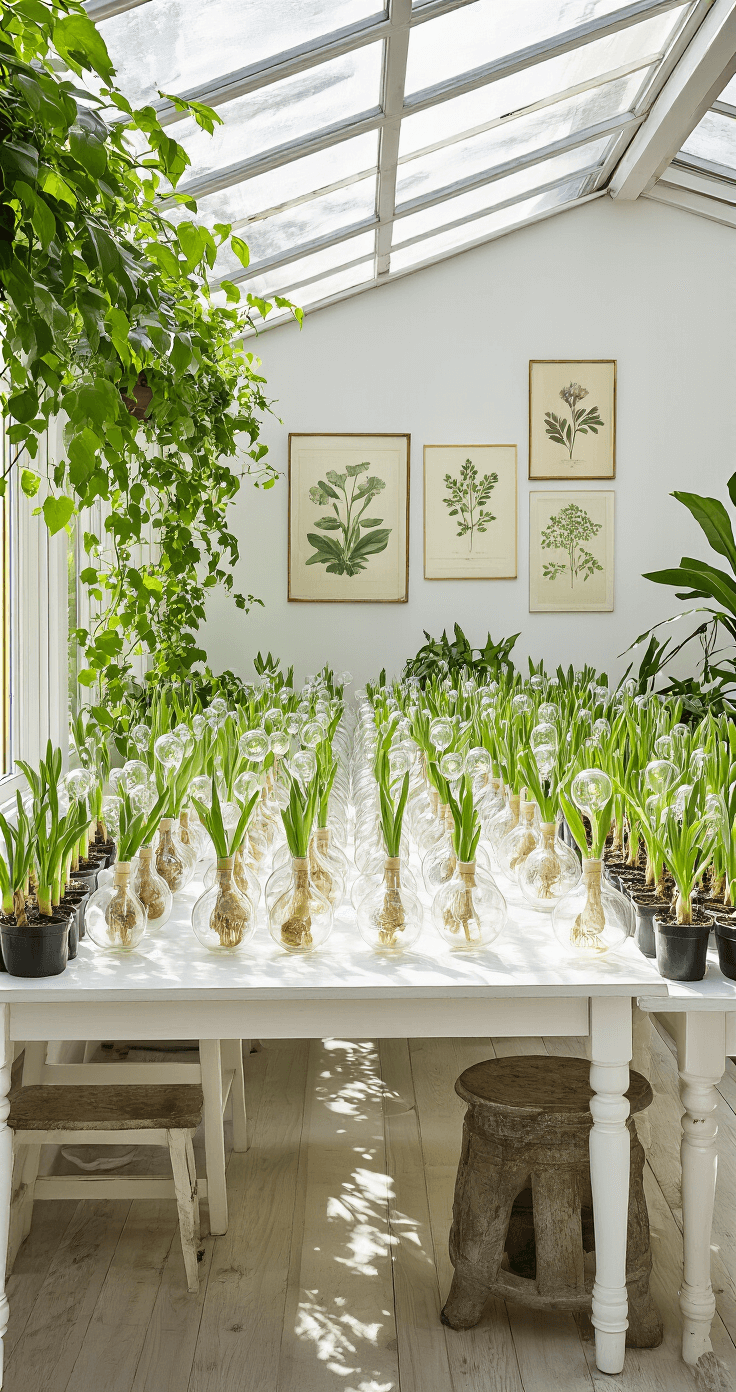
Fall bulbs are nature’s time-delay flowers. You plant them in autumn, and they hibernate underground, developing robust root systems through winter. When spring arrives, they emerge as vibrant botanical surprises, often blooming while snow still lingers.
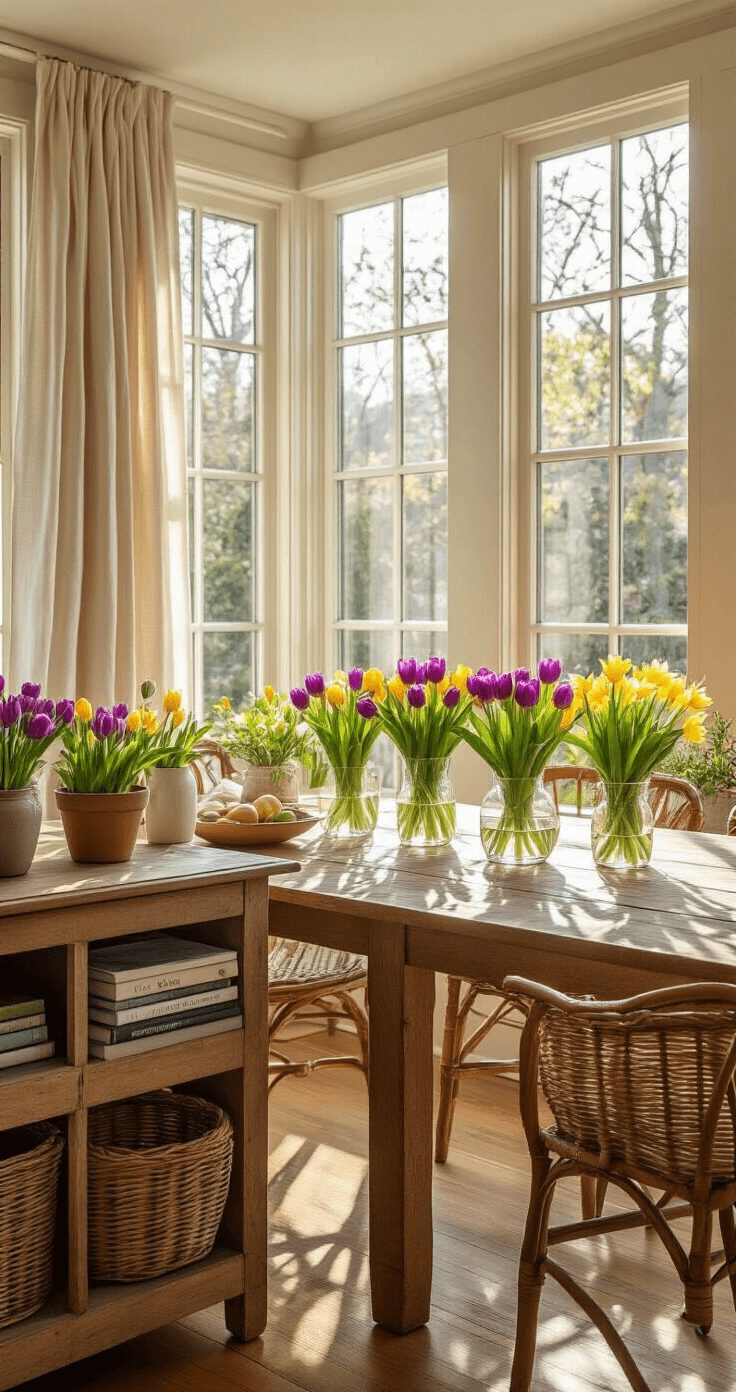
Top Fall Bulb Varieties to Transform Your Garden
I’ve experimented with numerous bulbs, and these are my absolute favorites:
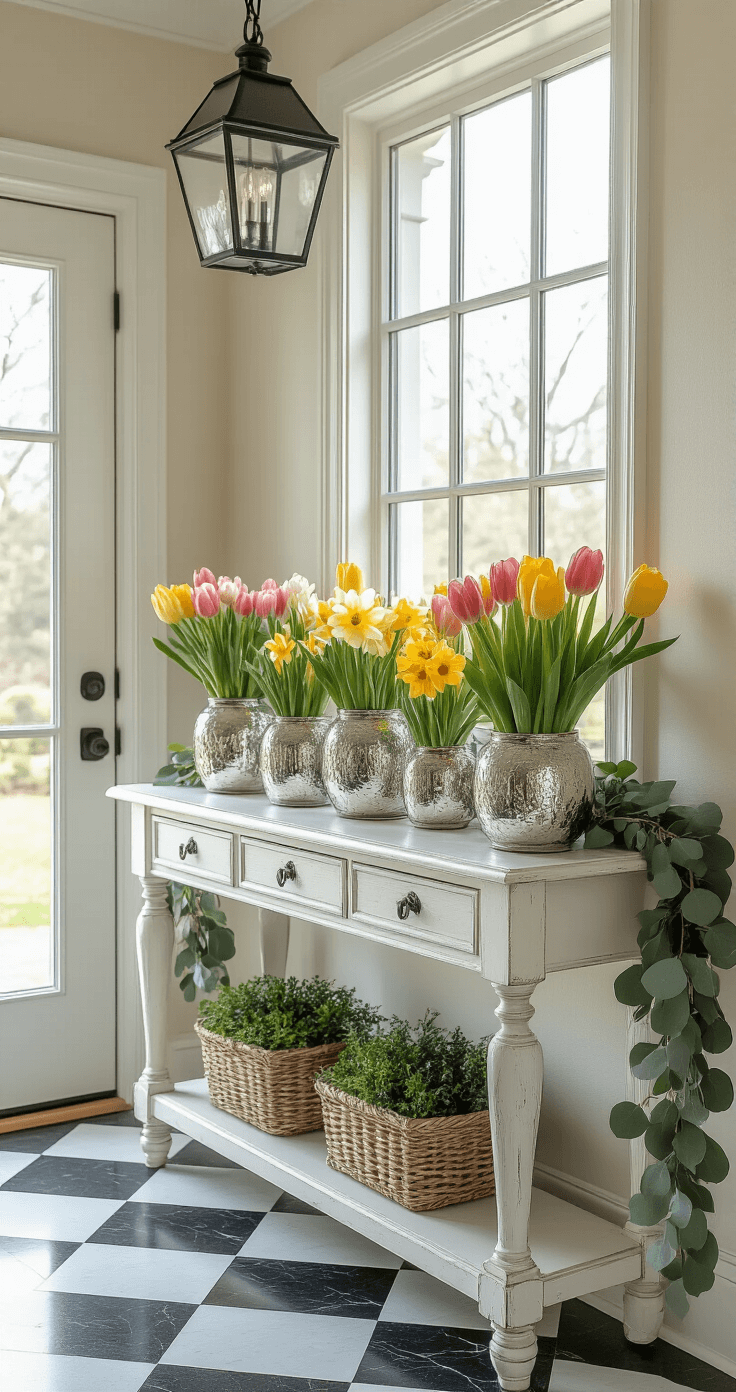
- Tulips: The classic spring showstoppers
- Daffodils: Cheerful yellow trumpets of joy
- Hyacinths: Fragrant clusters that smell like spring
- Crocuses: Tiny but mighty early bloomers
- Alliums: Quirky, globe-shaped flowers that look like botanical fireworks
Pro tip: Mix these varieties to create a continuous color parade from early to late spring. Need some inspiration? Check out these spring bulb collection sets.
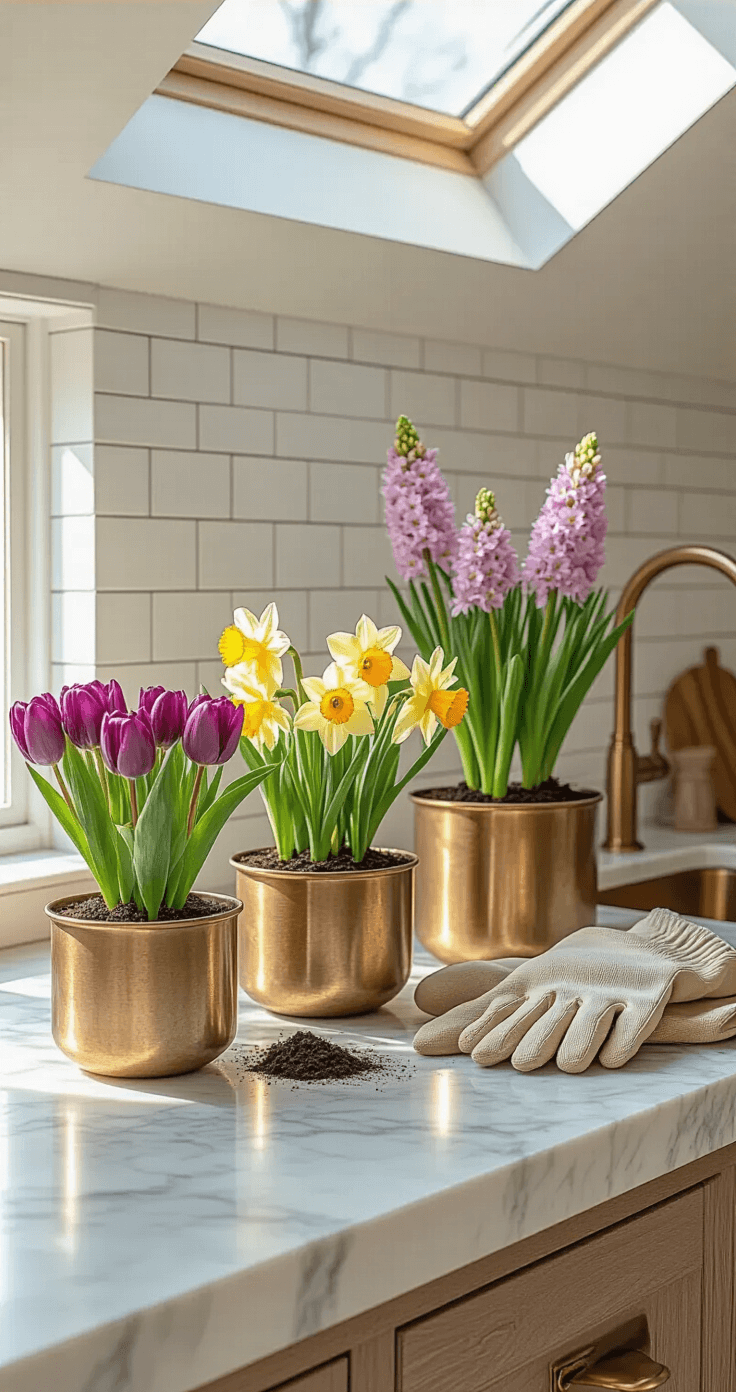
🏠 Steal This Look
- Paint Color: Benjamin Moore October Mist 1495
- Furniture: vintage-inspired potting bench with zinc top for bulb sorting and storage
- Lighting: industrial gooseneck wall sconce with warm brass finish
- Materials: weathered cedar, aged terracotta, raw linen, and hammered copper
There’s something deeply satisfying about tucking these dormant treasures into the earth when everything else is dying back—it’s like planting secret hope that you’ll completely forget about until that first brave green shoot cracks through thawing ground.
🛒 Get The Look
The Perfect Planting Window
Timing is everything. Plant your bulbs between late September and November, when soil temperatures drop below 60°F but before the ground turns into a frozen block.
Planting Pro Tips
- Depth Matters: Plant bulbs 2-3 times deeper than their height
- Pointed End Up: Always place the pointy part facing skyward
- Spacing: Leave 2-6 inches between bulbs
- Sunlight: Choose spots with full to partial sun exposure
Essential Planting Gear
You’ll want a few tools to make planting smooth:
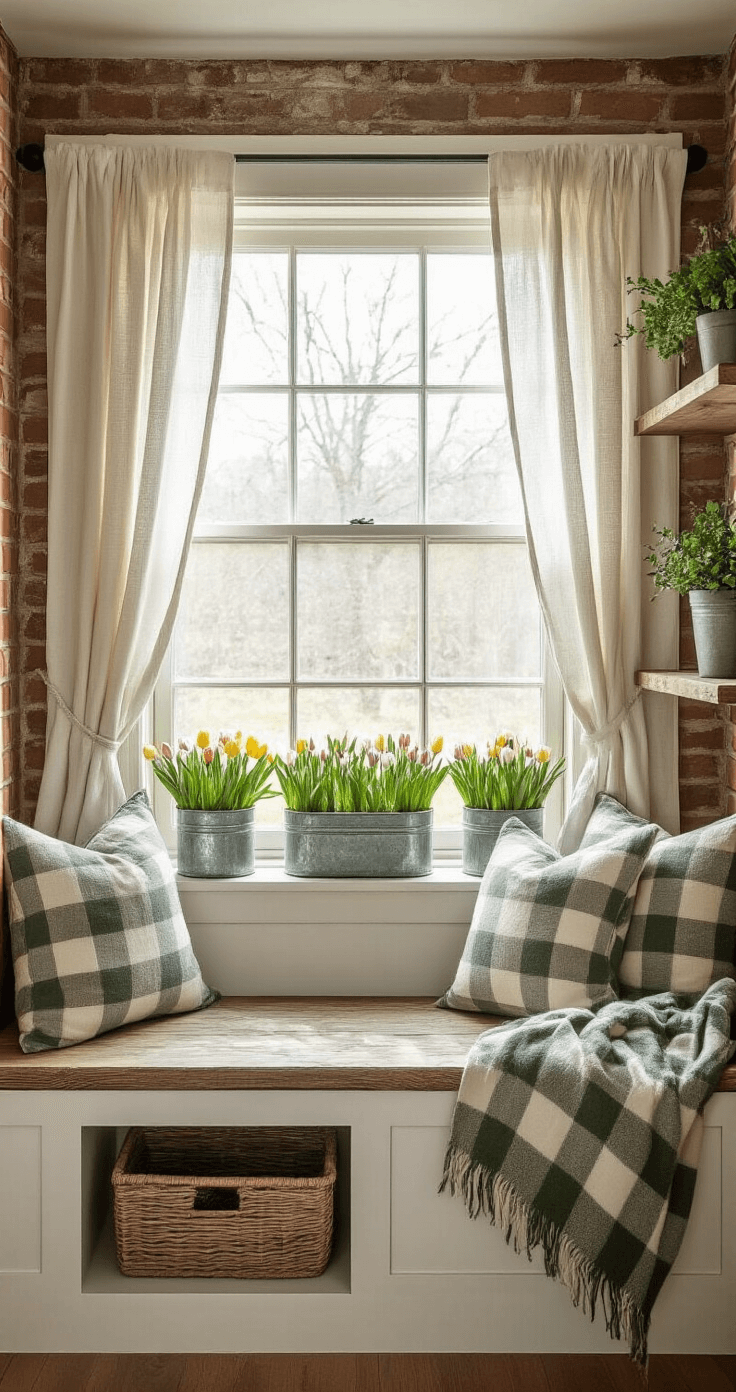
✎ Steal This Look
- Paint Color: Farrow & Ball Green Smoke 47
- Furniture: vintage potting bench with zinc top
- Lighting: gooseneck barn sconce in aged brass
- Materials: terracotta, weathered wood, galvanized metal, jute
This is the room where patience becomes tangible—where you trade instant gratification for the promise of spring, and the ritual of preparation feels as rewarding as the bloom itself.
Save this article
Enter your email and we'll send it straight to your inbox.
Aftercare: Keeping Your Bulbs Happy
Winter Protection
- Apply 2-3 inches of mulch
- Use pine needles or shredded bark
- Add bone meal for extra nutrition
Spring Maintenance
- Let foliage die back naturally
- Fertilize in fall and when leaves emerge
- Remove dead leaves only after they’ve turned brown
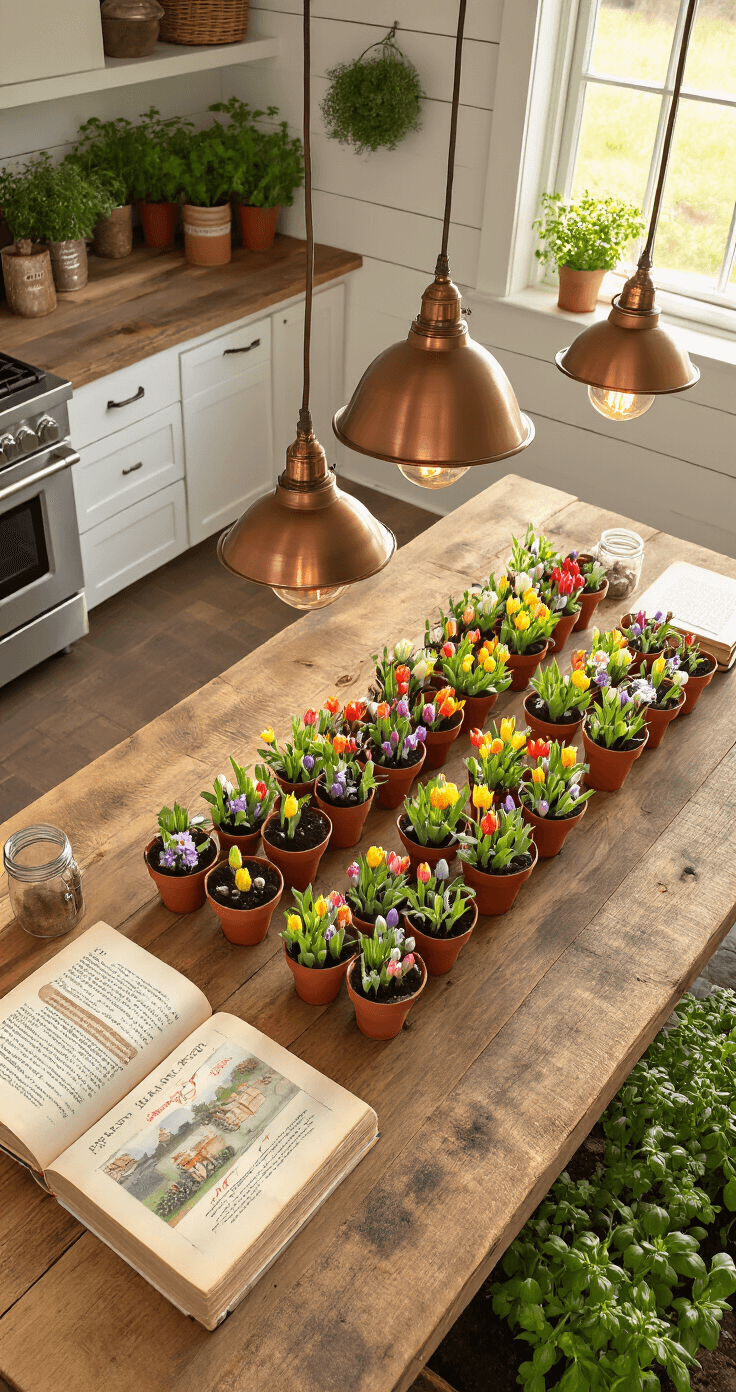
🌟 Steal This Look
- Paint Color: Behr Garden Sage S380-4
- Furniture: weathered teak potting bench with galvanized steel top
- Lighting: solar-powered Edison string lights with warm 2700K bulbs
- Materials: raw cedar mulch, aged terracotta, hand-forged iron plant markers, burlap frost blankets
There’s something deeply satisfying about tucking your bulbs in for winter—it’s the gardener’s version of reading a child bedtime stories, knowing the magic happens while you sleep.
🎁 Get The Look
Common Mistakes to Avoid
- Planting too late
- Overcrowding bulbs
- Forgetting to water after planting
- Removing foliage too soon
Cost-Effective Strategies
Bulbs are an investment in future beauty. Buy in bulk during sales, mix high-end with budget varieties, and consider variety bulb packs for maximum garden impact.
Pro Gardener’s Secret: The more bulbs you plant, the more stunning your spring display. Start small, learn, and expand each year.
Remember, fall bulb gardening is part science, part art, and entirely magical. Your future self will thank you when that first burst of color erupts next spring!

🎨 Steal This Look
- Paint Color: PPG Olive Grove PPG1125-6
- Furniture: weathered potting bench with galvanized steel top for bulb sorting and storage
- Lighting: solar-powered Edison string lights draped over garden shed or potting area
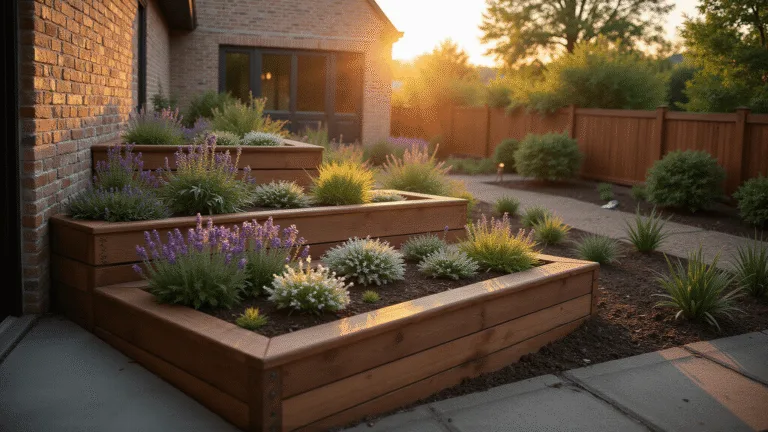
- Materials: burlap bulb storage sacks, terracotta pots, untreated cedar raised beds, galvanized metal buckets
There’s something deeply satisfying about watching your bulb investment compound year after year—those first crocus blooms feel like found money after a long winter, and the habit of expanding your planting bed annually becomes a ritual you’ll genuinely look forward to each autumn.
Keep this one for later
We'll email you the link so you can come back to it.
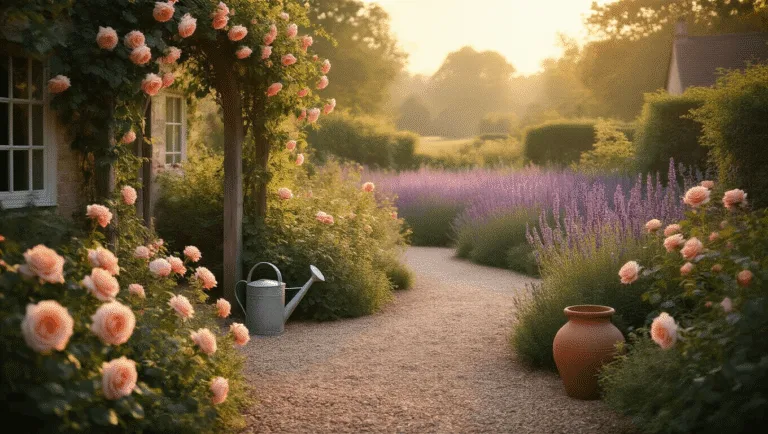



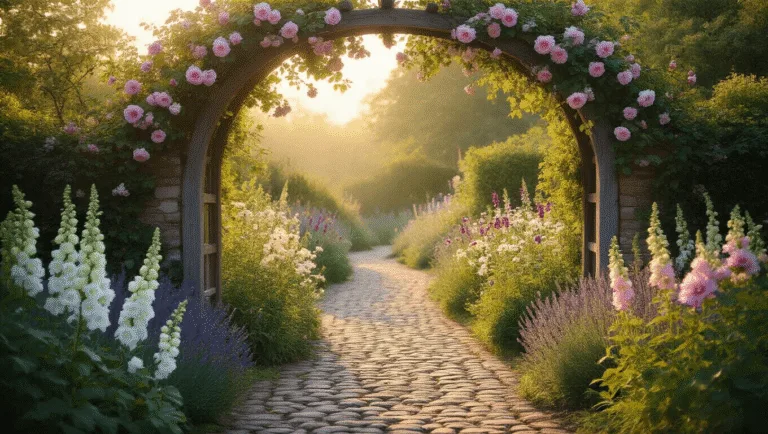
[…] Ensure continuous bloom from spring through fall […]
[…] learned this the hard way when I tried to create a reading nook with one sad ceiling […]