This post may contain affiliate links. Please see my disclosure policy for details.
Attract Hummingbirds: The Ultimate Guide to Nectar-Rich Flowers
Imagine stepping into your garden and watching tiny, iridescent hummingbirds dart between vibrant blooms like living jewels. I’ve spent years perfecting my garden to become a hummingbird haven, and I’m about to share my insider secrets.
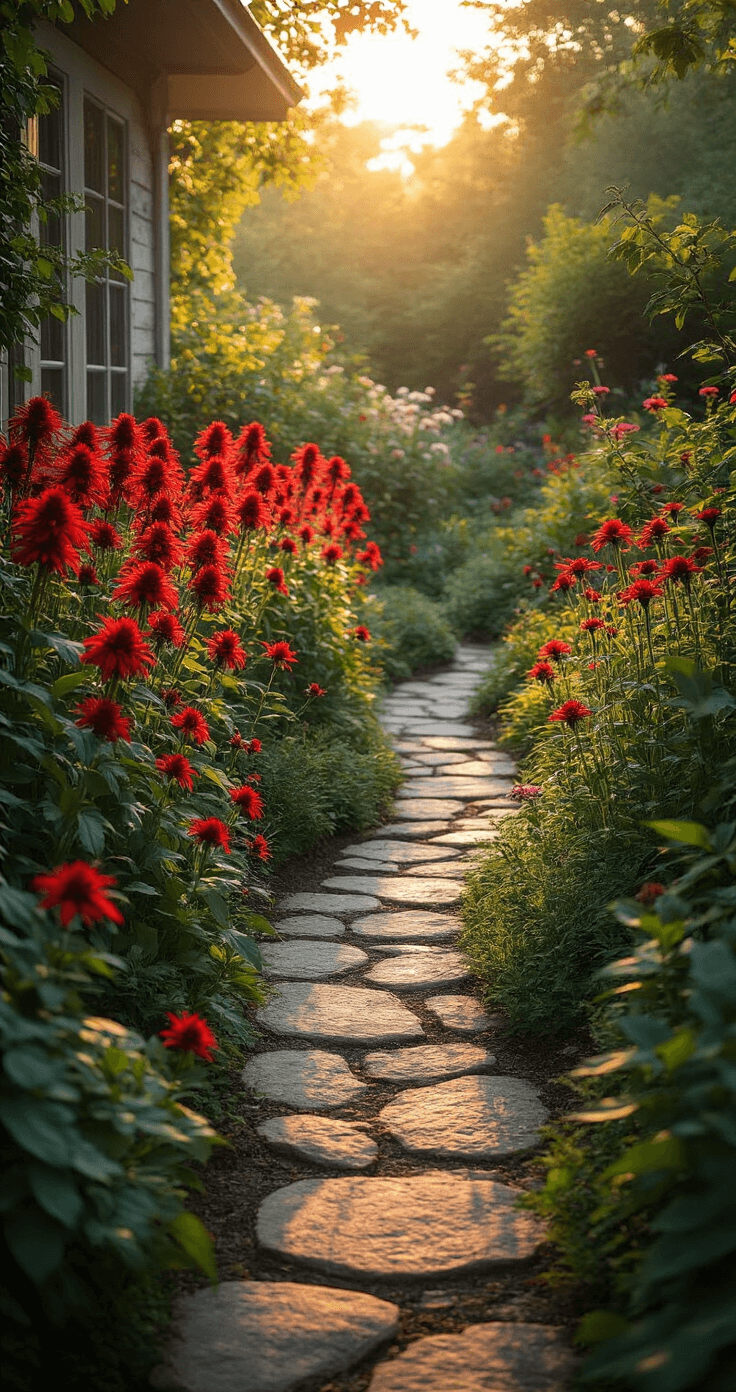
Why Hummingbirds Love Certain Flowers
Hummingbirds are attracted to specific flower characteristics:
- Bright Colors: Especially reds and oranges
- Tubular Flower Shapes: Perfect for their long, specialized beaks
- Abundant Nectar: High-energy fuel for their rapid metabolism
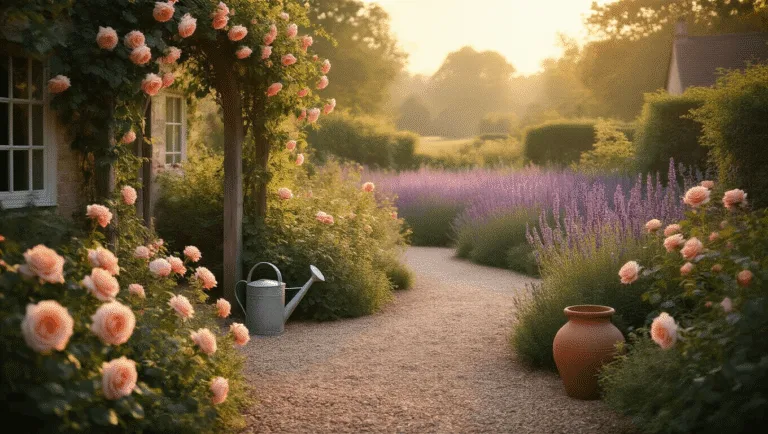
💡 Steal This Look
- Paint Color: Sherwin-Williams Garden Grove SW 6445
- Furniture: weathered teak potting bench with galvanized steel top for repotting nectar-rich salvias and penstemons
- Lighting: solar-powered Edison string lights with warm amber bulbs draped between pergola posts for evening garden viewing
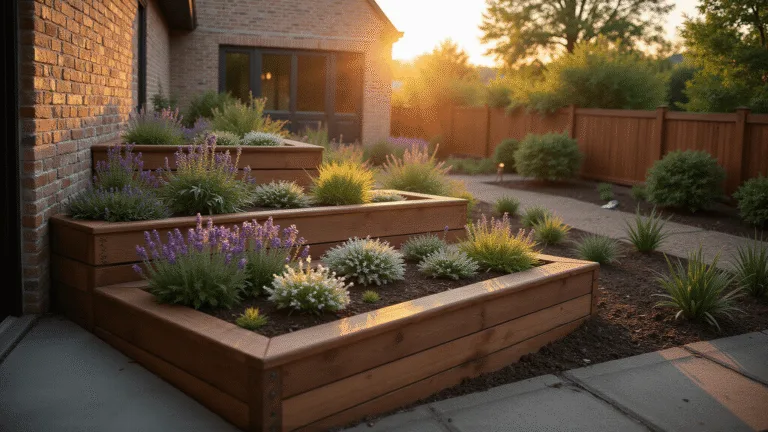
- Materials: aged terracotta, untreated cedar raised beds, crushed decomposed granite pathways, hand-forged iron plant stakes
My own garden transformed the moment I stopped treating flowers as decoration and started designing flight corridors—now I drink my morning coffee watching aerial combat over the coral honeysuckle.
Top 10 Hummingbird Magnet Flowers
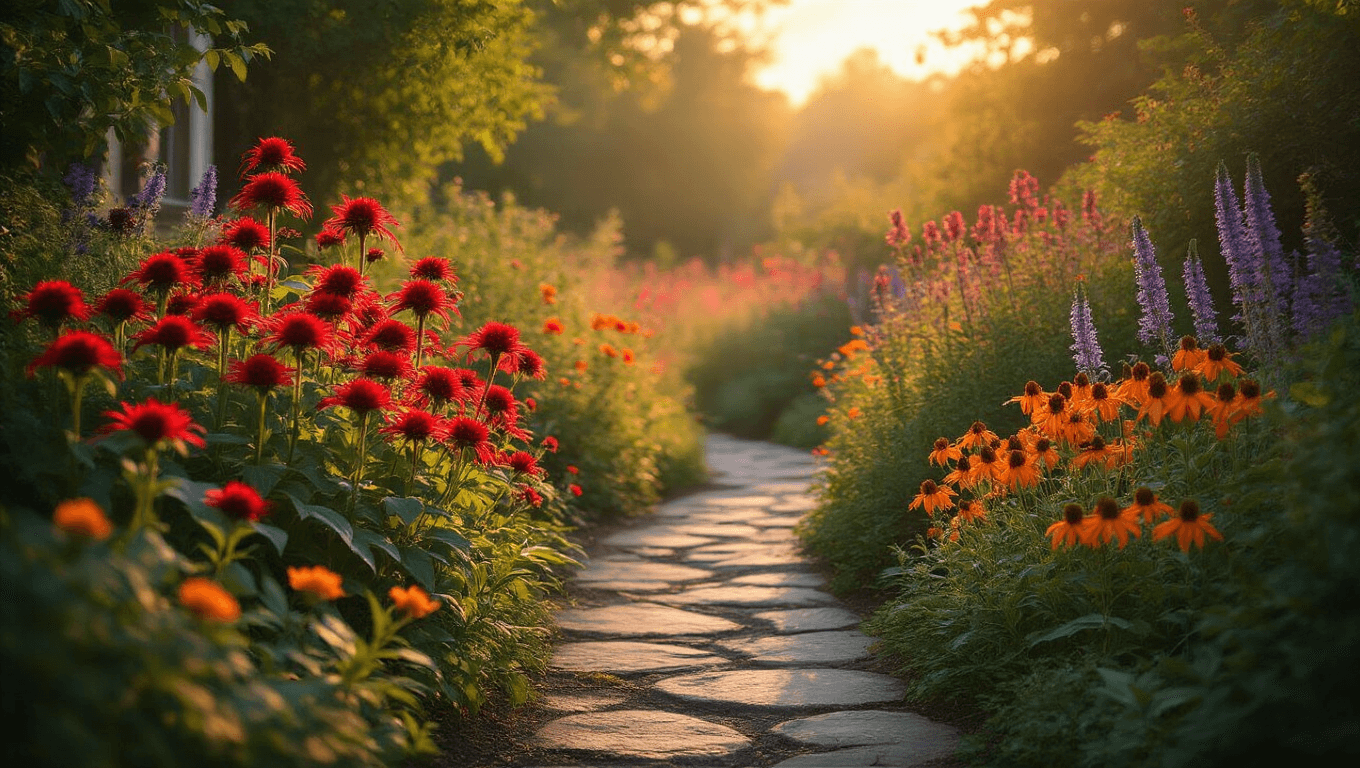
1. Bee Balm (Monarda)
- Native North American perennial
- Brilliant tubular blooms
- Thrives in multiple climate zones
2. Cardinal Flower (Lobelia cardinalis)
- Intense scarlet red flowers
- Loves moist garden areas
- Blooms mid-summer to early fall
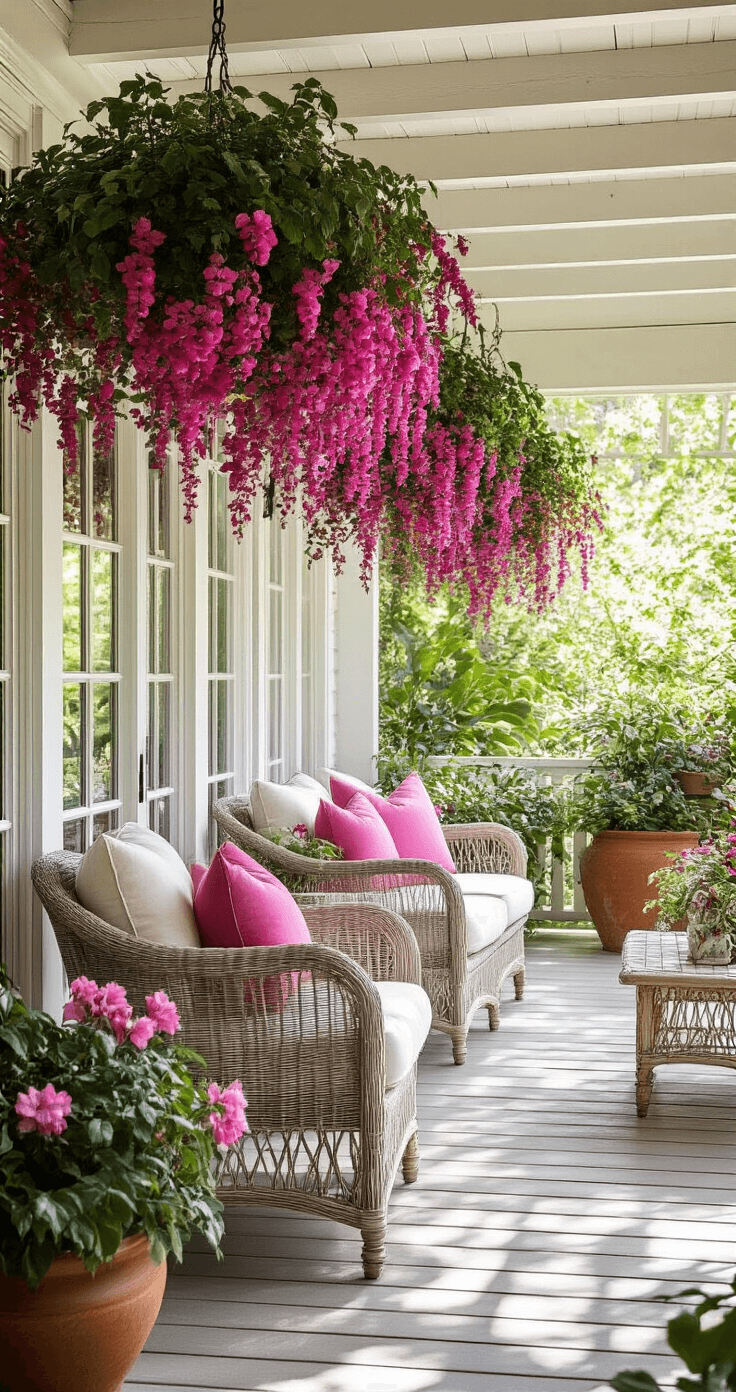
3. Fuchsia
- Dramatic hanging flowers
- Ideal for hanging baskets
- Continuous blooming potential
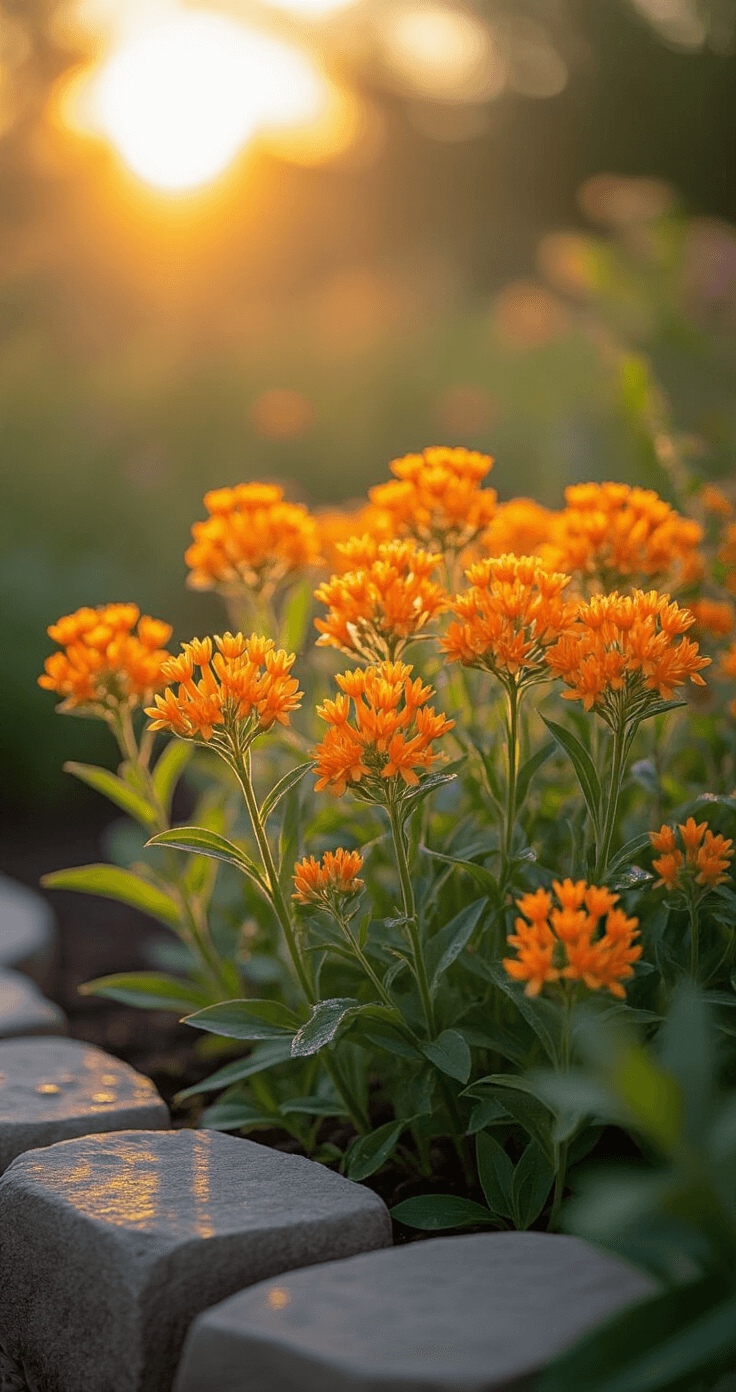
4. Butterfly Milkweed
- Vibrant orange clusters
- Attracts multiple pollinators
- Drought-resistant native plant
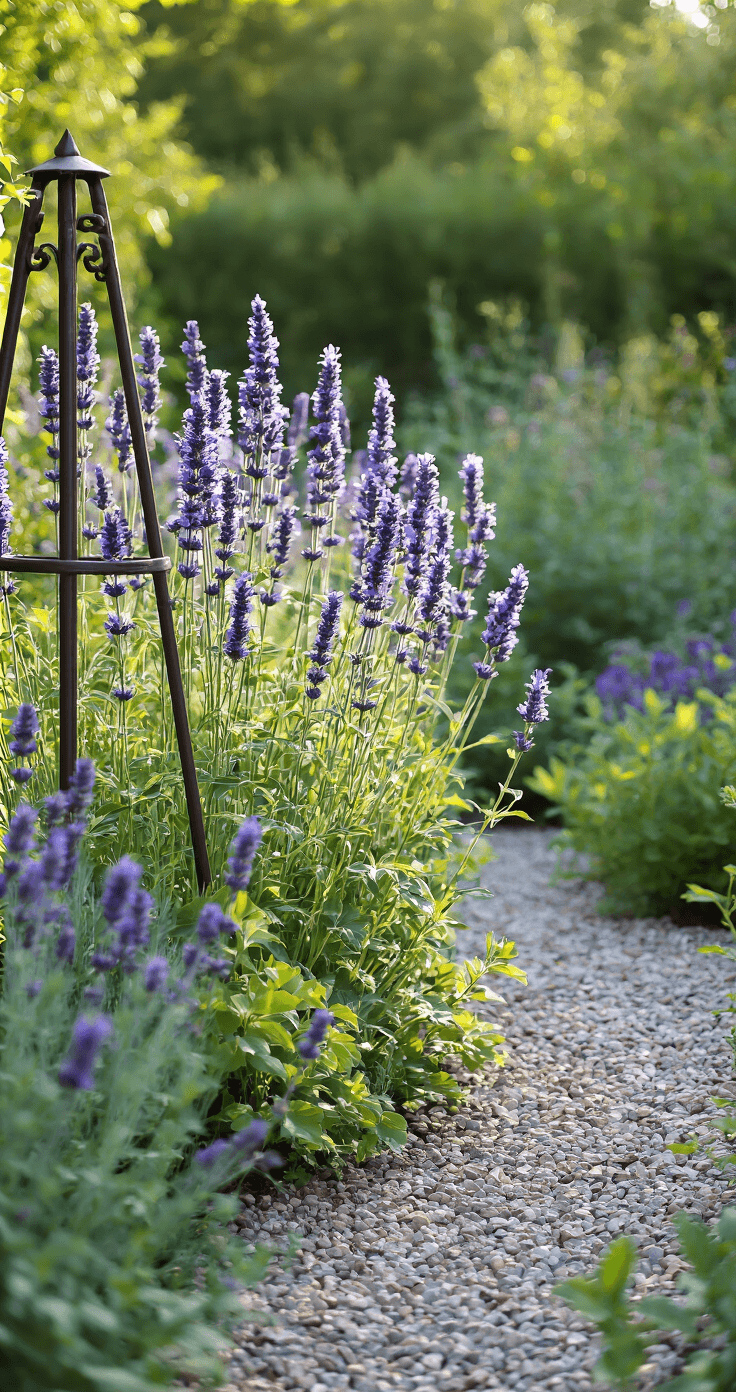
5. Agastache (Hummingbird Mint)
- Long tubular blossoms
- Multiple color variations
- Extended blooming season
Pro Gardening Tips
Strategic Planting Techniques:
- Create multi-level flower arrangements
- Mix native and cultivated species
- Ensure continuous bloom from spring through fall
What Hummingbirds Really Want
Hummingbirds prioritize:
Save this article
Enter your email and we'll send it straight to your inbox.
- Easy nectar access
- Bright, distinctive colors
- Consistent food sources
- Safe, accessible feeding areas
Common Mistakes to Avoid
- ❌ Don’t plant only flat, open flowers
- ❌ Avoid heavily scented blooms
- ❌ Never use pesticides near hummingbird plants
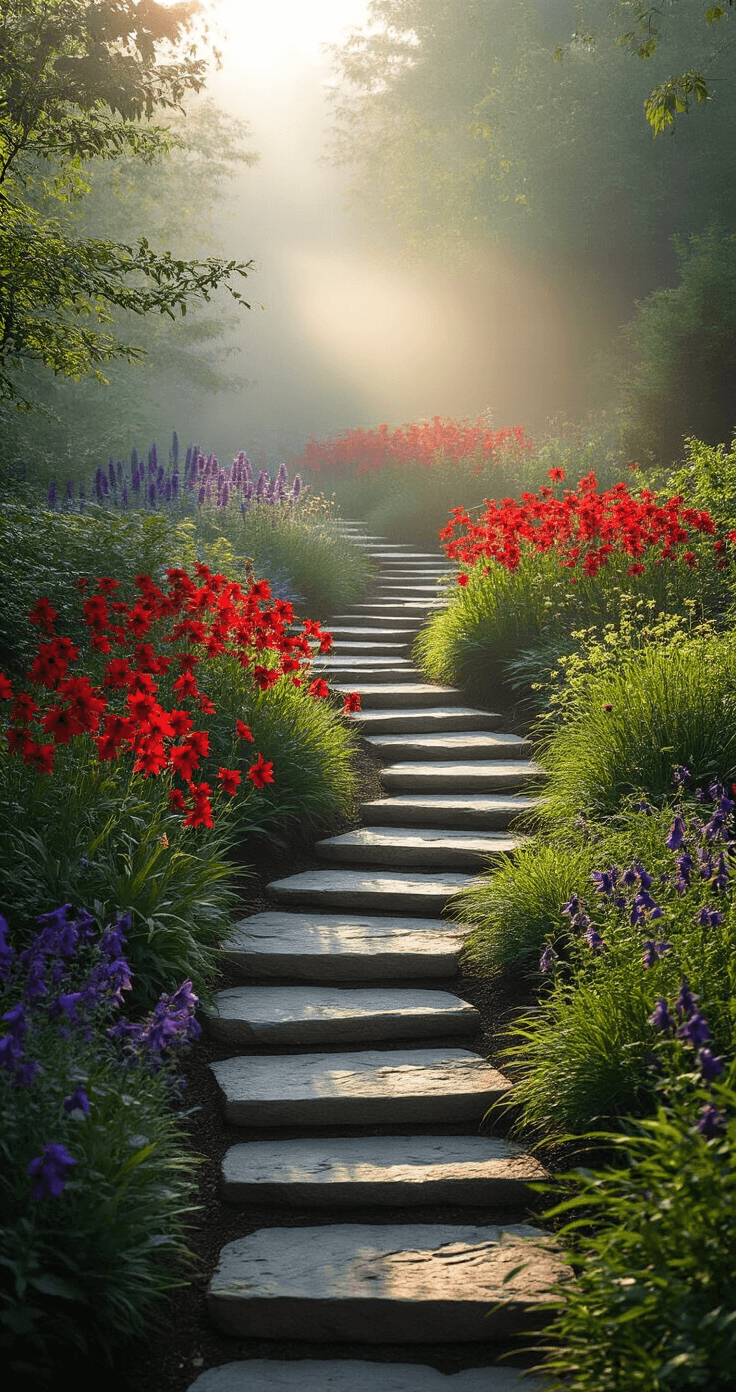
Native Plant Recommendations
Best native options include:
- Bee Balm
- Cardinal Flower
- Columbine
- Penstemon
- Salvia species
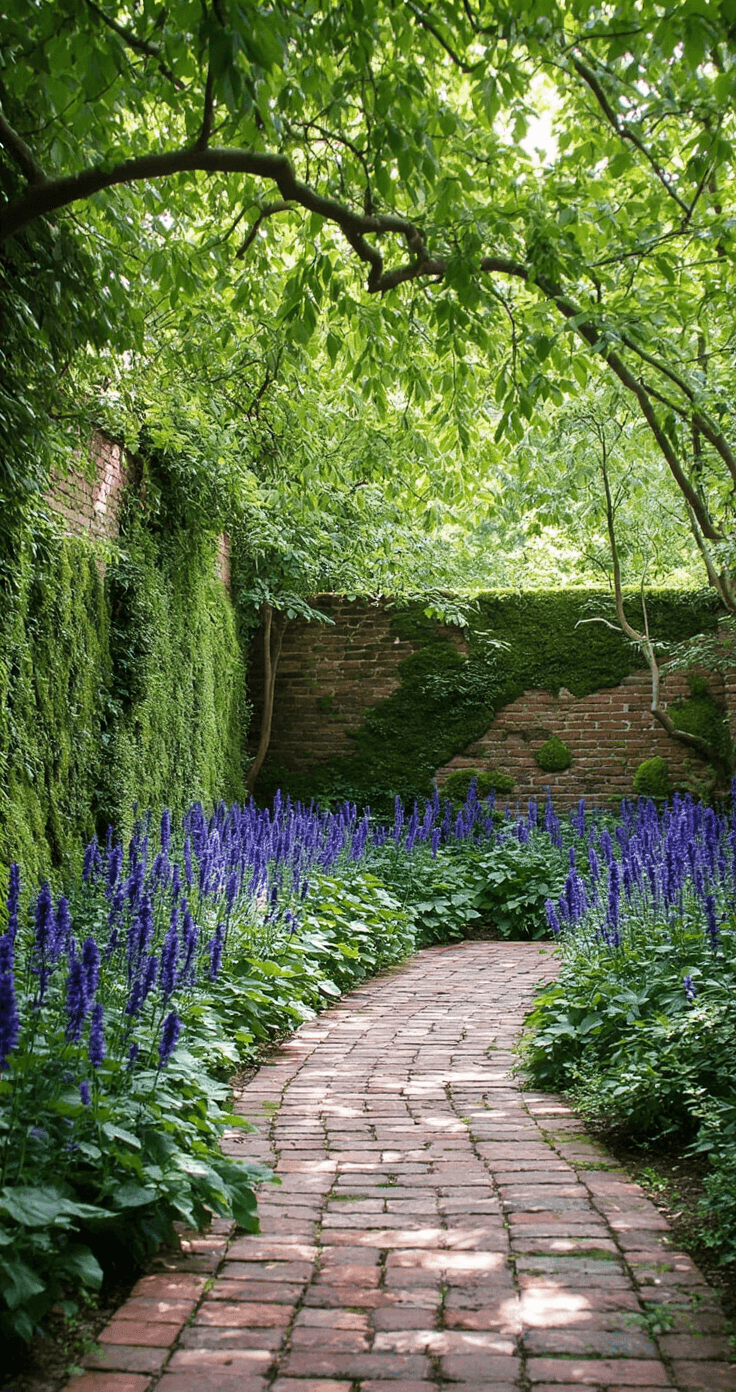
Maintenance and Care
- Watering: Keep soil consistently moist
- Sunlight: Mostly full sun to partial shade
- Soil: Well-draining, rich in organic matter
Final Thoughts
Creating a hummingbird-friendly garden isn’t just about beauty—it’s about supporting these incredible pollinators. With the right flowers and approach, you’ll transform your outdoor space into a living, buzzing ecosystem.
Pro Tip: Plant in clusters and create multiple nectar stations to maximize hummingbird visits!
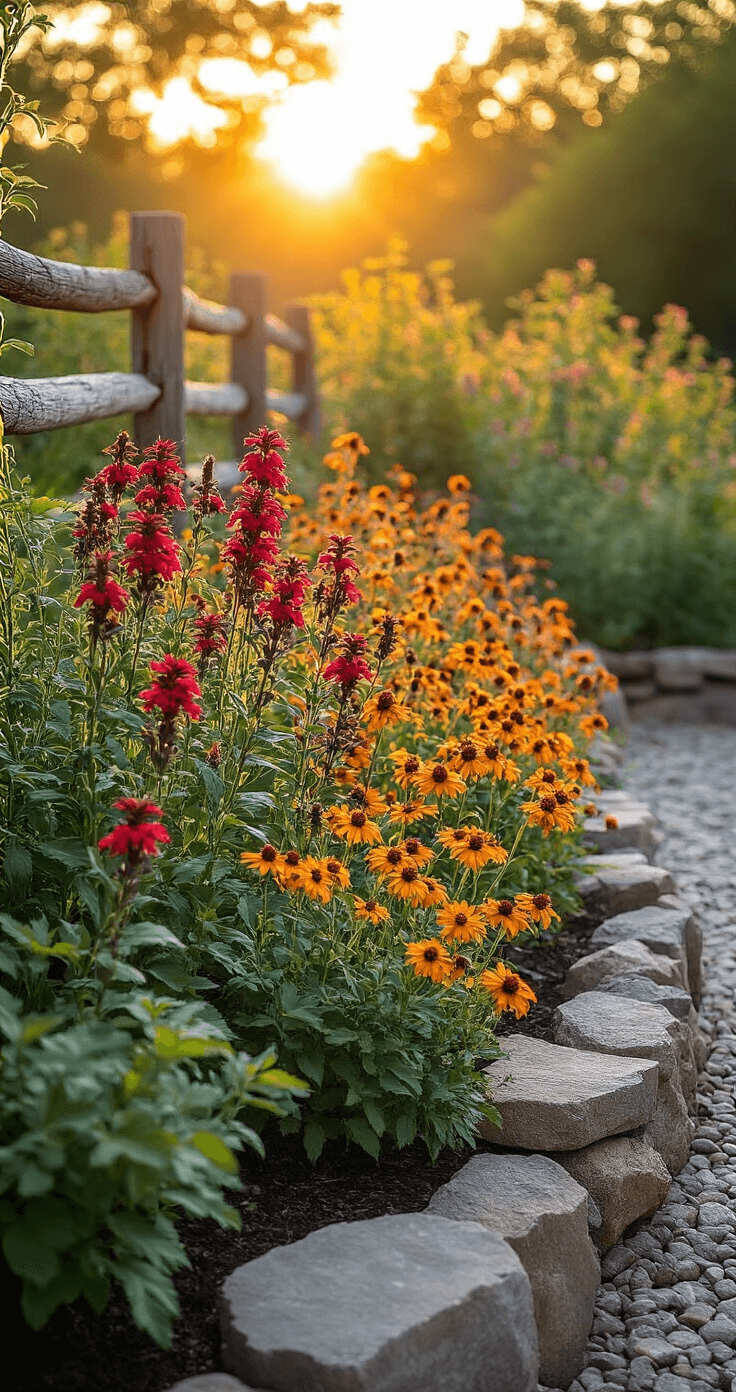
🖼 Steal This Look
- Paint Color: Benjamin Moore Cardinal Red 2000-20
- Furniture: weathered cedar potting bench with zinc top, vintage garden stool with fuchsia glazed ceramic finish
- Lighting: solar-powered mason jar string lights with warm LED filaments draped through pergola beams
- Materials: aged terracotta, galvanized steel planters, untreated cedar trellis, crushed limestone pathways, hand-thrown ceramic hummingbird feeders
This is the room where you stop being a gardener and become a host—every morning coffee becomes a front-row seat to aerial combat and iridescent hovering, the kind of entertainment no screen can replicate.
Keep this one for later
We'll email you the link so you can come back to it.