

This post may contain affiliate links. Please see my disclosure policy for details.
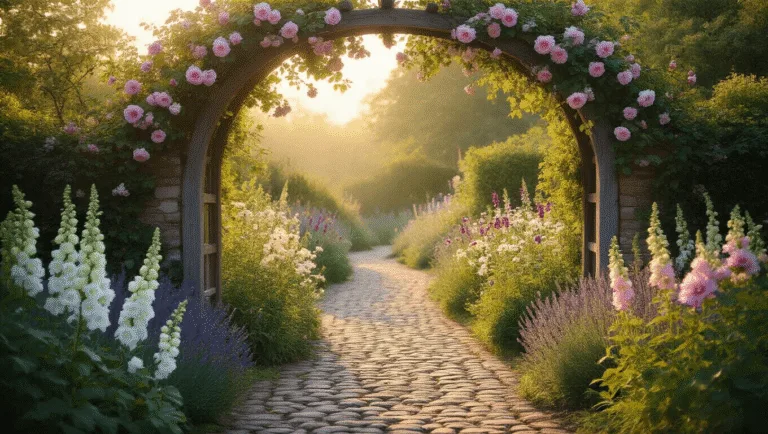
Tired of your shady garden looking like a boring, lifeless patch of green? I’ve got amazing news for you – shade gardens can be just as vibrant and exciting as sun-drenched landscapes!

Why Shade Gardens Are Actually Amazing
Let’s be real. Most gardeners think shade means boring. But I’m about to blow your mind with incredible flowering plants that absolutely love low-light conditions.
The Secret Shade Garden Superstars
I’ve discovered plants that not only survive but THRIVE in those dark corners of your yard. From delicate spring bloomers to bold summer showstoppers, I’ll show you how to create a shade garden that’ll make your neighbors stop and stare.
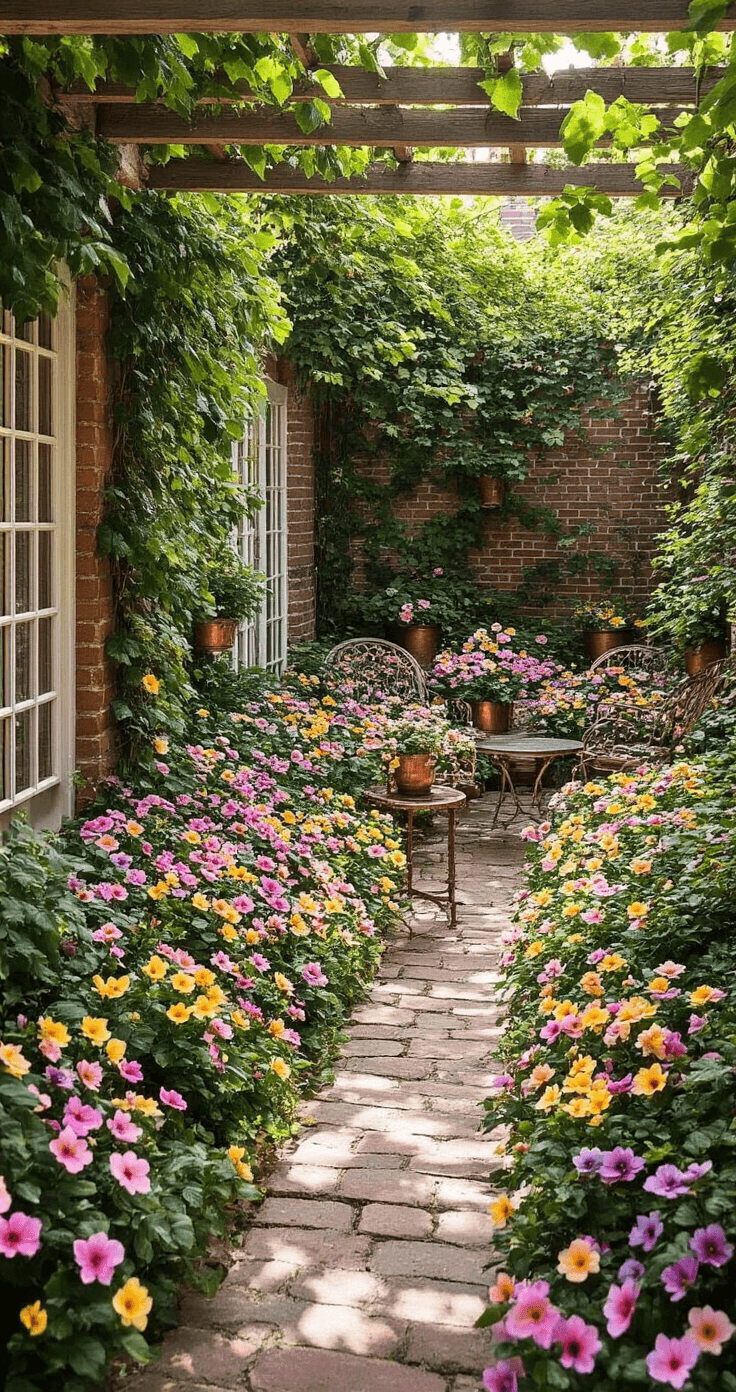
💡 Steal This Look
- Paint Color: Sherwin-Williams Clary Sage SW 6178
- Furniture: weathered teak potting bench with zinc top
- Lighting: solar-powered rattan pendant cluster for covered patio
- Materials: raw limestone pavers, aged copper planters, moss-covered terracotta, woven willow baskets
I spent years fighting my shady backyard until I finally surrendered to it—now my ‘problem’ corner is where I actually want to drink my morning coffee, surrounded by bleeding hearts and Japanese painted ferns that ask for almost nothing in return.
Early Spring Shade Flowers That Pop
Hellebores: The Winter Warriors
- Bloom from November through April
- Colors range from white to burgundy
- Perfect for shade garden border areas
Primrose: Color Explosion
- Loves partial to full shade
- Water-loving and super easy to maintain
- Creates instant color in dark spaces
🎨 Steal This Look
- Paint Color: Benjamin Moore Chelsea Gray HC-168
- Furniture: weathered teak garden bench with curved back
- Lighting: solar-powered vintage-style globe string lights with warm amber bulbs
- Materials: aged limestone pavers, moss-covered river rock, untreated cedar mulch
There’s something quietly miraculous about spotting that first hellebore pushing through frost while everything else sleeps—this corner of your garden becomes your private signal that winter’s grip is finally loosening.
Summer Shade Flower Showstoppers
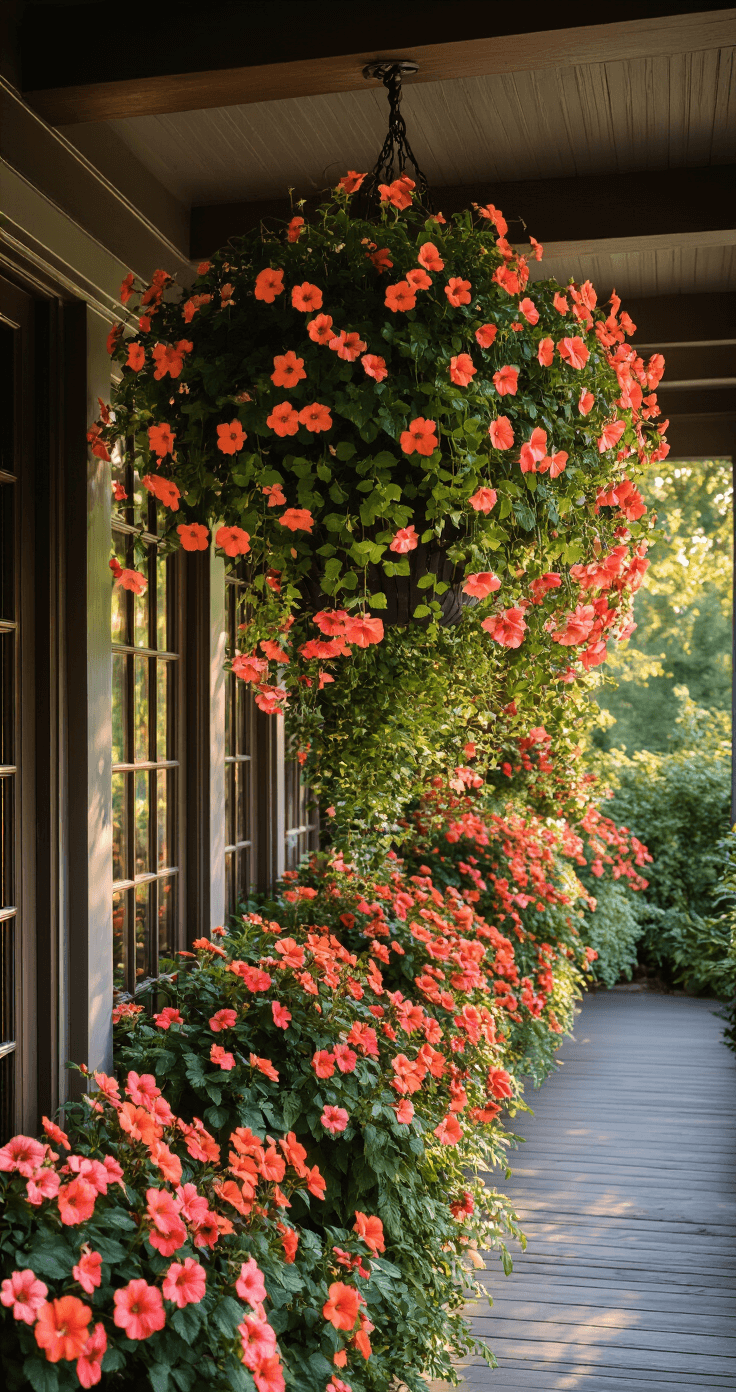
Impatiens: The Shade Garden Rockstars
- Massive blooms that look like mini rosebuds
- Thrive in deep, humid shade
- Perfect for hanging baskets
Begonias: Reliable Shade Performers
- Flower in almost any shade condition
- Great for container gardening
- Low maintenance, high impact
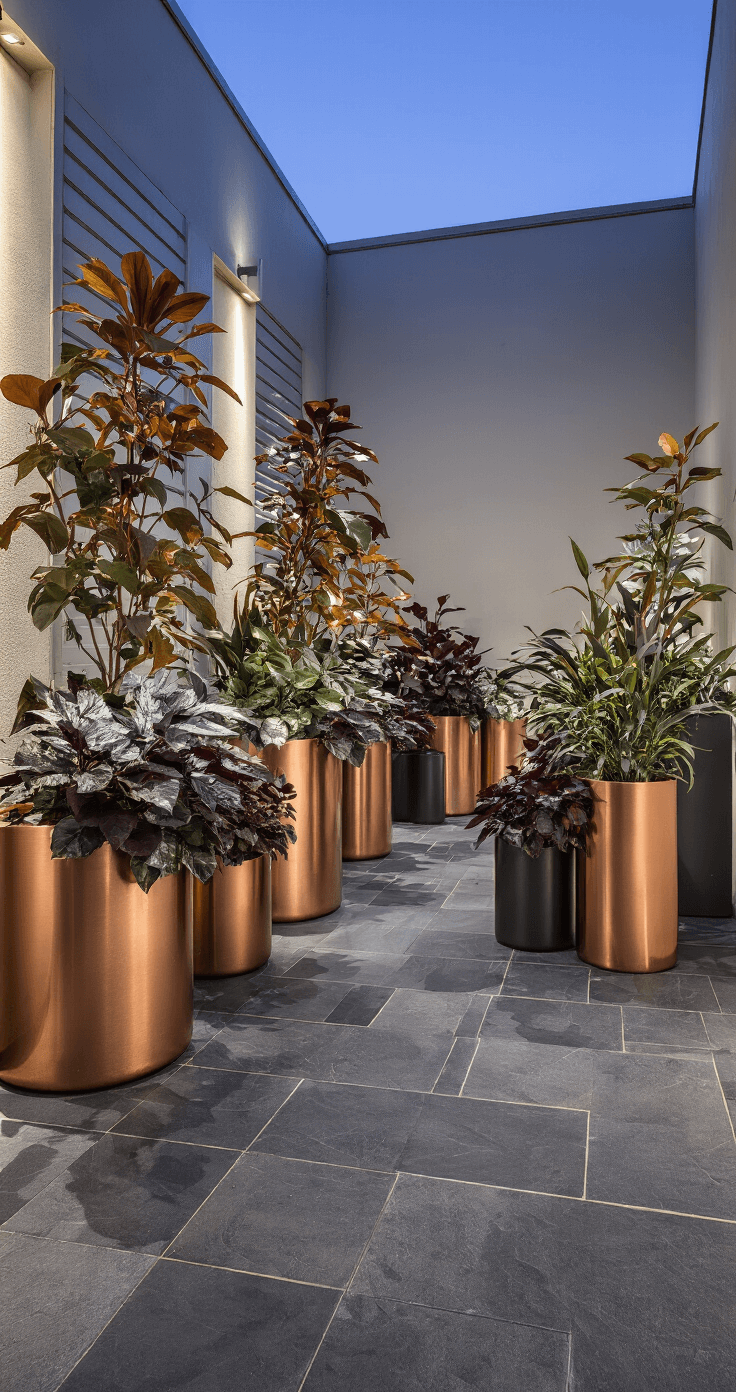
🎨 Steal This Look
- Paint Color: Farrow & Ball Card Room Green 79
- Furniture: vintage-inspired wrought iron bistro set with curved legs and weathered patina finish
- Lighting: oversized rattan pendant with handwoven shade and brass canopy
- Materials: glazed terracotta, weathered teak, hammered copper, linen slipcovers
This is the room where you slow down with morning coffee, where the light stays soft all day and your plants actually thank you for the dim corners that frustrate you elsewhere.
Save this article
Enter your email and we'll send it straight to your inbox.
Late Summer Shade Gems
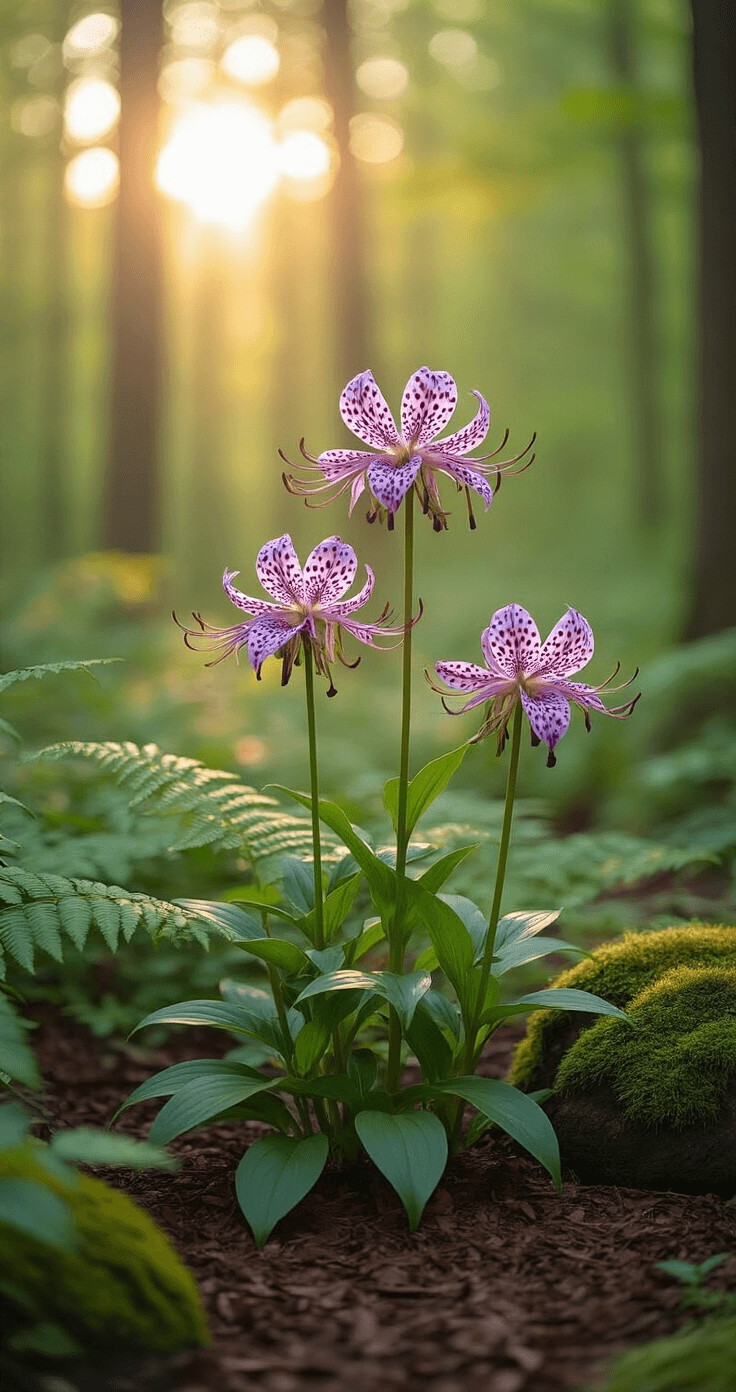
Toad Lily: The Exotic Shade Stunner
- Orchid-like speckled flowers
- Unique and elegant
- Blooms in late summer to fall
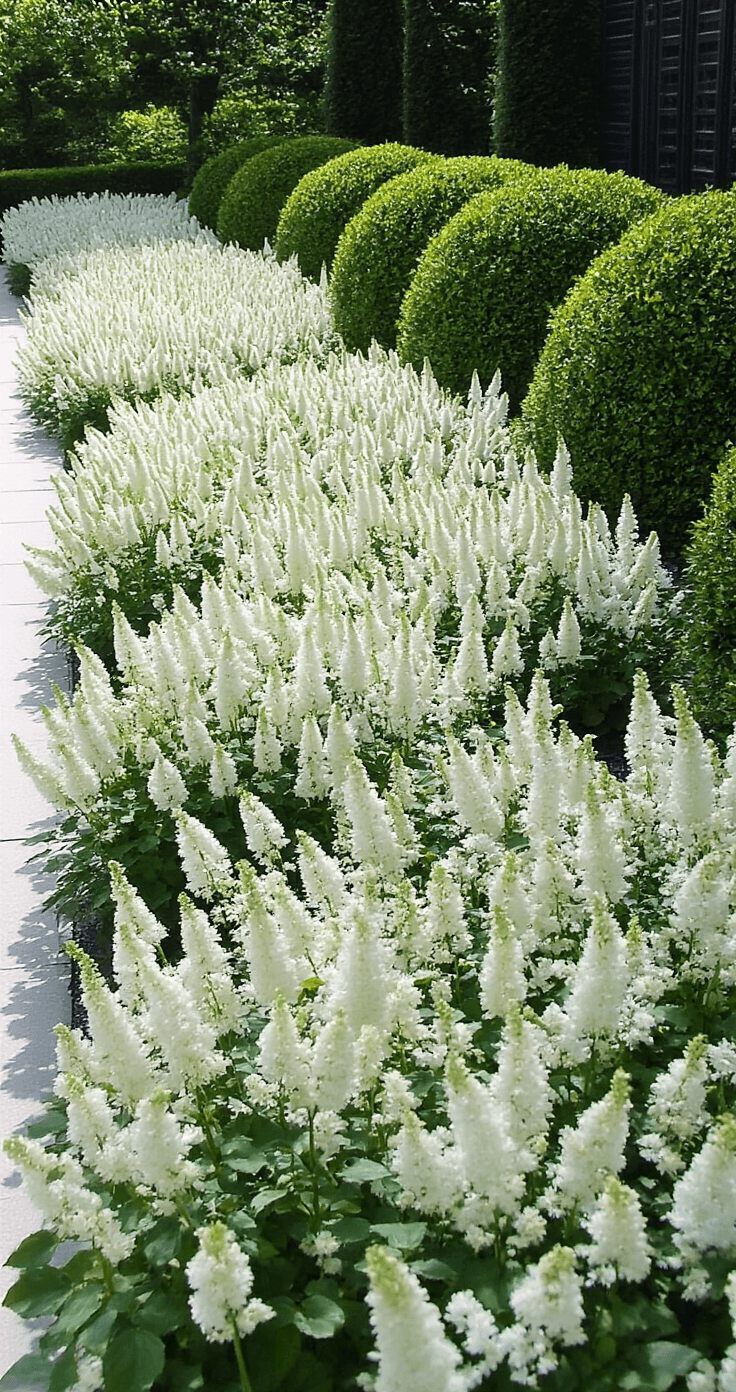
Astilbe: Feathery Shade Delight
- Creamy white frothy flower spikes
- Low-maintenance perennial
- Perfect for woodland garden feel
★ Steal This Look
- Paint Color: Behr Soft Mint PPU12-09
- Furniture: vintage-inspired writing desk with cabriole legs in weathered sage finish
- Lighting: adjustable pharmacy floor lamp with aged brass finish and linen shade
- Materials: distressed whitewashed wood, hammered copper planters, raw Belgian linen, mossy stone accents
This is the room where you finally slow down enough to notice the garden’s quiet crescendo—those overlooked weeks when everyone else has moved on to fall pumpkins, but you’re still savoring the last elegant whispers of summer.
Foliage Superstars for Shade
Coral Bells: Color Even in Darkness
- Rosy purple leaves that glow
- Pink summer flowers
- Ideal for garden border edging
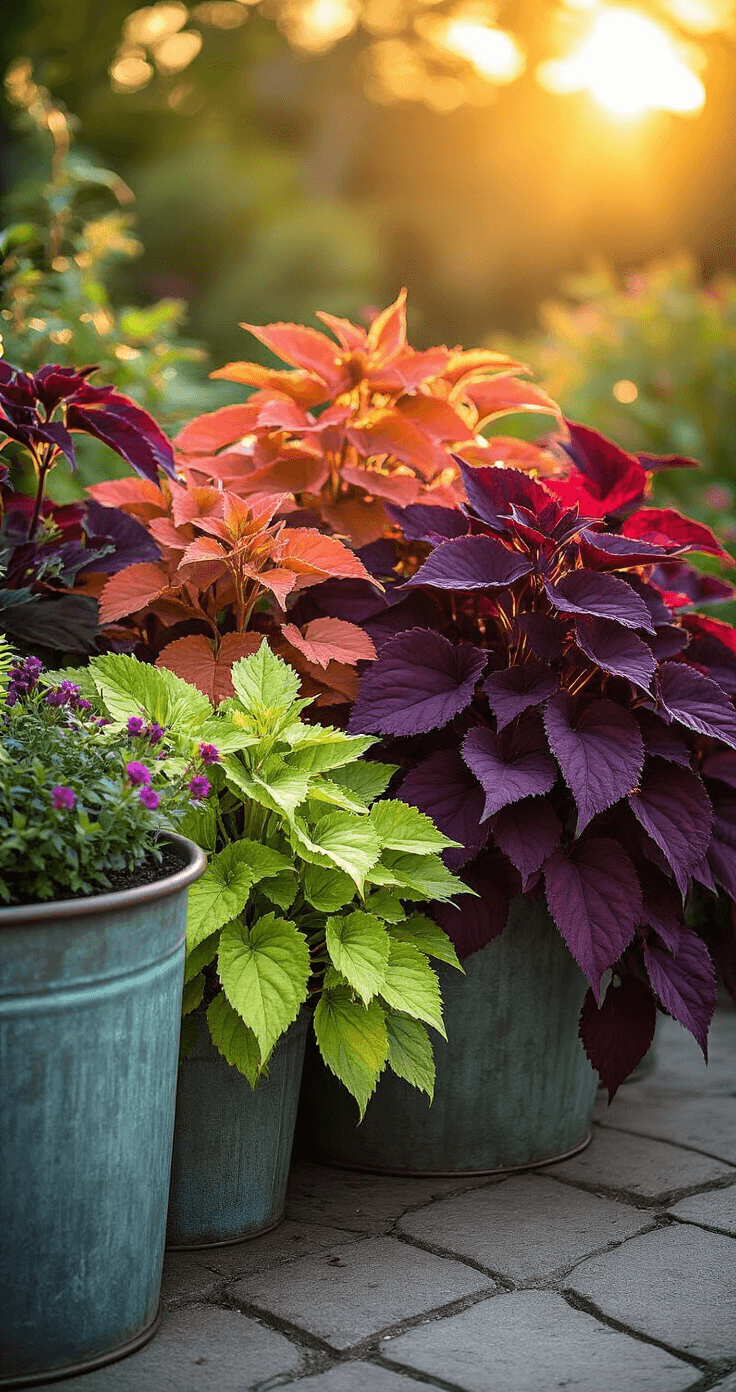
Coleus: Foliage Color Explosion
- Endless leaf patterns and colors
- Grows incredibly well in shade
- No constant maintenance required
★ Steal This Look
- Paint Color: Valspar Garden Party Purple 4008-10C
- Furniture: vintage-inspired wrought iron bistro set with curved legs and scrollwork details
- Lighting: solar-powered Edison bulb string lights with black metal cages
- Materials: weathered terracotta, aged zinc planters, moss-covered stone, velvet-textured hosta leaves
There’s something quietly magical about a garden that thrives where others fail—coral bells and coleus reward the shaded spots you’ve been ignoring with color that feels almost stolen from sunnier beds.
Pro Tips for Shade Garden Success
Key Considerations:
- Understand your shade type (dappled, partial, full)
- Choose plants matching your specific light conditions
- Mix perennials and annuals for year-round interest
- Use moisture-retaining garden soil for best results
★ Steal This Look
- Paint Color: PPG Olive Lane PPG1123-5
- Furniture: weathered teak potting bench with galvanized steel top
- Lighting: solar-powered copper path lights with amber LED
- Materials: aged terracotta, river rock mulch, moss-covered stone, cedar raised beds
There’s something quietly rewarding about a shade garden that thrives where others struggle—it becomes your secret sanctuary, the corner of the yard that feels discovered rather than designed.
The Bottom Line
Shade gardens aren’t just possible – they’re spectacular. With the right plants and a bit of know-how, you can transform those dark garden spaces into breathtaking landscapes.
Pro Gardener Tip: Don’t be afraid to experiment! Every shade garden is unique, and part of the fun is discovering what works in your specific space.
Now go out there and turn those shady spots into your garden’s most stunning feature! 🌿🌸
Keep this one for later
We'll email you the link so you can come back to it.


[…] you want to learn more about specific flowers that grow well in shade, visit this helpful resource. It offers a great list of options to brighten up those darker corners of your […]