This post may contain affiliate links. Please see my disclosure policy for details.
Stone Garden Borders: Transform Your Outdoor Space with Timeless Elegance
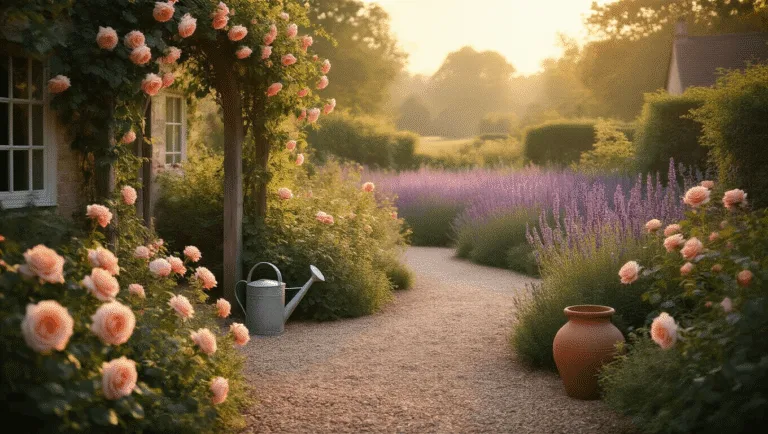
Listen up, garden enthusiasts! I’m about to reveal the secret weapon that’ll take your outdoor space from bland to grand – stone garden borders.

🖼 Steal This Look
- Paint Color: Sherwin-Williams Garden Sage SW 6165
- Furniture: weathered teak Adirondack chair with slatted back
- Lighting: low-voltage bronze path lights with seeded glass shades
- Materials: irregular Pennsylvania bluestone, crushed pea gravel, aged cedar mulch, galvanized steel edging
There’s something deeply satisfying about running your hands over cool stone that will outlast every trend—this is the one garden upgrade you’ll never regret.
Why Stone Borders Are a Game-Changer
Let’s cut to the chase. Stone garden borders aren’t just pretty – they’re functional powerhouses that solve multiple landscaping challenges:
Instant Visual Magic
- Crisp, clean lines that make your garden pop
- Natural textures that bring depth and character
- Ability to transform ordinary spaces into stunning landscapes
Practical Superpowers
- Stops grass from invading your flower beds
- Prevents soil erosion like a champ
- Reduces maintenance time dramatically
- Creates natural drainage channels

★ Steal This Look
- Paint Color: Benjamin Moore Kendall Charcoal HC-166
- Furniture: weathered teak garden bench with slatted back
- Lighting: low-voltage LED bollard lights with bronze finish
- Materials: irregular Pennsylvania bluestone, crushed pea gravel, drought-tolerant ornamental grasses
There’s something deeply satisfying about running your hand over cool stone that has settled into the earth over seasons—it’s the kind of grounded beauty that makes you want to linger outside with coffee in hand.
Choosing Your Stone: A Style Guide
Not all stones are created equal. Here’s your quick-pick guide:
Natural Stone Options
- Granite: Tough as nails, classic look
- Slate: Sleek, modern vibes
- Limestone: Soft, elegant appearance
- Sandstone: Warm, rustic feel
Pro Tip: Mix and Match
Combine different stone types for a unique, personalized border that screams “designer garden.

🌟 Steal This Look
- Paint Color: Farrow & Ball Green Smoke 47
- Furniture: weathered teak garden bench with curved backrest
- Lighting: solar-powered copper path lights with warm amber glow
- Materials: rough-hewn granite cobbles, reclaimed slate chippings, lime-washed terracotta planters
This is where your garden starts to feel intentional rather than accidental; the stone you choose here sets the emotional tone for every morning coffee you’ll take outside.
Save this article
Enter your email and we'll send it straight to your inbox.
DIY Stone Border Installation: The Step-by-Step Breakdown
What You’ll Need
- Stones (duh!)
- Shovel
- Landscape fabric
- Sand or gravel
- Rubber mallet
- Measuring tape
Installation Steps
- Plan Your Route
- Use a garden hose to map out your border
- Spray paint the line for precision
- Prep the Ground
- Dig a 4-6 inch trench
- Level the base
- Add landscape fabric to prevent weeds
- Stone Placement
- Start at a corner or focal point
- Place stones tightly together
- Use the rubber mallet to level
- Finish & Stabilize
- Backfill with soil
- Tap stones into final position
- Add gravel for extra drainage

🖼 Steal This Look
- Paint Color: Behr Garden Wall N400-3
- Furniture: weathered teak potting bench with galvanized steel top
- Lighting: solar-powered copper path lights with amber LED
- Materials: irregular Pennsylvania bluestone, crushed limestone base, woven polypropylene landscape fabric, aged cedar mulch
There’s something deeply satisfying about the rhythmic tap of a rubber mallet settling stone into earth, a small rebellion against the disposable culture of plastic edging that falls apart in three years.
Budget-Friendly Tricks
- Scavenge local stones
- Check construction sites (with permission!)
- Look for sales at landscape supply stores
- Consider concrete alternatives to natural stone

★ Steal This Look
- Paint Color: use Valspar brand. Match the ACTUAL wall color in the image. Format: Valspar ColorName CODE
- Furniture: weathered wooden garden bench with slatted seat
- Lighting: solar-powered pathway stake lights with warm amber glow
- Materials: irregular fieldstone, crushed limestone base, untreated cedar edging strips
There’s something deeply satisfying about a border built from stones you hauled yourself—every chip and moss patch tells a story that no premium landscape package can buy.
✓ Get The Look
Maintenance: Keep It Looking Killer
Annual Care Routine
- Check for shifted stones
- Remove any weeds
- Top up gravel or soil as needed
- Pressure wash for a fresh look

🌟 Steal This Look
- Paint Color: PPG Stonehenge Greige PPG1002-3
- Furniture: weathered teak potting bench with galvanized steel top
- Lighting: solar-powered copper pathway lights with warm 2700K output
- Materials: natural fieldstone, crushed limestone gravel, cedar mulch, brushed concrete pavers
There’s something deeply satisfying about that first weekend in March when you roll up your sleeves and reset a few winter-shifted stones—it reconnects you to the hands-on craft of your garden’s bones.
Design Inspiration Roundup
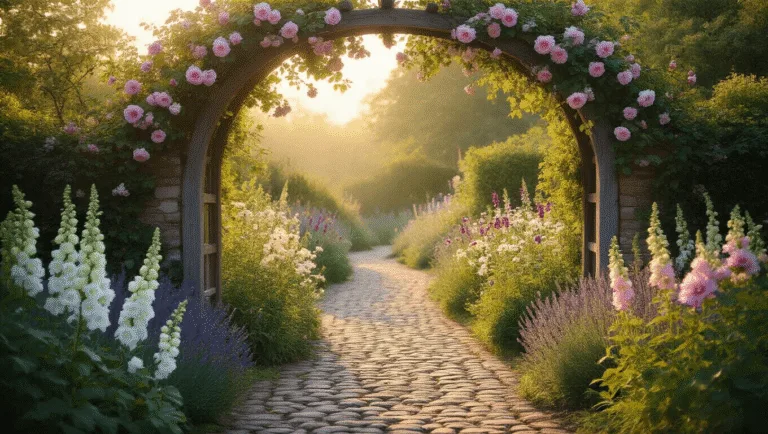
- Curved borders for soft landscapes
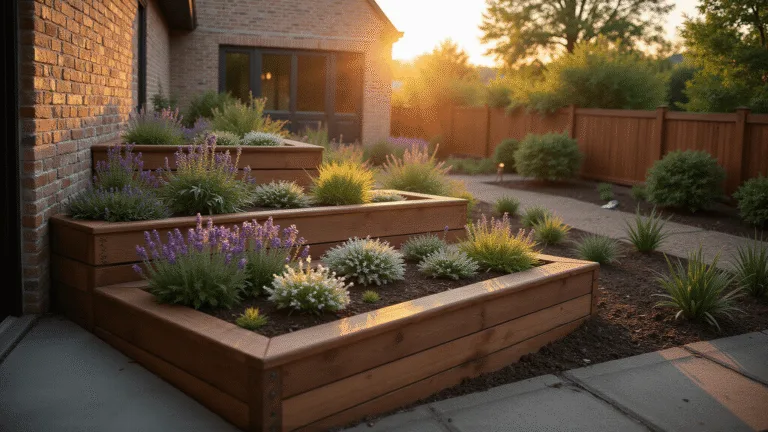
- Stacked stone for dramatic height
- Mixed stone sizes for texture
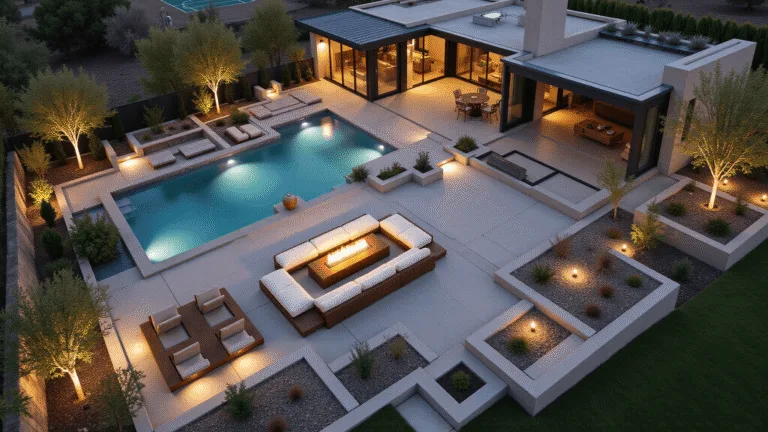
- Incorporate lighting for nighttime drama
Common Mistakes to Avoid
- Don’t skimp on preparation
- Ensure proper drainage
- Level your base meticulously
- Choose stones that complement your home’s style

★ Steal This Look
- Paint Color: Clare Paint Deep Dive 0013
- Furniture: weathered teak garden bench with slatted back
- Lighting: low-voltage LED path lights with bronze finish
- Materials: bluestone pavers, crushed limestone base, polymeric jointing sand, galvanized steel edging
I’ve watched too many weekend warriors pour their savings into beautiful flagstone only to see it buckle after the first winter—proper prep isn’t glamorous, but it’s what separates a 5-year border from a 25-year one.
The Bottom Line
Stone garden borders are more than just a pretty face. They’re a smart investment that elevates your outdoor space, reduces maintenance, and creates a professional look that’ll make your neighbors green with envy.
Ready to transform your garden? Let’s do this!
Keep this one for later
We'll email you the link so you can come back to it.