This post may contain affiliate links. Please see my disclosure policy for details.
Water features aren’t just decorative elements—they’re magical transformations that breathe life into your outdoor spaces. Let me take you through the ultimate guide to creating your personal garden oasis.
Why Water Features Matter
Gardens whisper stories, and water features are their most enchanting narrators. These liquid landscapes do more than just look pretty:
- Create soothing ambient sounds
- Attract wildlife like birds and butterflies
- Increase property value
- Provide a natural focal point
- Reduce stress and create tranquility
🏠 Steal This Look
- Paint Color: Sherwin-Williams Rainwashed SW 6211
- Furniture: weathered teak garden bench with curved backrest positioned to face the water feature
- Lighting: low-voltage LED submersible pond lights with warm 2700K color temperature
- Materials: natural fieldstone, corten steel, bamboo, and weathered cedar
There’s something deeply human about our attraction to moving water—it’s why we pay premium for ocean-view rooms and linger by hotel lobby fountains. A garden water feature brings that same primal satisfaction home, creating a private retreat that feels miles away from the chaos just beyond your fence.
Types of Water Features for Every Space
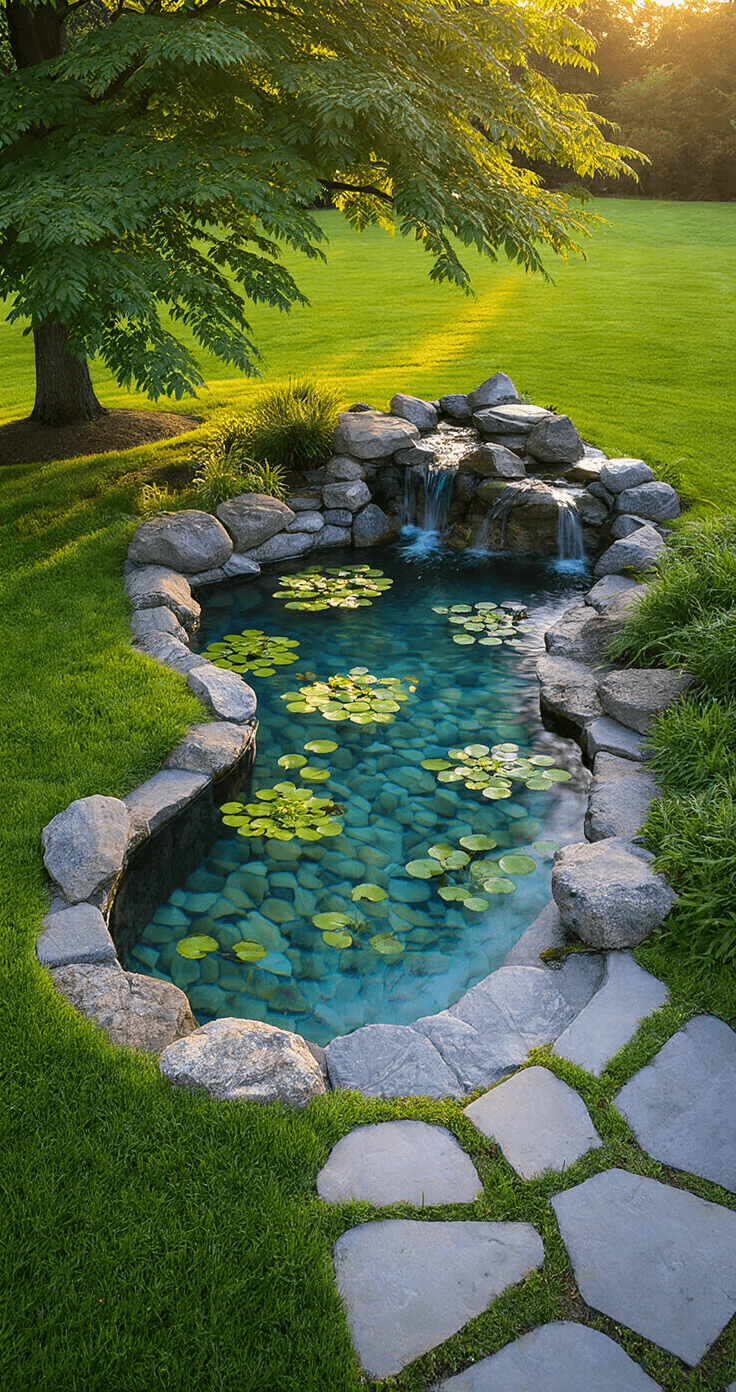
1. Ecosystem Ponds: Nature’s Living Canvas
Imagine a self-sustaining miniature world right in your backyard. Ecosystem pond liner makes this dream achievable.
Key Characteristics:
- 10-15 feet wide
- 2-4 feet deep
- Minimal maintenance
- Supports fish and aquatic plants
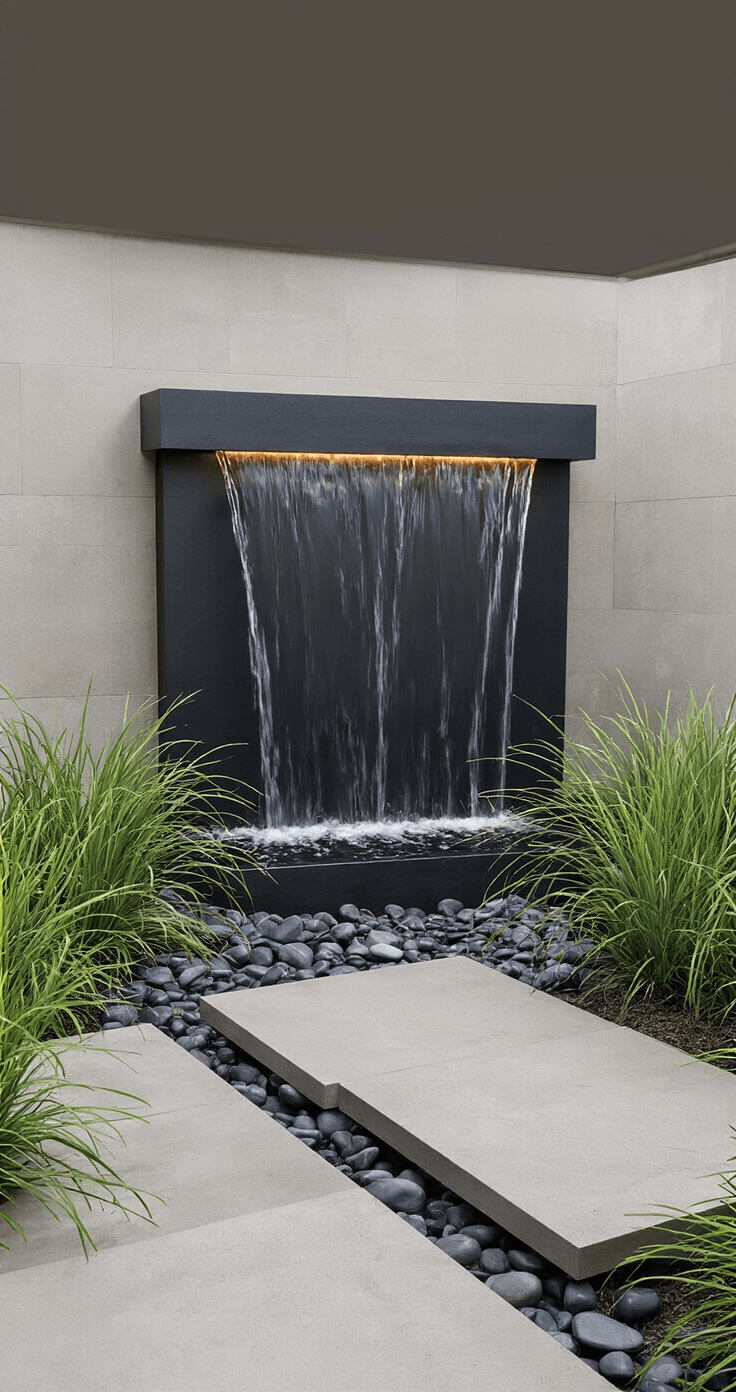
2. Pondless Waterfalls: Compact Elegance
Perfect for smaller spaces, these features recirculate water through a hidden underground basin. No pond, all drama!
Pro Tip: Submersible water pump is crucial for creating that mesmerizing cascade.
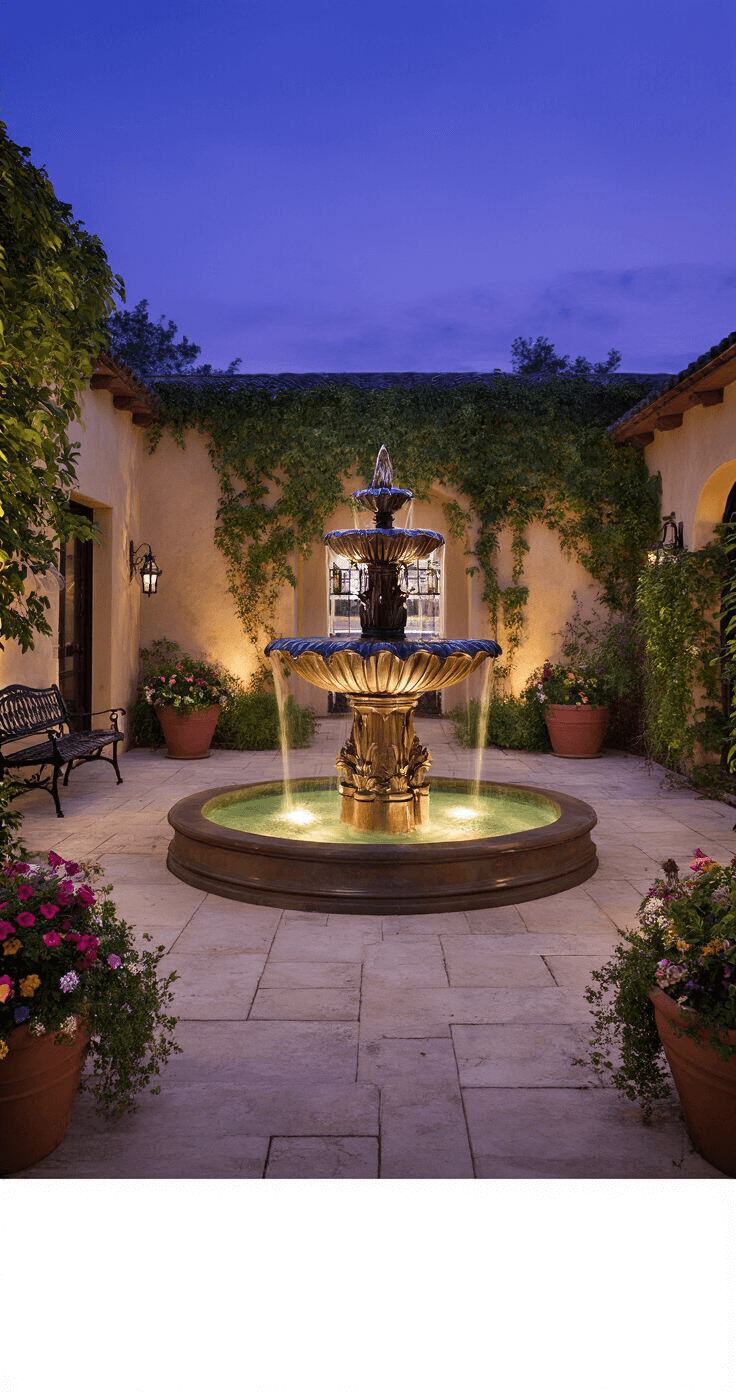
3. Fountain Varieties: Artistic Statements
From contemporary to classic, fountains offer endless personality:
- Statue fountains
- Wall fountains
- Bubbler fountains
- Sphere fountains
- Water blade designs
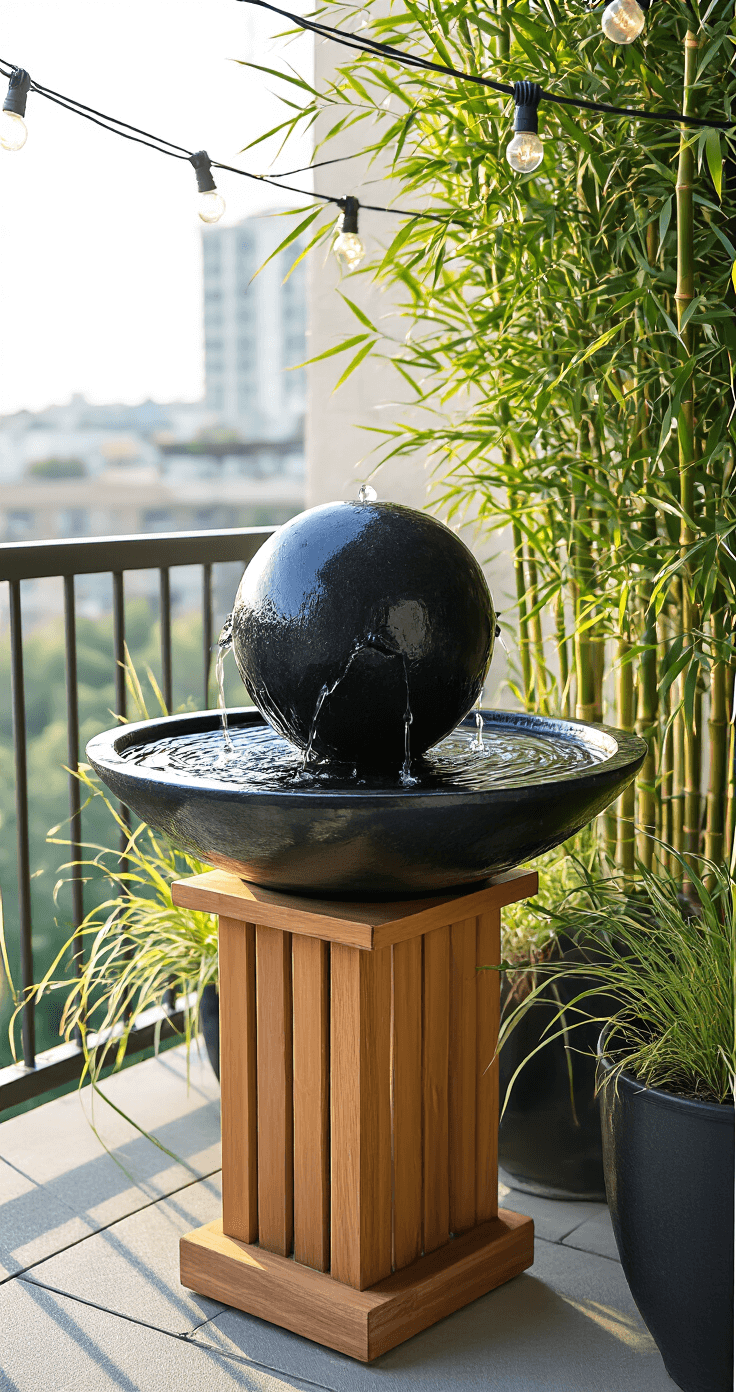
4. Compact Solutions for Tight Spaces
Not everyone has a sprawling backyard. No worries!
Small Space Champions:
Save this article
Enter your email and we'll send it straight to your inbox.
- Bird baths
- Tabletop water fountains
- Wall-mounted features
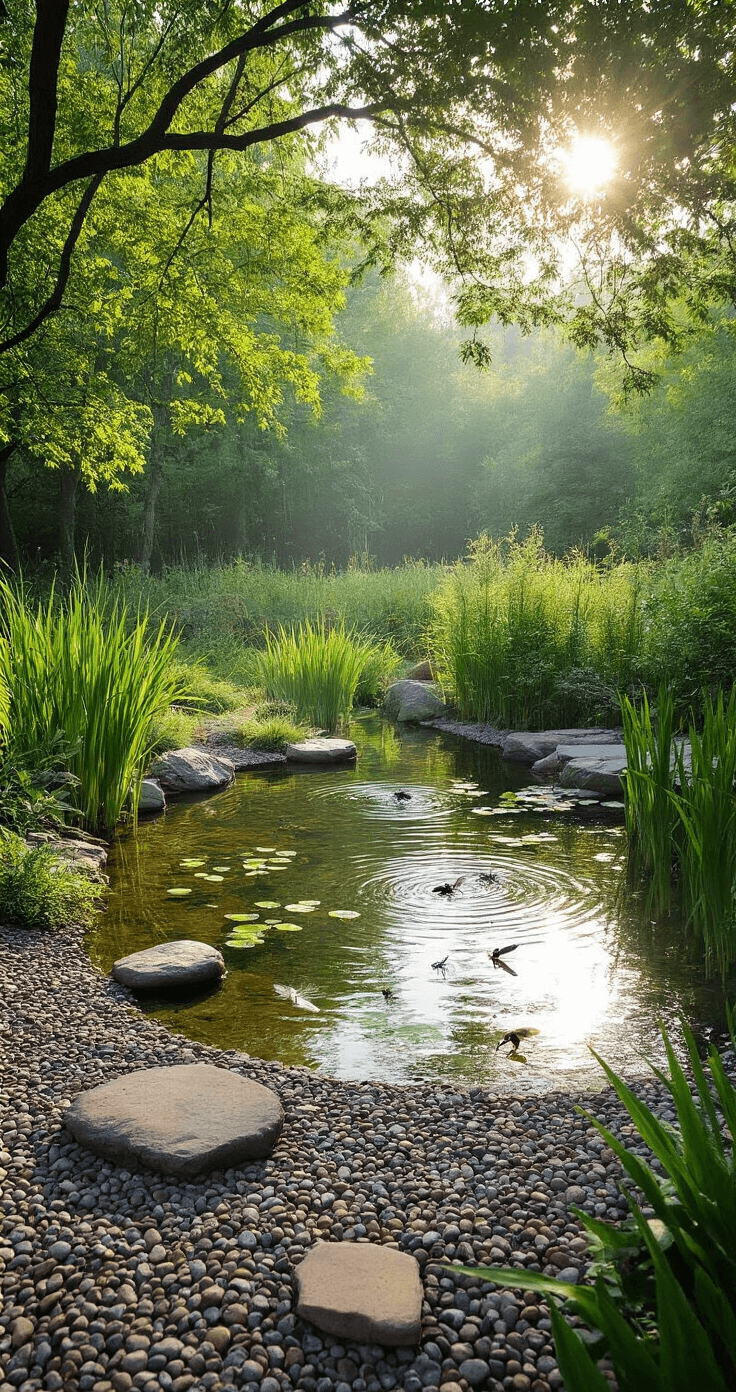
🏠 Steal This Look
- Paint Color: Benjamin Moore Backwoods 469
- Furniture: weathered teak Adirondack chairs with ergonomic sloped backs
- Lighting: low-voltage LED well lights with brass housing
- Materials: Pennsylvania bluestone coping, black pond liner, river rock aggregate, aquatic moss
There’s something deeply meditative about kneeling at the pond’s edge at dawn, watching koi surface for breakfast—these living systems reward patience with a connection to seasonal rhythms that no static sculpture can replicate.
Ecological Considerations
Supporting Local Wildlife
Water features aren’t just pretty—they’re ecosystems. Consider:
- Shallow drinking edges
- Rocks for perching
- Native aquatic plants
- Varied water depths
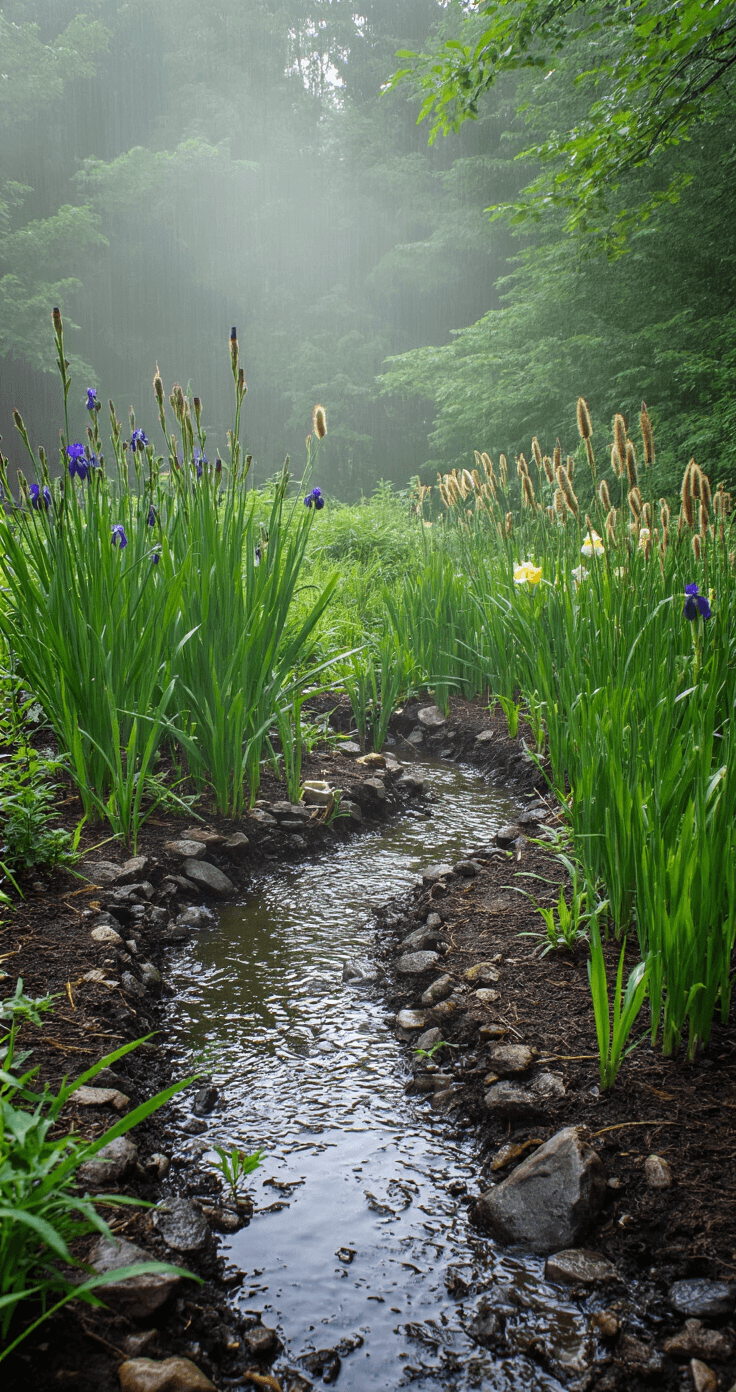
Rain Gardens: Functional Beauty
These aren’t just gorgeous—they’re environmental heroes:
- Filter rainwater runoff
- Support local biodiversity
- Reduce stormwater pollution
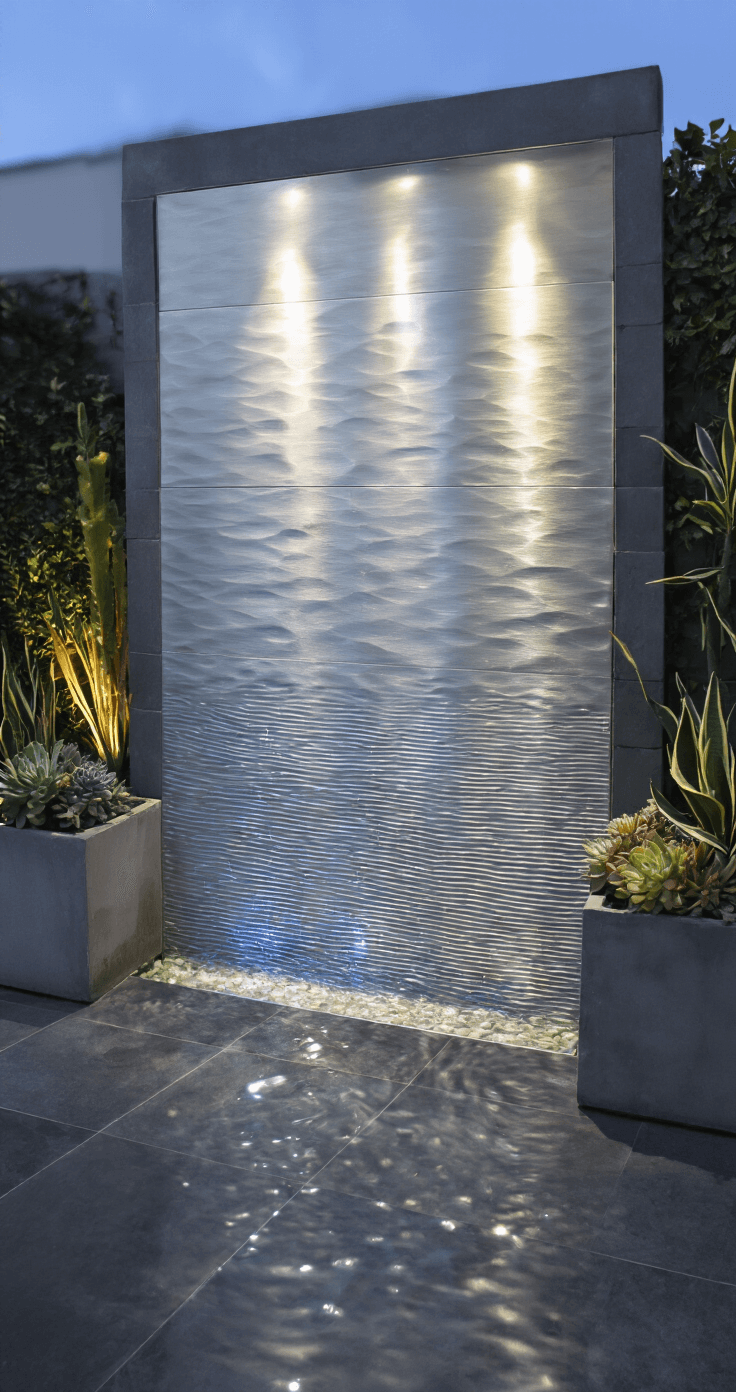
💡 Steal This Look
- Paint Color: Farrow & Ball Green Smoke 47
- Furniture: weathered teak garden bench with curved backrest positioned for bird watching
- Lighting: solar-powered copper path lights with warm 2700K output along garden edges
- Materials: unpolished fieldstone, untreated cedar, reclaimed barn wood, native limestone gravel
There’s something quietly profound about watching a cardinal bathe in water you intentionally designed for it—this room extends your home’s hospitality to creatures who were there long before your foundation was poured.
Choosing Your Perfect Water Feature
Ask Yourself:
- How much space do I have?
- What’s my maintenance tolerance?
- What’s my budget?
- What aesthetic am I seeking?
Budget Breakdown:
- Basic bird bath: $50-$200
- Ceramic pot fountain: $200-$500
- Professional ecosystem pond: $5,000-$15,000
Pro Installation Tips
- Check local regulations
- Consider ground stability
- Plan electrical access
- Think about seasonal maintenance
- Integrate with existing landscape design
Maintenance Matters
Quick Maintenance Checklist:
- Regular water testing
- Clean filters monthly
- Remove debris
- Check pump functionality
- Winterize in cold climates
Pond maintenance kit can be a game-changer for hassle-free upkeep.
Final Thoughts
Water features are more than decorations—they’re living, breathing elements that transform gardens into sanctuaries. Whether you choose a modest bird bath or an elaborate ecosystem pond, you’re creating a piece of living art.
Remember: Start small, dream big, and let water tell your garden’s story.
Keep this one for later
We'll email you the link so you can come back to it.