
This post may contain affiliate links. Please see my disclosure policy for details.
Raised Bed Gardens: Your Ultimate Guide to Creating a Stunning and Productive Outdoor Space
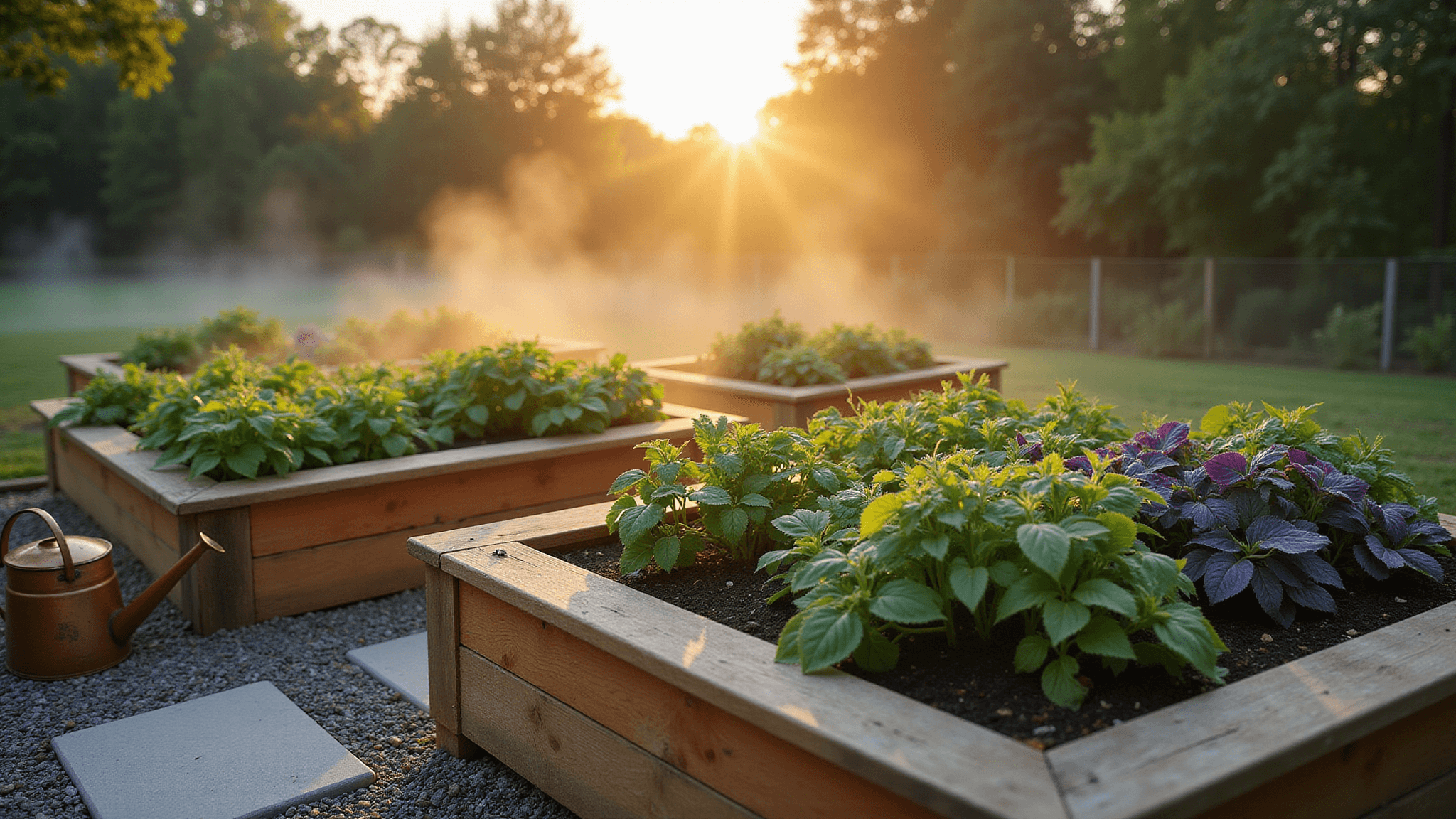
Are you dreaming of a garden that’s both beautiful and incredibly functional? Raised bed gardening might just be your perfect solution.
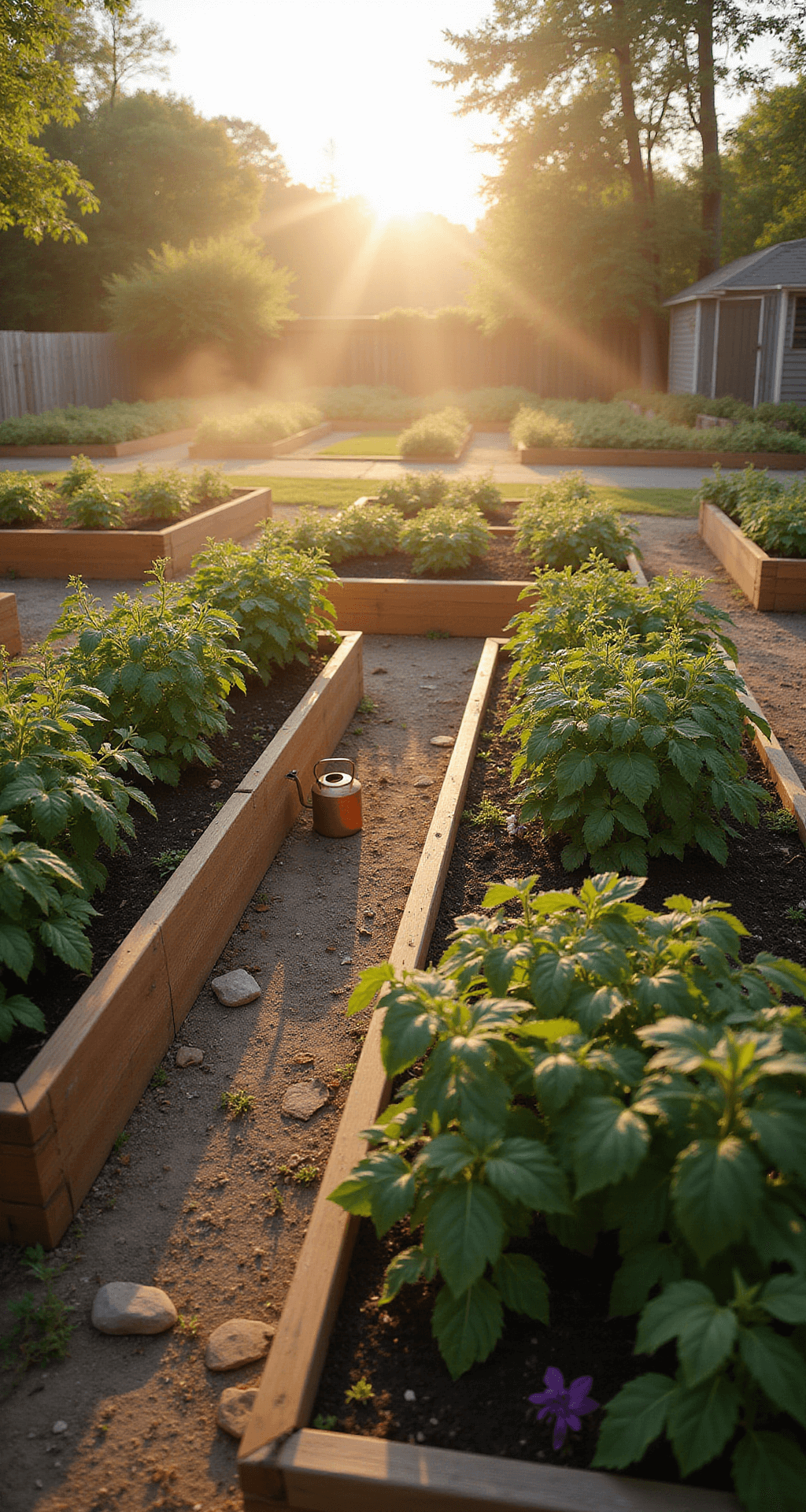
★ Steal This Look
- Paint Color: Sherwin-Williams Rookwood Dark Green SW 2805
- Furniture: weathered cedar potting bench with galvanized steel top, foldable teak Adirondack chairs with Sunbrella cushions
- Lighting: solar-powered vintage Edison string lights with black metal cages, motion-sensor pathway stake lights in aged bronze finish
- Materials: rough-sawn cedar boards for bed frames, untreated hemlock corner posts, crushed gravel pathways, corten steel edging, hemp rope detailing, raw linen garden tool apron
There’s something deeply satisfying about standing at waist height to harvest dinner—no aching back, no muddy knees, just the quiet pride of food you grew yourself within arm’s reach.
Why Raised Beds Are a Game-Changer for Home Gardeners
Let’s cut to the chase – raised bed gardens aren’t just a trend. They’re a revolutionary way to grow plants that solves multiple gardening challenges in one elegant design.
Key Benefits That Will Make You Want to Start Digging
Incredible Advantages of Raised Bed Gardening:
- 🌱 Complete soil control
- 💪 Easier on your body (no more back-breaking bending)
- 🌞 Faster soil warming in spring
- 📏 Precise space management
- 🥬 Higher crop yields
- 🏡 Stunning landscape design element
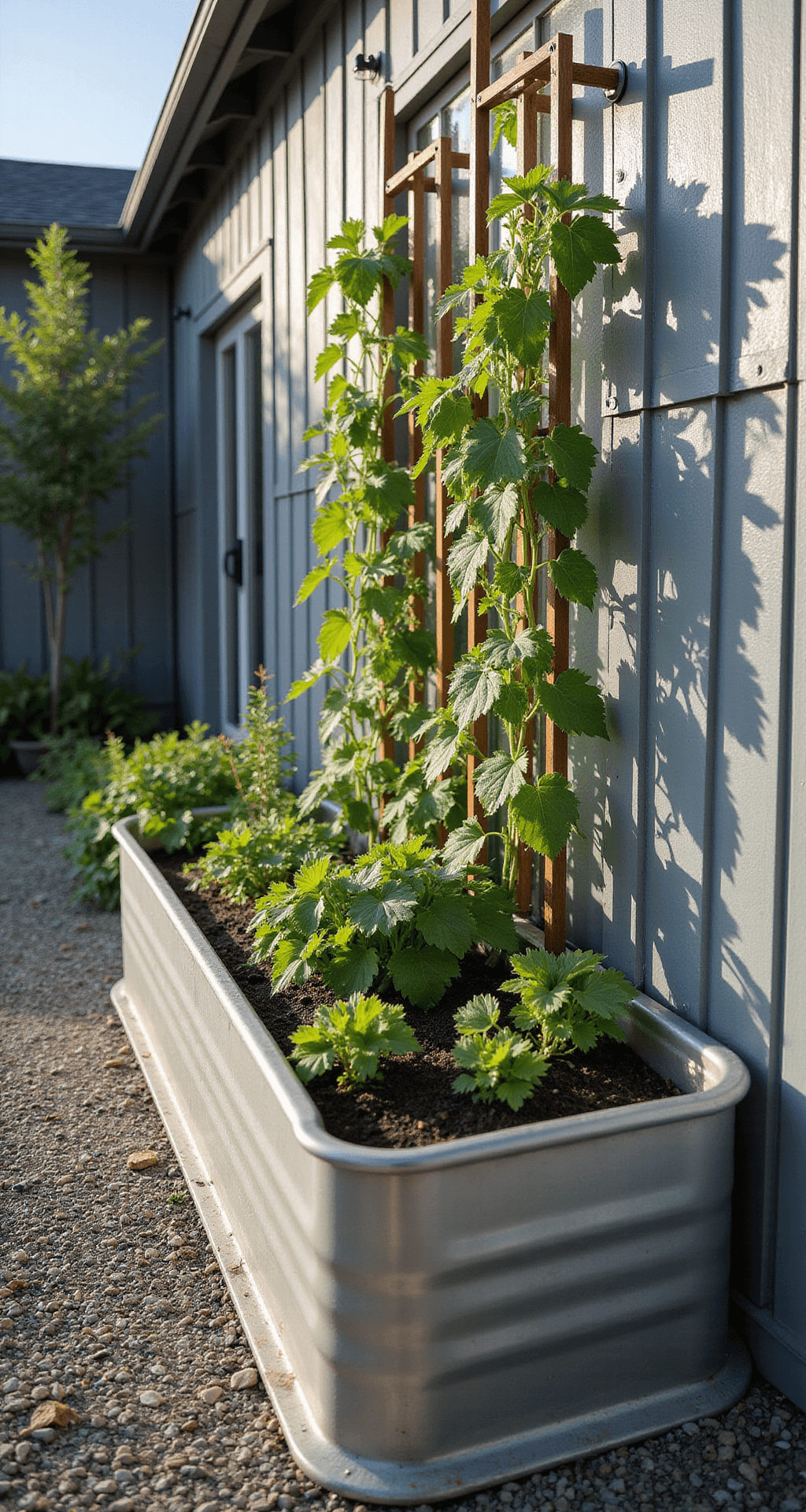
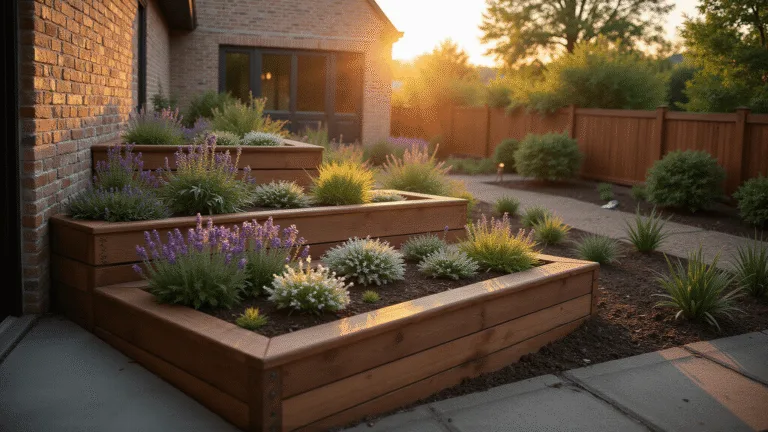
🏠 Steal This Look
- Paint Color: Benjamin Moore Caldwell Green HC-124
- Furniture: cedar raised bed kit with corner seating ledge
- Lighting: solar-powered copper path lights with warm 2700K output
- Materials: rough-sawn cedar, galvanized steel corners, crushed gravel pathways, untreated pine mulch
There’s something deeply satisfying about running your hands along warm cedar planks while harvesting dinner ingredients just steps from your kitchen door.
Choosing Your Perfect Raised Bed Setup
Materials Matter: What to Build With
Top Raised Bed Materials:
- Cedar wood (naturally rot-resistant)
- Recycled plastic lumber
- Stone or concrete blocks
- Galvanized metal
- Composite materials
Pro Tip: Avoid pressure-treated lumber that might leach chemicals into your soil.
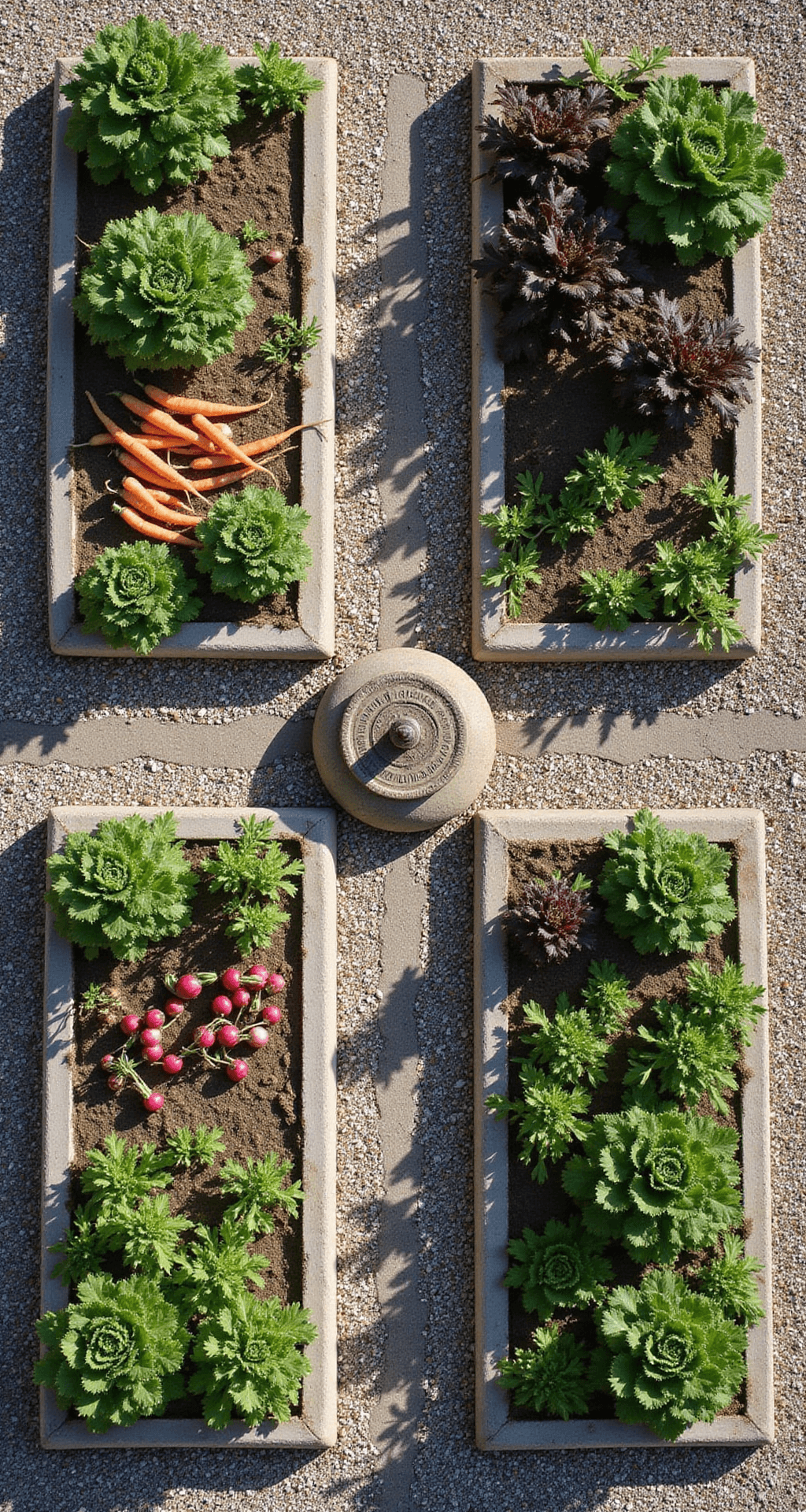
Size and Placement Strategies
Ideal Raised Bed Dimensions:
- Width: 3-4 feet (easy reach from sides)
- Length: 6-8 feet
- Height: 12-24 inches
Location Considerations:
- 6-8 hours of direct sunlight
- Near water source
- Level ground
- Protection from strong winds
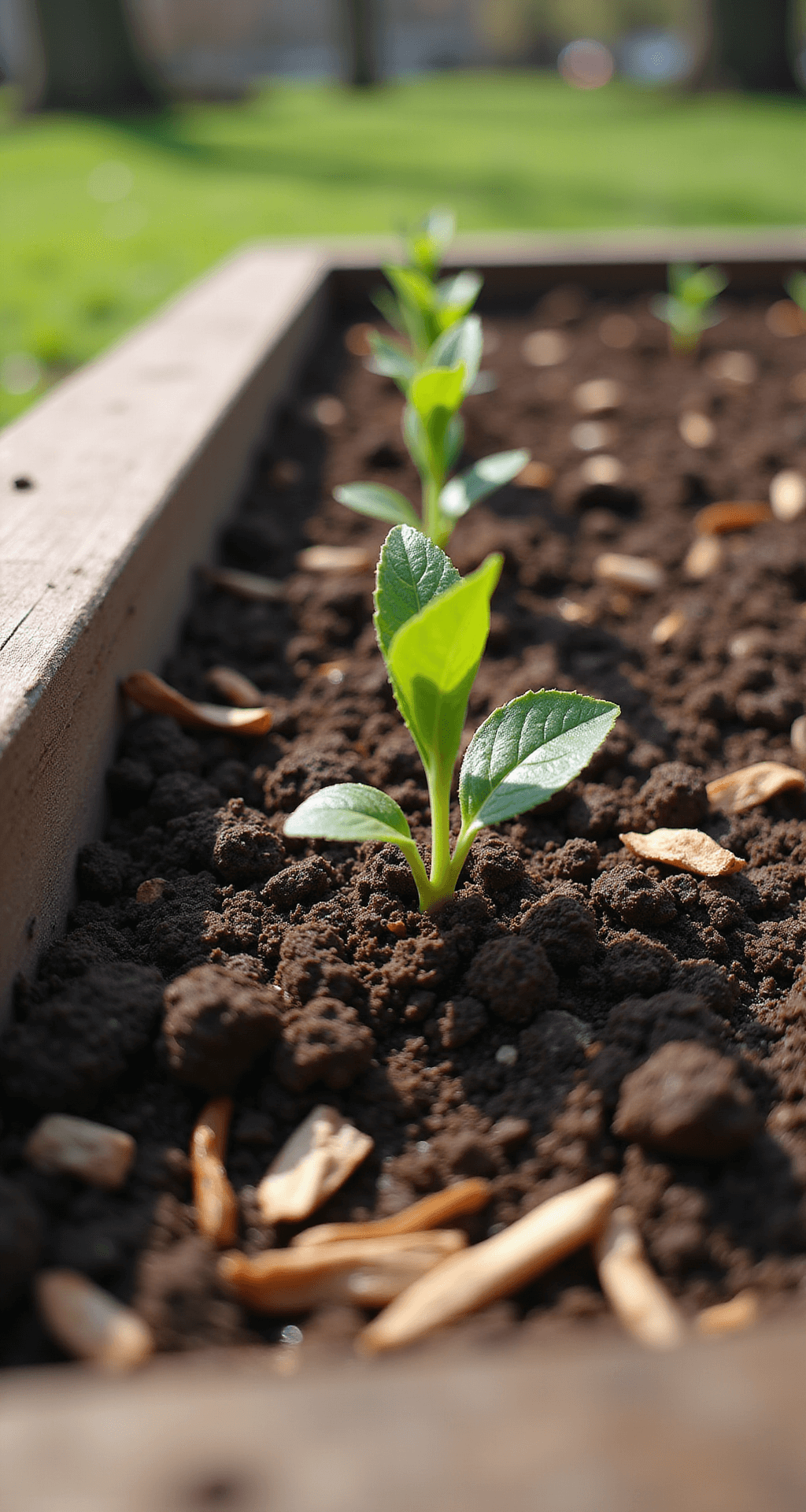
🎨 Steal This Look
- Paint Color: Farrow & Ball Green Smoke 47
- Furniture: weathered teak potting bench with galvanized steel top and lower slatted shelf for tool storage
- Lighting: gooseneck barn light in matte black with warm LED bulb for early morning and evening garden tasks
- Materials: rough-sawn cedar planks with visible grain, aged galvanized metal corrugated panels, crushed gravel pathways, hemp rope detailing, untreated terracotta pots
There’s something deeply satisfying about running your hands along the warm cedar planks of a raised bed you built yourself, knowing it will outlast the season and only grow more beautiful as it silvers in the sun.
Soil: The Secret Sauce of Successful Raised Beds
Creating the Perfect Growing Environment
Killer Soil Mix Recipe:
- 1/3 compost
- 1/3 topsoil
- 1/3 high-quality gardening soil
- Optional: Worm castings for extra nutrition
Must-Have Soil Amendments:
Save this article
Enter your email and we'll send it straight to your inbox.
- Organic compost
- Aged manure
- Vermiculite
- Perlite
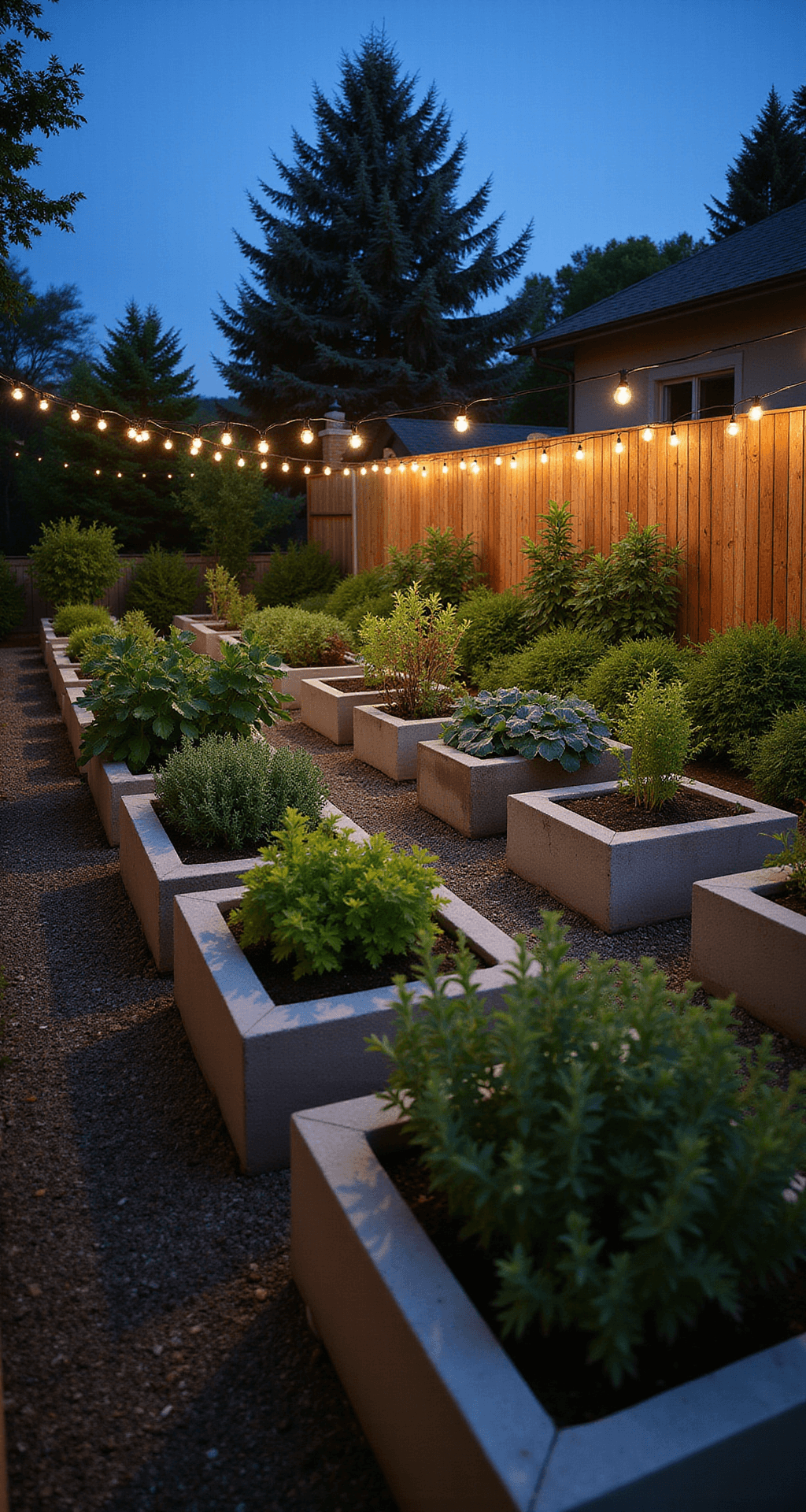
🏠 Steal This Look
- Paint Color: Behr Garden Wall S340-4
- Furniture: weathered cedar potting bench with galvanized steel top
- Lighting: solar-powered Edison bulb string lights with black metal cages
- Materials: rough-sawn cedar, aged galvanized metal, untreated pine shavings, burlap sacks, terracotta shards
There’s something deeply satisfying about plunging your hands into soil you’ve built yourself—this is where the real magic of raised bed gardening happens, long before the first seed goes in.
Planting Strategies That Maximize Your Space
Companion Planting Techniques
Winning Plant Combinations:
- Tomatoes + Basil
- Carrots + Onions
- Lettuce + Radishes
- Cucumbers + Beans
Vertical Gardening Hack: Use trellises to grow climbing plants and maximize space!
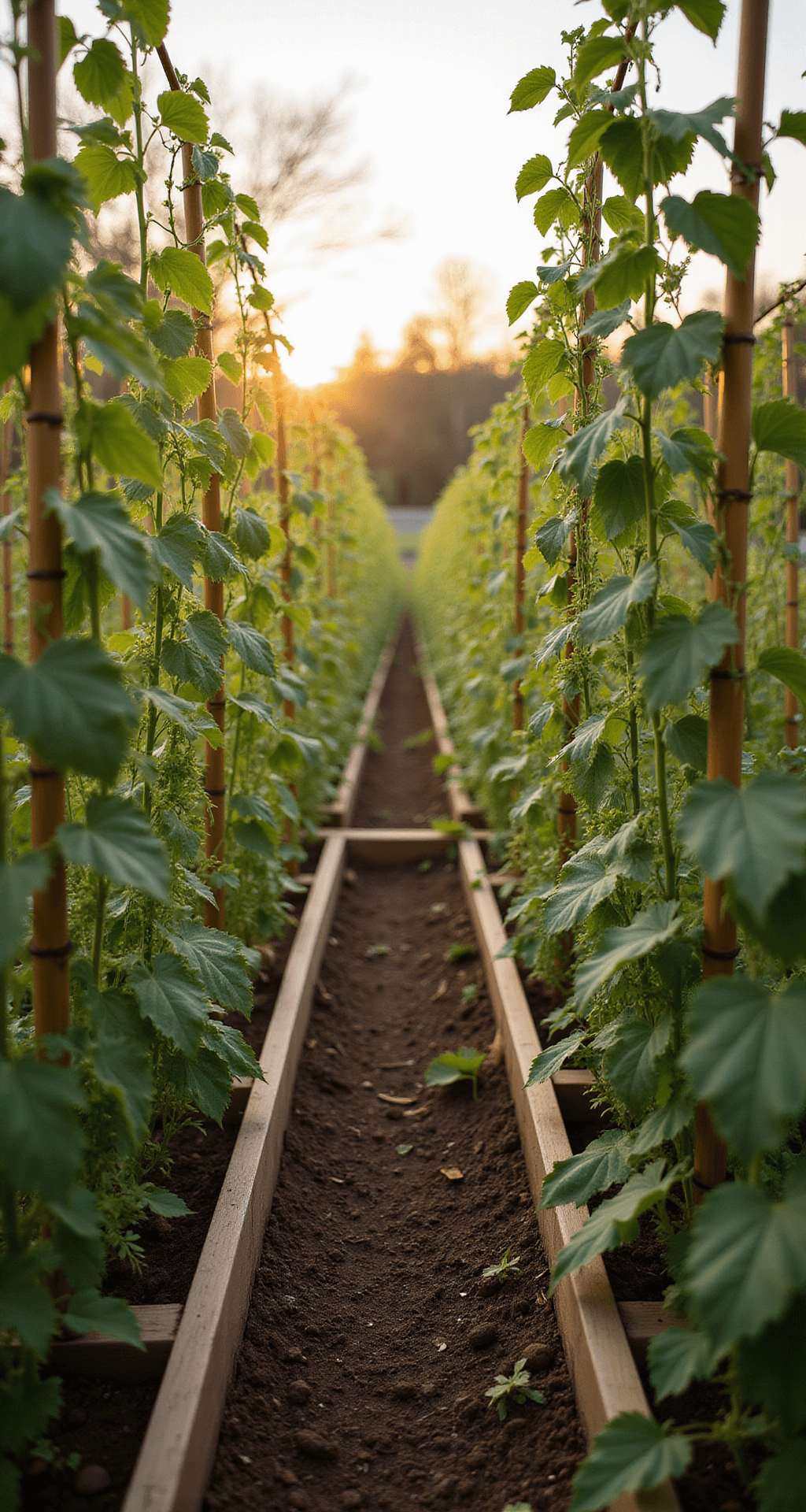
🖼 Steal This Look
- Paint Color: use Valspar brand. Match the ACTUAL wall color in the image. Format: Valspar Garden Gate 5002-4B
- Furniture: cedar potting bench with galvanized steel top, weathered teak Adirondack chair for garden seating, rustic wooden step ladder for tiered plant display
- Lighting: solar-powered Edison bulb string lights draped between raised bed posts, black cast iron shepherd’s hook with integrated LED uplight for climbing vine illumination
- Materials: rough-sawn cedar for bed frames, untreated pine shavings for pathways, galvanized chicken wire for vertical trellises, hemp twine for plant support, crushed granite for drainage base
There’s something deeply satisfying about running your fingers through warm soil while knowing every square inch is working overtime—companion planting turns your raised beds into living puzzles where every piece supports the whole.
Maintenance: Keeping Your Raised Bed Garden Thriving
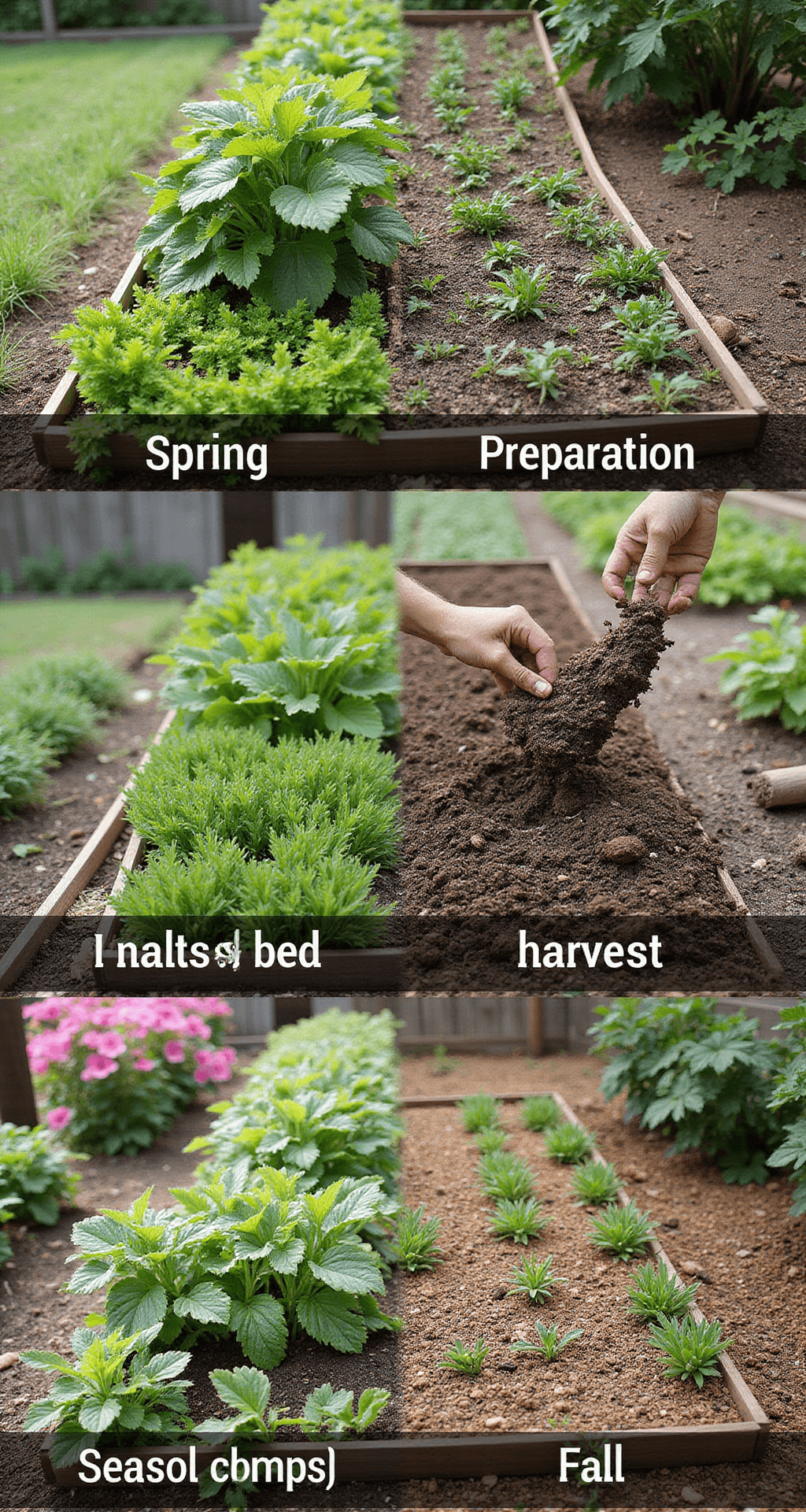
Season-by-Season Care Guide
Spring Preparation:
- Clear winter debris
- Add fresh compost
- Check bed structural integrity
- Plan crop rotation
Summer Management:
- Regular watering
- Mulching
- Pest monitoring
- Continuous harvesting
Fall Cleanup:
- Remove spent plants
- Add cover crops
- Prepare for winter protection
★ Steal This Look
- Paint Color: PPG Garden Gate 410-5
- Furniture: Potting bench with galvanized steel top and cedar base, weather-resistant garden storage cabinet with slatted ventilation
- Lighting: Solar-powered LED path lights with warm 2700K output, motion-sensor security floodlights for evening bed access
- Materials: Cedar mulch, hemp fiber weed barrier, copper tape edging, food-safe mineral oil for wooden bed preservation
There’s something deeply satisfying about running your hands through compost-rich soil each spring—it’s the reset ritual that connects you to the growing season ahead, and your beds will reward that attention tenfold.
Budget-Friendly Tips
Cost-Saving Strategies:
- Use reclaimed wood
- Start small with one or two beds
- Make your own soil mix
- Save seeds from previous harvests
- Join local gardening groups for resources
Common Challenges and Solutions
Potential Issues:
- Drainage problems ➡️ Add drainage holes
- Soil compaction ➡️ Use light, fluffy soil mix
- Pest invasions ➡️ Install physical barriers
- Uneven watering ➡️ Drip irrigation systems
Final Thoughts: Your Raised Bed Journey Begins Now
Raised bed gardening isn’t just about growing plants. It’s about creating a beautiful, productive space that brings joy, fresh food, and a sense of accomplishment.
Start small, learn continuously, and watch your garden transform!
Ready to dig in? Your raised bed adventure starts today!
Keep this one for later
We'll email you the link so you can come back to it.



[…] Create cozy indoor garden retreat […]