This post may contain affiliate links. Please see my disclosure policy for details.
Creating a Stunning Wildflower Garden: Your Ultimate Guide to Natural Beauty and Pollinator Paradise
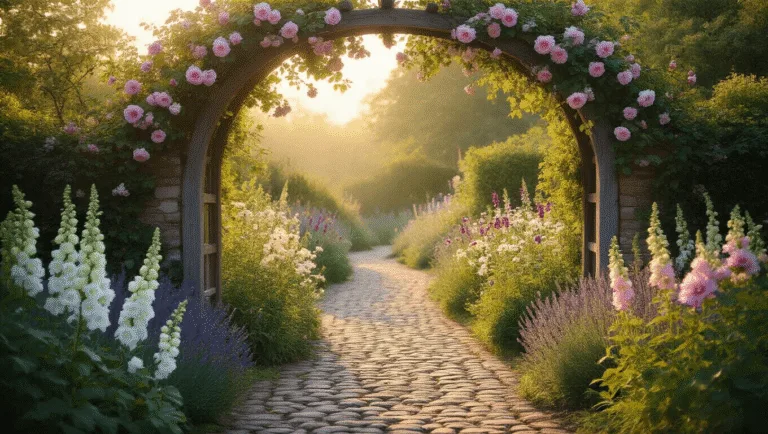
Have you ever dreamed of a garden that’s beautiful, low-maintenance, and actually helps the environment? Welcome to the world of wildflower gardens – nature’s most spectacular and effortless landscaping solution!
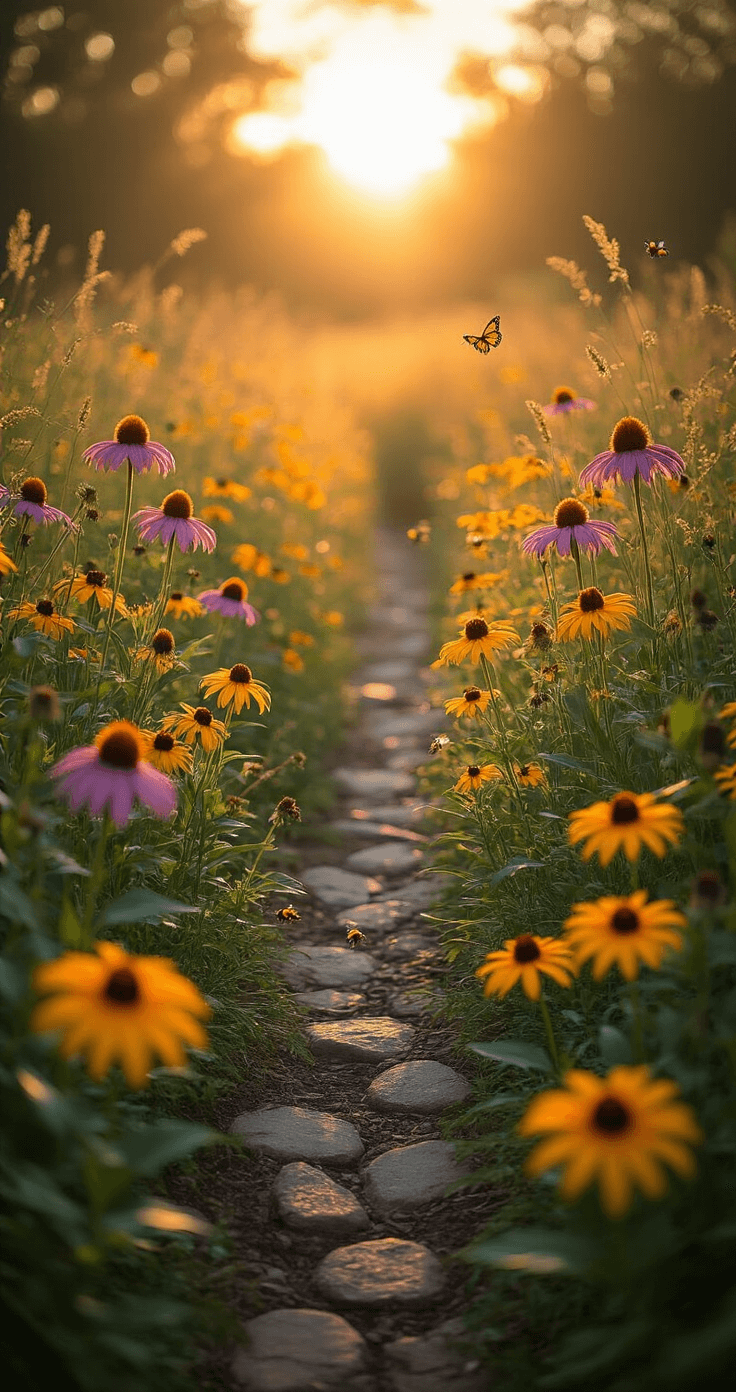
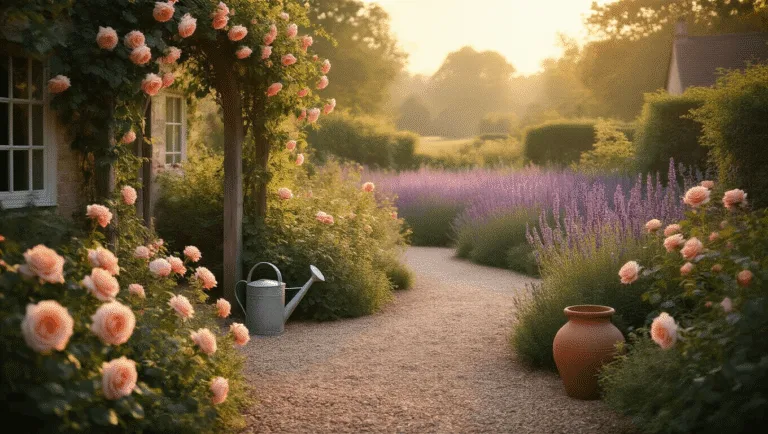
★ Steal This Look
- Paint Color: Sherwin-Williams Garden Sage SW 7749
- Furniture: weathered teak potting bench with zinc top, vintage metal garden stool, reclaimed wood outdoor console table
- Lighting: solar-powered mason jar string lights with warm Edison bulbs, copper pathway stake lights
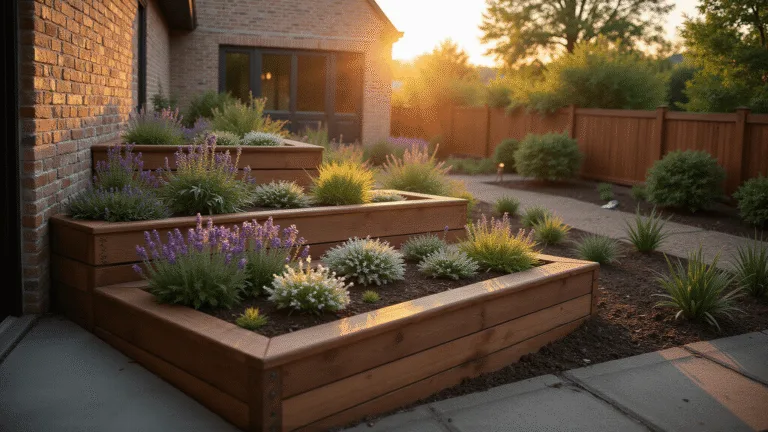
- Materials: raw cedar raised beds, crushed limestone pathways, aged terracotta planters, untreated jute twine, galvanized metal watering cans
There’s something deeply satisfying about a garden that asks less of you while giving more back—wildflower gardens reconnect us to the landscapes we grew up exploring, even if that was just a vacant lot down the street.
Why Wildflower Gardens Are a Game-Changer
I’ve learned that wildflower gardens aren’t just pretty – they’re powerhouses of ecological magic. Here’s why you’ll fall in love:
Ecological Superpowers:
- Supports local pollinators like bees and butterflies
- Reduces water consumption
- Eliminates the need for chemical fertilizers
- Creates a natural habitat for beneficial insects
- Requires minimal maintenance compared to traditional gardens
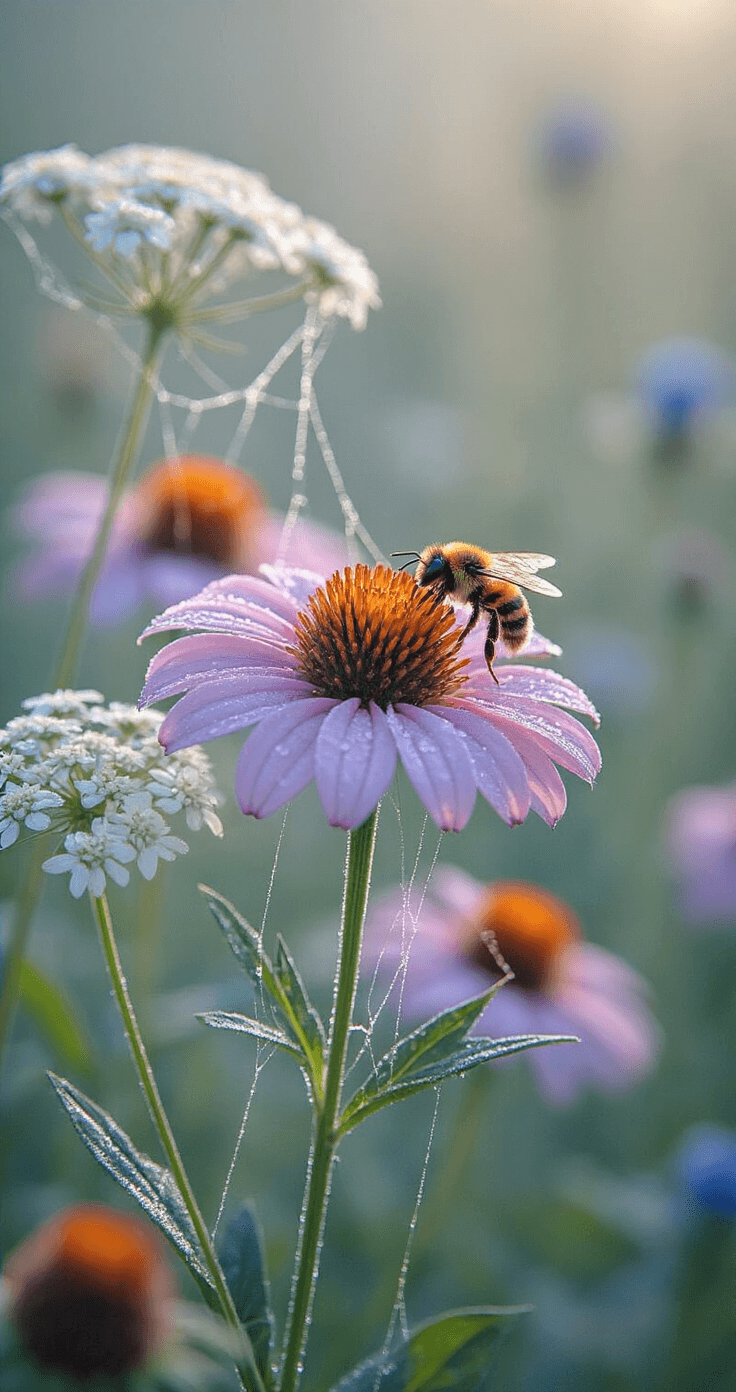
🌟 Steal This Look
- Paint Color: Benjamin Moore Soft Fern 2144-40
- Furniture: weathered teak potting bench with galvanized steel top, vintage farmhouse sink converted to soil-washing station, cedar storage crates for seed organization
- Lighting: solar-powered Edison string lights with warm 2700K bulbs draped between rustic wooden posts
- Materials: raw cedar raised beds, crushed limestone pathways, reclaimed barn wood trellises, hand-thrown terracotta pots with aged patina, woven willow garden baskets
There’s something deeply restorative about stepping into a space that refuses to be perfect—your wildflower garden becomes a living reminder that beauty doesn’t require control, just patience and the willingness to let nature lead.
Getting Started: Your Wildflower Garden Roadmap
Step 1: Location and Preparation
Before you dive in, scout the perfect spot:
Ideal Locations:
- Sunny areas with at least 6 hours of direct sunlight
- Areas with well-draining soil
- Spaces away from aggressive weed zones
- Spots with minimal foot traffic
Soil Preparation Essentials:
- Remove existing grass and weeds completely
- Lightly till the soil surface
- Remove rocks and debris
- Consider a light layer of compost for nutrient boost
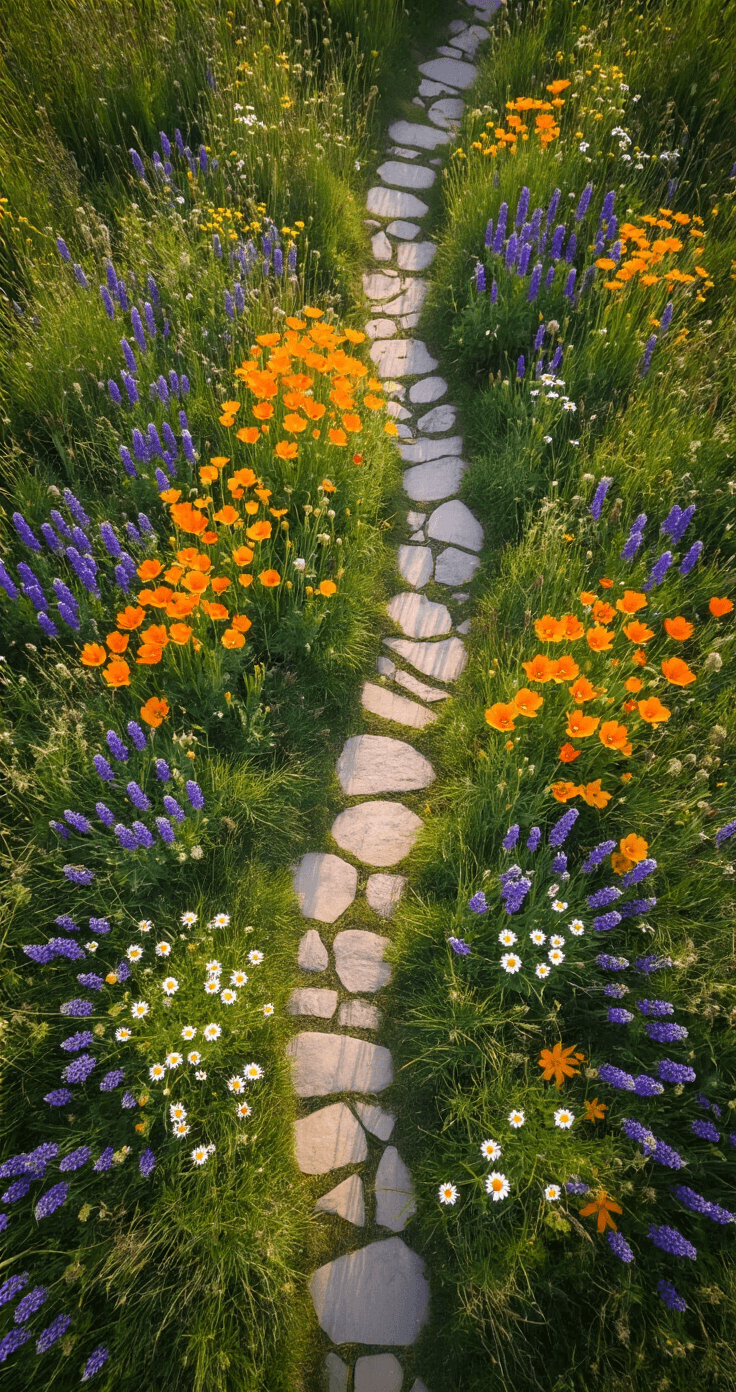
Step 2: Selecting Your Wildflower Mix
Pro Tip: Native is always better! Choose seeds native to your specific region and climate zone.
Recommended Seed Mixes:
- Regional wildflower blends
- Pollinator-specific mixes
- Annual and perennial combinations
- Drought-resistant varieties
Step 3: Planting Techniques
Timing is Everything:
- Early spring or late summer are prime planting seasons
- Soil temperature should be consistently above 55°F
- Avoid planting during extreme heat or cold
Planting Method:
- Scatter seeds evenly
- Lightly press into soil (don’t bury deep)
- Water gently
- Consider light mulching with straw
Save this article
Enter your email and we'll send it straight to your inbox.
★ Steal This Look
- Paint Color: Farrow & Ball Green Smoke 47
- Furniture: weathered teak potting bench with galvanized steel top, vintage garden stool in aged terracotta
- Lighting: solar-powered Edison bulb string lights draped between shepherd’s hooks
- Materials: raw linen seed storage sacks, hand-thrown terracotta seedling pots, untreated cedar raised bed frames, crushed limestone pathways
There’s something deeply satisfying about the first spring when your roadmap becomes reality, and suddenly you’re standing in a patch of chaos that somehow looks exactly right. This is the room where patience pays off in pollinators and color.
Maintenance: Keeping Your Wildflower Garden Thriving
Monthly Maintenance Checklist:
- Light weeding
- Occasional watering during dry spells
- Monitor for pest issues
- Allow some seeds to naturally reseed
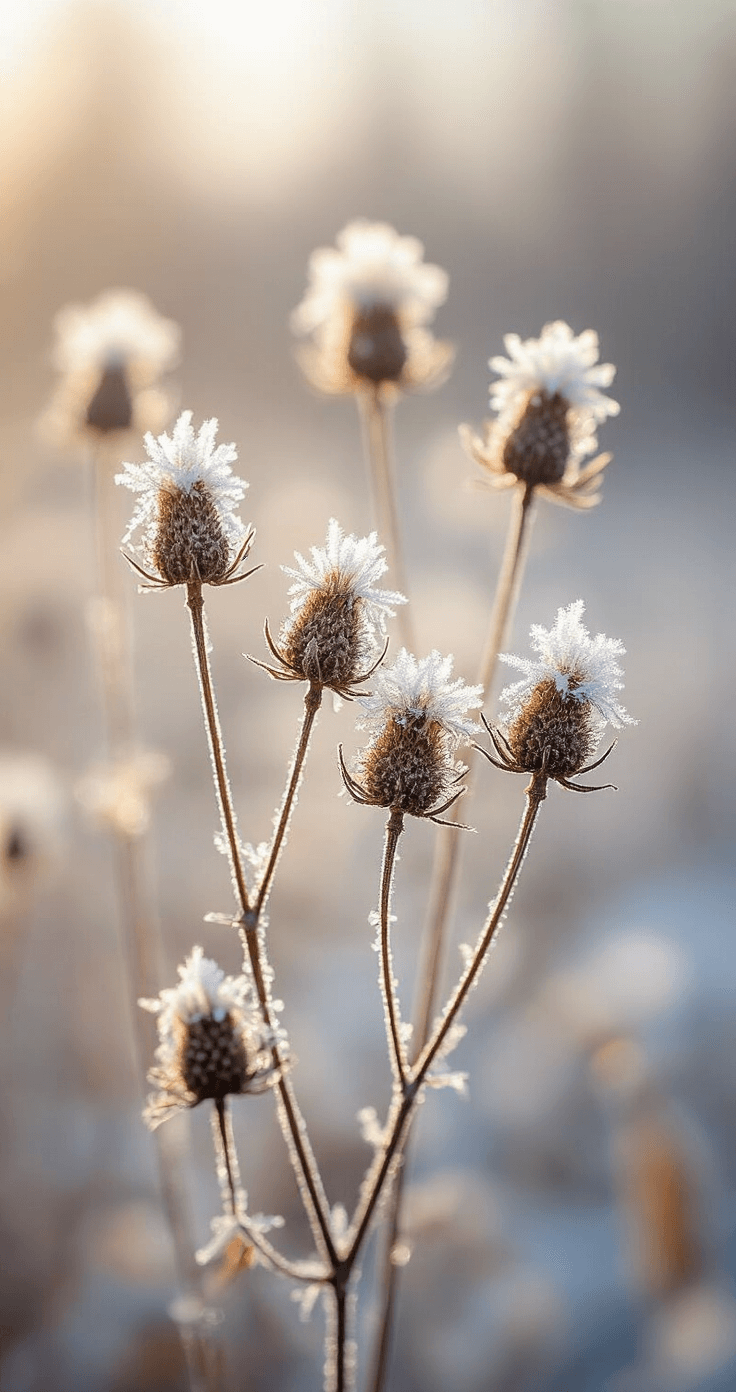
✎ Steal This Look
- Paint Color: Behr Garden Sage S380-4
- Furniture: weathered teak potting bench with galvanized steel top, vintage wooden ladder used as tiered plant display, wrought iron garden stool with verdigris patina
- Lighting: solar-powered Edison bulb string lights draped between shepherd’s hooks, battery-operated lantern with flickering candle effect for evening garden checks
- Materials: untreated cedar for raised beds, raw linen for harvest aprons, terracotta for seedling pots, hemp twine for staking, aged copper for plant markers
There’s something deeply satisfying about the rhythm of monthly garden tending—it’s not about perfection, but about noticing how your patch of wildness evolves with each season.
Common Mistakes to Avoid
Rookie Errors:
- Overwatering
- Planting non-native species
- Expecting instant results
- Failing to control aggressive weeds
- Cutting back too early in the season
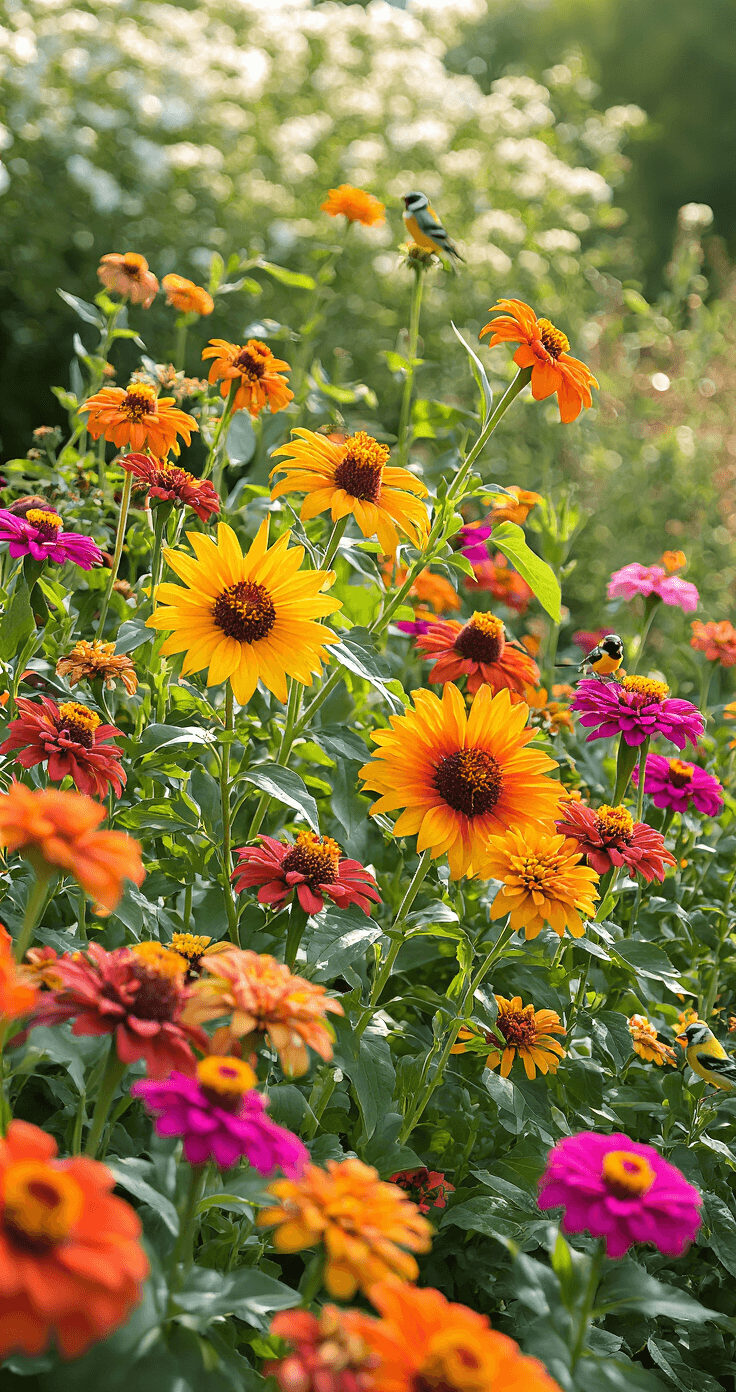
🏠 Steal This Look
- Paint Color: Valspar Garden Flower 1006-10C
- Furniture: weathered teak potting bench with galvanized steel top, vintage wooden ladder for vertical tool storage
- Lighting: solar-powered Edison bulb string lights draped between shepherd’s hooks
- Materials: raw cedar raised bed frames, crushed limestone pathways, untreated terracotta pots, hemp twine, burlap frost protection
Every wildflower gardener kills plants—that’s how you learn what your specific soil and microclimate actually support, so start small with a 4×4 test bed before committing your entire yard.
Pro Photography Tips for Your Wildflower Garden
Want to capture your garden’s beauty? Remember:
- Shoot during golden hours (early morning/late afternoon)
- Use macro lens for detailed flower shots
- Capture pollinator interactions
- Show garden progression through seasons
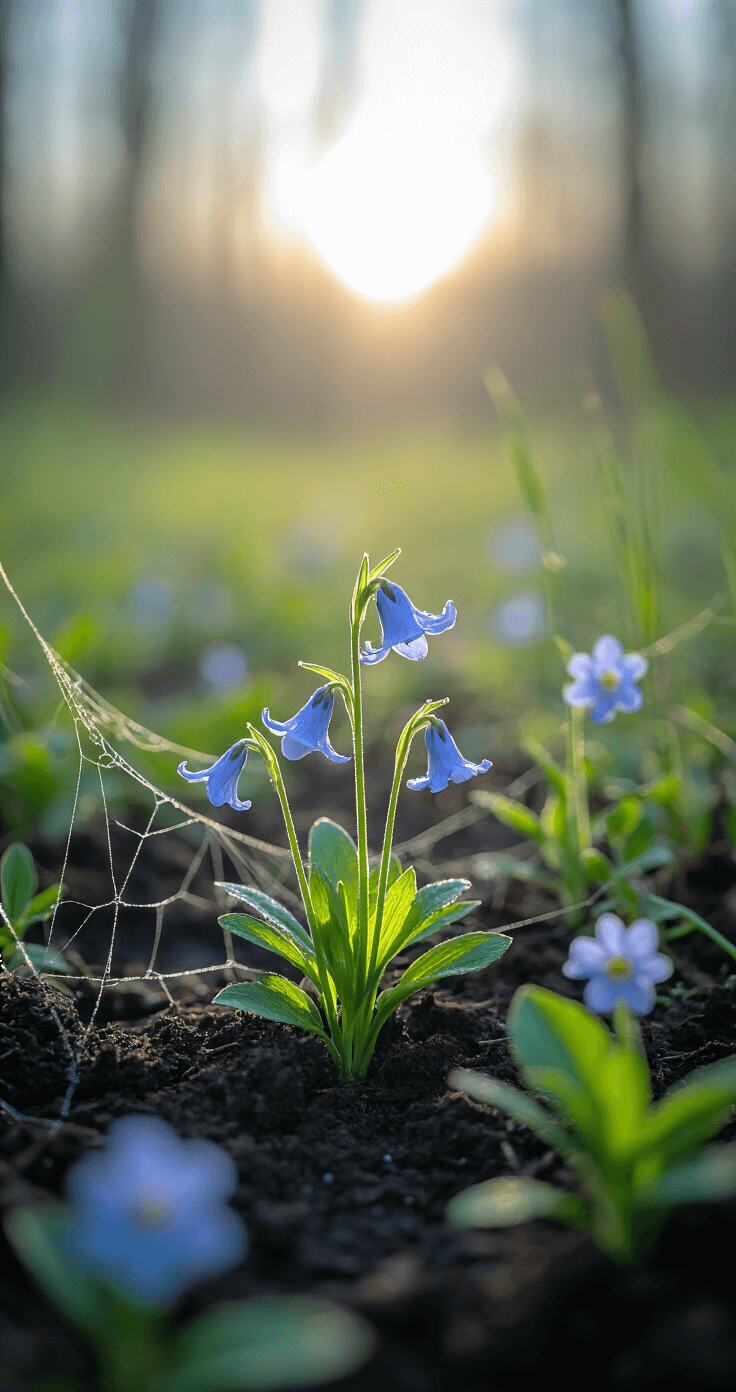
🏠 Steal This Look
- Paint Color: PPG Glade Green PPG1134-4
- Furniture: weathered teak potting bench with zinc top
- Lighting: solar-powered Edison string lights with amber glass bulbs
- Materials: raw cedar raised beds, crushed limestone pathways, aged terracotta planters
There’s something deeply satisfying about scrolling through your camera roll in January and finding that perfect shot of a bumblebee mid-flight over your black-eyed Susans—it keeps the garden alive year-round.
Budget-Friendly Tips
Cost-Cutting Strategies:
- Buy seeds in bulk
- Join local gardening groups for seed exchanges
- Use recycled containers
- Start small and expand gradually
Final Thoughts
Wildflower gardens are more than just beautiful – they’re a statement of ecological responsibility. With patience, proper planning, and a bit of love, you’ll create a stunning, living ecosystem right in your backyard.
Pro Tip: Every wildflower garden is unique. Embrace the beautiful unpredictability of nature!
Keep this one for later
We'll email you the link so you can come back to it.