

This post may contain affiliate links. Please see my disclosure policy for details.
Creating a Stunning Wildflower Garden: Nature’s Perfect Landscape Solution
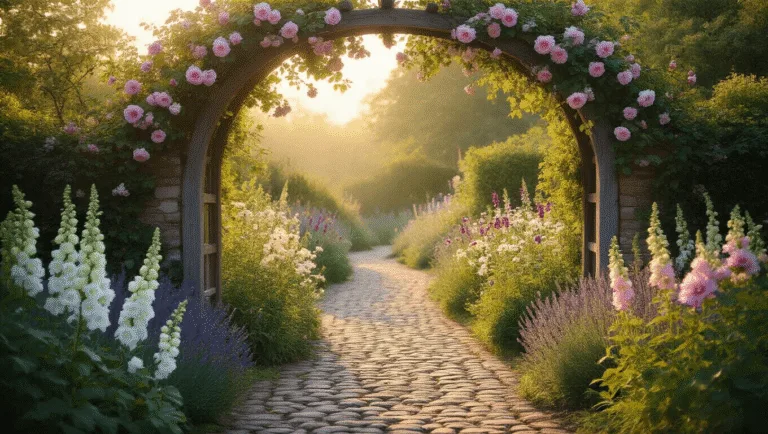
Wild beauty isn’t just a dream—it’s a garden waiting to happen. Wildflower gardens are the ultimate low-maintenance, eco-friendly landscape design that transforms ordinary spaces into vibrant, living canvases.

🏠 Steal This Look
- Paint Color: Sherwin-Williams Clary Sage SW 6178
- Furniture: weathered teak Adirondack chair with canvas cushion in faded ochre
- Lighting: solar-powered copper path lights with seeded glass globes
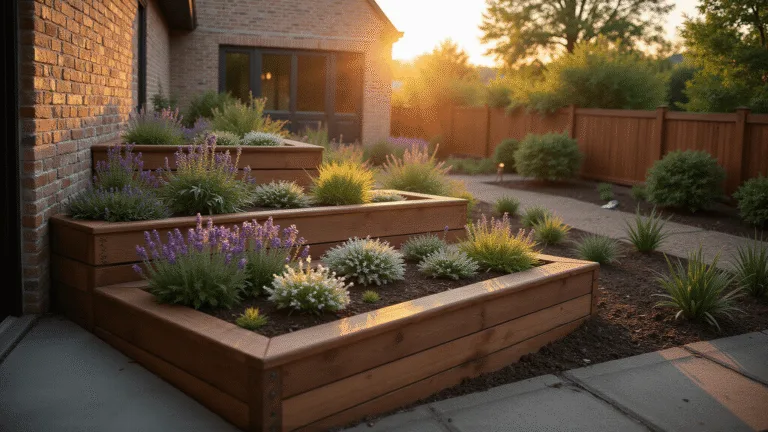
- Materials: untreated cedar raised beds, crushed limestone pathways, galvanized steel watering cans, raw linen outdoor drapery
There’s something deeply satisfying about a garden that asks less of you while giving more back—wildflower spaces feel like a quiet rebellion against the manicured lawn culture most of us grew up with.
Why Wildflower Gardens Are a Game-Changer
Let’s cut to the chase: traditional lawns are boring, water-hungry, and ecological dead zones. Wildflower gardens are the rebel solution that:
- Attract pollinators like bees and butterflies
- Require minimal maintenance
- Create stunning, ever-changing landscapes
- Support local ecosystem health
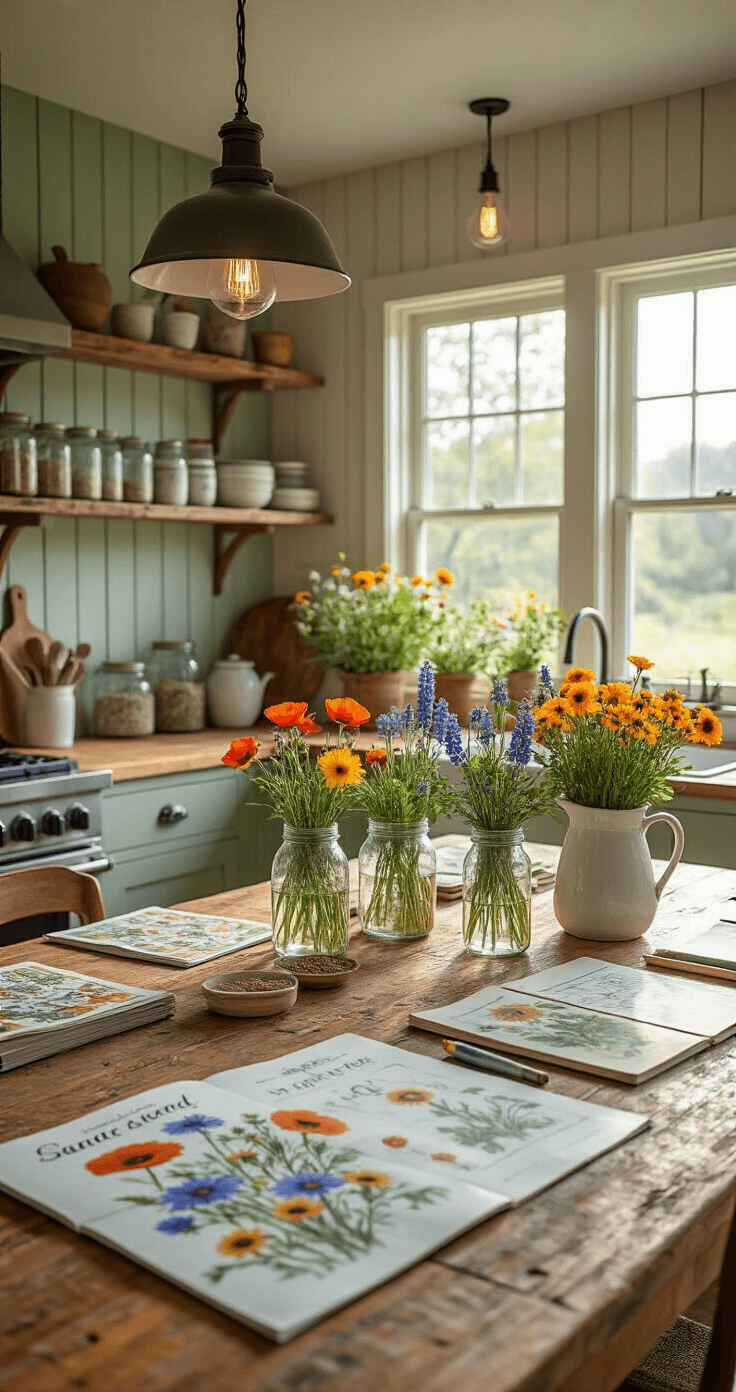
🎨 Steal This Look
- Paint Color: Benjamin Moore Soft Fern 2144-40
- Furniture: weathered teak Adirondack chair with wide arms for holding coffee and field guides
- Lighting: solar-powered mason jar string lights with warm 2700K Edison bulbs
- Materials: untreated cedar for raised beds, crushed limestone pathways, galvanized steel planters with aged patina
This is the room where you stop performing perfection and start living with the seasons—mud on your boots, pollen on your sleeves, and the particular joy of never knowing exactly which bloom will open next.
Getting Started: Your Wildflower Garden Roadmap
Essential Supplies You’ll Need
- Garden hand trowel
- Rake
- Wildflower seed mix
- Patience and enthusiasm
Soil Preparation: The Foundation of Success
Pro Tip: Great wildflower gardens start with killer soil preparation.
- Clear existing vegetation
- Loosen soil to 2-3 inches deep
- Remove rocks and debris
- Add light compost if needed
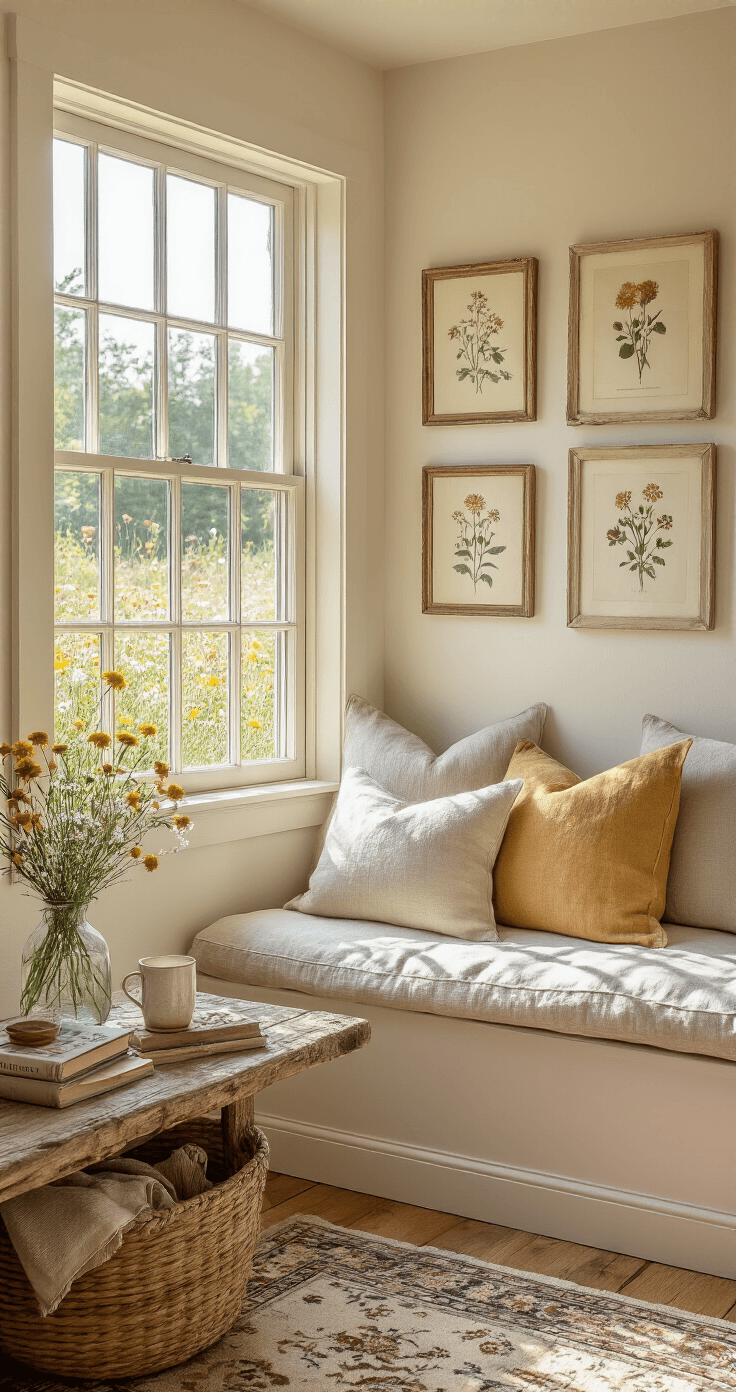
🖼 Steal This Look
- Paint Color: Farrow & Ball Green Smoke 47
- Furniture: weathered teak potting bench with zinc top
- Lighting: antique brass gooseneck barn light for potting shed or covered garden workspace
- Materials: raw linen aprons, terracotta seedling trays, galvanized steel buckets, unfinished cedar raised bed frames
This is where the romance of wildflower gardening lives—in the messy, soil-under-fingernails beginning that no Instagram reel quite captures.
Choosing Your Wildflower Superstars
Top wildflowers that are basically foolproof:
- Black-eyed Susans
- California Poppies
- Cornflowers
- Lupines
- Milkweed
Pro Design Strategies
Color Palette Magic:
- Mix warm tones (yellows, oranges)
- Balance with cool blues and purples
- Create depth with varying flower heights
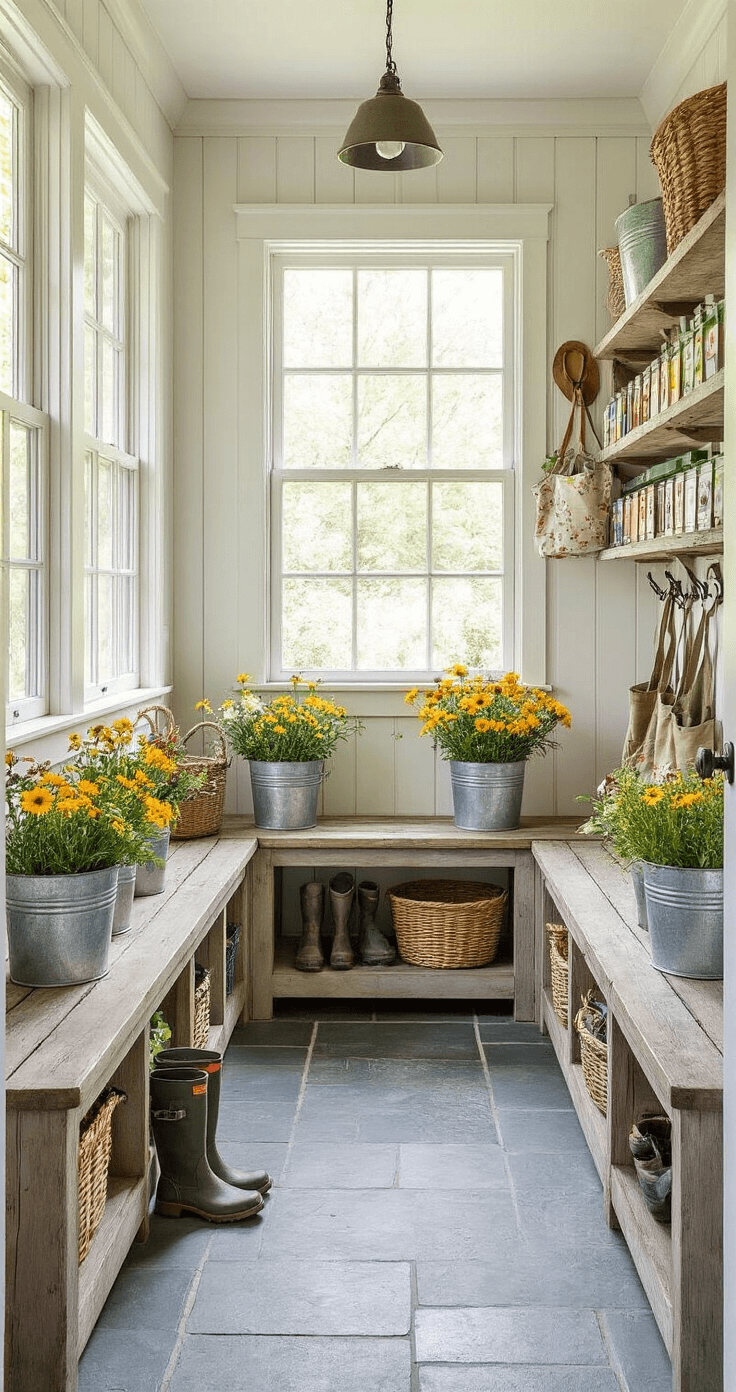
🌟 Steal This Look
- Paint Color: Behr Soft Turquoise MQ4-59
- Furniture: weathered cedar potting bench with galvanized steel top
- Lighting: oversized galvanized barn pendant with seeded glass
- Materials: raw linen, aged terracotta, unfinished cedar, hammered copper
There’s something deeply satisfying about watching a patch of ‘weeds’ you intentionally planted explode into color—this is the room where perfectionists learn to let go and trust the process.
Save this article
Enter your email and we'll send it straight to your inbox.
Planting Techniques That Work
Seed Sowing Methods
- Direct broadcast in prepared soil
- Gentle rake to cover seeds lightly
- Water consistently until germination
Timing is Everything:
- Early spring or fall for best results
- Avoid extreme summer heat
- Follow local planting zone recommendations
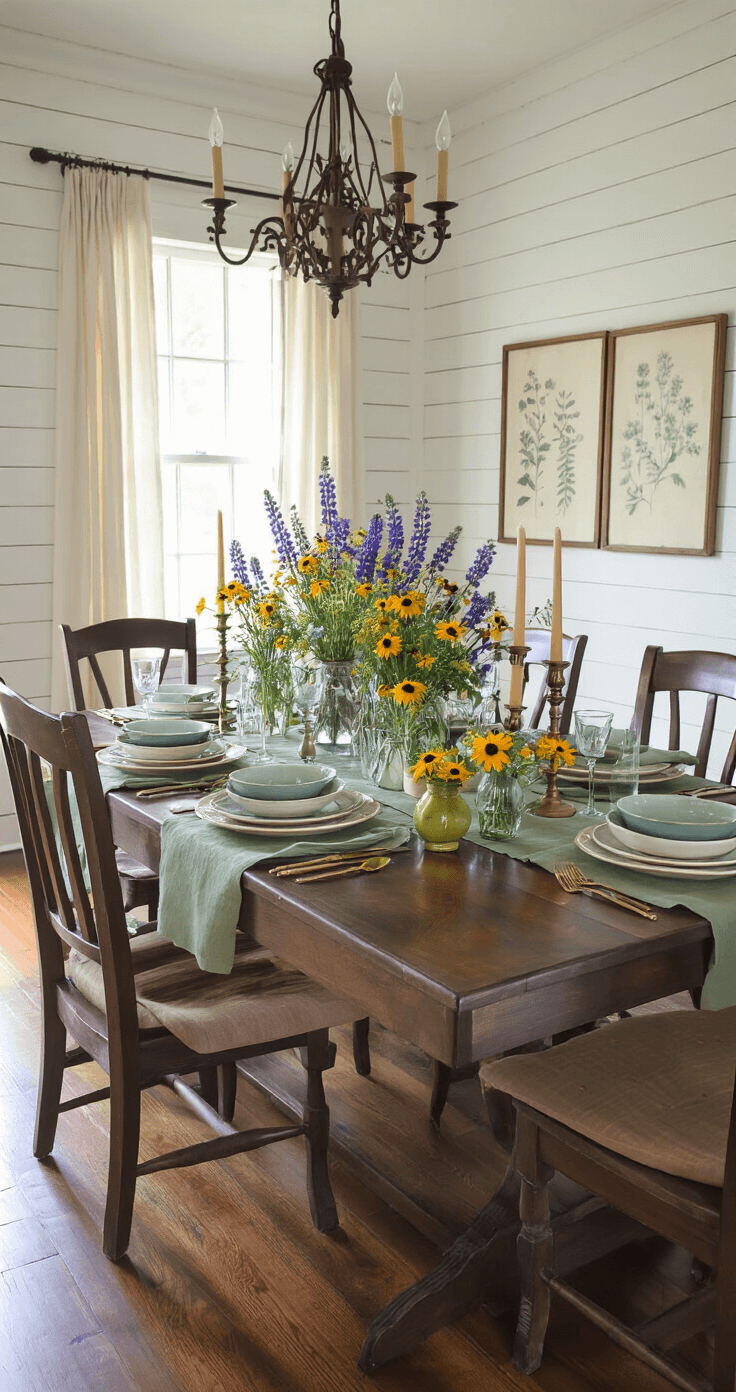
💡 Steal This Look
- Paint Color: Valspar Garden Sage 6003-6C
- Furniture: weathered teak potting bench with galvanized steel top and lower open shelving for seed storage
- Lighting: oversized matte black gooseneck barn sconce with warm 2700K LED
- Materials: raw cedar raised bed frames, hand-forged iron plant markers, unglazed terracotta seed trays, and burlap ground cover
This is the room where patience becomes visible—where the chaos of scattered seed packets and muddy boots tells the story of something growing, not just something finished.
Maintenance: Keeping Your Wild Paradise Thriving
Wildflower gardens are basically the low-maintenance rockstars of landscaping:
- Minimal watering after establishment
- Annual light mowing in late winter
- Allow some areas to self-seed
- Remove aggressive weeds carefully
Wildlife Bonus Points
Your wildflower garden isn’t just pretty—it’s a wildlife sanctuary:
- Provides food for pollinators
- Creates habitat for beneficial insects
- Supports local bird populations
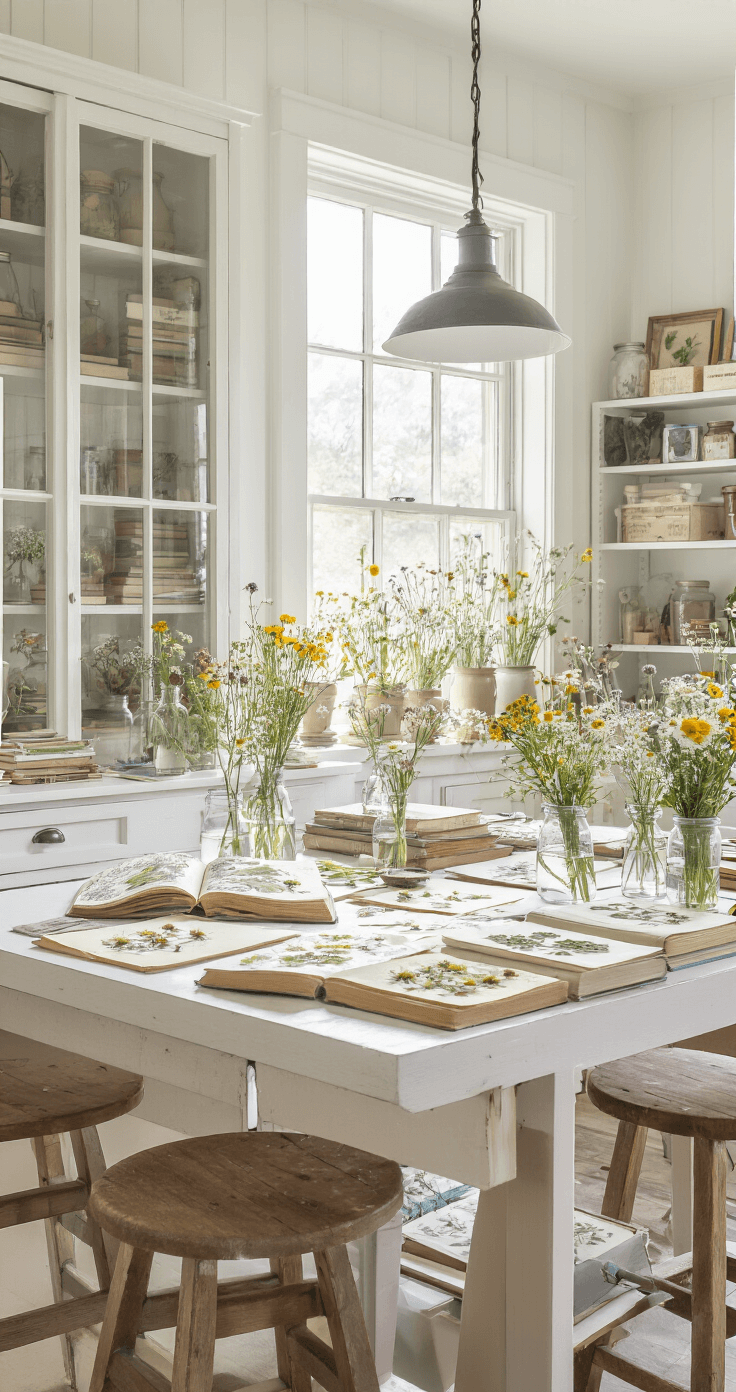
🖼 Steal This Look
- Paint Color: PPG Olive Grove PPG1125-6
- Furniture: weathered teak potting bench with galvanized steel top
- Lighting: solar-powered copper pathway lights with amber LED
- Materials: untreated cedar mulch, crushed limestone gravel, aged terracotta
This is the garden that forgives your busy life—there’s something deeply satisfying about stepping back and letting nature do the heavy lifting while you simply witness the transformation.
🛒 Get The Look
Common Mistakes to Avoid
❌ Don’t:
- Overwater
- Use chemical fertilizers
- Expect perfection in the first season
- Mow too frequently
✅ Do:
- Embrace natural randomness
- Observe and learn
- Celebrate each unique bloom
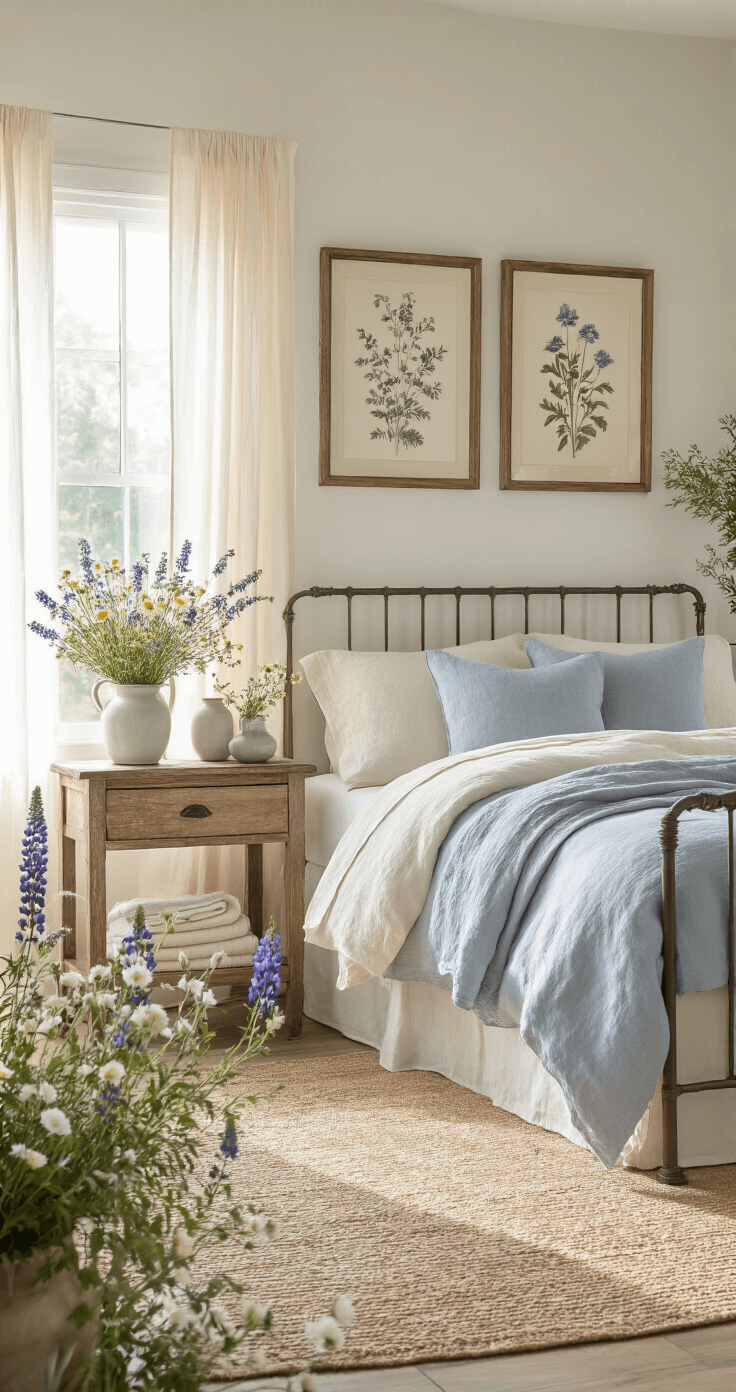
★ Steal This Look
- Paint Color: Dunn-Edwards Sage Wisdom DE6198
- Furniture: weathered teak potting bench with galvanized steel top
- Lighting: solar-powered Edison bulb string lights on black iron shepherd’s hooks
- Materials: untreated cedar raised beds, crushed limestone pathways, raw terracotta pots with moss patina
There’s something deeply satisfying about a garden that asks less of you while giving more back—once you stop fighting the chaos, you’ll find yourself noticing the tiny pollinators and unexpected color combinations that rigid gardens never reveal.
Budget-Friendly Pro Tips
- Buy regional seed mixes
- Start small and expand
- Use seed starter trays for better germination
- Share seeds with neighbors
Final Thoughts: Your Wild Garden Journey
Wildflower gardens aren’t just landscapes—they’re living, breathing ecosystems that tell a story. Each bloom represents resilience, beauty, and connection to the natural world.
Your Turn: Grab those seeds, get your hands dirty, and watch magic unfold right in your backyard.
Keep this one for later
We'll email you the link so you can come back to it.
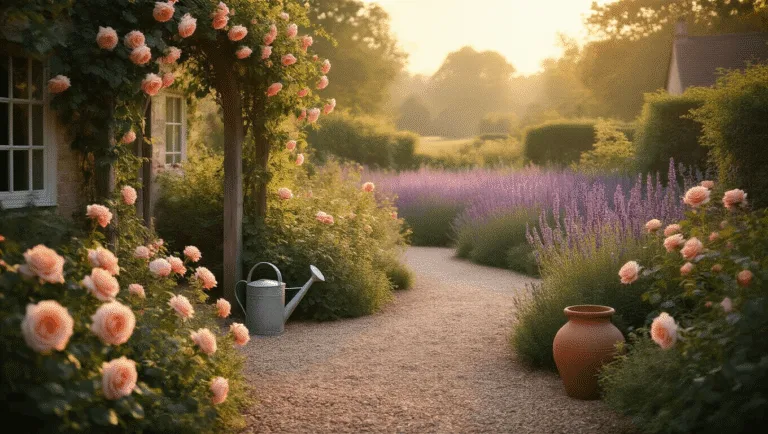


[…] gardens aren’t just plants—they’re living art. With proper care, you’ll create a landscape that stops neighbors in their […]