This post may contain affiliate links. Please see my disclosure policy for details.
How I Transformed My Dorm Room Into a Luxury Suite (And You Can Too)
Luxury dorm rooms aren’t just a fantasy anymore—they’re becoming the new standard for students who refuse to sacrifice style for their college years.
I remember walking into my first dorm room and feeling my heart sink. Cinderblock walls. Fluorescent lighting that made everyone look vaguely ill. A mattress that felt like sleeping on cardboard covered in vinyl.
But here’s what I learned: you don’t need to accept the institutional sadness that comes standard with most campus housing.
Why Your Dorm Room Deserves Better
Let’s be honest about something most people won’t tell you. You’re going to spend roughly 60% of your college life in that room. Studying, sleeping, scrolling through your phone at 2 AM wondering if you made the right major choice.
That space affects your mood, your productivity, and honestly, your entire college experience.
A cramped, ugly room drains your energy. A thoughtfully designed space? It actually gives you life.
The Foundation: Getting Your Color Palette Right
Forget everything you think you know about “dorm appropriate” colors.
I started with a refined color palette built around three shades maximum. Creamy whites, warm terracotta, and deep forest green became my holy trinity.
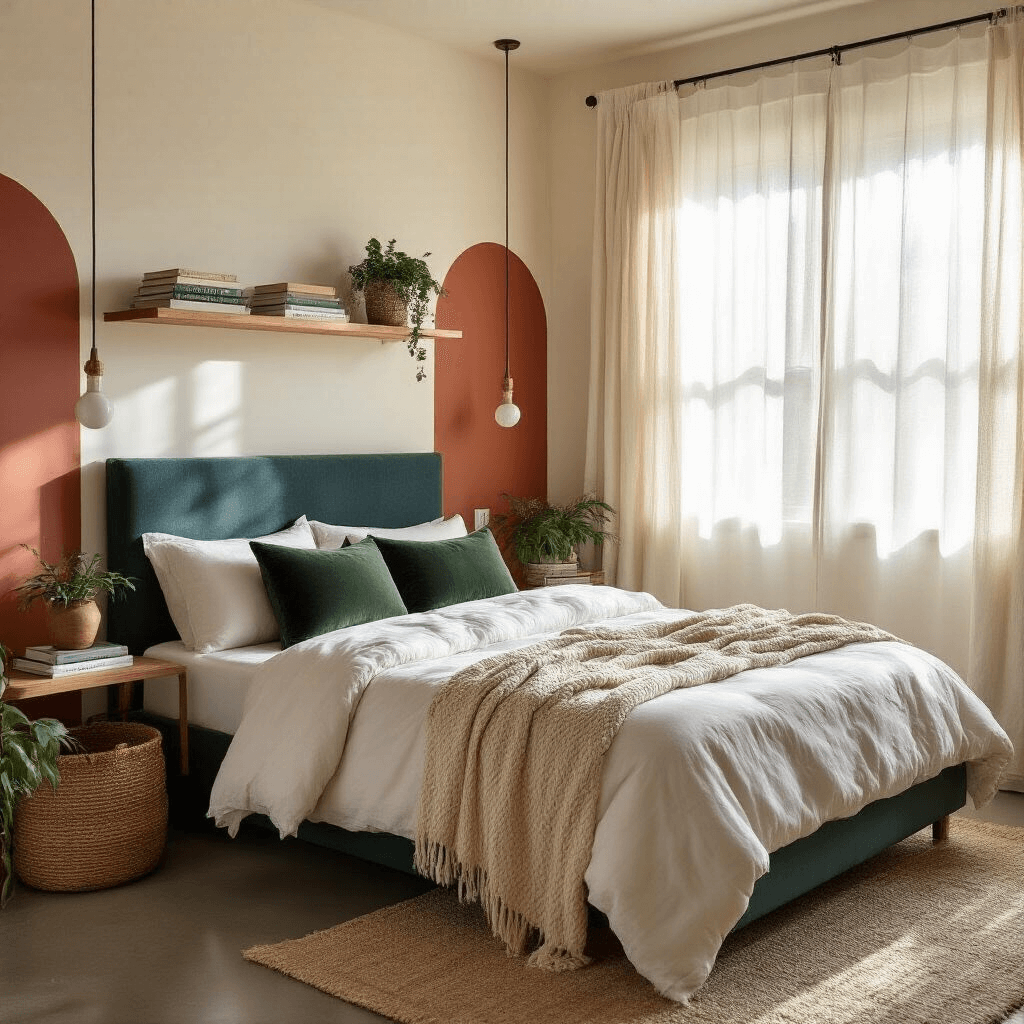
The trick isn’t about picking trendy colors. It’s about choosing shades that make you feel calm when you’re stressed about finals and energized when you need to tackle that research paper.
For minimalists: Stick with soft, muted tones like dove gray, blush pink, or sage green.
For maximalists: Go bold with jewel tones, rich burgundy, or even dramatic black accents paired with metallics.
Either way works. What matters is commitment to your vision.
Bedding: Where Luxury Actually Starts
Here’s where most students completely miss the mark.
They’ll spend $6 on coffee every day but sleep on scratchy sheets from their childhood bedroom.
Your bed takes up half your dorm room real estate. Make it count.
I invested in European-style luxury linens during my sophomore year and it genuinely changed my sleep quality.
We’re talking about:
– Thread counts that actually mean something (400-600 is the sweet spot)
– Natural materials like cotton or linen that breathe
– Layering with premium comforters that look hotel-worthy
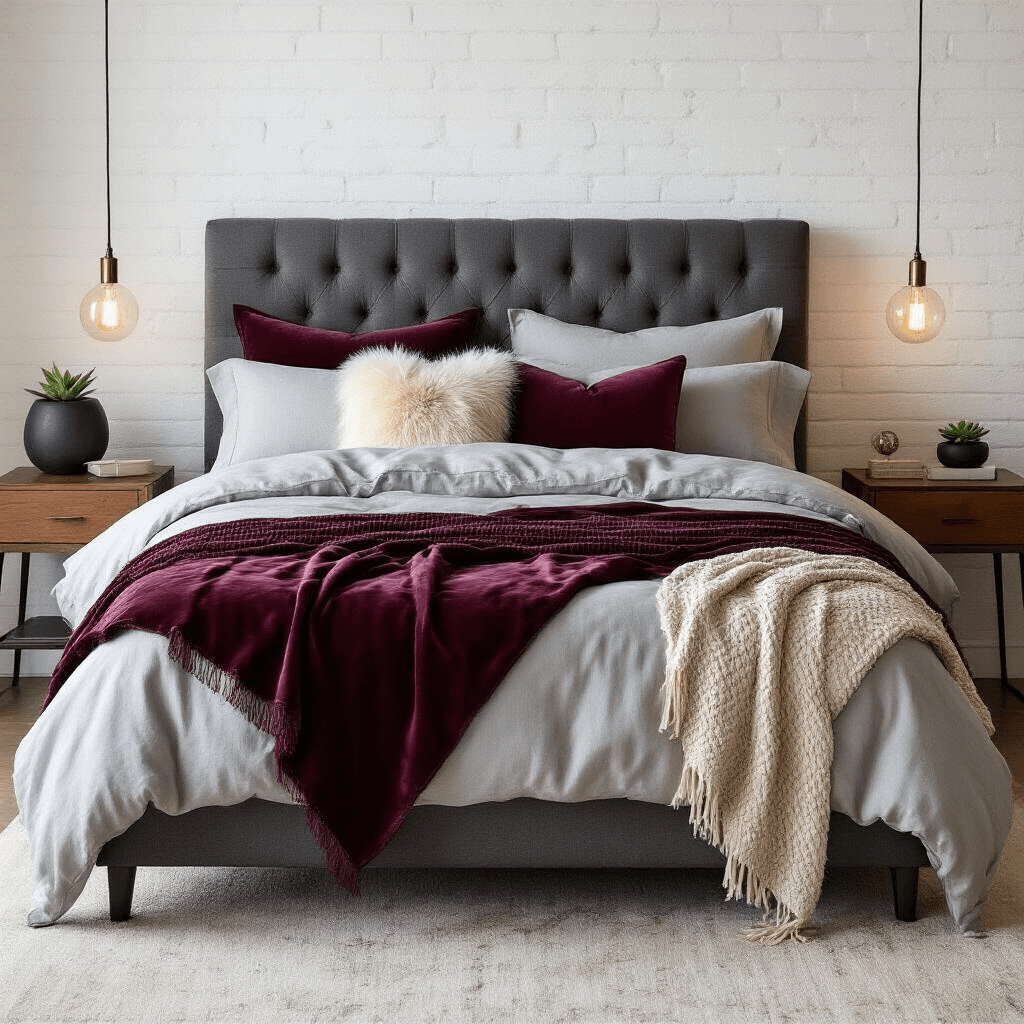
The upgrade path I followed:
1. Started with quality fitted and flat sheets
2. Added a proper duvet insert (not a comforter set from a big box store)
3. Topped with a textured throw blanket for depth
4. Finished with actual pillows that support your neck, plus decorative ones
One of my best purchases was a designer headboard that attached to my standard dorm bed frame.
Game changer.
Suddenly my sad twin XL looked like something from a boutique hotel.
Lighting: The Difference Between Dorm and Design
Overhead fluorescent lights should be illegal.
I’m serious.
They’re harsh, unflattering, and make it impossible to create any kind of atmosphere.
My lighting strategy involved three layers:
Ambient lighting: I brought in a modern floor lamp with a dimmer switch to replace that horrible ceiling fixture entirely.
Task lighting: A sleek desk lamp for studying that didn’t look like it came from a hospital.
Accent lighting: String lights, but the good kind—not the ones every freshman hangs up. I’m talking about globe lights or Edison bulbs that add warmth without the college cliché.
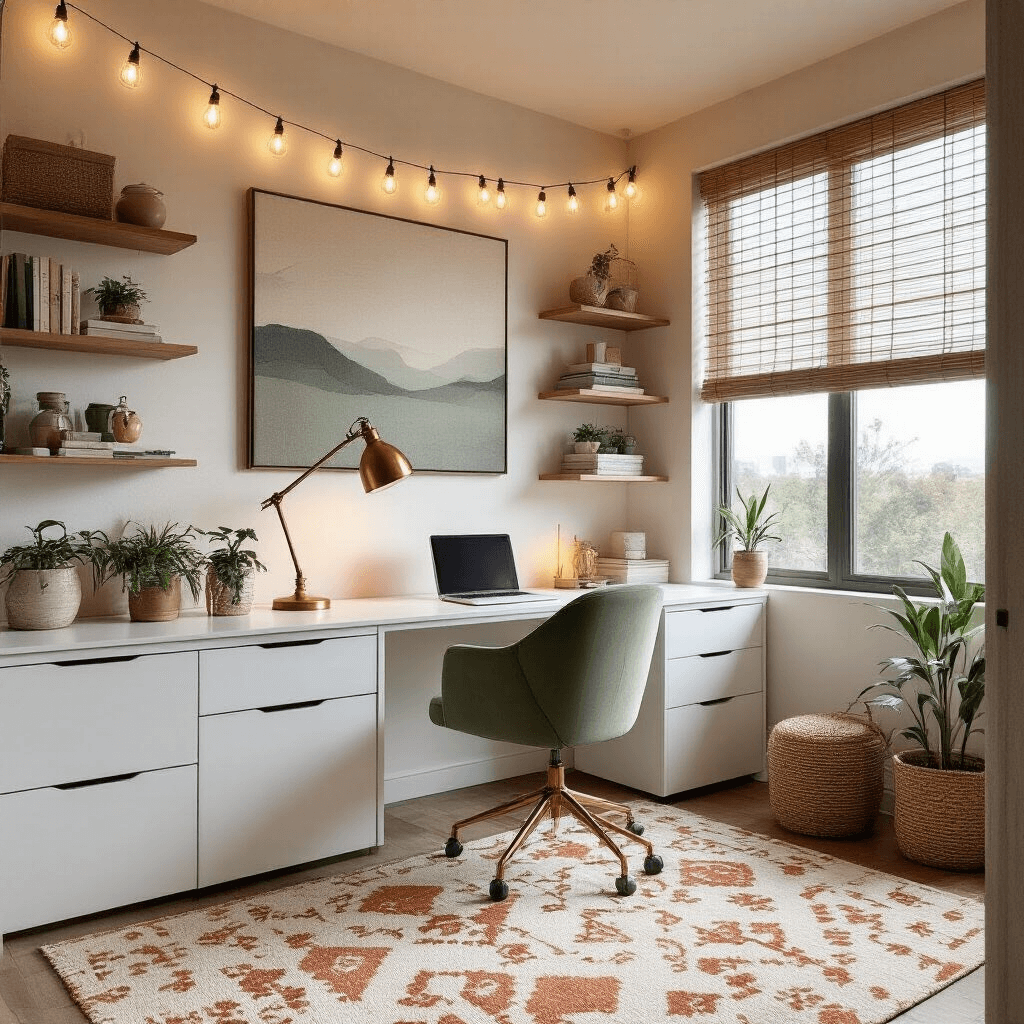
Pro move: Everything on its own switch so you can control the mood based on whether you’re cramming for an exam or winding down for bed.
Large art changed everything for me.
Not posters. Not prints from the campus bookstore. Actual art.
I found an oversized abstract canvas at a local thrift store for $20 and it became the focal point of my entire room.
Here’s what works as statement pieces:
– One large piece of art above your bed (not a gallery wall—too busy for small spaces)
– A vintage mirror that reflects light and makes the room feel bigger
– An unexpected furniture piece like a velvet ottoman or an accent chair
– Elegant lighting fixtures that double as sculpture
The rule: One major statement per wall. More than that and you’ve crossed into chaos.
Texture and Pattern: The Secret Sauce
Flat surfaces make spaces feel sterile.
Layering textures makes them feel intentionally designed.
I mixed:
– Smooth cotton sheets with a chunky knit throw
– A sleek desk surface with a woven basket for storage
– Metal picture frames with wooden shelving
– Velvet pillows against linen bedding
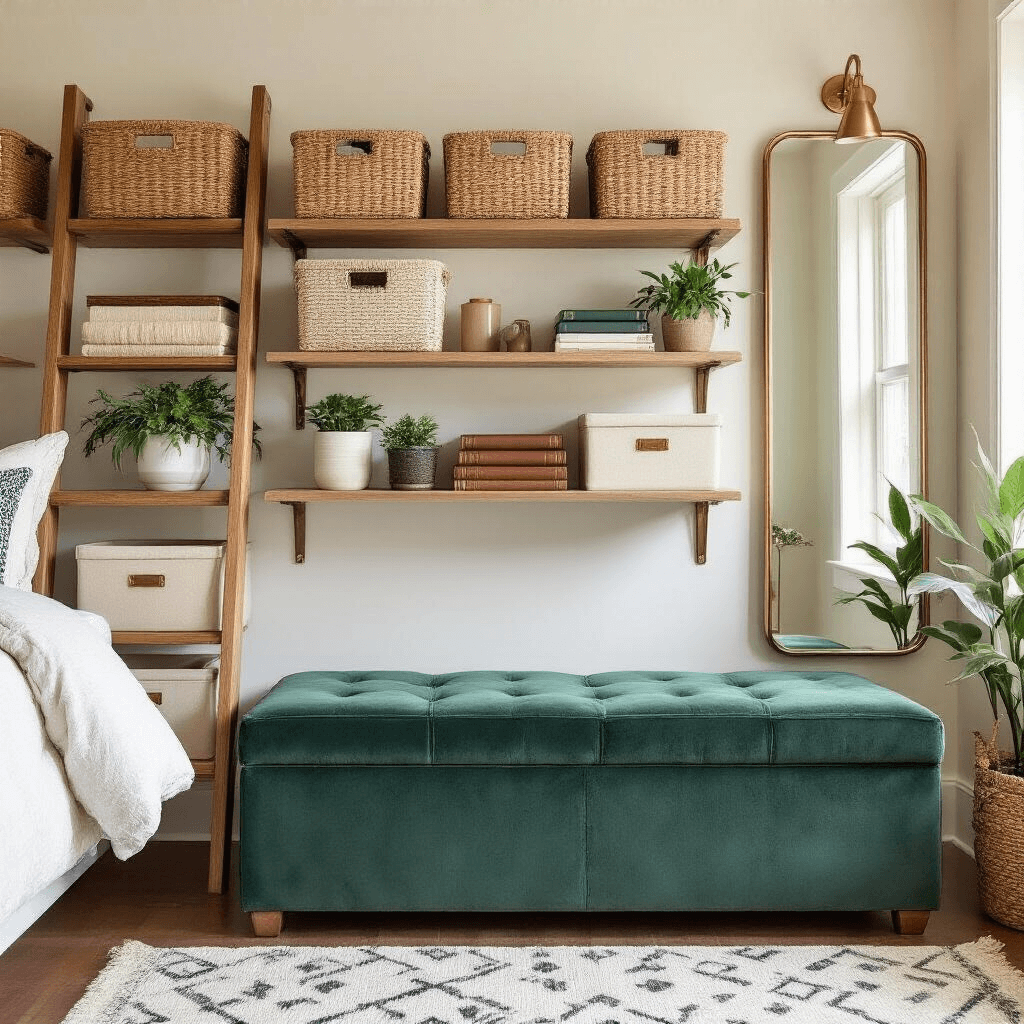
This creates visual interest without requiring a single paint stroke (which most dorms prohibit anyway).
Pattern works the same way. I kept my walls and major pieces neutral, then added patterned textiles through pillows, a small area rug, and window treatments.
The formula: 60% solid colors, 30% subtle patterns, 10% bold pattern for accent.
Storage Solutions That Don’t Look Like Storage
Let’s talk about the elephant in the tiny room: your stuff.
Dorms are small. You have a lot of things. Plastic bins under your bed scream “I gave up.”
I found storage solutions that doubled as decor:
– Woven baskets in varying sizes for everything from blankets to snacks
– A ladder shelf that displayed books and plants vertically
– Matching velvet boxes on my desk for pens, chargers, and random junk
– An ottoman with hidden storage (sitting space AND a place to hide textbooks)
The goal is making storage disappear into your design rather than advertising itself.
The Luxury Dorm Features You Actually Want
If you’re lucky enough to choose your housing (or design a room from scratch), certain features separate basic from bougie:
En-suite bathrooms are non-negotiable if available. Sharing a bathroom with 30 other people builds character, sure. It also builds resentment when someone’s having a full skincare routine at 7 AM while you’re late for class.
Full-size beds instead of twin XLs make a massive difference. You’re an adult. Sleep like one.
Multiple closets mean you can actually organize your life instead of living out of a suitcase for nine months.
Smart lighting and modern furnitur* aren’t just nice—they’re becoming standard in newer luxury student housing.
Glass shower doors beat moldy shower curtains every single time.
Some luxury dorms now include built-in features like:
– Individually controlled heating and cooling
– Sound-dampening walls (so you don’t hear your neighbor’s entire music collection)
– Built-in USB ports and proper outlets
– Actual counter space in bathrooms
The Amenities That Actually Matter
Beyond your individual room, luxury student housing has figured out what students actually use versus what sounds good in a brochure.
Fitness centers I actually used because they were convenient and well-maintained. No excuses about the campus gym being too far when it’s in your building.
Study pods became my sanctuary during finals. Private, quiet, and way better than fighting for library space.
Cinema rooms for when you need a mental break but don’t want to leave the building in your sweatpants.
Rooftop lounges that gave me somewhere to decompress that wasn’t my