
This post may contain affiliate links. Please see my disclosure policy for details.
What Exactly Are Stepping Stones?
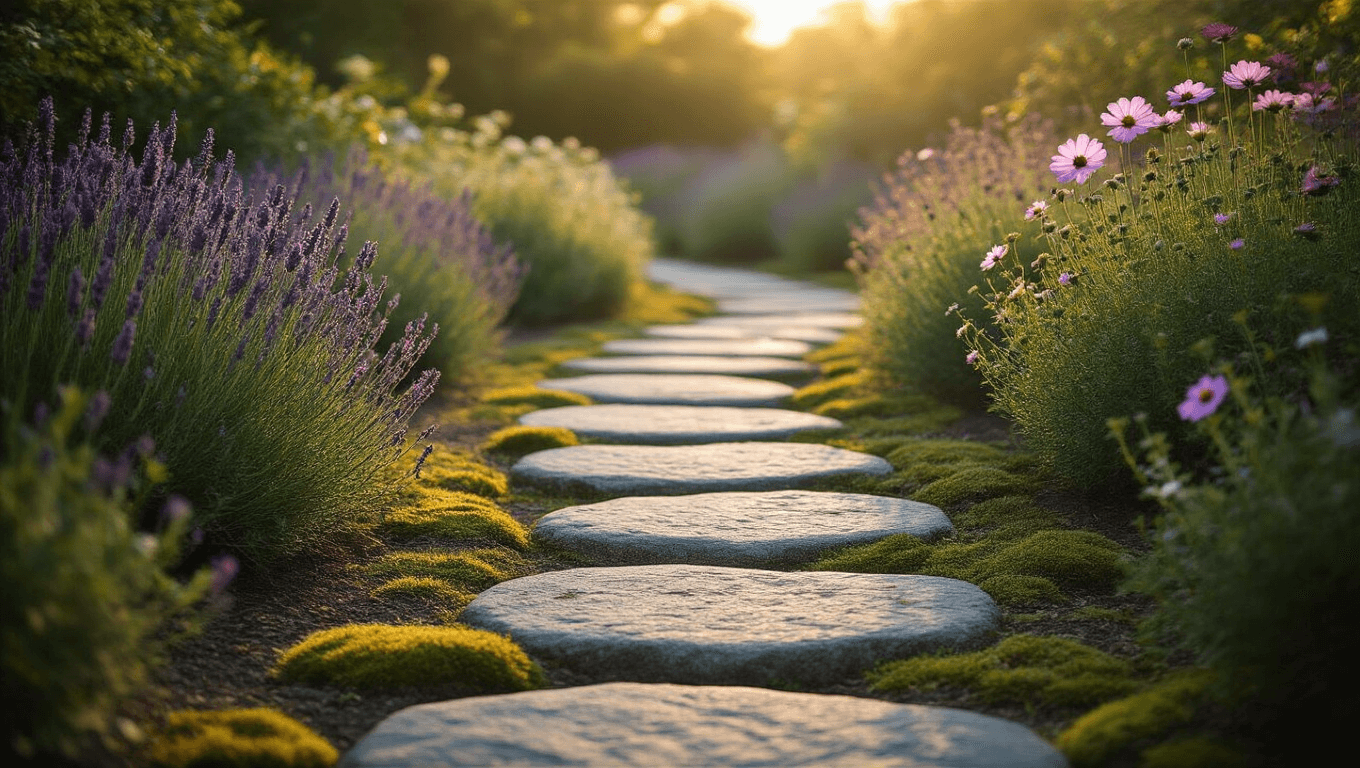
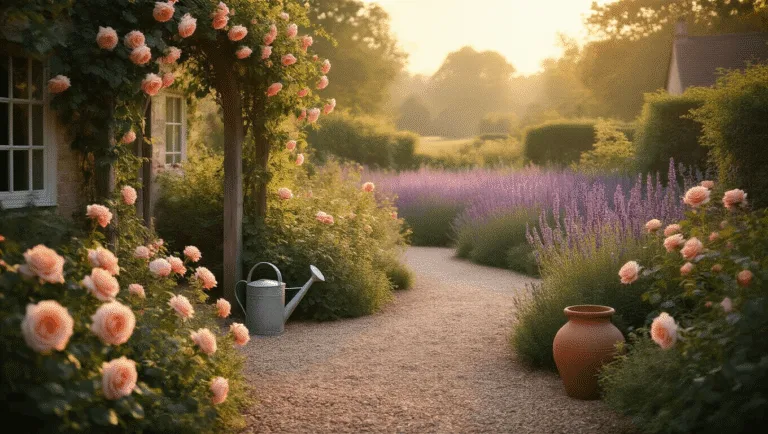
Stepping stones aren’t just rocks you toss on the ground. They’re the secret weapon of landscape design that can turn a boring yard into an Instagram-worthy outdoor sanctuary. With the right shapes, textures, and placements, these simple stones can guide your guests through your garden, define cozy corners, and add a touch of personality to your outdoor space. Think of them as the jewelry of your yard – subtle, stylish, and transformative.
Whether you’re dreaming of a whimsical path or a sleek modern walkway, you can explore different stepping stone sets to find styles that fit your garden’s personality. Want to get creative and DIY your own? Check out these stepping stone molds that let you pour, shape, and customize your path. To add even more charm, consider mixing in garden pathway lights for a magical glow after sunset. And don’t forget the details—decorative gravel and pebbles can fill the spaces between stones, pulling your whole design together.
Two Incredible Meanings:
- Literal Meaning: Flat stones strategically placed to create walkable paths
- Metaphorical Meaning: A progression tool for achieving bigger goals
Why Stepping Stones Are Your Garden’s Best Friend
Practical Uses:
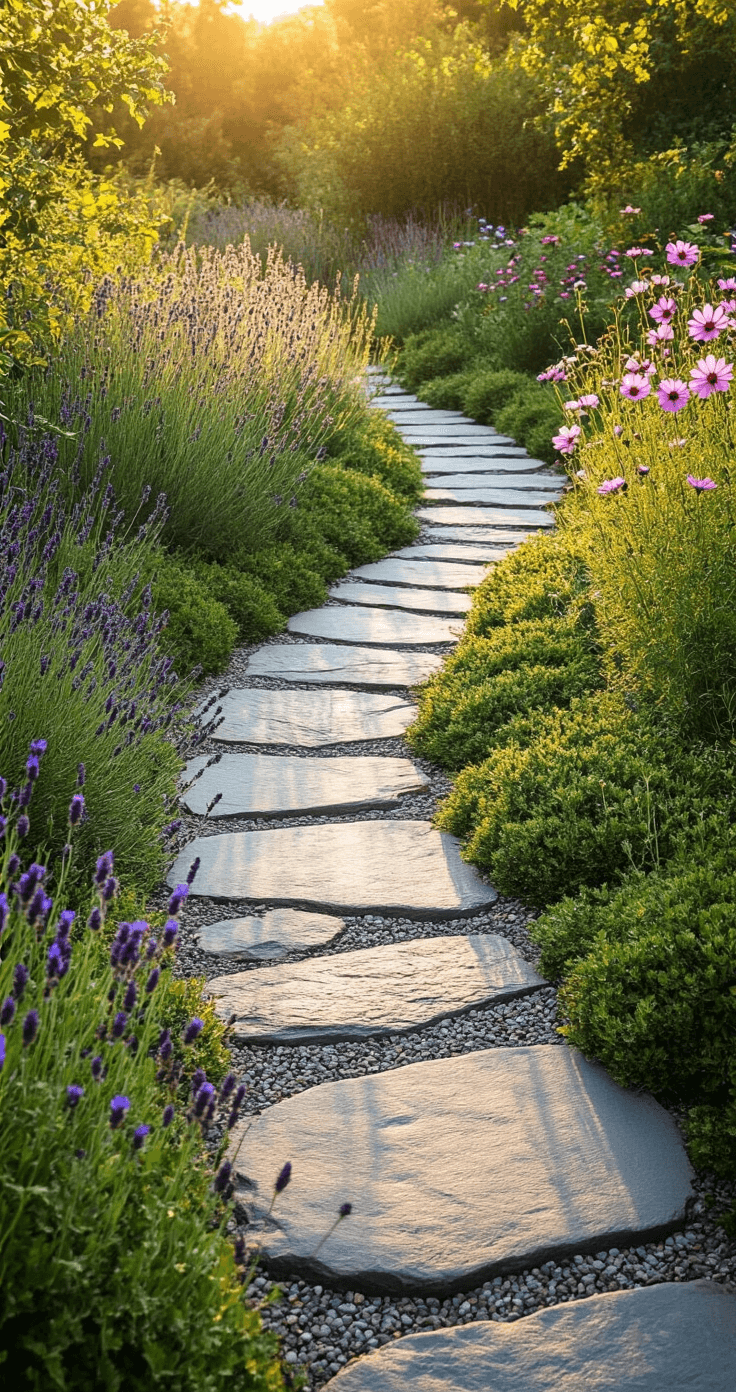
- Navigate wet or uneven terrain
- Create beautiful garden paths
- Define outdoor living spaces
- Add visual interest to your landscape
Design Styles to Explore:
- Rustic Charm: Irregular, natural stone arrangements
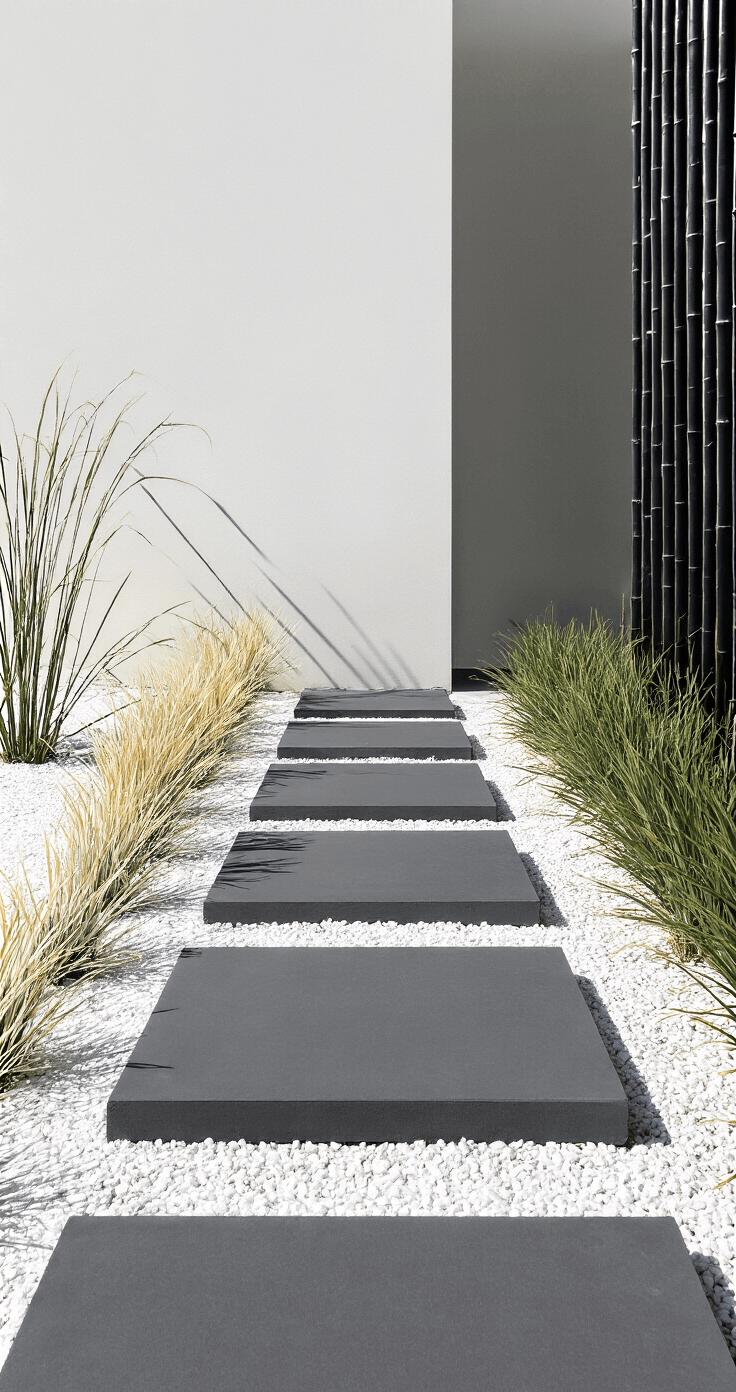
- Modern Minimalist: Precisely cut geometric pavers
- Whimsical Garden: Colorful, artistic stepping stones
★ Steal This Look
- Paint Color: Sherwin-Williams Garden Sage SW 7736
- Furniture: weathered teak garden bench with curved backrest positioned adjacent to stone pathway
- Lighting: low-voltage LED path lights with hammered copper finish spaced 6 feet apart along stepping stone edges
- Materials: thermal bluestone pavers, crushed granite fines, moss between joints, reclaimed barn wood edging
There’s something deeply satisfying about the rhythm of walking a well-laid stone path, especially when your morning coffee in hand becomes a small garden pilgrimage.
DIY Stepping Stone Installation: The Ultimate Weekend Project
What You’ll Need:
- Stepping stones
- Gravel
- Sand
- Shovel
- Level
- Landscape fabric (optional)
Step-by-Step Installation:
- Plan Your Layout
- Measure your space
- Sketch a design
- Consider traffic flow
- Prepare the Ground
- Remove grass/weeds
- Excavate about 2-3 inches deep
- Lay landscape fabric to prevent weed growth
- Create a Stable Base
- Add gravel sub-base
- Top with fine sand
- Ensure level surface
- Place Your Stones
- Use a rubber mallet to set stones
- Check alignment with level
- Backfill around stones for stability
🌟 Steal This Look
- Paint Color: Benjamin Moore Kendall Charcoal HC-166
- Furniture: weathered teak garden bench with slatted back
- Lighting: solar-powered bollard lights with warm 2700K output
- Materials: natural bluestone pavers, crushed limestone gravel, polymeric sand joints
There’s something deeply satisfying about creating a path with your own hands, and honestly, the slight imperfections in a DIY stone walkway give your garden more soul than any contractor-installed concrete pad ever could.
Pro Design Tips
Mix and Match Styles:
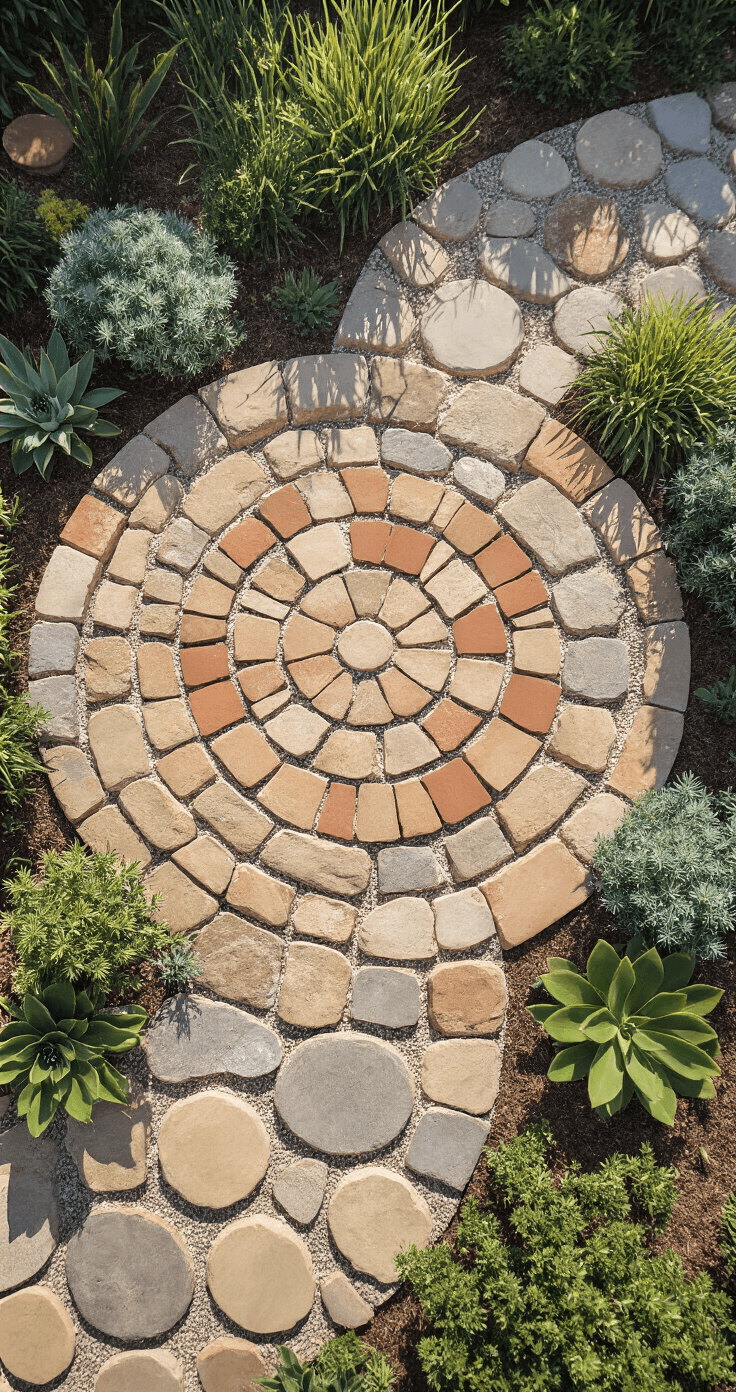
- Combine different stone sizes
- Play with stone colors
- Create interesting patterns
Maintenance Hacks:
- Seal stones annually
- Remove moss/weeds
- Adjust stones as needed
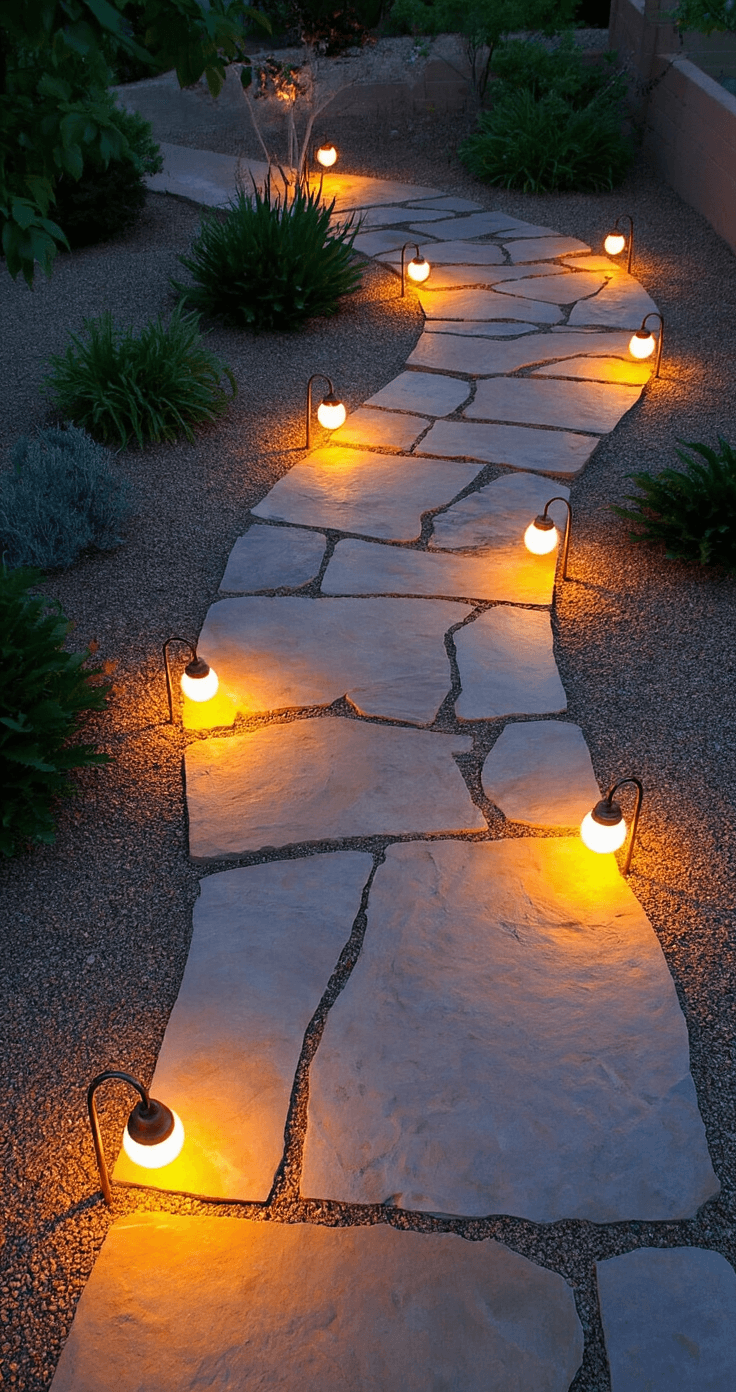
★ Steal This Look
- Paint Color: Farrow & Ball Stone Blue 86
- Furniture: weathered teak garden bench with slatted seat
- Lighting: solar-powered bollard lights with warm 2700K output
- Materials: reclaimed Yorkstone, crushed limestone gravel, untreated cedar mulch
There’s something deeply satisfying about a path that slows your pace just enough to notice the garden around you—stepping stones do that work quietly, without demanding attention.
Save this article
Enter your email and we'll send it straight to your inbox.
🌊 Get The Look
Budget-Friendly Options
You don’t need to break the bank to create a stunning path:
- Use local stone
- DIY installation
- Start small and expand
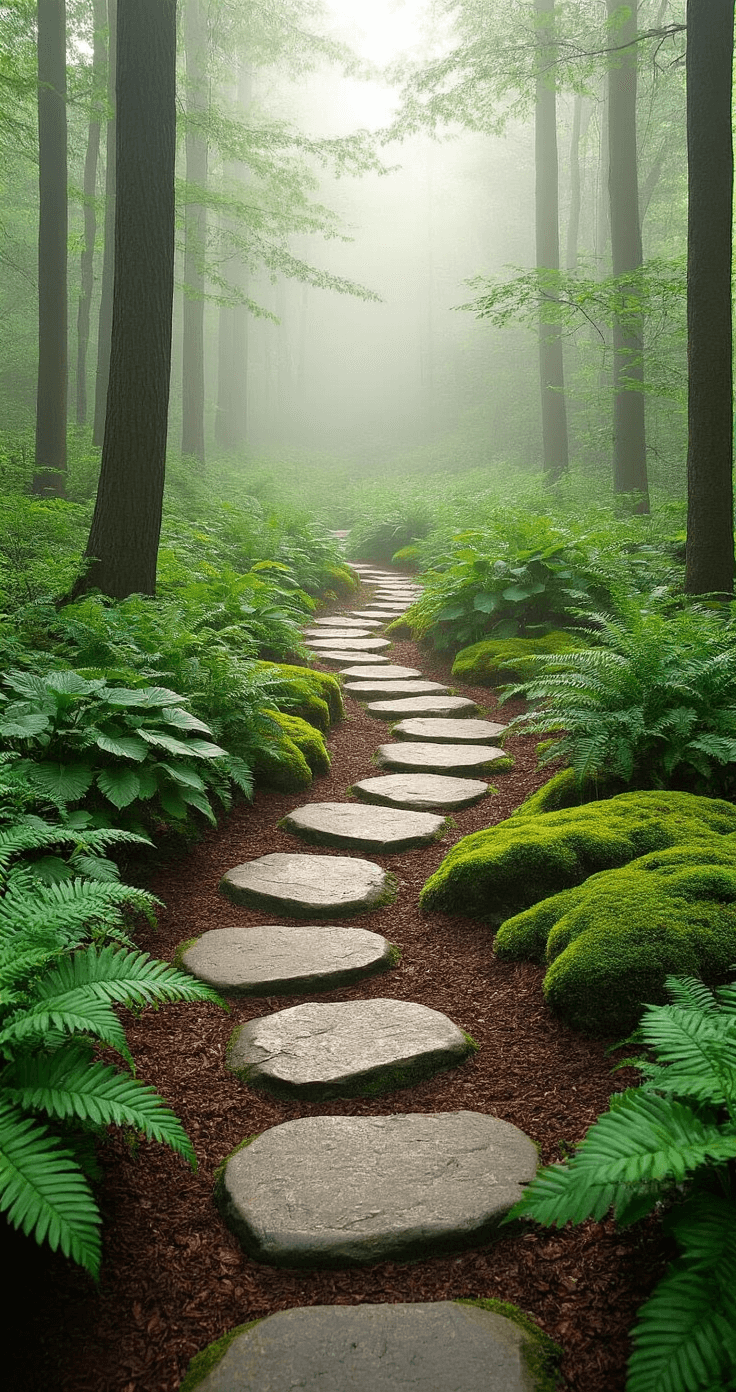
🌟 Steal This Look
- Paint Color: use Behr brand. Match the ACTUAL wall color in the image. Format: Behr ColorName CODE
- Furniture: weathered teak garden bench with slatted back for pathway rest stop
- Lighting: solar-powered LED path lights with warm 2700K output and hammered bronze finish
- Materials: recycled concrete pavers, crushed limestone base, pea gravel infill, moss between stones
This is the path I wish I’d built at my first rental—affordable enough to leave behind, beautiful enough to make every morning coffee walk feel like a garden escape.
Common Mistakes to Avoid
- Improper base preparation
- Uneven stone placement
- Ignoring drainage issues
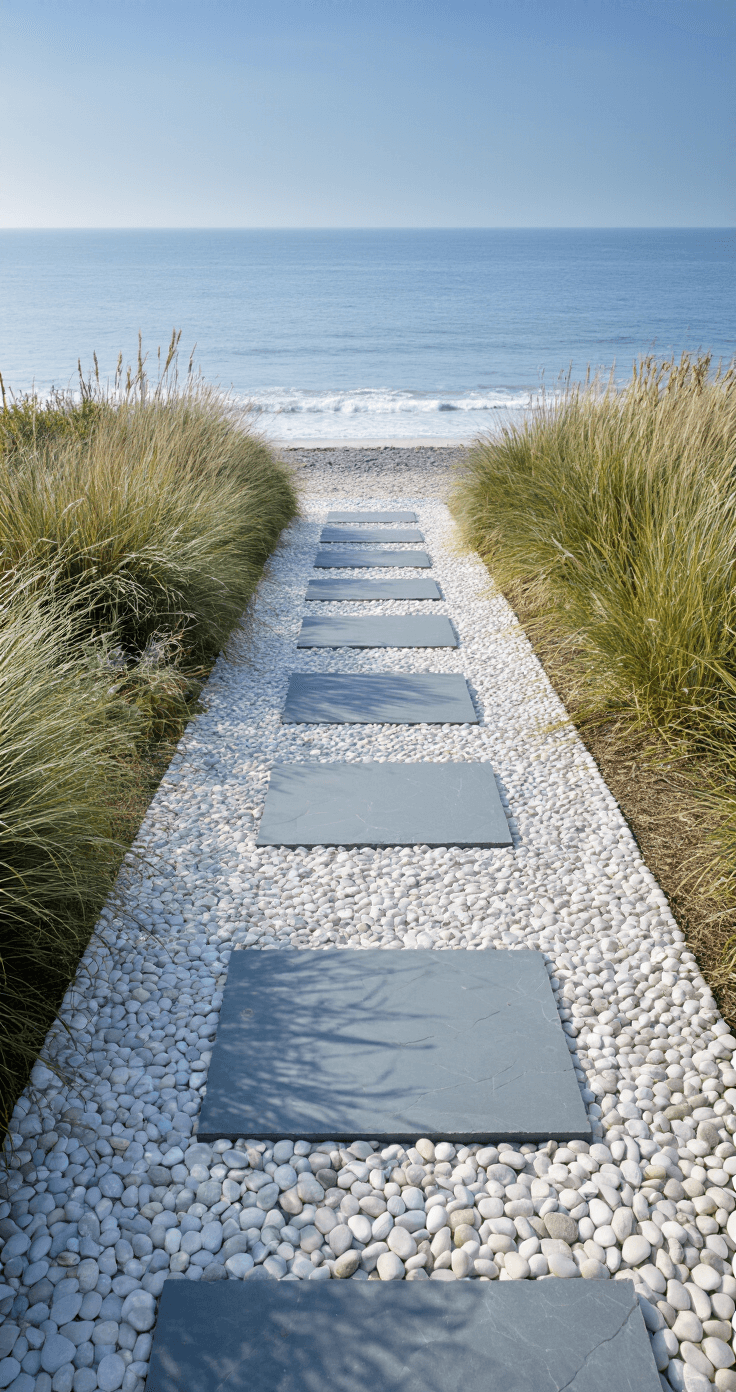
★ Steal This Look
- Paint Color: Valspar Garden Party 5002-5C
- Furniture: weathered teak garden bench with slatted backrest
- Lighting: low-voltage LED path lights with hammered bronze finish
- Materials: natural flagstone, crushed limestone base, polymeric sand joints, pressure-treated landscape timbers for edging
I’ve watched too many homeowners rush the weekend project only to face buckling stones the following spring—taking an extra day on prep saves years of regret.
Inspiration Gallery
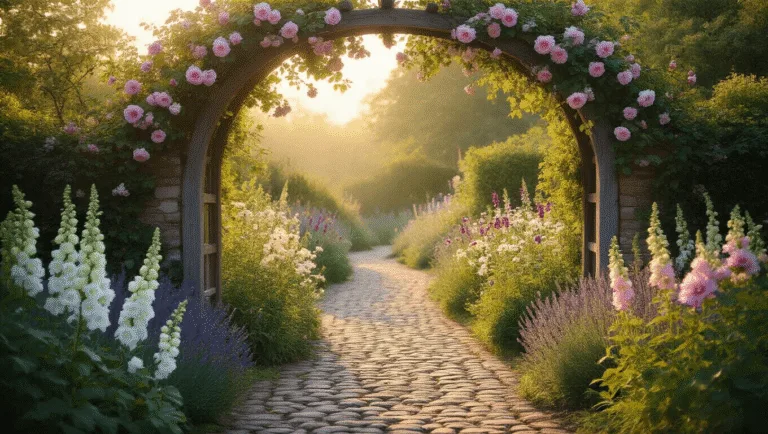
Imagine walking through your garden on a beautiful set of stepping stones, each step telling a story of creativity and design.
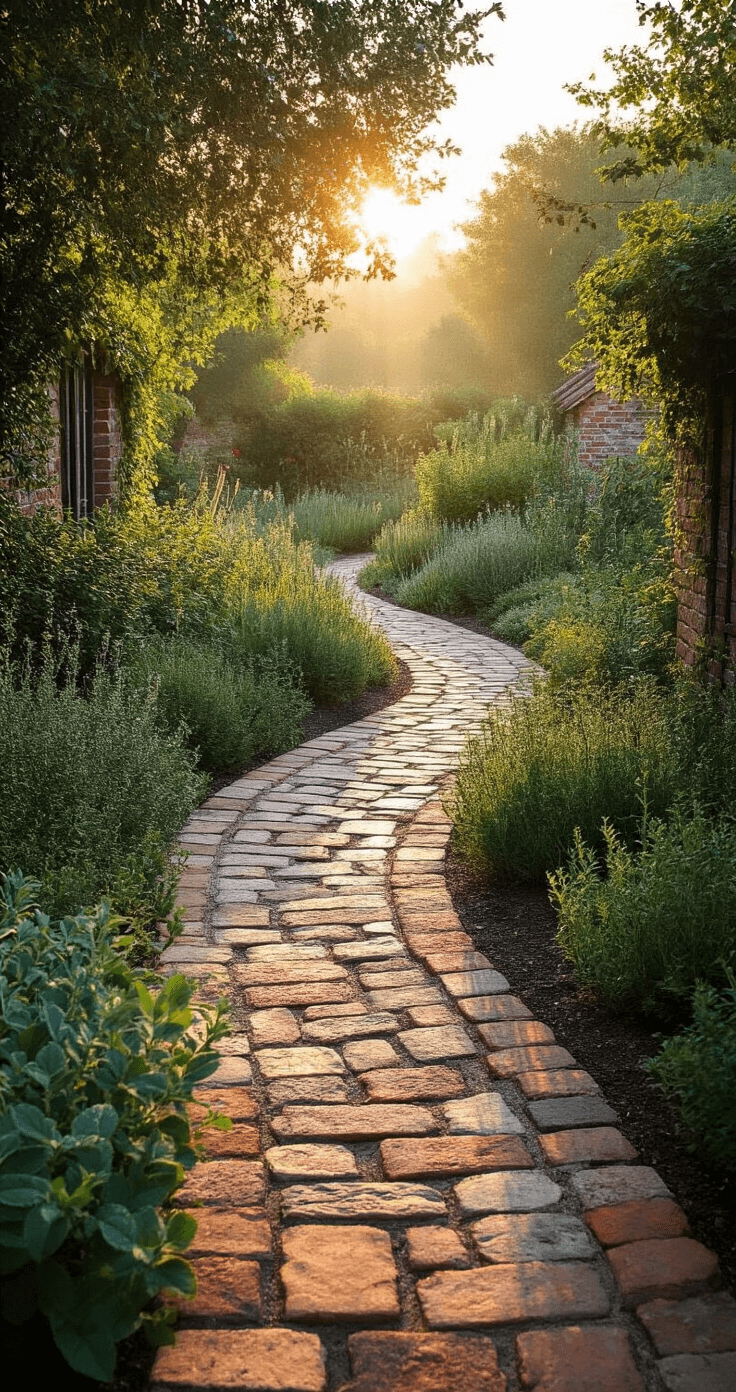
✎ Steal This Look
- Paint Color: use PPG brand. Match the ACTUAL wall color in the image. Format: PPG ColorName CODE
- Furniture: weathered teak garden bench with curved silhouette positioned as a viewing perch near the stone pathway
- Lighting: solar-powered copper path lights with warm 2700K output spaced evenly along stone edges
- Materials: natural bluestone pavers with moss-filled joints, crushed pea gravel base, reclaimed barn wood edging
There’s something deeply satisfying about a garden path that slows your pace and invites discovery—this is the antidote to rushing through life on concrete.
Final Thoughts
Stepping stones are more than just functional – they’re an art form. Whether you’re creating a literal path or metaphorically stepping towards your dreams, these magical stones can transform your space.
Quick Recap:
- Versatile design element
- Easy DIY project
- Adds value to your outdoor space
Ready to start your stepping stone journey? Your dream garden awaits!
Keep this one for later
We'll email you the link so you can come back to it.


[…] Slim Design: Measuring less than 5 inches wide, this coffee maker fits effortlessly into tight spaces. […]