This post may contain affiliate links. Please see my disclosure policy for details.
Spring Flowers That’ll Make Your Garden Actually Look Like Those Pinterest Photos
Spring flowers transform bare winter gardens into color explosions, and I’m going to show you exactly which ones deliver the biggest impact without requiring a horticulture degree.
You know that sinking feeling when you plant what you think are the right flowers, only to watch them struggle or barely bloom? I’ve been there, standing in my garden with wilted disappointments while my neighbor’s yard looks like a magazine cover.
Here’s what nobody tells you: timing matters more than variety. Plant daffodils in spring instead of fall, and you’re waiting until next year. Choose shade-lovers for sunny spots, and you’ll be replacing dead plants by June.
I’m walking you through the flowers that actually work, when to plant them, and how to avoid the mistakes that waste your money and time.
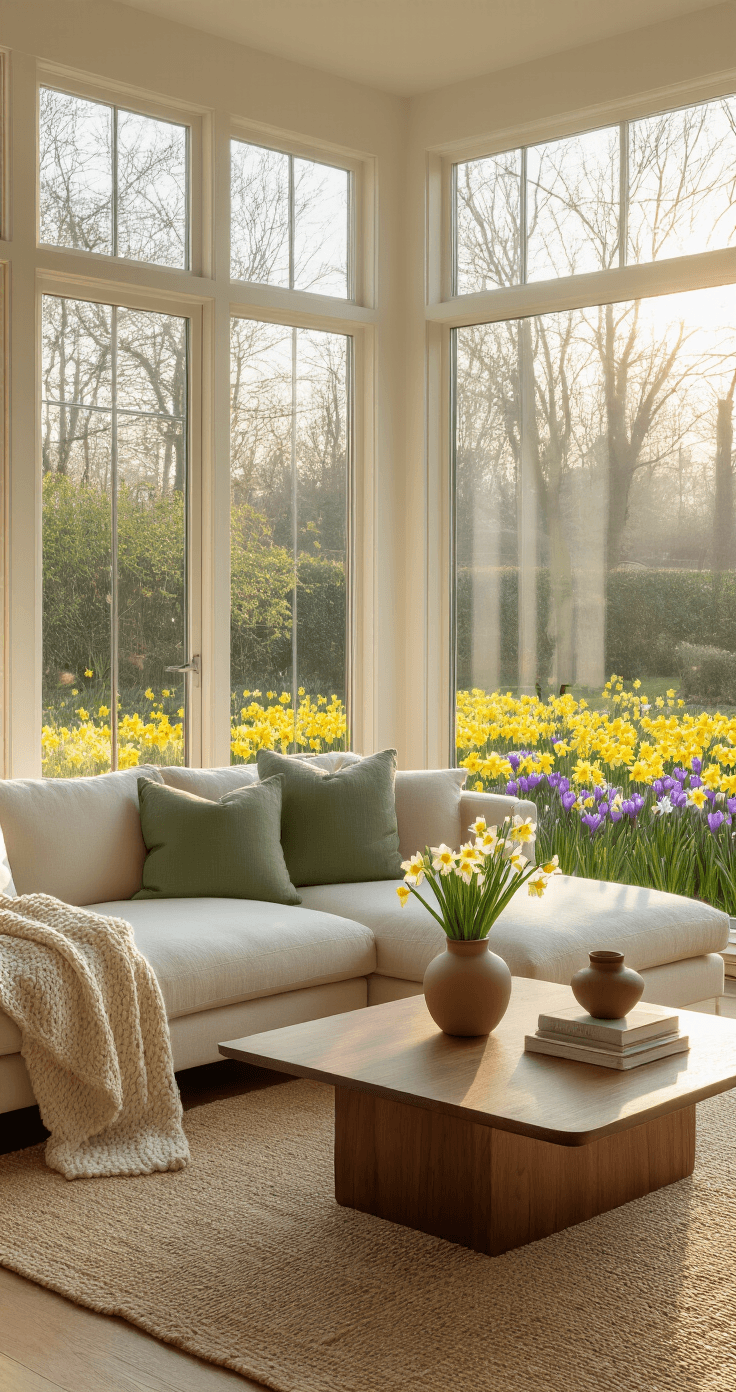
Why Your Spring Garden Probably Isn’t Reaching Its Potential
Most people grab whatever looks pretty at the garden center in April. That’s already too late for half the spring flowers worth growing.
The showstoppers—those early crocuses pushing through snow, those fragrant hyacinths that smell like actual spring—get planted in fall. Not spring. Fall.
I learned this the expensive way my first year, buying bulbs in March and wondering why the packaging said “plant in October.”
Then there’s the sun issue. Slap sun-loving tulips in your shady corner, and you’ll get leaves but pathetic blooms. Stick shade-craving hellebores in full blast sunshine, and they’ll crisp up like forgotten lettuce.
Let’s fix all of this right now.
The Early Birds That Bloom While Snow’s Still Melting
Crocus: The Overachievers of Spring
These little purple, yellow, and white cups punch through frozen ground like they’ve got something to prove. They bloom in March when everything else is still sleeping.
I planted crocus bulbs under my front oak tree five years ago. Every single March since, they’ve shown up like clockwork, multiplying without me lifting a finger.
What you need to know:
- Plant them in fall (September-November)
- They’re only 6 inches tall, so plant them front and center or they’ll hide
- USDA zones 3-8
- They don’t care much about sun—part shade to full sun both work
The money shot: Plant them in drifts of 25+ bulbs, not sad little clusters of three.
Hellebores: The Goth Flowers That Bloom in February
Also called “Lenten Rose,” these things bloom while there’s literally still snow on the ground. Deep burgundies, pale greens, speckled pinks—they look expensive and moody.
I have them lining my north-facing walkway where nothing else would grow. They’re evergreen, so even when they’re not blooming, they look intentional.
Why they’re brilliant:
- Shade lovers (partial to full shade)
- Deer won’t touch them
- Zones 3-9
- Their foliage looks good year-round
- They self-seed, giving you free plants
Real talk: They’re pricier than most perennials, but you buy them once and they’ll outlive your mortgage.
Save this article
Enter your email and we'll send it straight to your inbox.
Bloodroot: The Wildflower That Looks Delicate But Isn’t
These native woodland flowers have white petals that look like they’d blow away in a strong breeze. They’re tougher than they appear.
The name comes from their red roots—cut one and it “bleeds” red sap. A bit metal for such a pretty flower.
Growing details:
- Shade gardens only (part to full shade)
- Zones 3-9
- Blooms in early April
- Native to North American woodlands
- Goes dormant by summer
I planted them under my dogwood tree where grass gave up years ago. Now I have a carpet of white blooms every April instead of bare dirt.
The Main Event: Mid-Spring Superstars (April-May)
Daffodils: The Ones That Actually Work Everywhere
If you plant only one spring bulb, make it daffodils.
They’re cheerful without being obnoxious. They multiply every year. Rodents won’t eat them (unlike tulips, which are apparently squirrel candy). And they grow in zones 3-11—basically everywhere in the continental US.
I have fifty daffodil bulbs scattered across my front yard. Cost me maybe $30 three years ago. Now I’ve got hundreds, and I’ve dug up and given away dozens.
Planting intel:
- Full sun
- Plant in fall, 6 inches deep
- Don’t cut the leaves after blooming (they need them to recharge)
- They’ll naturalize (spread on their own)
Varieties that don’t look basic:
- ‘Ice Follies’ – white with pale yellow centers
- ‘Jetfire’ – orange and yellow, looks like tiny flames
- ‘Thalia’ – pure white, multiple blooms per stem
Tulips: Gorgeous But High-Maintenance
Let’s be honest about tulips. They’re the supermodels of spring flowers—stunning but demanding.
Most tulips are technically perennials, but they bloom their hearts out the first year, then get progressively sadder. By year three, you’re lucky to get leaves.
I treat them like annuals now. I plant new tulip bulbs every fall in my front containers, enjoy the spectacular April show, then pull them after blooming.
If you want tulips that actually return:
- Species tulips (the smaller, older varieties)
- ‘Darwin Hybrid’ tulips
- Plant them DEEP (10-12 inches helps)
Growing requirements:
- Full sun
- Zones 3-8
- Fall planting
- Well-draining soil (they’ll rot in soggy spots)
Squirrel defense strategies:
- Plant them with daffodils (squirrels avoid the narcissus)
- Put chicken wire over the bed until ground freezes
- Plant them really deep
- Accept that you might be feeding the wildlife
<img
Keep this one for later
We'll email you the link so you can come back to it.