This post may contain affiliate links. Please see my disclosure policy for details.
Growing Tulips: A Quick Guide to Growing, Using, and Enjoying Them
Growing tulips transformed my spring garden from a sad patch of brown dirt into something that makes my neighbors actually stop and stare.
Let me tell you, I killed my first batch of tulip bulbs spectacularly. Planted them in August like an overexcited rookie, and they rotted before Halloween. But I figured it out, and now every April my yard explodes with color while I drink coffee on the porch feeling smug.

What the Hell Are Tulips, Anyway?
Tulips aren’t just those generic spring flowers you see everywhere. They’re part of the genus Tulipa, and they grow from bulbs that look like small onions. Everyone thinks they’re Dutch, but they actually originated in Central Asia and became Holland’s obsession in the 1600s during the famous “Tulip Mania” when people literally traded houses for rare bulbs.
Here’s what you need to know:
- They’re herbaceous perennials that grow from underground bulbs, not seeds
- Bloom time runs from early to late spring depending on which variety you choose
- They come in wild variations: standard cups, frilly doubles that look like peonies, crazy parrot tulips with feathered petals, fringed edges, and French tulips that tower over everything else
The color range is absurd. You can get pretty much every shade except true blue (though purple comes close).
Growing Tulips Without Losing Your Mind
Climate and Light: The Cold Truth
Tulips need winter. Like, actual cold winter. I learned this when I moved from Michigan to southern California and wondered why my tulips looked pathetic.
Here’s the deal:
- USDA zones 3–7 are tulip heaven – cold winters, reasonable springs
- Zones 8 and up? You’re fighting biology; most people just treat them as annuals or buy pre-chilled bulbs
- Light requirements: Full sun is best, but they’ll tolerate part shade
- In warmer zones, give them morning sun and protect them from brutal afternoon heat
My current garden gets morning sun until about 2 PM, then shade from a big oak. Perfect setup.

Soil: Drainage or Death
This is where I murdered my first bulbs. Tulips would rather die than sit in wet soil. Seriously, they’ll rot faster than forgotten salad in your fridge.
Critical soil requirements:
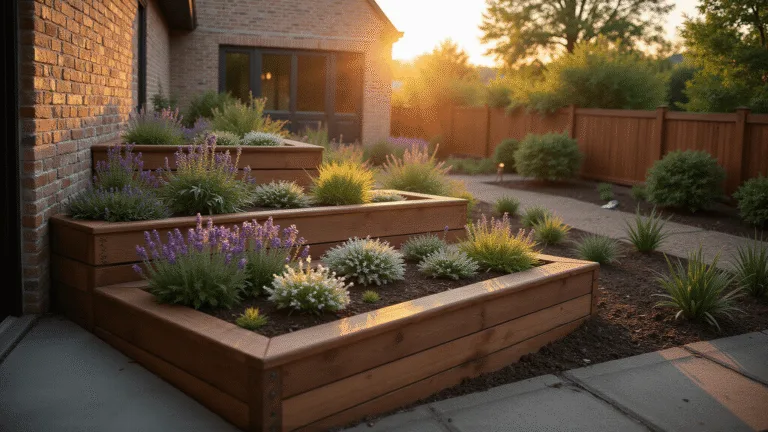
- Must drain well – if water pools after rain, find another spot or build a raised bed
- Neutral to slightly acidic pH works best
- Fertile but not heavy – think sandy or loamy, not clay
- Never soggy – I can’t stress this enough
I add compost and coarse sand to my beds every fall. Sounds like overkill until you see the difference. For heavy clay soil, raised beds saved my sanity.
Save this article
Enter your email and we'll send it straight to your inbox.
When and How to Plant Tulip Bulbs
Timing matters more than most people think.
Fall planting schedule:
- Wait until after the first frost but before the ground freezes solid
- In my zone 6 garden, that means late October through mid-November
- Too early (like I did that first disastrous year) and they rot
- Too late and they don’t establish roots
Planting depth and spacing:
- Dig holes 6–8 inches deep (15–20 cm if you’re metric)
- Space bulbs 4–5 inches apart center to center
- Some gardeners go tighter at 3 inches for a packed display; I prefer breathing room
- Pointy end up, flat root end down (seems obvious but you’d be surprised)
Pro tip I wish someone had told me: Don’t plant single rows. They look ridiculous, like soldiers standing at attention. Plant groups of 7 or more in oval or triangular clusters. Way more natural.
After planting, I cover with soil and basically ignore them. Fall and winter rains handle watering in most climates. I only grab a garden hose if we’re having an unusually dry fall.

What Happens After You Plant
The bulbs don’t just sit there.
Growth timeline:
- Fall: Roots grow down into cool soil while you’re watching football
- Winter: Everything goes dormant under snow or cold rain
- Early spring: First green tips poke through, often when there’s still frost
- Mid-spring: Leaves shoot up fast, reaching about 7 inches before buds appear
- Late spring: Flowers open about 4–5 weeks after those first shoots
The leaves are ridiculously tough. I’ve watched snow dump on emerging foliage, and they just shrug it off.
Will Your Tulips Come Back Next Year? (The Inconvenient Truth)
This is the question everyone asks, and the answer is complicated. Technically tulips are perennials. Practically? Most hybrids act like short-term relationships.
Reality check:
- Year one: Spectacular blooms, exactly what you wanted
- Year two: Smaller
Keep this one for later
We'll email you the link so you can come back to it.