

This post may contain affiliate links. Please see my disclosure policy for details.
Brick Edging for Flower Beds: The Ultimate DIY Guide to Transforming Your Garden
Hey there, garden enthusiasts! Ready to give your flower beds a rockstar makeover that’ll make your neighbors stop and stare? Brick edging is your secret weapon.
Why Brick Edging is a Game-Changer
Imagine a crisp, clean line that transforms messy garden borders into a professional-looking masterpiece. That’s brick edging in a nutshell.
Quick Pro Facts
- Project Time: Weekend warrior special (2-6 hours)
- Difficulty: Beginner-friendly
- Cost: Around $185 for an average garden bed
- Style Versatility: Works with ANY garden design

🏠 Steal This Look
- Paint Color: Benjamin Moore Garden Cucumber HCC-110
- Furniture: weathered teak potting bench with zinc top
- Lighting: hammered copper pathway lanterns with seeded glass
- Materials: reclaimed clay brick, crushed limestone base, polymeric sand joints
There’s something deeply satisfying about the ritual of laying brick edging on a Saturday morning—the weight of each brick in your hands, the satisfaction of a level line, and knowing you’ve built something that will outlast the perennials you plant beside it.
Materials You’ll Need
Shopping List
- Clay pavers (weather-resistant)
- Polymeric sand
- Rubber mallet
- Shovel
- Measuring tape
- Garden rope

★ Steal This Look
- Paint Color: Farrow & Ball Mouse’s Back 40
- Furniture: weathered teak potting bench with zinc top
- Lighting: antique brass gooseneck barn light
- Materials: hand-molded clay pavers with irregular edges, coarse polymeric sand, aged corten steel garden edging strips
There’s something deeply satisfying about the rhythmic process of brick edging—it’s the rare garden project where patience actually rewards you with permanence, and every time you edge your lawn afterward, you’ll feel a small pride in those clean, crisp lines you set by hand.
Step-by-Step Installation (No Pro Skills Required!)
1. Plan Your Battlefield
- Grab your garden rope and outline the bed
- Pro Tip: Add 10% extra bricks for unexpected breaks
2. Dig Like a Pro
- Create a trench along your marked line
- Key Moves:
- Make it wide and deep
- Level the base thoroughly
- Compact the soil for stability

3. Brick Placement Magic
- Arrange bricks tightly
- Styling options:
- Single row
- Double-stack
- Upright placement
- Staggered pattern
4. Finishing Touches
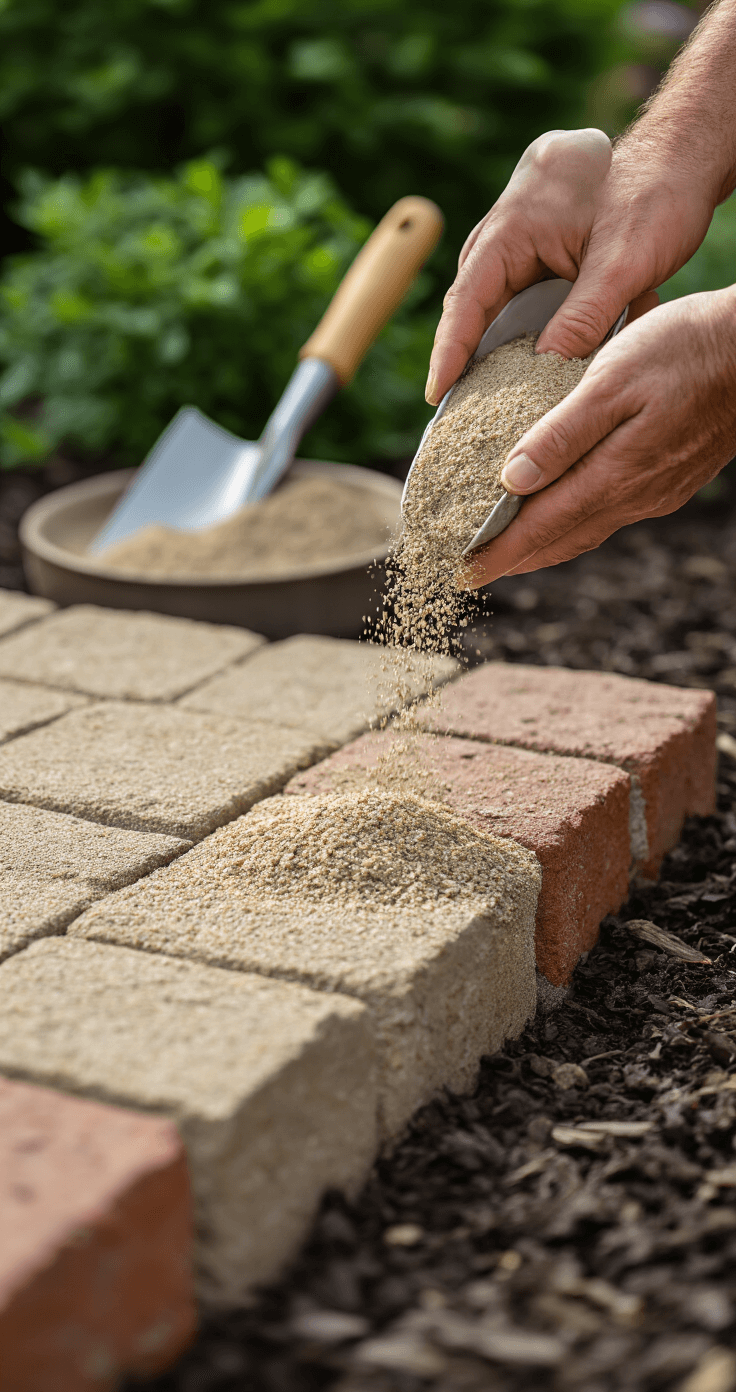
- Fill gaps with polymeric sand
- Use rubber mallet to settle bricks
- Hose down to set the sand
- Mulch and style your new border

🏠 Steal This Look
- Paint Color: Behr Garden Stone MQ6-22
- Furniture: weathered teak potting bench with galvanized steel top
- Lighting: solar-powered LED path lights with hammered bronze finish
- Materials: reclaimed clay brick, coarse polymeric sand, cedar mulch, landscape fabric
There’s something deeply satisfying about stepping back to see a crisp brick line defining your garden beds—it’s the moment amateur landscaping starts looking intentional and polished.
Design Inspiration: Beyond Basic Borders
Creative Brick Edging Styles
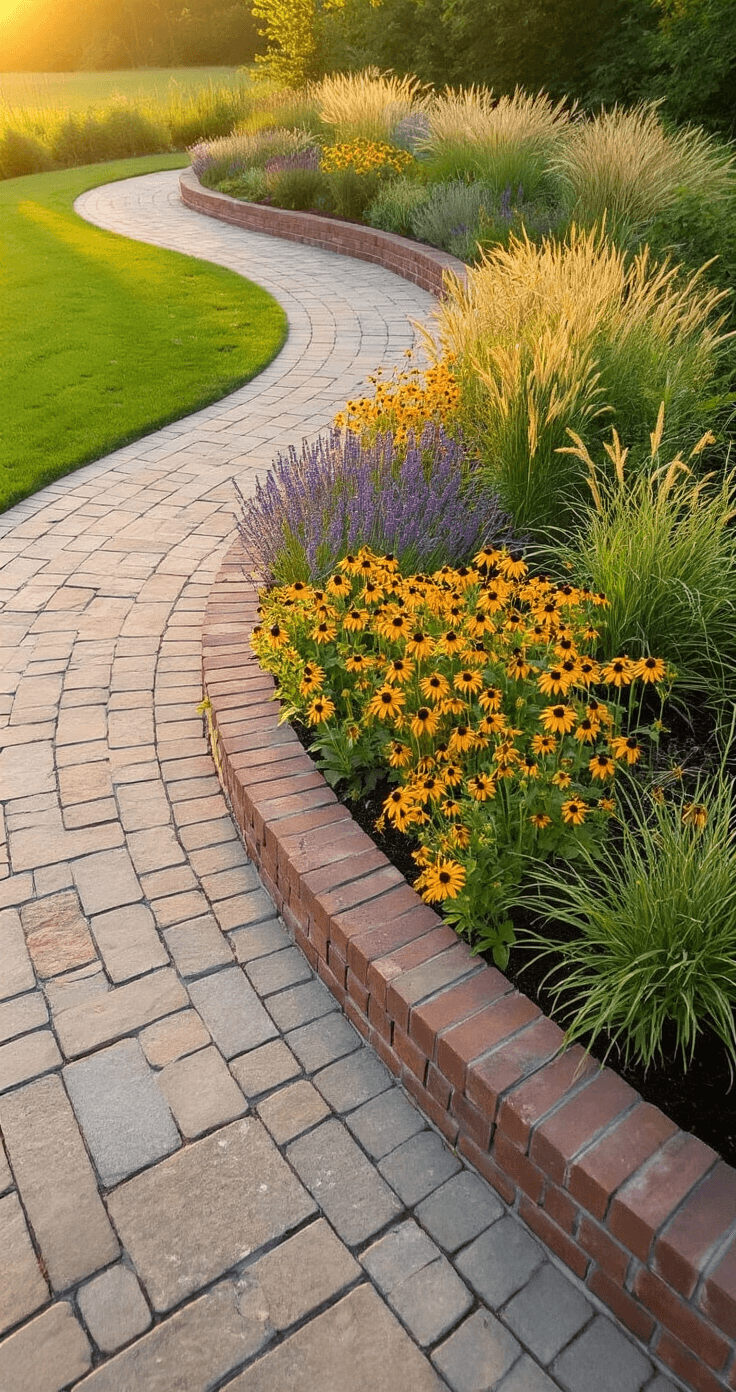
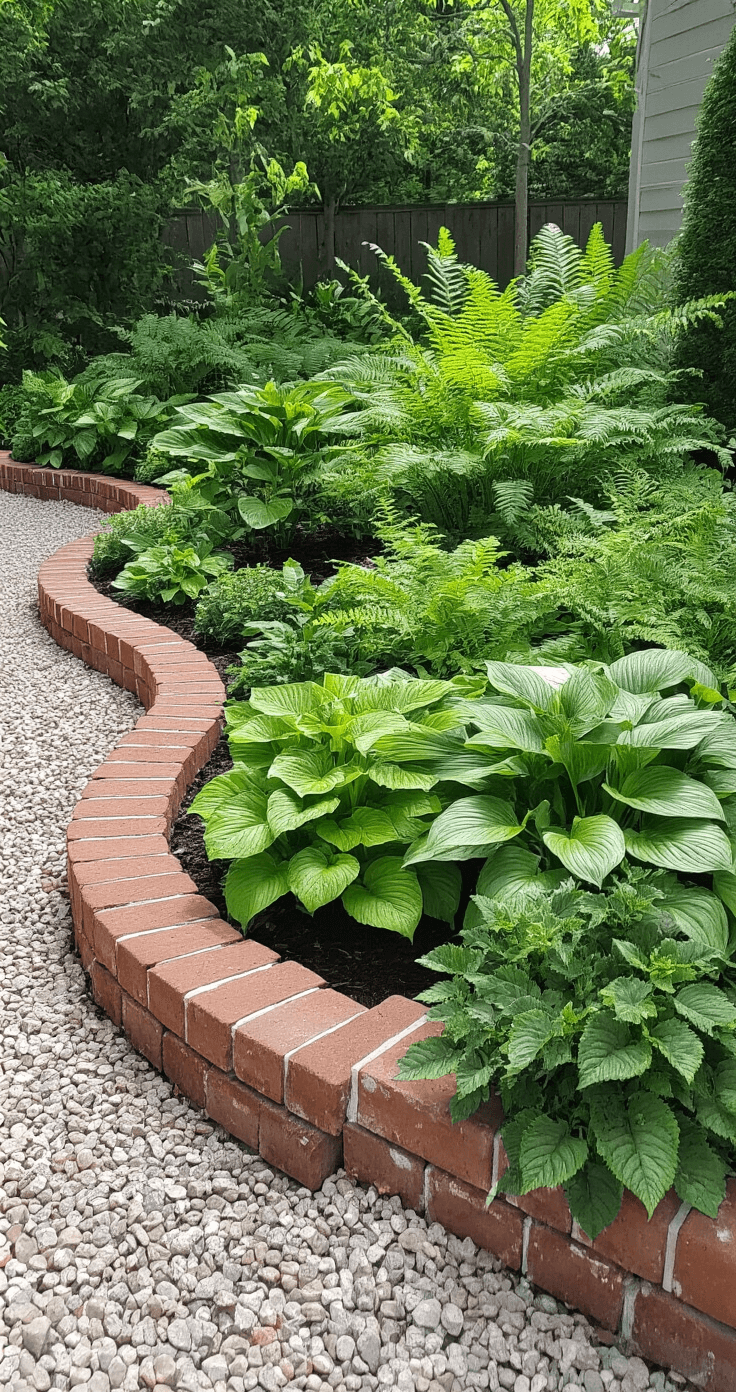
- Classic red brick (timeless!)
- Vertical brick for height
- Mixed material combinations
- Curved layouts for organic flow
Save this article
Enter your email and we'll send it straight to your inbox.
★ Steal This Look
- Paint Color: use Valspar brand. Match the ACTUAL wall color in the image. Format: Valspar ColorName CODE
- Furniture: weathered teak garden bench with curved backrest
- Lighting: solar-powered bollard lights with warm amber glow
- Materials: reclaimed clay brick, crushed limestone gravel, aged copper edging strips
This is the flower bed edging that makes neighbors slow down on their evening walks, the kind of thoughtful boundary that turns a simple garden into a destination.
Maintenance Hacks
Quick Maintenance Checklist:
- Check sand levels after heavy rain
- Inspect for brick shifting
- Replenish sand as needed
- Mow easily over flush-installed edges
🌟 Steal This Look
- Paint Color: PPG Timeless 4000-7C (classic brick red accent for garden toolshed or nearby fence)
- Furniture: weathered teak potting bench with galvanized steel top
- Lighting: solar-powered LED path lights with hammered bronze stakes
- Materials: polymeric jointing sand, reclaimed clay brick, crushed limestone base, cedar mulch
There’s something deeply satisfying about running the mower wheel right along a flush brick edge without stopping to trim—it’s the small victory that makes weekend yard work feel almost effortless.
Pro Tips for Stunning Results
- Mix brick colors for visual interest
- Consider faux brick for budget-friendly options
- Pinterest is your design inspiration playground
- Experiment with different patterns
Common Mistakes to Avoid
- Skipping sand filling
- Uneven base preparation
- Forgetting to account for landscape curves
- Ignoring weather-resistant materials
💡 Steal This Look
- Paint Color: use Clare Paint brand. Match the ACTUAL wall color in the image. Format: Clare Paint ColorName CODE
- Furniture: weathered teak garden bench with curved backrest for curved bed integration
- Lighting: solar-powered brass pathway lights with warm 2700K output
- Materials: porcelain-faced clay brick, polymeric jointing sand, crushed limestone base, galvanized steel landscape edging for curves
I’ve watched too many weekend warriors rush the base prep only to rebuild their edging the following spring—taking an extra afternoon to compact and level properly saves years of frustration.
Cost Breakdown
| Option | Cost Range | Complexity |
|---|---|---|
| DIY Basic | $100-$250 | Low |
| Professional Install | $500-$1500 | High |
| Faux Brick | $50-$150 | Very Low |
Final Thoughts
Brick edging isn’t just a border—it’s a statement. It transforms ordinary flower beds into extraordinary garden spaces with minimal effort and maximum impact.
Pro Gardener’s Promise: Follow these steps, and you’ll create a garden border that screams “I know what I’m doing” without breaking a sweat.
Happy gardening, design warriors! 🌿🧱✨
Keep this one for later
We'll email you the link so you can come back to it.



[…] in nature: Fresh flowers from the garden, potted herbs on the windowsill, and a bowl of seasonal […]