
This post may contain affiliate links. Please see my disclosure policy for details.
Climbing Rose Trellis: Your Ultimate Guide to Vertical Garden Elegance
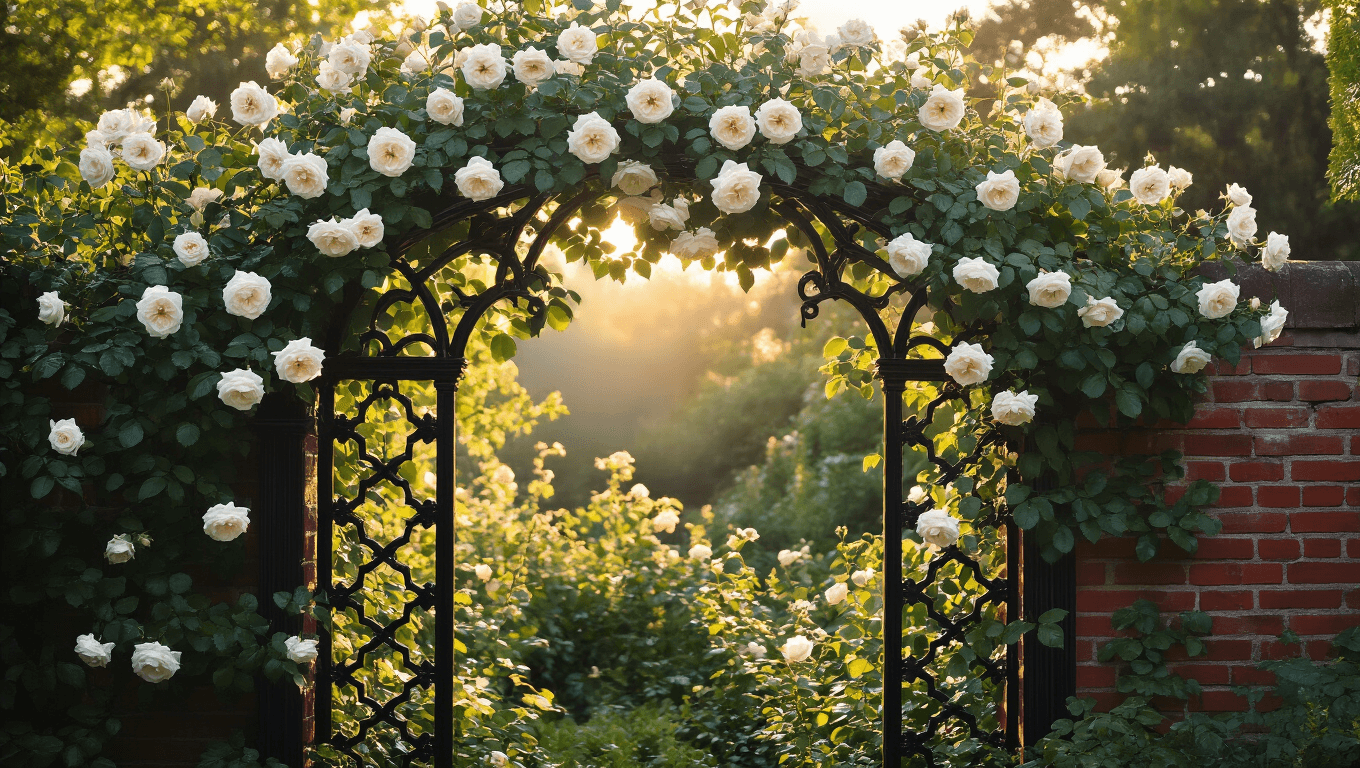
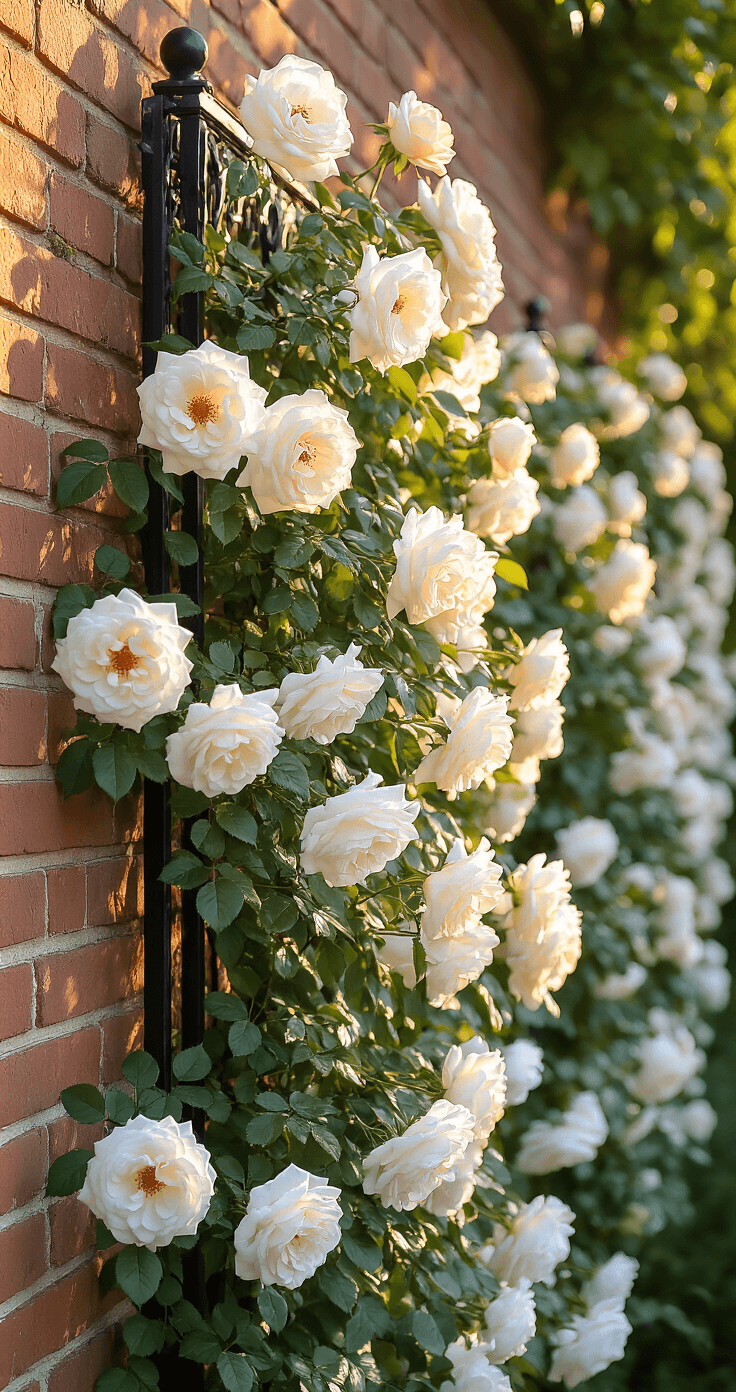
The climbing rose trellis that looked best was a wooden or metal structure that supported the roses as they grew. A climbing rose trellis adds vertical interest to the garden. The key is choosing a sturdy trellis and training the roses as they grow.
Why You Need a Climbing Rose Trellis
Ever watched roses struggle to grow beautifully? A trellis is your game-changing solution. These magical structures aren’t just supports – they’re garden design superstars.
The Magic of Vertical Rose Growing
Imagine this: Your garden walls transforming into living, blooming masterpieces. That’s the power of a well-designed climbing rose trellis.
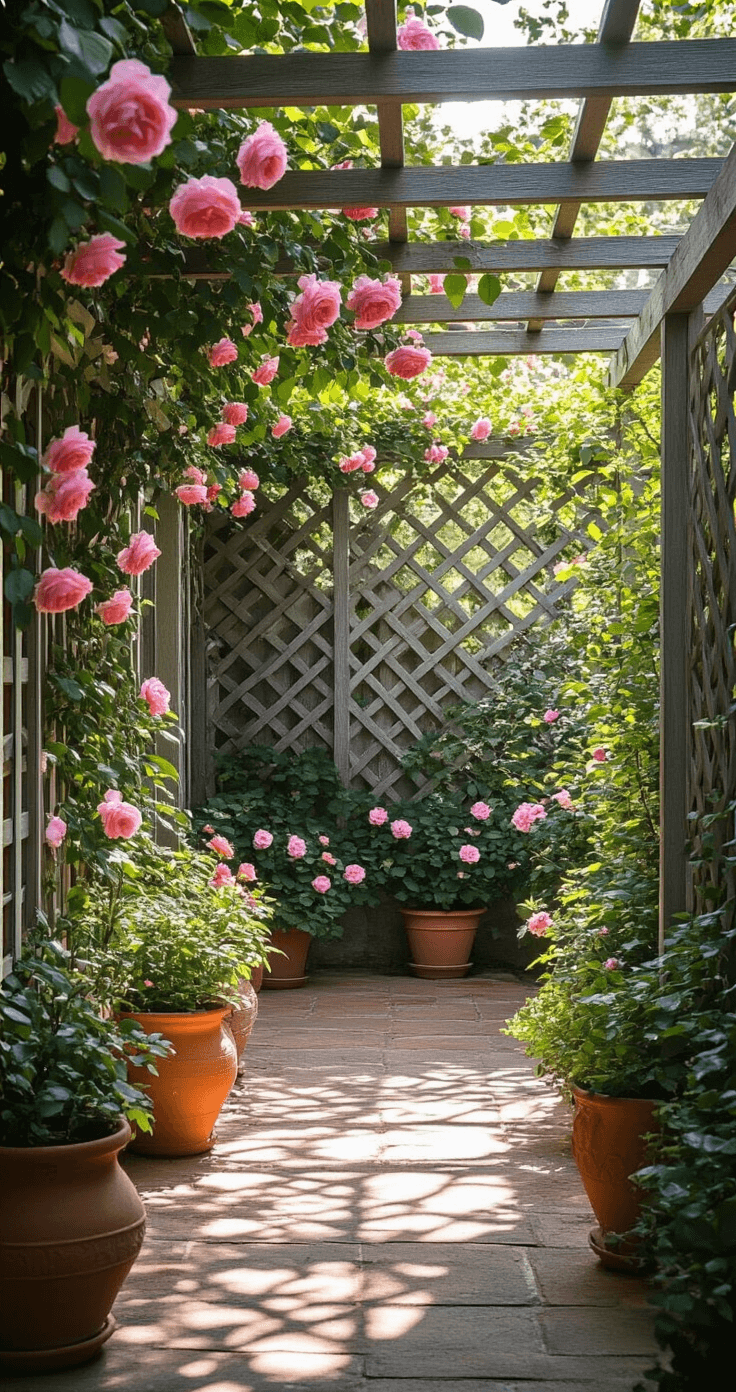
There’s something deeply satisfying about training that first flexible cane against the trellis, knowing you’re setting in motion years of cascading color that will outlive your patience for perfect pruning.
Choosing the Perfect Trellis: Pro Tips
Material Matters
Top Trellis Materials:
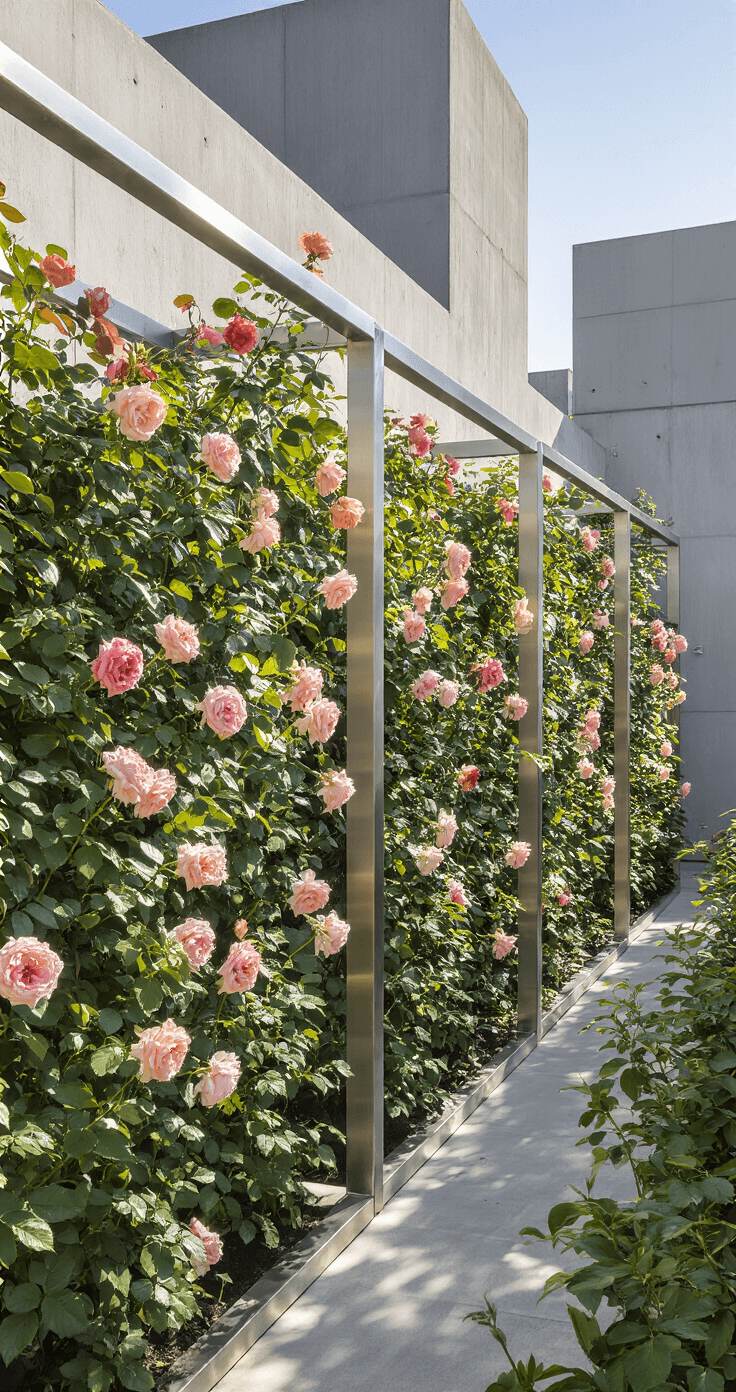
- Metal Trellises:
- Ultra-durable
- Perfect for heavyweight roses
- Pro tip: Choose powder-coated to prevent rust
- Wooden Trellises:
- Classic garden charm
- Requires more maintenance
- Always use treated wood for longevity
Size and Strength: The Non-Negotiables
Critical Checklist:
- Must support full rose weight
- Tall enough for mature plant growth
- Strong during rainy/blooming seasons
I’ve watched too many gardeners fall in love with ornate wrought-iron designs only to find them buckling under the weight of a mature ‘Eden’ rose—start with function, then let the beauty follow.
Top Climbing Rose Varieties for Your Trellis
Rockstar Roses to Consider:
- ‘Iceberg’ – Pristine white, semi-double blooms
- ‘Constance Spry’ – Fragrant pink stunner
- ‘Tropical Lightning’ – Unique rusty-peach showstopper

There’s something deeply satisfying about watching a bare winter trellis transform into a living wall of blooms; these varieties reward that patience with fragrance you can’t buy in a candle.
Save this article
Enter your email and we'll send it straight to your inbox.
Installation Secrets
Before You Plant
Pro Installation Steps:
- Position trellis BEFORE planting
- Secure gently with soft ties
- Guide canes horizontally for maximum blooming
Maintenance Magic
Quick Care Guide:
- Prune annually
- Retie canes periodically
- Ensure full sun exposure
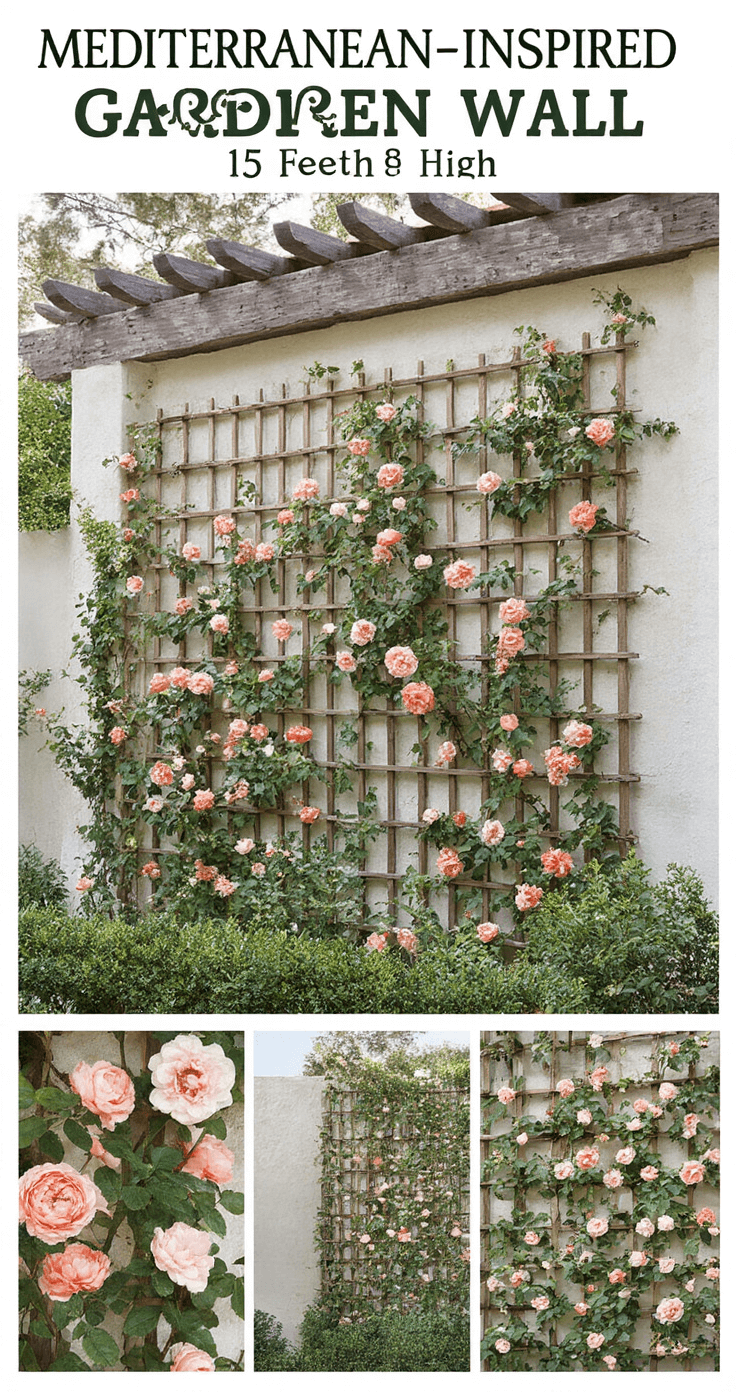
There’s something deeply satisfying about the ritual of winter pruning—it’s meditative, messy, and the promise of next June’s first bloom keeps you coming back year after year.
Design Inspiration
Creative Placement Ideas:
- Garden fence backdrops
- Pergola centerpieces
- Wall transformations
- Archway decorations
Pro Bonus: Companion Planting
Awesome Pairings:
- Clematis
- Summer-blooming vines
- Complementary climbing plants
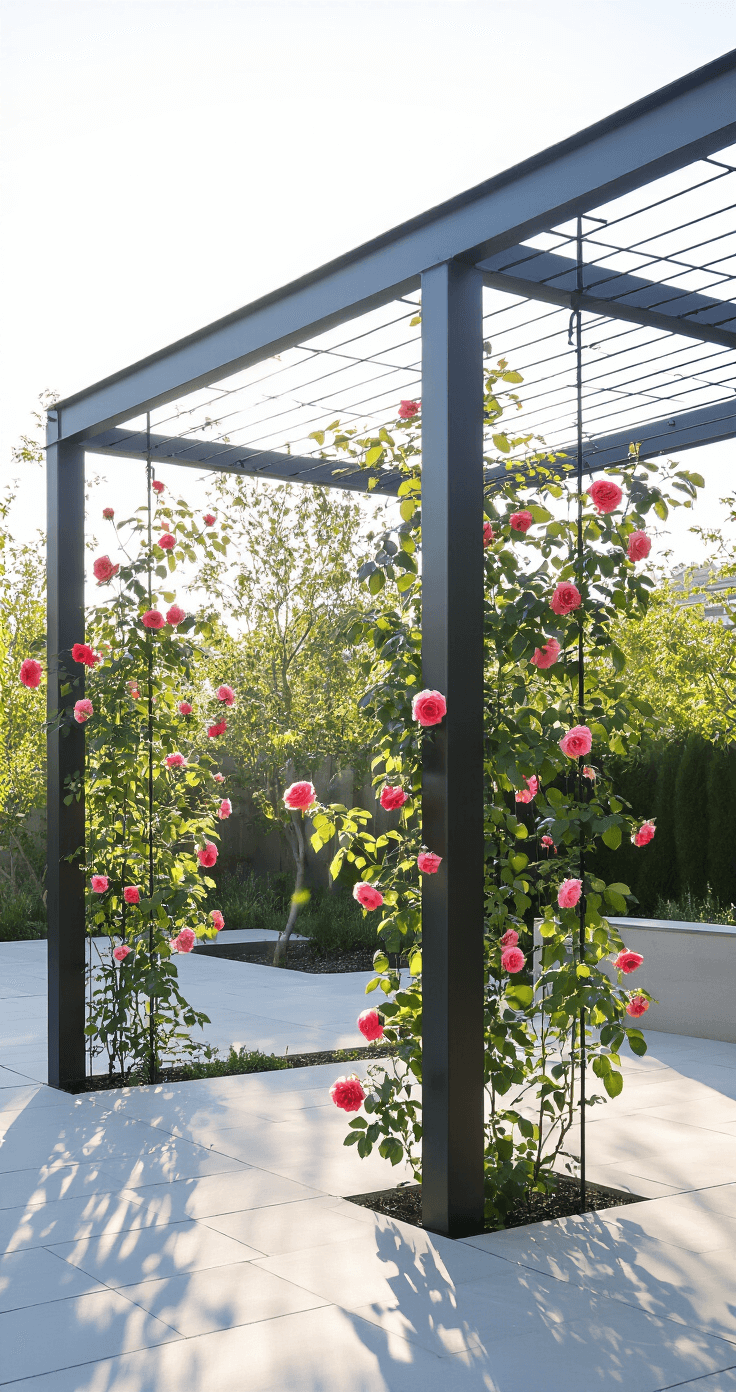
There’s something deeply satisfying about watching two plants work together—when the last rose fades and you’re mourning the end of the season, that first clematis bloom feels like a gift from your past self.
Common Mistakes to Avoid
Trellis Fails to Dodge:
- Weak support structures
- Incorrect sizing
- Improper training techniques
- Neglecting annual maintenance
Your Trellis Success Toolkit
| What You’ll Need | Why It Matters |
|---|---|
| Strong Trellis | Plant Support |
| Soft Plant Ties | Gentle Guidance |
| Pruning Shears | Healthy Growth |
| Patience | Beautiful Results |
A climbing rose trellis isn’t just a garden accessory – it’s a transformation tool. With the right approach, you’ll create a vertical garden that’ll make your neighbors stop and stare.
Pro Tip: Every great garden tells a story. Let your climbing roses be the stunning narrative of your outdoor space.
Happy gardening, rose lovers! 🌹🏡
A climbing rose trellis works when the structure is sturdy and the roses are trained properly. Use a wooden or metal trellis, and tie the roses as they grow. The trellis should feel romantic and lush.
Keep this one for later
We'll email you the link so you can come back to it.





[…] Lighting: solar-powered copper string lights draped through climbing butterfly vine trellis […]