
This post may contain affiliate links. Please see my disclosure policy for details.
Creating a Stunning Flower Bed Around Your Tree: A Complete Guide
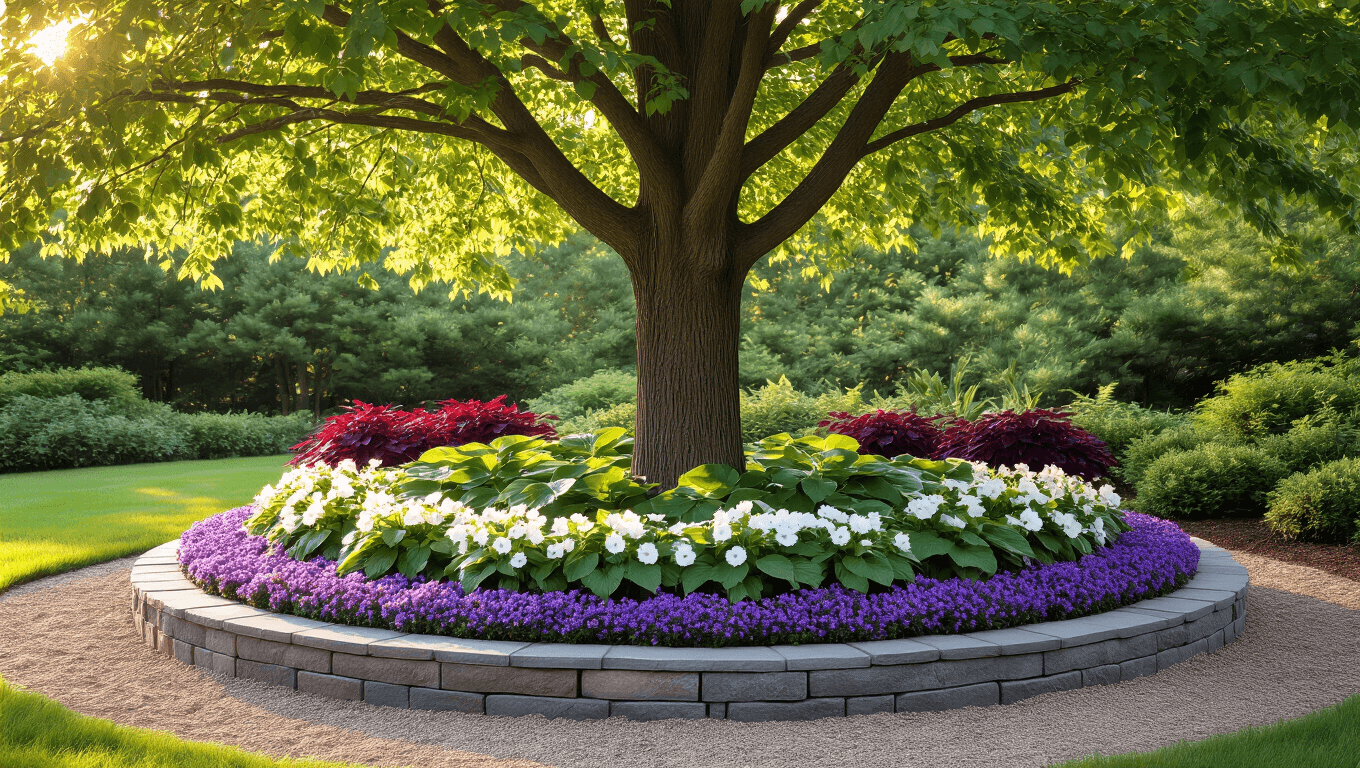
Hey there, garden enthusiasts! Let’s transform that lonely tree in your yard into a breathtaking landscape feature that’ll make your neighbors stop and stare.
Why Create a Tree Flower Bed?
Trees can look pretty lonely standing by themselves. A well-designed flower bed can:
- Add color and texture to your landscape
- Create a focal point in your garden
- Improve soil health around the tree
- Make your outdoor space more inviting
Design Principles That Work Like Magic
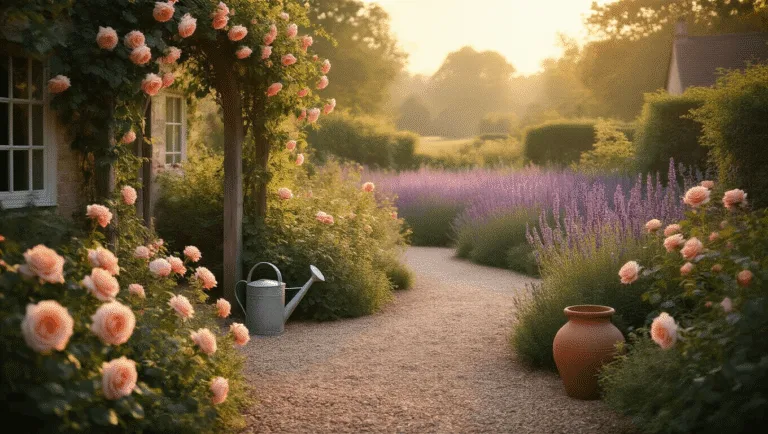
🌟 Steal This Look
- Paint Color: Sherwin-Williams Garden Grove SW 7749
- Furniture: weathered teak Adirondack chair with slatted back for garden viewing
- Lighting: solar-powered copper path lights with warm 2700K LED bulbs
- Materials: natural cedar mulch, irregular flagstone edging, aged terracotta planters, river rock drainage layer
There’s something deeply satisfying about sitting back with morning coffee and watching pollinators discover your tree bed for the first time—it’s the moment your yard stops being just lawn and becomes a living garden.
1. Master the Art of Layering
Think of your flower bed like a delicious cake – every layer matters! Here’s how to stack your plants:
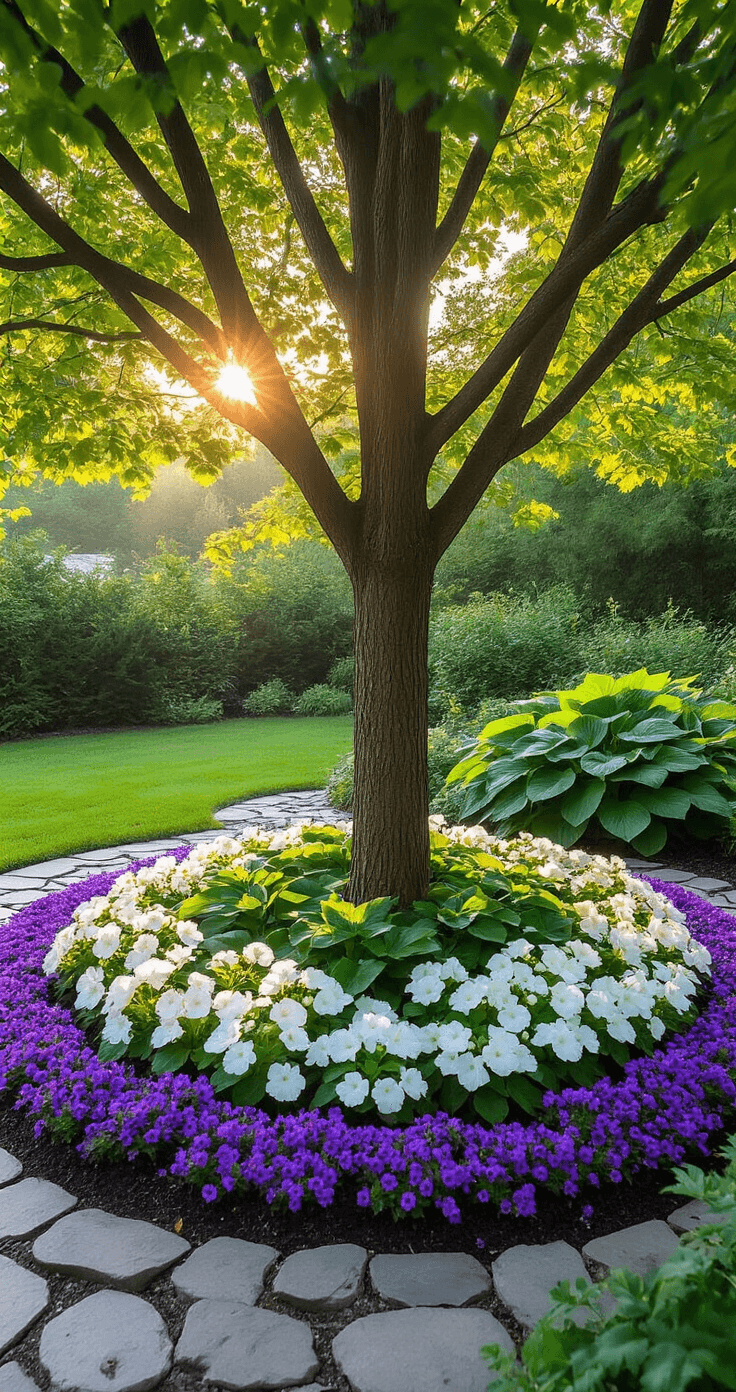
- Ground Level: creeping phlox or ajuga for a soft, carpet-like effect
- Middle Layer: Shade-loving impatiens or hostas for medium height
- Tall Layer: Strategic shrubs near (but not touching) the tree trunk
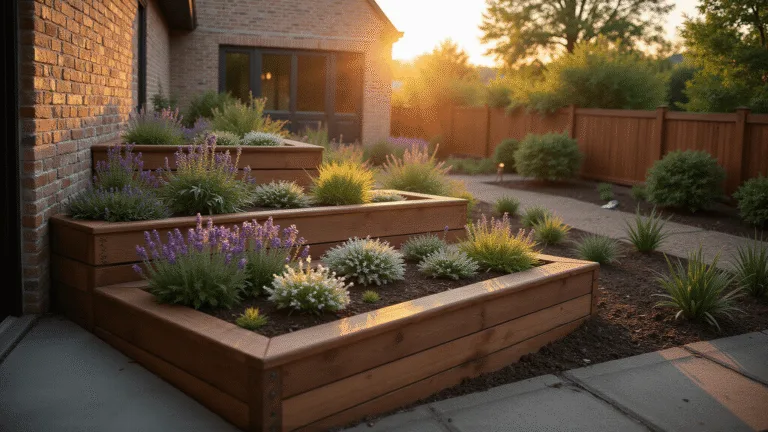
🖼 Steal This Look
- Paint Color: Benjamin Moore Garden Cucumber 644
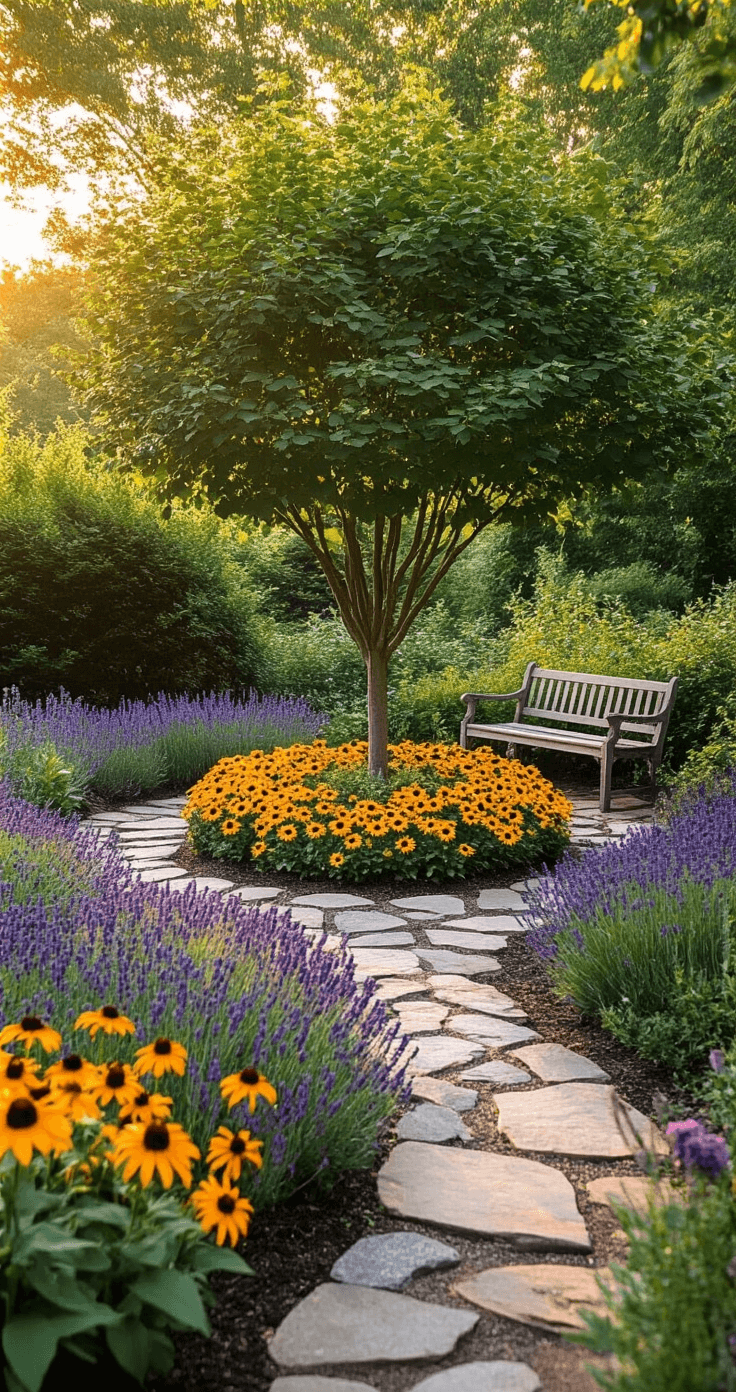
- Furniture: weathered teak garden bench with curved backrest positioned at the bed’s edge for viewing
- Lighting: low-voltage brass path lights with frosted glass domes staggered along the bed perimeter
- Materials: aged cedar mulch, irregular fieldstone edging, and moss-covered river rocks for natural texture
There’s something deeply satisfying about a layered bed that looks effortless yet intentional—like nature did the work, even though you spent a Saturday kneeling in the dirt getting it just right.
2. Create Killer Edges
Nothing says “professional garden” like a crisp edge. Try:
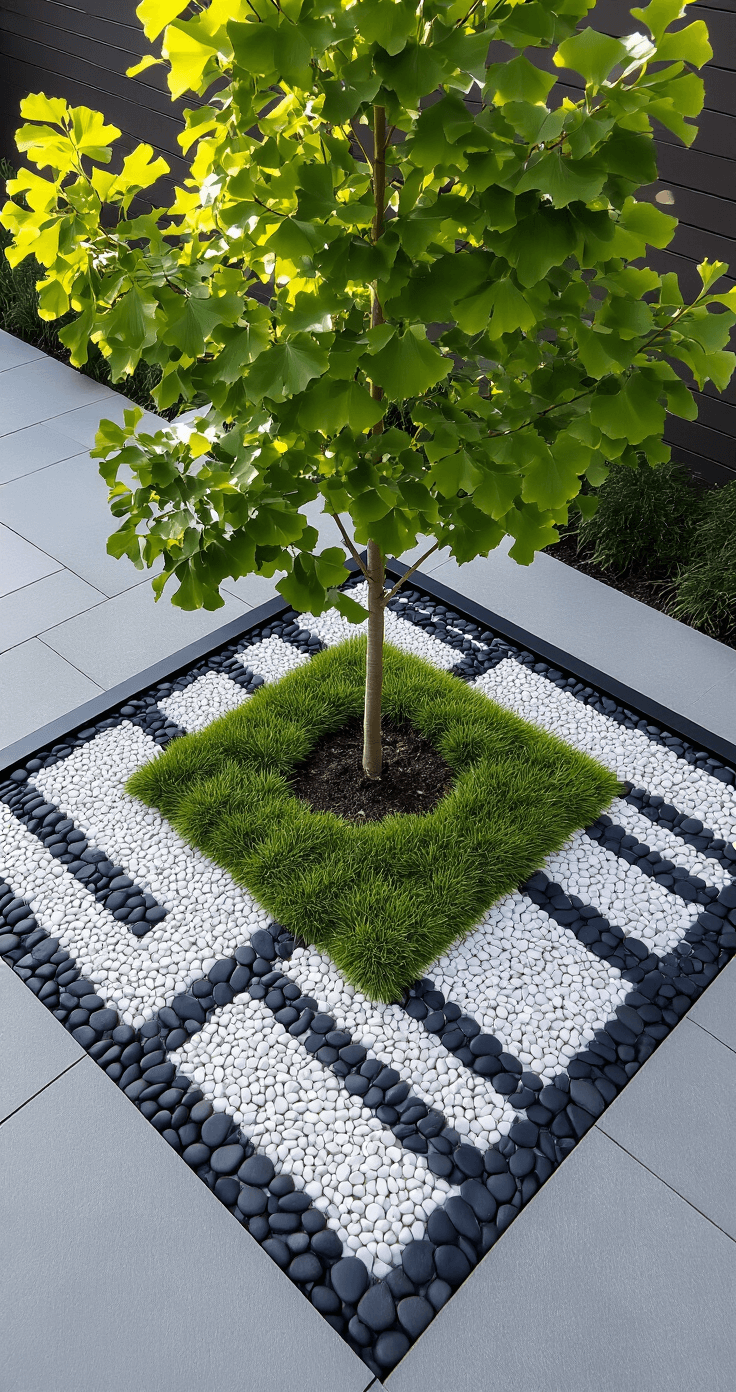
- Decorative stones
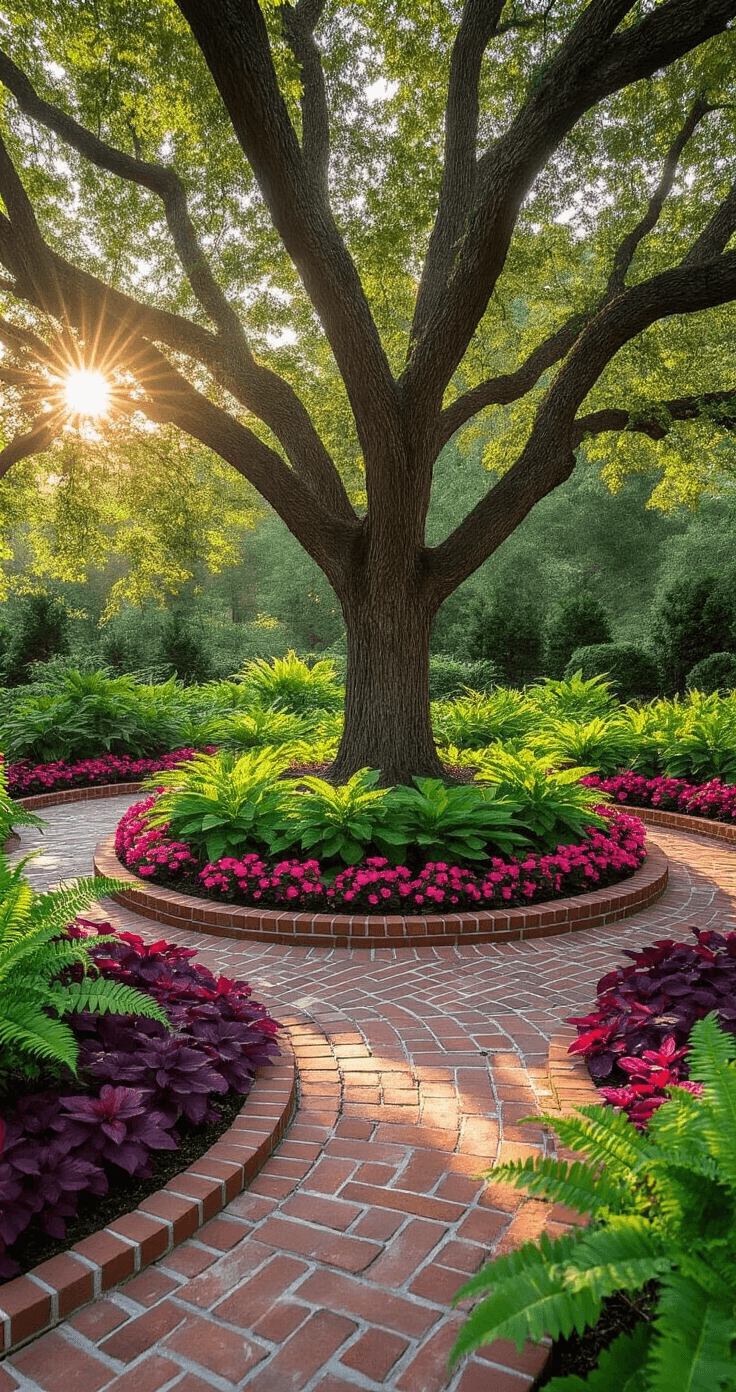
- Brick borders
- Low-growing shrubs
Choosing the Right Plants
Shade is Your Friend
Not all plants are drama queens about limited sunlight. Some thrive in tree shade:
- Daffodils
- Crocuses
- Begonias
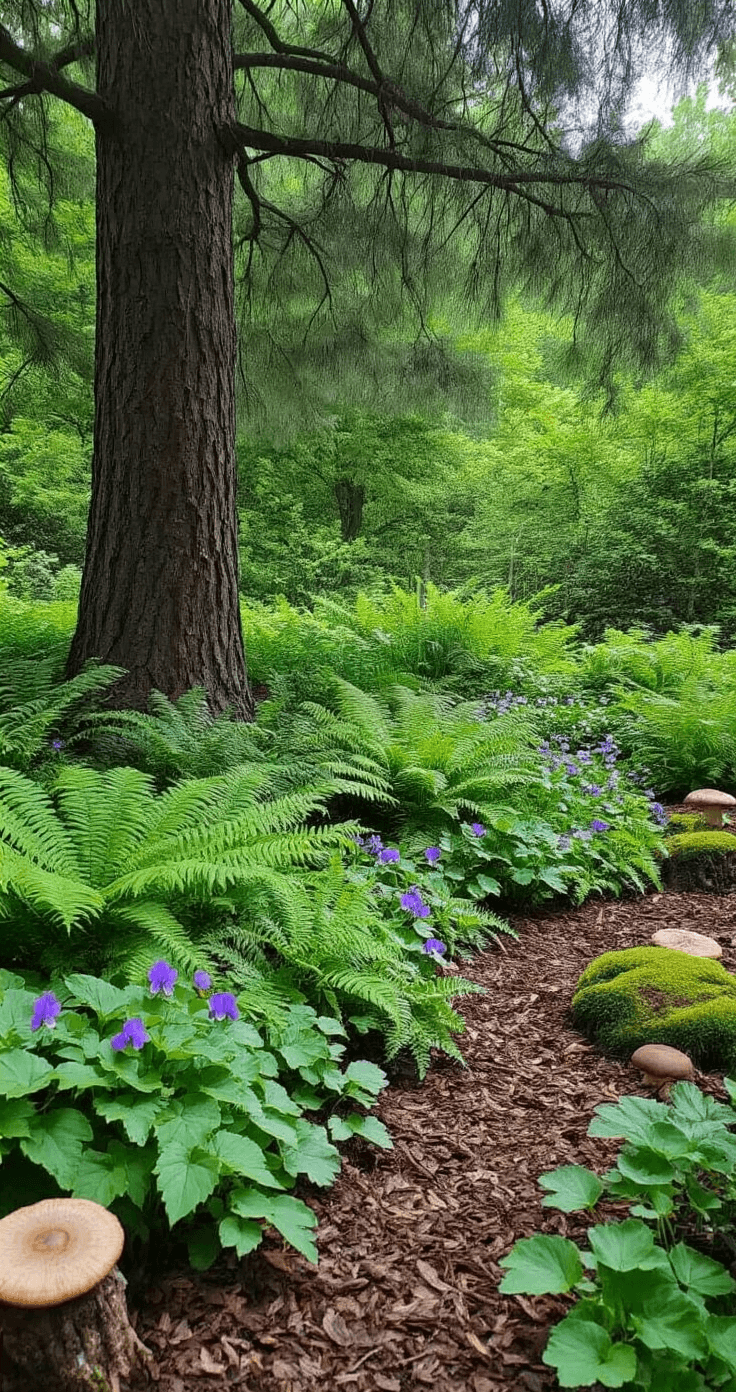
- Ferns
- Hostas
Pro Tip: Native plants are like local heroes – they adapt faster and require less maintenance!
Installation Secrets
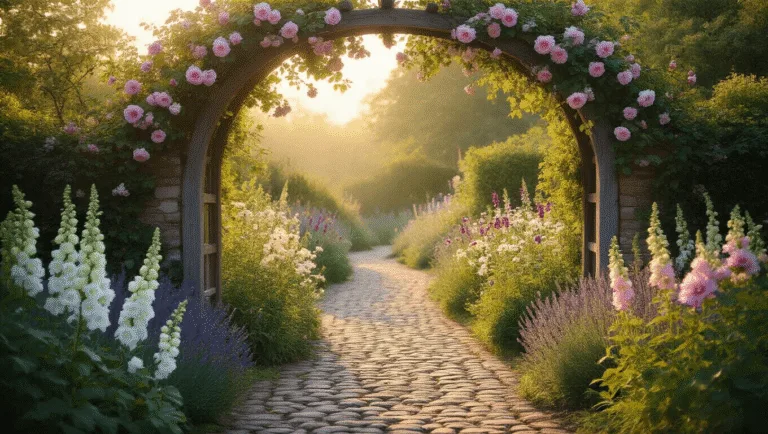
✎ Steal This Look
- Paint Color: Behr Nature’s Gift N390-3
- Furniture: weathered teak garden bench with curved backrest, positioned beneath the tree canopy for a natural reading nook
- Lighting: solar-powered mason jar string lights wrapped loosely around lower tree branches
- Materials: natural cedar mulch, irregular flagstone stepping stones, aged terracotta pots, moss-covered river rocks
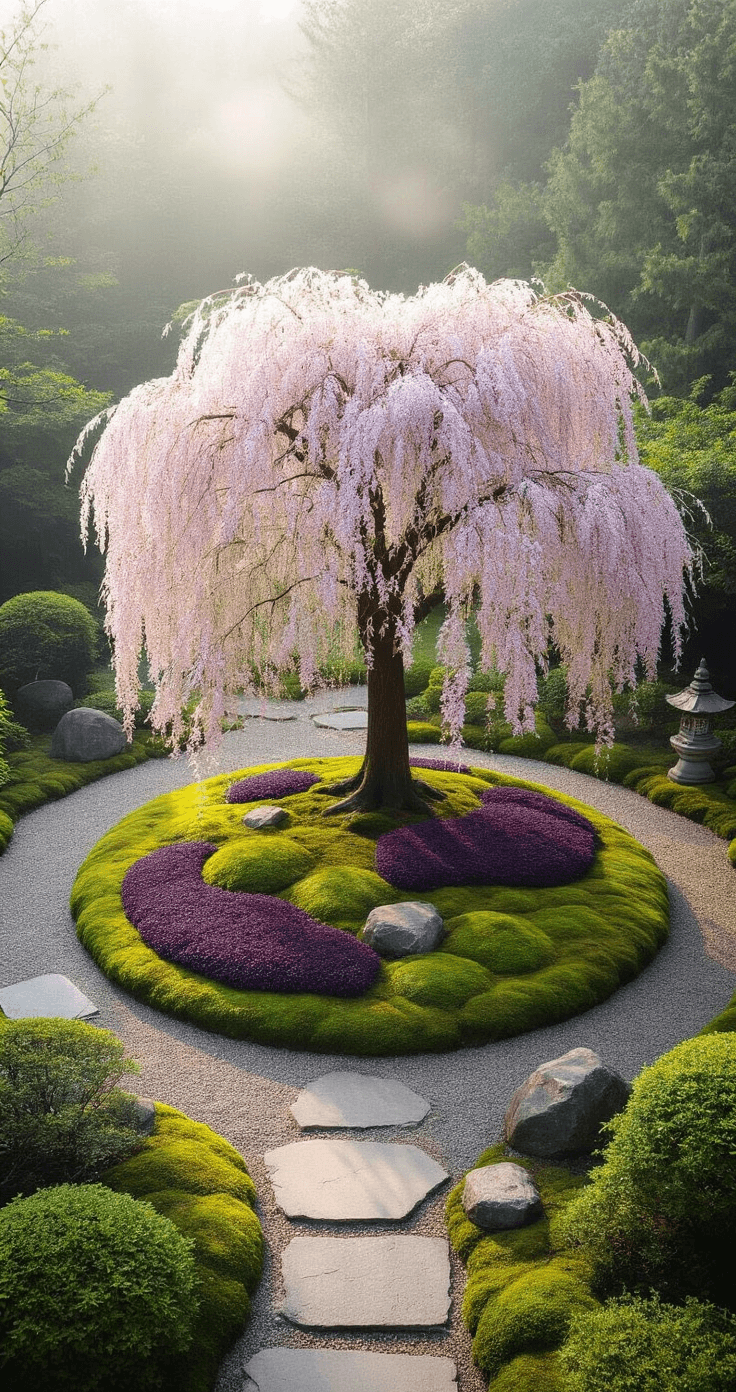
There’s something deeply peaceful about a shaded garden corner where the world slows down—this is the spot for morning coffee with a book, not ambitious gardening projects. Think of it as your permission to embrace the low-maintenance beauty that shade naturally provides.
Save this article
Enter your email and we'll send it straight to your inbox.
Protect Those Roots!
Trees are sensitive creatures. When planting:
- Avoid deep digging
- Don’t pile soil against the trunk
- Leave space for air circulation
Watering Wisdom
New plants are thirsty! Ensure:
- Regular irrigation
- Focus on the root zone
- Don’t overwater
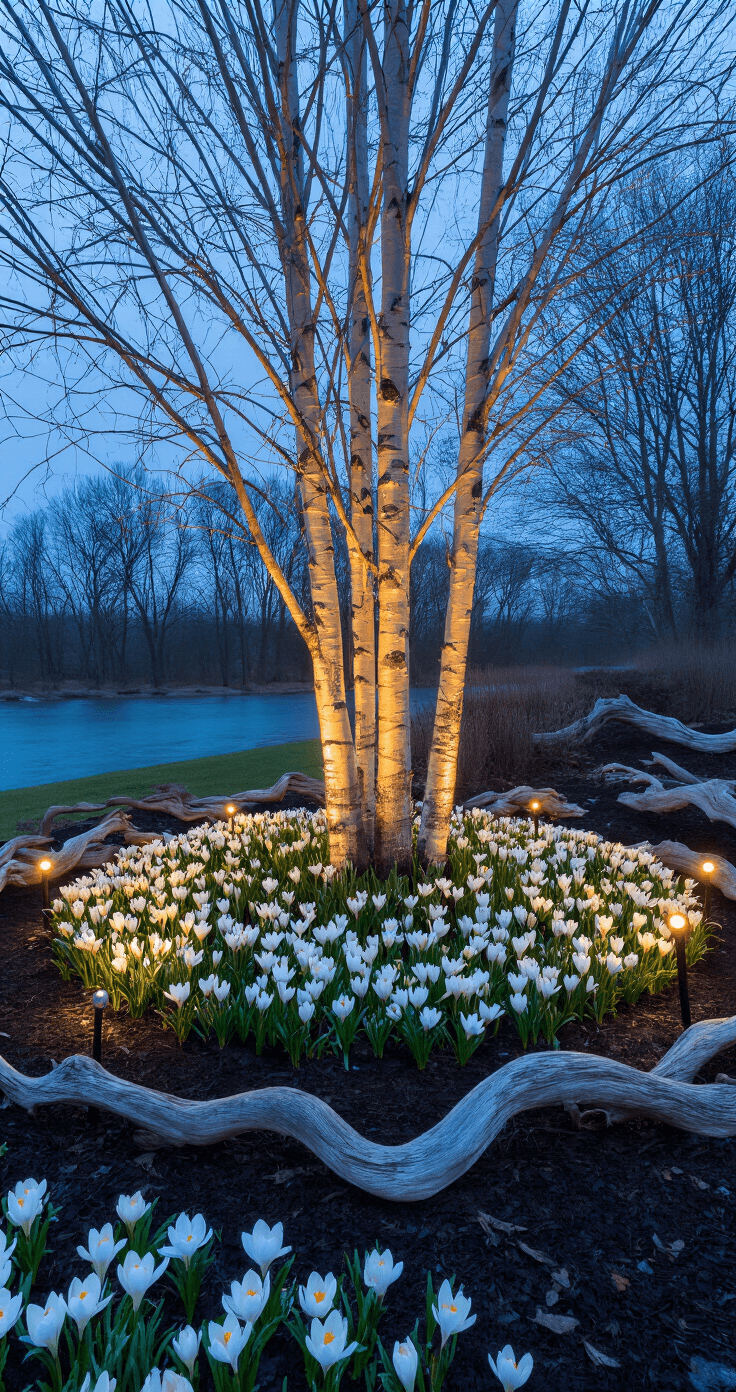
Creative Touches to Elevate Your Design
- Add decorative garden rocks
- Incorporate driftwood
- Use natural mulch for texture
Common Mistakes to Dodge
❌ Don’t:
- Smother the tree trunk with soil
- Choose shade-intolerant plants
- Overcrowd the space
Final Thoughts
A tree flower bed isn’t just landscaping – it’s creating a living, breathing artwork in your yard. With these tips, you’ll turn that boring tree into a showstopper!
Remember: Patience is key. Gardens grow with love, time, and a bit of strategic planning.
Happy gardening! 🌿🌸
★ Steal This Look
- Paint Color: PPG Timeless 4000-7C
- Furniture: weathered teak potting bench with galvanized steel top, positioned as a functional focal point for tool storage and plant staging
- Lighting: solar-powered copper path lights with warm 2700K output, spaced 6 feet apart along bed perimeter
- Materials: aged cedar mulch, river rock in varied 2-4 inch sizes, untreated pine driftwood with silvered patina
There’s something deeply satisfying about tending a tree bed that evolves through seasons—this is the space where you’ll find yourself with morning coffee, noticing new growth and feeling genuinely connected to your landscape.
Keep this one for later
We'll email you the link so you can come back to it.



[…] is where things get nest-y. We’re talking rounded bed frames or suspended “pod” beds that wrap around you like a warm hug. Some even have padded or feathered linings for extra snuggle […]
[…] go forth, my fellow Who, and create a tree so spectacularly Grinch-y, it’ll make your neighbors’ hearts grow three sizes too. And […]