
This post may contain affiliate links. Please see my disclosure policy for details.
Hey there, garden lovers and design enthusiasts!
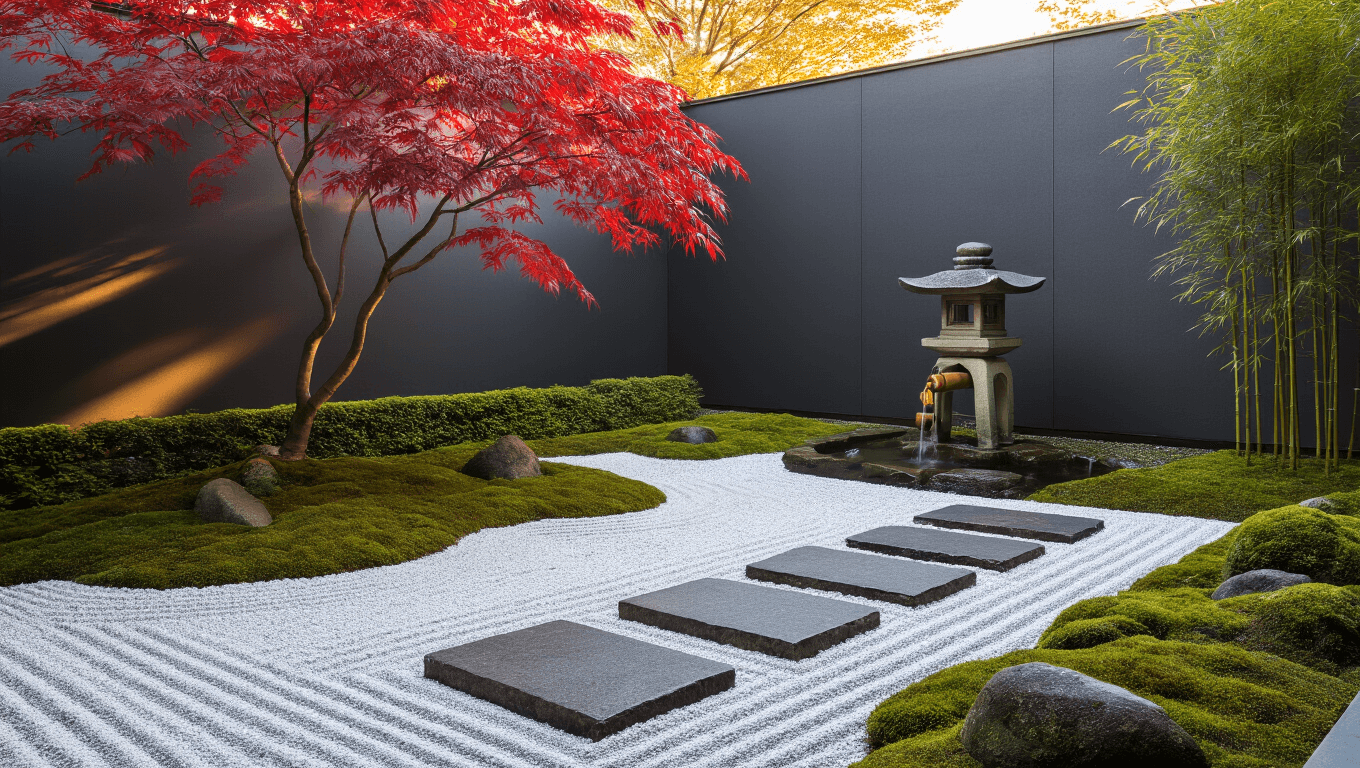
Let me take you on a journey into the world of tsubo-niwa – the magical Japanese courtyard gardens that transform tiny spaces into breathtaking sanctuaries of peace.
What Are Japanese Courtyard Gardens?
Imagine squeezing an entire universe of tranquility into a compact space no bigger than your living room. That’s the magic of tsubo-niwa – Japanese courtyard gardens that pack more zen into a few square feet than most sprawling landscapes.
These miniature marvels aren’t just gardens. They’re living art pieces that whisper ancient stories of balance, simplicity, and connection with nature.

🖼 Steal This Look
- Paint Color: Benjamin Moore Pale Oak OC-20
- Furniture: low-profile wooden bench with clean joinery, positioned for contemplative garden viewing
- Lighting: paper lantern pendant with warm LED, hung at seated eye level
- Materials: rough-hewn granite stepping stones, raked gravel, moss, untreated cedar, bamboo screening
There’s something deeply personal about tending a space this intimate; it becomes a daily ritual rather than a weekend project, a few square feet that quietly resets your nervous system each morning.
Why Japanese Courtyard Gardens Are Absolutely Brilliant
1. Tiny Space? No Problem!
- Perfect for urban dwellers
- Works on balconies, patios, narrow side yards
- Transforms cramped spaces into meditation zones
2. Design Principles That Will Blow Your Mind
- Negative Space: Less is seriously more
- Borrowed Scenery: Your garden connects with the world around it
- Minimalist Approach: Every single element matters
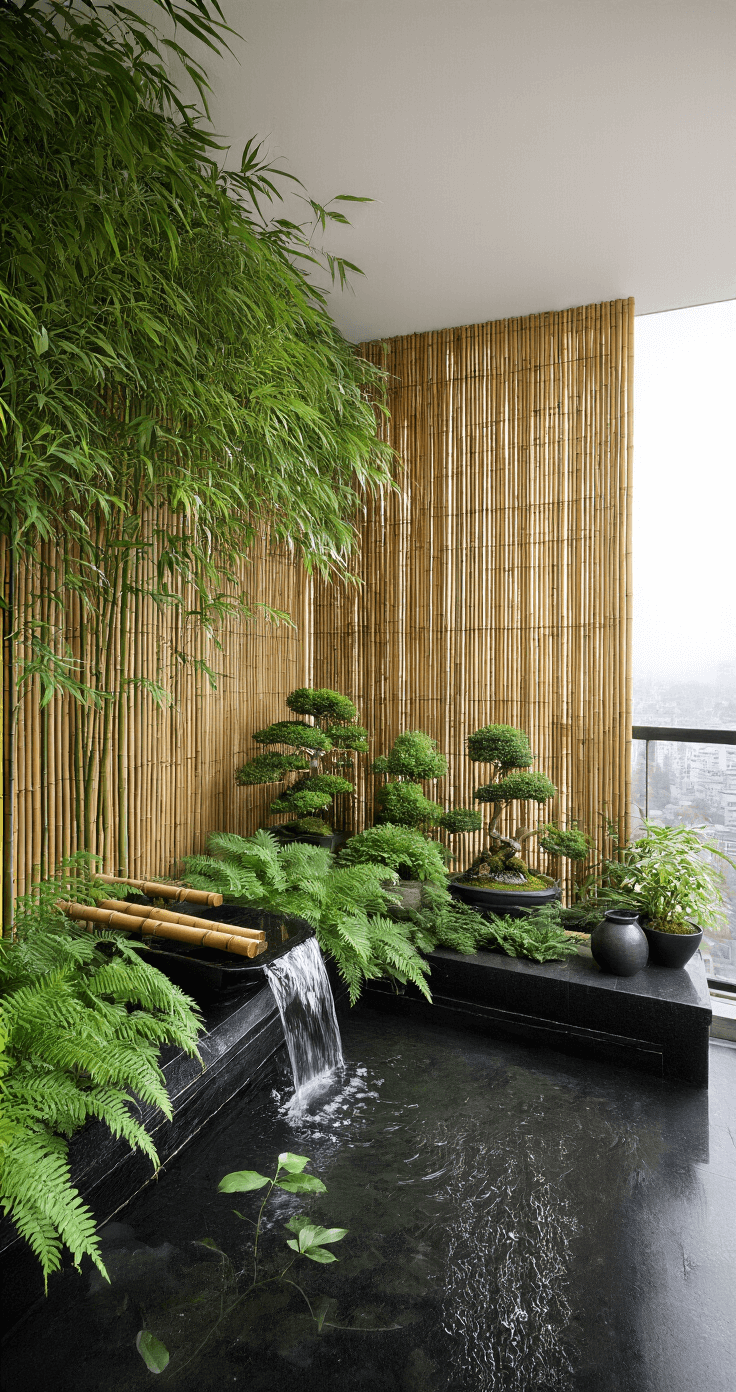
✎ Steal This Look
- Paint Color: Farrow & Ball Green Smoke 47
- Furniture: low-profile teak meditation bench with hidden storage
- Lighting: paper lantern pendant with dimmable LED
- Materials: unpolished river stones, untreated cedar, hand-troweled lime plaster, moss
There’s something almost rebellious about carving out stillness in a cramped city space—this room becomes your daily exhale.
🔔 Get The Look
Key Elements That Make These Gardens Special
Must-Have Components:
- Stone lanterns (tōrō)
- Water basins
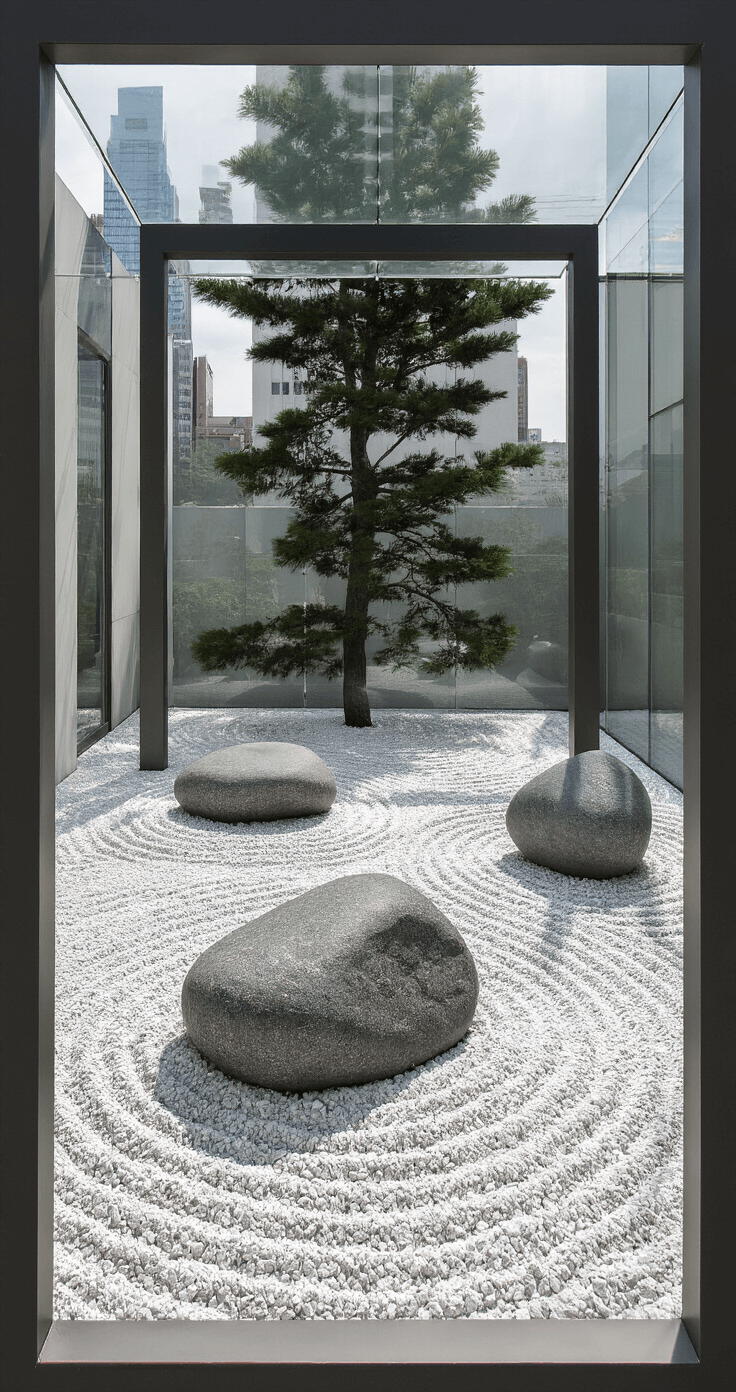
- Sculptural stones
- Minimalist plant selection
- Gravel or raked sand
Plant Selection: Keep It Simple and Elegant
- Dwarf trees
- Moss
- Ferns
- Bamboo
- Shade-loving plants
Pro Tips for Creating Your Own Tsubo-Niwa
🌿 Design Like a Zen Master
- Embrace empty spaces
- Focus on balance
- Think “less is more”
- Use natural materials
- Create multiple viewing angles
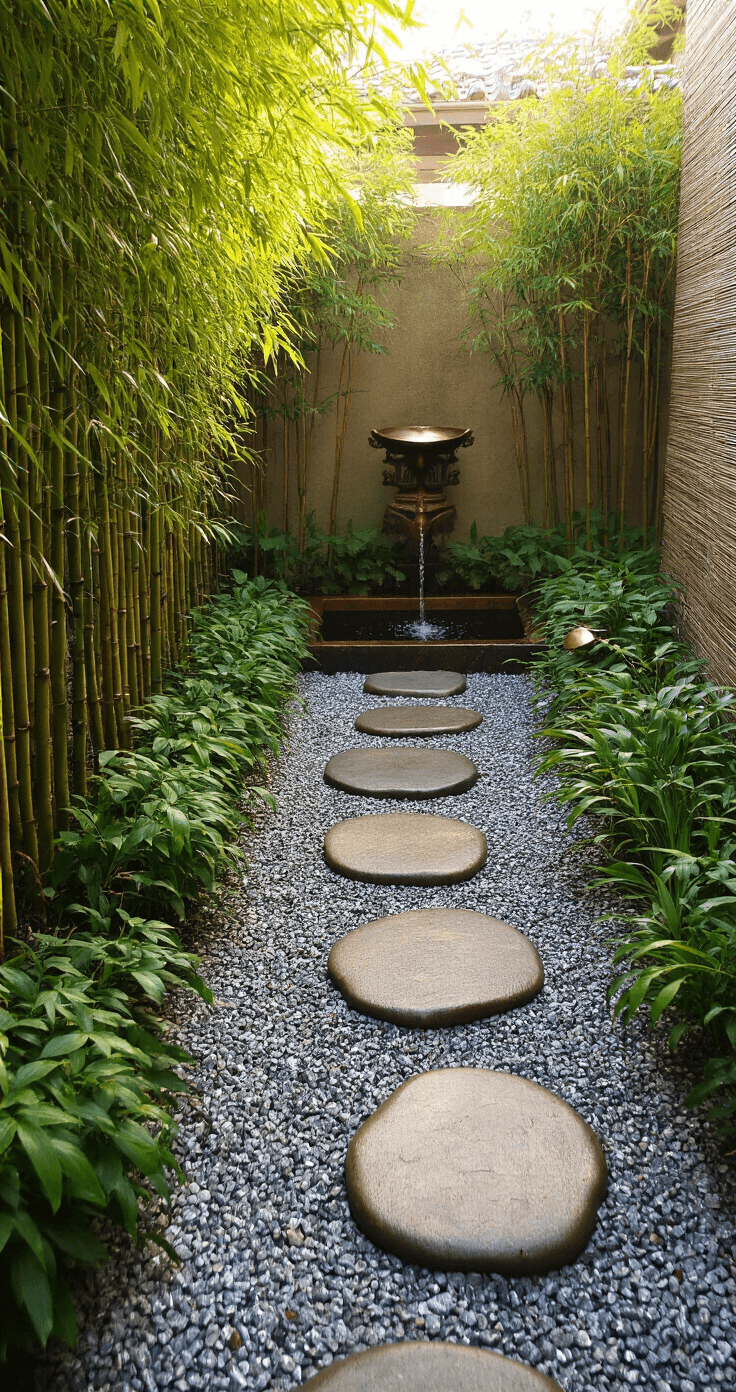
★ Steal This Look
- Paint Color: Behr Zen CODE PPU10-15
- Furniture: low-profile wooden meditation bench or stone garden seat positioned for contemplative viewing
- Lighting: cast iron tōrō lantern with LED candle insert for evening ambiance
- Materials: rough-hewn granite, untreated cedar, crushed granite gravel, live moss sheets, hand-raked white sand
There’s something deeply grounding about maintaining a small tsubo-niwa—raking the gravel becomes a ritual that quiets the mind, even if you only have a narrow side yard or enclosed patio to work with.
🎁 Get The Look
Modern Twist: Adapting Traditional Designs
Today’s designers are mixing traditional Japanese garden principles with contemporary aesthetics. Think:
- Minimalist bonsai displays
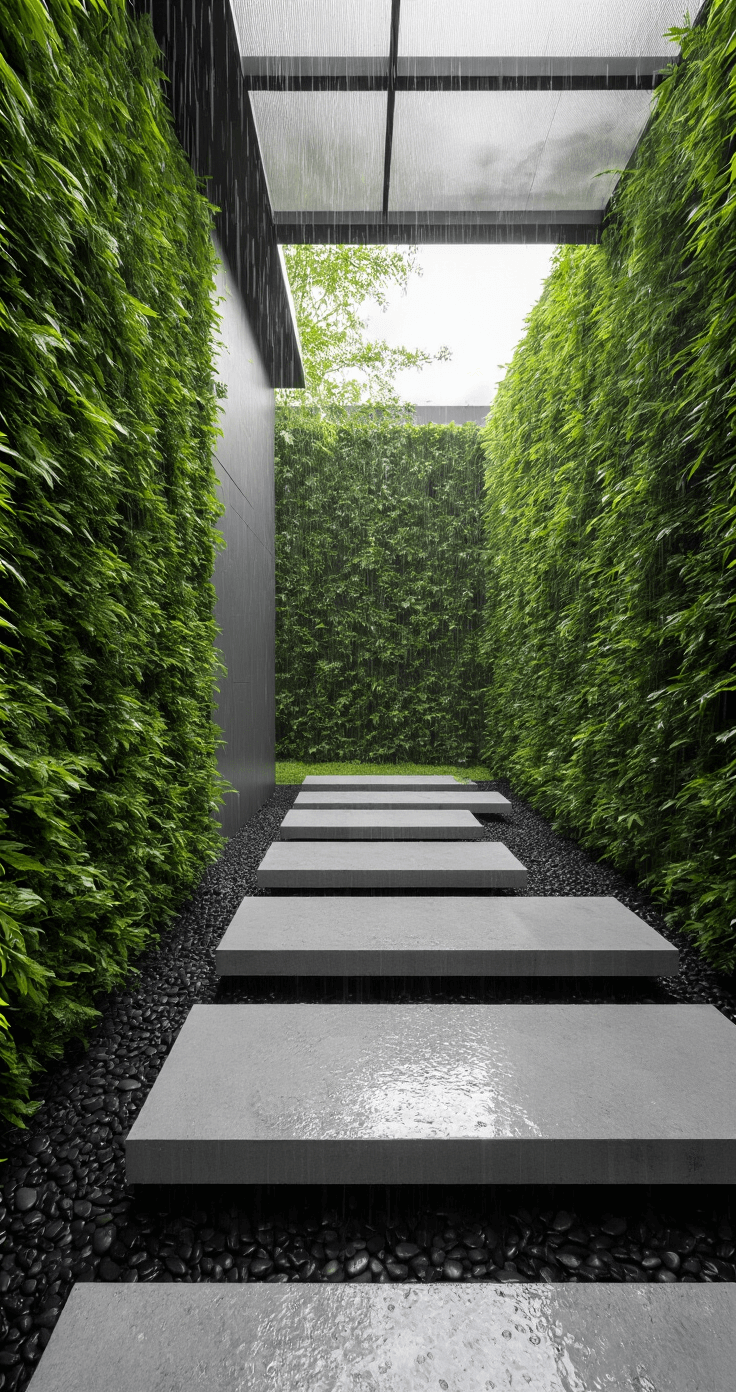
- Vertical garden integrations
- Western design elements with Japanese sensibilities
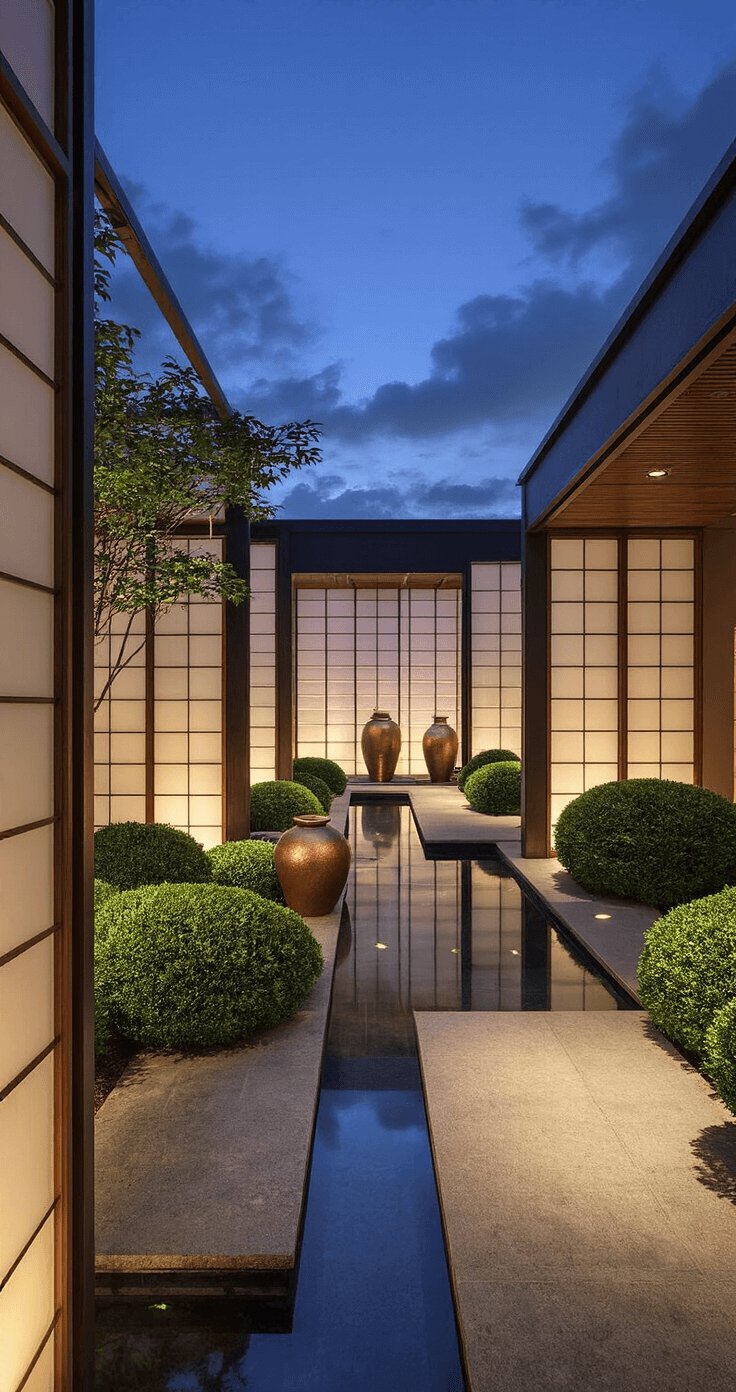
✎ Steal This Look
- Paint Color: Valspar Garden Shadow 5004-2C
- Furniture: low-profile concrete or stone bench with clean geometric lines
- Lighting: linear LED channel light recessed into perimeter walls or overhead trellis
- Materials: polished concrete, corten steel planters, black river rock, single-specimen moss ground cover
This is the courtyard for the homeowner who finds peace in restraint but still wants their space to feel intentional and gallery-like, not abandoned.
Save this article
Enter your email and we'll send it straight to your inbox.
Common Misconceptions Busted
❌ Myth: You need a huge space
✅ Reality: Tsubo-niwa works in the tiniest areas
❌ Myth: These gardens are complicated
✅ Reality: Simple principles, stunning results
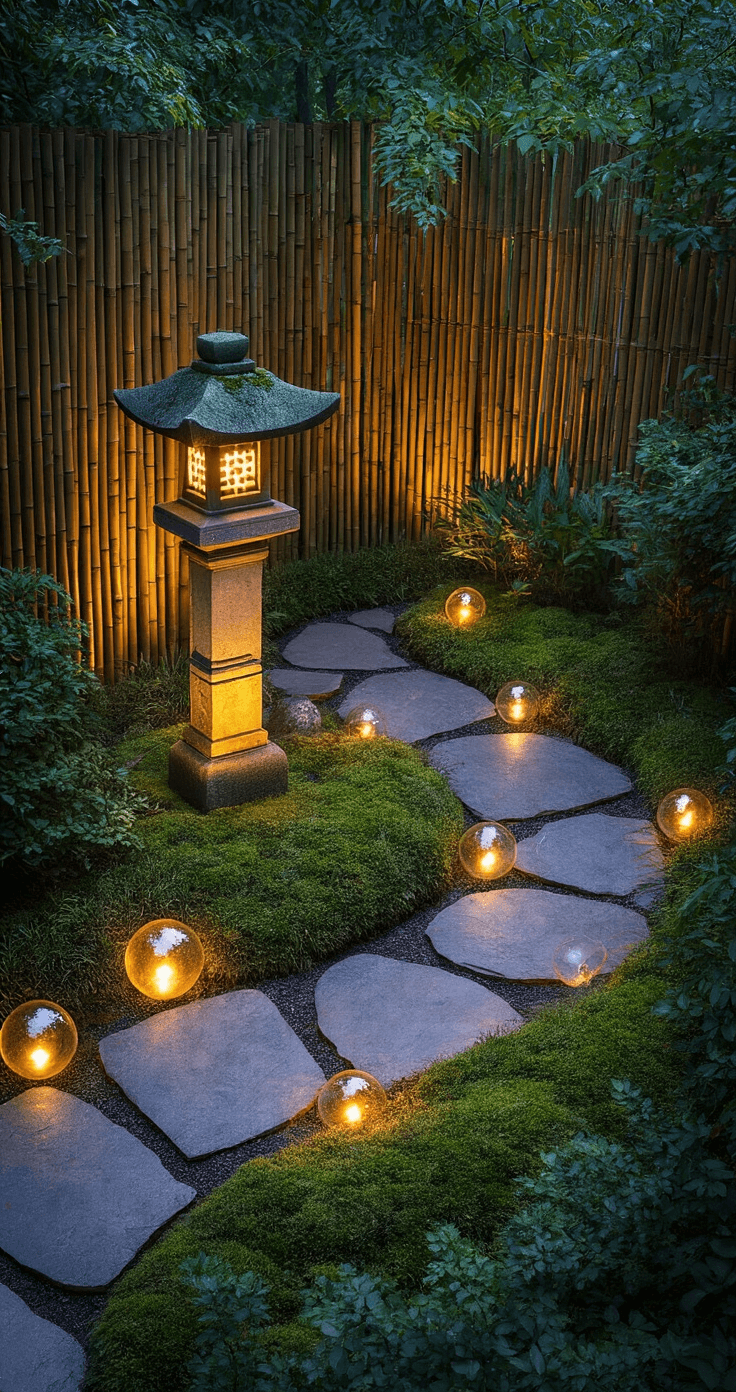
✎ Steal This Look
- Paint Color: PPG Stonehenge Greige PPG1001-3
- Furniture: low-profile teak meditation bench or single flat river stone as impromptu seating
- Lighting: small solar-powered paper lantern sphere on bamboo stake
- Materials: rough-hewn granite cobbles, raked crushed granite fines, single specimen moss clump, dark stained cedar 2×4 edging
I’ve watched homeowners panic about their 4×6 foot side yards until they see a single moss-covered boulder transform that forgotten strip into their morning coffee ritual spot. The constraint becomes the feature.
✓ Get The Look
Your Step-by-Step Mini Garden Creation Guide
- Choose your space
- Select natural materials
- Plan your focal points
- Incorporate negative space
- Add minimal, purposeful plants
- Consider lighting and water features
Budget-Friendly Implementation
💰 Low-Cost Options:
- Use local stones
- Start with container plants
- DIY gravel areas
- Incorporate found objects
Maintenance: Easier Than You Think
- Minimal watering
- Low plant maintenance
- Simple cleaning routine
- Occasional pruning
🖼 Steal This Look
- Paint Color: Dunn-Edwards Whisper DEW340
- Furniture: low-profile wooden bench with clean joinery, weather-resistant teak or cedar
- Lighting: paper lantern pendant with warm LED, 2700K, or stone pathway lights with soft downward glow
- Materials: river-worn granite stepping stones, crushed gray pea gravel, untreated cedar fencing, hand-thrown ceramic planters
There’s something deeply centering about maintaining a space that asks so little of you—this garden becomes a daily ritual rather than a weekend burden, and that shift in relationship with your outdoor space is what makes Japanese courtyard design transformative for busy lives.
Final Thoughts
Japanese courtyard gardens aren’t just landscapes. They’re philosophical statements about space, beauty, and harmony. Whether you have a tiny balcony or a small urban yard, you can create a slice of tranquility that feeds your soul.
Ready to transform your space? Your zen journey starts now! 🍃
Pro Tip: Start small, observe, and let your garden evolve naturally. The beauty is in the journey, not just the destination.
Disclaimer: While I’ve shared professional insights, always consult local gardening experts for region-specific advice.
Keep this one for later
We'll email you the link so you can come back to it.


[…] Are you interested in Japanese courtyard gardens? Read here how to design Japanese courtyard gardens. […]
[…] Pro Tip: Layer your shade-loving plants by height—tall hostas and ferns at the back, mid-height begonias in the middle, and low crocuses and daffodils at the […]