This post may contain affiliate links. Please see my disclosure policy for details.
Have you ever walked through a garden and felt instantly transported by a magical archway dripping with flowers? Garden arches are more than just garden structures – they’re living art that can completely transform your outdoor space.

Why Garden Arches Are a Game-Changer
Garden arches aren’t just pretty – they’re incredibly functional and versatile. Here’s why you need one:
- Vertical Magic: Create stunning visual interest in even the smallest spaces
- Plant Paradise: Perfect support for climbing roses, clematis, and productive vines
- Design Flexibility: Works in cottage, modern, and rustic garden styles
- Year-Round Beauty: Transforms with seasonal plantings and decor
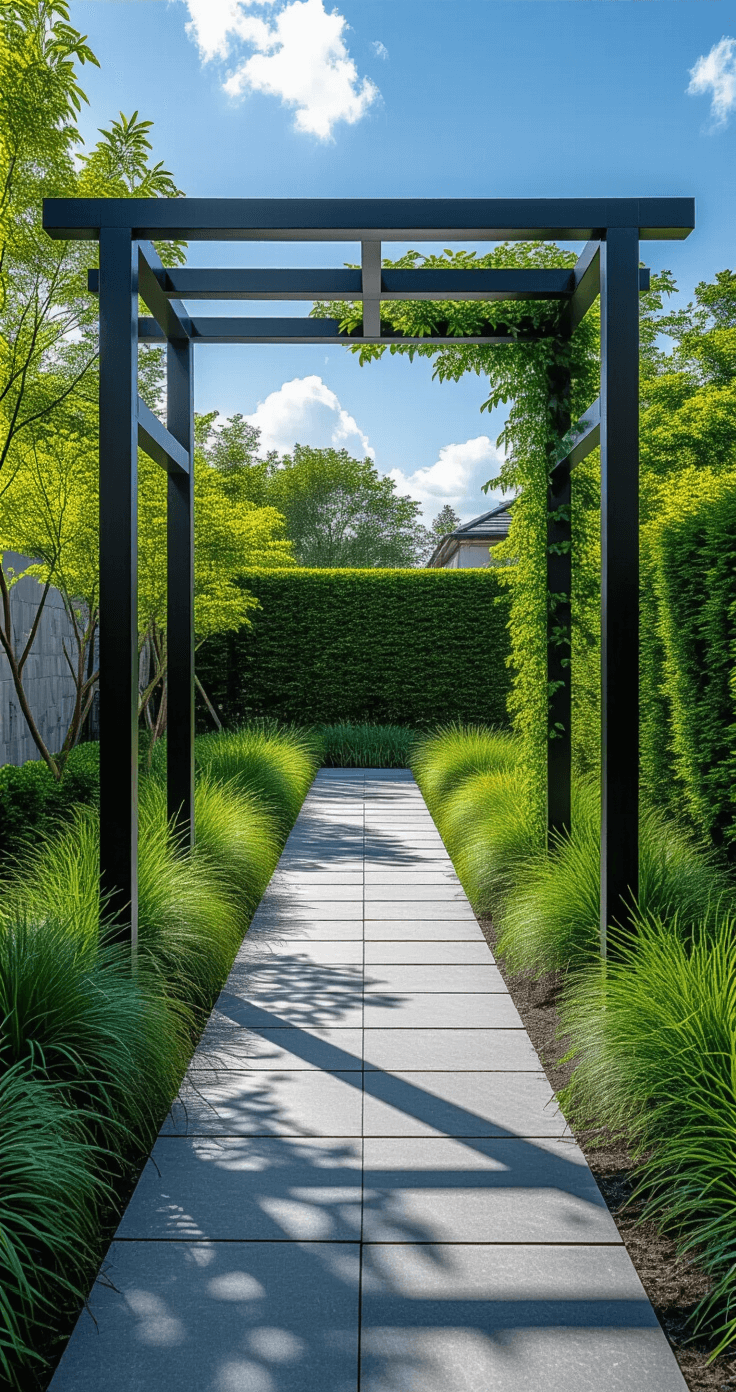
🖼 Steal This Look
- Paint Color: Sherwin-Williams Garden Spot SW 6432
- Furniture: weathered teak garden bench with curved backrest positioned beneath the arch
- Lighting: solar-powered vintage-style lantern string lights draped along the arch framework
- Materials: powder-coated wrought iron, rough-hewn cedar posts, aged terracotta planters, and climbing English ivy
There’s something almost ceremonial about walking through a garden arch—it transforms a simple stroll into a moment of arrival, and I’ve found guests naturally pause and breathe deeper when that threshold appears.
Choosing the Perfect Garden Arch Material
Not all arches are created equal. Let’s break down your options:
1. Wooden Arches
- Classic cottage garden charm
- Natural weathering adds character
- Budget-friendly option
- Pro Tip: Seal wood to extend its life
2. Metal Arches
- Sleek and modern design
- Extremely durable
- Perfect for heavy climbing plants
- Rust-resistant metal arch recommended for long-term use

3. Stone and Reclaimed Material Arches
- Timeless, rustic aesthetic
- Adds historical charm
- Extremely sturdy
- Blends seamlessly with natural landscapes
🎨 Steal This Look
- Paint Color: Benjamin Moore Garden Cucumber HCC-119
- Furniture: weathered teak garden bench with curved back to nestle beneath the arch
- Lighting: solar-powered vintage Edison bulb string lights draped along the arch ribs
- Materials: rough-hewn cedar posts, hand-forged wrought iron scrollwork, moss-covered fieldstone, untreated ipe hardwood, powder-coated aluminum for coastal zones
There’s something deeply satisfying about running your hand along a garden arch that has aged into its surroundings—whether that’s cedar silvering to driftwood grey or iron developing that mottled verdigris patina.
🔔 Get The Look
Top Climbing Plants for Your Garden Arch
Flowering Superstars
- Roses: Classic, fragrant, multiple color options
- Clematis: Abundant bloom varieties
- Wisteria: Dramatic, cascading purple clusters
- Jasmine: Delicate and wonderfully fragrant
Edible Climbers
- Beans
- Cucumbers
- Grapes
- Garden trellis for climbing vegetables

Save this article
Enter your email and we'll send it straight to your inbox.
💡 Steal This Look
- Paint Color: Farrow & Ball Green Smoke 47
- Furniture: weathered teak potting bench with zinc-top surface positioned against the garden wall
- Lighting: vintage-style galvanized steel gooseneck barn sconce with warm 2700K LED
- Materials: aged terracotta, hand-forged iron trellis wire, rough-hewn limestone pavers, untreated cedar posts
There’s something deeply satisfying about walking through a living tunnel you’ve trained yourself—start with a single clematis ‘Niobe’ and you’ll be hooked on the vertical gardening obsession for life.
Pro Styling Tips
Design Techniques
- Layer different plant textures
- Color coordinate your climbers
- Mix geometric and curved shapes
- Add seasonal decorative touches
Practical Considerations
- Ensure solid arch footings
- Train climbers regularly
- Consider light exposure
- Plan for plant growth patterns

🏠 Steal This Look
- Paint Color: Behr Garden Path S380-4
- Furniture: wrought iron garden bench with curved backrest positioned beneath arch
- Lighting: solar-powered vintage lantern string lights draped along arch framework
- Materials: weathered cedar wood arch structure, aged terracotta planters, natural jute rope for training vines
There’s something deeply satisfying about walking through your own garden arch in morning light, watching how the shadows shift through leaves you’ve trained yourself—it’s living sculpture that changes daily.
DIY Garden Arch Hacks
Budget-Friendly Options
- Repurpose old ladders
- Use willow branches
- Create DIY arch kit
- Upcycle metal pipes or timber
Maintenance and Care
- Regularly prune climbing plants
- Check arch stability annually
- Repaint or reseal wooden structures
- Remove dead or damaged vines

🖼 Steal This Look
- Paint Color: PPG Timeless Oak PPG1094-6
- Furniture: teak potting bench with galvanized steel top for tool organization and workspace
- Lighting: solar-powered LED path lights with motion sensors along arch base
- Materials: untreated cedar for natural weather resistance, powder-coated aluminum hardware, jute twine for gentle vine training
There’s something deeply satisfying about the ritual of annual arch maintenance—it’s less chore and more conversation with a structure you’ve watched mature, and that 20 minutes of attention each spring pays back in years of reliable beauty.
Photography Tips for Showing Off Your Arch
- Shoot during golden hours
- Use varied angles
- Capture different seasons
- Highlight arch’s unique features

★ Steal This Look
- Paint Color: Dunn-Edwards Whisper White DEW 340
- Furniture: weathered teak garden bench positioned beneath the arch to create a natural focal point and scale reference
- Lighting: string lights with warm 2700K bulbs draped loosely along the arch curves for evening photography sessions
- Materials: limewashed stone, aged terracotta, climbing wisteria or climbing roses, gravel pathways
There’s something deeply satisfying about returning to photograph your garden arch through the seasons—it becomes a living diary of your outdoor space, with each image revealing how light, growth, and weather transform the same structure into endlessly new compositions.
🛒 Get The Look
Final Thoughts
Garden arches are more than structures – they’re living, breathing garden elements that tell a story. Whether you’re creating a romantic pathway or a functional vegetable garden entrance, the right arch can completely transform your outdoor space.
Pro Tip: Don’t be afraid to experiment! Each garden arch is a unique canvas waiting for your personal touch.
Keep this one for later
We'll email you the link so you can come back to it.