
This post may contain affiliate links. Please see my disclosure policy for details.
Mastering Garden Design: How to Use Boulders to Transform Your Landscape
Ever stared at your yard and thought, “Something’s missing, but I can’t quite put my finger on it”? Let me introduce you to the game-changer: garden boulders.
These massive natural rocks aren’t just landscaping elements – they’re living sculptures that can completely transform your outdoor space.
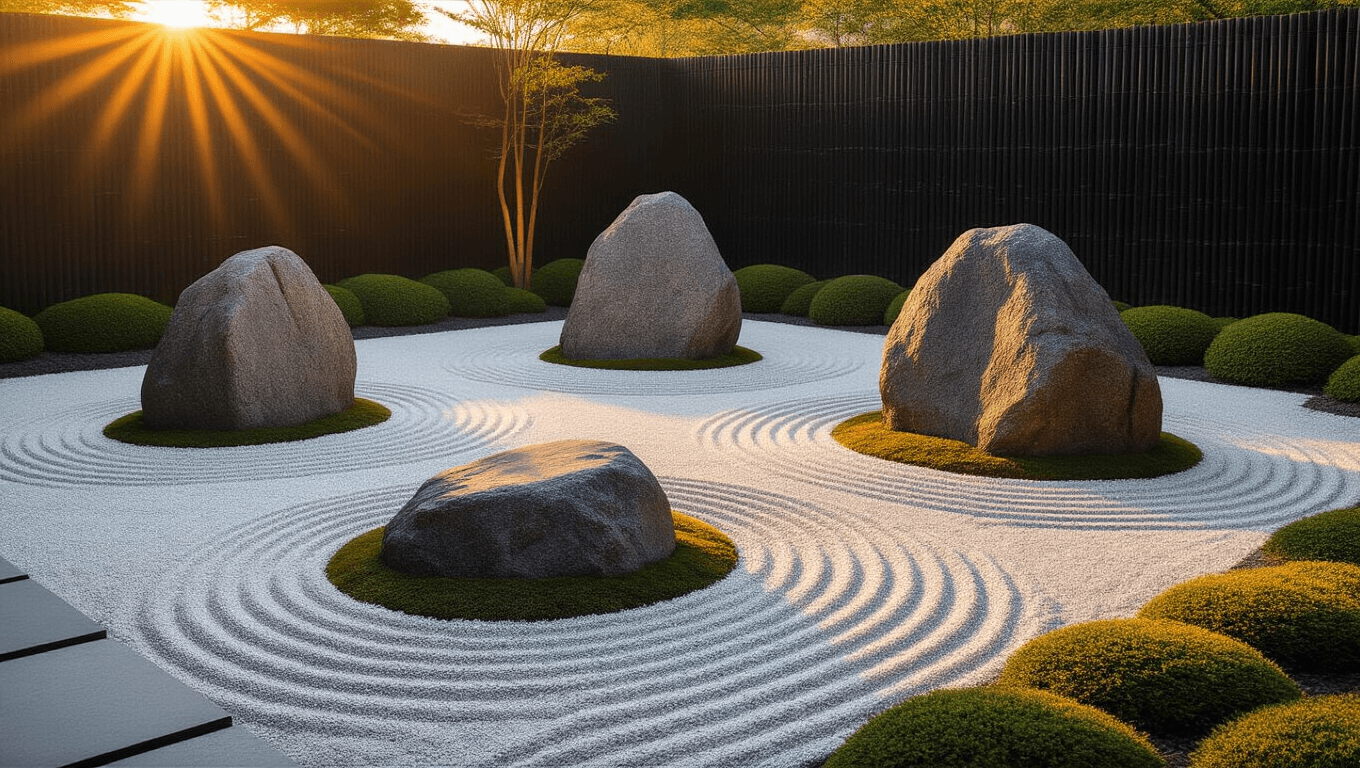
✎ Steal This Look
- Paint Color: Sherwin-Williams Rookwood Dark Brown SW 2808
- Furniture: weathered teak Adirondack chair with wide armrests for outdoor lounging near boulder clusters
- Lighting: low-voltage brass path lights with warm 2700K LED bulbs to uplight boulder textures at night
- Materials: rough-hewn limestone gravel, drought-torn ornamental grasses, raw corten steel edging, and moss-covered fieldstone
There’s something almost meditative about running your hand along a boulder that’s been warmed by afternoon sun, knowing it took ten thousand years of freeze-thaw cycles to arrive in your garden exactly as it is.
Why Boulders? The Landscape Game-Changer
Imagine walking into a garden where massive rocks create dramatic focal points, where texture meets nature in perfect harmony. That’s the magic of boulder landscaping.
Key Benefits of Using Boulders in Your Garden
- Instant Visual Drama: One well-placed boulder can do what dozens of plants can’t
- Low Maintenance: Unlike plants, rocks don’t need watering or pruning
- Structural Integrity: Provides permanent “bones” to your landscape design
- Natural Aesthetics: Mimics geological formations for an authentic look
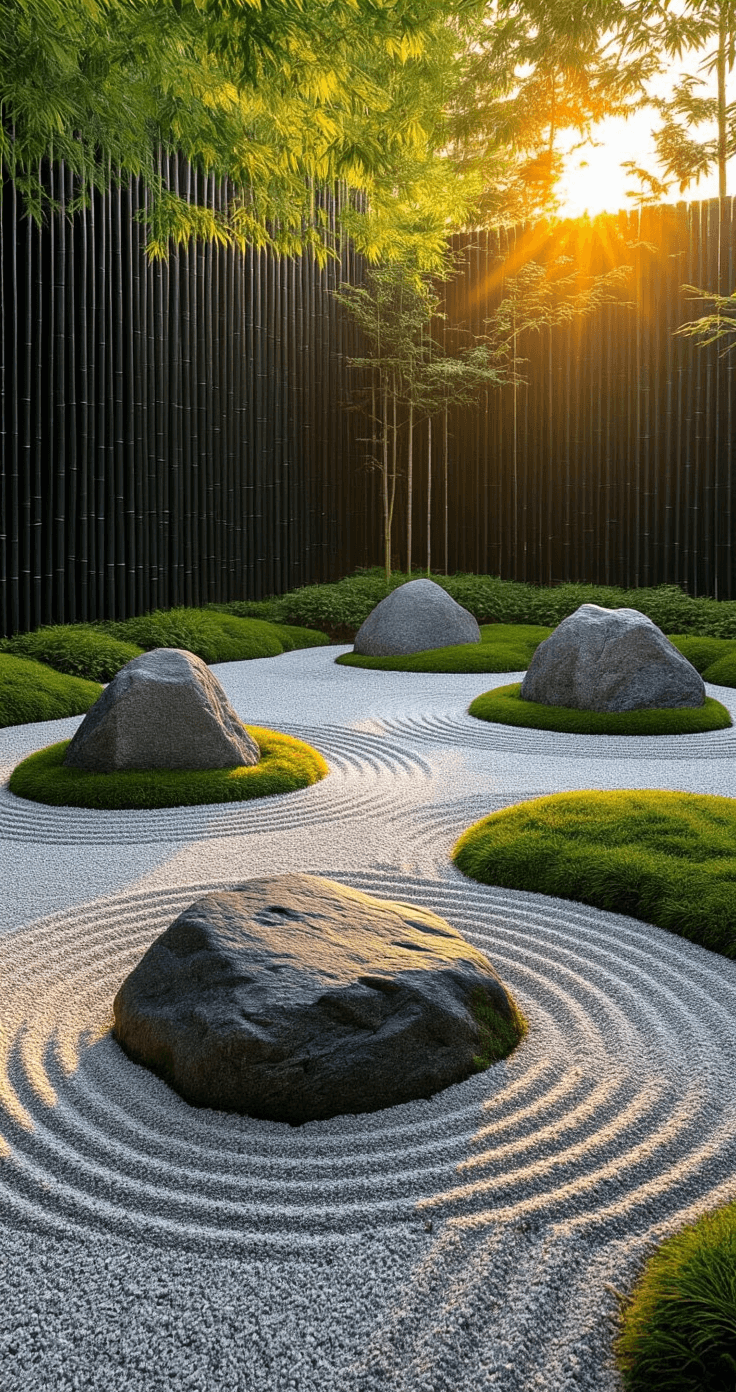
★ Steal This Look
- Paint Color: Benjamin Moore Backwoods 469
- Furniture: weathered teak Adirondack chair with wide arms
- Lighting: hammered copper pathway lantern with seeded glass
- Materials: moss-covered granite, crushed decomposed granite pathways, untreated cedar mulch
There’s something deeply grounding about designing with boulders—they force you to slow down and work with what the earth provides, rather than imposing your will upon it.
Placement Secrets: Where and How to Position Boulders
The Golden Rules of Boulder Placement
- Never Fly Solo: Always group boulders in odd numbers (2-3-5)
- Bury Partially: Sink about one-third underground for natural appearance
- Consider Weight and Movement: Plan placement carefully – these aren’t lightweight decorations
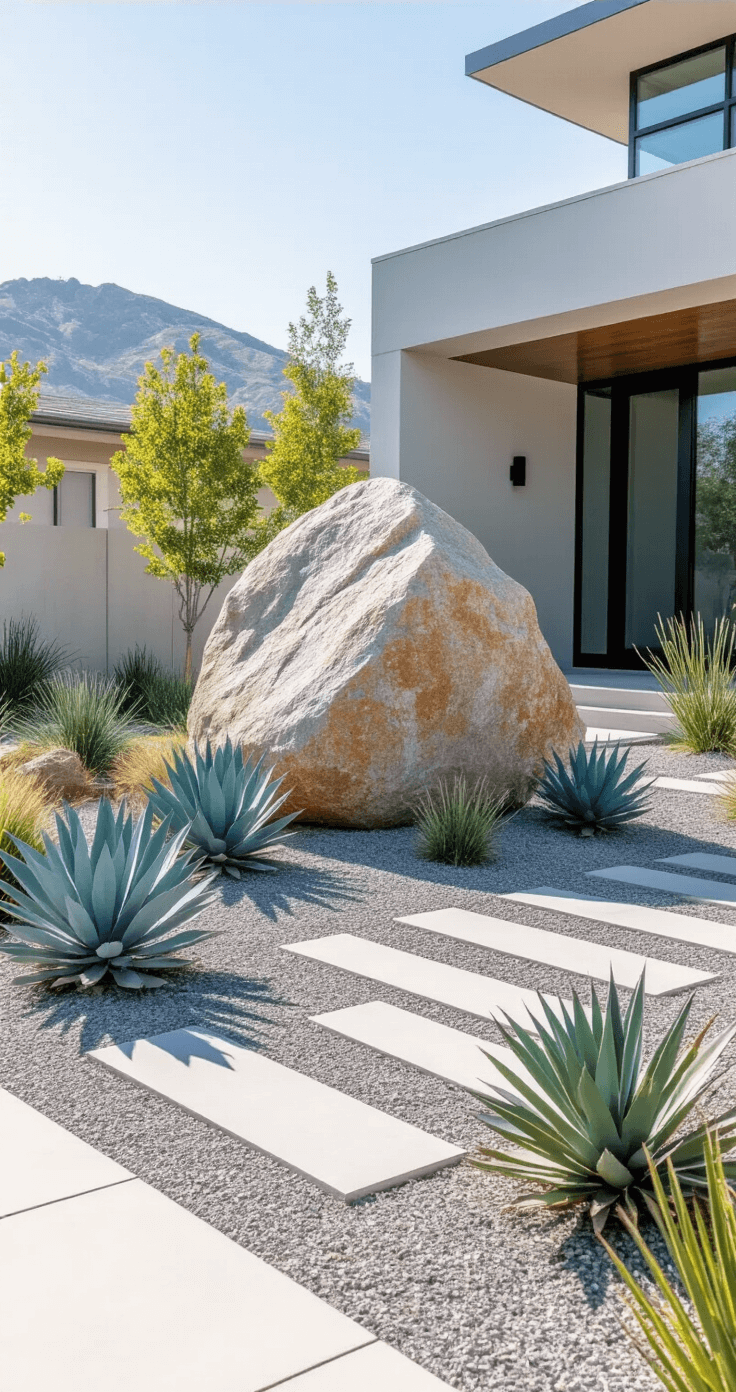
💡 Steal This Look
- Paint Color: Farrow & Ball Lichen 19
- Furniture: low-profile teak garden bench with weathered gray finish
- Lighting: subterranean well lights with warm 2700K LED
- Materials: moss-covered fieldstone, crushed granite fines, drought-tolerant ornamental grasses
There’s something deeply satisfying about the physical negotiation with these ancient stones; I’ve spent entire afternoons adjusting a single boulder by inches until it finally ‘breathes’ with the surrounding landscape.
Perfect Plant Partnerships
Not all plants play nice with boulders. Here are winning combinations:
- Succulents: Agave, cacti
- Ornamental Grasses: Soft textures contrast rock hardness
- Ground Covers: Fill gaps, create soft transitions
- Low Shrubs: Add volume and green contrast
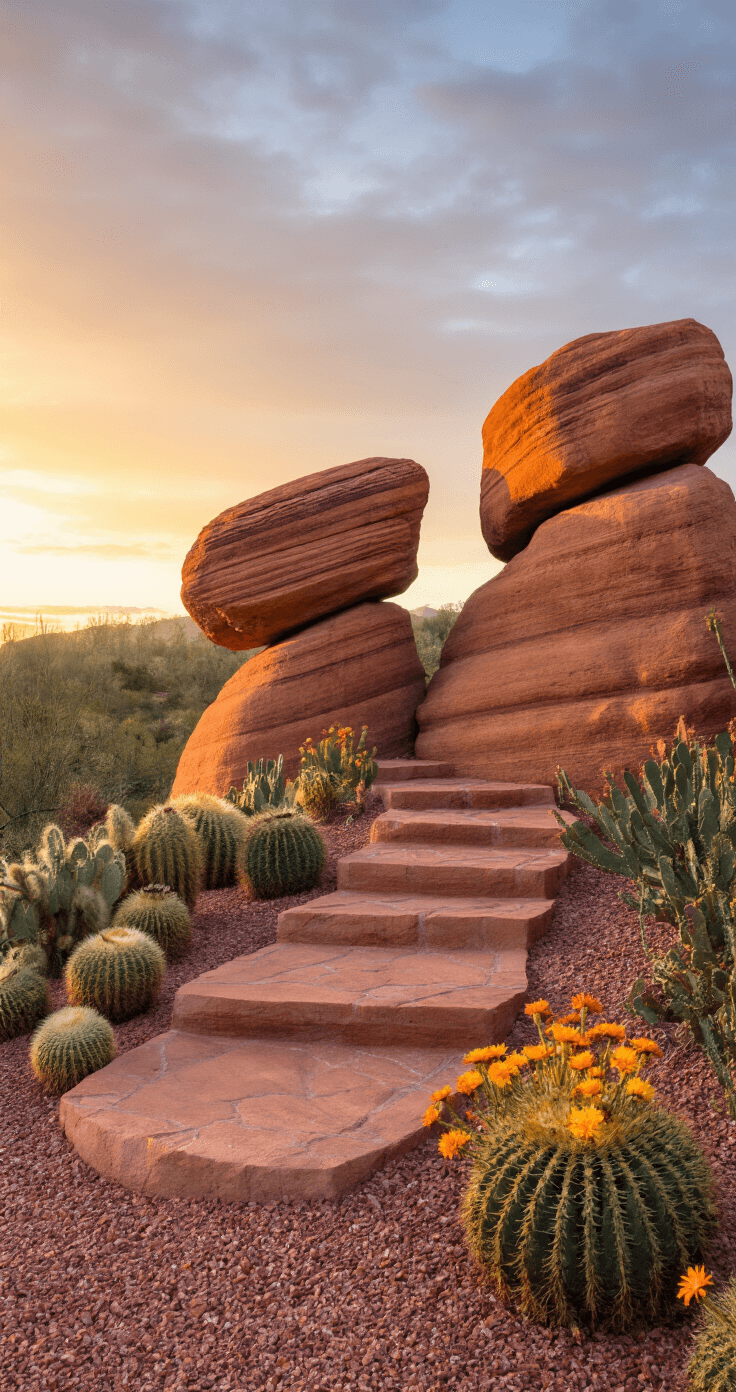
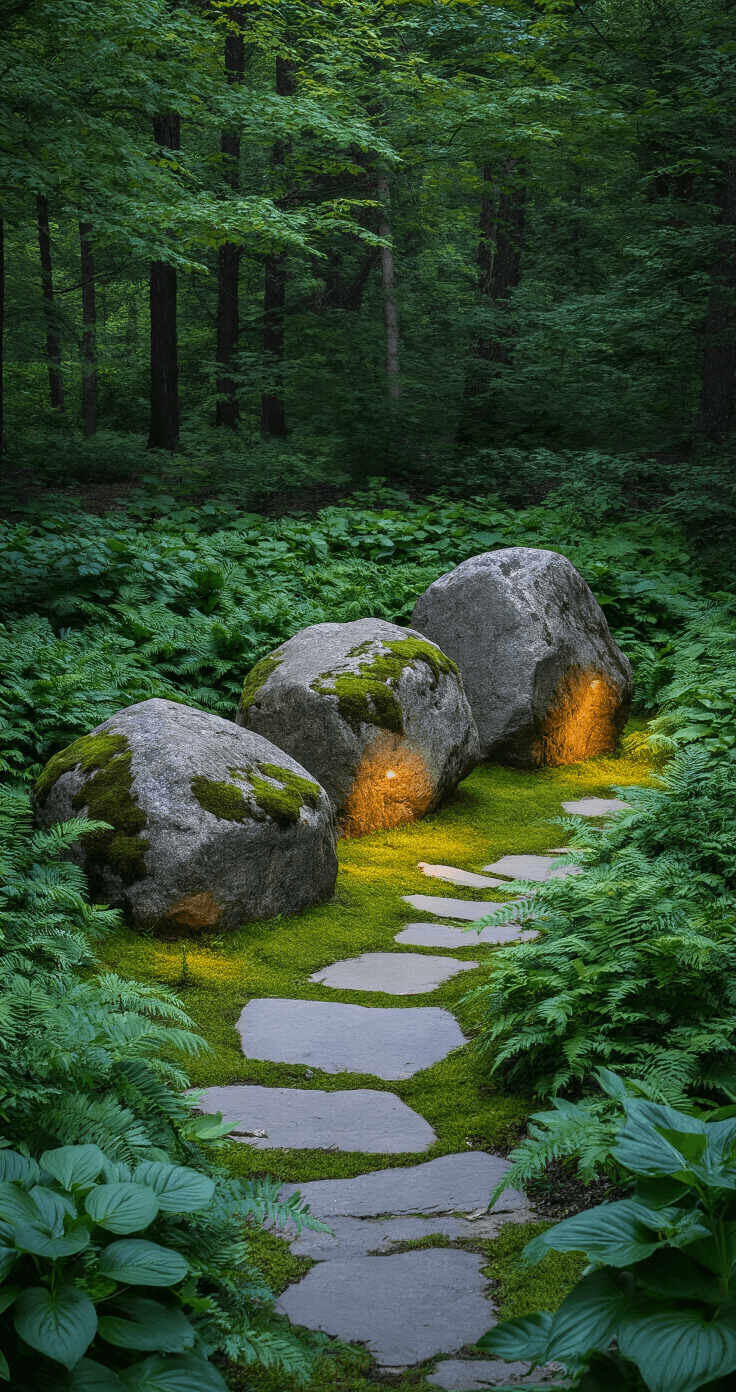
✎ Steal This Look
- Paint Color: Behr Sage Tint N390-3
- Furniture: weathered teak garden bench with curved back
- Lighting: low-voltage brass path lights with frosted glass
- Materials: decomposed granite, moss-covered fieldstone, galvanized steel edging
This is where your garden starts feeling discovered rather than installed—like stumbling upon a secret mountainside meadow where life found a way through stone.
Design Styles: Boulder Flexibility
Garden Styles That Rock (Pun Intended)
- Zen Gardens: Minimalist, clean arrangements
- Woodland Gardens: Naturalistic, sprawling perennials
- Desert Landscapes: Xeriscape-friendly designs
- Modern Minimalist: Clean lines, strategic placement
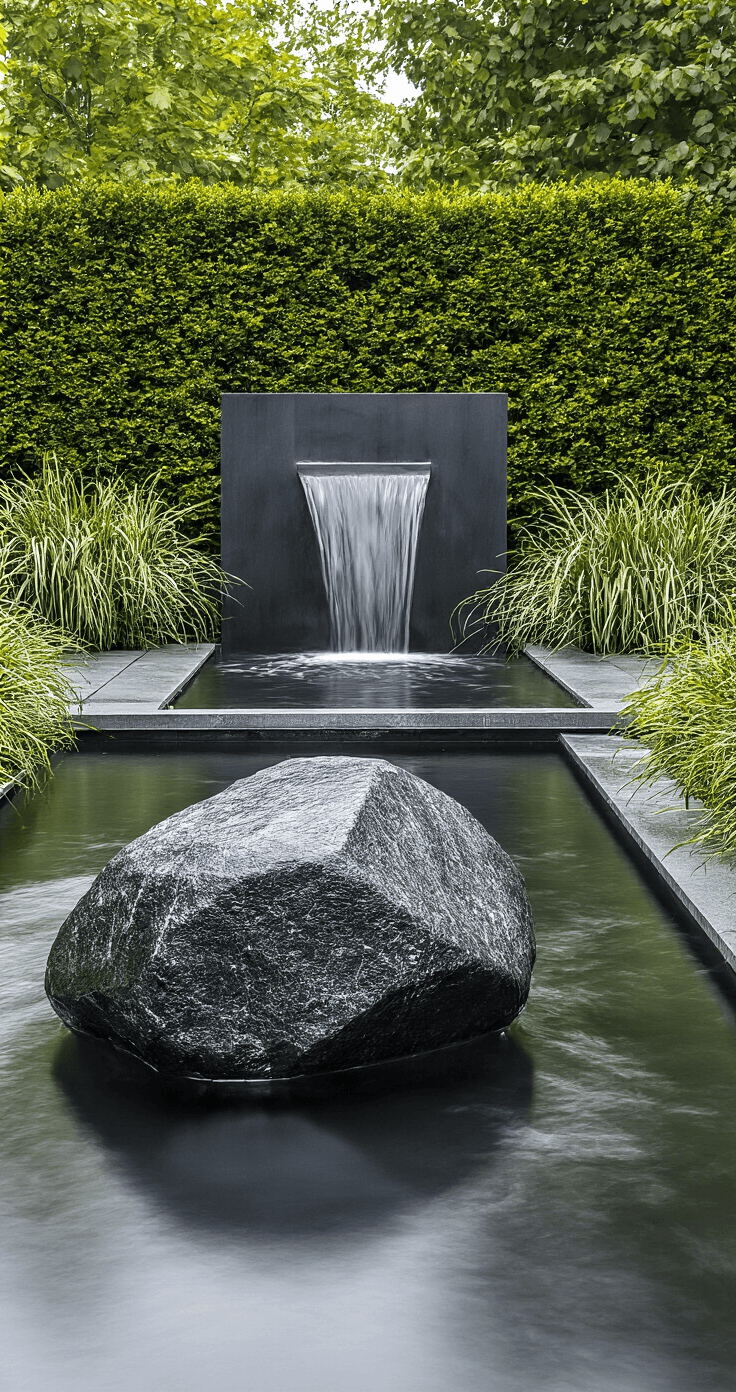
🌟 Steal This Look
- Paint Color: Valspar Garden Stone 6002-1C
- Furniture: low-profile teak meditation bench with weathered finish
- Lighting: solar-powered bollard lights with frosted glass diffusers
- Materials: rough-hewn granite, raked fine gravel, moss-covered fieldstone, untreated cedar
There’s something grounding about running your hand over sun-warmed stone that no other garden element replicates—boulders carry geological time in a way that makes annual flowers feel almost fleeting by comparison.
Pro Tips for Boulder Landscaping
Warning: Heavy lifting ahead!
Save this article
Enter your email and we'll send it straight to your inbox.
- Use machinery for large boulders
- Sketch design before implementation
- Consider professional help for complex layouts
Lighting Tricks
Uplighting boulders creates magical nighttime landscapes. Pro move? Strategically placed landscape lights that highlight rock textures.
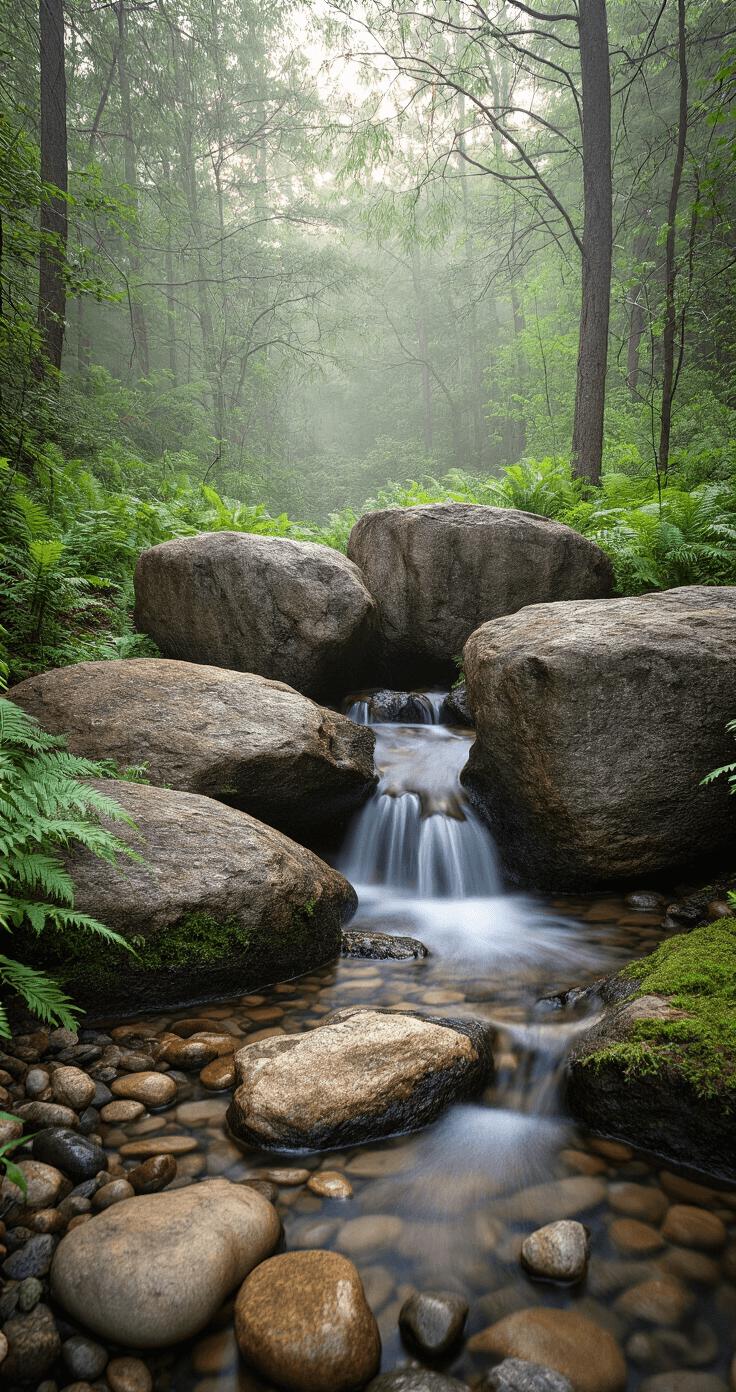
🏠 Steal This Look
- Paint Color: PPG Stonehenge Greige PPG1020-3
- Furniture: weathered teak garden bench with slatted back
- Lighting: low-voltage LED well lights with 3000K warm white output
- Materials: moss-covered fieldstone, crushed granite pathways, native ornamental grasses
There’s something grounding about working with stone that predates your home by millennia—I’ve learned to let the boulder dictate its placement rather than forcing it into a predetermined spot.
Maintenance: Keeping Your Boulder Garden Beautiful
Surprisingly low maintenance. Main tasks:
- Occasional debris removal
- Check rock stability
- Trim surrounding plants
Budget Considerations
Costs vary:
- Small boulders: $50-$200
- Large statement pieces: $500-$2000
- Installation: $100-$500 depending on complexity
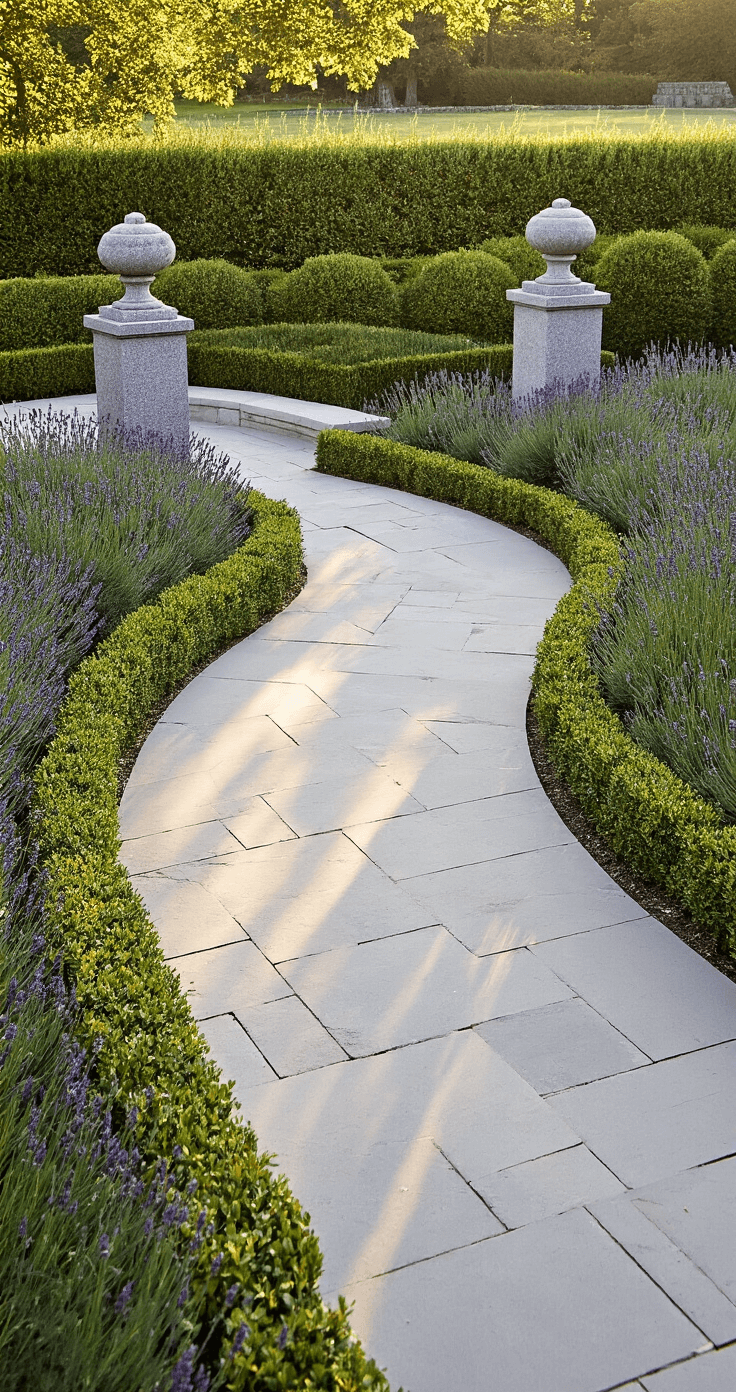
🎨 Steal This Look
- Paint Color: use Clare Paint brand. Match the ACTUAL wall color in the image. Format: Clare Paint ColorName CODE
- Furniture: weathered teak Adirondack chair with wide slats
- Lighting: solar-powered LED boulder spotlight with ground stake
- Materials: raw limestone gravel, untreated cedar mulch, drought-tolerant ornamental grasses
There’s something grounding about running your hand over cool stone that retail garden centers just can’t replicate—I’ve found my best pieces by asking quarry workers to set aside ‘the ugly ones’ that turn out to have the most soul.
🌊 Get The Look
Common Mistakes to Avoid
- Random placement
- Overcrowding
- Ignoring surrounding landscape
- Forgetting about scale and proportion
Your Boulder Landscape Transformation Checklist
✅ Select complementary rocks
✅ Plan overall design
✅ Choose compatible plants
✅ Consider lighting
✅ Prepare proper foundation
Final Thoughts: Your Landscape, Reimagined
Boulders aren’t just rocks – they’re landscape storytellers. They bring permanence, drama, and natural beauty to your outdoor space.
Ready to rock your garden? (Sorry, couldn’t resist!)
Pro Tip: Take your time. Great landscape design is an art, not a race.
Keep this one for later
We'll email you the link so you can come back to it.
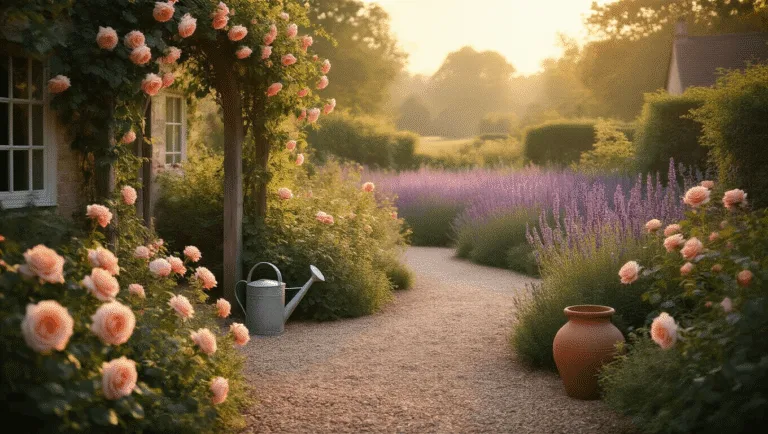
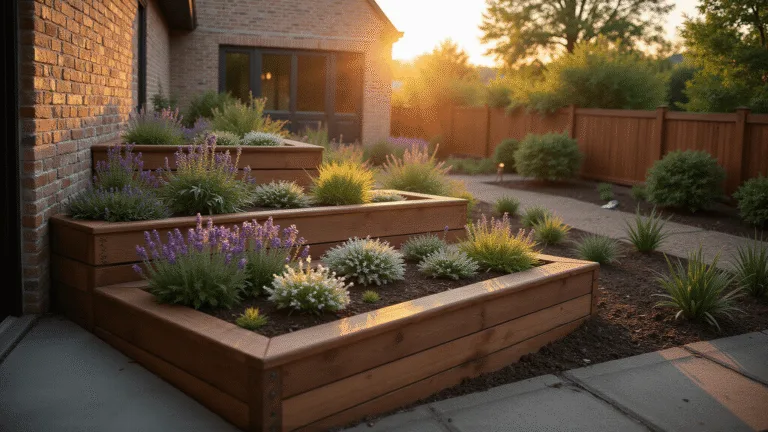
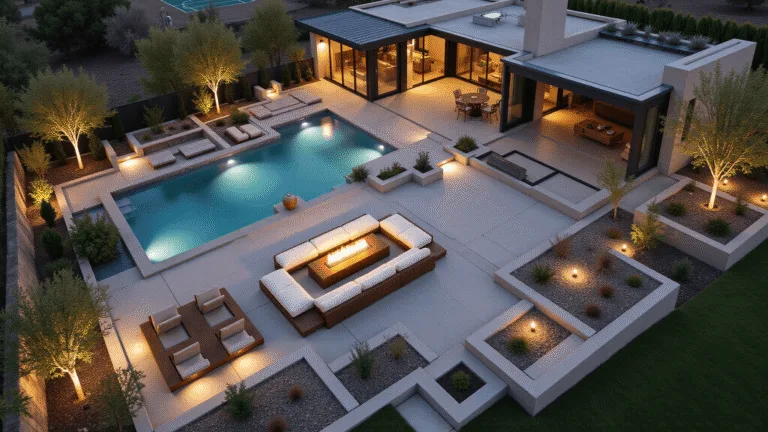


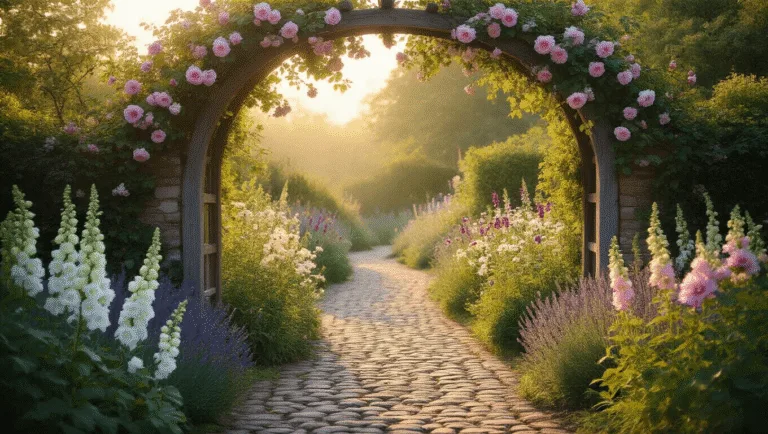
[…] When planning your garden, think about how boulders can fit into your design. They can serve as focal points or help define pathways. Mixing in various plants, like the vibrant blooms seen here, will bring life to the rocky landscape. For more tips on incorporating boulders, check out this helpful guide. […]