
This post may contain affiliate links. Please see my disclosure policy for details.
Transforming Challenging Landscapes: The Art of Multi-Level Garden Design
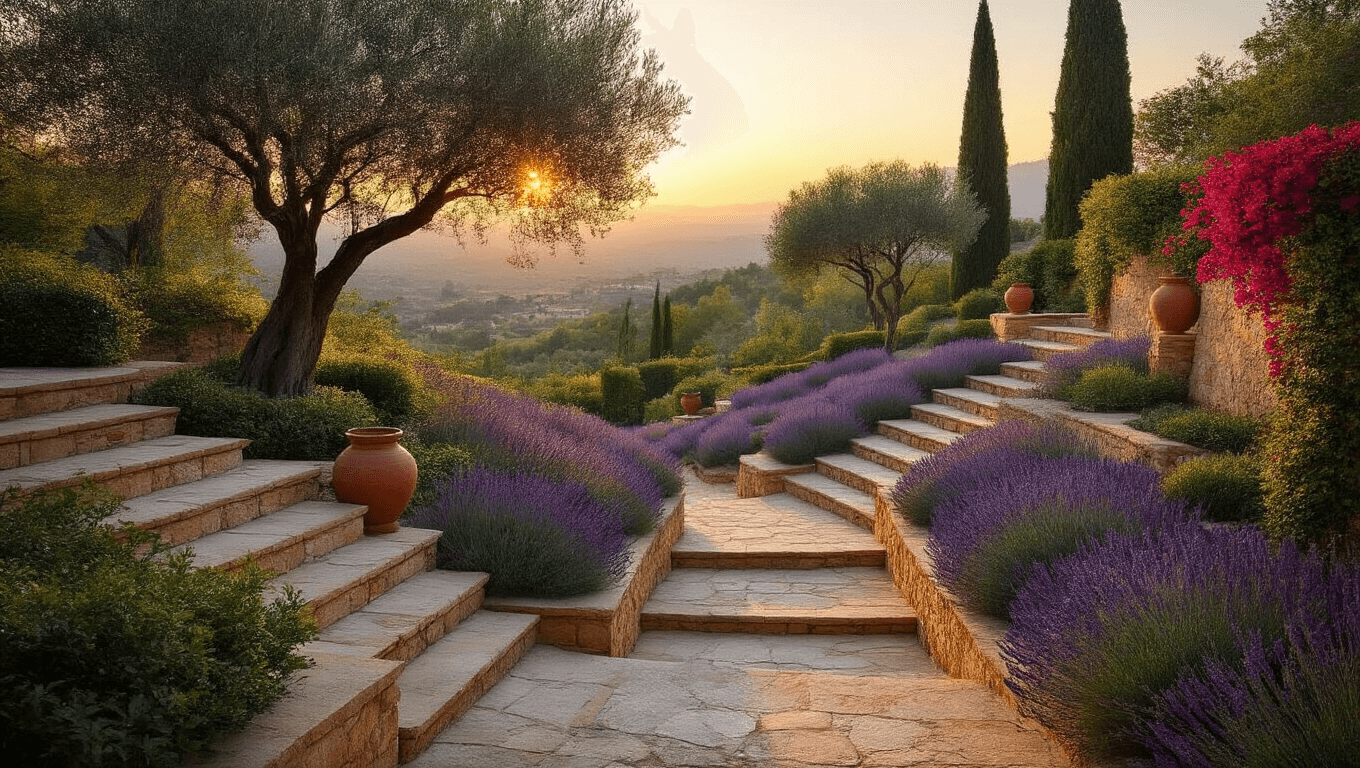
Have you ever looked at your sloped backyard and felt overwhelmed? Those uneven terrains that seem more like a landscaping nightmare can actually be your garden’s greatest asset.
Multi-level gardens are the ultimate solution for transforming challenging outdoor spaces into stunning, functional landscapes. These ingenious designs turn elevation changes from obstacles into opportunities for breathtaking garden creativity.
🏠 Steal This Look
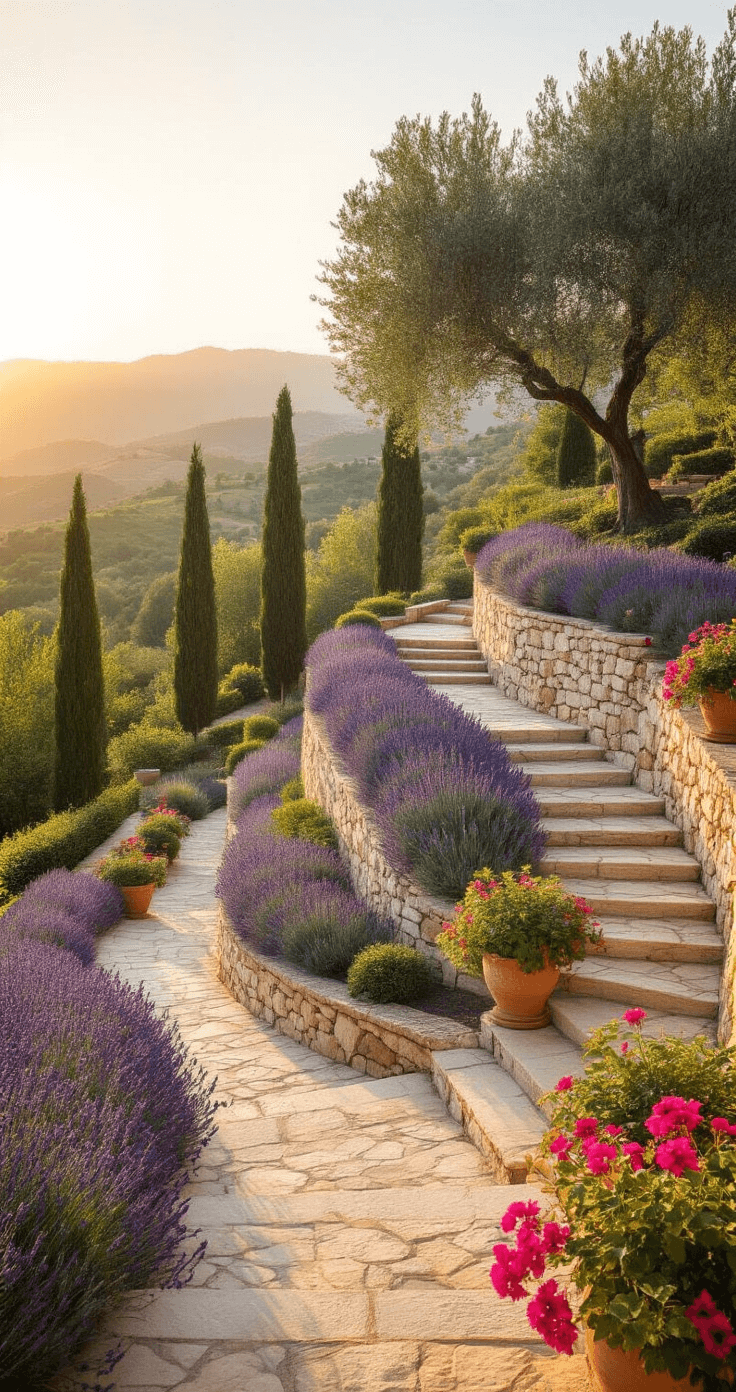
- Paint Color: Sherwin-Williams Rookwood Dark Green SW 2808
- Furniture: weathered teak Adirondack chairs with built-in drink rails, positioned on the upper terrace to capture sunset views
- Lighting: low-voltage brass path lights with hammered copper hoods, staggered along retaining wall edges
- Materials: dry-stacked Pennsylvania fieldstone, corten steel planters, reclaimed cedar decking, crushed bluestone paths
There’s something deeply satisfying about conquering a slope that once defeated you—watching guests discover hidden seating nooks as they wander upward feels like sharing a secret you built with your own hands.
🔔 Get The Look
Why Multi-Level Gardens Are a Game-Changer
Key Advantages:
- Maximize unusable slope spaces
- Create distinct outdoor “rooms”
- Dramatically improve visual interest
- Solve drainage and erosion problems
- Offer incredible design flexibility
💡 Steal This Look
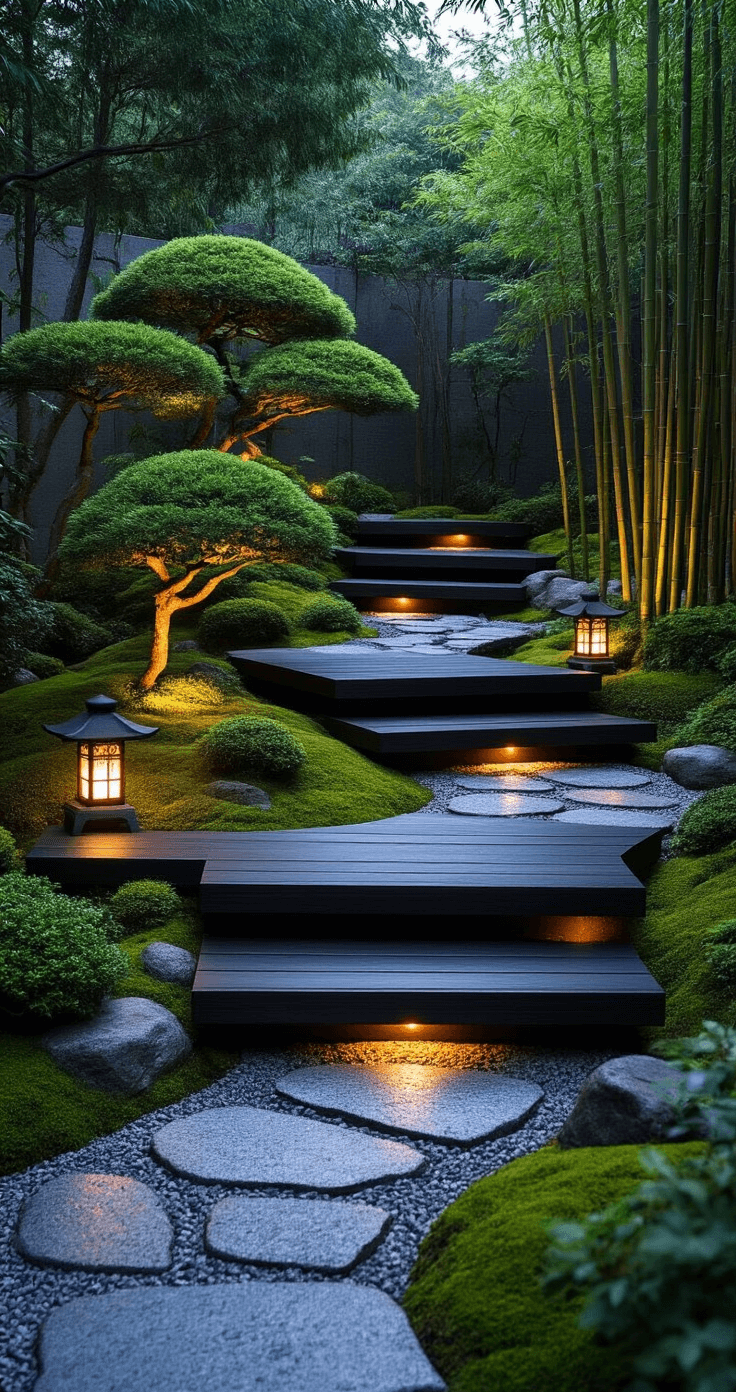
- Paint Color: Benjamin Moore Caldwell Green HC-124
- Furniture: weathered teak L-shaped sectional with deep charcoal cushions
- Lighting: copper-finished bollard lights with frosted glass diffusers
- Materials: bluestone pavers, corten steel retaining walls, reclaimed cedar decking, river rock drainage channels
There’s something deeply satisfying about moving through a garden that unfolds in chapters—each step reveals a new perspective, and suddenly your morning coffee spot feels worlds away from your evening fire pit gathering.
Essential Design Elements for Tiered Gardens
1. Strategic Terracing: Your Landscape’s Backbone
Materials That Work Magic:
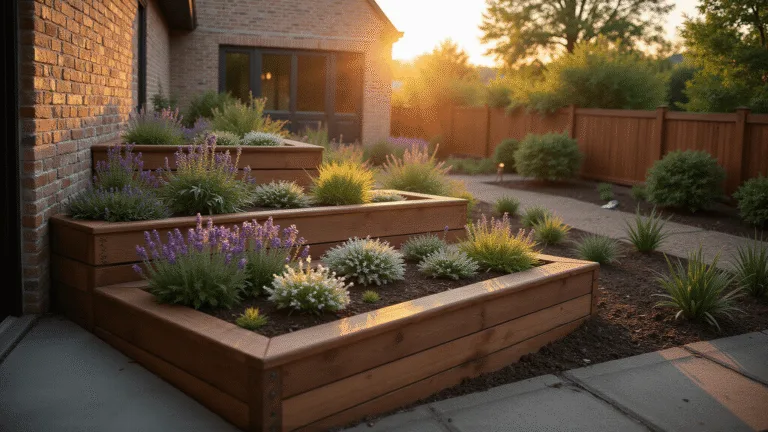
- Wooden sleepers
- Natural stone
- Brick walls
- Gabion baskets
Pro Tip: Match your retaining wall materials for a cohesive, professional look.
2. Smart Level Transitions
Creating Smooth Connections:
- Integrated stone steps
- Curved pathways
- Gentle ramps
- Strategically placed landings
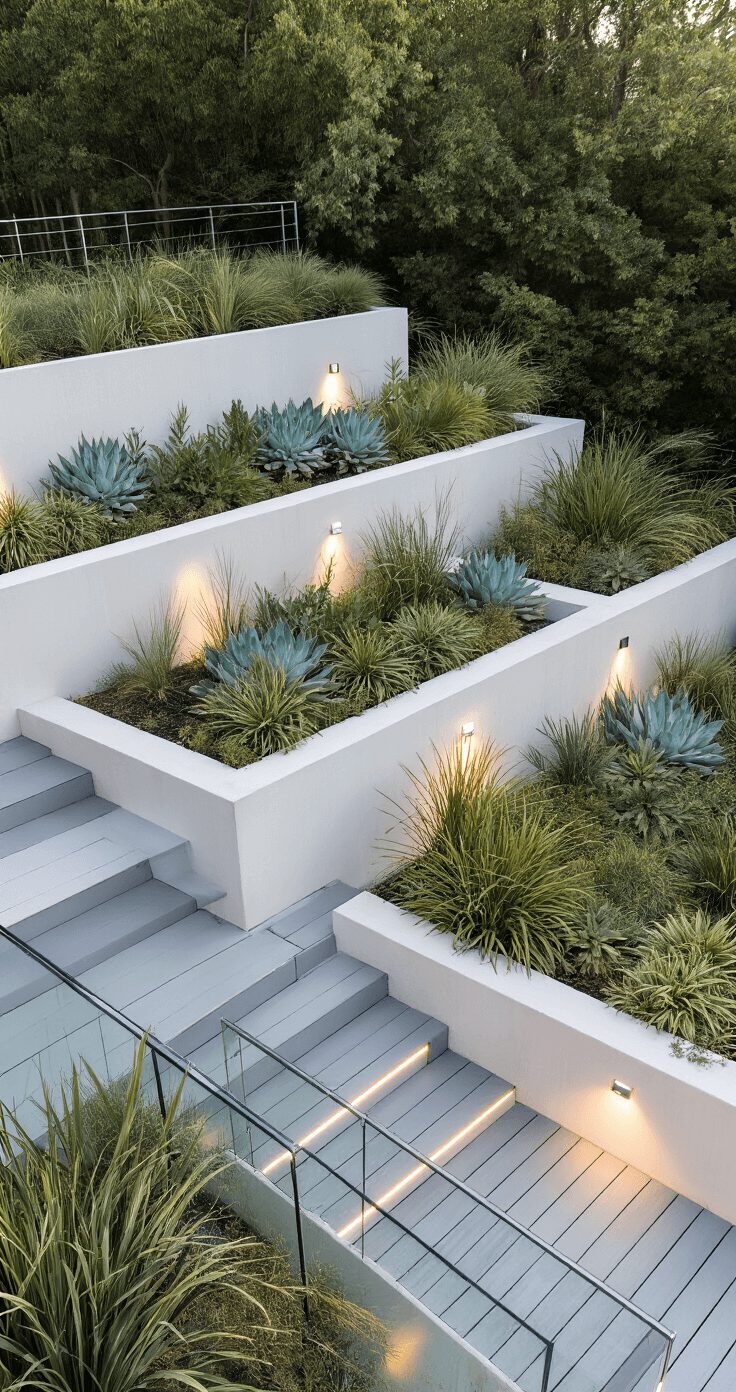
3. Planting Strategies That Wow
Layering Techniques:
- Cascading plants over wall edges
- Staggered height planters
- Mix of ground covers and tall grasses
- Climbers softening hard structures
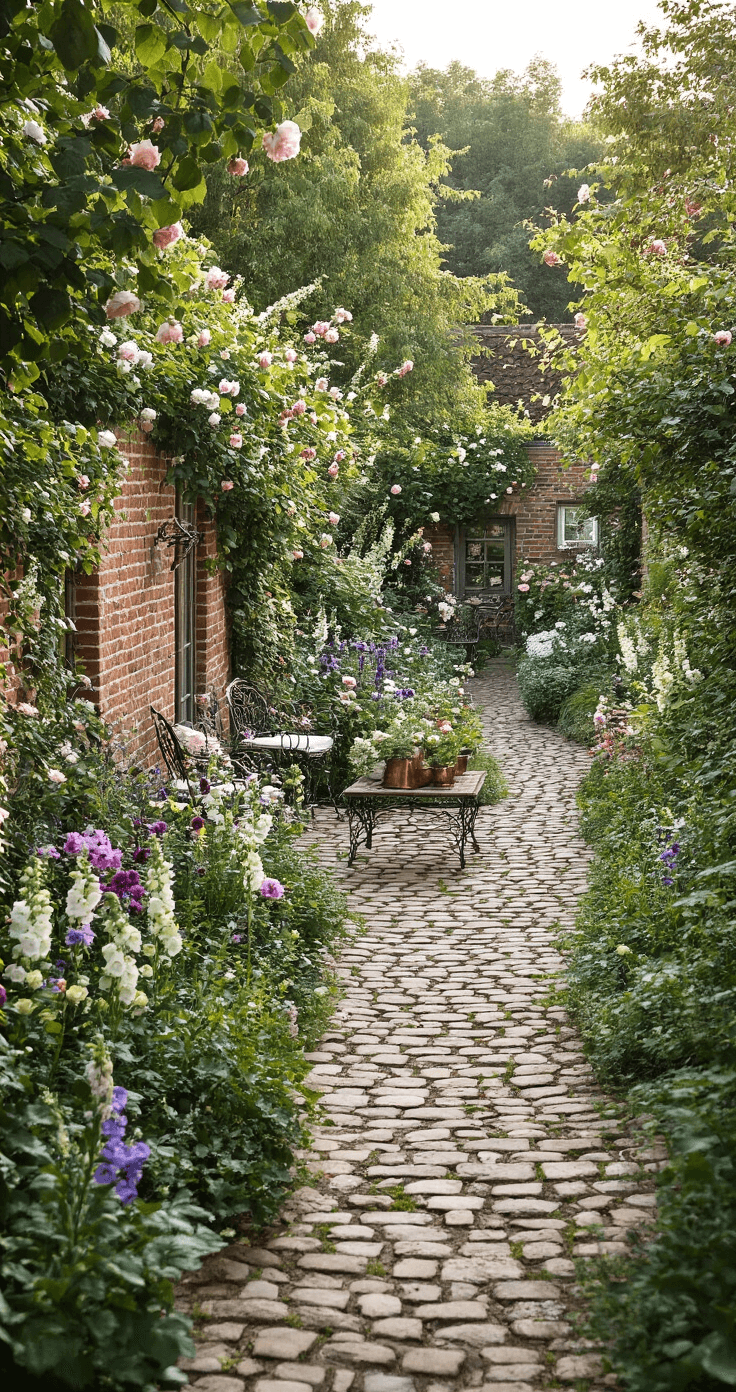
🎨 Steal This Look
- Paint Color: Farrow & Ball Green Smoke 47
- Furniture: weathered teak L-shaped outdoor sectional with deep charcoal cushions
- Lighting: oversized brass and glass globe pendant for covered terrace dining area
- Materials: reclaimed oak sleepers, Cotswold stone, corten steel planters, woven willow screening
There’s something deeply satisfying about a garden that reveals itself gradually; each level should feel like discovering a new room, with its own light quality and purpose, rather than one continuous slope struggling to be flat.
Functional Zones: Design with Purpose
Multi-Level Garden Possibilities:
Save this article
Enter your email and we'll send it straight to your inbox.
- Dining area
- Meditation space
- Kids’ play zone
- Vegetable garden
- Outdoor kitchen
- Secluded reading nook
Pro Design Tips
Visual Harmony Secrets:
- Repeat plant species across levels
- Use consistent accent materials
- Create gentle, flowing transitions
- Balance hardscaping with lush greenery
Technical Considerations
Before You Build:
- Assess slope gradient
- Check drainage patterns
- Consider professional consultation
- Ensure structural integrity of retaining walls
- Plan for long-term maintenance
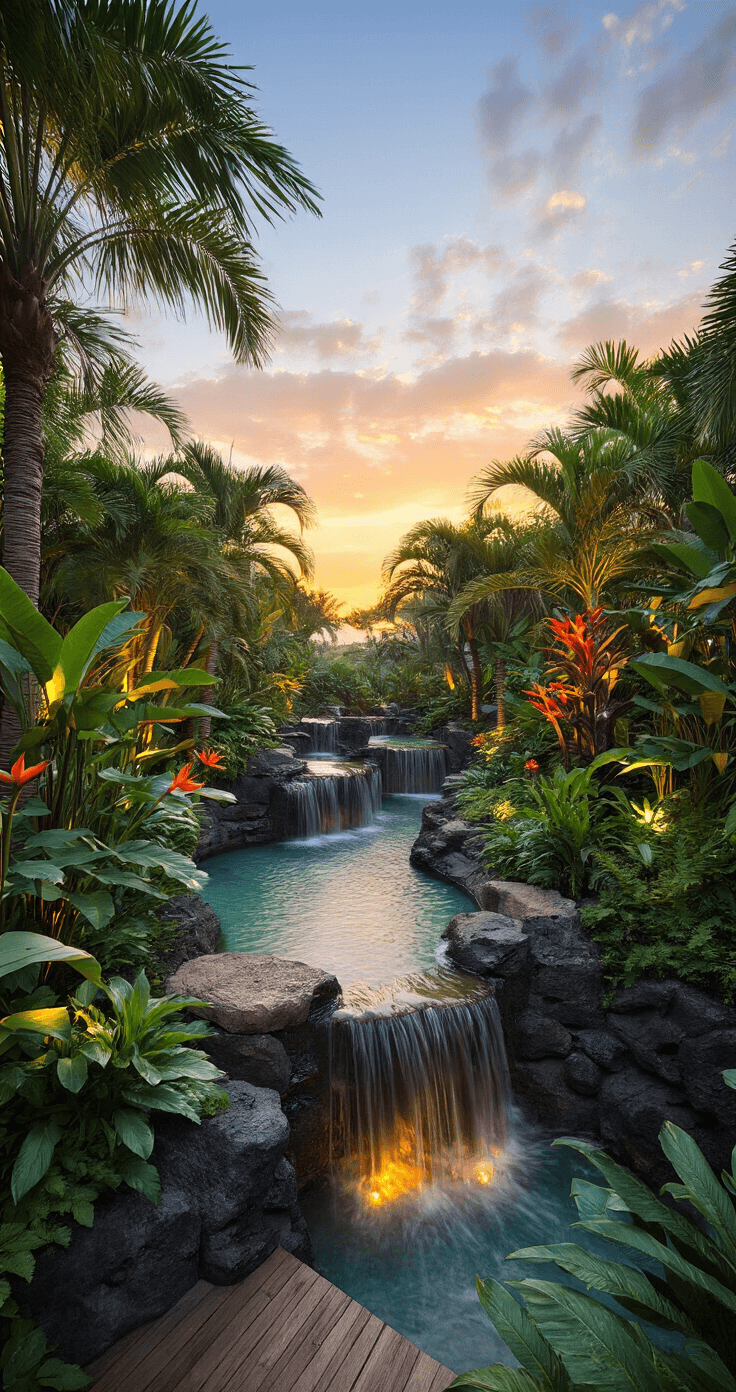
💡 Steal This Look
- Paint Color: PPG Stonehenge Greige PPG1002-3
- Furniture: weathered teak outdoor sectional with rust-resistant aluminum frame, positioned on upper terrace for slope viewing
- Lighting: low-voltage LED path lights with cast brass housings, staggered along grade changes
- Materials: dry-stack natural stone retaining walls, permeable crushed granite pathways, galvanized steel edging, French drain gravel systems
There’s something deeply satisfying about standing on your upper terrace with morning coffee, knowing every slope and drainage channel was intentionally designed—the technical groundwork becomes invisible, but the confidence it gives you lasts decades.
Budget-Friendly Approaches
Cost-Effective Options:
- DIY wooden sleeper terraces
- Modular garden systems
- Phased implementation
- Repurpose local materials
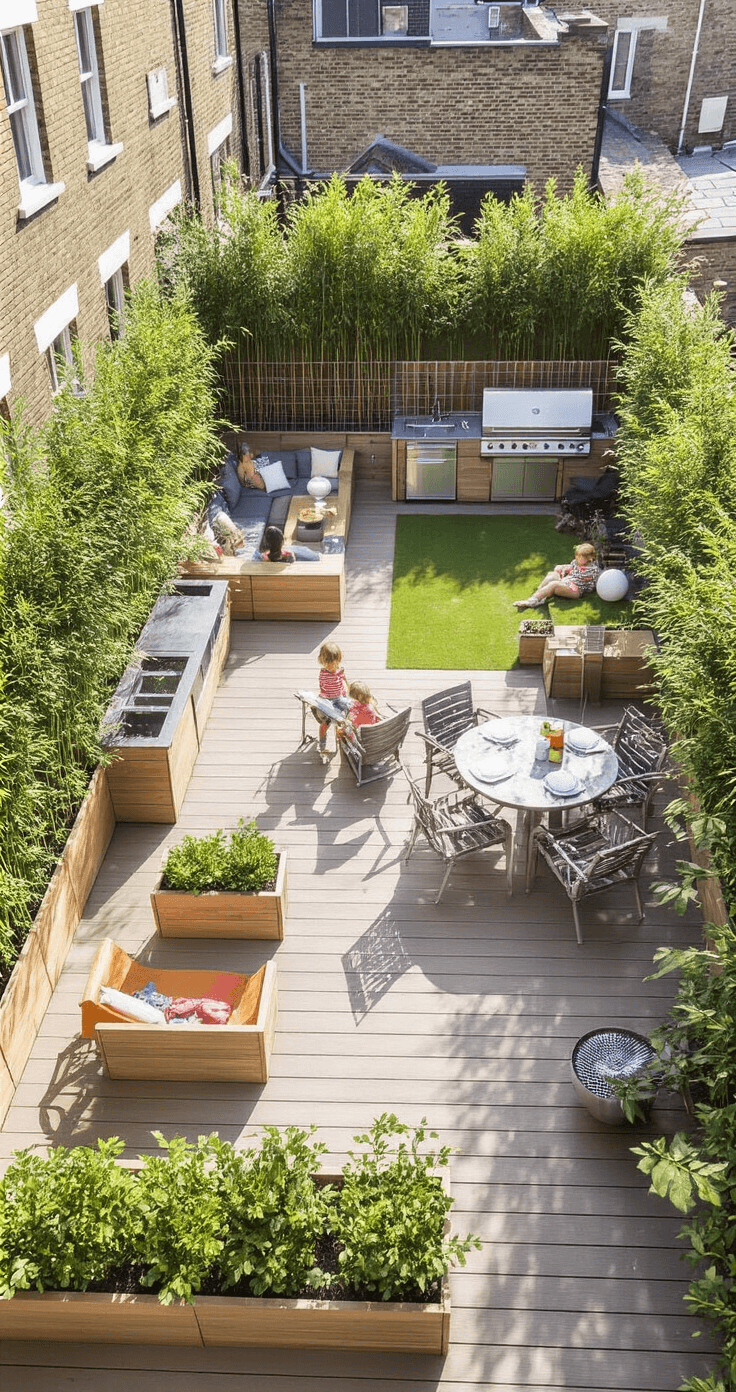
★ Steal This Look
- Paint Color: Dunn-Edwards Wild West DE6207
- Furniture: reclaimed cedar sleeper benches with integrated planters
- Lighting: solar-powered LED string lights with warm 2700K bulbs
- Materials: rough-sawn pine sleepers, crushed granite gravel, corrugated metal edging
This approach rewards patience and elbow grease—my own terraced garden took three seasons to complete, but each phase brought genuine satisfaction without the credit card hangover.
Lighting and Atmosphere
Evening Transformation Techniques:
- Step lighting
- Uplighting for plants
- Path illumination
- Mood-setting landscape lights
Maintenance Made Easy
Smart Care Strategies:
- Choose low-maintenance plants
- Install efficient irrigation
- Use mulch to reduce weeding
- Create accessible pathways
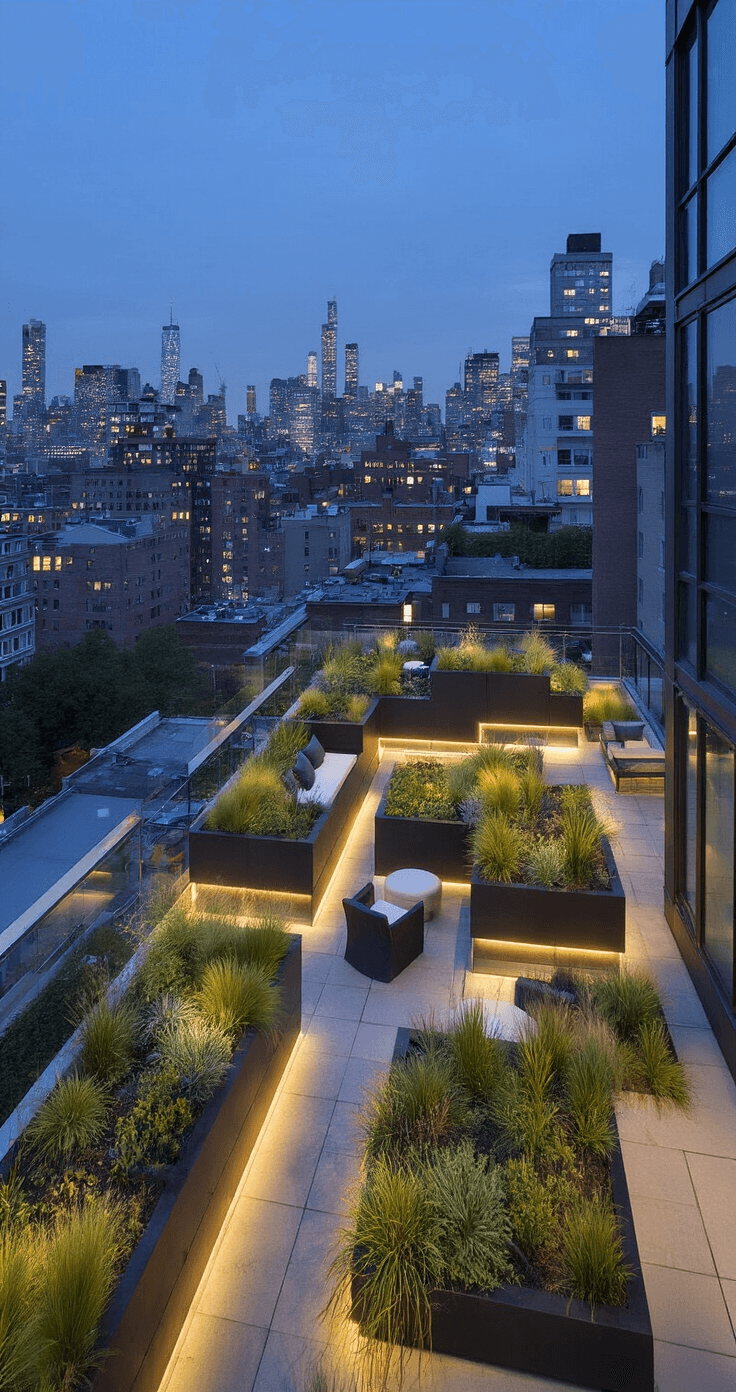
✎ Steal This Look
- Paint Color: Fine Paints of Europe Hollandlac Brilliant Pewter 5005
- Furniture: weathered teak potting bench with zinc top, galvanized steel tool storage cabinet, cedar garden kneeler with handles
- Lighting: solar-powered LED path lights with motion sensors, hardwired bollard lights along main pathways
- Materials: crushed decomposed granite for permeable pathways, cedar mulch, drip irrigation tubing, corten steel edging
This is the garden that finally lets you enjoy your weekends instead of working through them—every choice here is about reclaiming your time while keeping the layered landscape looking intentional.
Real-World Inspiration
Design Styles to Explore:
- Mediterranean terraced gardens
- Japanese zen-inspired levels
- Tropical cascading landscapes
- Modern minimalist tiers
- Cottage garden approach
Common Challenges (And Solutions)
Potential Hurdles:
- Soil erosion → Use terracing and ground cover
- Limited access → Design wide, gentle paths
- Drainage issues → Implement French drains
- High construction costs → Modular, DIY approaches
Final Thoughts
Multi-level gardens aren’t just landscaping—they’re outdoor transformations that turn challenging terrain into breathtaking living spaces. With creativity, planning, and the right approach, your sloped yard can become a stunning, functional paradise.
Remember: Every challenging landscape is an opportunity for extraordinary design.
Keep this one for later
We'll email you the link so you can come back to it.


[…] Tip: Take your time. Great landscape design is an art, not a […]
[…] Gardening is an art, not a science. Let your plants ramble, mix boldly, and create a space that makes your heart […]