
This post may contain affiliate links. Please see my disclosure policy for details.
Rock Landscaping: Transform Your Outdoor Space with Stone Magic
Every homeowner dreams of a stunning yard that looks effortlessly beautiful and requires minimal maintenance. Rock landscaping is your secret weapon to create an incredible outdoor space that’s both gorgeous and practical.
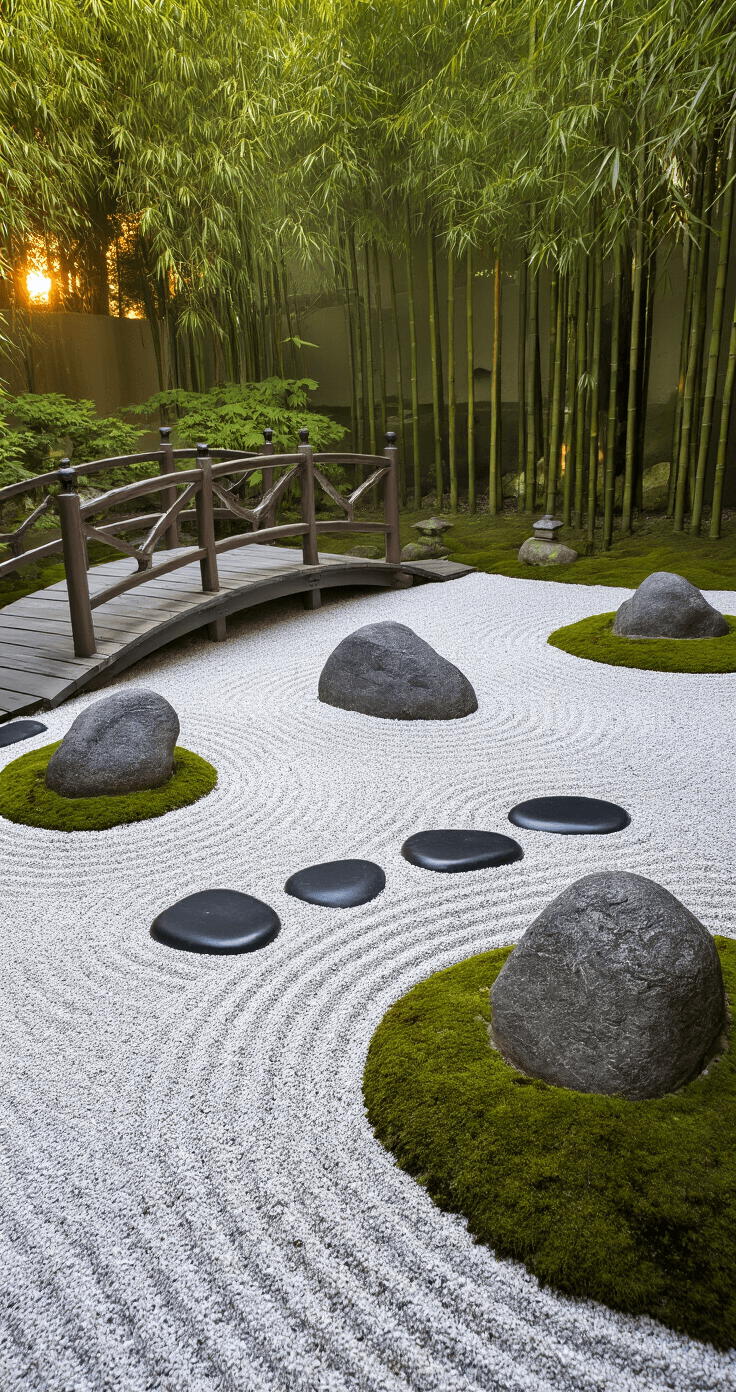
✎ Steal This Look
- Paint Color: Sherwin-Williams Garden Sage SW 6165
- Furniture: weathered teak Adirondack chairs with Sunbrella cushions in terracotta
- Lighting: low-voltage LED boulder lights embedded in river rock beds
- Materials: Colorado river rock, Mexican beach pebbles, flagstone pavers, crushed granite, moss-covered boulders
There’s something deeply satisfying about a rock garden that looks like it’s been there for decades, not installed last weekend—the trick is burying one-third of every boulder so it appears rooted in the earth.
🔔 Get The Look
Why Rocks Are a Landscaper’s Best Friend
Let’s be real – traditional gardens are high-maintenance nightmares. Constant watering, weeding, and pruning can turn your dream landscape into a weekend chore fest. Enter rocks: nature’s low-maintenance design superstars.
Benefits of Rock Landscaping
- Zero Water Needed: Unlike grass and thirsty plants
- Permanent Design Elements: Rocks don’t die or need replacing
- Instant Visual Impact: Creates professional-looking spaces immediately
- Versatile Design Options: From zen minimalism to wild naturescapes
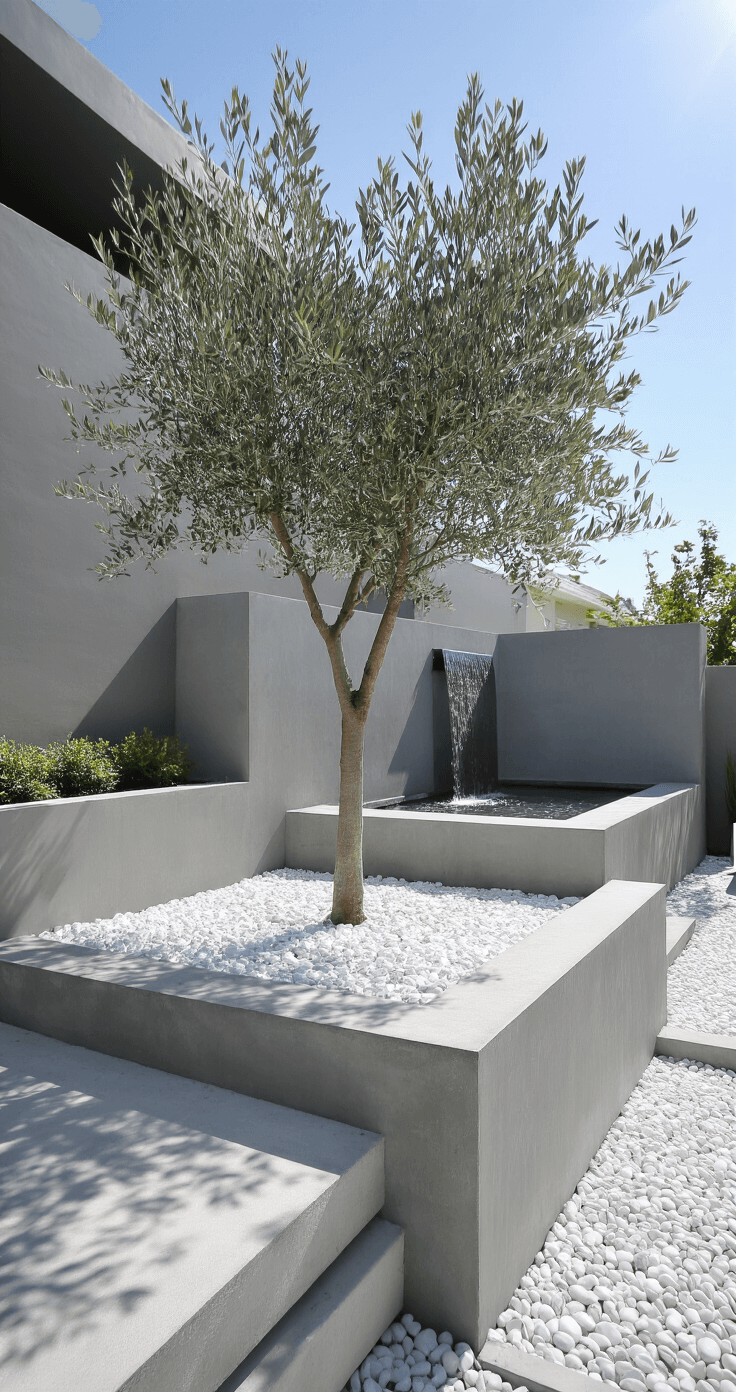
🖼 Steal This Look
- Paint Color: Benjamin Moore Kendall Charcoal HC-166
- Furniture: weathered teak Adirondack chair with raw linen cushion
- Lighting: low-voltage brass path lights with amber LED
- Materials: thermal bluestone pavers, Mexican beach pebbles, crushed granite fines, corten steel edging
I’ve watched too many homeowners abandon their yards after the third summer of fighting crabgrass—rock landscaping gives you back your weekends without sacrificing the curb appeal that makes you proud to pull into your driveway.
Design Styles That Rock (Pun Intended!)
1. Zen Garden Vibes
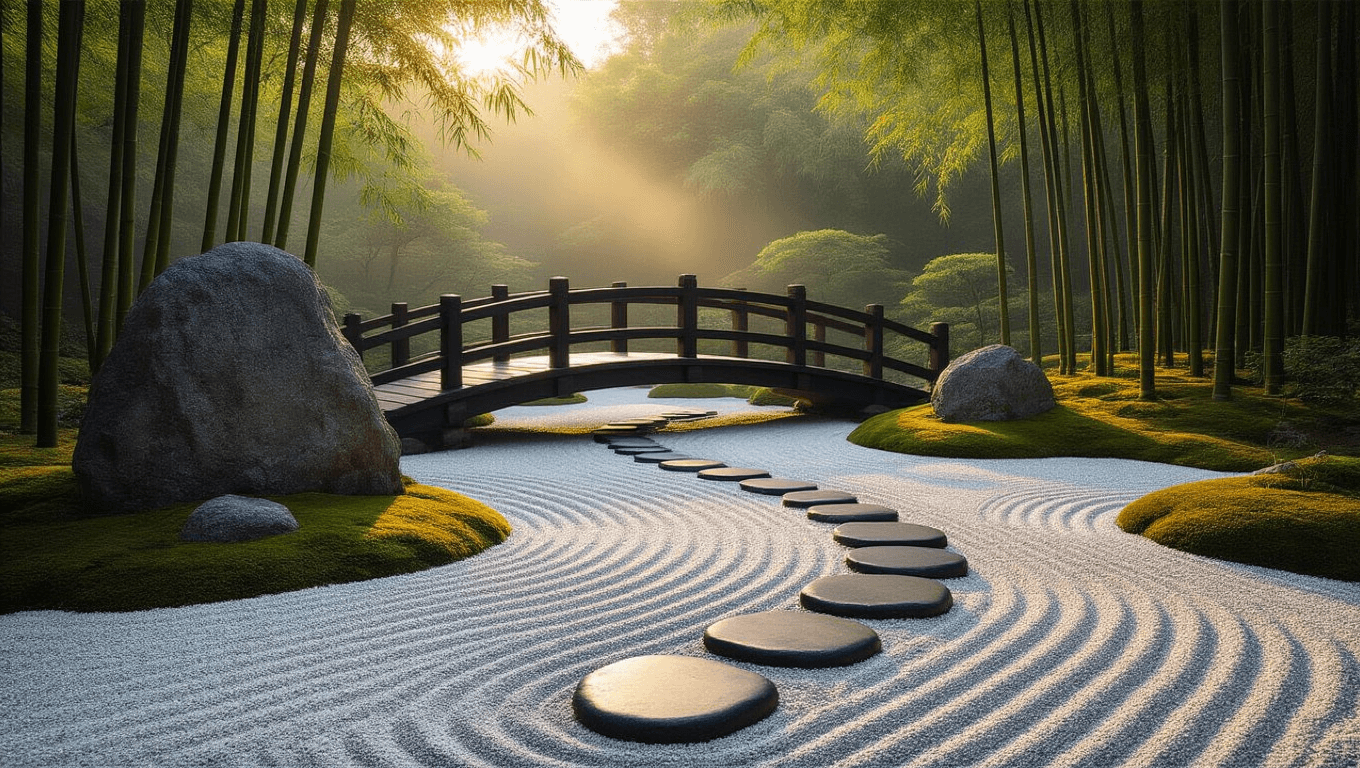
Imagine a tranquil space with carefully placed decorative landscape rocks that whisper calm and serenity.
2. Modern Minimalist
Clean lines, crisp white stones, geometric arrangements that scream sophisticated design.
3. Natural Wild Landscape
Mimic nature’s randomness with strategically placed boulders and river stones.
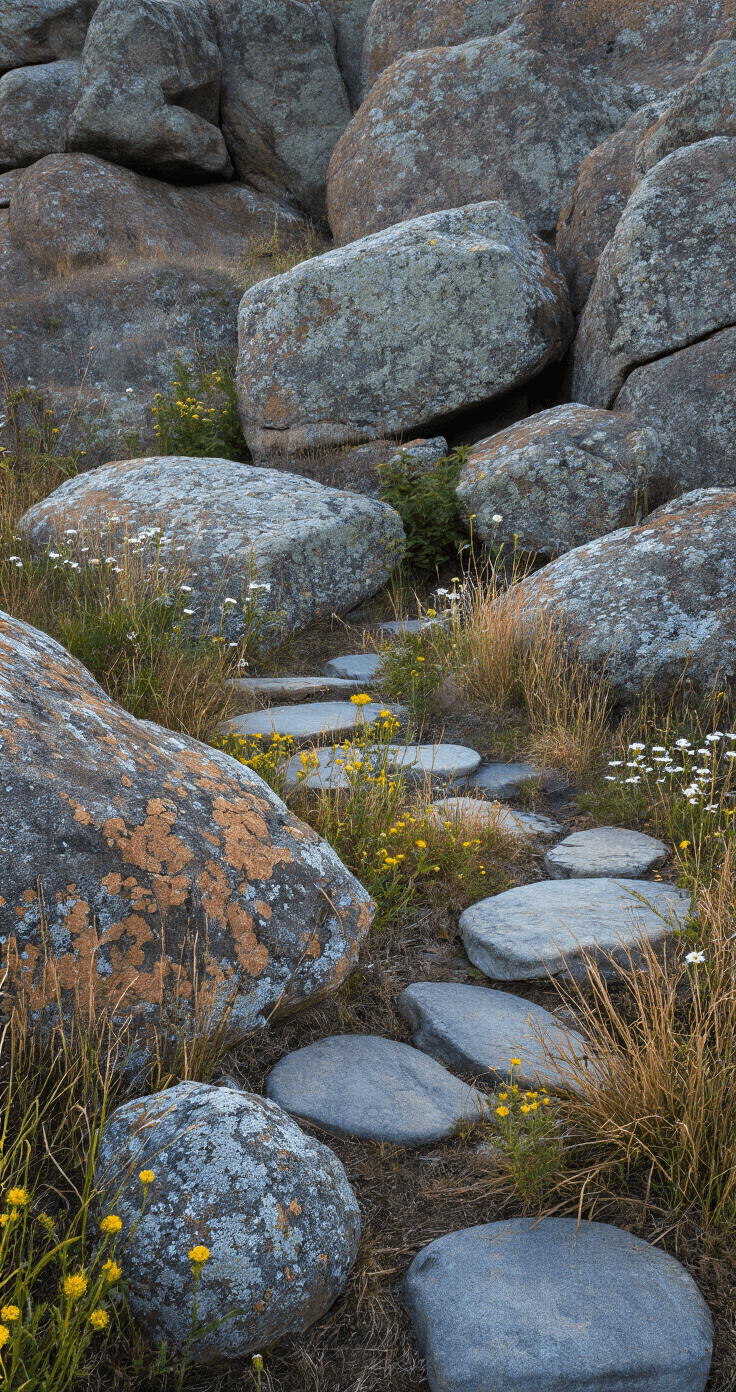
🌟 Steal This Look
- Paint Color: Farrow & Ball Pigeon 25
- Furniture: low-profile teak meditation bench with hidden storage
- Lighting: linear LED channel light recessed into rock wall crevices
- Materials: polished river stone, untreated cedar, crushed granite pathways, moss-covered boulders
This is the space where you finally exhale after a brutal week—the rocks don’t demand watering, pruning, or perfection, just presence.
Pro Installation Tips
Ground Preparation Matters
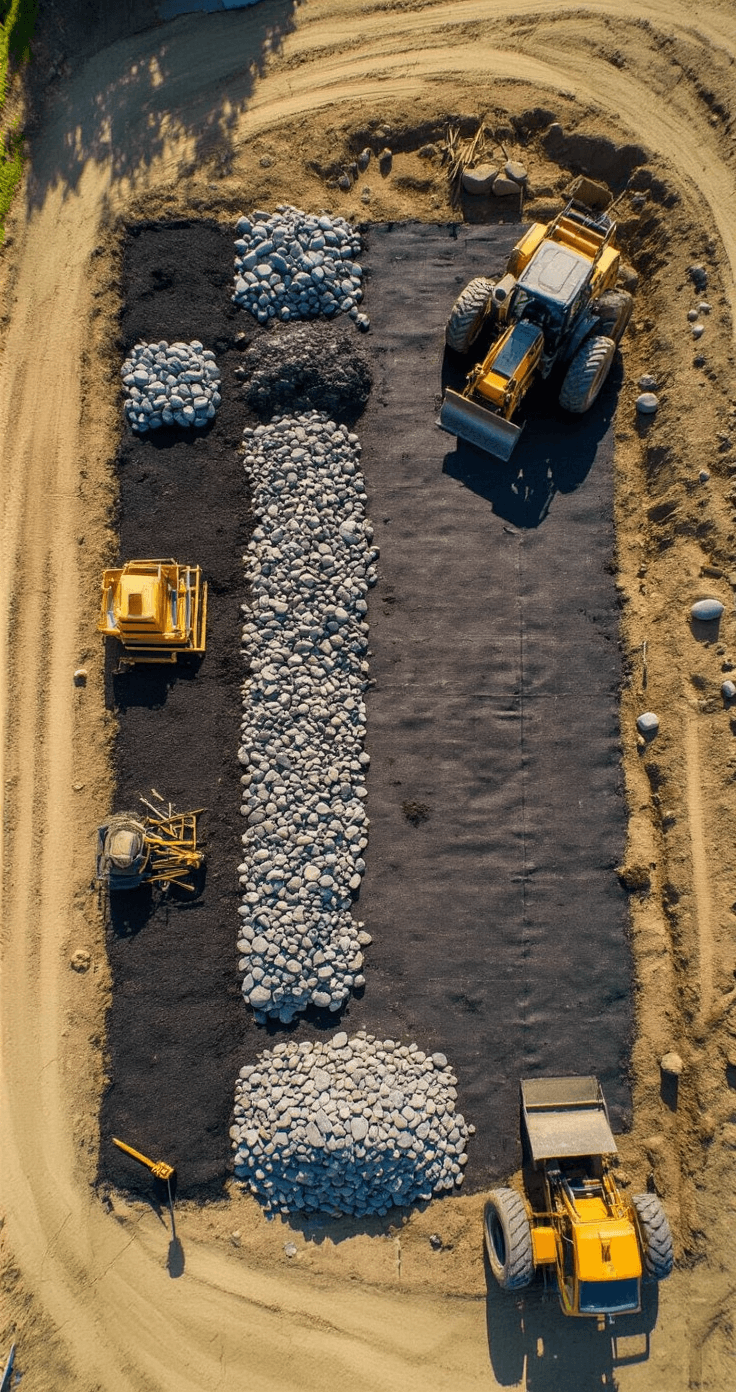
- Remove existing vegetation
- Lay heavy-duty landscape fabric
- Create proper drainage
Rock Selection Secrets
- Match rocks to your climate
- Consider color and texture
- Mix rock sizes for visual interest
Save this article
Enter your email and we'll send it straight to your inbox.
💡 Steal This Look
- Paint Color: Behr Sage Light PPU11-12
- Furniture: weathered teak Adirondack chairs with natural oil finish
- Lighting: low-voltage LED path lights with hammered bronze finish
- Materials: Mexican beach pebbles, Pennsylvania fieldstone boulders, decomposed granite, galvanized steel edging
There’s something deeply satisfying about a rock installation that feels like it grew from the land itself rather than being dropped from above—this is the section where patience with prep work pays off for decades.
Plant Pairings That Complement Rocks
Not all plants play nice with stone landscapes. Here are winners:
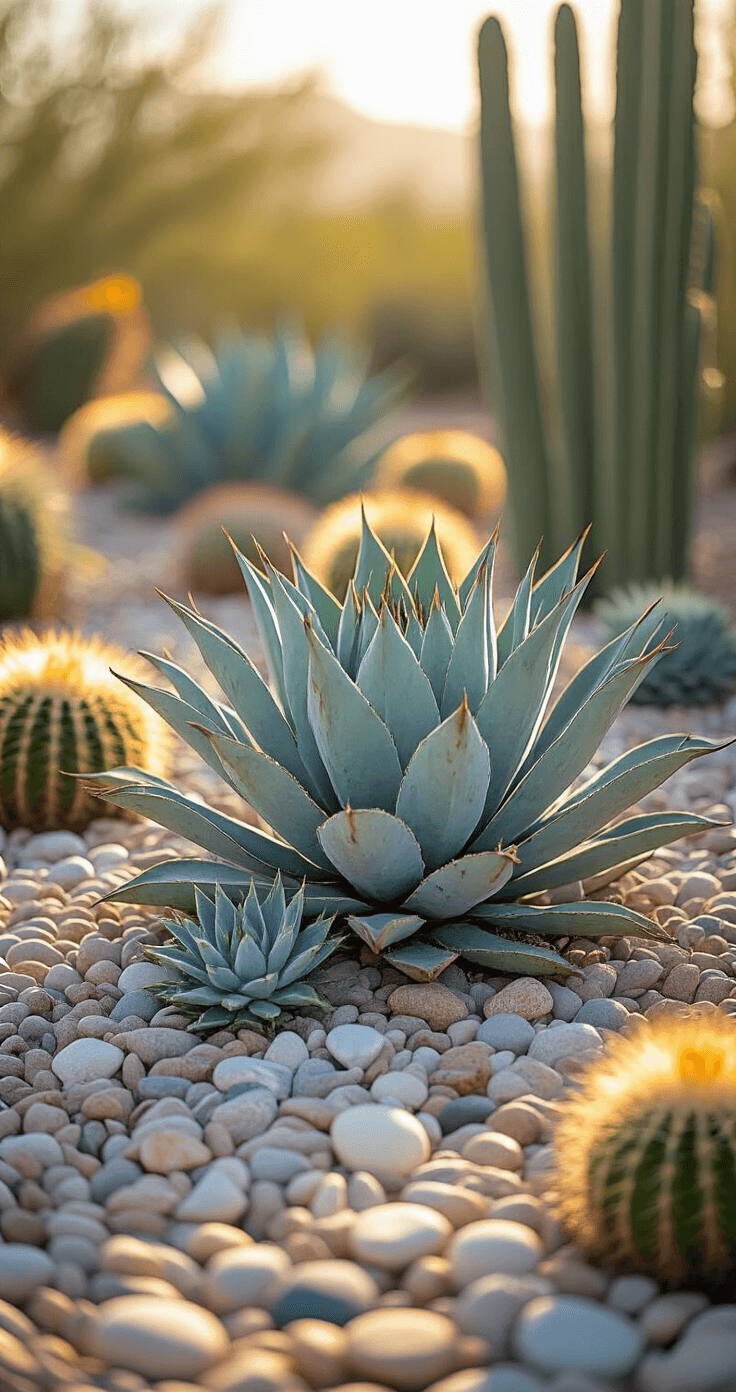
- Succulents
- Creeping phlox
- Ornamental grasses
- Woolly thyme
💡 Steal This Look
- Paint Color: Valspar Garden Stone 6006-2B
- Furniture: weathered teak Adirondack chair with slatted back for garden seating areas
- Lighting: solar-powered copper-finish path lights with warm 2700K LED
- Materials: decomposed granite, river rock, drought-tolerant sedum, corten steel edging
There’s something deeply satisfying about watching woolly thyme cascade over limestone boulders—it transforms harsh stone into something that feels inevitable, like it grew there over centuries rather than months.
Budget-Friendly Rock Landscaping Hacks
- Buy rocks locally to reduce transportation costs
- Start small and expand gradually
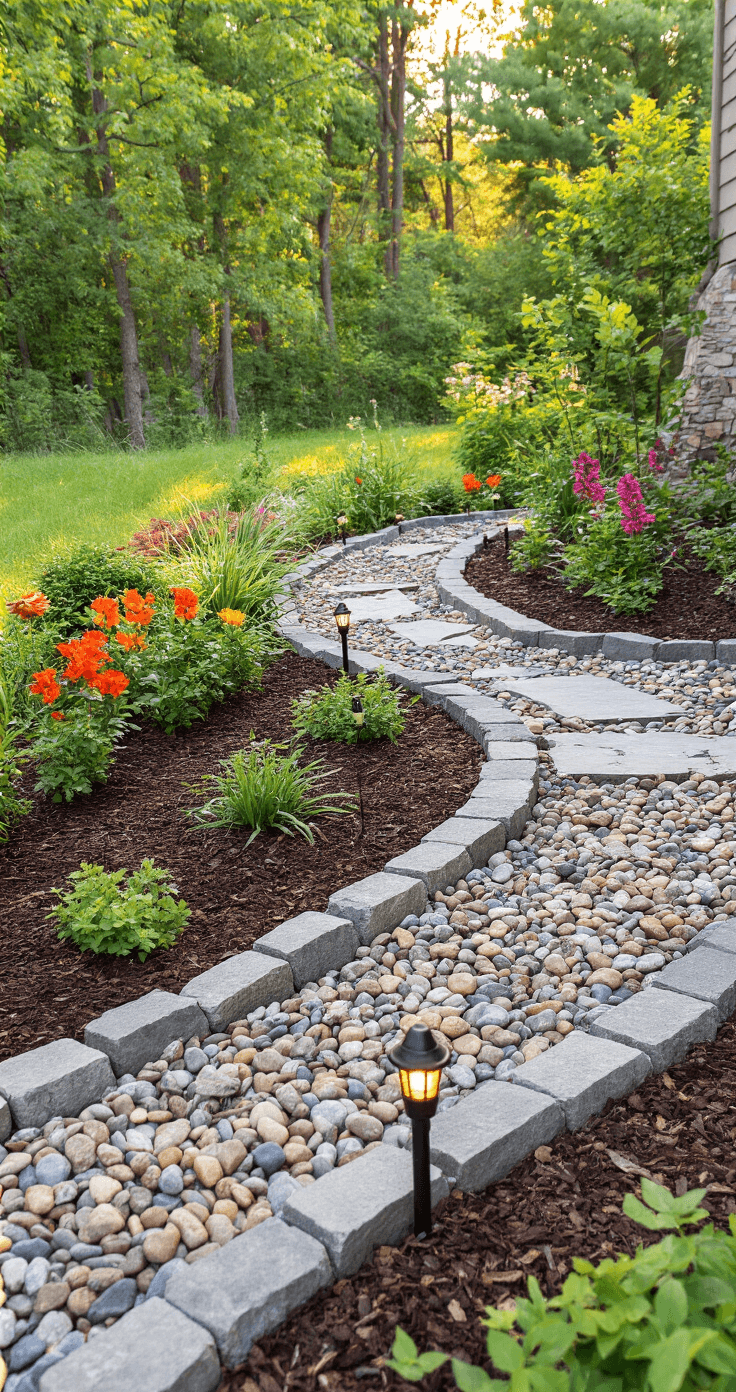
- Use rock border edging for defined spaces
- Mix affordable stones with a few statement pieces
🎨 Steal This Look
- Paint Color: PPG Stonehenge Greige PPG1002-3
- Furniture: weathered teak garden bench with slatted back
- Lighting: solar-powered bollard path lights in matte black finish
- Materials: decomposed granite pathways, river rock mulch, galvanized steel edging strips
Rock landscaping feels intimidating until you realize you can start with a single dry creek bed corner and build outward over seasons—no deadline pressure, just gradual transformation.
Maintenance: Easier Than You Think
Rocks are basically the low-maintenance superheroes of landscaping. Quick maintenance tips:
- Occasional rinse with garden hose
- Remove leaf debris
- Replenish rock layers every few years
★ Steal This Look
- Paint Color: Dunn-Edwards Desert Suede DE6142
- Furniture: weathered teak potting bench with galvanized steel top for organizing garden tools and rock supplies
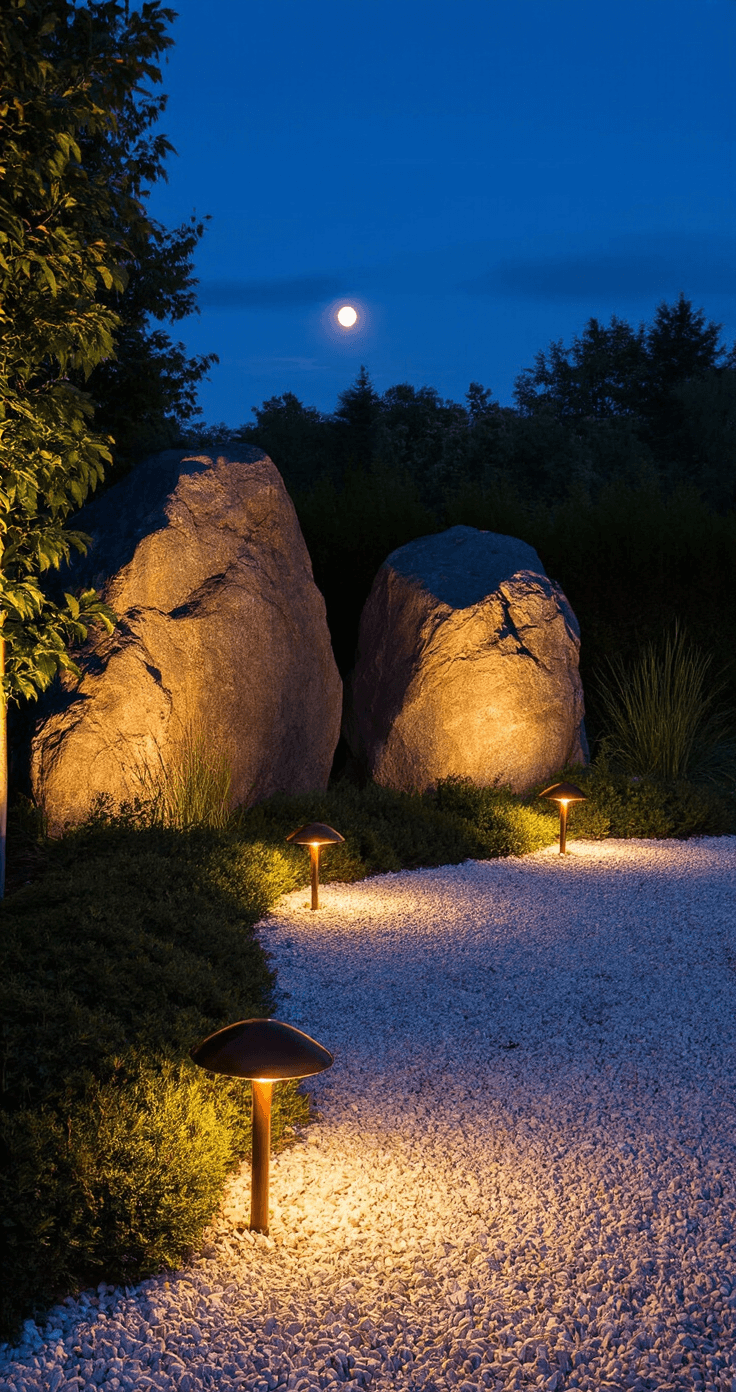
- Lighting: solar-powered LED path lights with brushed bronze housings embedded along rock borders
- Materials: rough-hewn flagstone, Mexican beach pebbles, crushed granite, galvanized metal edging strips
There’s something deeply satisfying about a garden that looks intentional yet asks so little of you—rock landscaping frees up weekends for actually enjoying your outdoor space rather than maintaining it.
Common Mistakes to Avoid
- Overcrowding spaces
- Ignoring natural drainage
- Choosing rocks that don’t match your home’s aesthetic
- Forgetting about landscape lighting to showcase your stone features
Final Thoughts
Rock landscaping isn’t just a design choice – it’s a lifestyle upgrade. You’re creating a durable, beautiful outdoor space that looks incredible with minimal effort.
Your yard will thank you. Your weekends will definitely thank you.
Keep this one for later
We'll email you the link so you can come back to it.


[…] Etsy’s got a treasure trove of handmade fantasy beds. Want something totally you? Many makers offer customization. Or, if you’re feeling crafty, why not try your hand at creating your own magical sleep space? […]
[…] Raw stone surfaces that ground the space […]