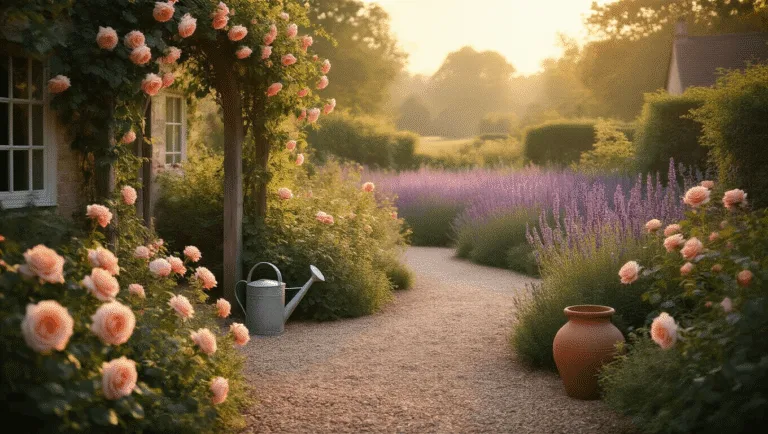
A sun-drenched Mediterranean garden terrace at sunset, featuring magenta bougainvillea, lavender in terracotta pots, an olive tree, stone pavers, and a wooden bench, with a vintage copper watering can and distant sea views.

Mediterranean Flowers: A Vibrant Guide to Drought-Tolerant Garden Beauty

This post may contain affiliate links. Please see my disclosure policy for details.

Why Mediterranean Flowers Will Transform Your Garden

Have you ever dreamed of a garden that looks stunning with minimal effort? Mediterranean flowers are your secret weapon.

These extraordinary plants bring:

  • Stunning visual appeal
  • Incredible drought resistance
  • Low maintenance requirements
  • Irresistible fragrances

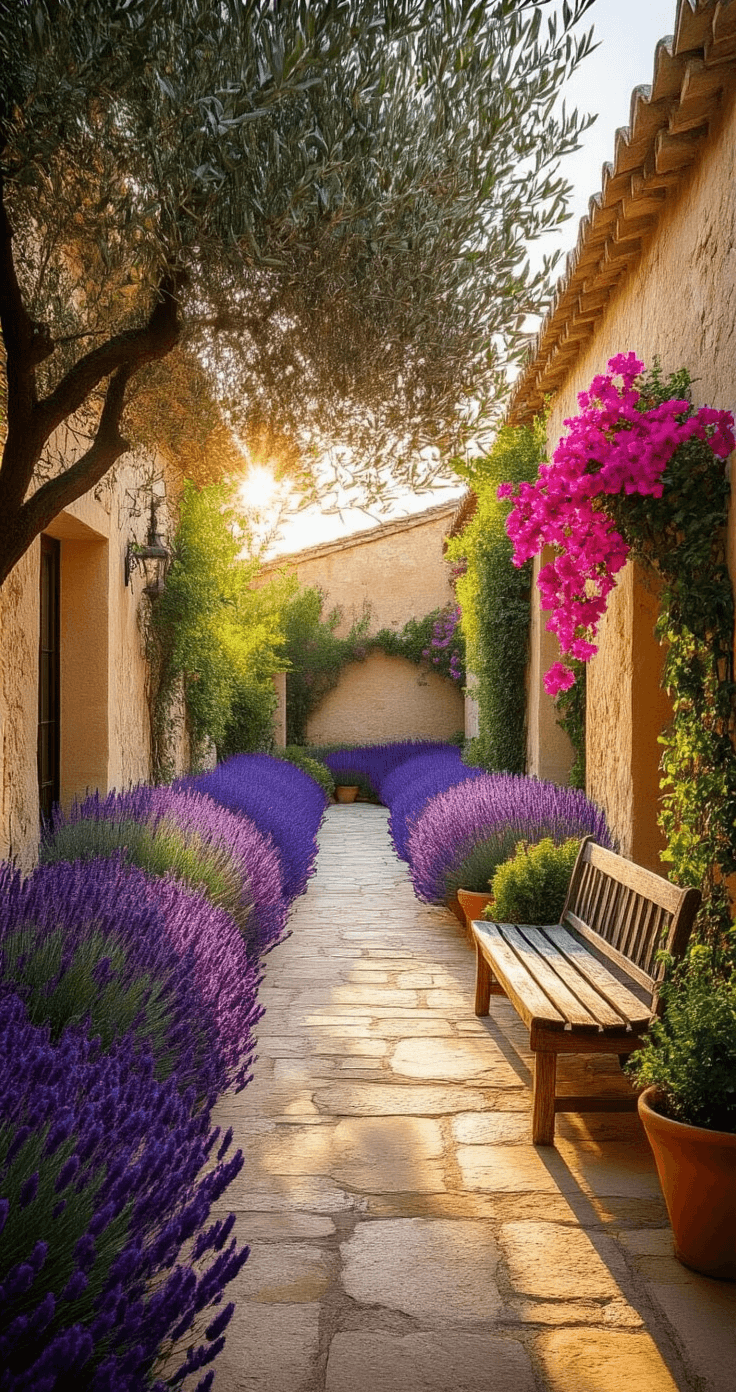
A sunlit Mediterranean courtyard garden featuring lavender in terracotta pots, vibrant bougainvillea, and an old olive tree, with a rustic wooden bench amid dappled light and glowing flower heads.

🔎 Pro Tip: Cluster lavender, rosemary, and santolina in drifts of odd numbers rather than straight rows—this mimics how they grow wild on Greek hillsides and creates that effortless, established look even in a first-season garden.
⛔ Avoid This: Avoid overwatering Mediterranean flowers once established; these plants evolved for dry summers and excess moisture causes root rot faster than drought ever will. Avoid dark, heavy mulches that retain too much moisture and heat—opt for light gravel or crushed stone instead.

There’s something deeply satisfying about a garden that thrives on neglect, and Mediterranean flowers deliver that rare combination of beauty and resilience that busy homeowners actually need.

👑 Get The Look

Top Mediterranean Flowers Every Gardener Needs

1. Lavender: The Purple Perfection

Lavender isn’t just a flower – it’s an experience. With its:

  • Silvery lavender plants
  • Intoxicating fragrance
  • Gorgeous purple flower spikes

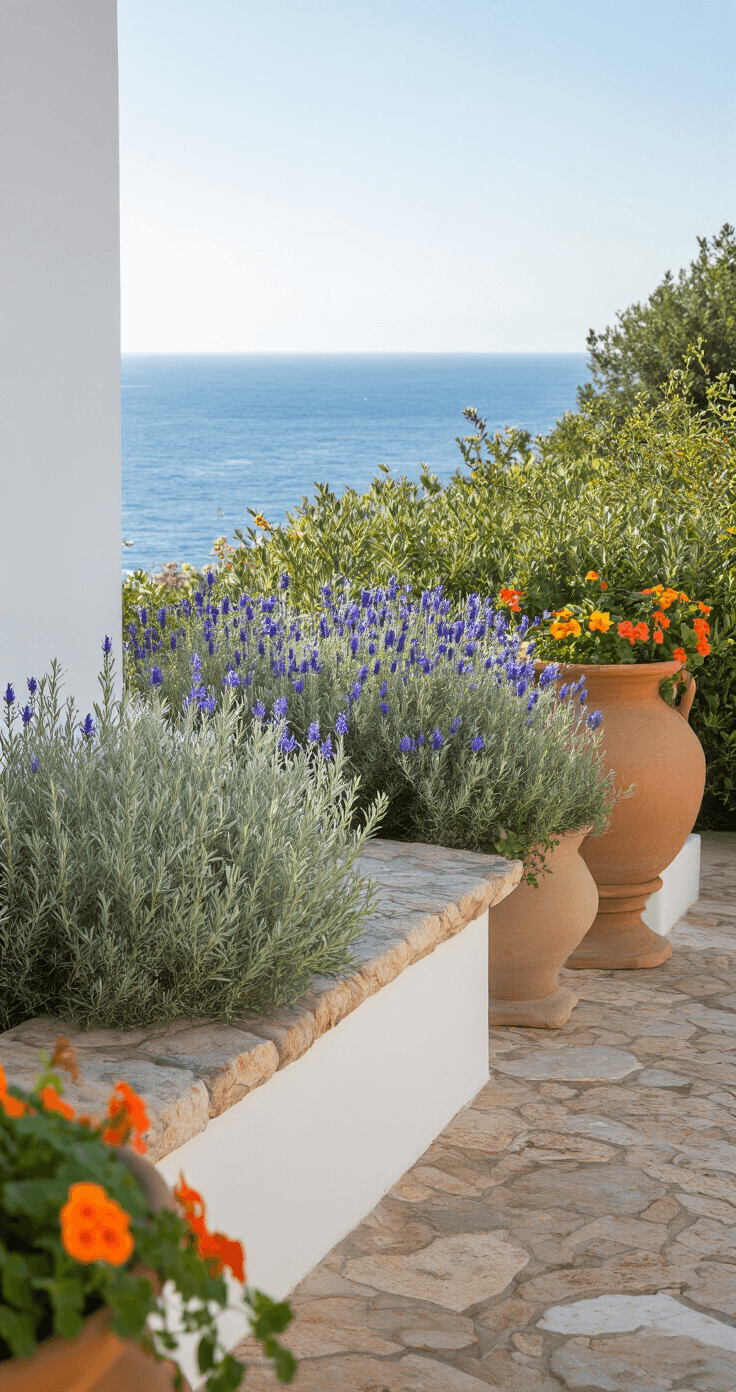
Intimate coastal garden terrace with Mediterranean Sea views, featuring built-in stone planters filled with silvery artemisia, blue rosemary flowers, and golden lantana, alongside trailing nasturtiums in terra cotta urns, set against whitewashed walls and natural stone flooring with thyme growing between cracks, captured in clear morning light with sharp focus on foreground plantings and a soft focus ocean backdrop.

2. Bougainvillea: Drama Queen of Mediterranean Gardens

Imagine walls exploding with magenta and pink – that’s bougainvillea for you. Perfect for:

  • Trellises
  • Sun-soaked walls
  • Creating dramatic garden landscapes
3. Rosemary: More Than Just a Herb

Rosemary brings multiple superpowers:

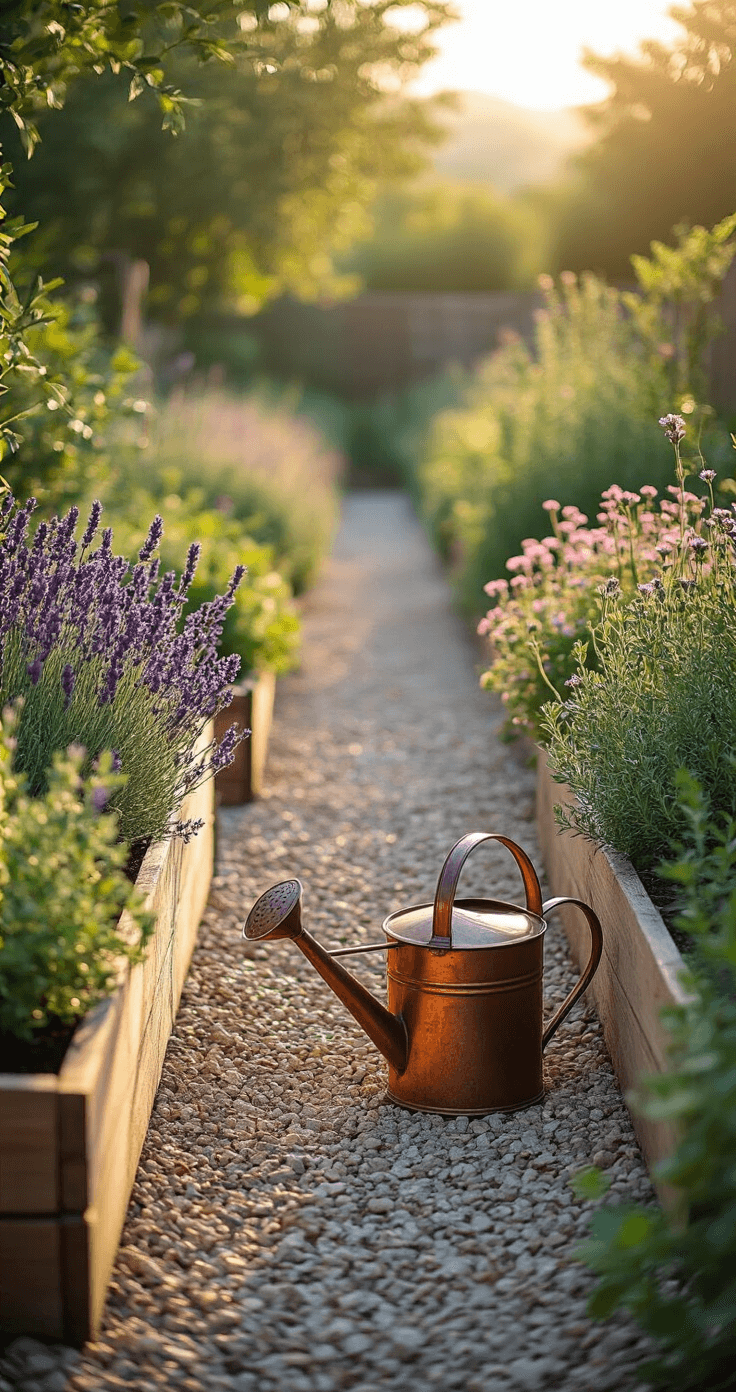
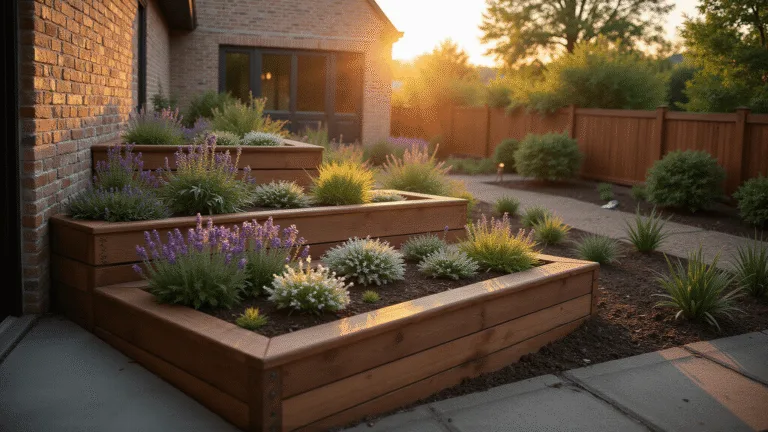
A low-angle view of a rustic Mediterranean herb garden at golden hour, featuring raised wooden planters filled with flowering herbs like purple sage, blue rosemary, and pink thyme, with a vintage copper watering can as the focal point, while morning dew glistens on the aromatic foliage.

🔎 Pro Tip: Cluster lavender in weathered terracotta pots of varying heights near seating areas to release fragrance when brushed against, and underplant with white-flowered thyme for layered sensory impact.
🚫 Avoid This: Avoid planting bougainvillea too close to painted surfaces or delicate structures—its vigorous woody growth and thorns can damage finishes and require aggressive pruning that sacrifices the blooming wood.

This is the room where morning coffee becomes ritual, where dirt under your fingernails feels like accomplishment, and where the boundary between indoors and garden dissolves completely.

Growing Mediterranean Flowers: Pro Tips

Soil Matters

Mediterranean flowers demand:

  • Full sun exposure
  • Well-drained soil
  • Sandy or gravelly terrain
Watering Wisdom

🚰 Watering Pro Tip: Less is more!

  • Occasional summer irrigation
  • Avoid overwatering
  • Let plants develop deep, resilient root systems
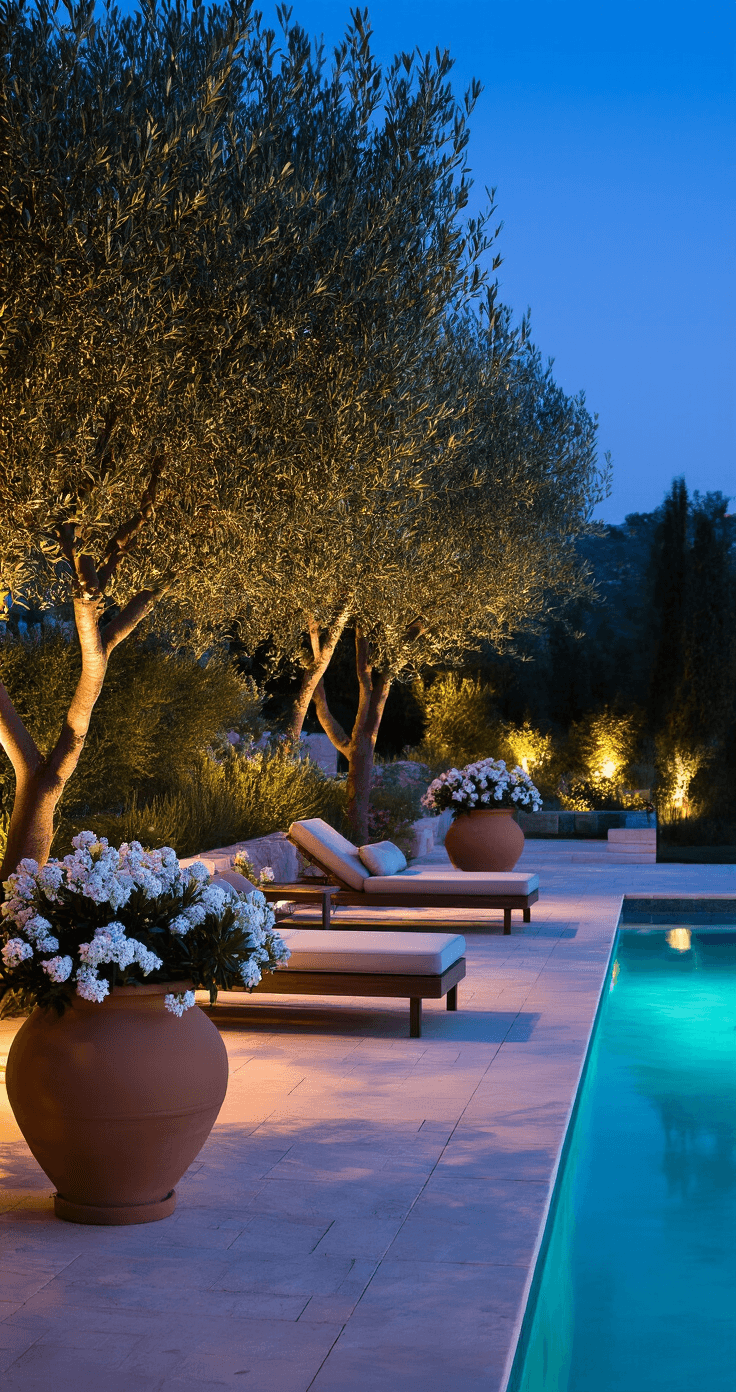
A tranquil Mediterranean garden at twilight featuring a poolside scene with illuminated olive trees, terracotta planters filled with white oleander and purple bougainvillea, modern loungers, and reflections of the deep blue sky on the water, enhanced by soft landscape lighting.

Container Gardening Hack

Use terracotta pots for:

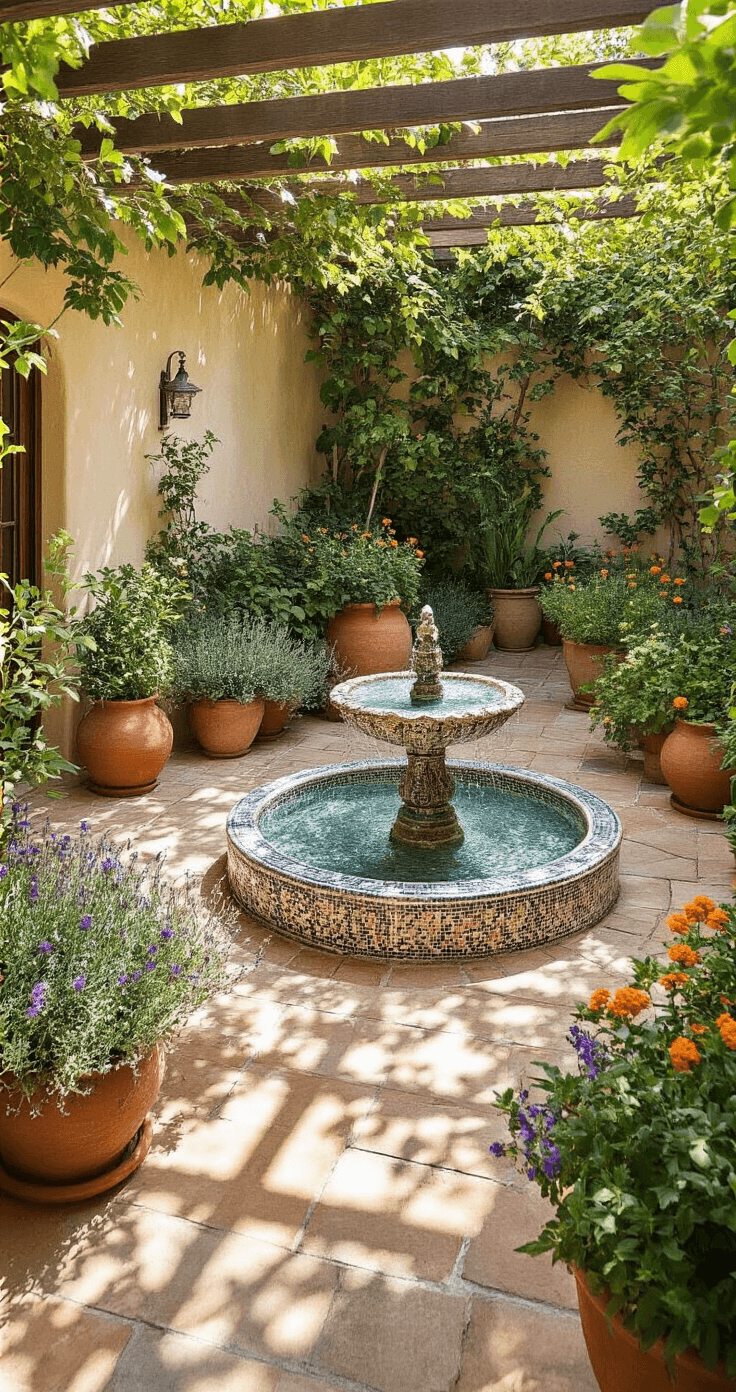
An intimate Mediterranean courtyard garden corner featuring an antique mosaic fountain surrounded by terracotta pots with drought-tolerant plants like silver santolina, purple verbena, and orange lantana. Dappled light filters through a pergola, casting intricate shadow patterns on textured warm cream stucco walls. The scene is shot from above at a 45° angle, showcasing sharp details throughout.

✨ Pro Tip: Group terracotta pots in odd-numbered clusters at varying heights to mimic the layered, effortless look of a Provencal courtyard, and always elevate pots on feet or broken pottery shards to ensure the drainage Mediterranean roots crave.
⛔ Avoid This: Avoid using plastic or glazed ceramic containers that trap moisture against roots and prevent the essential soil drying cycle; skip peat-based potting mixes that retain too much water for drought-adapted species like lavender and rosemary.

There’s something deeply satisfying about nurturing plants that actually prefer your neglect—Mediterranean flowers reward the hands-off gardener with blooms that feel like a sun-drenched vacation captured in your own backyard.

🌊 Get The Look

Essential Mediterranean Flower Characteristics

Survival Superpowers
  • Drought tolerance
  • Heat resistance
  • Minimal water requirements
Color Palette
  • Vibrant pinks
  • Deep purples
  • Sunny yellows
  • Soft blues

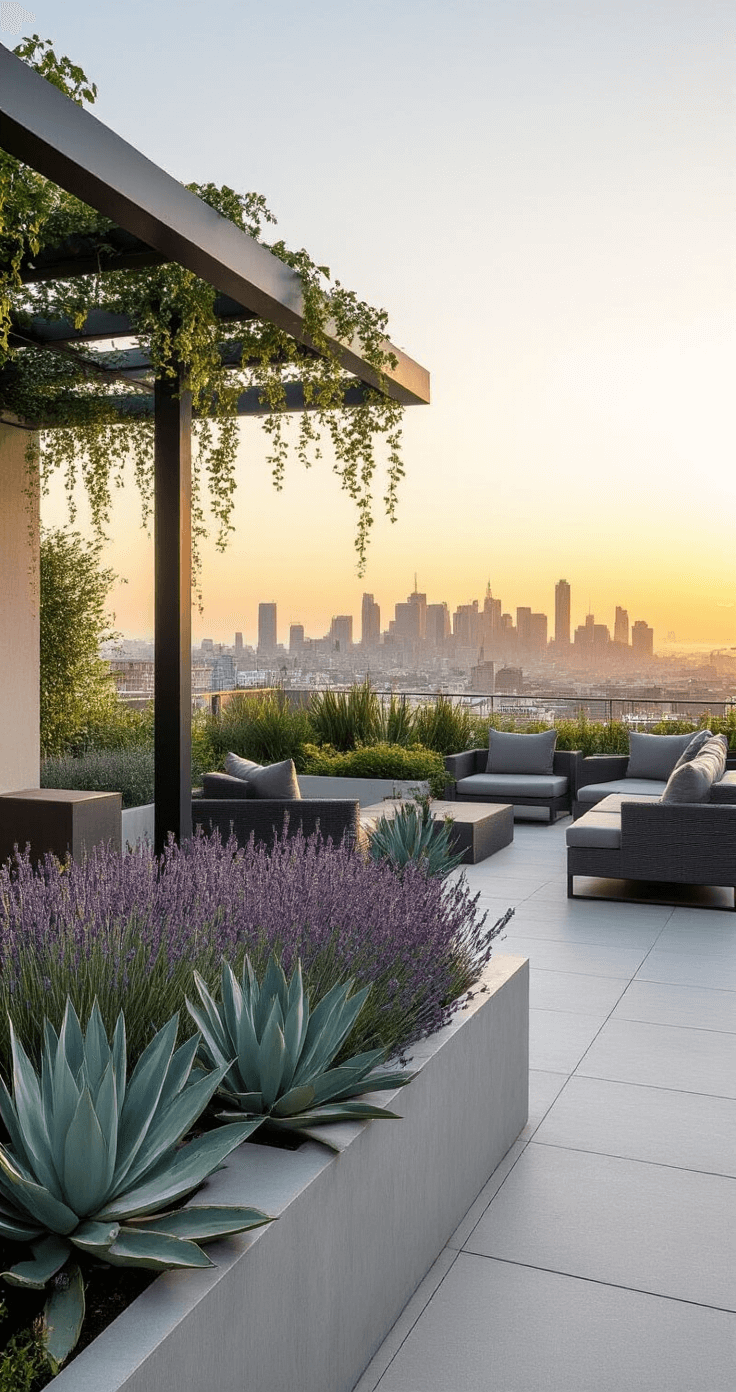
Modern Mediterranean roof garden at sunset, featuring clean-lined concrete planters with agaves and lavender, a steel pergola with climbing jasmine, and sleek charcoal grey furniture against a warm-toned deck, with a softened city skyline in the background.

🔎 Pro Tip: Cluster potted lavender, bougainvillea, and geraniums in terracotta vessels of varying heights near your seating area—group in odd numbers and let them spill slightly over edges for that effortless hillside garden feel.
🔥 Avoid This: Avoid overwatering or placing these drought-loving specimens in heavy, water-retentive potting mixes; Mediterranean flowers thrive on neglect and will rot quickly in soggy soil.

This is the heart of Mediterranean living—creating spaces that feel sun-drenched and slightly wild, where your plants actually want to be there rather than demanding constant rescue.

✓ Get The Look

Where These Beauties Thrive

Perfect for gardens in:

  • Italy
  • Greece
  • Spain
  • Southern France
  • Coastal California
  • South Australia

Bonus: Pollinator Paradise

Mediterranean flowers aren’t just pretty – they’re ecological heroes:

  • Attract bees
  • Support butterflies
  • Create mini ecosystem havens

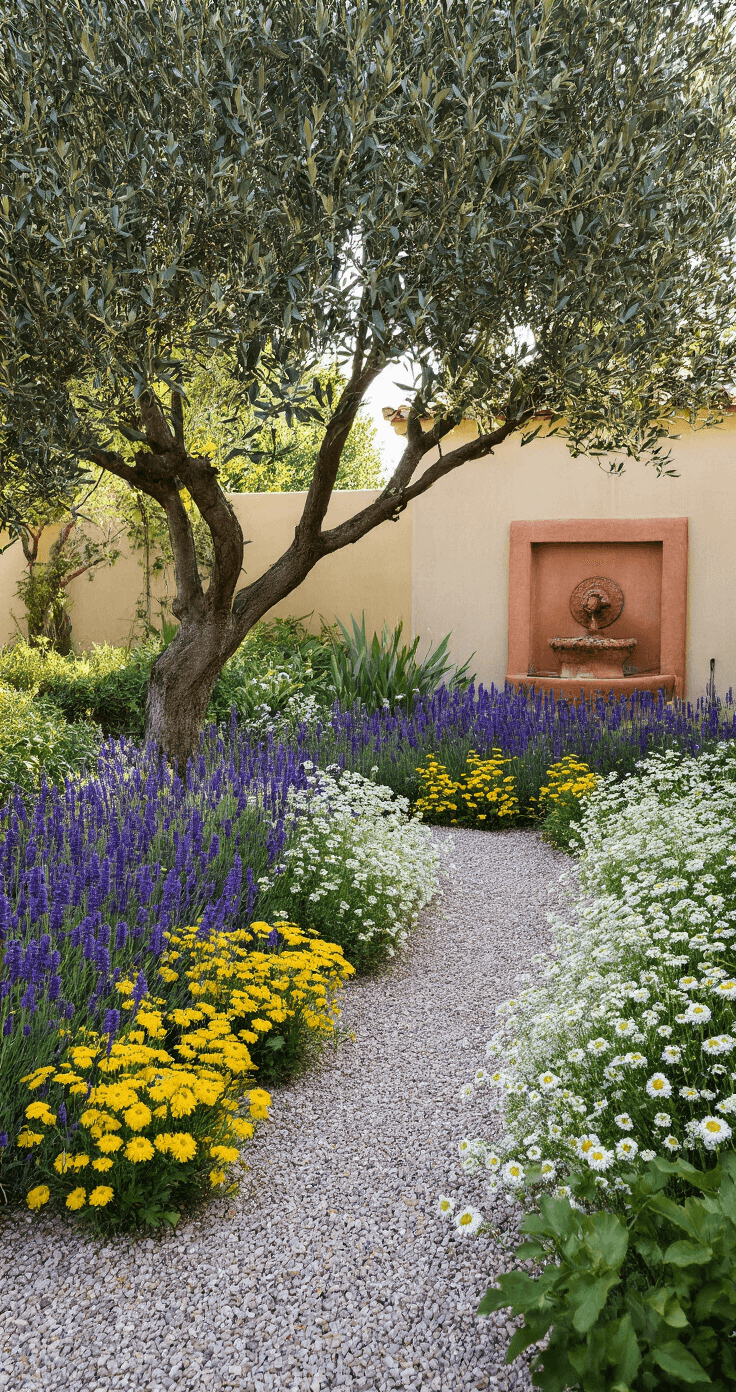
Ground-level view of a drought-tolerant Mediterranean garden featuring a gravel path bordered by purple salvia, yellow yarrow, and white gaura, with an ancient olive tree at the center and a terracotta wall fountain in the background, all illuminated by strong afternoon light.

✨ Pro Tip: Cluster flowers in dense drifts rather than scattered singles—pollinators navigate by mass color blocks, so group lavender, salvia, and nepeta in 3-foot swaths for maximum bee and butterfly traffic.
🔥 Avoid This: Avoid double-flowered varieties like frilly petunias or pompon dahlias, which often lack the nectar and pollen structures that pollinators need to feed and survive.

This is the room where you stop being a spectator and become a steward—there’s something quietly radical about designing beauty that actively feeds the world beyond your window.

My Personal Mediterranean Garden Journey

When I first started my Mediterranean garden, I made every mistake possible. Overwatering, wrong soil – you name it.

But with these plants, I learned: nature knows best. Let them do their thing, and they’ll reward you with breathtaking beauty.

Final Thoughts: Your Mediterranean Garden Awaits

Mediterranean flowers aren’t just plants. They’re resilient, beautiful storytellers of landscape design.

Ready to transform your garden? Start with gardening tools and these incredible flowers.

Your Mediterranean paradise is just a planting away!

Leave a Reply

Your email address will not be published. Required fields are marked *