
This post may contain affiliate links. Please see my disclosure policy for details.
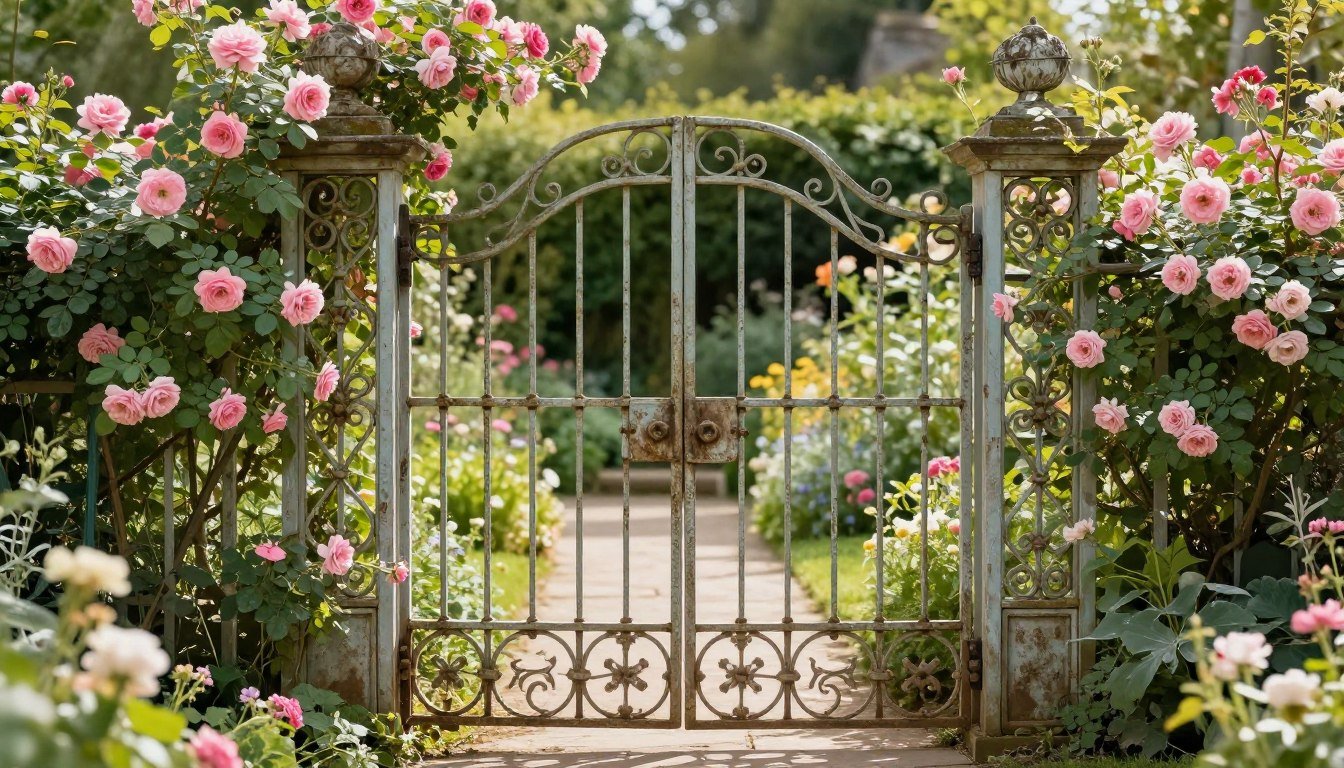
There’s something deeply personal about a yard filled with vintage pieces that tells your story. Unlike cookie-cutter outdoor furniture sets from big-box stores, vintage yard decor brings character you simply can’t manufacture. Each weathered planter, rusted gate, and antique garden tool carries history that makes your outdoor space feel authentically yours.
The magic happens when you layer pieces over time rather than buying everything at once. This collected approach creates depth and interest that designed outdoor spaces rarely achieve. Your garden begins to feel like it’s been loved for generations, even if you just moved in last year.
High-end retailers like Terrain and Anthropologie Home understand this appeal. They’ve built entire collections around the vintage aesthetic. Pottery Barn Outdoor and Ballard Designs offer carefully curated pieces that capture old-world charm. Even Grandin Road has embraced the trend with collections that blend antique inspiration with modern durability.
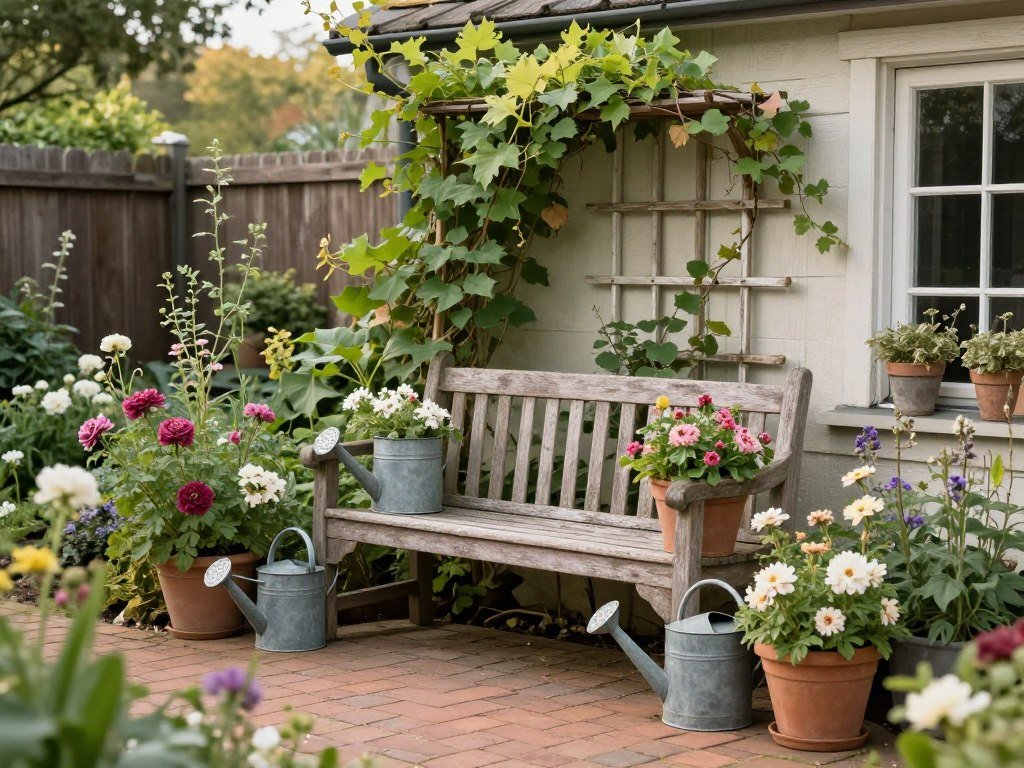
The beauty of vintage garden style lies in its imperfection. That rust patina on an old metal chair isn’t a flaw. Those chips in terra cotta pots aren’t damage. They’re evidence of time passing, weather changing, and life happening. This authenticity resonates in ways pristine showroom pieces never will.
Creating a vintage yard doesn’t require a fortune or years of estate sale hunting. You’ll learn to mix genuine antiques with new pieces that have vintage character. The key is understanding which elements create that timeless, collected feeling that makes outdoor spaces truly special.
What Is Vintage Yard Decor?

Vintage yard decor encompasses pieces that evoke earlier eras, typically from the 1920s through 1980s. These items bring nostalgic charm to gardens through weathered materials, classic designs, and time-worn finishes. The style celebrates imperfection and patina that develop as pieces age gracefully outdoors.
Vintage vs Farmhouse vs Cottagecore Yard Decor
Understanding these distinctions helps you define your outdoor aesthetic more precisely. Vintage garden style focuses on authentic aged pieces or reproductions with historical accuracy. Think wrought iron furniture from the 1950s, old garden tools displayed as art, and genuine architectural salvage.
Farmhouse yard decor leans heavily into rustic agricultural elements. Galvanized metal dominates this style. Wooden crates, vintage farm tools, and utilitarian pieces create the foundation. The palette tends toward whites, grays, and natural wood tones with minimal ornate details.

Cottagecore embraces romantic, almost whimsical garden aesthetics. This style incorporates vintage elements but adds more florals, softer colors, and deliberately overgrown plantings. Cottagecore gardens often feel like secret spaces where time moves slowly and nature takes gentle control.
These styles overlap considerably in outdoor spaces. Many successful vintage gardens borrow farmhouse elements like galvanized containers while incorporating cottagecore’s abundant plantings. The best approach combines elements that resonate with your personal taste.
Why Imperfect Materials Create Charm
Perfection feels sterile in garden settings. When every surface gleams and every line stays crisp, outdoor spaces lose their connection to nature. Vintage decor succeeds precisely because it shows life’s marks.
Rust tells a story on metal pieces. That orange-brown patina develops over seasons of rain and sun. Each rust spot becomes a tiny landscape of color and texture. Modern rust-resistant finishes prevent this beautiful aging process entirely.

Weathered wood develops character through exposure to elements. Grain patterns become more pronounced. Colors fade to soft grays and silvers. Cracks and splits create organic patterns that machine-made distressing never quite replicates.
Terra cotta pots gain white mineral deposits and green moss over time. These natural accents make each pot unique. The porous material breathes with plants, developing its own ecosystem of beneficial bacteria and fungi that support plant health.
This acceptance of imperfection extends beyond materials to overall garden design. Cottage gardens thrive on slightly unruly abundance. English garden design celebrates plants spilling over edges and self-seeding in unexpected places. Collected outdoor spaces feel lived-in rather than staged.
Mixing Antique and Modern Outdoor Pieces
Successfully blending old and new requires intentional balance. Too many antiques creates a museum effect. Too few vintage pieces and your space loses that collected character you’re seeking.
Start with one or two genuine antique focal points. Perhaps an old iron gate becomes garden art. Maybe a weathered wooden bench anchors your seating area. These authentic pieces establish your vintage foundation and set the aesthetic tone for everything else.

Modern pieces with vintage character fill supporting roles. New furniture with distressed finishes blends seamlessly when quality construction mimics older styles. Contemporary planters in classic shapes work beautifully alongside genuine antiques.
Color bridges the gap between eras effectively. A cohesive palette unifies disparate pieces. Stick to weathered neutrals, garden greens, and rust tones that appear naturally in aged materials. This color strategy makes even obviously new pieces feel connected to your vintage scheme.
Scale and proportion matter when mixing periods. Oversized modern furniture can overwhelm delicate vintage accents. Conversely, tiny antique pieces disappear against large contemporary structures. Match visual weight rather than exact dimensions for best results.
Vintage Yard Decor Styles to Inspire Your Backyard

Every vintage style brings unique character to outdoor spaces. Understanding these distinct approaches helps you identify which aesthetic resonates most strongly with your vision. Many successful yards blend elements from multiple styles rather than strictly adhering to one category.
Cottage Garden Vintage Decor
Cottage gardens embrace abundance over formality. Plants overflow their boundaries in these spaces. Flowers spill onto pathways. Climbing roses scramble up anything vertical. This intentional chaos creates the collected feeling vintage enthusiasts love.
Weathered finishes define cottage garden furniture and accents. Paint peels romantically from wooden benches. Metal pieces show rust in artistic patterns. Even new items should look like they’ve weathered many seasons in your garden.

Climbing plants create vertical interest essential to cottage style. Roses remain the classic choice, but clematis, honeysuckle, and jasmine work beautifully too. Iron trellises provide support while adding vintage architectural elements. Old ladder backs and window frames also make charming plant supports.
Color palettes favor soft pastels and rich jewel tones together. Pink roses mingle with purple lavender and blue delphiniums. White flowers provide breathing space between bolder colors. This seemingly random color mixing actually requires careful planning to succeed.
Pathways wind rather than march straight through cottage gardens. Brick, stone, or gravel paths curve around plant beds, creating discovery moments. Edges blur as plants self-seed into walkways, softening hard lines between garden and path.
Rustic Farmhouse Yard Decor
Farmhouse style brings agricultural practicality to garden aesthetics. Galvanized metal features prominently in this look. Old watering cans, wash tubs, and feed troughs find new life as planters. Their weathered zinc finish catches light beautifully while standing up to outdoor conditions.

Wooden crates stack to create vertical displays or provide rustic storage. Apple crates and milk crates work particularly well. Their compartmentalized construction naturally organizes small pots or garden supplies. Weathered wood adds texture without requiring paint or stain.
Antique farm tools transcend their utilitarian origins to become garden art. Old rakes, hoes, and cultivators mount on fence sections or shed walls. Vintage hand tools tell agricultural stories while adding authentic period character. These pieces cost little at farm auctions and flea markets.
The farmhouse color palette stays neutral and earthy. Whites, creams, and soft grays dominate. Natural wood tones and black metal accents provide contrast. This restrained palette lets plants provide color while maintaining the style’s clean aesthetic.
Simplicity guides farmhouse garden design. Straight pathways and rectangular beds create order. Symmetry appears more often than in cottage gardens. This structured approach suits smaller yards where you need maximum growing space with minimum fuss.
French Country Garden Decor
French country gardens exude elegant restraint compared to cottage exuberance. Stone elements anchor this sophisticated style. Aged limestone, weathered concrete, and natural stone create a permanent framework that weathers gracefully through decades.

Stone urns make statement pieces in French-inspired spaces. Large-scale containers command attention at garden entrances or pathway intersections. Classical shapes and substantial proportions distinguish French urns from more casual planters. Even reproduction concrete versions capture this formal elegance.
Aged terracotta brings warmth to the stone-dominated palette. French gardens favor substantial terra cotta pots rather than small containers. Larger pots weather more dramatically and provide stable environments for plants. Group odd numbers of pots in varying sizes for classic French symmetry.
Ornate iron furniture defines seating areas with sophisticated details. Scrollwork, finials, and curved lines appear throughout French country pieces. These decorative elements distinguish French style from simpler farmhouse iron. Look for pieces with delicate proportions and romantic details.
Formal structure underlies French country gardens despite their vintage character. Symmetry guides plant placement and hardscape design. Pathways align with doors and windows. This underlying order prevents the space from feeling cluttered even when filled with vintage accents.
Vintage Boho Outdoor Decor
Bohemian vintage gardens celebrate eclectic mixing with confident abandon. This style thrives on unexpected combinations that somehow work together. Flea market finds pile up in artful arrangements that look spontaneous yet intentional.

Layered textiles bring indoor comfort outside in boho spaces. Outdoor rugs define seating areas. Throw pillows in varied patterns pile on benches and chairs. Even vintage quilts or tapestries hang as garden backdrops when weather permits. This textile layering softens hard garden surfaces.
Mixed planters of every description cluster together in boho gardens. Ceramic pots in bright glazes sit beside rustic terracotta and weathered metal containers. No matching sets appear. Instead, each planter brings its own character to the collected display.
Eclectic flea market styling defines the boho approach. Vintage lanterns hang at varying heights. Old stools become plant stands. Moroccan poufs provide extra seating. Global influences mix freely without concern for cohesive period or place. Personal meaning trumps design rules.
Color bursts forth in bohemian gardens. Unlike restrained French or farmhouse palettes, boho embraces jewel tones, bright accents, and pattern mixing. This colorful confidence requires balance to avoid chaos. Ground busy areas with neutral elements and open space.
Vintage Yard Decor Ideas Using Repurposed Items

Repurposing transforms forgotten objects into garden treasures. This approach saves money while creating truly unique outdoor accents. The best repurposed pieces serve new functions while celebrating their original character. These ideas spark creativity for your own vintage finds.
Old Ladders as Plant Displays
Vintage wooden ladders become instant vertical gardens. Lean them against walls or fences to create height without permanent installation. Each rung holds small pots at different levels. This vertical arrangement maximizes space while adding architectural interest.
Step ladders offer even more display flexibility. Plants perch on steps at multiple heights. The top platform holds larger containers. Lightweight annual flowers work best since you’ll likely move the ladder seasonally. Consider drilling drainage holes if placing plants directly on wood surfaces.

Paint choices depend on your garden style. Leave wood natural for maximum rustic character. Distressed white paint suits cottage gardens. Bold colors create bohemian statements. Whatever finish you choose, ensure it’s exterior-grade to withstand weather exposure.
Secure ladders properly to prevent tipping. Attach them to walls with brackets or stake them into the ground. Plants add weight that can shift balance, especially in wind. Safety matters more than aesthetics when vertical displays could fall.
Vintage Bicycles with Flower Baskets
Old bicycles planted with flowers create whimsical focal points. Position them near garden entrances or along pathways where their charm gets noticed. Even rusty, non-functional bikes work beautifully since they’re purely decorative in this new role.
Front baskets overflow with seasonal flowers for classic appeal. Add a rear basket or panniers for additional planting space. Choose trailing plants like petunias or ivy that spill over basket edges romantically. This cascading effect emphasizes the bicycle’s vintage character.

Stake bicycles securely or they’ll topple in wind. Drive metal stakes beside wheels and attach with wire. Some gardeners cement bikes partially into the ground for permanent placement. Consider your climate’s wind patterns when positioning these lighter decorative elements.
Color coordination unifies bike and flowers. Repaint bicycles in soft pastels for cottage gardens or bold hues for boho spaces. Alternatively, embrace the bike’s existing patina and choose flowers that complement its weathered tones. Rust orange looks stunning with purple and blue flowers.
Antique Windows as Garden Art
Vintage windows with wavy glass and peeling paint become stunning garden backdrops. Mount them on fences or exterior walls to create dimensional art. Their frames add architectural detail while glass panes reflect light and surrounding plants beautifully.
Hang windows vertically or horizontally depending on their proportions and your wall space. Group multiple windows of varying sizes for gallery wall effects. This layered arrangement creates visual interest while maintaining the collected vintage aesthetic.

Add chicken wire or hardware cloth behind open windows for different texture. Train climbing plants to grow through these spaces. Vines weaving through window frames create living art that changes throughout growing seasons. Morning glories and clematis work particularly well for this purpose.
Windows with intact glass require occasional cleaning to maintain their reflective beauty. Remove them seasonally to prevent weather damage if they’re particularly fragile. Some gardeners prefer windows without glass since they require less maintenance while still providing frame architecture.
Watering Cans as Rustic Planters
Vintage watering cans transition naturally from tool to planter. Their built-in drainage through the spout suits plants perfectly. Galvanized metal versions bring farmhouse charm while copper or painted tin add cottage color.
Display watering can planters at varying heights for visual interest. Hang some from shepherd’s hooks or fence posts. Place others on plant stands or steps. Group several together in odd numbers following classic design principles. This clustered arrangement prevents the look from becoming too scattered.

Choose plants that suit each can’s size and drainage. Smaller cans work for herbs or succulents. Larger watering cans accommodate substantial flower displays. Add gravel at the bottom if drainage seems slow. This prevents root rot while maintaining the vintage container’s character.
Mix watering can styles for eclectic charm. Combine galvanized metal with enamelware and copper. Vary the colors, sizes, and patinas. This collected approach looks more interesting than identical cans marching in a row. Each piece brings its own history to your garden story.
Wooden Crates for Outdoor Storage
Vintage wooden crates organize garden supplies while adding rustic texture. Stack them vertically for compact storage or arrange horizontally for easy access. Their open construction allows air circulation that prevents moisture buildup on stored items.
Use crates to corral pots, hand tools, garden gloves, and seed packets. Label each crate with vintage-style tags for easy identification. This practical organization keeps garden essentials accessible while maintaining your vintage aesthetic throughout storage areas.

Position crate storage near potting benches or garden entries where you’ll actually use it. Beautiful storage proves useless if it’s inconveniently located. Combine function with form by making these practical organizers part of your overall garden design rather than hiding them away.
Weather protection extends crate life significantly. Position them under covered areas when possible. Apply exterior wood sealer to preserve weathered finishes without changing their appearance. Some deterioration adds character, but you don’t want them collapsing under stored item weight.
Vintage Chairs Turned Into Planters
Old chairs with damaged seats become charming planters with simple modifications. Remove seat cushions and create planting surfaces with wire mesh or wooden slats. This transformation gives broken furniture new purpose while creating unexpected garden focal points.
Place potted plants directly on solid chair seats without modification. This simpler approach works immediately and allows you to change displays seasonally. Choose pots that complement the chair’s style and color. Trailing plants that drape over seat edges emphasize the furniture’s shape.

Color choices dramatically affect chair planters’ impact. Bright paint creates bohemian focal points. Distressed whites and creams suit cottage and farmhouse gardens. Natural weathered wood emphasizes rustic character. Consider your existing garden palette when deciding whether to repaint or preserve original finishes.
Group chair planters with other repurposed furniture for cohesive vignettes. Add a small table to create conversation area styling even though pieces are purely decorative. This furniture arrangement approach helps repurposed items feel intentional rather than random.
Rustic Wooden Ladder Plant Stand

This weathered wooden ladder brings instant vintage charm while creating vertical garden space. Perfect for displaying multiple potted plants at varied heights. The foldable design allows easy storage during harsh weather. Natural wood finish complements any vintage garden style.
Galvanized Metal Watering Can Planter Set

This set of three galvanized watering cans transitions beautifully from functional tools to charming planters. Each features authentic weathered finish and proper drainage. Varying sizes create visual interest when grouped together. Zinc coating withstands outdoor elements season after season.
Vintage Style Wooden Crate Set

These sturdy wooden crates organize garden supplies while enhancing vintage aesthetics. Stack vertically for space-saving storage or arrange horizontally for easy access. Reinforced construction handles outdoor conditions. Rope handles add authentic period detail while ensuring easy portability.
Best Vintage Garden Decor Materials

Material selection determines how vintage pieces age in your garden. Certain materials develop beautiful patina over time while others deteriorate unattractively. Understanding each material’s characteristics helps you choose pieces that improve with weather exposure rather than fighting against natural aging processes.
Rusted Iron
Wrought iron develops stunning rust patina that enhances rather than diminishes its appeal. That orange-brown oxidation creates visual depth and texture impossible to achieve artificially. Each piece rusts uniquely based on its exposure to rain, humidity, and air circulation. This natural variation makes iron perfect for vintage gardens.
Old metal garden pieces prove remarkably durable despite surface rust. The oxidation actually protects underlying metal once a stable patina forms. This natural protective layer develops over several seasons of outdoor exposure. Modern rust-resistant coatings prevent this beautiful aging process entirely.

Wrought iron furniture, gates, and trellises anchor vintage garden designs with substantial presence. Their decorative details showcase craftsmanship from earlier eras. Look for pieces with scrollwork, finials, and curved lines that distinguish quality vintage iron from basic modern reproductions.
Maintenance remains minimal for iron pieces once patina stabilizes. Brush off loose rust particles occasionally. Apply clear sealer if rust progresses beyond surface oxidation. Most vintage iron requires nothing more than occasional cleaning to remove dirt and debris.
New iron pieces can develop authentic patina through accelerated rusting techniques. Vinegar, salt, and hydrogen peroxide solutions speed oxidation dramatically. This DIY approach creates genuine rust rather than painted finish. The resulting patina looks completely authentic because it is.
Aged Terracotta
Terra cotta pots improve dramatically with age. New terracotta’s uniform orange color lacks character. After seasons outdoors, white mineral deposits bloom on surfaces. Green algae or moss colonizes shady sides. These natural accents transform plain pots into garden treasures.
Porous terracotta breathes with plants, regulating moisture and temperature more effectively than plastic or glazed ceramics. This breathability prevents root rot while allowing beneficial microorganisms to colonize pot surfaces. Plants genuinely thrive in terra cotta despite requiring more frequent watering.

Larger terra cotta pots weather more dramatically than small containers. Substantial urns and jars develop pronounced patinas over years. Their thick walls crack beautifully, creating organic patterns that enhance rather than diminish their appeal. These cracks also improve drainage while adding visual interest.
Accelerate terracotta aging by applying yogurt or buttermilk to encourage moss growth. Paint surfaces with diluted lime wash for instant mineral deposits. Bury pots partially in damp soil for one season. These techniques create authentic aging without waiting years for nature to work.
Mix terra cotta pots of varying ages for collected depth. New pots blend with genuinely old pieces when you group them together. This mixing approach builds your collection gradually while maintaining the aged aesthetic throughout your garden space.
Reclaimed Wood
Weathered wood brings warmth and texture that metal and stone cannot match. Old barn wood, fence boards, and architectural salvage carry stories in their grain patterns and nail holes. Each imperfection adds character that new lumber completely lacks.
Natural weathering produces silver-gray patina on exposed wood surfaces. This color develops over years as sun bleaches out original tones. The silvered appearance looks sophisticated and intentional rather than neglected. Modern gray stains attempt to replicate this natural aging but never quite succeed.

Reclaimed wood works beautifully for raised beds, fences, benches, and plant stands. Its dimensional stability surpasses new lumber since it’s already undergone decades of expansion and contraction. Old-growth wood also features tighter grain patterns that resist rot better than modern lumber.
Source reclaimed wood from demolition salvage yards, architectural salvage stores, and online marketplaces. Barn wood remains particularly popular for its rustic character. Ensure wood hasn’t been treated with harmful chemicals before using it in gardens where you’ll grow edibles.
Preserve reclaimed wood with clear exterior sealer while maintaining its weathered appearance. This protection extends the wood’s life without altering its character. Reapply sealer every few years as weather exposure breaks down the protective coating.
Patina Metals
Copper, bronze, and brass develop stunning patinas that transition from shiny new metal to rich verdigris tones. This green-blue oxidation occurs naturally through exposure to moisture and air. The patina protects underlying metal while creating colors impossible to achieve through paint.
Copper pieces patina quickly in humid climates. That bright penny color shifts to brown, then eventually to distinctive blue-green. Some areas patina faster than others based on water runoff patterns. This uneven coloring creates organic beauty that reflects each piece’s specific environment.

Bronze and brass age more slowly than copper but develop equally beautiful patinas. Their deeper base colors create richer tones as oxidation progresses. Antique brass fixtures, planters, and decorative elements bring sophistication to vintage gardens while aging gracefully outdoors.
Accelerate copper patina using vinegar and salt solutions. This chemical reaction speeds oxidation from years to hours. The resulting verdigris matches naturally aged copper perfectly. Many gardeners prefer this controlled aging process over waiting for nature to work slowly.
Maintain patina metals minimally to preserve their aged beauty. Never polish pieces you want to keep weathered. Clear lacquer seals can preserve specific patina stages if you love a particular color phase. Otherwise, let oxidation continue naturally for ever-evolving color.
Natural Stone
Stone elements provide permanent structure that improves with age. Limestone, sandstone, and granite weather beautifully outdoors. Moss colonizes shady surfaces. Mineral stains create abstract patterns. Edges soften over decades of exposure. This gradual transformation adds character impossible to manufacture.
Antique stone pieces carry historical significance alongside their material beauty. Old millstones, troughs, and architectural elements reference agricultural or building traditions. Each stone tells stories about its original purpose and the people who used it generations ago.

Modern stone can develop aged appearance through strategic placement. Position new pieces where water runs over them regularly. Plant moss on shady surfaces by applying buttermilk or yogurt. Partially bury stone bases to encourage ground-level weathering. These techniques accelerate natural aging processes.
Combine stone with softer materials for textural contrast. Pair rough stone with smooth metals or weathered wood. This juxtaposition emphasizes each material’s unique characteristics. Stone’s permanence also balances ephemeral plant material beautifully throughout garden seasons.
Stone’s weight provides stability for vertical elements like arbors and trellises. Use stone as ballast at furniture bases to prevent wind toppling. This practical benefit accompanies stone’s aesthetic contribution to vintage garden designs.
Vintage Outdoor Furniture That Looks Expensive

Quality vintage furniture elevates outdoor spaces from basic to beautiful. Certain styles carry inherent sophistication that new furniture rarely achieves. These pieces command attention while providing functional seating and surfaces. Investing in key furniture items transforms your entire yard’s aesthetic impact.
Wrought Iron Seating
Wrought iron furniture embodies classic garden elegance. Intricate scrollwork and curved lines distinguish quality pieces from basic metal furniture. These decorative details showcase craftsmanship that modern manufacturing often skips. Even reproductions of vintage wrought iron styles carry more visual interest than contemporary minimalist designs.
Genuine vintage wrought iron proves remarkably durable. Pieces from the 1950s and earlier feature heavier gauge metal and superior construction. Their substantial weight provides stability against wind while their solid metalwork resists bending or breaking. This durability explains why vintage wrought iron commands premium prices.

Comfort requires cushions since metal provides no give. Choose outdoor cushions in colors that complement your garden palette. Neutral tones suit most vintage styles while allowing flexibility if you repaint furniture later. Weather-resistant fabrics withstand sun and moisture while maintaining their appearance.
Repaint wrought iron when rust progresses beyond attractive patina. Wire brush loose rust before applying rust-converting primer and exterior metal paint. Black remains the classic choice, but sage green, cream, or weathered blue suit cottage and farmhouse gardens beautifully.
Brands like Frontgate and Ballard Designs offer new wrought iron furniture with vintage styling. Their collections capture period details while incorporating modern comfort features. These pieces provide vintage aesthetics without the hunting required for genuine antiques.
Distressed Wood Benches
Weathered wooden benches bring rustic warmth to garden seating areas. Natural wood patina creates organic beauty that painted furniture cannot match. Each season outdoors deepens the wood’s character as sun bleaches and rain weathers the surface naturally.
Teak benches age particularly beautifully. Their natural oils resist rot while the wood develops rich silver-gray patina over time. Teak’s durability means vintage pieces remain structurally sound even after decades outdoors. This longevity makes teak benches worthwhile investments despite higher initial costs.

Cedar and redwood also weather gracefully while resisting decay. Their reddish tones fade to soft gray over years. These domestic woods cost less than teak while still providing natural rot resistance. Vintage cedar benches from the mid-century period remain functional today with minimal maintenance.
Reclaimed wood benches showcase salvaged material’s inherent character. Old fence boards, barn siding, or pallet wood create one-of-a-kind seating. DIY builders craft these pieces or commission local craftspeople. Each bench becomes unique, carrying wood’s history into its new furniture form.
Maintain wood benches with annual cleaning and occasional oiling. Teak oil restores wood’s natural color temporarily, though many gardeners prefer letting gray patina develop naturally. Clear sealer protects wood without altering its weathered appearance if you want to preserve current coloring.
Bistro Sets
French bistro sets bring café charm to intimate garden spaces. These compact table and chair groupings fit small patios perfectly while providing functional dining surfaces. Classic designs feature round tables with two or three matching chairs that fold for convenient storage.
Metal bistro sets in wrought iron or steel develop authentic patina outdoors. Their powder-coated finishes eventually weather to reveal metal underneath. This aging process creates the collected vintage look that new pristine furniture lacks. Embrace this natural weathering rather than fighting it.

Mosaic tile tops add color and artistic detail to bistro tables. These decorative surfaces resist weather while contributing Mediterranean or Moroccan influences. Tile patterns range from geometric to floral, allowing you to coordinate with your garden’s color scheme and style preferences.
Position bistro sets to create destination points throughout larger gardens. Tuck them into private corners for reading nooks. Place them along pathways as rest stops. Multiple small seating areas make yards feel larger while encouraging you to experience different garden views.
Pottery Barn Outdoor and Serena & Lily offer bistro sets with vintage-inspired designs. Their collections combine classic styling with modern weather-resistant finishes. These retailers understand the vintage bistro aesthetic while ensuring pieces withstand years of outdoor exposure.
Porch Swings
Vintage porch swings epitomize leisurely outdoor living. Their gentle motion creates relaxation impossible to achieve in stationary seating. Whether hanging from porch ceilings or freestanding frames, swings become cherished gathering spots for conversation and contemplation.
Wooden porch swings in weathered finishes suit farmhouse and cottage gardens beautifully. Look for swings with slatted seats and backs that allow water drainage. Substantial construction ensures safety while vintage styling provides character that modern swings often lack.

Metal porch swings offer different aesthetic options. Wrought iron versions bring formal elegance. Simple steel swings suit more casual spaces. Both metal types develop attractive patina over time while providing sturdy, long-lasting construction.
Cushions and pillows transform swings into comfortable outdoor rooms. Layer multiple pillows in coordinating patterns and colors. Choose outdoor fabrics that resist fading and moisture. These textiles soften metal or wood while adding personality to your swing styling.
Install swings securely using appropriate hardware for your structure. Ceiling joists must support combined weight of swing and occupants. Freestanding swing frames offer flexibility if your porch can’t accommodate hanging installation. These frames allow swing placement anywhere in your yard.
Garden Stools
Ceramic garden stools serve multiple functions in outdoor spaces. They provide extra seating when needed, side table surfaces for drinks, and decorative accents even when not in use. Their compact size makes them easy to move wherever needed throughout your garden.
Chinese garden stools bring distinctive style with their barrel shapes and decorative glazes. Blue and white porcelain versions reference traditional Asian designs. These classic pieces suit formal gardens while adding exotic flair to collected vintage spaces.

Terracotta drum stools offer earthier alternatives to glossy ceramics. Their porous surfaces develop patina outdoors like terra cotta pots. Simpler shapes and natural colors suit casual cottage and farmhouse gardens better than formal Asian-inspired designs.
Layer garden stools in seating areas for flexible entertaining. Store extras near primary furniture and pull them out when guests arrive. Their lightweight construction makes them easy to relocate unlike heavier benches or chairs.
Use garden stools as plant stands to vary display heights. This elevates special containers while creating visual interest through dimensional variation. Rotate which plants get featured on stools seasonally to keep your garden displays fresh.
Vintage Style Wrought Iron Garden Bench

This wrought iron bench combines classic scrollwork details with weather-resistant construction. Seats two comfortably with room for cushions. The weathered finish develops beautiful patina over time. Heavy-gauge metal provides stability and long-lasting durability for generations of garden enjoyment.
Weathered Teak Wood Garden Bench

Solid teak construction ensures this bench weathers beautifully while lasting decades outdoors. Natural oils resist rot and decay. The wood develops stunning silver-gray patina over time. Substantial build quality provides comfortable seating for two with optional cushion additions.
French Bistro Set with Mosaic Table

This authentic French bistro set features hand-laid mosaic tile top and folding metal chairs. Weather-resistant construction withstands outdoor elements. Compact design fits small patios perfectly while providing functional dining surface. Folding chairs store easily during harsh weather or off-season.
Vintage Yard Lighting Ideas

Lighting transforms gardens from daytime spaces into enchanting evening retreats. Vintage-style fixtures add romance and nostalgia while providing practical illumination. The right lighting extends your outdoor living hours while highlighting your garden’s best features after dark.
Lantern Lighting
Vintage lanterns bring portable, flexible lighting anywhere in your garden. Metal lanterns with glass panels create warm, diffused light that feels welcoming rather than harsh. Position them on tables, hang them from shepherd’s hooks, or line pathways for ambient illumination.
Candlelit lanterns produce authentic vintage ambiance with their flickering flames. Real candles require monitoring and don’t withstand wind well. LED candles solve these issues while maintaining the romantic flicker effect. Battery-operated versions eliminate fire concerns entirely while looking remarkably realistic.

Shepherd’s hooks elevate lanterns to eye level where their light disperses more effectively. These metal stakes push into the ground wherever needed. Cluster several lanterns at different heights near seating areas. This layered lighting creates intimate atmosphere perfect for evening entertaining.
Moroccan and Turkish lanterns introduce exotic patterns through their pierced metalwork. When lit, intricate designs project onto surrounding surfaces. These decorative shadows add another dimension to garden lighting while their metalwork provides daytime visual interest too.
Weather lanterns periodically by leaving them exposed to rain and elements. This natural aging process develops authentic patina that new lanterns lack. Embrace tarnishing and rust as character-building rather than damage requiring repair.
Edison String Lights
Edison bulb string lights capture vintage industrial charm while providing substantial illumination. Their exposed filaments glow warmly, creating ambiance impossible with modern LED bulbs. String these lights overhead to define outdoor rooms and extend living space into gardens.
Hang string lights between trees, along fences, or under pergolas for magical overhead lighting. This elevated positioning prevents tripping hazards while spreading light broadly. The crisscross pattern created by multiple strings adds visual interest even during daylight hours.

Heavy-duty outdoor string lights withstand weather better than indoor versions. Look for weatherproof sockets and thick wire insulation. Commercial-grade strings prove worth the investment since they resist moisture damage and last multiple seasons without replacement.
Dimmer switches allow you to adjust lighting intensity for different occasions. Bright settings work for dining and activities. Lower settings create intimate ambiance for conversation. This flexibility makes string lights practical for various entertaining needs.
Support string lights with sturdy posts or wire to prevent sagging. Taut lines look more intentional than drooping cables. Secure mounting points ensure lights survive wind and weather without falling or tangling.
Solar Vintage Path Lights
Solar path lights provide practical illumination without electrical installation. Modern solar technology now comes in vintage-inspired designs that blend with period aesthetics. These lights mark pathways safely while contributing to your garden’s collected vintage character.
Victorian-style solar lights featuring ornate metalwork and glass globes suit formal gardens. Their decorative posts add architectural elements during daytime while their solar panels hide discreetly. Automatic operation means lights turn on at dusk without switches or timers.

Lantern-style solar stakes offer more casual alternatives. These simplified designs suit cottage and farmhouse gardens where elaborate Victorian lighting feels too formal. Their compact size works well in narrow spaces where larger fixtures would overwhelm.
Position solar lights where they receive full sun during daytime. Shade reduces charging efficiency, resulting in dim or short-duration nighttime illumination. South-facing exposures work best in most climates. Trim back overhanging plants that block sunlight from solar panels.
Replace solar batteries every one to two years to maintain brightness. Rechargeable batteries lose capacity over time. This simple maintenance keeps solar lights performing like new despite being maintenance-free otherwise.
Hanging Pendant Lights for Porches
Pendant lights suspended from porch ceilings provide functional task lighting with vintage style. These fixtures illuminate entries, seating areas, and dining spaces while making architectural statements. Period-appropriate designs enhance your home’s exterior aesthetic.
Industrial pendants with metal shades suit farmhouse and modern vintage styles. Their simple shapes and utilitarian origins feel authentic to agricultural buildings. Enamel finishes in black, white, or traditional barn colors coordinate with most exterior palettes.

Glass globe pendants bring elegance to traditional and cottage-style homes. Clear or seeded glass diffuses light softly while showcasing exposed filament bulbs. Brass or bronze hardware adds warmth that complements painted or wooden architecture.
Scale pendant lights appropriately to porch dimensions. Small fixtures disappear on large porches while oversized lights overwhelm compact spaces. Hang fixtures high enough to clear heads but low enough to provide adequate illumination. Standard height ranges from seven to eight feet above floor level.
Multiple pendants create symmetry on long porches. Space them evenly for balanced lighting. Three fixtures work better visually than two or four. Odd numbers create more interesting compositions in design principles.
Brands like Rejuvenation specialize in period-accurate lighting reproductions. Their fixtures capture authentic vintage details while meeting modern electrical codes. Kichler and Visual Comfort also offer vintage-inspired outdoor lighting collections worth exploring.
Vintage Metal Candle Lantern Set

This lantern set includes three sizes for varied display options. Weathered metal frames with clear glass panels create warm ambiance. Handles allow hanging or carrying throughout your garden. Accommodates real candles or battery-operated LED versions for safety and convenience.
Edison Bulb String Lights – 48 Feet

Commercial-grade string lights feature authentic Edison bulbs with exposed filaments. Heavy-duty weatherproof construction withstands year-round outdoor exposure. Forty-eight foot length covers substantial area. Connectable design allows extending length for larger spaces. Warm amber glow creates magical ambiance.
Victorian Solar Path Light Set

These Victorian-inspired solar lights combine ornate styling with modern solar technology. Six lights provide complete pathway illumination. Decorative metal posts feature classic scrollwork details. Automatic dusk-to-dawn operation requires no wiring or switches. Weather-resistant construction ensures long-lasting outdoor performance.
Vintage Garden Planter Ideas

Planters define garden style as powerfully as furniture or architecture. Vintage containers bring instant character while serving the practical function of growing plants. The best planters combine aesthetic appeal with proper drainage and adequate root space. These classic styles never go out of fashion.
Galvanized Tubs
Galvanized metal tubs transition beautifully from utilitarian farm equipment to charming planters. Their zinc coating weathers to matte gray patina that suits any vintage garden style. Large capacity accommodates substantial plantings while built-in durability withstands harsh outdoor conditions.
Drainage requires drilling holes in tub bottoms before planting. Use a metal bit to create several half-inch holes spaced evenly. This modification prevents waterlogging while maintaining the tub’s structural integrity. Place rocks or gravel beneath tubs to ensure water flows away rather than pooling underneath.

Large tubs work wonderfully for small tree or shrub plantings. Dwarf fruit trees, Japanese maples, and decorative evergreens thrive in these spacious containers. Their substantial volume provides adequate soil for root systems while the containers remain movable unlike in-ground plantings.
Layer smaller galvanized containers inside larger tubs for dimensional interest. This nesting approach creates height variation while allowing you to change displays seasonally. Simply lift out the inner pot to swap plants without disturbing the larger container’s positioning.
Source vintage galvanized tubs at flea markets, antique stores, and farm auctions. Genuinely old pieces show honest wear that new reproductions lack. However, new galvanized tubs develop authentic patina quickly when left outdoors, making them acceptable substitutes.
Antique Urns
Stone or concrete urns bring classical elegance to garden plantings. Their substantial presence creates focal points that command attention. Traditional shapes reference Greek and Roman antiquity, connecting your garden to timeless design traditions that span millennia.
Genuine antique urns prove expensive and increasingly rare. Fortunately, quality reproductions capture period details beautifully at fraction of antique prices. Cast stone and concrete versions weather naturally, developing moss and mineral deposits that mimic authentic aging.

Position urns symmetrically to emphasize formal garden design. Flank entrances, frame views, or mark pathway intersections with matched pairs. This classical placement creates structure that grounds more casual plantings and vintage accents throughout your garden.
Plant urns with single-specimen plantings for maximum impact. Structured topiaries, specimen grasses, or dramatic flowers suit urns’ formal character. Avoid overcrowded mixed plantings that diminish the container’s sculptural presence.
Elevate urns on pedestals for added grandeur. This height increase improves drainage while creating stronger visual statements. Pedestals also protect urn bases from constant ground moisture that accelerates deterioration in porous stone materials.
Whiskey Barrels
Half whiskey barrels provide substantial planting volume in authentic rustic containers. Their charred oak interiors reference actual spirit aging, though most garden barrels come from decorative rather than functional sources. The distinctive curved staves and metal banding create instant farmhouse or cottage appeal.
Drainage matters critically in barrel planters due to their depth. Most come pre-drilled with drainage holes. If yours lacks them, drill several one-inch holes across the bottom. Add several inches of gravel beneath soil to ensure water exits freely.

Create dramatic mixed container plantings in barrels’ generous space. Follow thriller, filler, spiller formula with tall central plant, mounding middle layer, and trailing edges. This planting approach maximizes visual impact while the barrel’s size accommodates diverse root systems.
Vegetable gardens thrive in whiskey barrels. Their depth suits tomatoes, peppers, and root vegetables. Drainage and soil volume support productive crops. Position barrels in sunny locations and amend soil with compost for best edible yields.
Preserve barrel wood with annual applications of exterior wood sealer. This protection extends barrel life significantly since constant soil moisture accelerates rot. Some deterioration adds character, but you don’t want structural failure under heavy soil weight.
Terracotta Collections
Grouping terra cotta pots in varying sizes creates collected displays more interesting than individual specimens. Mass pots together rather than spacing them evenly. This clustered approach mimics how vintage gardens naturally accumulate containers over time.
Mix pot ages for authentic collected character. Combine genuinely old pots showing extensive patina with newer terracotta just beginning to weather. This age variety creates depth while you gradually build your collection with found vintage pieces.

Vary pot shapes alongside sizes for additional interest. Standard flowerpots mix with low bowls and tall cylinders. This dimensional variety creates dynamic displays where identical pots would appear static and monotonous.
Stack empty pots artistically when you have more containers than current plantings need. These stacked arrangements provide sculptural interest while keeping pots accessible for future use. Largest pots form stable bases while smaller pots stack on top.
Terra cotta suits Mediterranean plants particularly well. Herbs, lavender, and succulents thrive in these porous containers. The breathable clay regulates moisture naturally, preventing the overwatering that kills many of these drought-adapted plants.
Enamelware Planters
Vintage enamelware brings cheerful color and nostalgic charm to gardens. These metal containers with porcelain coating came in every imaginable kitchen and farm use. Pots, bowls, colanders, and pitchers all transition beautifully into planter roles.
Chips and enamel loss add character rather than diminishing value in garden contexts. That worn appearance proves these pieces served real purposes before their planter conversion. The exposed metal underneath rusts attractively, creating organic color variations.

White enamelware suits any vintage style while colors add personality. Red enamelware pops against green foliage. Blue creates cottage charm. Mix colors within collections or stick to monochromatic displays depending on your garden’s overall palette.
Drill drainage holes carefully in enamelware to avoid cracking the porcelain coating. Use metal bits at slow speeds with minimal pressure. Start holes from inside to reduce visible chipping on exterior surfaces. Several small holes work better than one large opening.
Source enamelware at antique stores, flea markets, and online vintage marketplaces. Damaged pieces sell cheaply since collectors want perfect examples. Garden use makes those chips irrelevant while the reduced cost allows building substantial collections affordably.
Retailers like Terrain and Anthropologie Home offer new enamelware with vintage styling. Gardener’s Supply Company stocks reproduction pieces at garden-center prices. These sources provide instant collections without hunting individual vintage pieces.
Large Galvanized Metal Tub Planter

This substantial galvanized tub provides ample space for large plantings. Reinforced construction supports heavy soil loads. Pre-drilled drainage holes prevent waterlogging. Weathered zinc finish develops authentic patina over time. Accommodates small trees, shrubs, or abundant flower displays in farmhouse style.
Save this article
Enter your email and we'll send it straight to your inbox.
Classical Stone Urn Planter Set

These classical urns bring timeless elegance to garden entrances and focal points. Cast stone construction weathers naturally over time. Traditional proportions reference classical antiquity. Substantial size creates strong visual statements. Pedestal bases improve drainage while adding height. Sold as matched pair for symmetrical placement.
Oak Whiskey Barrel Planter

Authentic oak barrel construction brings rustic charm and substantial planting capacity. Charred interior references genuine spirit aging. Metal banding provides structural support. Pre-drilled drainage holes ensure proper water flow. Deep capacity accommodates vegetables, flowers, or small shrubs in vintage farmhouse style.
DIY Vintage Yard Decor Projects

Creating vintage character yourself offers satisfaction and savings over buying finished pieces. These DIY projects transform new or thrifted items into garden treasures that look authentically aged. Basic techniques produce professional results when you understand the processes behind natural weathering.
DIY Faux-Aged Pots
Transform plain terra cotta pots into aged specimens using simple accelerated weathering techniques. This process mimics years of outdoor exposure in mere hours. The resulting pots blend seamlessly with genuinely vintage containers while costing fraction of antique prices.
Start with quality terra cotta pots that have natural clay color without applied finishes. Soak pots in water until fully saturated. This preparation opens clay pores for better technique absorption. Wet pots also prevent patchy results when applying aging solutions.

Apply plain yogurt or buttermilk to pot exteriors using paintbrush or sponge. These dairy products encourage moss and algae growth that creates green patina. Focus application on areas that would naturally retain moisture like bottom edges and north-facing sides. Place pots in shady spots and keep moist for several weeks.
Create instant mineral deposits using lime wash solution. Mix hydrated lime powder with water to thin paint consistency. Brush this mixture randomly across pot surfaces, letting it pool naturally in crevices. The white deposits dry to convincing calcification that mimics years of hard water exposure.
Combine techniques for complex aging effects. Apply yogurt first, allow moss to develop, then add lime deposits selectively. Layer these processes like nature would over multiple seasons. Patience produces most convincing results, though basic aging happens within weeks.
Distressing Outdoor Furniture
New wooden furniture gains vintage character through intentional distressing. This technique involves removing paint strategically, rounding edges, and adding wear marks that mimic decades of use. Done thoughtfully, distressed furniture looks authentically aged rather than artificially damaged.
Begin with quality furniture worth the time investment. Solid wood pieces accept distressing better than composite materials. Clean surfaces thoroughly to remove finishes that would prevent paint adhesion. Sand lightly to create tooth for paint while avoiding overly smooth surfaces.

Apply base coat in color you want showing through top layers. Dark browns or grays work well beneath light paint. Let this base dry completely before proceeding. This foundation creates depth when top coat gets distressed to reveal layers underneath.
Paint top coat in your chosen vintage color. Chalk paint provides matte finish perfect for aged appearance. Apply paint somewhat roughly rather than perfectly smooth. Slight texture and brush marks add handmade character that machine finishes lack.
Distress selectively after paint dries completely. Sand edges, corners, and raised details where natural wear would occur. Use medium grit sandpaper with light pressure. Remove paint gradually until satisfied with worn appearance. Over-distressing looks artificial, so err on the subtle side initially.
Add authentic wear marks using simple tools. Lightly hammer edges to create dents and dings. Drag chains across surfaces for scratch patterns. These damages should tell stories of furniture’s imagined use rather than appearing random. Focus wear patterns where hands, feet, or objects would naturally contact furniture.
Creating Rust Patina Effects
Accelerate rust development on metal garden pieces using chemical reactions. This technique produces genuine rust rather than painted finish. The authentic oxidation looks completely natural because it is, just speeded dramatically from natural timeline.
Clean metal surfaces thoroughly before rusting. Remove existing paint, rust, or finishes that would prevent oxidation. Wire brushing followed by acetone wipe-down ensures metal accepts rusting solutions effectively. Work with bare metal for best results.

Mix rusting solution combining equal parts white vinegar and hydrogen peroxide. Add several tablespoons of salt to accelerate reaction. This mixture creates aggressive oxidation environment. Apply solution liberally with spray bottle, letting excess drip naturally for organic rust patterns.
Rust develops within minutes but deepens over hours. Reapply solution several times during first day for darker patina. Different metals rust at varying rates. Steel rusts quickly while iron proceeds more slowly. Temperature and humidity also affect oxidation speed.
Seal rust once you achieve desired appearance. Clear matte sealer stops oxidation process while protecting rust from rubbing off. This step remains optional for pieces where continued rusting won’t cause structural problems. Some gardeners prefer letting rust evolve naturally over time.
DIY Vintage Garden Signs
Create custom garden signs using reclaimed wood and simple lettering techniques. These personalized pieces add charm while serving practical labeling functions. Hand-painted signs carry more character than printed versions while allowing complete customization to your garden’s needs.
Source weathered boards from pallets, old fences, or construction salvage. Pre-aged wood saves time since you’re starting with authentic patina. Cut boards to desired dimensions using basic woodworking tools. Irregular edges and imperfect cuts enhance handmade character.

Plan your message and lettering style before painting. Sketch designs lightly in pencil first. Simple lettering proves easier to execute than complex fonts. Block letters, script, or stenciled text all work beautifully in vintage contexts. Consider message visibility from typical viewing distances.
Paint letters using artist brushes and exterior acrylic paint. White paint shows clearly against weathered wood. Black creates bold contrast. Muted colors like sage green or dusty blue suit cottage gardens. Allow paint to dry fully between coats if opacity requires multiple layers.
Distress painted lettering lightly with fine sandpaper after drying. This removes some paint for aged appearance. Focus wear on letter edges and raised wood grain. Subtle distressing looks more authentic than heavy-handed aging that appears forced.
Repurposed Fence & Gate Projects
Old fence sections and gates become stunning garden focal points with creative repurposing. Their weathered wood and architectural details provide instant character. These substantial pieces make statements impossible with smaller decorative accents.
Mount vintage gates on garden walls as dimensional art. Attach securely since gates prove heavy despite their age. Weathered paint and ironwork hardware create visual interest without requiring additional decoration. Consider flanking gates with climbing plants for living frame effects.

Create vertical gardens using fence sections as plant supports. Lean tall panels against walls or stake them securely. Attach small pots, hang planters from pickets, or train vines to climb through openings. This vertical approach maximizes growing space while the fence provides rustic structure.
Build raised garden beds using fence pickets as sides. Their varying heights create organic shapes more interesting than standard rectangular beds. Pre-weathered wood eliminates finishing work while deterioration over years becomes part of the garden’s evolution.
Construct garden arbors or trellises from connected fence sections. These DIY structures support climbing plants while dividing garden spaces. Their rustic character surpasses new wood while construction costs minimal compared to purchasing finished arbors.
Salvage architectural elements from old gates for smaller projects. Hardware, hinges, and decorative metalwork become wall-mounted accents. Carved posts transform into plant stands. Individual pickets make charming garden markers when cut to size and labeled.
Vintage Yard Decor for Small Spaces

Limited space doesn’t limit vintage charm. Small yards, patios, and courtyards benefit enormously from vintage character that makes compact areas feel intentionally cozy rather than cramped. Strategic piece selection and vertical thinking maximize impact within constrained square footage.
Tiny Patios
Small patios require furniture and decor scaled appropriately to available space. Bistro sets fit perfectly where full dining tables would overwhelm. Their compact footprints provide functional seating while leaving room for plants and movement. Choose folding chairs that store flat when extra space becomes necessary.
Vertical elements draw eyes upward, making small patios feel larger. Train climbing vines on walls or fences to create living backgrounds. Hang planters at varying heights to add dimension without consuming floor space. String lights overhead transform ceilings into design features while providing ambient illumination.

Corner arrangements maximize seating while preserving central space. Position benches or chairs along two perpendicular walls. This L-shaped furniture placement creates conversation areas while keeping pathways clear. Add small side tables for functionality without blocking traffic flow.
Limit decorative accents to avoid cluttering small spaces. Choose one or two statement pieces rather than many small items. A substantial vintage planter makes stronger impact than numerous tiny containers. This restraint maintains vintage character without overwhelming limited square footage.
Cohesive color palettes unify small spaces visually. Stick to three main colors throughout furniture, containers, and accessories. This repetition creates flow that makes spaces feel larger and more intentional. Neutral foundations with accent colors work particularly well in compact areas.
Apartment Courtyards
Shared courtyards benefit from portable vintage decor that respects communal space. Container gardens allow personalizing your corner without permanent installations. Choose substantial pots that won’t blow over but remain movable if courtyard use requires flexibility.
Create privacy screens using vintage trellises or repurposed windows. These freestanding dividers define your space within larger courtyards. Train fast-growing annual vines for seasonal privacy that changes throughout growing months. Clematis, morning glories, and sweet peas all work beautifully.

Ground-level plantings in shared spaces require low maintenance since daily tending proves impractical. Choose drought-tolerant plants in self-watering containers. Perennials return annually without replanting effort. These practical considerations ensure your vintage garden remains beautiful without requiring excessive upkeep.
Lighting transforms courtyards into usable evening spaces. Battery-operated vintage lanterns require no outlets while providing ambient light. Solar path lights mark walkways safely. String lights overhead if courtyard structure allows hanging. Always check building rules before installing permanent fixtures.
Small Cottage Gardens
Cottage garden abundance suits small spaces beautifully. Dense planting makes tiny gardens feel lush rather than sparse. Layer plants vertically using climbers, shrubs, perennials, and groundcovers. This dimensional approach packs maximum variety into minimal square footage.
Curved pathways make small gardens feel larger by hiding their boundaries. Winding routes create journey through space rather than immediate reveal of entire area. Even small curves introduce mystery and discovery that straight paths lack completely.

Focal points draw attention and provide visual anchors. A vintage gate, large urn, or small fountain becomes the garden’s centerpiece. Position this feature where it’s visible from multiple angles. Surrounding plants frame the focal point rather than competing for attention.
Edit ruthlessly to prevent overcrowding as gardens mature. Remove plants that outgrow their space or self-seed too aggressively. This curation maintains the collected vintage aesthetic without descending into cluttered chaos. Small spaces require more discipline than larger gardens where plants spread naturally.
Vertical Vintage Decor Ideas
Walls become prime real estate in small gardens. Mount vintage windows, old tools, or architectural salvage to create gallery walls. These vertical displays add character without consuming precious floor space. Vary sizes and shapes for collected appearance rather than rigid grid arrangements.
Living walls maximize planting in minimal footprint. Wall-mounted planters, pocket gardens, and vertical pallets accommodate numerous plants vertically. Choose vintage containers like enamelware or small terra cotta for wall displays. Trailing plants soften hard edges while vertical growers add height.

Ladder plant displays provide vertical growing without permanent installation. Lean vintage ladders against walls and arrange pots on rungs. This flexible approach allows rearranging seasonally while accommodating multiple plants at varied heights. Remove ladders entirely when you need space for other activities.
Hanging elements utilize overhead space often ignored in garden design. Suspend vintage lanterns, planters, or decorative pieces from pergola beams, porch ceilings, or shepherd’s hooks. These floating accents add visual interest at eye level and above without requiring any ground space.
Narrow shelving along walls provides display space for small vintage accents. Mount simple wooden boards or repurposed materials as shelves. Arrange small pots, vintage garden tools, or decorative pieces. This curated display approach keeps collections organized while maximizing vertical potential.

Smart Furniture Choices for Compact Areas
Folding and stackable furniture adapts to changing space needs. Fold chairs flat against walls when not in use. Stack garden stools to conserve floor space. This flexibility proves essential in truly tiny areas where every square foot counts daily.
Dual-purpose pieces maximize functionality in small spaces. Benches with storage compartments hide garden supplies. Tables with lower shelves display plants while providing surface area. These multipurpose solutions eliminate need for separate storage furniture.
Transparent materials like glass or wire create visual lightness. Metal bistro sets with open scrollwork appear less bulky than solid wood furniture. Glass-topped tables seem to disappear compared to solid surfaces. This visual trick makes furniture feel less dominating in compact spaces.
How to Make Vintage Yard Decor Look Intentional (Not Junky)

The line between charming vintage collection and cluttered junkyard proves surprisingly narrow. Thoughtful curation separates successful vintage gardens from chaotic disasters. Understanding design principles helps you arrange vintage pieces intentionally rather than simply accumulating random items. These strategies ensure your vintage garden feels collected rather than neglected.
Editing Clutter
More isn’t always better in vintage garden design. Each piece should serve purpose or bring meaningful beauty. Items that lack either quality invite re-evaluation. Honest assessment prevents gardens from becoming outdoor storage for everything old you encounter.
Remove items that don’t work after trying them in your space. Not every vintage find suits every garden. That piece you loved at the flea market might not fit your aesthetic once home. Give these misfits away rather than forcing them into spaces where they don’t belong.

Seasonal rotation keeps displays fresh without permanent commitment. Store some vintage pieces during off-seasons and rotate different items into view. This approach lets you enjoy larger collections while preventing visual overload. Your garden evolves throughout the year rather than remaining static.
Apply the “one in, one out” rule when acquiring new vintage pieces. This discipline prevents unchecked accumulation. Before adding anything new, decide what leaves your collection. This mindful approach maintains manageable quantities while allowing collection evolution over time.
Create designated display areas rather than scattering items everywhere. Concentrate vintage accents in specific garden zones. Other areas remain simpler, providing visual rest. This intentional concentration makes collections feel curated rather than randomly distributed throughout your entire yard.
Repeating Materials and Colors
Repetition creates cohesion that unifies diverse vintage pieces. Repeating specific materials throughout your garden provides visual continuity. If you feature galvanized metal in one area, echo it elsewhere. This material consistency connects disparate spaces while maintaining collected character.
Color repetition works even more powerfully than material echoes. Choose three to five colors and repeat them throughout furniture, containers, and accessories. This palette discipline prevents the chaotic appearance that results from too many competing colors. Vintage pieces in your chosen colors feel intentional regardless of their varying styles.

Texture repetition adds another layer of connection. Weathered wood surfaces echo each other visually even when colors differ. Rusted metal pieces relate through shared patina regardless of their original forms. This textural continuity helps vintage collections feel thoughtfully assembled rather than randomly gathered.
Create rhythm through repeated elements at regular intervals. Place similar planters along pathways. Install matching lanterns flanking entrances. This rhythmic repetition guides eyes through space while providing comfortable predictability that prevents gardens from feeling chaotic.
Balance repetition with variety to avoid monotony. Repeat elements enough for cohesion but vary them enough for interest. Three similar but not identical terracotta urns work better than three exact matches or three completely different styles. This balanced approach creates harmony without boring uniformity.
Mixing Old with Clean Modern Lines
Vintage pieces shine brightest against simplified backgrounds. Pair ornate iron furniture with plain painted walls. Position weathered containers on clean concrete or simple stone. This contrast emphasizes vintage character by providing visual rest between detailed elements.
Modern materials ground vintage pieces in contemporary context. Sleek concrete planters beside rusted watering cans create intentional juxtaposition. New teak furniture mixed with antique accents bridges time periods. This mixing prevents gardens from feeling like historical recreations rather than current outdoor living spaces.

Architectural simplicity allows vintage garden decor to star. Modern homes with clean lines provide perfect backdrops for collected outdoor spaces. The building’s restraint highlights garden’s abundance. Contemporary architecture and vintage gardens complement rather than compete when you understand this relationship.
Edit decorative details in vintage-heavy spaces. If furniture features ornate scrollwork, choose simpler planters. When containers carry complex patterns, select understated seating. This push-pull between detailed and simple prevents visual overload while maintaining vintage character throughout.
Negative space between vintage groupings proves as important as the pieces themselves. Allow breathing room around collections. This emptiness lets eyes rest while emphasizing the vintage items you’ve carefully selected. Overcrowding diminishes each piece’s impact regardless of individual quality.
Creating Focal Points
Every garden area needs a visual anchor that draws attention and provides organizational structure. Focal points give eyes somewhere to rest while helping other elements feel intentionally arranged around them. Without focal points, gardens read as random collections regardless of piece quality.
Choose substantial pieces for primary focal points. Large urns, vintage gates, or water features command attention through scale alone. Position these significant elements where they’re visible from multiple viewing angles. Garden entrances, pathway intersections, and seating area backgrounds make ideal focal point locations.

Layer supporting elements around focal points to create depth. Smaller vintage pieces surround primary anchors without competing for attention. This hierarchical arrangement guides viewer attention intentionally. Background, middle ground, and foreground elements all relate to the central focal point.
Limit focal points to prevent competition. One strong focal point per garden view works better than multiple features fighting for attention. If your yard has distinct areas, each can have its own focal point. But within any single view, one element should dominate clearly.
Use pathways, sightlines, and plant arrangements to emphasize focal points. Direct walkways toward important features. Frame focal points with plantings that guide eyes toward them. Clear surrounding space so focal points stand out rather than blending into visual clutter.
Change focal points seasonally to keep gardens feeling fresh. Winter might emphasize an evergreen tree in a substantial pot. Summer could showcase a fountain surrounded by blooming perennials. This rotation maintains interest while allowing you to enjoy larger vintage collections throughout the year.
Seasonal Vintage Yard Decor Ideas

Seasonal changes keep vintage gardens feeling fresh throughout the year. Adapting decor and plantings to each season prevents gardens from becoming static displays. These transitions celebrate natural cycles while showcasing vintage pieces in different contexts. Your garden tells an evolving story rather than remaining frozen in single aesthetic.
Spring Cottage Gardens
Spring brings explosion of flowers that epitomize cottage garden style. Bulbs emerge first, filling vintage containers with early color. Tulips, daffodils, and hyacinths announce season’s arrival. Their bright flowers pop against weathered planters and aged garden structures.
Pastel colors dominate spring vintage gardens. Soft pinks, blues, yellows, and purples create romantic atmosphere. These gentle hues suit spring’s tender growth perfectly. Paint furniture in coordinating pastels or let weathered finishes provide neutral backdrop for colorful blooms.

Climbing roses begin their show in late spring. Train them on vintage trellises, gates, or arbors. Their romantic blooms justify the patience required during dormant winter months. English garden design traditionally features roses extensively, making them essential for authentic cottage gardens.
Refresh plantings as spring progresses. Cool-season pansies give way to petunias and geraniums as temperatures rise. This transition maintains continuous color while adapting to changing weather. Vintage containers accommodate these changes easily through simple replanting.
Spring cleaning includes vintage piece maintenance. Wash away winter grime from furniture and containers. Touch up paint where needed. Oil wood furniture that dried out over winter. These seasonal chores keep vintage elements beautiful through years of outdoor exposure.
Summer Porch Styling
Summer shifts garden living to porches where shade provides relief from heat. Vintage furniture creates inviting seating areas for long summer evenings. Comfortable cushions in weather-resistant fabrics make metal or wood furniture suitable for extended lounging.
Hanging baskets overflow with trailing flowers throughout summer. Suspend them from porch ceilings using vintage hooks or chains. Petunias, fuchsias, and trailing ivy create living curtains. Their cascading growth softens architectural lines while providing color at eye level.

Create beverage stations using vintage carts or tables. Stock them with glasses, pitchers, and summer refreshments. This casual entertaining setup encourages outdoor living. Galvanized tubs filled with ice chill drinks while adding farmhouse charm.
String lights extend porch usability into summer evenings. Edison bulbs or vintage-style lanterns provide ambient lighting after sunset. This illumination creates magical atmosphere for outdoor dining and conversation. Timer switches automate lighting so you needn’t remember daily adjustments.
Ceiling fans in vintage styles increase comfort on hot days. Their air circulation makes porches usable when gardens become too sunny. Many reproduction ceiling fans capture period aesthetics while incorporating modern efficiency and reliability.
Fall Vintage Harvest Decor
Autumn brings harvest celebrations that suit vintage garden aesthetics perfectly. Pumpkins and gourds pile in weathered wheelbarrows or vintage crates. Their warm orange tones complement rust patinas and fading foliage. This seasonal abundance references agricultural traditions that vintage styles often honor.
Mums provide essential fall color in vintage containers. Their rich yellows, oranges, burgundies, and purples extend garden interest as summer annuals fade. Terra cotta pots filled with mums line pathways or cluster on porches. Their rounded forms echo pumpkins while their extended bloom period justifies investment.

Corn stalks and straw bales add vertical interest and textural variety. Bundle corn stalks beside doorways or against porch posts. Stack hay bales to create rustic seating or display surfaces. These agricultural elements reinforce vintage gardens’ connection to farming heritage.
Asters and ornamental grasses provide late-season beauty. These perennials peak in fall when many plants decline. Their soft textures complement harder pumpkin and gourd shapes. Plant them permanently so they return annually without replanting effort.
Fall cleanup includes cutting back perennials and protecting tender vintage pieces. Store delicate items before harsh weather arrives. Cover outdoor furniture or move it to protected areas. This seasonal maintenance preserves vintage investments through potentially damaging winter conditions.
Winter Lantern and Evergreen Displays
Winter gardens rely on structure and lighting since most plants sleep. Vintage lanterns become essential features during long dark evenings. Candles or LED lights inside lanterns create warm glows against cold landscapes. Position them where they’re visible from indoors so you enjoy them from heated comfort.
Evergreens provide winter color when deciduous plants stand bare. Place potted evergreens in substantial vintage containers. Boxwood, holly, and small conifers maintain green presence through coldest months. Their living structure prevents gardens from looking completely dormant.

Wreaths on vintage gates or doors mark season festively. Evergreen wreaths suit traditional styles while dried flower wreaths add cottage charm. Make them yourself or purchase from local crafters. Natural materials weather beautifully, developing character as winter progresses.
Branches and twigs arranged in tall containers create winter interest. Birch, willow, or dogwood branches provide sculptural elements when flowers aren’t blooming. Spray paint some branches white or silver for subtle sparkle. These arrangements require no water and last entire season.
Winter reveals garden structure usually hidden by foliage. Evaluate paths, hardscaping, and vintage piece placement during this stripped-down season. Take notes about improvements for spring implementation. Winter provides planning time that growing season’s busy schedule lacks.
Where to Find Vintage Yard Decor

Sourcing authentic vintage pieces requires knowing where to look. Different venues offer varying selection, pricing, and quality. Building vintage collections takes time and patience. These sources provide starting points for your treasure hunting adventures. Each offers unique advantages for different shopping preferences and budgets.
Flea Markets
Flea markets offer incredible variety at negotiable prices. Vendors bring constantly changing inventory, so return visits reveal new treasures. Early arrival ensures best selection before popular items disappear. Bring cash since many vendors don’t accept cards. Negotiation remains expected, so don’t hesitate to make reasonable offers.
Look past dirt and minor damage when evaluating flea market finds. Surface grime cleans easily. Small rust spots add character rather than diminishing value. Focus on structural integrity and overall appeal. Many pieces look significantly better after simple cleaning.

Measure items before purchasing if size matters for your space. Bring measuring tape and photos of your garden on your phone. This preparation prevents buying pieces that won’t fit. Also photograph similar items you already own to avoid duplicate purchases.
Build relationships with vendors who specialize in garden items. They’ll remember your interests and may contact you about special pieces before bringing them to market. Regular customers often receive better pricing. These connections make flea market shopping more productive over time.
Large flea markets require stamina and strategy. Wear comfortable shoes and bring water. Make quick first pass noting interesting items, then return to favorites for closer inspection. This approach prevents missing good pieces while allowing time to evaluate purchases carefully.
Antique Stores
Antique stores offer curated selection in climate-controlled comfort. Dealers pre-screen items for quality and authenticity. Prices typically run higher than flea markets but reflect this professional curation. Many stores offer layaway programs for expensive purchases.
Architectural salvage sections yield wonderful garden pieces. Old doors, windows, gates, and hardware all transition beautifully to outdoor use. These substantial elements make statement features worth their higher price points. Verify dimensions before purchasing since large architectural pieces prove difficult to return.

Multi-dealer antique malls provide variety under one roof. Different dealers’ booths offer diverse aesthetics and price points. This concentration saves travel time versus visiting multiple standalone shops. Mall managers may negotiate on dealers’ behalf or provide contact information for direct dealer negotiation.
Ask dealers about provenance and history when interested in significant pieces. Their knowledge adds value beyond physical items. Understanding piece origins helps you appreciate connections to past uses and owners. These stories enhance vintage items’ appeal while helping authenticate genuinely old pieces.
Return regularly since inventory turns over as items sell and new acquisitions arrive. Establish relationships with shop owners who’ll call when relevant items come in. Some dealers source specific items on request if you’re seeking particular pieces for your collection.
Facebook Marketplace
Facebook Marketplace connects you directly with local sellers. Search terms like “vintage garden,” “antique outdoor furniture,” and specific item types. Set distance radius to find nearby items since pickup often proves most practical for large or heavy pieces.
Photos reveal most condition issues, but ask questions before traveling to see items. Inquire about damage, measurements, and whether items remain available. Requesting additional photos from different angles helps evaluate pieces accurately. Sellers appreciate serious buyers who ask informed questions.

Meet sellers in public places for small item transactions. Arrange pickup at seller’s home for furniture and large pieces. Bring help and appropriate vehicle since sellers rarely deliver. Inspect items carefully before completing purchase since returns prove difficult with private sales.
Negotiate respectfully through messenger before meeting. Reasonable offers based on condition and comparable listings often succeed. Some sellers price high expecting negotiation while others firm on listed prices. Polite inquiries determine seller’s flexibility quickly.
Move quickly on great deals since good items sell within hours. Save searches and enable notifications for new listings matching your criteria. This active monitoring gives you first opportunity at desirable pieces before other buyers discover them.
Etsy Vintage
Etsy connects buyers with vintage sellers worldwide. Its search filters help narrow enormous inventory to relevant items. Filter by location for reduced shipping costs. Many sellers offer combined shipping when purchasing multiple items from their shop.
Read shop policies carefully regarding returns, damage claims, and shipping methods. Reputable sellers describe items honestly including flaws and damage. Review photos thoroughly and request additional images if needed. Most sellers respond quickly to questions.

Shop reviews provide insight into seller reliability and item accuracy. Previous buyers’ photos show pieces in real-life settings beyond staged shop photos. Review history reveals patterns of satisfaction or problems. Favor sellers with extensive positive reviews and detailed item descriptions.
Shipping costs significantly impact total price for heavy or oversized items. Calculate complete costs including shipping before purchasing. Sometimes higher item prices with lower shipping prove more economical than reverse. Contact sellers about combined shipping before placing multiple orders.
Etsy’s buyer protection covers purchases meeting certain criteria. Understand these protections before purchasing expensive items. Document condition upon arrival through photos. Contact sellers immediately about any damage or misrepresentation rather than leaving negative reviews without attempting resolution.
Estate Sales
Estate sales offer entire household contents at once. Outdoor items may include furniture, tools, planters, and architectural elements. Arrive early on first day for best selection. Prices typically drop on final day when sellers want inventory gone.
Research companies running estate sales in your area. Many operate websites listing upcoming sales with preview photos. Professional estate sale companies organize items logically and price fairly. These reputable operators make shopping efficient compared to informal yard sales.

Inspect items carefully since estate sales typically sell “as-is” without returns. Test furniture stability. Check metal for rust-through versus surface patina. Examine wood for rot versus acceptable weathering. Bring flashlight for inspecting dark corners where items often hide.
Negotiate on final sale day when companies want remaining inventory cleared. Some sales discount entire remaining inventory by percentage. Others negotiate individual pieces. Ask about pricing policies rather than assuming fixed prices. Buying multiple items strengthens negotiating position.
Heavy items may require arranging pickup after sale ends. Some companies allow immediate removal while others schedule pickups. Bring appropriate vehicle and help for large purchases. Measure doorways and pathways to ensure items fit through access points when removing them from properties.
Online marketplaces like Chairish and 1stDibs offer high-end vintage and antique pieces. These curated platforms feature vetted sellers and detailed item descriptions. Prices reflect premium quality and convenience of professional photography and shipping services. Browse these sites for inspiration even if purchasing elsewhere.
Common Vintage Yard Decor Mistakes

Even enthusiastic vintage collectors make avoidable mistakes. Understanding common pitfalls helps you create beautiful gardens rather than cluttered spaces. These errors typically stem from too much enthusiasm without sufficient design discipline. Recognizing them protects your investment in time, money, and energy.
Too Many Mismatched Items
Accumulating every vintage piece you encounter creates chaos rather than charm. Each item competes for attention without clear focal points or organizing principles. Gardens become visual noise impossible to appreciate despite individual pieces’ quality.
Establish collection criteria before shopping. Define your style, preferred materials, and color palette. Only acquire pieces fitting these parameters regardless of great deals or interesting finds. This discipline creates cohesive collections rather than random accumulations.

Edit existing collections ruthlessly. Remove pieces that no longer serve your aesthetic or space. Donate, sell, or store items that don’t earn their places. Gardens improve dramatically when you subtract elements rather than constantly adding new ones.
Group similar items together rather than scattering them throughout your space. This concentrated approach creates intentional vignettes instead of randomness. Three galvanized planters clustered together make stronger statement than same three planters placed separately in different garden areas.
Quality trumps quantity consistently in vintage garden design. One spectacular antique urn outweighs dozens of mediocre pieces. Invest in fewer, better items rather than filling space with anything old. Your garden’s overall impact depends more on piece quality than collection size.
Overcrowded Pathways
Pathways require clear passage for actual use. Narrowing walkways with excessive plantings or decor creates frustration rather than charm. Wet plant foliage brushing against passersby proves unpleasant. Tripping hazards from pathway encroachments cause actual safety issues.
Maintain minimum walkway widths appropriate to path function. Primary paths need thirty to forty inches clear width. Secondary paths can narrow to twenty-four inches. These dimensions allow comfortable passage without feeling cramped.

Edge pathways clearly using physical borders or visual cues. Brick, stone, or metal edging contains plants while defining pathway boundaries. This separation prevents gradual pathway narrowing as plants expand over seasons.
Prune plants regularly to maintain clearances. Perennials spread, annuals fill in, and shrubs grow. What started as adequate passage becomes cramped without maintenance. Schedule monthly growing-season pruning to keep pathways accessible.
Position decor beside rather than within pathways. Vintage pieces flanking walkways create welcoming progression without obstructing movement. This placement showcases items effectively while preserving functional circulation throughout your garden.
Ignoring Weather Durability
Not all vintage items survive outdoor exposure. Wood furniture without proper sealing rots quickly. Delicate fabrics mildew in damp climates. Certain metals corrode destructively rather than developing attractive patina. Understanding material durability prevents costly mistakes.
Research weather resistance before placing items outdoors permanently. Some pieces suit covered porches but fail in fully exposed locations. Others handle harsh weather admirably. Matching pieces to appropriate locations extends their usable lives significantly.

Protect vulnerable items appropriately. Store delicate pieces during harsh weather. Apply protective finishes to wood and metal. Use weather-resistant covers during off-seasons. These simple measures prevent damage while allowing you to enjoy fragile pieces seasonally.
Accept that outdoor placement means eventual deterioration. Items exposed to elements wear faster than indoor pieces. This natural aging process can enhance character or lead to failure depending on material. Understand which outcome applies before committing pieces to outdoor service.
Replace or retire items when deterioration becomes unattractive or dangerous. Structural failure in furniture creates safety hazards. Pieces rotted beyond recognition stop being charming. Knowing when to let go prevents gardens from becoming graveyards for destroyed vintage items.
Using Fake “Vintage” Pieces Excessively
New items with artificial distressing prove useful for filling collections affordably. However, excessive reliance on faux vintage creates artificial appearance lacking authentic character. These manufactured pieces work best mixed sparingly with genuinely aged items rather than comprising entire collections.
Fake aging techniques often look obvious upon close inspection. Painted-on rust doesn’t fool anyone. Artificially distressed paint shows regular wear patterns unlike authentic damage’s randomness. These tells become more apparent when fake pieces dominate your decor.

Invest in some authentic vintage anchors even if supplementing with reproductions. Genuine pieces provide reference points that make faux items more believable. This mixing approach creates depth impossible with all-new collections regardless of how well they’re artificially aged.
Quality reproductions capture vintage styling without claiming false age. Many companies offer new items designed in period styles using modern materials. These honest reproductions suit vintage gardens beautifully without pretending to be something they’re not.
Let new pieces develop authentic patina naturally rather than forcing artificial aging. Place new metal items where they’ll rust naturally. Allow new wood to weather in sun and rain. This patient approach creates genuinely aged collections over time rather than instant manufactured “vintage” character.
FAQs About Vintage Yard Decor
How do you make a yard look vintage?
Creating vintage yard appearance requires layering aged materials and weathered finishes throughout your space. Start with foundational elements like wrought iron furniture, weathered wood structures, or stone pathways that provide permanent vintage character. Add aged terra cotta pots, galvanized metal containers, and architectural salvage pieces as focal points.
Let materials weather naturally rather than keeping everything pristine. Embrace rust on metal, patina on copper, and silvering on wood. These natural aging processes create authentic vintage character impossible to manufacture. Position pieces where they’ll develop genuine patina through weather exposure and time.
Plant cottage garden style with abundant, slightly unruly growth. Climbing roses, overflowing flower beds, and self-seeding perennials create collected feeling central to vintage aesthetics. Avoid overly manicured appearance that contradicts vintage’s relaxed, time-worn character.
Mix genuinely old pieces with new items that have vintage styling. This combination builds collections affordably while maintaining authentic character. One or two real antique focal points make entire spaces feel more genuinely vintage even when supplemented with reproductions.
What colors work best for vintage gardens?
Weathered neutrals form the foundation of successful vintage garden palettes. Soft whites, warm creams, and various shades of gray mimic naturally aged finishes. These neutral bases allow accent colors to shine while maintaining cohesive appearance across diverse vintage pieces.
Rust tones including oranges, browns, and terracotta echo the natural patina developing on aged metal and clay. These warm earth colors feel organic in garden settings while referencing the weathering processes central to vintage aesthetics. They work beautifully as furniture colors or in plantings.
Soft pastels suit cottage garden vintage styles perfectly. Dusty pinks, faded blues, pale yellows, and lavenders create romantic atmosphere. These gentle colors look authentic when slightly faded or chalky rather than bright and saturated. They reference vintage paint finishes that have weathered over decades.
Garden greens in sage, olive, and moss tones blend vintage pieces into natural surroundings. These muted greens appear in aged copper patina, weathered garden furniture, and countless plants. They create harmonious transitions between vintage decor and living plantings throughout your space.
How do you weather outdoor decor naturally?
Natural weathering requires patience and outdoor exposure. Place new items where they’ll experience full sun, rain, and temperature fluctuations. Metal develops rust, wood silvers, and paint chalks through these natural processes. Position pieces in locations that encourage rather than prevent this beneficial aging.
Accelerate moss growth on porous surfaces using yogurt or buttermilk application. Paint these dairy products onto terra cotta, concrete, or stone surfaces. Keep items damp and positioned in shade. Moss and algae colonize within weeks, creating green patina that looks completely natural because it is.
Create mineral deposits on containers using lime wash solution. Mix hydrated lime with water and apply to pot exteriors. As solution dries, white calcium deposits form just like those from hard water. This technique produces authentic-looking aging in hours rather than years.
Rust metal items quickly using vinegar, hydrogen peroxide, and salt solution. This acidic mixture speeds oxidation dramatically. Spray metal surfaces liberally and allow rust to develop over several hours. Reapply for deeper rust color. The resulting patina is genuine rust, not paint, so it looks completely authentic.
What plants fit vintage garden style?
Roses remain essential to vintage garden plantings, particularly climbing varieties on trellises and arbors. Old garden roses, English roses, and antique varieties suit period aesthetics better than modern hybrid teas. Their romantic blooms and wonderful fragrance embody cottage garden tradition central to vintage styles.
Cottage garden perennials including lavender, delphiniums, hollyhocks, and foxgloves create authentic vintage character. These traditional plants appear in historical gardens and reference English garden design traditions. Their informal growth habits suit vintage aesthetics’ slightly unruly abundance perfectly.
Herbs serve both functional and aesthetic purposes in vintage gardens. Rosemary, thyme, sage, and oregano provide culinary ingredients while their silvery foliage and Mediterranean character suit weathered terra cotta containers beautifully. Historical gardens always included practical herb plantings alongside ornamental flowers.
Annual flowers like petunias, geraniums, and marigolds fill containers and beds with reliable color. These traditional annuals have appeared in gardens for generations. Choose older varieties when available rather than modern hybrids for most authentic vintage character. Their abundant blooms create the overflowing abundance vintage gardens celebrate.
Can vintage yard decor work in modern homes?
Modern architecture provides excellent backdrop for vintage garden decor through intentional contrast. Clean contemporary lines emphasize vintage pieces’ ornate details and weathered textures. This juxtaposition creates sophisticated spaces where vintage character shines without overwhelming modern aesthetic.
Balance is key when combining modern and vintage elements. Let your home’s contemporary architecture remain dominant while gardens provide vintage character. This clear distinction between building and landscape creates intentional design rather than confused mixing of incompatible styles.
Choose vintage pieces with simpler lines when working with modern homes. Rustic farmhouse items often suit contemporary architecture better than elaborate Victorian pieces. Weathered wood, galvanized metal, and simple terra cotta complement modern design more easily than ornate wrought iron.
Use vintage decor to soften modern architecture’s sometimes austere character. Gardens filled with collected pieces, abundant plants, and weathered materials provide warmth that balances contemporary buildings’ clean geometry. This partnership allows both modern structure and vintage garden to strengthen each other.
Related Garden & Outdoor Decor Guides

Expand your outdoor design knowledge with these related guides that complement vintage yard decor principles. Each topic explores specific aspects of creating beautiful outdoor spaces with collected character and timeless appeal.
Cottage Garden Ideas
Dive deeper into cottage garden design principles including plant selection, layering techniques, and creating that perfectly imperfect abundance. Learn which perennials return year after year and how to encourage plants to self-seed for authentic cottage garden character.
Rustic Patio Decor Ideas
Explore rustic outdoor living spaces that emphasize natural materials and weathered finishes. Discover how wood, stone, and metal create inviting patios where vintage furniture feels right at home. Perfect for extending vintage style into dedicated entertaining areas.
Vintage Porch Decorating Ideas
Transform covered porches into charming outdoor rooms using vintage furniture, lighting, and accessories. Learn seasonal styling strategies and how to create comfortable seating areas that encourage lingering through warm months. Porches provide perfect settings for collected vintage style.
DIY Garden Decor Projects
Get hands-on with projects that create custom garden decor from scratch or repurpose found materials. Step-by-step instructions guide you through building trellises, creating planters, and crafting unique garden art that reflects your personal style while saving money.
Outdoor Lighting Ideas
Master garden lighting techniques that extend outdoor enjoyment into evening hours. Explore various fixture types, placement strategies, and how lighting transforms gardens after dark. Learn to balance ambient, task, and accent lighting for fully functional outdoor spaces.
Garden Design Fundamentals
Understand core design principles that make any garden succeed regardless of style. Topics include focal points, color theory, spatial planning, and plant selection strategies. These fundamentals support vintage aesthetics while creating cohesive outdoor spaces.
Each guide builds on vintage yard decor concepts while exploring specific topics in greater depth. Together, they provide comprehensive knowledge for creating outdoor spaces that feel collected, comfortable, and authentically yours. Vintage gardens succeed when supported by solid design principles applied with personal creativity.
Creating Your Vintage Garden Story

Your vintage garden tells a unique story through every weathered pot, rusted accent, and collected piece. Unlike store-bought outdoor sets, this layered approach creates spaces that feel authentically lived-in and loved. The beauty lies not in perfection but in the imperfect character that develops as elements age together.
Building these gardens requires patience since the best vintage character develops over time. Start with foundational pieces that anchor your design. Add layers gradually as you discover treasures at flea markets, antique stores, and estate sales. This organic growth process creates more interesting results than purchasing everything at once.
Remember that vintage yard decor succeeds through thoughtful curation rather than unchecked accumulation. Edit ruthlessly, repeat materials and colors for cohesion, and maintain clear pathways for actual use. These disciplines prevent collections from becoming cluttered while ensuring each piece contributes meaningfully to your garden’s overall character.
Weather and time remain your allies in creating authentic vintage aesthetics. Embrace the rust, patina, and weathering that develop naturally. These aging processes create beauty impossible to manufacture artificially. Your patience will be rewarded as new pieces gain genuine character through seasons of exposure.
Most importantly, create outdoor spaces that reflect your personal taste and invite you outside regularly. Vintage gardens should feel welcoming and comfortable, not like untouchable museum displays. Use your vintage furniture, enjoy your lighting, and appreciate the flowers growing in collected containers. These gardens exist to be lived in, loved, and shared with friends who’ll appreciate the charm you’ve created.
Keep this one for later
We'll email you the link so you can come back to it.

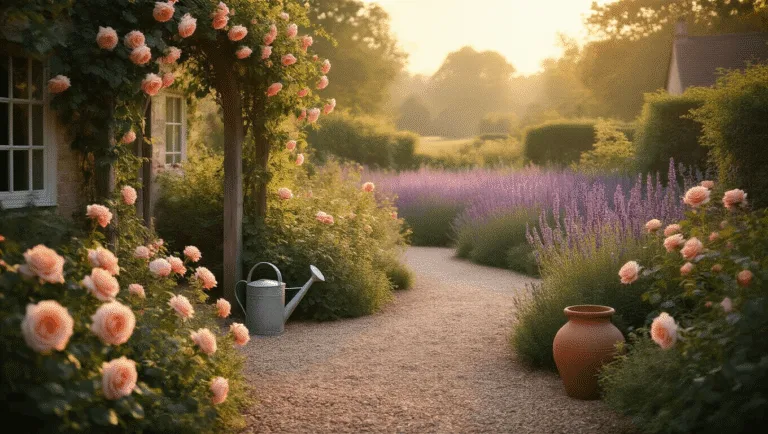
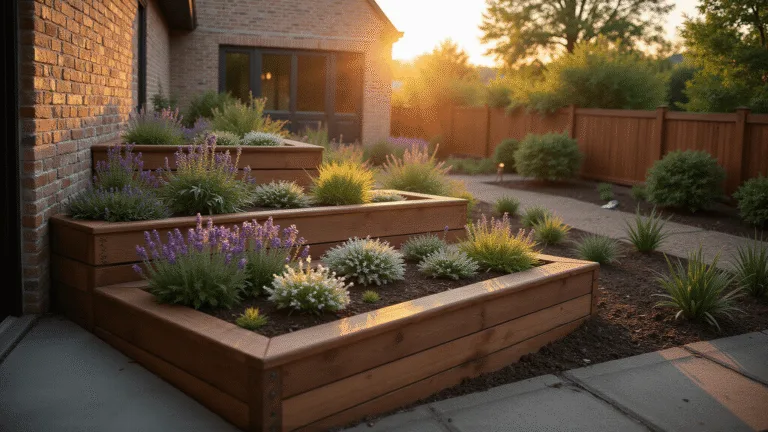



[…] Vintage lanterns add instant charm (and who cares if they’re a little rusty?) […]
[…] break room becomes the social hub during the holidays. If you decorate only one space, decorate this […]