This post may contain affiliate links. Please see my disclosure policy for details.
Purple Flowers: Your Complete Guide to Growing Nature’s Most Enchanting Blooms
Contents
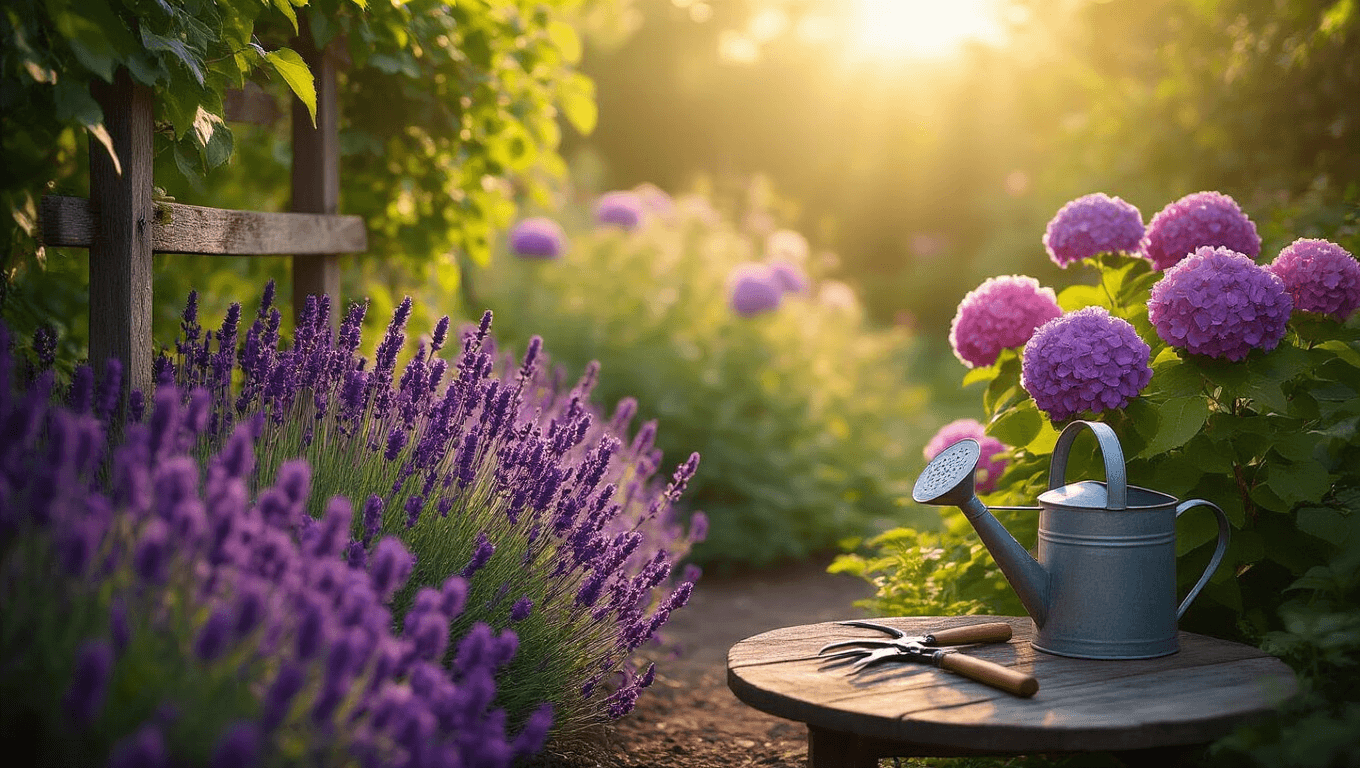
Purple flowers transform ordinary gardens into magical spaces, and I’m here to tell you exactly how to make that happen in your own backyard.
You’re probably wondering which purple flowers will actually thrive in your garden without requiring a horticulture degree to keep them alive. Or maybe you’ve killed a lavender plant or two and you’re ready to figure out what went wrong. I get it—I’ve been there, staring at wilted stems and wondering why my neighbor’s purple blooms look like they belong in a magazine while mine look like they’re auditioning for a zombie movie.
Let me walk you through everything I’ve learned about growing these stunning purple beauties, from the foolproof varieties to the ones that need a bit more attention.
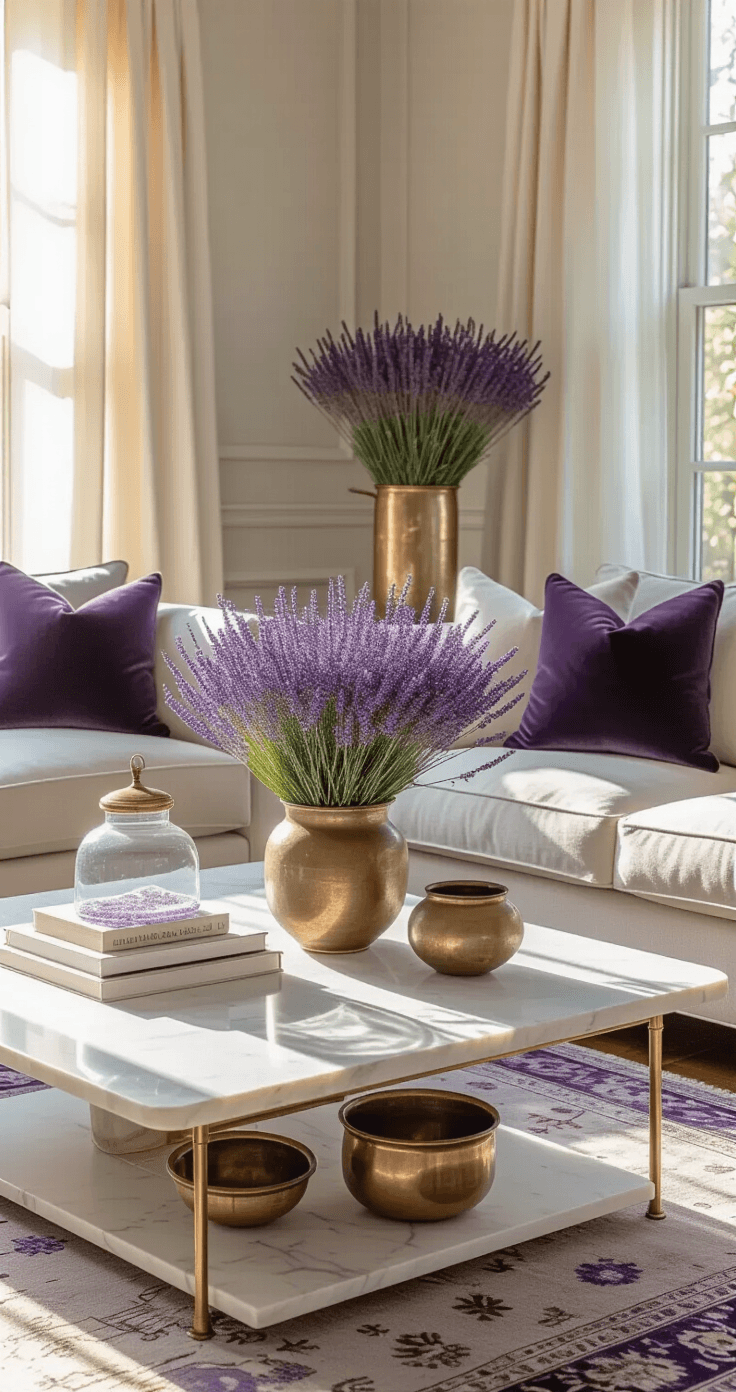
Why Purple Flowers Should Be Your Garden’s Best Friend
Purple flowers aren’t just pretty faces in your garden beds. They’re workhorses that attract pollinators, add depth to your landscape, and create focal points that make people actually stop and stare.
I remember the first time I planted a proper purple garden section. My neighbor literally knocked on my door to ask what I’d done differently because suddenly my yard looked “intentional” instead of “accidentally assembled.”
Here’s what purple flowers bring to the table:
- They create stunning contrast against green foliage
- Most varieties attract bees, butterflies, and hummingbirds like nobody’s business
- They work in nearly every garden style from cottage to modern
- Purple blooms photograph beautifully (your Instagram will thank you)
- They’re available for every season if you plan it right
Lavender: The Purple Flower Everyone Thinks They Can Grow (Until They Can’t)
Lavender is the most recognized purple flower for good reason—when it works, it’s absolutely magnificent.
But here’s the truth nobody tells you: lavender is fussy about three specific things, and if you mess up even one, you’ll have a sad, gray stick instead of those gorgeous purple spikes.
I killed my first three lavender plants before someone finally told me what I was doing wrong.
What lavender absolutely demands:
- Full sun (and I mean FULL—six hours minimum)
- Sandy, well-drained soil (if you have clay soil like I do, you’ll need to amend it heavily)
- Minimal watering (this is where most people screw up—overwatering kills lavender faster than anything)
- Good air circulation (don’t crowd these plants)
The blooms appear in late spring to early summer, and the fragrance alone is worth the effort. I keep lavender pruning shears specifically for harvesting because regular scissors crush the stems.
Pro tip: If your soil holds water like a sponge, plant lavender in raised beds or containers with cactus potting mix mixed with regular potting soil. This one change saved my lavender-growing dreams.
Clematis: The Vertical Garden Showstopper
Clematis is a climbing vine that produces stunning purple blooms and can reach up to 30 feet tall if you let it.
This plant is perfect for anyone who wants maximum flower power with minimal ground space. I grow mine up an arbor at my garden entrance, and it’s the first thing visitors comment on when those mauve flowers explode in spring.
What makes clematis special:
- It climbs naturally, saving you from constant training and tying
- The flowers keep coming from spring through fall on most varieties
- You get massive visual impact without using up valuable bed space
- It’s surprisingly low-maintenance once established
The famous clematis growing rule:
“Head in the sun, feet in the shade.”
This means the roots need to stay cool and shaded while the flowering parts reach for sunlight. I planted mine on the east side of a fence where it gets morning sun but the base stays shaded by nearby perennials.
Soil requirements: Moist but well-drained soil is non-negotiable. Clematis will straight-up refuse to thrive in soggy conditions. I add compost annually around the base and mulch heavily with wood chips to keep those roots happy and cool.
If you’re installing a support structure, put up a sturdy garden trellis before planting—trying to add it later when the plant has established is a nightmare.
Hydrangea: The Drama Queen Worth the Effort
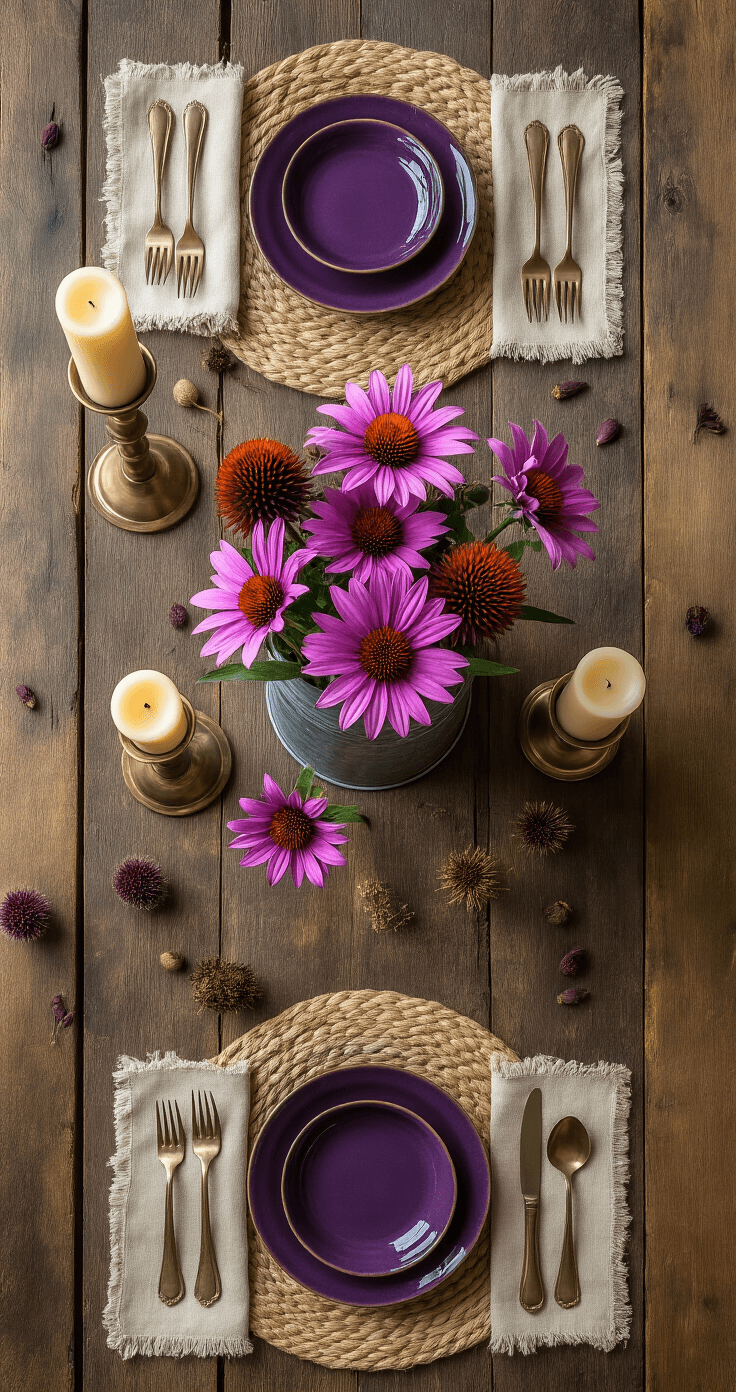
Hydrangea produces large, bold clusters of flowers in stunning purple shades, and yes, you can actually control the color through soil chemistry.
This is garden magic at its finest.
Native to Japan, hydrangeas have become garden staples worldwide because those flower clusters are absolute showstoppers in both the garden and cut arrangements.
Here’s the color-changing secret:
The soil acidity determines whether your hydrangeas bloom pink, blue, or purple.
- Acidic soil (pH 5.5 or lower) = blue to purple flowers
- Neutral to alkaline soil = pink flowers
- Aluminum availability also plays a role
I test my soil every spring with a soil pH tester and amend accordingly. For purple blooms, I keep the pH slightly acidic by adding sulfur or aluminum sulfate.
What hydrangeas need to thrive:
- Morning sun with afternoon shade (especially in hot climates)
- Consistent moisture (the name literally means “water vessel”)
- Rich, well-amended soil
- Protection from harsh winds
I learned the watering lesson the hard way during a particularly hot July when I came home to completely wilted hydrangeas. They bounced back after a good soaking, but now I have a reminder set on my phone for the hottest months.
<img src="https://evyvehomes.com/wp-content/uploads/2026/03/2479cozy-reading-nook