This post may contain affiliate links. Please see my disclosure policy for details.
Hey there, garden enthusiasts!
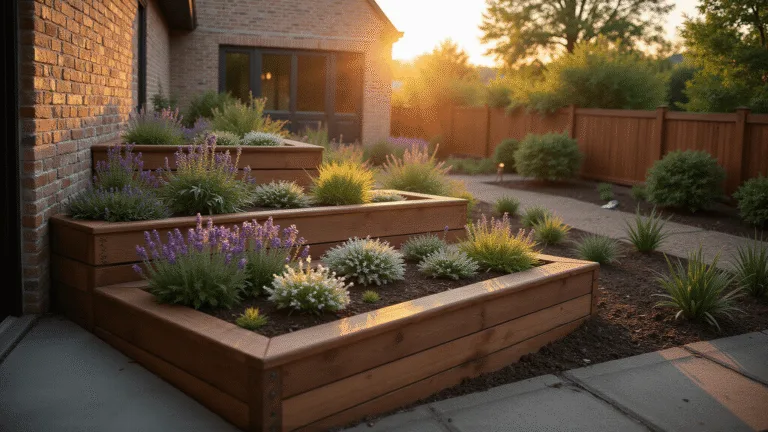
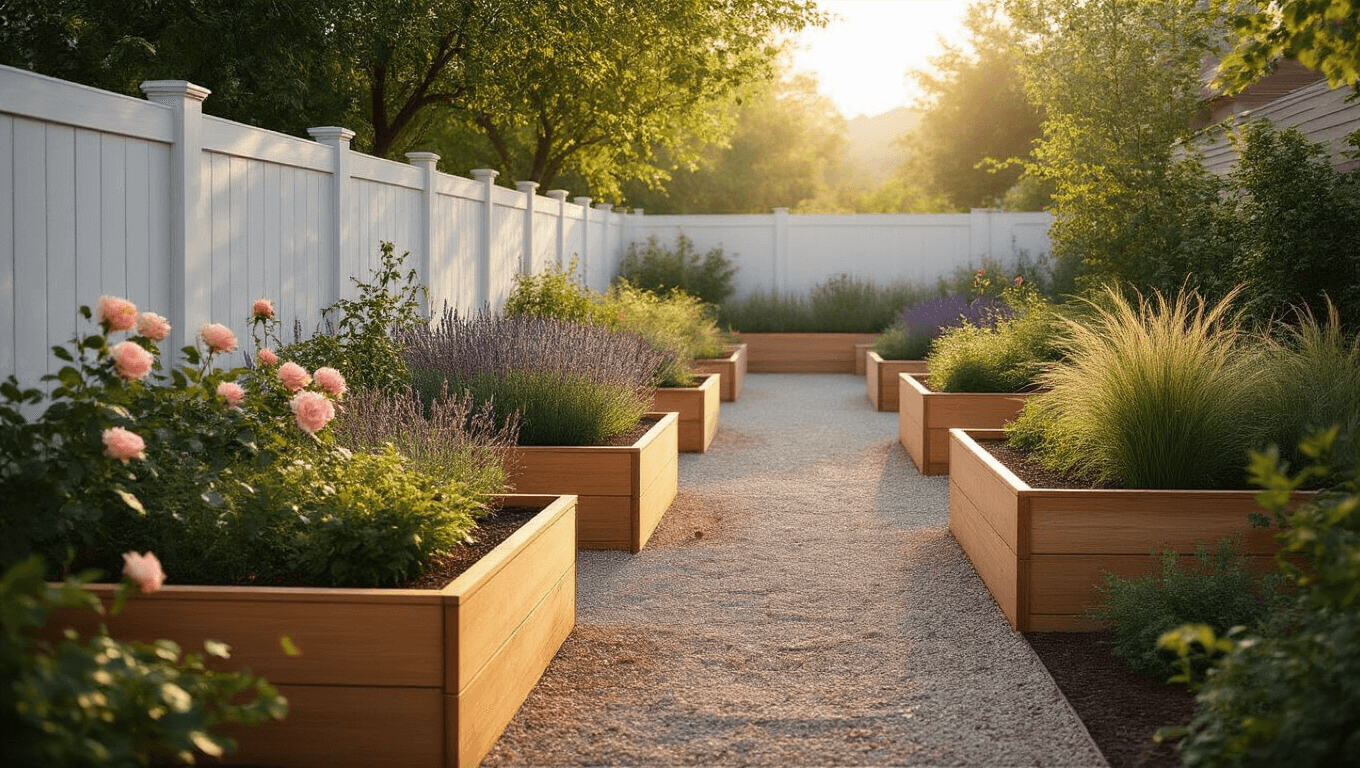
Ready to turn that boring fence into a stunning garden masterpiece? I’ve got the ultimate blueprint for creating raised flower beds that’ll make your neighbors stop and stare.
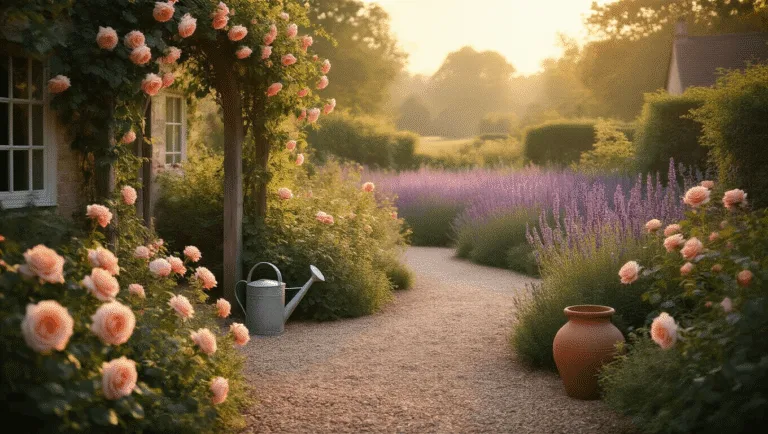
🖼 Steal This Look
- Paint Color: Sherwin-Williams Rookwood Dark Green SW 2808
- Furniture: weathered cedar potting bench with galvanized steel top
- Lighting: solar-powered vintage Edison bulb string lights with black iron posts
- Materials: rough-sawn cedar boards, corten steel planter boxes, crushed gravel pathways, aged brick edging
There’s something deeply satisfying about running your hands along warm cedar boards while the evening light hits your blooms—this is the garden moment you’ll actually live in, not just scroll past.
Why Raised Flower Beds Along a Fence Are a Game-Changer
Let’s cut to the chase – your fence line is prime real estate for gardening magic. Here’s why:
Wind-Proof Your Garden
- Strong winds can destroy delicate plants
- Fence-line beds provide natural protection
- Perfect for sensitive flowers and herbs
Space-Saving Superstars
Imagine maximizing every inch of your outdoor space without cluttering your lawn. Raised beds along the fence are your secret weapon.

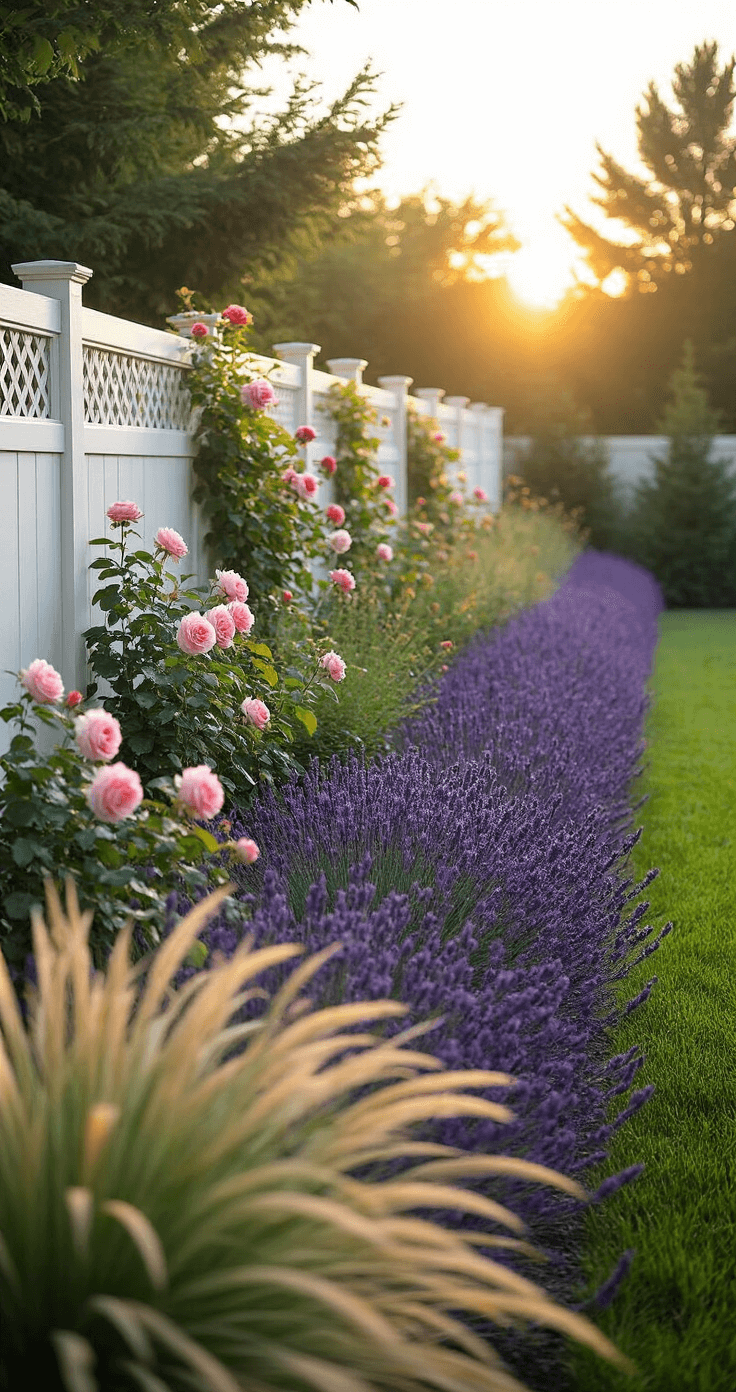
🖼 Steal This Look
- Paint Color: Benjamin Moore Caldwell Green HC-124
- Furniture: weathered teak potting bench with galvanized steel top
- Lighting: solar-powered fence-mounted LED sconces with warm 2700K output
- Materials: cedar plank boards, untreated pine 4×4 posts, corrugated metal siding, pea gravel pathways, hemp rope detailing
There’s something deeply satisfying about transforming that neglected strip where your lawn always struggled into the most productive corner of your yard—my neighbor finally stopped asking about my ‘weird dirt piles’ when the tomatoes started coming in.
Design Considerations: Making It Look Incredible
Materials Matter
Top picks for your raised beds:
- Cedar (naturally rot-resistant and gorgeous)
- Composite boards
- Concrete pavers
Pro Tips for Killer Installation
- Leave 1-2 inches between bed and fence
- Ensure proper drainage
- Choose beds 12-24 inches tall
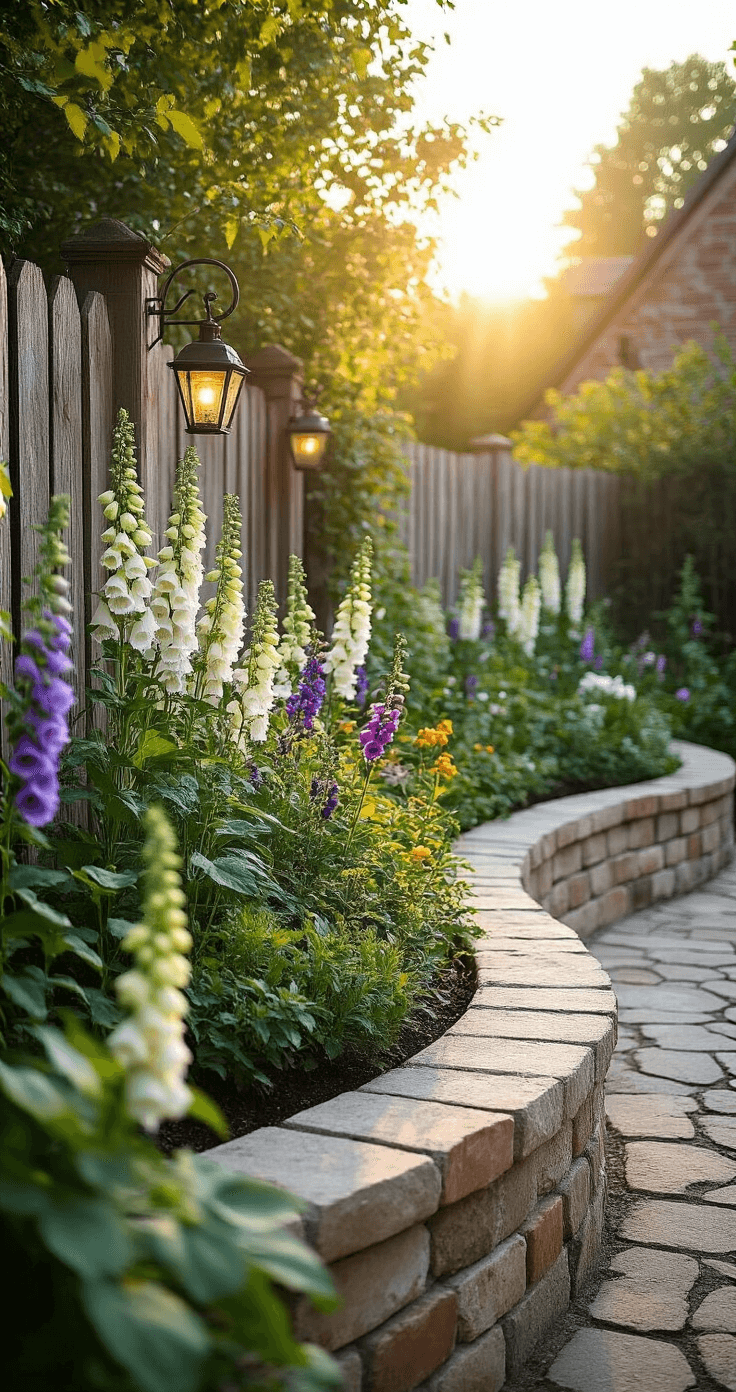
Drainage is Non-Negotiable
- Add landscape fabric
- Mix in gravel at the base
- Prevent moisture buildup
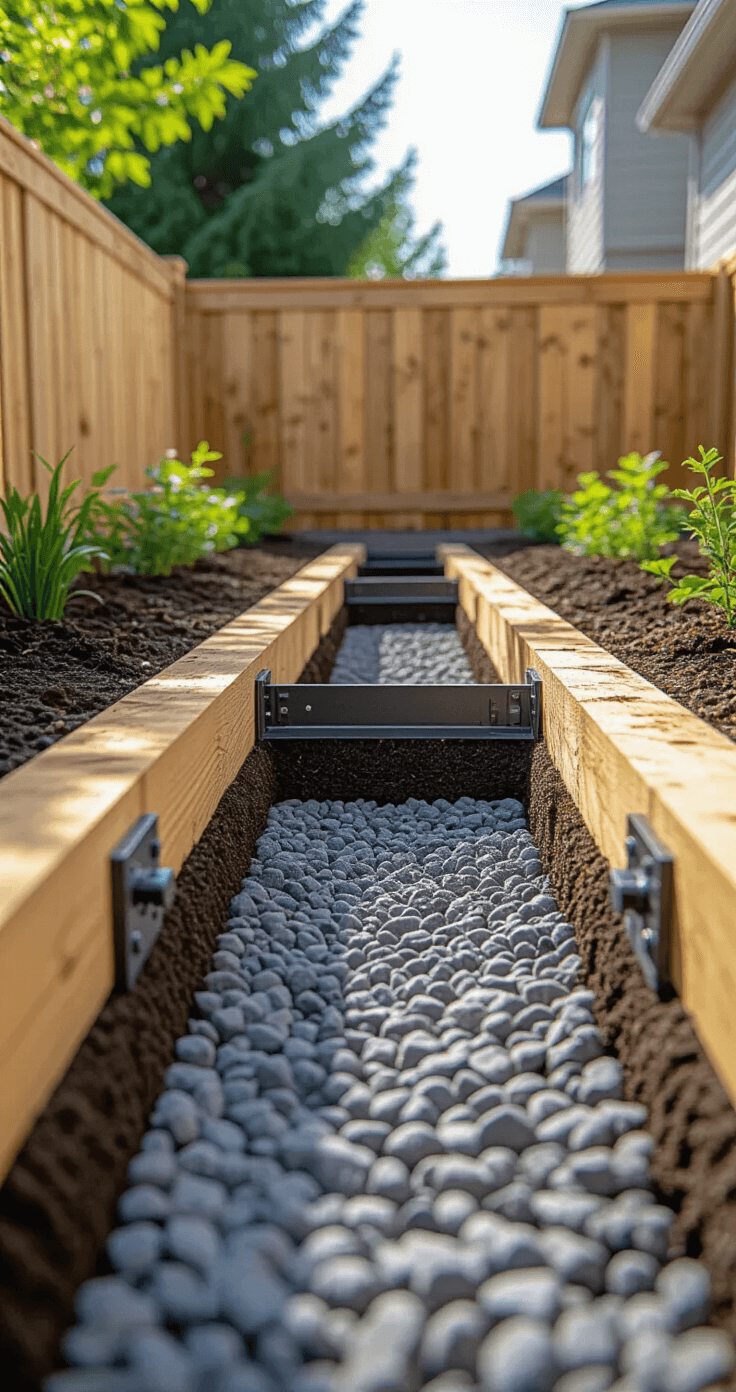
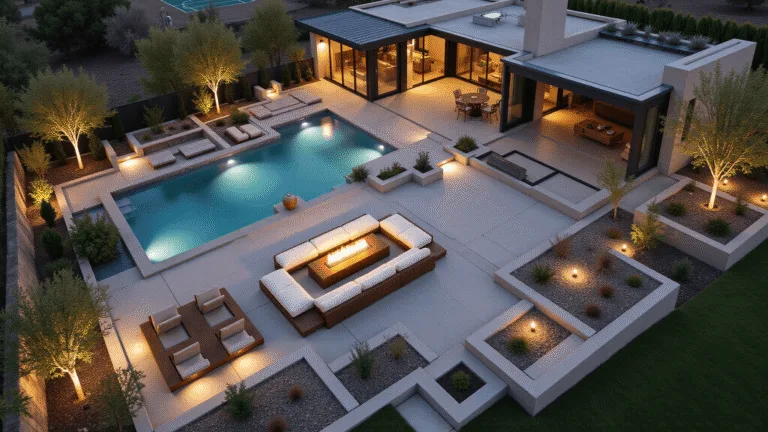
✎ Steal This Look
- Paint Color: Farrow & Ball Green Smoke 47
- Furniture: Weathered teak potting bench with zinc top, positioned against fence as staging area
- Lighting: Low-voltage brass path lights with warm 2700K LEDs, spaced every 6 feet along bed perimeter
- Materials: Rough-sawn cedar, aged corten steel edging, crushed granite gravel, hemp rope detailing
There’s something deeply satisfying about a raised bed that looks intentional from day one—I always tell clients to spend the extra hour on level and plumb, because you’ll stare at this border for years.
Save this article
Enter your email and we'll send it straight to your inbox.
Styling Your Raised Bed Garden
Seasonal Rotation Magic
- Swap out flowers quarterly
- Add solar lighting
- Mix in garden art
- Use decorative mulch
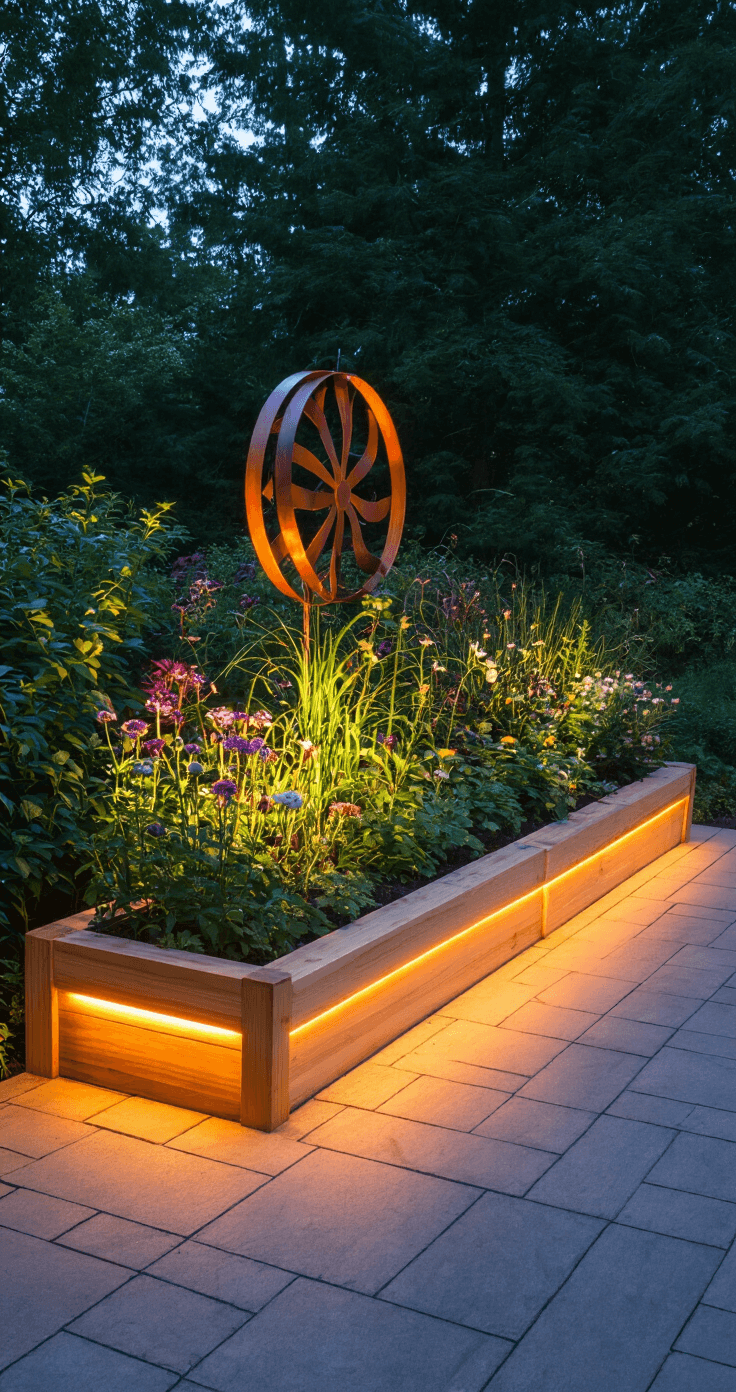
Style Inspiration
- Modern: Clean lines, geometric design
- Cottage: Curved beds, mixed perennials
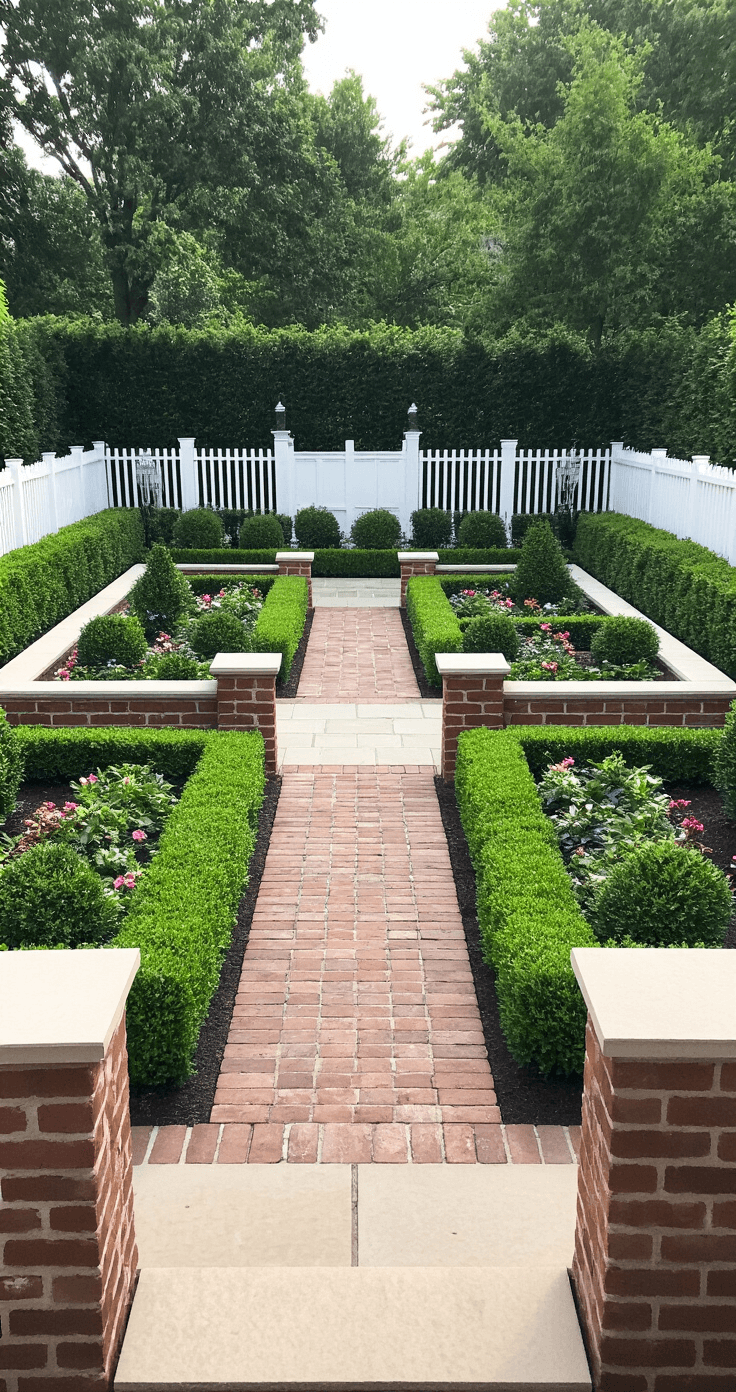
- Classic: Symmetrical layouts
Avoid These Rookie Mistakes
- ❌ Don’t block fence access
- ❌ Skip drainage
- ❌ Overcrowd your plants
- ❌ Forget maintenance space
Plant Selection Cheat Sheet
Best performers near fences:
- Lavender
- Rosemary
- Climbing roses
- Compact shrubs
- Ornamental grasses
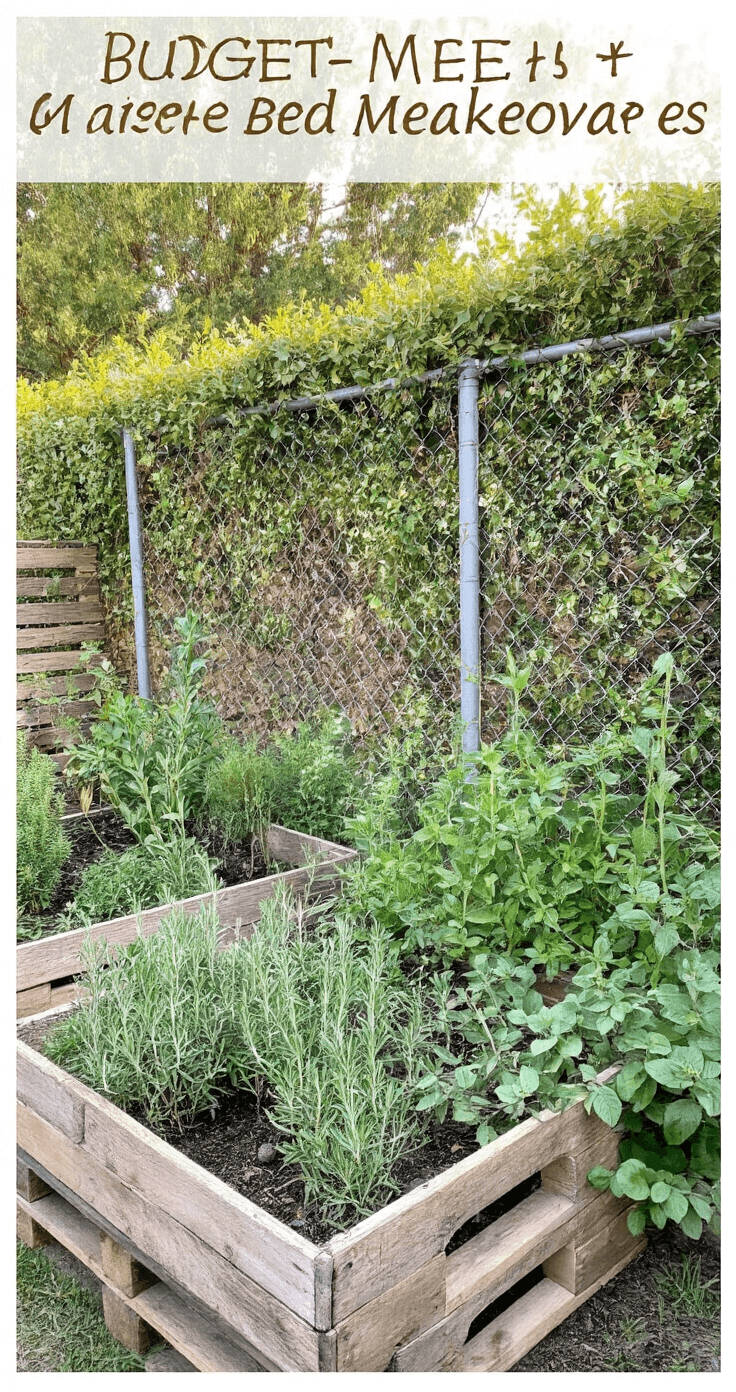
Budget-Friendly Hack
You don’t need to break the bank. Most materials can be found at local hardware stores or even repurposed from existing materials.
Maintenance: Keep It Simple
- Pre-stain wood
- Use metal brackets
- Check for water damage
- Rotate plants seasonally
Final Pro Tip
Think of your fence-line raised beds like a living canvas. They’re not just gardens – they’re outdoor art installations that evolve with the seasons.
Want more inspiration? Dive into Pinterest and YouTube for endless raised bed ideas. Your fence line is about to become the talk of the neighborhood!
Happy gardening, friends! 🌿🌼
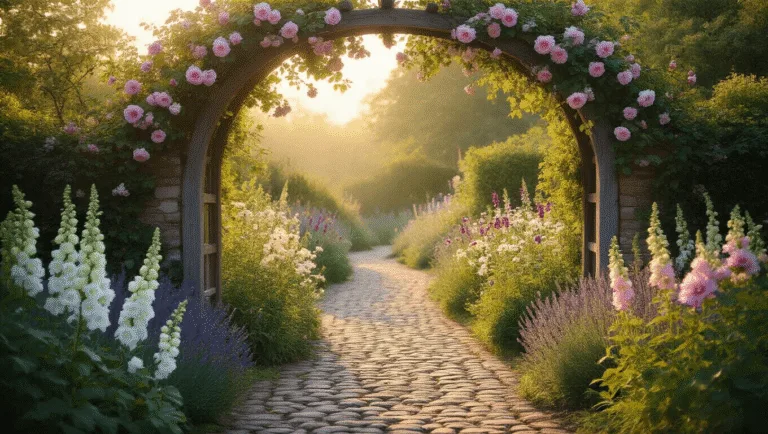
🏠 Steal This Look
- Paint Color: Behr Garden Wall MQ6-30
- Furniture: weathered teak potting bench with galvanized steel top
- Lighting: solar-powered copper finish path lights with warm 2700K output
- Materials: cedar lumber, corrugated metal panels, river rock mulch, hemp twine
There’s something deeply satisfying about walking your garden perimeter with morning coffee, watching pollinators discover your lavender—this is the space where patience literally blooms, and even modest budgets yield tremendous reward.
Keep this one for later
We'll email you the link so you can come back to it.