

This post may contain affiliate links. Please see my disclosure policy for details.
Winter Container Planters: Create Stunning Outdoor Displays That Thrive in Cold Weather
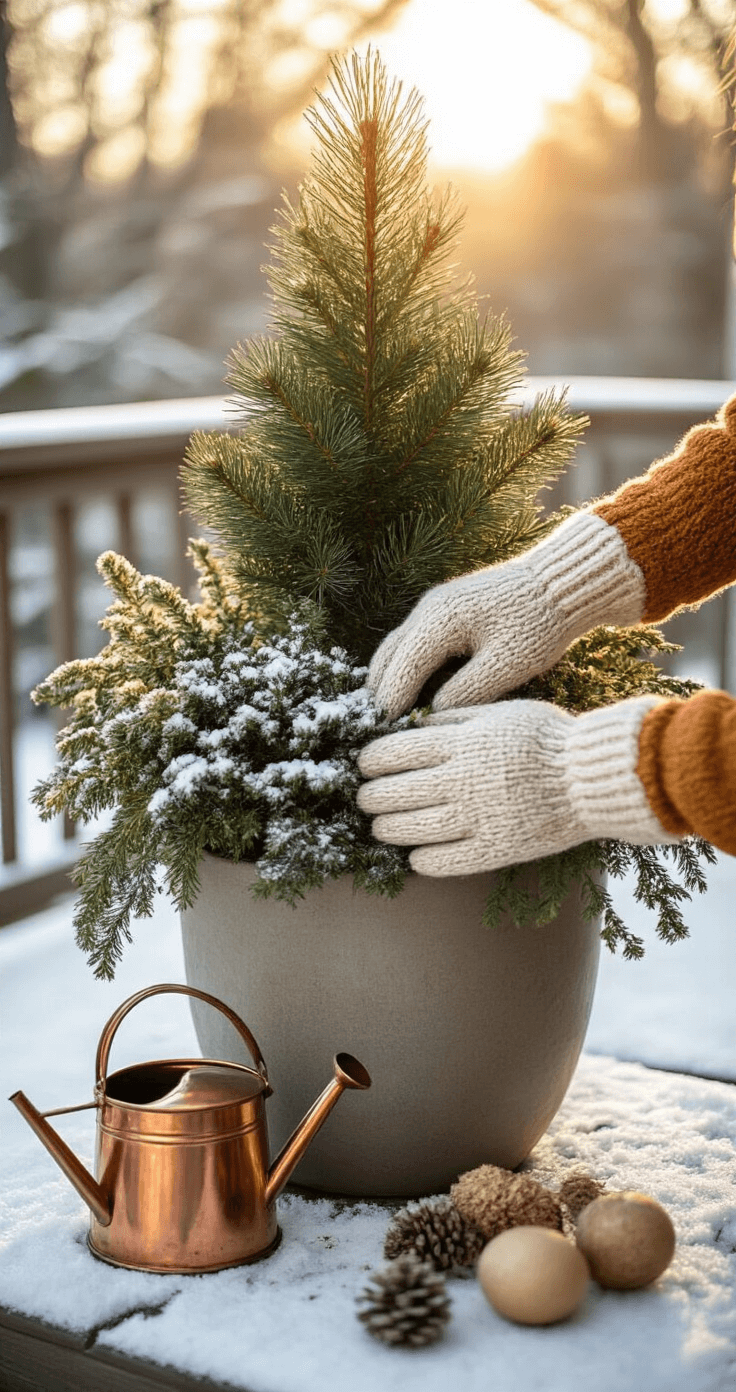
Winter doesn’t mean your outdoor spaces have to look dull and lifeless. I’m about to show you how to craft breathtaking container planters that will make your neighbors stop and stare – even when snow is falling!

🌟 Steal This Look
- Paint Color: Sherwin-Williams Tricorn Black SW 6258
- Furniture: wrought iron bistro set with weathered patina finish
- Lighting: solar-powered Edison bulb string lights with black wire
- Materials: galvanized metal planters, weathered cedar boxes, brushed copper accents, natural birch branches, preserved moss
There’s something deeply satisfying about stepping outside on a gray January morning and seeing living green defying the cold – these planters become your daily reminder that growth persists even in dormancy.
Why Winter Container Gardening is a Total Game-Changer
Let’s be real. Most people abandon their outdoor spaces when temperatures drop. But not you. You’re about to learn how to transform bare porches and empty patios into winter wonderlands that are both beautiful and resilient.
The Secret Sauce of Winter Container Design
Winter container planters aren’t just about throwing some plants together. They’re strategic artwork that requires:
- Texture mixing: Rough logs, soft pine, wiry stems
- Color drama: Rich greens, bright berries, metallic accents
- Hardy plant selection: Plants that laugh in the face of frost
Essential Plants for Your Winter Container Magic
I’ve curated the ultimate plant lineup that will keep your containers looking fresh:
Evergreen Superstars
- Juniper
- Boxwood
- Pine varieties
- Spruce

Berry Brilliance
- Winterberry holly
- Callicarpa (beautyberry)
- Red-twig dogwood
Unexpected Winter Flowers
- Hellebores
- Cyclamen
- Pansies
🖼 Steal This Look
- Paint Color: Farrow & Ball Green Smoke 47
- Furniture: weathered teak potting bench with zinc top
- Lighting: solar-powered Edison bulb string lights with black metal cages
- Materials: aged terracotta, brushed copper planters, raw cedar boxes, galvanized metal buckets, moss-covered branches
There’s something deeply satisfying about defying the gray dormancy outside your door—when neighbors walk past your blooming hellebores in February, you’ll feel like you’ve cracked a secret code.
Pro Styling Tips That Make a Difference
Container Selection Matters
Choose frost-resistant containers with excellent drainage. Your plants will thank you!
Layering Like a Pro
- Start with tallest elements in center
- Add medium-height greenery
- Fill edges with trailing plants
- Sprinkle in accent pieces
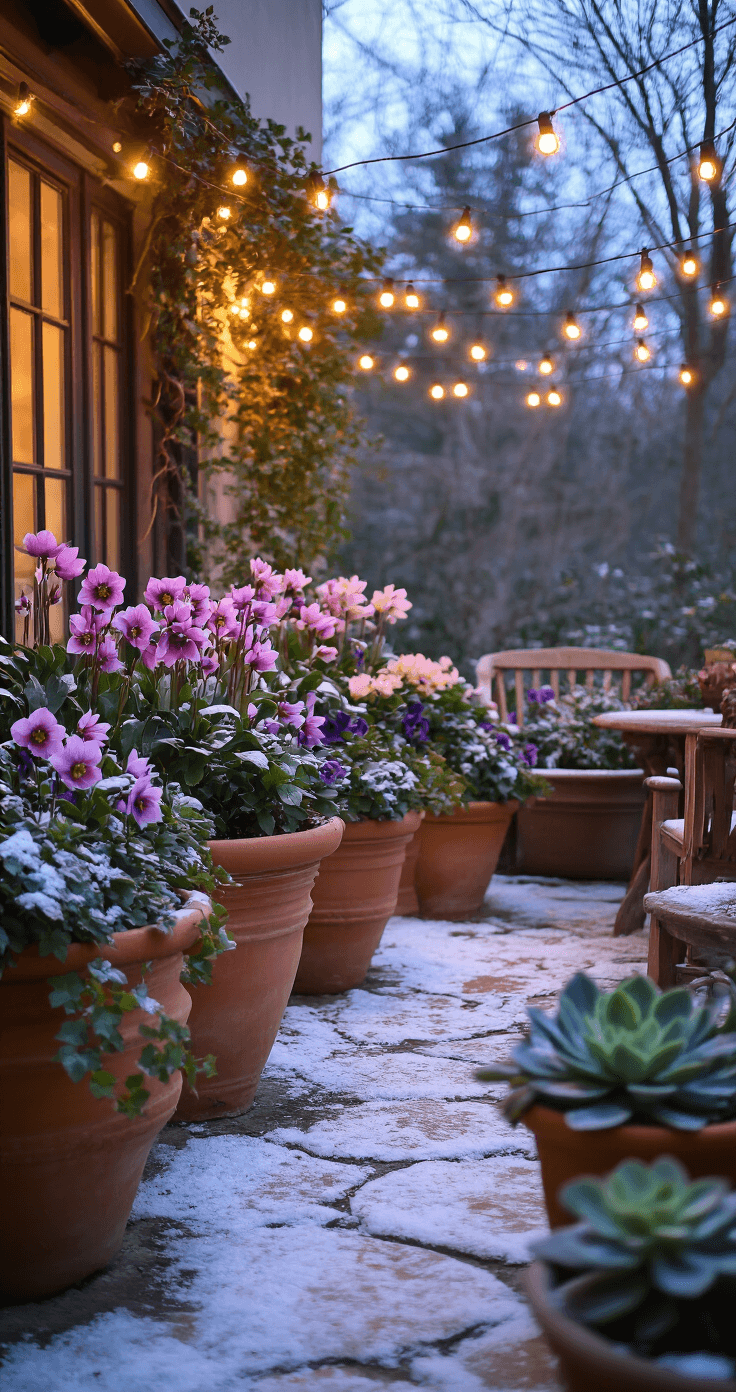
🌟 Steal This Look
- Paint Color: use Behr brand. Match the ACTUAL wall color in the image. Format: Behr ColorName CODE
- Furniture: weathered teak potting bench with galvanized steel top
- Lighting: solar-powered LED string lights with warm 2700K bulbs
- Materials: frost-proof glazed ceramic, powder-coated iron, cedar wood, horticultural charcoal, sphagnum moss
There’s something deeply satisfying about stepping outside on a gray January morning and seeing your own living sculpture thriving against the odds—it transforms the entire mood of your entryway.
Budget-Friendly Hacks
You don’t need to spend a fortune. Try these wallet-friendly tricks:
- Collect pine cones and branches from your yard
- Reuse decorations from previous seasons
- Mix expensive statement plants with affordable fillers
Common Mistakes to Dodge
❌ Don’t:
- Overcrowd your container
- Forget drainage
- Use delicate plants without protection
✅ Do:
Save this article
Enter your email and we'll send it straight to your inbox.
- Leave space between plants
- Add mulch for root protection
- Choose hardy varieties
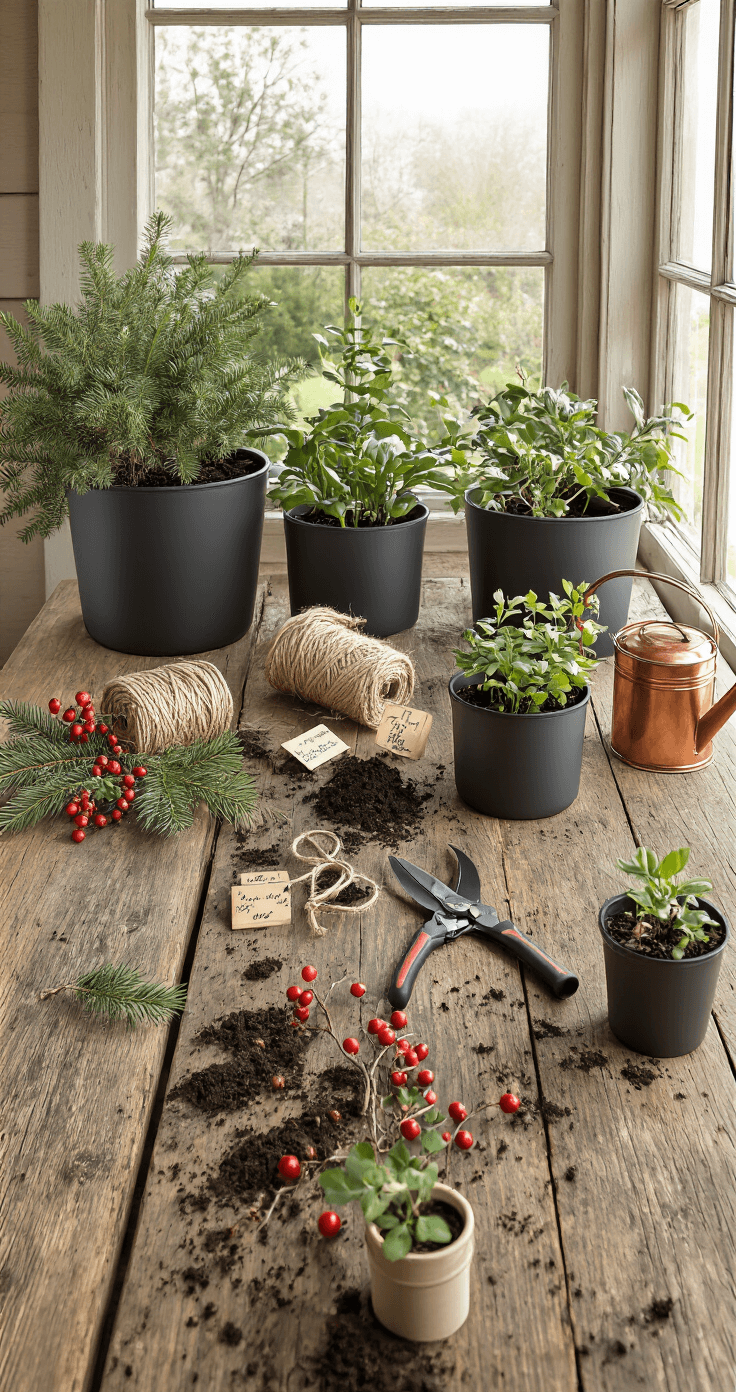
✎ Steal This Look
- Paint Color: use PPG brand. PPG Chinese Porcelain PPG1160-6
- Furniture: galvanized steel planter box with casters for mobility during freeze warnings
- Lighting: solar-powered LED stake lights with warm 2700K output for winter evening container visibility
- Materials: cedar wood, corten steel, burlap wrap, pine straw mulch, expanded shale for drainage
I learned this the hard way after losing three beautiful glazed containers to a single January cold snap; now I only invest in fiberglass or thick-walled concrete planters for my winter displays, and I sleep better knowing my arrangements will survive until spring.
Maintenance Made Simple
Winter containers aren’t high-maintenance. Quick tips:
- Water sparingly
- Place in sheltered locations
- Check soil moisture occasionally
Photography Pro Tips
Want Instagram-worthy shots?
- Shoot on overcast days
- Use natural lighting
- Capture from multiple angles
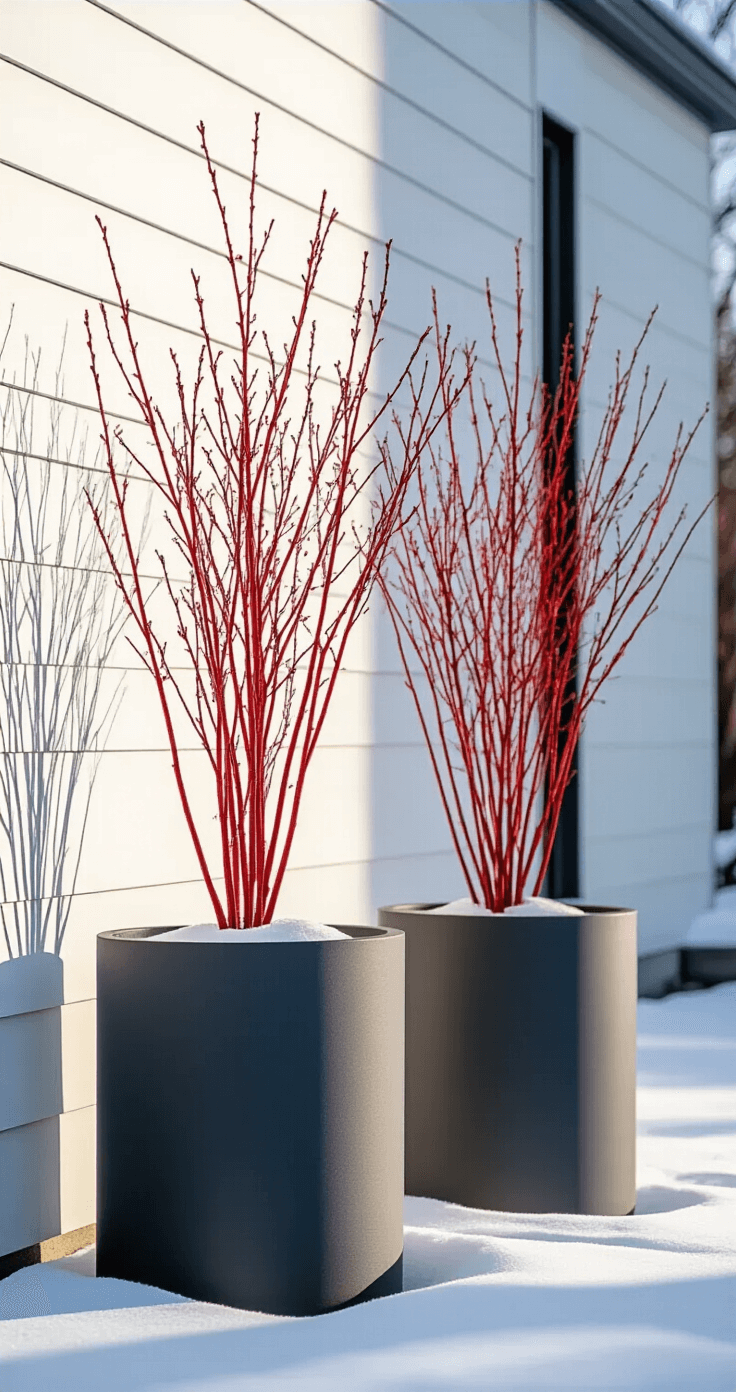
Budget Breakdown
- Basic setup: $30-$50
- Luxury look: $100+
🖼 Steal This Look
- Paint Color: use Clare Paint brand. Match the ACTUAL wall color in the image. Format: Clare Paint ColorName CODE
- Furniture: specific furniture for this room
- Lighting: specific lighting fixture
- Materials: key textures and materials
There’s something quietly satisfying about capturing your own containers at their peak—those photos become a visual diary of the season, and honestly, some of my favorite winter memories live in my camera roll, not my living room.
Final Thoughts
Winter container gardening is an art form. With these techniques, you’ll create outdoor displays that are pure magic – transforming cold, lifeless spaces into stunning winter landscapes.
Ready to become a winter container design master? Let’s do this! 🌿❄️
Pro Tip: The best containers tell a story. What story will yours tell this winter?
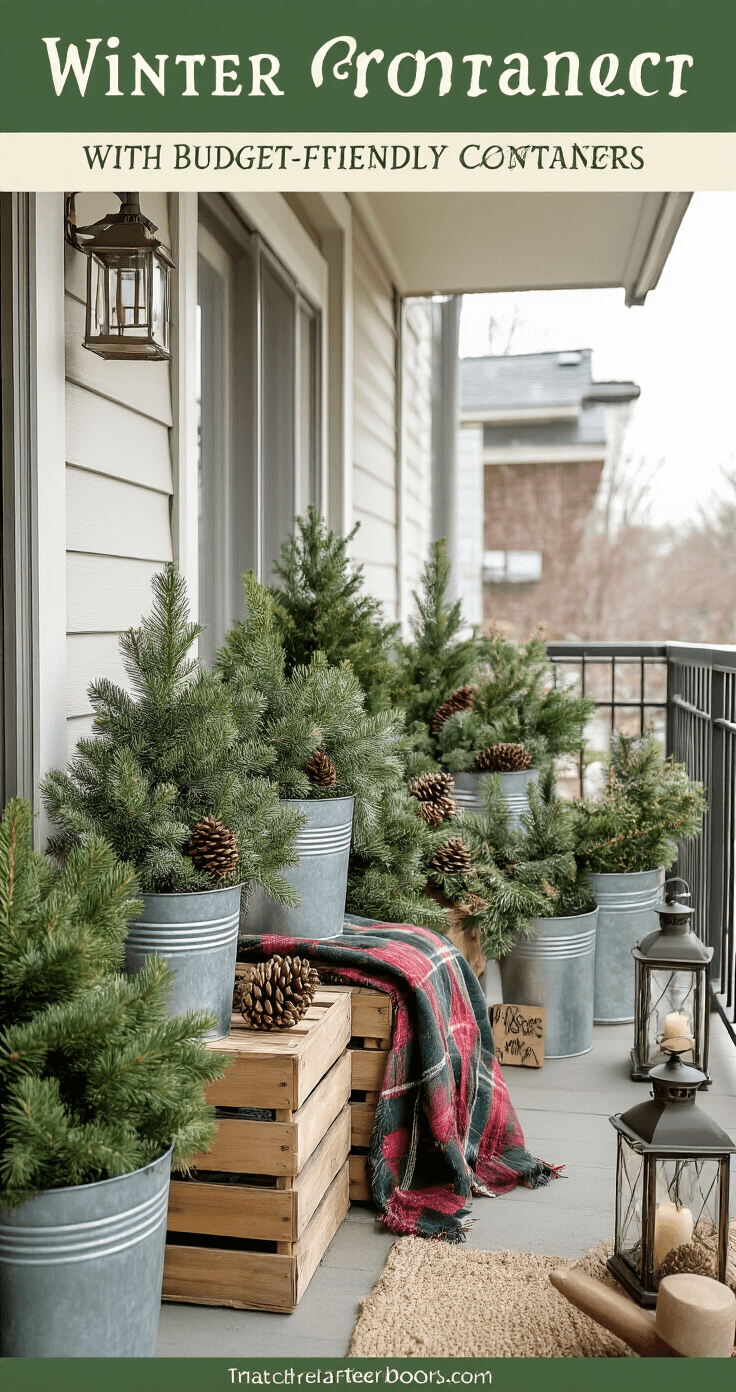
🖼 Steal This Look
- Paint Color: use Fine Paints of Europe brand. Match the ACTUAL wall color in the image. Format: Fine Paints of Europe ColorName CODE
- Furniture: weathered teak potting bench with galvanized zinc top for container staging and storage
- Lighting: solar-powered Edison bulb string lights with black powder-coated stakes for pathway illumination
- Materials: oxidized corten steel, brushed copper planters, raw birch poles, preserved moss, and crushed oyster shell mulch
There’s something quietly defiant about a thriving winter container when everything else has gone dormant—it reminds us that beauty persists even in hardship, and that the effort we put into these small outdoor stages rewards us daily through kitchen windows and front door greetings.
Keep this one for later
We'll email you the link so you can come back to it.



[…] Your Investment: Shields expensive gardening equipment from weather […]